

How Long Does It Take to Lose Visceral Fat? Timeline and What to Expect
How Long Does It Take to Lose Visceral Fat is one of the most common questions people ask after deciding to improve their health. While it’s natural to want quick results, there isn’t a single timeline that applies to everyone. The speed at which visceral fat decreases depends on several factors, including your starting body composition, eating habits, activity level, sleep quality, stress levels, and how consistently you follow healthy lifestyle habits.
Unlike the fat stored just beneath your skin, visceral fat surrounds important organs such as the liver, stomach, and intestines. Carrying too much visceral fat is associated with a higher risk of metabolic syndrome, cardiovascular disease, and fatty liver disease. The encouraging news is that visceral fat often responds well to healthy lifestyle changes, sometimes even before noticeable changes appear in body weight or overall appearance.
Many people expect dramatic transformations within a few weeks, but lasting results usually develop gradually. Small improvements made consistently over several months are far more effective than extreme diets or short-term fitness challenges. Understanding what realistic progress looks like can help you stay motivated and avoid the frustration that often comes from unrealistic expectations.
In this guide, you’ll learn how long it takes to lose visceral fat, what affects your timeline, why some people lose it faster than others, how to monitor your progress, and the daily habits that support long-term success.
How Long Does It Take to Lose Visceral Fat?
The honest answer is that it varies from person to person.
Some people begin reducing visceral fat within a few weeks of consistently improving their lifestyle, while others may need several months before significant changes become noticeable.
Your timeline depends on factors such as:
- Your starting weight
- How much visceral fat you carry
- Your daily calorie intake
- Physical activity levels
- Sleep quality
- Stress levels
- Age
- Genetics
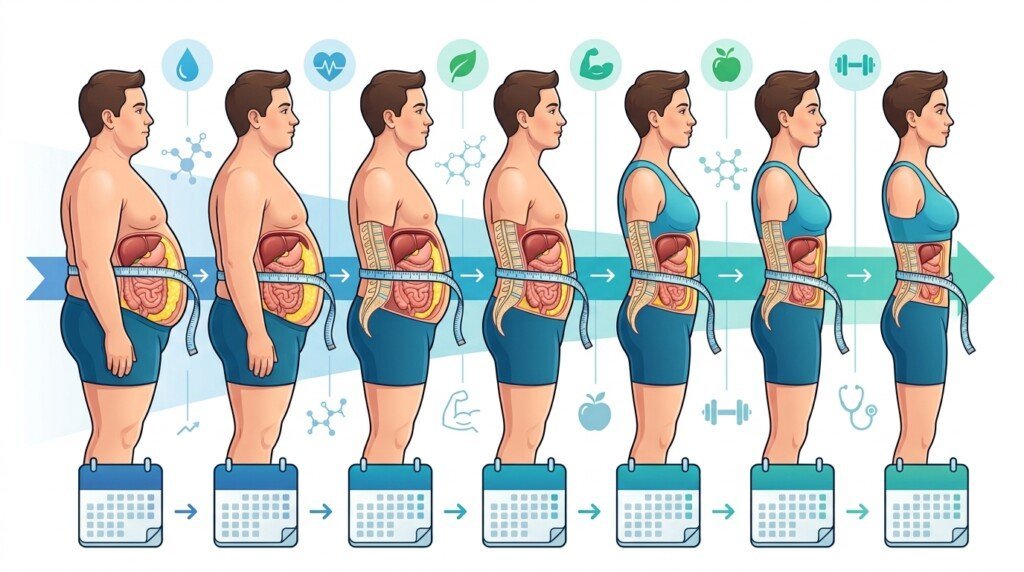
Although everyone’s journey is different, many people experience measurable improvements within 8 to 12 weeks when they consistently maintain healthy habits.
This doesn’t necessarily mean they’ll see dramatic physical changes during that time.
Instead, early improvements often include:
- Reduced waist circumference
- Better energy levels
- Improved endurance
- Healthier blood pressure
- Better overall fitness
Visible changes usually continue to develop gradually over the following months.
The most important point to remember is that visceral fat loss is rarely linear.
Some weeks you may notice clear progress, while other weeks seem unchanged.
This is completely normal.
If you’re unfamiliar with why visceral fat matters, our complete guide on Visceral Fat explains how this hidden abdominal fat affects long-term health.
What Factors Affect How Quickly You Lose Visceral Fat?
Several lifestyle and biological factors influence how quickly your body reduces visceral fat.
Starting Body Composition
People carrying larger amounts of visceral fat often notice measurable improvements sooner than individuals who have relatively little visceral fat to begin with.
Early changes can sometimes occur without large reductions in body weight.
Calorie Balance
Creating a moderate calorie deficit allows your body to gradually use stored fat for energy.
Extremely restrictive diets may produce rapid short-term weight loss, but they are often difficult to maintain.
A sustainable approach generally produces better long-term results.
Physical Activity
Regular movement increases energy expenditure and supports overall fat loss.
Aerobic exercise, resistance training, and simply reducing sedentary time all contribute to healthier body composition.
Our guide on Exercises for Visceral Fat explains which types of physical activity are most effective.
Nutrition
Food quality plays a major role in supporting healthy body composition.
Meals rich in vegetables, fruits, whole grains, lean protein, legumes, nuts, and healthy fats provide nutrients while making it easier to maintain a healthy calorie intake.
For practical food choices, see our article on Foods That Reduce Visceral Fat.
Sleep
Consistently getting enough quality sleep supports recovery, appetite regulation, and overall metabolic health.
Poor sleep often makes healthy eating and regular exercise more difficult to maintain.
Stress
Long-term stress can influence eating behaviors, reduce motivation to exercise, and disrupt healthy daily routines.
Managing stress supports healthier lifestyle habits over time.
Consistency
Perhaps the biggest factor of all is consistency.
Small improvements repeated every day almost always outperform dramatic efforts that last only a few weeks.
Can You Lose Visceral Fat Faster Than Subcutaneous Fat?
One encouraging aspect of visceral fat is that it often responds more quickly to healthy lifestyle changes than subcutaneous fat.
Subcutaneous fat is the layer of fat just beneath the skin that you can pinch with your fingers. Visceral fat, on the other hand, surrounds your internal organs and is more metabolically active.
Because visceral fat is actively involved in your body’s energy regulation, it is often used as a fuel source earlier during sustained weight loss.
This doesn’t mean you can specifically target visceral fat or choose where your body loses fat first. Spot reduction is still a myth.
Instead, as your body gradually loses fat through a consistent calorie deficit and regular physical activity, visceral fat may decrease before noticeable changes appear in areas such as the hips, thighs, or arms.
This is one reason some people experience health improvements before seeing dramatic changes in the mirror.
For example, someone may notice:
- A smaller waist circumference
- Lower blood pressure
- Improved fitness
- Better energy levels
- Improved laboratory markers
before experiencing major changes in clothing size.
Although everyone responds differently, this early reduction in visceral fat is one reason healthcare professionals encourage healthy lifestyle changes even when weight loss appears slow.
Which Lifestyle Habits Speed Up Visceral Fat Loss?
There is no shortcut for reducing visceral fat.
Instead, the people who make the greatest long-term progress usually combine several healthy habits consistently.

Maintain a Moderate Calorie Deficit
Reducing overall calorie intake without extreme restriction allows your body to gradually use stored fat for energy.
The goal is not to eat as little as possible.
Instead, focus on creating a sustainable eating pattern that you can continue long term.
Stay Physically Active
Exercise increases energy expenditure while improving cardiovascular fitness and preserving muscle.
The best routine usually combines:
- Walking
- Aerobic exercise
- Strength training
- Daily movement outside structured workouts
Remaining active throughout the day is just as important as completing scheduled exercise sessions.
Eat Mostly Whole Foods
Meals built around vegetables, fruits, legumes, whole grains, lean protein, nuts, seeds, and healthy fats naturally provide more nutrients while helping control hunger.
Highly processed foods are often easier to overeat because they are calorie-dense and less filling.
Sleep Consistently
Adults generally benefit from seven to nine hours of quality sleep each night.
Poor sleep can increase hunger, reduce exercise performance, and make healthy decisions more difficult.
Improving sleep quality supports many of the healthy habits that contribute to visceral fat reduction.
Manage Stress
Stress itself does not automatically increase visceral fat, but it can influence behaviors that affect body composition.
Healthy stress-management techniques include:
- Walking outdoors
- Meditation
- Deep breathing
- Spending time with family and friends
- Reading
- Journaling
The goal is to create habits that support both physical and mental well-being.
Stay Consistent
Perhaps the most overlooked habit is consistency.
Missing one workout or enjoying an occasional treat will not determine your success.
Your overall routine over months matters far more than any single day.
If you’re building long-term healthy habits, our article on Sustainable Weight Loss explains how small daily actions lead to lasting results.
How Can You Track Your Progress?
One of the biggest mistakes people make is relying only on the bathroom scale.
Although body weight provides useful information, it doesn’t always reflect improvements in body composition.
A better approach is to monitor several indicators together.

Measure Your Waist Circumference
Since visceral fat accumulates around the abdomen, changes in waist size often provide one of the clearest signs of progress.
Measure your waist every two to four weeks under the same conditions.
Take Progress Photos
Photos taken from the front, side, and back under similar lighting can reveal gradual changes that are difficult to notice in everyday life.
Monitor Your Fitness
Improved endurance and strength often appear before major physical changes.
Examples include:
- Walking farther without fatigue
- Lifting heavier weights
- Climbing stairs more comfortably
- Recovering faster after exercise
These improvements indicate that your body is becoming healthier even if the scale changes slowly.
Check Your Clothing Fit
Many people discover that their clothing becomes looser before they notice significant weight loss.
Waistbands, belts, and fitted shirts often provide practical evidence of changing body composition.
Measure Visceral Fat Estimates
If you’re interested in monitoring abdominal fat more closely, our guide on How to Measure Visceral Fat explains several practical home methods, including waist circumference, waist-to-height ratio, and body composition measurements.
Tracking multiple indicators provides a much clearer picture than relying on body weight alone.
What Mistakes Slow Down Visceral Fat Loss?
Progress often stalls because of common lifestyle habits rather than a lack of effort.
Recognizing these mistakes can help you stay on track.
Expecting Overnight Results
Healthy fat loss is gradual.
Unrealistic expectations often lead people to abandon healthy habits too early.
Following Extreme Diets
Very restrictive diets may produce rapid initial weight loss, but they are usually difficult to maintain.
Many people regain lost weight once the diet ends.
Exercising Inconsistently
Occasional intense workouts cannot replace regular physical activity.
Consistency almost always produces better long-term results.
Sitting Too Much
Even people who exercise regularly benefit from reducing prolonged sitting throughout the day.
Walking breaks and everyday movement contribute meaningfully to overall activity levels.
Ignoring Recovery
Recovery is an essential part of any healthy routine.
Adequate sleep and rest support exercise performance, muscle recovery, and long-term adherence.
Comparing Yourself With Others
Everyone loses fat at a different pace.
Comparing your progress with someone else’s often creates unnecessary frustration.
Focus on improving your own habits rather than matching someone else’s timeline.
When Should You Expect Visible Results?
Visible changes rarely happen all at once.
Most people first notice improvements in how they feel rather than how they look.
Common early improvements include:
- Better stamina
- More energy
- Improved sleep
- Easier movement
- Better exercise performance
As the weeks continue, many people begin noticing:
- A smaller waistline
- Looser clothing
- Better posture
- Improved muscle definition
- Healthier body composition
Rather than aiming for perfection, celebrate steady progress.
Healthy habits repeated consistently produce meaningful changes that continue long after short-term motivation fades.

Frequently Asked Questions
1. How long does it take to lose visceral fat?
Many people notice measurable improvements within eight to twelve weeks of consistently following healthy lifestyle habits, although individual results vary.
2. Can visceral fat disappear before other body fat?
It can. Visceral fat often responds well to healthy lifestyle changes and may decrease before noticeable reductions in subcutaneous fat.
3. What is the fastest way to reduce visceral fat?
The most effective approach combines a moderate calorie deficit, regular physical activity, quality sleep, stress management, and long-term consistency.
4. How can I tell if I’m losing visceral fat?
A decreasing waist circumference, improved fitness, better energy levels, and healthier body composition are all positive indicators.
5. Should I weigh myself every day?
Daily weighing is optional, but monitoring waist circumference, progress photos, and fitness improvements often provides a more complete picture of your progress.
Final Thoughts
Understanding how long it takes to lose visceral fat helps set realistic expectations and encourages a long-term approach to better health. While some people notice improvements within a few weeks, meaningful and lasting changes usually develop over several months of consistent healthy habits.
Rather than chasing rapid results, focus on the behaviors you can control each day. Regular physical activity, nutritious eating, quality sleep, stress management, and consistent progress tracking all work together to support gradual reductions in visceral fat.
Remember that success is not measured only by the number on the scale. A smaller waist circumference, improved strength, better endurance, and increased energy are all signs that your body is moving in the right direction. Stay patient, remain consistent, and trust the process.
Disclaimer:
This post may contain affiliate links. If you purchase through them, we may earn a small commission at no extra cost to you. Also, this content is for informational purposes only and does not substitute professional medical advice.
Ready to Start Your Journey?
Use our free 7-in-1 Weight Loss Toolkit to calculate your numbers and build your plan in minutes.
Open Free Tools →