

How to Take L-Carnitine for Weight Loss: Dosage, Forms, and Common Mistakes
Buying an L-carnitine supplement is only the first step.
The next question is the one that matters most: How should you actually take it?
This is where many people become confused. Some believe taking larger amounts will produce faster fat loss. Others skip days, switch between different products, or copy routines they see on social media without understanding whether those approaches are supported by evidence.
The reality is much simpler.
Understanding How to Take L-Carnitine for Weight Loss is about following practical, consistent habits rather than chasing shortcuts. The amount you take, the form you choose, and how consistently you use it all influence whether supplementation becomes a useful part of your overall weight management plan.
This guide explains commonly recommended dosage ranges, daily use, different supplement forms, whether body weight affects intake, how L-carnitine fits into a supplement routine, and the mistakes that often prevent people from getting the most from their supplementation.
Quick Answer
How to Take L-Carnitine for Weight Loss starts with choosing a high-quality supplement and following the manufacturer’s recommended serving size or guidance from a qualified healthcare professional. Human studies commonly evaluate daily intakes ranging from 500 mg to 2,000 mg, although recommendations vary depending on the specific form of L-carnitine and individual health needs. Consistency, balanced nutrition, regular exercise, and maintaining a Calorie Deficit remain more important than increasing the amount you take.
What Is the Recommended Dosage of L-Carnitine?
One of the first questions people ask is how much L-carnitine they actually need.
The answer depends on several factors, including the form of L-carnitine being used and the purpose of supplementation.
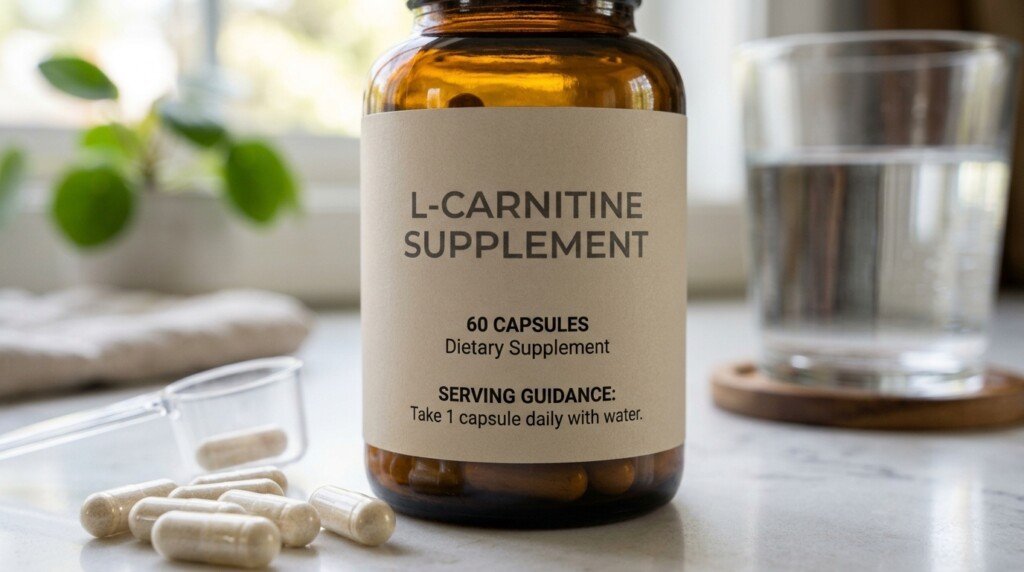
Most Human Studies Use Moderate Daily Amounts
Across published clinical research, daily intakes most commonly fall between:
- 500 mg per day
- 1,000 mg per day
- 1,500 mg per day
- 2,000 mg per day
These amounts appear frequently in studies evaluating weight management, exercise metabolism, and general health outcomes.
Researchers choose these ranges because they have been widely investigated in human clinical trials.
More Isn’t Automatically Better
Many people assume doubling the amount will double the results.
Human physiology doesn’t work that way.
Once normal biological processes have sufficient L-carnitine available, taking increasingly larger amounts does not necessarily produce greater benefits.
This is one reason responsible supplementation focuses on consistency rather than excess.
Always Follow Product Instructions
Different products contain different forms of L-carnitine.
Serving sizes may vary between:
- Standard L-Carnitine
- Acetyl-L-Carnitine
- L-Carnitine L-Tartrate
- Propionyl-L-Carnitine
Always read the manufacturer’s directions carefully instead of assuming every supplement should be used identically.
Should You Take L-Carnitine Every Day?
Consistency is one of the most overlooked parts of supplementation.
Many people take supplements only when they remember or only on workout days.

Daily Habits Matter More Than Occasional Use
Most clinical studies evaluate participants using L-carnitine on a regular daily schedule rather than intermittently.
A consistent routine allows supplementation to become part of an overall healthy lifestyle instead of an occasional habit.
Build It Into an Existing Routine
One of the easiest ways to remember supplementation is to connect it with an existing daily habit.
For example:
- Breakfast preparation
- Morning vitamins
- Filling your water bottle
- Packing your gym bag
Simple routines often improve long-term consistency more effectively than relying on memory alone.
Supplements Cannot Replace Healthy Habits
Even daily supplementation cannot compensate for poor nutrition or inactivity.
The greatest long-term improvements still come from combining L-carnitine with:
- Regular physical activity
- Balanced meals
- Plenty of High-Protein Foods That Burn Fat
- Sustainable weight management habits
Does the Right Dosage Depend on Your Body Weight?
Body weight naturally affects many aspects of nutrition.
Does it also determine how much L-carnitine someone should take?
Individual Needs Can Differ
Healthcare professionals sometimes consider factors such as:
- Body size
- Age
- Health status
- Medical history
- Personal goals
These factors may influence individualized recommendations.
Most Consumer Products Use Standard Serving Sizes
Rather than creating separate products for every body weight, manufacturers generally recommend standardized serving sizes intended for the average healthy adult.
This makes supplementation simpler for most consumers.
Personal Medical Advice Comes First
People with underlying medical conditions, those taking prescription medications, or individuals with unique nutritional needs should consult a qualified healthcare professional before beginning supplementation.
Personalized guidance is always more valuable than generalized online advice.
Can You Combine L-Carnitine With Other Supplements?
L-carnitine is often included in broader nutrition routines rather than taken by itself.
Many people combine it with products that support exercise, general wellness, or healthy eating.

It Is Commonly Included in Weight Management Routines
People interested in L-Carnitine for Weight Loss often combine supplementation with:
- Balanced nutrition
- Regular exercise
- Protein-rich meals
- Hydration
- Healthy sleep habits
The supplement becomes one component of a comprehensive wellness strategy rather than the center of it.
Read Combination Products Carefully
Some supplements already contain multiple active ingredients.
Checking the ingredient label helps you understand exactly what you’re taking and prevents unnecessary duplication.
This becomes especially important when comparing the Best L-Carnitine for Weight Loss products, as formulas can vary considerably.
Prioritize Lifestyle Before Supplement Stacking
Adding more supplements does not automatically improve outcomes.
Healthy eating, regular physical activity, and maintaining sustainable habits continue to have a much greater impact than building increasingly complicated supplement routines.
What Mistakes Stop L-Carnitine From Working as Expected?
Sometimes the biggest obstacle isn’t the supplement itself.
It’s how people use it.
Many unrealistic expectations surrounding L-carnitine come from common mistakes rather than the ingredient.

Expecting It to Replace Healthy Habits
One of the most common misconceptions is believing L-carnitine alone can produce significant weight loss.
In reality, supplements are designed to support healthy behaviors, not replace them.
The strongest long-term results still come from:
- Balanced nutrition
- Regular physical activity
- Consistent healthy habits
- Sustainable calorie control
Changing Products Too Frequently
Some people switch supplements every few weeks because they expect immediate changes.
This makes it difficult to evaluate whether any single product fits their routine.
Consistency usually provides more meaningful insight than constantly trying something new.
Ignoring the Nutrition Foundation
Even the highest-quality supplement cannot compensate for poor eating habits.
Building meals around nutritious whole foods and maintaining a realistic Calorie Deficit continues to have a much greater influence on weight management than supplementation alone.
Forgetting Hydration
Hydration supports countless metabolic processes throughout the body.
Although drinking more water does not make L-carnitine stronger, staying well hydrated supports overall health and exercise performance.
Can You Take Too Much L-Carnitine?
Another common question is whether taking more L-carnitine leads to better results.
Current evidence suggests that more is not necessarily better.
Higher Amounts Do Not Guarantee Better Outcomes
The human body regulates nutrients through complex biological systems.
Taking amounts beyond those commonly evaluated in clinical research does not automatically increase fat metabolism or accelerate weight loss.
Following recommended serving guidance remains the safest and most practical approach.
More Supplements Cannot Replace Consistency
People sometimes respond to slow progress by increasing the amount they take.
In most cases, improving daily habits such as nutrition, exercise, sleep, and consistency will have a greater impact than simply increasing supplementation.
Seek Professional Guidance When Needed
If you have an underlying medical condition, are pregnant or breastfeeding, or take prescription medications, speak with a qualified healthcare professional before beginning or changing any supplement routine.
Individual recommendations may differ depending on personal health circumstances.
How Should You Store L-Carnitine?
Storage may seem like a small detail, but proper handling helps maintain product quality.
Keep It in a Cool, Dry Place
Most L-carnitine supplements should be stored:
- Away from direct sunlight
- In a cool, dry location
- At normal room temperature
- With the lid tightly closed
Always check the manufacturer’s storage instructions because recommendations can vary slightly between products.
Protect It From Excess Heat and Moisture
Bathrooms and hot vehicles are generally poor storage locations because heat and humidity may reduce product quality over time.
Choosing a dry cupboard or pantry is usually a better option.
Check the Expiration Date
Like other nutritional supplements, L-carnitine should not be used beyond its expiration date.
Before beginning a new bottle, verify that the packaging remains sealed and undamaged.
Building a Simple Routine Makes L-Carnitine Easier to Use
One reason people stop taking supplements is that complicated routines become difficult to maintain.
Keeping your approach simple often improves long-term consistency.
Choose one form that fits your lifestyle, follow the manufacturer’s serving instructions, and combine supplementation with balanced nutrition and regular physical activity.
Questions about the Best Time to Take L-Carnitine will be covered in the next article, while a separate guide on L-Carnitine Side Effects will explain important safety considerations and who should speak with a healthcare professional before using the supplement.
Small Daily Habits Matter More Than Perfect Supplement Plans
Understanding How to Take L-Carnitine for Weight Loss isn’t about finding a complicated routine.
The goal is to build simple, sustainable habits that fit naturally into your daily lifestyle.
Choosing a quality supplement, following the recommended serving size, using it consistently, staying active, and maintaining healthy nutrition will always contribute more to long-term success than chasing shortcuts or increasing the amount you take.
When combined with realistic expectations, L-carnitine becomes another tool that supports healthy weight management rather than attempting to replace the foundations that truly matter.
Key Takeaways
| Topic | Key Point |
|---|---|
| Dosage | Human studies commonly evaluate daily intakes between 500 mg and 2,000 mg, depending on the form and research purpose. |
| Daily use | Consistent daily use is generally more effective than taking L-carnitine only occasionally. |
| Body weight | Individual needs vary, but most supplements provide standardized serving recommendations for healthy adults. |
| Supplement routine | L-carnitine fits best alongside balanced nutrition, exercise, hydration, and healthy habits. |
| Common mistakes | Expecting rapid results, inconsistent use, poor nutrition, and ignoring hydration can limit overall success. |
| Storage | Store L-carnitine in a cool, dry place away from heat, moisture, and direct sunlight. |

Frequently Asked Questions
1. How much L-Carnitine should I take?
For How to Take L-Carnitine for Weight Loss, many human studies evaluate daily amounts ranging from 500 mg to 2,000 mg. Always follow the manufacturer’s directions or guidance from a qualified healthcare professional.
2. Can I take L-Carnitine every day?
Yes. Most clinical studies evaluate L-carnitine as part of a consistent daily routine rather than occasional use.
3. Can I combine L-Carnitine with other supplements?
Many people include L-carnitine in a broader nutrition routine. Before combining products, read ingredient labels carefully to avoid unnecessary duplication.
4. Is taking more L-Carnitine better?
No. Higher amounts do not automatically produce better results. Following recommended serving guidance and maintaining healthy lifestyle habits is a more effective long-term approach.
5. How should I store L-Carnitine?
Store it in a cool, dry place away from direct sunlight, heat, and moisture, and always check the expiration date before use.
Conclusion
Knowing How to Take L-Carnitine for Weight Loss is about much more than choosing a number on the label. Success comes from using a quality supplement consistently, following recommended serving guidance, and integrating it into a healthy lifestyle that includes balanced nutrition, regular physical activity, adequate hydration, and long-term consistency. These everyday habits provide the strongest foundation for sustainable weight management.
L-carnitine should be viewed as a supportive addition to your routine rather than a shortcut to faster fat loss. By avoiding common mistakes, storing your supplement properly, and maintaining realistic expectations, you can make informed decisions that support your overall health and help you build lasting healthy habits.
Disclaimer:
This post may contain affiliate links. If you purchase through them, we may earn a small commission at no extra cost to you. Also, this content is for informational purposes only and does not substitute professional medical advice.