Best Protein Powder for Weight Loss: What Actually Works?
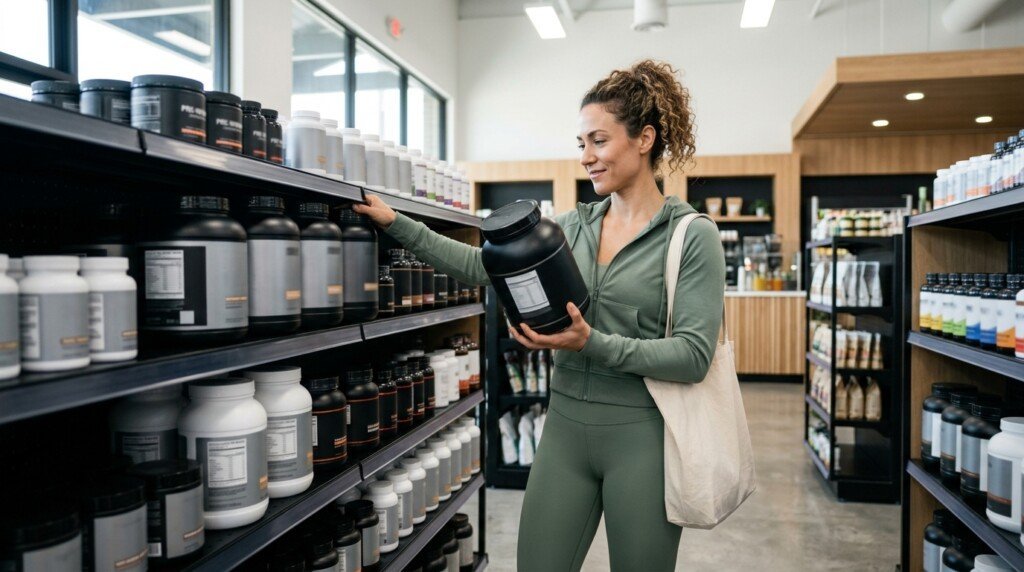
Walk into any nutrition store or browse an online marketplace, and you’ll quickly find hundreds of protein powders claiming to be the best choice for weight loss. Some promise faster fat burning, others advertise ultra-low carbs, while many highlight words like “lean,” “shredded,” or “metabolism boosting.”
The problem is that attractive marketing often makes choosing the right product more confusing than it needs to be.
The truth is that Best Protein Powder for Weight Loss is not determined by flashy packaging or bold promises. Instead, it comes down to a handful of practical factors, including protein quality, calorie content, ingredient transparency, and how well the product fits into your overall eating habits.
Protein powder is not a fat-burning supplement. It cannot melt body fat on its own. However, when used as part of a balanced diet and a sustainable Calorie Deficit, it can become a valuable tool for appetite management, preserving lean muscle, and making healthy eating more convenient.
This guide explains what actually matters when choosing a protein powder for weight loss, compares popular protein types, and helps you identify products worth considering while avoiding common marketing traps.
Quick Answer
The Best Protein Powder for Weight Loss is one that provides a high amount of quality protein with relatively few calories, minimal added sugars, and ingredients that align with your dietary preferences. Products with transparent labels, strong protein quality, and simple formulations are generally better choices than powders relying on exaggerated weight-loss claims.
Does Protein Powder Really Help With Weight Loss?
Many people expect protein powder to burn fat directly.
That isn’t how it works.
Instead, protein powder can support several habits that make long-term weight management easier.
Protein Helps You Feel Full Longer
Protein is widely recognized as one of the most satisfying nutrients.
Meals and snacks that contain adequate protein often leave people feeling fuller compared with meals that contain very little protein.
Feeling satisfied may make it easier for some people to maintain healthy eating habits.
It Makes Reaching Protein Goals Easier
Busy schedules often make preparing high-protein meals difficult.
Protein powder offers a convenient way to increase protein intake without extensive meal preparation.
For many people, convenience improves long-term consistency.
It Supports Healthy Body Composition
During weight loss, the goal is not simply to lose body weight.
Most people want to reduce body fat while maintaining lean muscle.
Adequate dietary protein supports normal muscle maintenance during periods of reduced calorie intake.
If you’re still deciding whether protein supplements fit your lifestyle, the Protein Powder guide explains their broader nutritional role beyond weight management.
Which Protein Powder Is Best for Fat Loss?
There is no universal winner.
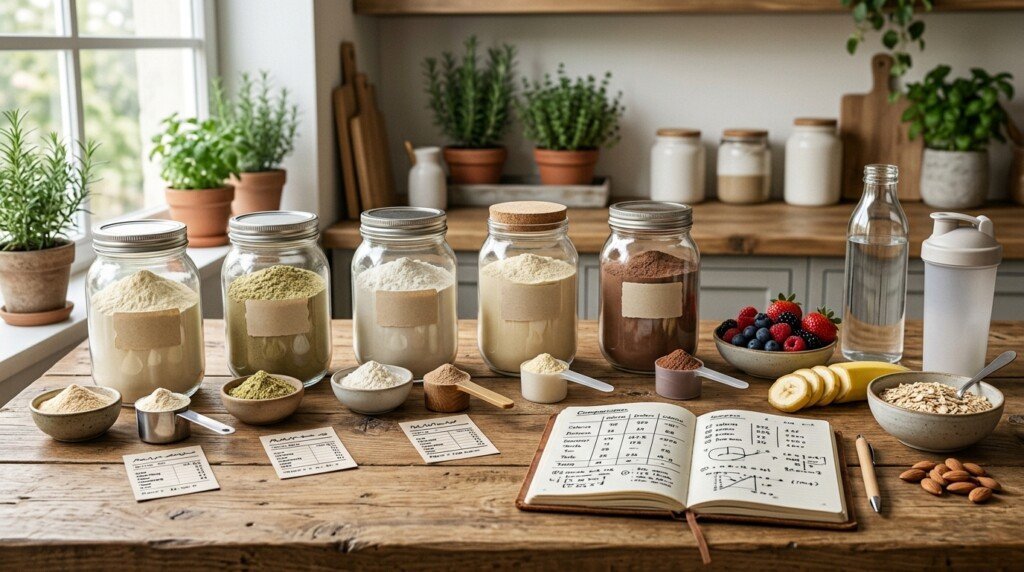
Instead of asking which brand is best, it’s more helpful to compare the characteristics that matter most.
High Protein With Reasonable Calories
One of the simplest ways to compare products is to look at the amount of protein provided relative to calories.
Generally, products offering more protein with fewer calories may fit weight management goals more easily.
Low Added Sugar
Some flavored protein powders contain surprisingly large amounts of sugar.
While occasional sugar is not necessarily a problem, products with excessive added sugars may contribute unnecessary calories.
Always compare nutrition labels before purchasing.
Minimal Fillers
Some protein powders contain long ingredient lists filled with gums, fillers, and artificial additives.
Many consumers prefer products with simpler formulations that clearly identify each ingredient.
Transparent Labeling
A quality product should clearly list:
- Protein source
- Nutrition Facts
- Ingredient list
- Allergen information
Transparency often says more about product quality than advertising claims.
Understanding How to Choose the Right Protein Powder makes comparing these labels much easier before making a purchase.
What Should You Prioritize When Comparing Protein Powders?
Instead of chasing trends, evaluate every product using the same checklist.
Protein Quality
Protein quality matters more than clever branding.
Look for products that provide complete protein sources or thoughtfully formulated plant blends with balanced amino acid profiles.
Ingredient Transparency
Simple, recognizable ingredients often make products easier to evaluate.
The goal isn’t necessarily the shortest ingredient list, but one you can understand.
Sugar Content
Pay attention to:
- Total sugars
- Added sugars
- Sweeteners used
Two products with similar protein amounts can differ significantly in calorie content because of added sugars.
Nutrition Label
Never rely solely on the front of the package.
Always compare:
- Protein per serving
- Calories
- Carbohydrates
- Fat
- Ingredient order
These details tell you far more than marketing slogans.
Is Whey Protein Better Than Plant Protein for Weight Loss?
This question appears almost everywhere.
Fortunately, the answer is simpler than many people expect.
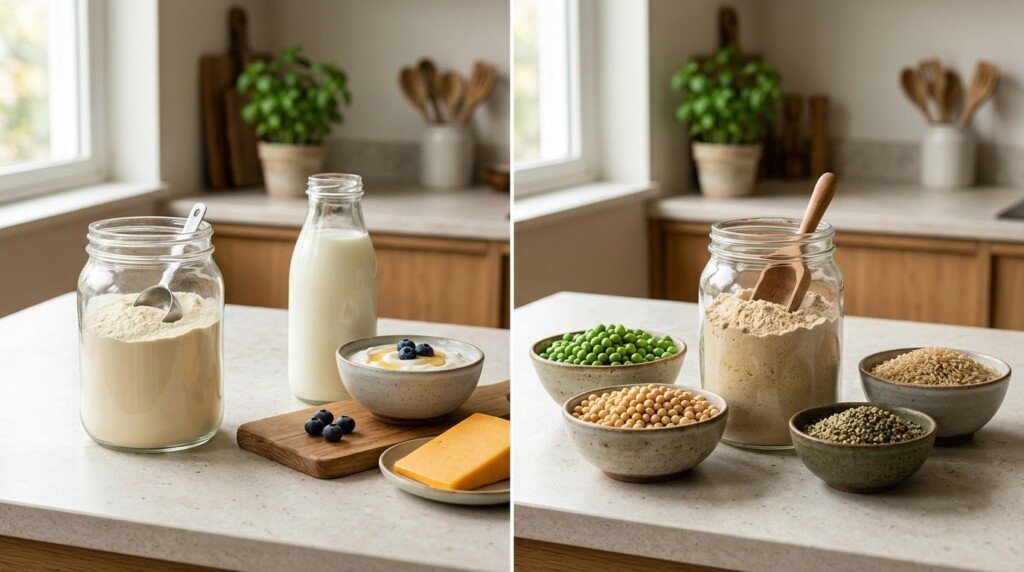
Whey Protein Remains a Popular Choice
Whey protein is commonly chosen because it provides:
- Complete protein
- Excellent protein quality
- Wide availability
- Multiple forms including concentrate and isolate
For people who consume dairy, whey remains one of the most common choices.
Plant Protein Continues to Improve
Plant protein is no longer viewed as a compromise.
Modern blends often combine:
- Pea protein
- Brown rice protein
- Hemp protein
- Pumpkin seed protein
These combinations help create balanced amino acid profiles while supporting vegetarian and vegan lifestyles.
Your Diet Matters More Than Trends
Neither whey nor plant protein automatically leads to greater fat loss.
The best option is the one that fits your dietary preferences and encourages consistent use as part of healthy eating habits.
If you’re unsure how these protein sources differ, Types of Protein Powder provides a detailed comparison of whey, casein, soy, pea, rice, and other popular options.
Should You Choose Protein Isolate or Concentrate?
This comparison often confuses shoppers because both products may come from the same protein source.
The difference lies mainly in processing.
Protein Concentrate
Protein concentrate typically undergoes less processing.
Depending on the source, it may contain:
- Protein
- Small amounts of carbohydrates
- Small amounts of fat
Many consumers appreciate concentrates because they retain more naturally occurring components from the original food source.
Protein Isolate
Protein isolate undergoes additional filtration to increase protein concentration.
As a result, isolates often contain:
- Higher protein percentage
- Lower carbohydrate content
- Lower fat content
Many people looking for high protein with relatively few calories compare isolate products first.
Which Is Better?
Neither option is universally superior.
Instead, compare:
- Your nutrition goals
- Overall calories
- Ingredient list
- Price
- Personal dietary preferences
The product that best supports your long-term eating habits is usually the better choice.
What Ingredients Should You Avoid When Buying a Protein Powder?
Not every protein powder is created with the same level of quality.
Some products focus on providing high-quality protein with straightforward ingredients, while others rely heavily on fillers, added sugars, and marketing buzzwords. Reading the ingredient list carefully can help you separate genuinely good products from those that simply look appealing on the shelf.
Excessive Added Sugar
Protein powder should primarily provide protein, not large amounts of sugar.
Flavored products often taste great because they contain extra sweeteners, but some also contribute unnecessary calories that may not support your weight management goals.
Before purchasing, compare the Nutrition Facts panel and look at:
- Total sugar
- Added sugar
- Calories per serving
A product with slightly less sweetness but a cleaner nutritional profile is often the better long-term choice.
Long Lists of Fillers
Fillers do not automatically make a product poor quality, but long ingredient lists filled with unnecessary extras deserve closer attention.
Examples include:
- Multiple thickening agents
- Numerous artificial flavorings
- Excessive stabilizers
- Ingredients that provide little nutritional value
Many consumers prefer products that keep the ingredient list relatively simple and transparent.
Proprietary Blends
Some manufacturers group several ingredients together under the name “Proprietary Blend.”
While this is legally permitted, it can make it difficult to know how much of each ingredient you’re actually getting.
Products that clearly disclose ingredient amounts provide greater transparency and make comparisons easier.
Unrealistic Weight-Loss Claims
Marketing can sometimes create unrealistic expectations.
Be cautious if a protein powder claims to:
- Melt fat rapidly
- Burn calories automatically
- Replace exercise
- Deliver dramatic body transformations
Protein powder supports healthy nutrition. It is not a substitute for balanced eating habits or an overall healthy lifestyle.
Can Protein Powder Replace Meals?
This is one of the most common questions among people trying to lose weight.
The short answer is that it depends on the product and your overall eating pattern.
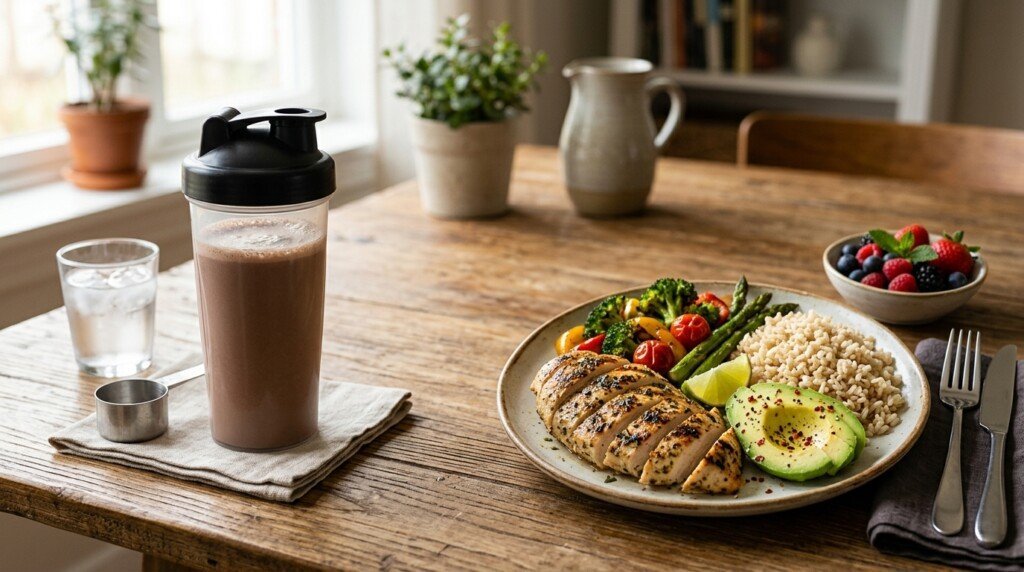
Standard Protein Powders Are Not Complete Meals
Most traditional protein powders are designed to provide dietary protein.
They usually contain relatively small amounts of:
- Fiber
- Healthy fats
- Vitamins
- Minerals
A balanced meal naturally provides a much broader range of nutrients.
Meal Replacement Products Are Different
Some products are specifically formulated as meal replacements.
These often contain:
- Protein
- Carbohydrates
- Healthy fats
- Fiber
- Vitamins
- Minerals
Although both products may look similar, they serve different purposes.
Always read the label to understand what you’re buying.
Whole Foods Should Remain the Foundation
Protein shakes can certainly fit into a healthy eating plan, but whole foods should continue to provide the majority of your daily nutrition.
Foods such as lean meats, eggs, dairy products, beans, lentils, vegetables, fruits, and whole grains contribute nutrients that protein powder alone cannot provide.
Who Benefits Most From Protein Powder for Weight Loss?
Protein powder isn’t necessary for everyone.
Many people easily meet their daily protein needs through food alone.
However, certain lifestyles may benefit from the convenience it provides.
Busy Professionals
Preparing high-protein meals every day isn’t always practical.
Protein powder can simplify nutrition for people with demanding schedules.
People Following Reduced-Calorie Diets
When calories are reduced, maintaining adequate protein intake often becomes more challenging.
A protein powder may help support dietary protein goals while fitting within an overall calorie-controlled eating pattern.
Vegetarians and Vegans
Plant-based protein powders can help diversify protein sources for individuals following vegetarian or vegan diets.
Modern blends offer a variety of options made from peas, rice, soy, hemp, and other plant ingredients.
Older Adults
As people age, maintaining sufficient protein intake may become more difficult due to changing appetite or eating habits.
Protein powder can provide a convenient option when whole-food intake alone does not consistently meet nutritional needs.
What Should You Look for Before Making Your Final Choice?
With hundreds of products available, decision fatigue is common.
Rather than focusing on advertising, compare every protein powder using the same practical checklist.
Ask yourself:
- Does the protein source fit my dietary preferences?
- Is the ingredient list straightforward and transparent?
- Does it contain minimal added sugar?
- Does the calorie content fit my nutrition goals?
- Is the product appropriately tested and clearly labeled?
- Would I realistically enjoy using it regularly?
The answers to these questions are usually more valuable than any bold claim printed on the front of the package.
People comparing nutrition products also frequently evaluate options listed in Best Weight Loss Supplements, but protein powder should be viewed as nutritional support rather than a replacement for healthy eating habits.
Choosing the Best Protein Powder Is About Quality, Not Hype
The nutrition industry often makes shopping feel more complicated than it really is.
In reality, the Best Protein Powder for Weight Loss is rarely the product with the loudest marketing campaign.
It’s the one that provides quality protein, transparent ingredients, reasonable calories, and a formulation that fits naturally into your lifestyle.
Instead of chasing trends, focus on reading labels carefully, comparing protein sources objectively, and choosing products that support sustainable eating habits over the long term.
Key Takeaways
| Topic | Key Point |
|---|---|
| Weight loss support | Protein powder supports weight management by helping increase protein intake and promoting satiety as part of a calorie-controlled diet. |
| Best protein type | Both whey and plant proteins can support weight-loss goals when they provide quality protein and fit your dietary preferences. |
| Product selection | Compare protein quality, calories, ingredient transparency, and sugar content instead of marketing claims. |
| Protein isolate vs concentrate | Isolates generally provide a higher percentage of protein, while concentrates undergo less processing. |
| Meal replacement | Standard protein powders are not complete meal replacements unless specifically formulated for that purpose. |
| Smart buying | Reading nutrition labels carefully is one of the best ways to identify quality protein powders. |
Frequently Asked Questions
1. Which protein is best for losing weight?
The Best Protein Powder for Weight Loss is one that provides high-quality protein, reasonable calories, minimal added sugars, and ingredients that match your dietary preferences.
2. Is whey or plant protein better?
Neither is automatically better. Whey is a popular dairy-based option, while plant proteins are ideal for people following vegetarian, vegan, or dairy-free diets.
3. Can protein powder replace meals?
Most standard protein powders are not designed to replace complete meals. Meal replacement products contain additional nutrients that traditional protein powders typically do not.
4. Should I drink protein shakes every day?
Protein shakes can be included regularly if they help you meet your daily protein needs, but whole foods should remain the foundation of a balanced diet.
5. What should I compare before buying a protein powder?
Focus on the protein source, ingredient list, nutrition label, calorie content, added sugars, protein quality, and overall transparency rather than marketing claims.
Conclusion
Finding the Best Protein Powder for Weight Loss is less about choosing the most popular brand and more about selecting a product that fits your nutritional needs. High-quality protein, transparent ingredients, moderate calorie content, and minimal added sugars are often more important than bold advertising or trendy packaging. Whether you prefer whey, plant-based protein, isolate, or concentrate, the right option is the one that supports your eating habits while helping you maintain a balanced, sustainable approach to weight management.
Remember that protein powder is a supplement, not a shortcut. It works best when paired with nutritious whole foods, consistent physical activity, and a realistic calorie deficit. By focusing on product quality instead of marketing hype, you can confidently choose a protein powder that supports your long-term health and weight-loss goals.
Disclaimer:
This post may contain affiliate links. If you purchase through them, we may earn a small commission at no extra cost to you. Also, this content is for informational purposes only and does not substitute professional medical advice.