The Role of Insulin in Metabolic Flexibility
Your body does not burn the same fuel in the same way all day.
After a meal, glucose becomes more available and your body shifts toward using and storing carbohydrate. Several hours later, as the immediate supply of nutrients falls, the body can increase its reliance on stored fuels, including fatty acids. That ability to adjust fuel use is central to metabolic flexibility.
At the center of much of this transition is a hormone most people associate only with blood sugar: insulin.
The relationship between insulin and metabolic flexibility is more interesting than the usual claim that insulin simply “turns fat burning off.” Insulin helps coordinate what happens to incoming glucose, how much glucose enters muscle and fat cells, how carbohydrate is stored, and how strongly fat is released from adipose tissue. At the same time, the body’s response to insulin depends on the tissue, the nutritional state, physical activity, and overall metabolic health.
This is why insulin should not be viewed as a villain.
It is a metabolic traffic controller.
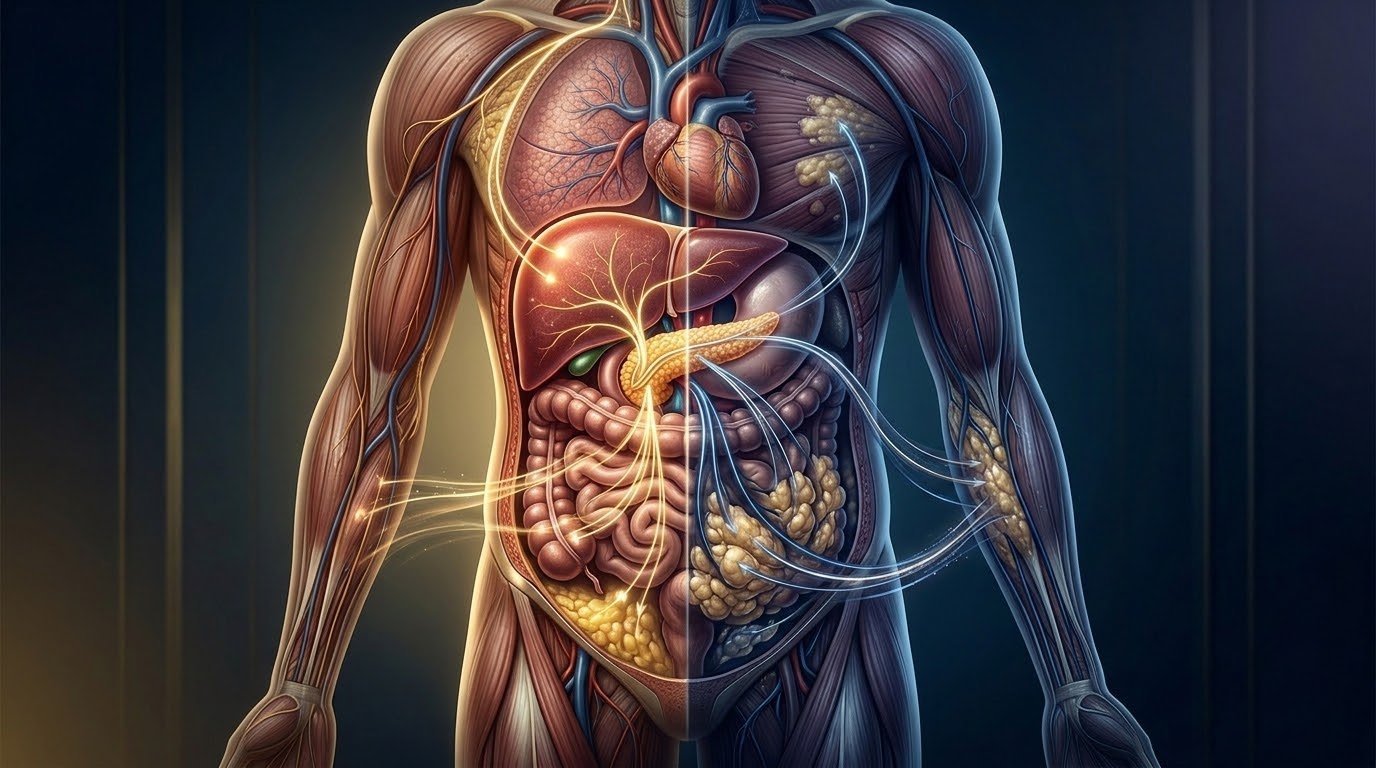
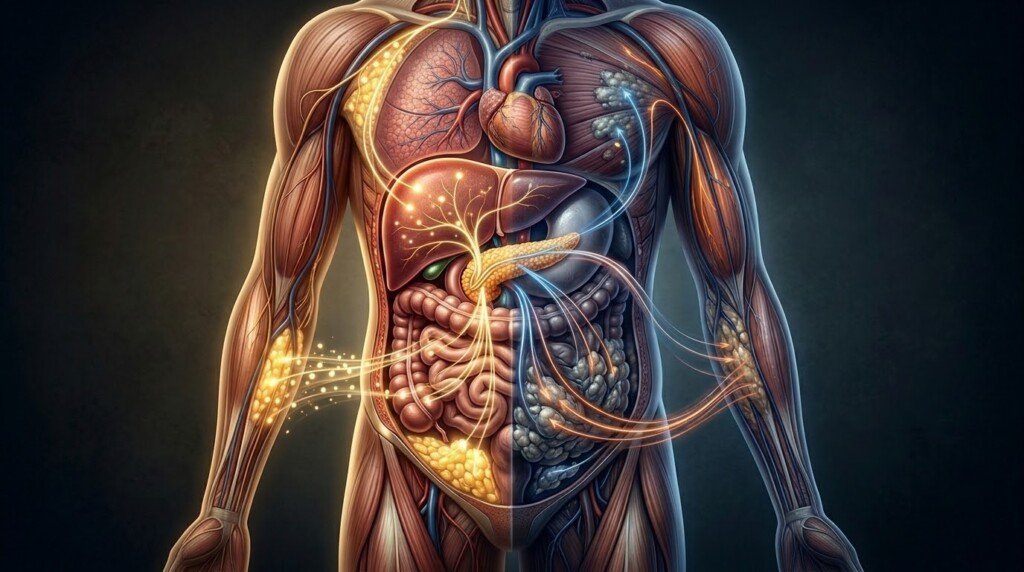
When glucose is available, insulin helps direct that fuel toward tissues that can use it or store it. When insulin levels are relatively low between meals and during fasting, the balance shifts toward mobilizing stored fuels.
Understanding that transition makes metabolic flexibility much easier to understand.
How Does Insulin Regulate the Switch Between Burning Carbs and Fat?
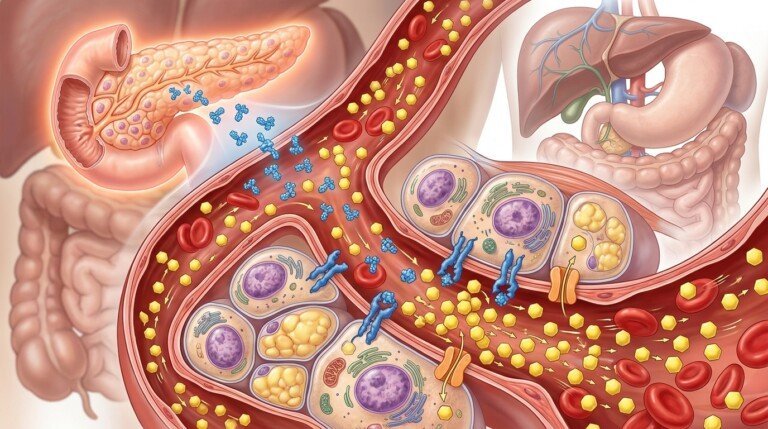
Insulin is released by the pancreas when blood glucose rises, particularly after eating carbohydrate. Its job is not simply to lower blood glucose. It coordinates how the body handles nutrients after they become available.
One of its major effects is to encourage glucose uptake and use while simultaneously reducing the release of fatty acids from stored body fat.
That combination changes the fuel mix available to the body.
During fasting, insulin concentrations are relatively low. Fat stored in adipose tissue can be mobilized, increasing the availability of fatty acids for tissues that can use them.
After eating, insulin rises. Fat breakdown is suppressed, glucose uptake increases, and carbohydrate becomes a more prominent fuel.
This is one reason researchers often describe metabolic flexibility as the ability to shift between predominantly fat oxidation during fasting and greater carbohydrate oxidation after insulin stimulation.
The important word is shift.
Your body is not supposed to burn only fat or only carbohydrates.
It is supposed to adjust.
How Does Insulin Signal the Body to Prioritize Glucose Use?
Think of a meal as a change in the body’s fuel environment.
Before eating, circulating glucose is relatively stable and insulin is relatively low. Fatty acids released from adipose tissue can contribute substantially to energy production.
Then you eat.
Digested carbohydrate contributes glucose to the bloodstream. The pancreas responds by releasing insulin.
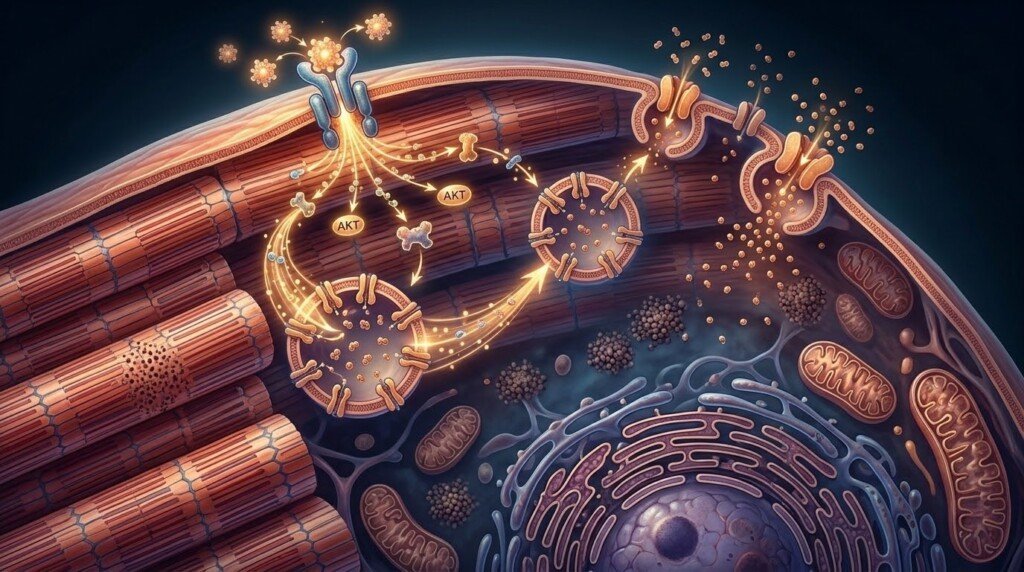
Insulin binds to receptors on target cells and initiates a signaling cascade. In skeletal muscle, one of the most important outcomes is the movement of GLUT4 glucose transporters from inside the cell toward the cell membrane.
Once GLUT4 reaches the cell surface, glucose can enter the muscle cell more efficiently.
That glucose can then be used for energy or stored, particularly as glycogen in skeletal muscle.
The result is a coordinated change in fuel handling.
More glucose becomes available to the muscle.
At the same time, insulin suppresses lipolysis, the process through which stored triglycerides are broken down and fatty acids are released from adipose tissue. This reduces the supply of circulating fatty acids and decreases the need to rely heavily on fat oxidation when glucose is readily available.
This is normal physiology.
It is not a metabolic failure.
In fact, being able to make this transition is part of what researchers mean by metabolic flexibility.
Why Is Insulin Important for Switching Between Fuel Sources?
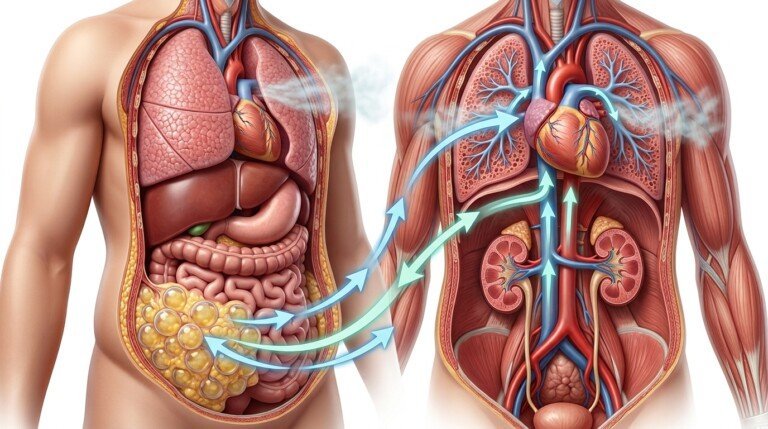
The body needs a way to coordinate fuel availability with fuel demand.
Imagine that you have just eaten a carbohydrate-rich meal.
There is little reason for the body to aggressively release large quantities of stored fatty acids at the same moment that plenty of glucose is entering circulation.
Insulin helps coordinate the response.
It encourages glucose uptake and storage while suppressing unnecessary fat mobilization.
Now imagine the opposite situation.
Several hours have passed since your last meal. Insulin is lower, the immediate supply of dietary glucose has declined, and the body needs to maintain energy availability.
The hormonal environment changes.
Fat mobilization becomes easier, and fatty acids become more available as an energy source.
The body can therefore move from one fuel environment to another without requiring you to consciously control the process.
This is the practical meaning behind fuel switching.
Metabolic flexibility is not about being permanently “fat adapted.” It is about being capable of responding appropriately when conditions change.
A person who can use carbohydrate effectively after eating and increase fat use when fasting demonstrates the basic pattern researchers are interested in when studying metabolic flexibility.
What Happens to Metabolic Flexibility When Insulin Resistance Occurs?
This is where the relationship becomes more complicated.
Insulin resistance means that cells do not respond normally to insulin’s signals. That can interfere with insulin-stimulated glucose uptake and other metabolic processes.
Because insulin is an important signal for shifting toward carbohydrate use after eating, impaired insulin action can also be associated with reduced metabolic flexibility.
Research has repeatedly examined this connection, and people with obesity or type 2 diabetes often show reduced ability to switch fuel oxidation in response to insulin. A 2025 systematic review and meta-analysis found that metabolic flexibility, when assessed through changes in fuel oxidation during insulin stimulation, was generally lower in people with overweight or obesity and type 2 diabetes than in lean participants.
However, there is an important scientific nuance.
Metabolic inflexibility and insulin resistance are related, but they are not interchangeable terms.
The relationship can also be influenced by how metabolic flexibility is measured, body weight, glucose disposal, physical activity, and other metabolic factors. Earlier research specifically cautioned against assuming that impaired fuel switching is automatically the cause of insulin resistance.
For a deeper discussion of the disease state itself, see insulin resistance.
This article is focused on something different: what insulin actually does during fuel switching.
How Does Insulin Actually Promote Glucose Uptake at the Cellular Level?
The word “insulin” can make this process sound deceptively simple.
Insulin does not physically carry glucose into a muscle cell.
Instead, it sends a signal.
That signal activates a chain of intracellular events that ultimately changes the behavior of glucose transport proteins.
One of the most important of these transporters is GLUT4.
What Role Do GLUT4 Transporters Play in This Process?
GLUT4 is a specialized glucose transporter found predominantly in skeletal muscle and adipose tissue.
Under resting conditions, much of the GLUT4 protein is stored inside the cell rather than sitting on the cell surface.
When insulin signaling is activated, intracellular GLUT4-containing vesicles are directed toward the plasma membrane.
The transporters are inserted into the cell membrane.
That increases the cell’s capacity to take up glucose from the bloodstream.
This process is especially important in skeletal muscle because muscle is a major site of glucose disposal after meals. Reviews of insulin action describe GLUT4 translocation as a central step in insulin-stimulated glucose uptake.
At the molecular level, insulin binds to the insulin receptor on the cell surface.
That activates intracellular signaling pathways, including the insulin receptor substrate, PI3K, and Akt pathway.
Akt signaling contributes to the movement of GLUT4-containing vesicles toward the cell membrane.
Once GLUT4 is available at the surface, glucose transport into the muscle cell increases.
The glucose can then enter metabolic pathways that produce energy or be directed toward glycogen storage.
This is why GLUT4 is so important to the relationship between insulin and metabolic flexibility.
The body is not simply changing which fuel it “likes.”
It is changing which fuels are available to tissues and which metabolic pathways are being emphasized.
Why Does Skeletal Muscle Matter So Much in This Process?
Muscle is not merely something you train for appearance.
It is a major metabolic tissue.
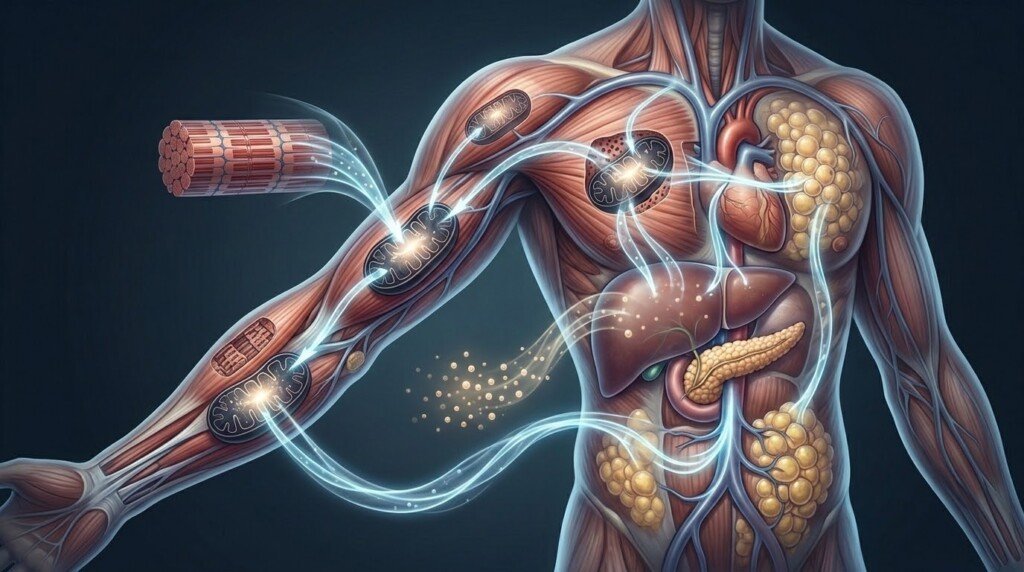
After a meal, skeletal muscle can take up substantial amounts of glucose in response to insulin. Once glucose enters muscle cells, it can be oxidized for energy or stored as glycogen for later use.
This gives muscle an important role in whole-body fuel regulation.
There is another interesting detail.
Exercise can also stimulate GLUT4 movement without relying entirely on insulin.
Muscle contraction activates signaling pathways involving energy sensors and calcium-related mechanisms, which can increase glucose uptake during exercise.
That means insulin is not the only way skeletal muscle can increase glucose uptake.
This distinction matters because it explains why physical activity can influence glucose handling through mechanisms that are partly separate from insulin signaling.
It also helps explain why metabolic flexibility is not simply an insulin story.
Insulin is a major regulator, but the body has multiple overlapping systems.
What Happens to Glucose After It Enters the Muscle Cell?
Glucose does not automatically become body fat.
That is an important misconception to remove.
Once glucose enters a muscle cell, it can be phosphorylated and enter pathways involved in energy production. It can also contribute to glycogen synthesis.
Muscle glycogen functions as stored carbohydrate that can be drawn upon later, particularly during physical activity.
The liver also stores glycogen, helping maintain blood glucose between meals.
The body’s handling of glucose therefore involves several possible destinations.
Use it.
Store it as glycogen.
Route some carbon through other metabolic pathways.
The exact balance depends on the nutritional state, energy requirements, glycogen availability, hormonal signals, and other physiological factors.
That is why the simplistic statement “insulin turns carbohydrates into fat” does not accurately describe normal metabolism.
Insulin certainly promotes energy storage and can support lipogenesis under appropriate conditions, but its immediate and major role after carbohydrate consumption includes facilitating glucose uptake and coordinating nutrient storage and utilization.
What Happens When Low Insulin Levels Signal the Body to Prioritize Fat Burning Instead?
The opposite metabolic environment occurs when insulin is relatively low.
This commonly happens between meals and during fasting.
Low insulin removes some of the restraint on lipolysis in adipose tissue. Stored triglycerides can be broken down, releasing fatty acids into circulation.
Those fatty acids can then be taken up by tissues and oxidized for energy.
This does not mean that low insulin automatically causes dramatic fat loss.
Fuel oxidation and changes in body fat are not identical concepts.
The body can increase fat oxidation while also changing how much energy it stores or expends overall.
The important point is that lower insulin creates a metabolic environment in which fatty acid availability and fat oxidation can increase.
This is one side of the fuel-switching process.
Why Does Insulin Suppress Fat Mobilization After a Meal?
The body is constantly trying to coordinate supply with demand.
After eating, there is an influx of nutrients.
Glucose is available.
Insulin rises.
The body has less immediate reason to release large quantities of stored fatty acids.
Insulin therefore suppresses lipolysis in adipose tissue, reducing the flow of free fatty acids into circulation. Reviews of insulin’s anti-lipolytic effects describe this as one of insulin’s central roles in lipid metabolism.
This is useful.
If every meal triggered maximum release of stored fat regardless of the nutrients you had just eaten, fuel regulation would become unnecessarily chaotic.
Instead, insulin helps tell the body:
Fuel is available. Use and store what has arrived.
Later, when that signal declines:
The immediate supply is lower. Mobilize stored fuel.
That is the metabolic rhythm underlying much of fuel switching.
Does Low Insulin Mean the Body Is Always Burning More Body Fat?
No.
This is one of the most important distinctions in discussions about insulin.
At a given moment, lower insulin may favor greater fat mobilization and oxidation.
But long-term changes in body fat depend on overall energy balance, not simply whether insulin is high or low at one particular moment.
You can burn fat during fasting and still gain body fat over time if total energy intake consistently exceeds energy expenditure.
Likewise, you can oxidize carbohydrate after a meal and still lose body fat over time if overall energy balance supports fat loss.
Metabolic flexibility is about the ability to switch fuels.
It is not a magic fat-loss mechanism.
Is Insulin a Fuel Switch or More Like a Traffic Controller?
Calling insulin a “switch” is useful for explaining the concept, but it can become misleading if taken literally.
Insulin does not flip the body from 100 percent carbohydrate burning to 100 percent fat burning.
Fuel use exists on a spectrum.
After eating, carbohydrate oxidation can increase while fat oxidation falls.
During fasting, fat oxidation can increase while carbohydrate oxidation falls.
During exercise, the proportions change again depending on intensity and duration.
The body is constantly adjusting.
That is why “traffic controller” may actually be a better mental model.
Insulin helps direct traffic.
It tells tissues that nutrients are available.
It encourages glucose uptake.
It promotes storage pathways.
It suppresses excessive fat release.
Other hormones and cellular signals respond at the same time.
The final metabolic state is the result of all of those signals interacting.
This is also why metabolic flexibility is more complicated than simply measuring insulin.
Researchers can assess fuel switching under controlled conditions, such as hyperinsulinemic clamps, changes in respiratory exchange ratio, fasting-to-fed transitions, or dietary challenges. The measurement method can influence what aspect of flexibility is being captured.
Why Does Insulin Resistance Make the Fuel-Switching Story More Complicated?
When insulin signaling becomes less effective, the body’s response to an insulin signal changes.
In skeletal muscle, impaired insulin signaling can reduce the normal movement of GLUT4 to the cell surface and therefore reduce insulin-stimulated glucose uptake.
That can affect the transition from fasting toward post-meal carbohydrate use.
However, the body does not completely lose its ability to use glucose.
And insulin resistance does not mean insulin has stopped working everywhere.
Different tissues can become resistant to different aspects of insulin action at different times.
This is why metabolic disease is far more complicated than the popular idea that “too much insulin makes you fat.”
Insulin is essential for life.
The problem in insulin resistance is that normal signals no longer produce the expected response in certain tissues.
The pancreas may compensate for a period by producing more insulin.
Eventually, depending on the individual and the progression of metabolic disease, that compensation may become insufficient to maintain normal glucose regulation.
This article deliberately does not go into the symptoms, diagnosis, or treatment of insulin resistance. Those belong in the dedicated insulin resistance article.
Here, the key takeaway is that impaired insulin signaling can interfere with one of the body’s important fuel-switching transitions.
Can Exercise Change Glucose Uptake Without Insulin?
Yes.
This is one of the most useful details in the entire topic.
Muscle contraction can increase glucose uptake through pathways that operate independently of the classic insulin signaling pathway.
During exercise, muscle contraction activates intracellular signals involving calcium, energy status, and other pathways that can promote GLUT4 translocation.
In simple terms, working muscles can increase their demand for glucose and create another route for glucose to enter the cell.
This does not make insulin irrelevant.
After exercise, insulin-sensitive glucose uptake also contributes to replenishing muscle glycogen.
Instead, it demonstrates that glucose metabolism is supported by overlapping systems.
Your body has redundancy.
That is one reason the metabolic system can continue functioning even when one signaling pathway is not operating perfectly.
How Does Glycogen Fit Into the Insulin and Fuel-Switching Process?
Glycogen is the body’s stored form of carbohydrate.
Muscle stores glycogen primarily for its own use.
The liver stores glycogen and helps regulate blood glucose between meals.
After eating, insulin supports processes that direct incoming glucose toward storage as glycogen when appropriate.
Later, during physical activity or fasting, glycogen can be broken down and used as a fuel source.
This creates another layer of metabolic flexibility.
Imagine your body after a meal.
Glucose enters the bloodstream.
Insulin rises.
Muscle takes up glucose.
Some glucose is oxidized.
Some can be stored as glycogen.
Several hours later, blood glucose from the meal is no longer supplying the same amount of fuel.
Your body can draw on stored glycogen and increase fatty acid use.
The transition is continuous.
There is no single moment when the body suddenly “switches off” one fuel and “switches on” another.
What Does Lipogenesis Have to Do With Insulin?
Lipogenesis means the creation of fat from metabolic substrates.
Insulin can promote lipogenic processes, particularly when energy and nutrient availability are high.
But this needs to be understood in context.
Insulin’s role in nutrient storage is not inherently harmful.
After eating, the body needs to distribute and store nutrients.
Some energy needs to be available immediately.
Some needs to be stored for later.
Insulin helps coordinate that storage state.
The problem is not that the body can store energy.
The ability to store energy is essential for survival.
The more important question for long-term weight management is what happens when energy intake repeatedly exceeds energy expenditure.
In that environment, insulin is part of a larger system that facilitates nutrient storage, but it is not operating independently from total energy availability, appetite, activity, genetics, body composition, and other metabolic signals.
This distinction prevents the common mistake of turning a real physiological mechanism into a one-hormone explanation for body weight.
What Does All This Mean for Metabolic Flexibility in Everyday Life?
The science can sound complicated because the biology genuinely is complicated.
But the practical concept is surprisingly straightforward.
After you eat, your body should be able to handle incoming nutrients.
Between meals, it should be able to mobilize stored fuels.
During exercise, your muscles should be able to increase energy production and glucose uptake.
During fasting, your body should be able to increase its reliance on stored fuels.
Insulin plays a major role in coordinating these transitions.
It helps promote glucose uptake through mechanisms involving GLUT4.
It supports glycogen storage.
It suppresses excessive fat mobilization when nutrients are plentiful.
When insulin levels fall, the restraint on lipolysis decreases and fatty acid availability can rise.
These changes help create the conditions for fuel switching.
That is metabolic flexibility in action.
For practical strategies around diet and exercise, the next step is how to improve metabolic flexibility, which focuses on what can actually be changed rather than staying at the mechanism level.
Frequently Asked Questions
1. What Role Does Insulin Play in Metabolic Flexibility?
Insulin helps coordinate the transition toward greater glucose use after eating. It promotes glucose uptake, particularly in skeletal muscle and adipose tissue, partly by stimulating GLUT4 movement to the cell surface. At the same time, insulin suppresses fat breakdown in adipose tissue. Together, these actions help shift the body’s fuel environment from greater reliance on stored fat toward greater carbohydrate use after a meal.
2. Does Insulin Resistance Affect Metabolic Flexibility?
It can. Insulin resistance reduces the effectiveness of insulin signaling in tissues such as skeletal muscle. Because insulin normally promotes glucose uptake and a shift toward carbohydrate oxidation, impaired insulin action can be associated with reduced metabolic flexibility. However, insulin resistance and metabolic inflexibility are related concepts, not identical diagnoses.
3. How Does the Body Switch Between Burning Carbs and Fat?
The body adjusts fuel use according to food availability, hormones, physical activity, and energy demand. After eating, insulin rises, glucose uptake increases, and carbohydrate use generally becomes more prominent. Between meals and during fasting, insulin falls, fat mobilization increases, and fat oxidation generally contributes more to energy production.
4. What Is GLUT4 and Why Does It Matter?
GLUT4 is an insulin-responsive glucose transporter found mainly in skeletal muscle and adipose tissue. Insulin signaling promotes the movement of GLUT4 from inside the cell to the cell membrane, increasing the cell’s ability to take up glucose. Muscle contraction can also stimulate GLUT4 movement through insulin-independent pathways.
5. Does Low Insulin Automatically Mean More Weight Loss?
No. Lower insulin can favor fat mobilization and fat oxidation at a particular moment, but long-term changes in body fat depend on overall energy balance and many other factors. Fuel oxidation at a given time should not be confused with long-term changes in body-fat stores.
The Bottom Line
Insulin is not simply a hormone that raises or lowers blood sugar.
It is one of the body’s major nutrient-management signals.
After eating, insulin helps move the body toward a fed metabolic state. Glucose uptake increases, particularly through GLUT4 in skeletal muscle and adipose tissue. Glycogen storage becomes more active, and the release of fatty acids from adipose tissue is suppressed.
As insulin levels fall between meals and during fasting, the metabolic environment changes. Fat mobilization becomes easier, fatty acid availability rises, and the body can increase its reliance on stored fat.
That transition is central to the relationship between insulin and metabolic flexibility.
But insulin is not working alone.
Exercise can independently stimulate glucose uptake.
The circadian system influences metabolic timing.
The amount and type of available fuel matter.
Muscle mass and activity influence glucose disposal.
And insulin sensitivity affects how strongly tissues respond to the signal.
This is why the best way to understand insulin is not as a villain or a single fat-loss switch.
Think of it as a coordinator.
When the body receives food, insulin helps organize the response.
When the body enters a period without food, the hormonal environment changes and stored fuels become more important.
A metabolically flexible system needs to handle both situations.
The goal is not to keep insulin permanently low.
The goal is not to eliminate carbohydrate.
The goal is not to force the body into one fuel source all the time.
The goal, physiologically, is the ability to respond appropriately to changing fuel availability and energy demands.
That is what makes the insulin connection so important.
It is not the whole story of metabolic flexibility.
But without understanding insulin, it is difficult to understand the switch at all.
Disclaimer:
This post may contain affiliate links. If you purchase through them, we may earn a small commission at no extra cost to you. Also, this content is for informational purposes only and does not substitute professional medical advice.
Ready to Start Your Journey?
Use our free 7-in-1 Weight Loss Toolkit to calculate your numbers and build your plan in minutes.
Open Free Tools →