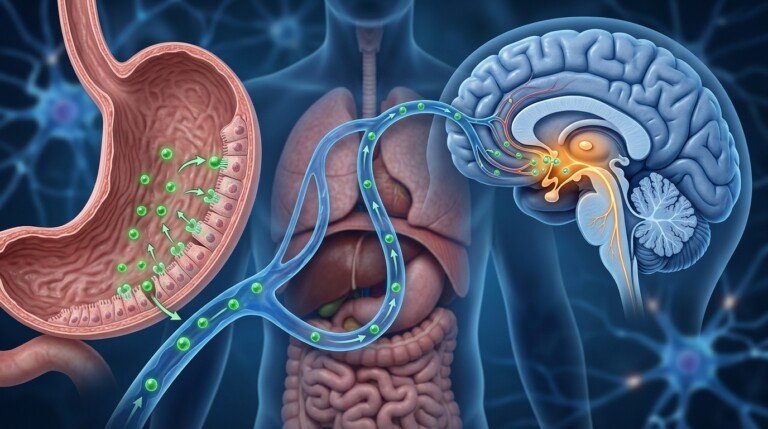
What Are the Signs of a Slow Metabolism? 15 Symptoms You Shouldn’t Ignore
Some people feel constantly tired no matter how much they rest. Others notice gradual weight gain despite maintaining familiar eating habits. Some always seem to feel cold, struggle with dry skin, or experience slow digestion without understanding why. These everyday changes often lead to one common question: Could my metabolism be slow?
The answer is not always straightforward.
Many symptoms commonly blamed on a slow metabolism can also be caused by stress, poor sleep, hormonal changes, medical conditions, aging, or lifestyle habits. That is why recognizing the signs is only the first step. A symptom alone cannot confirm that your metabolism is slow, but a pattern of multiple symptoms may indicate that your body deserves closer attention.
Understanding the Signs of a Slow Metabolism helps you recognize early warning signals while avoiding common misconceptions. It is equally important to know when these symptoms may point toward something more serious that requires medical evaluation.
This article focuses only on the symptoms and warning signs associated with a slower metabolic rate. It does not explain the causes, treatments, or methods to improve metabolism, as those topics are covered separately throughout this metabolism series.
Quick Answer
The most common signs of a slow metabolism include unexplained weight gain, persistent fatigue, feeling cold more often than others, constipation, dry skin, thinning hair, reduced muscle mass, low energy, slow recovery, appetite changes, and difficulty maintaining body weight. These symptoms can have many possible causes, so they should be viewed together rather than individually.
What Are the Signs of a Slow Metabolism?
There is no single symptom that confirms a slow metabolism.
Instead, several signs may appear together over time. Some people experience only a few, while others notice a broader combination that gradually develops.
Below are the most commonly reported warning signs.

1. Unexplained Weight Gain
One of the most recognized symptoms is gradual weight gain that seems difficult to explain.
Many people assume this automatically means their metabolism has slowed.
In reality, body weight changes result from many interacting factors, including hormones, activity levels, body composition, stress, sleep, and overall energy balance.
A slower metabolic rate may contribute, but it is rarely the only explanation.
If unexpected weight changes continue over time, they deserve careful evaluation rather than self-diagnosis.
2. Persistent Fatigue
Feeling tired after a long day is completely normal.
Persistent fatigue is different.
Some people notice that even after adequate rest, they continue feeling physically or mentally exhausted throughout the day.
Low energy may be associated with reduced metabolic activity, but it can also result from numerous other health conditions.
Because fatigue has many possible explanations, it should always be considered alongside other symptoms.
3. Feeling Cold More Often
Another commonly reported symptom is increased sensitivity to cold.
Some people frequently need extra layers of clothing while others around them remain comfortable.
Since metabolism produces heat during energy production, changes affecting metabolic activity may influence body temperature regulation.
However, feeling cold alone does not confirm a slow metabolism.
4. Dry Skin
Healthy skin depends on many biological processes.
Some individuals with metabolic concerns notice skin becoming:
- Dry
- Rough
- Less elastic
Because skin changes have numerous possible causes, they should never be viewed in isolation.
5. Hair Thinning
Hair growth depends on healthy cell activity.
Some people experiencing metabolic changes report gradual hair thinning or slower hair growth.
Again, this symptom overlaps with many hormonal and medical conditions.
6. Constipation
Digestive function varies naturally between individuals.
Slower bowel movements are sometimes associated with reduced metabolic activity because metabolism influences many body systems, including digestion.
Constipation that persists or becomes severe deserves professional medical evaluation.
7. Low Energy Throughout the Day
Many people describe feeling as though they “run out of energy” much earlier than expected.
This differs from ordinary tiredness because the lack of energy affects everyday activities consistently.
8. Reduced Exercise Tolerance
Some individuals notice they tire more quickly during activities that previously felt comfortable.
Walking longer distances, climbing stairs, or completing workouts may require greater effort.
Reduced exercise tolerance has many possible explanations, making proper evaluation important.
9. Slower Recovery
Recovery following physical activity involves many metabolic processes.
Some people notice soreness lasting longer or feeling less refreshed between workouts.
Recovery depends on multiple factors beyond metabolism alone.
10. Changes in Appetite
Although appetite varies naturally, some individuals experience noticeable changes alongside other metabolic symptoms.
Appetite changes should always be interpreted within the broader context of overall health.
11. Difficulty Maintaining Muscle
Some people gradually lose lean muscle despite maintaining similar daily routines.
Changes in muscle mass influence overall metabolic health but may also result from aging, inactivity, or hormonal changes.
12. Reduced Daily Motivation
Low physical energy often affects motivation.
Simple daily activities may begin feeling more demanding than before.
13. Slower Digestion
Some individuals describe digestion feeling unusually slow or sluggish.
Because digestive symptoms have many possible causes, they should never be attributed to metabolism alone.
14. General Feeling of Sluggishness
Rather than one specific symptom, some people simply feel that their body functions more slowly overall.
This general sensation may include lower energy, slower movement, or reduced enthusiasm for everyday activities.
15. Several Symptoms Occurring Together
One isolated symptom rarely provides meaningful information.
When multiple warning signs develop together and continue for weeks or months, the overall pattern becomes more important than any individual symptom.
Why Do People With a Slow Metabolism Gain Weight More Easily?
Weight gain is often the first change people notice when they begin questioning their metabolism.
However, the relationship between metabolism and body weight is frequently misunderstood.
Metabolism Influences Daily Energy Needs
Your body burns calories continuously.
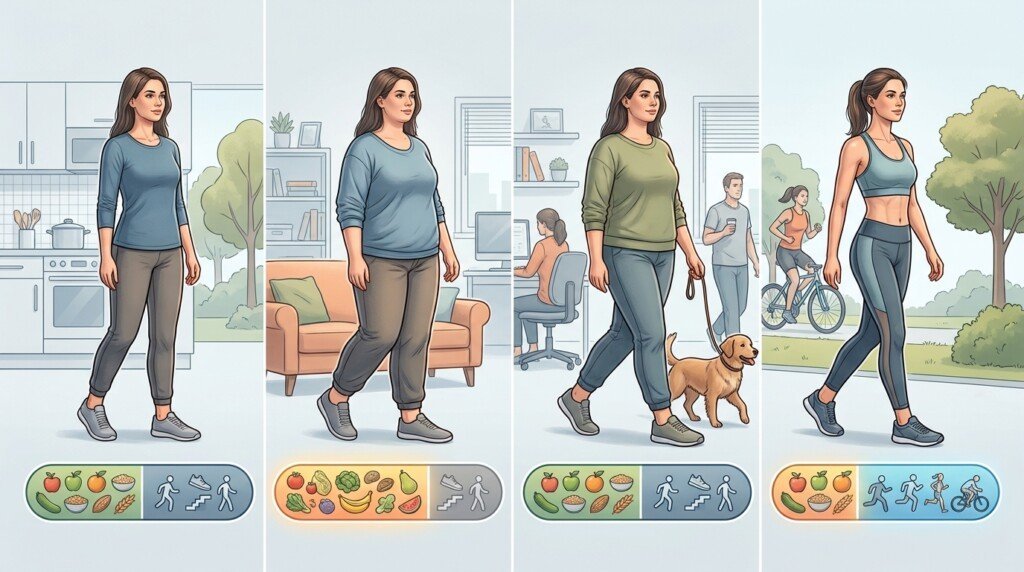
If total daily energy expenditure gradually decreases while eating habits remain unchanged, weight may increase over time.
This is one reason metabolism receives so much attention during discussions about weight management.
The broader relationship between metabolism and energy balance is introduced throughout Weight Loss Guide.
Small Differences Accumulate
Many people expect weight gain to occur suddenly.
More often, gradual changes accumulate over months or years.
Even relatively small differences in daily energy balance may eventually influence body weight.
Body Composition Also Changes
Weight gain is not always the only noticeable change.
Some people also observe:
- Reduced muscle definition
- Increased body fat
- Lower physical endurance
Body composition often changes alongside body weight.
Weight Gain Alone Does Not Confirm Slow Metabolism
Many factors influence body weight, including:
- Activity levels
- Stress
- Hormones
- Sleep
- Lifestyle
- Aging
Because so many variables interact, weight gain should never be considered proof of metabolic slowdown.
For many adults, these changes become more noticeable during midlife, which is discussed further in Weight Loss After 40.
Can Constant Fatigue Be a Sign of Slow Metabolism?
Fatigue is one of the most commonly reported symptoms associated with a slower metabolism.
It is also one of the least specific.

Energy Production Supports Every Cell
Metabolism continuously provides energy for:
- Brain function
- Muscle activity
- Organ function
- Hormone production
- Cellular repair
When energy regulation changes, some people describe feeling persistently tired.
Fatigue Has Many Possible Causes
Chronic fatigue can also result from:
- Poor sleep
- High stress
- Nutritional factors
- Medical conditions
- Hormonal changes
This is why fatigue alone cannot identify metabolic problems.
Look for Patterns Instead of One Symptom
Healthcare professionals evaluate fatigue by considering:
- Duration
- Severity
- Other symptoms
- Medical history
- Overall health
The complete pattern provides much more information than fatigue by itself.
Daily Function Matters
Fatigue deserves greater attention when it begins interfering with:
- Work
- Physical activity
- Daily responsibilities
- Concentration
- Quality of life
Persistent symptoms should never be ignored.
Does Feeling Cold All the Time Indicate a Slow Metabolism?
Many people who frequently feel cold wonder whether metabolism is responsible.
Body temperature regulation is closely connected with energy production, but the explanation is more complicated than many people realize.

Your Body Produces Heat While Creating Energy
Every metabolic reaction generates small amounts of heat.
Together, these reactions help maintain a stable internal body temperature.
Changes affecting energy production may influence how warm or cold you feel.
Cold Sensitivity Is Highly Individual
Some people naturally tolerate cold weather better than others.
Factors influencing cold sensitivity include:
- Body composition
- Clothing
- Environment
- Circulation
- Overall health
Metabolism represents only one possible influence.
Feeling Cold Should Never Be Evaluated Alone
Occasional sensitivity to cold is common.
When cold intolerance appears alongside several other symptoms such as fatigue, constipation, dry skin, and unexplained weight changes, the overall pattern becomes more meaningful.
Persistent Changes Deserve Attention
If feeling unusually cold develops suddenly or becomes persistent without obvious explanation, it is appropriate to discuss the symptom with a healthcare professional rather than assuming it is simply a slow metabolism.
Can Constipation Be Linked to a Slow Metabolism?
Constipation is another symptom that people often associate with a slow metabolism. While there is some biological connection, constipation alone does not mean your metabolism is functioning poorly.
Digestion depends on many systems working together, including the digestive tract, nervous system, hormones, hydration status, physical activity, and overall health. Metabolism supports these systems by providing the energy needed for normal body functions, but it is rarely the only factor involved.
Digestion Depends on Energy
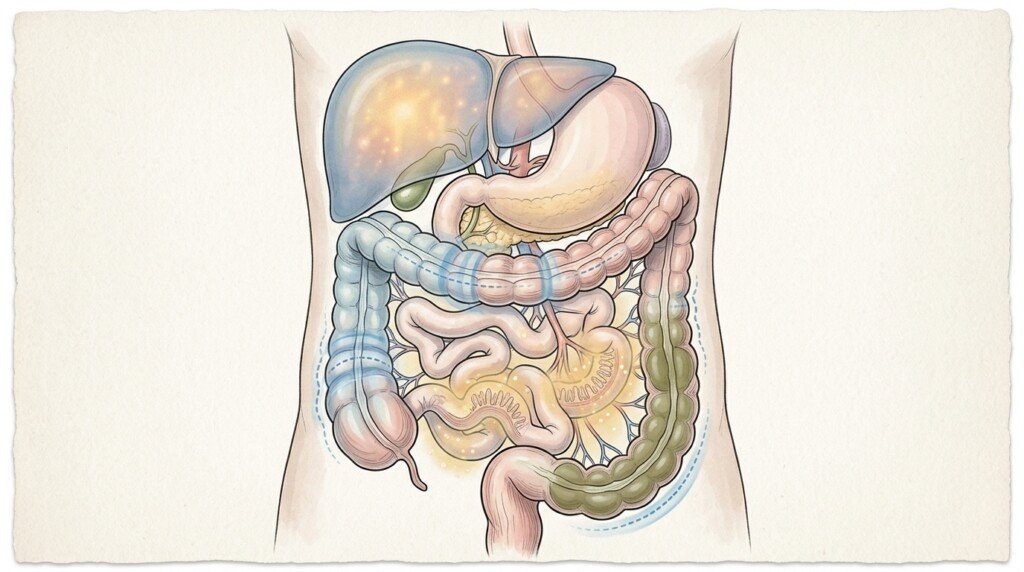
Your digestive system is constantly working.
Even when you are resting, muscles within the digestive tract move food through the intestines in a coordinated process.
These movements require energy and are influenced by multiple biological systems.
Slower Digestion May Occur Alongside Other Symptoms
Some individuals who experience metabolic changes also notice:
- Less frequent bowel movements
- Slower digestion
- Feeling unusually full for longer
- Mild abdominal discomfort
These symptoms become more meaningful when they occur together with other possible indicators such as fatigue, feeling cold, dry skin, or unexplained weight changes.
Constipation Has Many Possible Causes
Constipation is extremely common and can result from many different situations.
Examples include:
- Lifestyle changes
- Stress
- Certain medications
- Medical conditions
- Hormonal changes
Because the list of possible causes is so broad, constipation should never be used alone to identify a slow metabolism.
Persistent Digestive Changes Deserve Attention
If constipation becomes severe, continues for several weeks, or is accompanied by other concerning symptoms, professional medical evaluation is important.
Rather than assuming metabolism is responsible, it is safer to identify the underlying reason.
How Can You Tell the Difference Between a Slow Metabolism and a Medical Condition?
One of the biggest misconceptions online is that every symptom automatically points toward a slow metabolism.
In reality, many medical conditions produce symptoms that look remarkably similar.
Understanding this distinction helps prevent unnecessary worry and encourages appropriate medical care when needed.

Symptoms Often Overlap
Many conditions share symptoms such as:
- Fatigue
- Weight changes
- Dry skin
- Hair thinning
- Feeling cold
- Constipation
Because these symptoms are common across many health conditions, they cannot identify metabolism by themselves.
Patterns Matter More Than Individual Symptoms
Healthcare professionals rarely evaluate one symptom in isolation.
Instead, they consider:
- How long symptoms have lasted
- How severe they are
- Whether multiple symptoms occur together
- Personal medical history
- Family history
- Current medications
- Overall health
This broader perspective provides a much clearer picture.
Medical Conditions Can Mimic Metabolic Problems
Several health conditions may produce symptoms commonly mistaken for metabolic slowdown.
Examples include conditions affecting:
- Thyroid function
- Hormone balance
- Blood sugar regulation
- Digestive health
- Mental health
This is why self-diagnosis based on internet articles is never recommended.
Lifestyle Can Also Produce Similar Symptoms
Long working hours, inadequate sleep, prolonged stress, and reduced physical activity may all contribute to symptoms that resemble those often attributed to metabolism.
This is one reason symptoms should always be interpreted within the context of overall health.
Avoid Jumping to Conclusions
It is understandable to search for a simple explanation when multiple symptoms appear.
However, assuming every symptom is caused by metabolism may delay identifying another underlying condition that deserves medical attention.
When Should You Talk to a Healthcare Professional?
Many people occasionally experience tiredness, digestive changes, or temporary weight fluctuations.
These experiences are often part of normal life.
However, certain situations deserve professional evaluation.
Symptoms Continue for Several Weeks
If symptoms persist despite no obvious explanation, it is reasonable to seek medical advice.
Ongoing changes deserve proper assessment rather than continued self-monitoring.
Several Symptoms Develop Together
One symptom alone rarely provides enough information.
When multiple symptoms occur at the same time, such as:
- Persistent fatigue
- Feeling unusually cold
- Dry skin
- Constipation
- Hair thinning
- Unexplained weight gain
a healthcare professional can help determine whether they are related or caused by separate issues.
Symptoms Affect Daily Life
Professional evaluation becomes more important when symptoms begin interfering with:
- Work performance
- Daily responsibilities
- Physical activity
- Concentration
- Overall quality of life
Symptoms Become Worse
Gradually worsening symptoms should not be ignored.
Changes that continue progressing over time deserve medical attention.
Never Ignore Serious Warning Signs
Although this article discusses common symptoms associated with slower metabolism, severe or sudden symptoms should always be evaluated promptly.
Professional medical care is essential whenever symptoms are significant or concerning.
Future articles discussing Metabolism Test and Resting Metabolic Rate explain how healthcare professionals evaluate metabolic function using appropriate medical assessments.
15 Signs of a Slow Metabolism at a Glance
If several of these symptoms occur together over an extended period, they may justify further evaluation.
- Unexplained weight gain
- Persistent fatigue
- Feeling cold more often
- Dry skin
- Hair thinning
- Constipation
- Low daily energy
- Reduced exercise tolerance
- Slow recovery
- Appetite changes
- Gradual muscle loss
- Sluggish digestion
- Reduced motivation
- General feeling of sluggishness
- Multiple symptoms occurring together
Remember that these signs are not unique to a slow metabolism and should always be considered within the broader context of your overall health.

Frequently Asked Questions
1. What is the most common sign of a slow metabolism?
Gradual unexplained weight gain and persistent fatigue are among the most commonly reported symptoms, although neither confirms a slow metabolism on its own.
2. Can a slow metabolism make you tired?
Yes. Some people with reduced metabolic activity report ongoing fatigue, but tiredness can result from many different health conditions and lifestyle factors.
3. Does feeling cold always mean you have a slow metabolism?
No. Feeling cold has many possible causes. It becomes more meaningful when it occurs alongside several other persistent symptoms.
4. Can constipation be a symptom of a slow metabolism?
It can be associated with slower metabolic function, but constipation is common and has many possible causes beyond metabolism.
5. Is unexplained weight gain always caused by a slow metabolism?
No. Weight gain may result from changes in activity, hormones, body composition, stress, aging, or numerous medical conditions.
6. Can dry skin and hair thinning be related to metabolism?
They may occur alongside other metabolic symptoms, but they are also associated with many unrelated health conditions.
7. How many symptoms suggest a slow metabolism?
There is no specific number. Healthcare professionals evaluate the overall pattern, severity, duration, and combination of symptoms rather than counting individual signs.
8. Can stress cause symptoms that look like a slow metabolism?
Yes. Long-term stress may contribute to fatigue, weight changes, digestive problems, and other symptoms that resemble metabolic concerns. This relationship is discussed further in Stress and Weight Loss.
9. When should I seek medical advice?
If symptoms persist for several weeks, become worse, interfere with daily life, or occur together without a clear explanation, professional medical evaluation is recommended.
10. Can symptoms alone diagnose a slow metabolism?
No. Symptoms provide clues but cannot diagnose metabolic problems by themselves. Proper evaluation considers your overall health, medical history, and other possible explanations.
Final Thoughts
Recognizing the Signs of a Slow Metabolism is about understanding patterns rather than focusing on one isolated symptom. Occasional fatigue, constipation, feeling cold, or minor weight changes are common experiences and do not automatically indicate a slower metabolic rate. However, when several warning signs develop together and continue over time, they may signal that your body deserves closer attention. Looking at the complete picture is far more useful than trying to explain every symptom with a single cause.
It is equally important to remember that many conditions outside of metabolism can produce similar symptoms. Hormonal changes, stress, aging, digestive disorders, thyroid conditions, and other health concerns often overlap with the signs discussed in this article. If symptoms persist, worsen, or begin affecting your daily life, seeking professional medical advice is the safest approach. Throughout this metabolism series, you’ll also explore What Causes Slow Metabolism, Why Does Metabolism Slow Down, Signs of a Healthy Metabolism, Metabolism Test, and Resting Metabolic Rate, helping you build a complete understanding of metabolic health while avoiding common misconceptions.
Disclaimer:
This post may contain affiliate links. If you purchase through them, we may earn a small commission at no extra cost to you. Also, this content is for informational purposes only and does not substitute professional medical advice.
Ready to Start Your Journey?
Use our free 7-in-1 Weight Loss Toolkit to calculate your numbers and build your plan in minutes.
Open Free Tools →