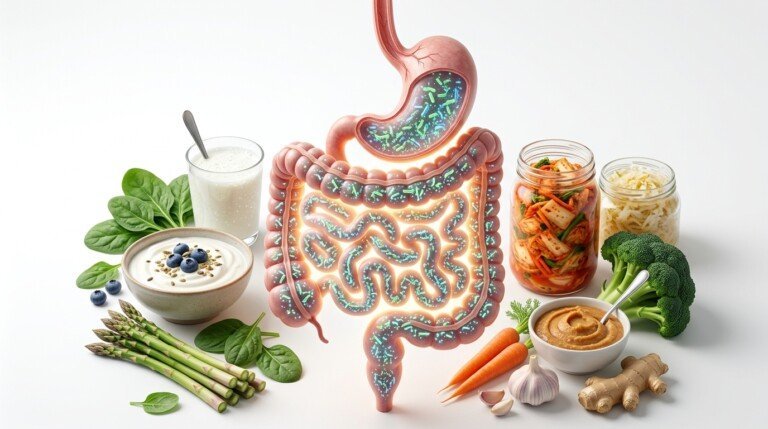
Unlock Weight Loss: 5 Surprising Gut Health Secrets You Need

For years, the weight loss equation seemed simple: eat less, move more. While calorie balance is undeniably important, science is increasingly showing us that there’s a much deeper, more intricate story unfolding right inside our bodies specifically, in our gut. The connection between gut health and weight loss is far more profound than most people realize, acting as a hidden lever that can either accelerate your progress or keep you stuck. As explained in our complete weight loss guide, sustainable fat loss goes far beyond calories it requires optimizing metabolism, hormones, and digestive health.

Imagine your gut as a bustling city, teeming with trillions of microorganisms bacteria, viruses, fungi, and other microbes. This complex ecosystem, known as your gut microbiome, plays a pivotal role in almost every aspect of your health, from immunity and mood to, yes, your ability to manage your weight. If you’ve been struggling to shed those stubborn pounds despite your best efforts, it might be time to look beyond the calorie count and delve into the fascinating world of your digestive system.

This comprehensive guide will explore the undeniable link between your gut and your weight, revealing how specific bacteria can influence everything from your cravings to your metabolism, and what you can do to cultivate a thriving gut that supports your weight loss goals.


The Gut Microbiome: Your Inner Weight Loss Team

The sheer number of microbes in your gut is astonishing outnumbering your own cells by a factor of 10 to 1! This isn’t just a random collection; it’s a sophisticated community where different species perform different jobs. When this community is balanced and diverse, it works for you. When it’s out of whack, it can work against your weight loss efforts. This is the core of understanding gut health and weight loss.

  • Digestion and Nutrient Absorption: Your gut bacteria help break down food, especially complex carbohydrates and fibers that your body can’t digest on its own. They extract nutrients and create beneficial compounds like short-chain fatty acids (SCFAs), which are crucial for energy and gut lining integrity.
  • Influencing Metabolism: Certain types of gut bacteria have been shown to influence how your body stores fat, how it responds to insulin (which regulates blood sugar), and even how many calories it extracts from food.
  • Regulating Appetite and Cravings: Believe it or not, your gut microbes can communicate with your brain! They produce neurotransmitters and hormones that impact your mood, stress levels, and even your feelings of hunger and fullness. An imbalanced gut might send signals that promote cravings for unhealthy foods.
  • Inflammation Control: Chronic low-grade inflammation is often associated with weight gain and difficulty losing weight. A healthy gut microbiome can help keep inflammation in check, while an unhealthy one can promote it.

Gut Bacteria and Metabolism: A Two-Way Street

The interplay between your gut bacteria and metabolism is incredibly intricate. Research has identified key differences in the microbiomes of lean individuals compared to those who are overweight or obese. For instance, two major phyla of bacteria, Bacteroidetes and Firmicutes, are often discussed in this context.

  • Firmicutes vs. Bacteroidetes: Studies suggest that individuals with a higher ratio of Firmicutes to Bacteroidetes tend to extract more calories from food and store more fat. While not a definitive cause-and-effect, it highlights how the composition of your gut bacteria can impact your metabolic efficiency.
  • Short-Chain Fatty Acids (SCFAs): When your gut bacteria ferment dietary fiber, they produce SCFAs like butyrate, propionate, and acetate. Butyrate, for example, is vital for the health of your gut lining and may help regulate metabolism and suppress appetite. Propionate has been linked to reduced food intake.
  • Bile Acid Metabolism: Your gut microbes also play a role in metabolizing bile acids, which are crucial for fat digestion and absorption. Altered bile acid profiles can influence fat metabolism and energy expenditure.

In essence, your gut bacteria can dictate how many calories your body absorbs, how efficiently it uses energy, and how it handles fat storage. This profound influence makes gut health and weight loss an inseparable duo.


Probiotics for Fat Loss: Friend or Foe?

The idea of taking probiotics for fat loss has gained immense popularity, but it’s important to approach this with a nuanced understanding. Probiotics are live microorganisms that, when administered in adequate amounts, confer a health benefit on the host. Not all probiotics are created equal, and their effects can be strain-specific.

  • Specific Strains Matter: While general probiotic supplements can support overall gut health, research suggests that certain strains may have a more direct impact on weight management. For example, Lactobacillus gasseri has shown promise in some studies for reducing abdominal fat. Other strains, like Bifidobacterium lactis, have also been investigated.
  • How They Might Help: Probiotics may aid fat loss by:
    • Reducing the absorption of dietary fat.
    • Altering the balance of gut bacteria to favor beneficial strains.
    • Reducing inflammation in the gut and body.
    • Improving insulin sensitivity.
    • Producing appetite-regulating hormones.
  • Not a Magic Bullet: It’s crucial to understand that probiotics are not a substitute for a healthy diet and regular exercise. They are best viewed as a supportive tool to enhance your overall gut health and weight loss strategy, not a standalone solution for shedding pounds. When selecting a probiotic supplement, look for one that specifies the strains and colony-forming units (CFUs) and ideally, choose a diverse blend.

Gut Microbiome Weight Loss: Restoring Balance for Results

So, how do you actively cultivate a gut microbiome for weight loss? It’s all about nurturing the beneficial bacteria and reducing the growth of less desirable ones. This involves a holistic approach that goes beyond just popping a pill.

1. Embrace a Diverse, Fiber-Rich Diet: This is the cornerstone of gut health. Balancing fiber intake with adequate protein and gut health support is equally important, as protein influences satiety, muscle retention, and microbiome diversity. * Prebiotic Foods: These are non-digestible fibers that feed your beneficial gut bacteria. Think garlic, onions, leeks, asparagus, bananas, apples, oats, and whole grains. * Resistant Starch: Found in foods like cooled cooked potatoes, green bananas, and legumes, resistant starch acts like fiber, feeding your gut microbes. * Plant Diversity: Aim for a wide variety of plant foods in your diet. Each plant contains different fibers and nutrients that support different beneficial bacterial strains.

2. Incorporate Fermented Foods: These are natural sources of probiotics. * Yogurt and Kefir: Choose plain, unsweetened varieties with live active cultures. * Sauerkraut and Kimchi: Fermented cabbage rich in beneficial bacteria. * Kombucha: A fermented tea beverage. * Tempeh and Miso: Fermented soy products.

3. Reduce Processed Foods, Sugar, and Artificial Sweeteners: These ingredients can disrupt the delicate balance of your gut microbiome, promoting the growth of harmful bacteria and increasing inflammation, counteracting your efforts for gut health and weight loss.

4. Stay Hydrated: Water is essential for the movement of food through your digestive system and for maintaining a healthy gut lining.

5. Manage Stress: Chronic stress can negatively impact your gut microbiome and gut barrier function a key factor in the stress and weight loss relationship that often stalls fat loss despite calorie control. Incorporate stress-reduction techniques like meditation, yoga, or spending time in nature.

6. Get Enough Sleep: Sleep deprivation can alter gut bacteria composition and lead to increased inflammation, hindering your weight loss journey.

7. Exercise Regularly: Physical activity promotes a more diverse and beneficial gut microbiome, further supporting digestive health and fat burning.


Digestive Health & Fat Burning: Beyond the Basics

Beyond just the bacteria themselves, maintaining overall digestive health for fat burning involves several other factors.

  • Stomach Acid (HCl): Adequate stomach acid is crucial for breaking down food, especially protein, and killing off harmful bacteria that might enter your system. Low stomach acid can lead to indigestion and dysbiosis.
  • Enzymes: Digestive enzymes, produced by your body (pancreas) and found in some foods, help break down macronutrients into absorbable units. If you struggle with digestion, digestive enzyme supplements can sometimes be helpful, but they should be used under guidance.
  • Gut Motility: Regular bowel movements are vital for eliminating waste and toxins. Constipation can contribute to an unhealthy gut environment. Fiber, hydration, and exercise are key.
  • Gut Barrier Integrity (“Leaky Gut”): Your gut lining acts as a crucial barrier, allowing nutrients in while keeping toxins and undigested food particles out. When this barrier becomes compromised (often called “leaky gut”), it can lead to systemic inflammation, which is strongly linked to weight gain and metabolic dysfunction. Nutrients like L-glutamine can support gut lining repair.

By addressing these foundational aspects of digestive health, you create an optimal environment for your beneficial gut bacteria to thrive, making your body a more efficient fat-burning machine. This integrated approach to gut health and weight loss is powerful.


The Bottom Line: Cultivating a Healthy Gut for Lasting Weight Loss

The journey to lasting weight loss is rarely simple, but understanding the role of gut health in weight loss adds a crucial dimension to your strategy. Your gut microbiome isn’t just a passenger; it’s an active participant, influencing your metabolism, appetite, inflammation, and overall body composition.

By focusing on nourishing your gut with a diverse, fiber-rich diet, incorporating fermented foods, managing stress, and living an active lifestyle, you empower your body to burn fat more efficiently and maintain a healthy weight. This isn’t a quick fix, but a sustainable path towards a healthier, leaner you, built from the inside out. Embrace the power of your gut, and unlock a new level of well-being.


Frequently Asked Questions (FAQ)

1: Can specific gut bacteria make me gain weight?

Research suggests that certain bacterial compositions in the gut, particularly a higher ratio of Firmicutes to Bacteroidetes, may be more efficient at extracting calories from food and storing them as fat, potentially contributing to weight gain. This highlights the importance of fostering a diverse and balanced microbiome for gut health and weight loss.

2: Are all probiotic supplements good for weight loss?

Not necessarily. The effects of probiotics are highly strain-specific. While some strains, like Lactobacillus gasseri, have shown promise in certain studies for fat reduction, not all probiotics are designed for or proven to aid weight loss. It’s best to look for specific strains or a diverse blend and combine them with a healthy lifestyle.

3: How quickly can I improve my gut health for weight loss?

Changes in your gut microbiome can occur relatively quickly, often within a few days or weeks of dietary changes. However, consistent and sustained effort is required for significant and lasting improvements to your gut health and weight loss journey. Think long-term lifestyle changes rather than quick fixes.

4: What are the best foods to eat for gut health and weight loss?

Focus on a diverse range of whole, unprocessed foods. Key examples include: * Prebiotic-rich foods: Garlic, onions, leeks, asparagus, bananas, oats. * Fermented foods: Plain yogurt, kefir, sauerkraut, kimchi, tempeh. * Fiber-rich foods: All vegetables, fruits, legumes, and whole grains. These foods nourish beneficial gut bacteria, crucial for digestive health and fat burning.

5: Can stress impact my gut health and weight loss?

Absolutely. The gut-brain axis is a strong connection. Chronic stress can negatively alter your gut microbiome composition, increase gut permeability (“leaky gut”), and contribute to inflammation, all of which can hinder your weight loss efforts and overall gut health and weight loss. Managing stress through mindfulness, exercise, and adequate sleep is vital.


Disclaimer:

This post may contain affiliate links. If you purchase through them, we may earn a small commission at no extra cost to you. Also, this content is for informational purposes only and does not substitute professional medical advice.

Peppermint Essential Oil Benefits: Boost Energy, Focus, and Digestive Health

Peppermint essential oil benefits your health in multiple ways from boosting focus and easing digestion to relieving headaches. This powerful, refreshing oil is a must-have in any natural wellness routine. In this article, we’ll explore how peppermint essential oil can uplift your energy, calm your body, and support daily wellbeing.


What is Peppermint Essential Oil?

Peppermint essential oil is derived from the Mentha piperita plant, a hybrid between watermint and spearmint. The oil is typically extracted through steam distillation from the leaves of the plant, retaining its naturally potent compounds, including menthol, which is responsible for its signature cooling sensation and therapeutic properties. This powerful, refreshing oil is a must-have in any natural wellness routine. Read this scientific review on peppermint oil’s therapeutic uses to explore more.

Peppermint essential oil is used for various purposes, from soothing digestive issues to improving mental clarity and focus. It is known for its refreshing and energizing scent, making it a go-to essential oil for boosting energy and promoting overall wellness.


Top Peppermint Essential Oil Benefits

1. Relieves Headaches and Migraines

One of the most well-known peppermint essential oil benefits is its ability to alleviate headaches and migraines. Peppermint oil has a natural cooling effect that helps reduce tension and soothe headache pain. When applied topically to the temples or forehead, it can provide quick relief from headache discomfort.

How to use peppermint oil for headaches:

  • Topical application: Dilute peppermint oil with a carrier oil (such as coconut or jojoba oil) and apply it to your temples, forehead, or the back of your neck for relief.
  • Inhalation: Inhale the scent of peppermint oil directly from the bottle or use a diffuser to fill the air with its refreshing aroma.

Peppermint oil can also help reduce the severity of migraines, providing cooling relief and soothing pain.

2. Supports Digestive Health

Peppermint essential oil has long been used to promote digestive health. Peppermint oil benefits for digestion include alleviating symptoms like bloating, indigestion, and nausea. The menthol in peppermint oil helps relax the muscles of the digestive tract, improving the flow of bile and easing digestive discomfort.

How to use peppermint oil for digestive health:

  • Topical application: Dilute peppermint oil with a carrier oil and massage it into your stomach or abdomen to ease discomfort.
  • Aromatic inhalation: Diffuse peppermint oil in your home or workspace to help relieve nausea or digestive issues.
  • Peppermint tea: You can also try peppermint tea, though it’s important to consult a healthcare professional before consuming peppermint oil internally.

Peppermint oil is a go-to remedy for those suffering from bloating, indigestion, and general digestive discomfort.

3. Boosts Mental Clarity and Focus

Peppermint essential oil is widely used for its ability to improve mental clarity, focus, and concentration. The invigorating scent of peppermint oil stimulates the mind, helping to clear brain fog and promote alertness. Whether you’re working, studying, or need an energy boost, peppermint oil can help improve cognitive performance and enhance mental clarity.

How to use peppermint oil for mental clarity:

  • Diffusion: Add a few drops of peppermint oil to a diffuser to improve focus and productivity.
  • Inhalation: Inhale peppermint oil directly from the bottle or place a few drops on a handkerchief and breathe in the refreshing aroma.

By using peppermint oil, you can stay mentally sharp and increase your productivity, whether you’re at work or tackling personal tasks.

4. Relieves Muscle and Joint Pain

The cooling properties of peppermint oil make it an excellent remedy for sore muscles, joint pain, and tension. Peppermint oil benefits for muscle pain include its ability to relax muscles and reduce inflammation, providing immediate relief from pain and discomfort.

How to use peppermint oil for muscle relief:

  • Topical application: Dilute peppermint oil with a carrier oil and massage it into the affected area for relief from muscle tension and soreness.
  • Warm compress: Add a few drops of peppermint oil to a warm compress and apply it to sore joints or muscles for soothing relief.

Peppermint oil’s analgesic properties help to reduce inflammation, ease pain, and promote relaxation in tight or sore muscles.

5. Improves Respiratory Health

Peppermint oil is an effective natural remedy for respiratory issues such as congestion, asthma, and seasonal allergies. The menthol in peppermint oil helps open the airways, making it easier to breathe, and its cooling sensation can help clear sinus congestion.

How to use peppermint oil for respiratory support:

  • Steam inhalation: Add a few drops of peppermint oil to a bowl of hot water and inhale the steam to help clear nasal congestion and open up the airways.
  • Diffusion: Use a diffuser to disperse the cooling, invigorating scent of peppermint oil throughout your home or office, promoting easier breathing.

Whether you’re dealing with a cold, allergy season, or just want to improve airflow, peppermint oil is a fantastic addition to your respiratory health routine.

6. Fights Bad Breath and Promotes Oral Health

Peppermint oil is a key ingredient in many oral hygiene products due to its natural antibacterial properties. It helps eliminate bacteria in the mouth, freshens breath, and promotes overall oral health.

How to use peppermint oil for oral health:

  • Mouthwash: Add a few drops of peppermint oil to water to make a DIY mouthwash that fights bad breath and helps kill bacteria in the mouth.
  • Toothpaste: You can add a drop of peppermint oil to your toothpaste for a refreshing, natural alternative to commercial products.

Peppermint oil’s antibacterial and deodorizing effects make it an excellent choice for keeping your mouth fresh and clean.


How to Use Peppermint Essential Oil Safely

Peppermint oil is a powerful essential oil, and it’s important to use it safely:

  • Dilute before use: Always dilute peppermint oil with a carrier oil before applying it to the skin to avoid irritation. A typical dilution ratio is 1-2 drops of peppermint oil to 1 teaspoon of carrier oil.
  • Inhalation precautions: If you’re inhaling peppermint oil, make sure you’re in a well-ventilated area to avoid overwhelming your senses.
  • Avoid in young children: Peppermint oil should be avoided in children under the age of 2 due to its strong menthol content.
  • Patch test: Before using peppermint oil topically, conduct a patch test to ensure you don’t have an allergic reaction or skin sensitivity.

By following these safety guidelines, you can enjoy the benefits of peppermint oil without any adverse effects.


FAQ

1. Can peppermint essential oil be ingested safely?

Only food-grade peppermint oil may be consumed in tiny amounts and only with professional guidance. Always consult a doctor first.

2. What does peppermint oil do for your brain?

It boosts alertness, sharpens focus, and reduces mental fatigue thanks to its menthol-rich aroma.

3. Is peppermint oil good for stomach pain and bloating?

Yes. It relaxes digestive muscles and improves bile flow, making it ideal for gas, cramps, or nausea.

4. Can peppermint oil help with allergies or sinus congestion?

Absolutely. Inhaling peppermint steam can open airways, reduce inflammation, and ease sinus pressure.

5. What’s the best way to apply peppermint oil for headaches?

Mix with a carrier oil and apply to your temples, neck, or forehead for instant cooling relief.


Disclaimer:

This post may contain affiliate links. If you purchase through them, we may earn a small commission at no extra cost to you. Also, this content is for informational purposes only and does not substitute professional medical advice.

Exit mobile version