What Is Metabolic Health? Signs, Benefits, and How to Improve It Naturally

Good Metabolic Health is one of the strongest predictors of long-term well-being, yet it is also one of the most misunderstood aspects of health. Many people assume that having a healthy metabolism simply means burning calories quickly or maintaining a certain body weight. In reality, metabolic health is much broader. It reflects how efficiently your body produces and uses energy while keeping important systems such as blood sugar, blood pressure, cholesterol, and inflammation in balance.

A person can appear slim but still have poor metabolic health, while someone carrying extra weight may have relatively healthy metabolic markers. This is why healthcare professionals look beyond the number on the scale when assessing overall health. Your body’s ability to regulate glucose, respond to insulin, maintain healthy blood lipids, and control inflammation provides a much clearer picture of your metabolic wellness than weight alone.

Modern lifestyles have made maintaining metabolic health increasingly difficult. Long hours of sitting, highly processed foods, chronic stress, poor sleep, and low levels of physical activity all place additional demands on the body’s metabolic systems. These habits do not cause problems overnight, but over many years they may gradually affect how efficiently your body manages energy and maintains internal balance.

The encouraging news is that metabolic health is not fixed. Daily habits such as eating nutritious foods, staying physically active, getting enough sleep, managing stress, and maintaining a healthy waist circumference can improve many metabolic markers over time. Even modest lifestyle improvements often lead to measurable health benefits before dramatic physical changes become visible.

Because metabolic health influences almost every organ system, improving it supports much more than weight management. Better metabolic function is associated with healthier energy levels, improved cardiovascular health, better blood sugar regulation, and a lower risk of developing several chronic diseases.

In this article, you’ll learn what Metabolic Health really means, why it matters, the signs of good metabolic health, what contributes to poor metabolic function, how it is measured, which daily habits and foods support it, and when it may be appropriate to seek medical advice.


How Would You Define Metabolic Health?

Metabolic health describes how well your body maintains normal physiological processes that keep you healthy every day. These include regulating blood sugar, processing nutrients, producing energy, maintaining healthy cholesterol and triglyceride levels, controlling blood pressure, and responding appropriately to hormones such as insulin.

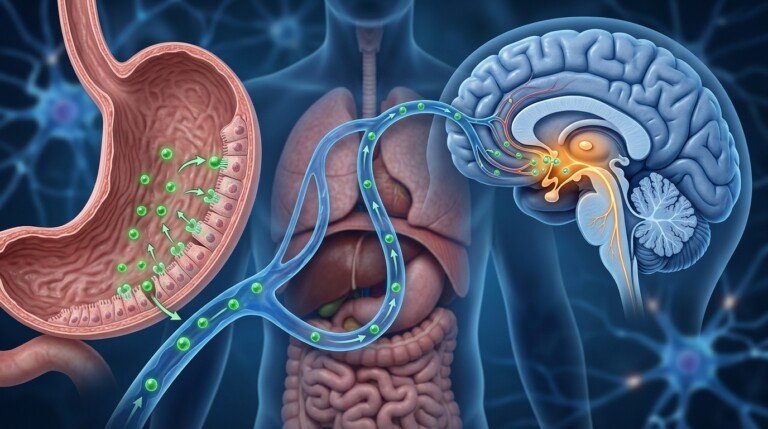
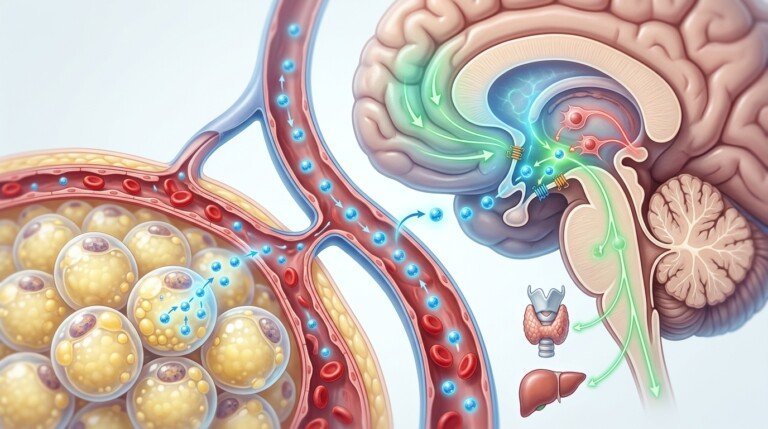
Rather than focusing on a single organ, metabolic health reflects how multiple body systems work together. Your liver, pancreas, muscles, fat tissue, digestive system, cardiovascular system, and even your brain all contribute to healthy metabolism.

When these systems function efficiently, your body can respond to changes in food intake, physical activity, stress, and sleep without placing excessive strain on any one system.

Metabolism Is More Than Burning Calories

One of the most common myths is that metabolism simply refers to how fast your body burns calories.

While energy expenditure is one part of metabolism, the term actually describes thousands of chemical reactions that occur every second to keep you alive.

These processes include:

  • Converting food into energy
  • Building and repairing tissues
  • Producing hormones
  • Regulating body temperature
  • Supporting immune function
  • Maintaining healthy blood sugar

A healthy metabolism is not necessarily a fast metabolism. Instead, it is one that responds efficiently to your body’s changing needs.

Metabolic Health Involves Several Key Markers

Healthcare professionals assess metabolic health by looking at several measurable indicators rather than relying on body weight alone.

Common metabolic markers include:

  • Blood sugar
  • Blood pressure
  • Cholesterol
  • Triglycerides
  • Waist circumference
  • Body composition

Looking at these measurements together provides a much clearer understanding of overall health than focusing on a single number.

For example, someone with a normal body weight may still have elevated blood sugar or high triglycerides, while another person with a higher body weight may have healthy metabolic markers.

Your Lifestyle Shapes Your Metabolic Health

Although genetics influence metabolism, daily habits remain one of the strongest factors affecting metabolic health.

These include:

  • Nutrition
  • Physical activity
  • Sleep quality
  • Stress management
  • Smoking status
  • Alcohol consumption

Small decisions repeated consistently over months and years often have a greater impact than occasional dramatic lifestyle changes.

Metabolic Health Changes Throughout Life

Metabolic health is not static.

It changes as we age and responds to our environment, lifestyle, and overall health.

Periods of inactivity, poor sleep, chronic stress, or unhealthy eating patterns may gradually reduce metabolic function.

Fortunately, healthier habits can improve many metabolic markers regardless of age.

This means metabolic health is something that can often be strengthened rather than something people simply inherit.


Why Does Metabolic Health Matter More Than Weight Alone?

For decades, body weight has been treated as the primary measure of health. While maintaining a healthy weight can certainly support well-being, it does not tell the whole story.

Two people with the same body weight can have completely different metabolic profiles.

One may have healthy blood pressure, balanced cholesterol, normal blood sugar, and excellent insulin sensitivity.

The other may already be developing metabolic dysfunction despite appearing healthy on the outside.

This is why healthcare professionals increasingly focus on metabolic health instead of relying solely on the scale.

Good Metabolic Health Supports Your Entire Body

Every organ depends on efficient metabolism.

When metabolic systems function well, they help support:

  • Stable energy throughout the day
  • Healthy cardiovascular function
  • Normal blood sugar regulation
  • Balanced hormone activity
  • Healthy brain function
  • Better immune responses

Because these systems are closely connected, improving one area often benefits several others.

Better Metabolic Health Reduces Disease Risk

Research consistently shows that healthy metabolic markers are associated with a lower likelihood of developing several chronic conditions.

Maintaining healthy blood pressure, cholesterol, blood sugar, and waist circumference supports long-term cardiovascular and metabolic health.

Rather than waiting for disease to develop, improving metabolic health focuses on prevention.

Weight Is Only One Piece of the Picture

Many people become discouraged when they judge their health entirely by the number on the scale.

However, meaningful improvements often occur before significant weight loss becomes visible.

Someone may experience:

  • Lower blood pressure
  • Better blood sugar regulation
  • Improved cholesterol
  • Increased fitness
  • More energy
  • Better sleep

while body weight changes only slightly.

These improvements still represent important progress.

Metabolic Health Influences Everyday Life

Healthy metabolism affects much more than disease risk.

People with healthier metabolic function often notice benefits such as:

  • More consistent energy
  • Better concentration
  • Improved physical performance
  • Faster recovery after activity
  • Better sleep quality
  • Improved overall well-being

These day-to-day improvements are often the first signs that healthy lifestyle changes are working.

Small Improvements Produce Long-Term Benefits

One of the most encouraging aspects of metabolic health is that small changes matter.

Walking regularly, improving breakfast choices, sleeping more consistently, reducing prolonged sitting, and managing stress all contribute to healthier metabolic function over time.

These habits also naturally complement topics such as Insulin Resistance, Visceral Fat, Gut Health and Weight Loss, Stress and Weight Loss, Best Breakfast for Weight Loss, and Weight Loss Habits, demonstrating how metabolic health connects many different aspects of overall wellness without depending on any single strategy.


How Can You Tell if Your Metabolic Health Is Good?

Many people assume they would immediately notice if something were wrong with their metabolism. In reality, poor metabolic health often develops quietly. Blood sugar, blood pressure, cholesterol, and inflammation can gradually change over many years without causing obvious symptoms. This is one reason regular health checkups are so valuable.

Good metabolic health is not defined by a single number or one laboratory test. Instead, it reflects how well several systems in your body work together. When these systems function efficiently, your body is better able to regulate energy, maintain healthy blood sugar, respond to insulin, and support normal cardiovascular function.

Rather than asking, “Do I have a fast metabolism?” a better question is, “Is my body functioning efficiently across the markers that matter most?”

Your Energy Levels Stay Relatively Stable

One of the earliest signs of healthy metabolism is consistent energy throughout the day.

While everyone experiences occasional fatigue, people with good metabolic health are generally less likely to experience dramatic energy crashes after meals or feel constantly exhausted despite getting enough sleep.

Stable energy allows you to stay productive, remain physically active, and recover more effectively from daily activities.

If you frequently feel sluggish after eating or depend on multiple sugary snacks to maintain energy, it may be worth discussing these symptoms with your healthcare provider.

Your Blood Sugar Remains Well Regulated

Healthy blood sugar regulation is one of the hallmarks of good metabolic health.

Your body should be able to process carbohydrates efficiently without requiring unusually large amounts of insulin. When this system works properly, glucose moves into your cells where it is used for energy instead of remaining elevated in the bloodstream.

Healthy blood sugar regulation also supports:

  • Consistent energy
  • Better concentration
  • Improved exercise performance
  • Reduced excessive hunger
  • More stable appetite throughout the day

These benefits often appear long before someone notices changes in body weight.

Blood Pressure Stays Within a Healthy Range

Your heart and blood vessels are closely connected to metabolic health.

Healthy blood pressure allows blood to circulate efficiently throughout the body while reducing unnecessary strain on the cardiovascular system.

Although blood pressure naturally changes throughout the day, consistently elevated readings may suggest that further evaluation is needed.

Regular monitoring helps identify changes early, often before noticeable symptoms develop.

Cholesterol and Triglycerides Are Balanced

Blood lipids play an important role in metabolic health.

Healthcare providers typically evaluate:

  • HDL cholesterol
  • LDL cholesterol
  • Total cholesterol
  • Triglycerides

Healthy lipid levels indicate that your body is managing fats efficiently and provide valuable information about long-term cardiovascular health.

These measurements become even more meaningful when interpreted alongside blood sugar, blood pressure, and waist circumference.

Waist Circumference Is Within a Healthy Range

Body weight alone does not provide a complete picture of metabolic health.

Where body fat is stored also matters.

Excess fat around the abdomen is more strongly associated with metabolic dysfunction than fat stored elsewhere in the body. Measuring waist circumference therefore provides additional insight beyond the number shown on the scale.

Someone may lose only a small amount of body weight while experiencing meaningful improvements in waist size and overall metabolic health.

You Recover Well From Physical Activity

Recovery is another overlooked indicator of healthy metabolism.

People with healthier metabolic function often notice that they recover more comfortably after exercise, experience less prolonged fatigue, and can gradually improve their physical fitness with consistent activity.

This does not mean intense exercise feels easy. Rather, the body responds efficiently to physical demands and adapts over time.


What Can Damage Your Metabolic Health Over Time?

Poor metabolic health rarely develops because of one isolated habit. Instead, it usually results from the combined effects of multiple lifestyle and environmental factors repeated over many years.

Understanding these contributors is helpful because many of them can be modified. Small improvements made consistently often have a greater impact than dramatic lifestyle changes that are difficult to maintain.

Physical Inactivity

Modern life encourages prolonged sitting.

Many people spend hours commuting, working at a desk, watching television, or using electronic devices with very little movement throughout the day.

Over time, low activity levels may contribute to reduced insulin sensitivity, changes in body composition, and poorer cardiovascular fitness.

Regular movement remains one of the most effective ways to support healthy metabolism.

You do not need to spend hours in a gym. Walking, cycling, swimming, gardening, and other enjoyable activities all contribute to better metabolic health.

A Diet High in Ultra-Processed Foods

Nutrition plays a major role in metabolic wellness.

Frequently eating foods that are high in added sugars, refined grains, unhealthy fats, and excess sodium while consuming too few vegetables, fruits, legumes, whole grains, and lean proteins may gradually affect blood sugar regulation and overall metabolic function.

Rather than focusing on one “perfect” diet, aim for a balanced eating pattern based primarily on minimally processed foods.

Consistency matters far more than occasional perfection.

Poor Sleep Habits

Sleep affects almost every system involved in metabolism.

Regularly sleeping too little or having poor-quality sleep may influence:

  • Appetite regulation
  • Blood sugar control
  • Energy levels
  • Food choices
  • Physical activity
  • Stress hormones

Adults generally benefit from seven to nine hours of quality sleep each night, although individual needs vary.

Building consistent sleep habits supports many other aspects of metabolic health.

Chronic Stress

Stress is a normal part of life, but chronic stress can affect daily habits that support healthy metabolism.

People experiencing ongoing stress may be more likely to:

  • Skip meals
  • Overeat highly processed foods
  • Sleep poorly
  • Exercise less
  • Spend more time sitting

These behaviors often interact with one another, making metabolic health more difficult to maintain over time.

Developing healthy ways to manage stress benefits both mental and physical well-being.

Excess Visceral Fat

Not all body fat behaves the same way.

Visceral fat, which surrounds internal organs, is more closely associated with metabolic dysfunction than subcutaneous fat stored beneath the skin.

Although this article does not explore visceral fat in detail, understanding its relationship with metabolic health helps explain why waist circumference is routinely measured during health assessments.

Reducing excess abdominal fat through sustainable lifestyle habits often supports improvements across multiple metabolic markers.

Smoking and Excessive Alcohol Consumption

Smoking damages blood vessels, increases inflammation, and affects numerous aspects of metabolic and cardiovascular health.

Similarly, excessive alcohol intake may contribute to poor dietary choices, disrupted sleep, elevated triglycerides, and changes in liver function.

Reducing or eliminating these habits supports overall metabolic wellness while providing benefits that extend far beyond metabolism alone.

Small Habits Add Up

Perhaps the most important thing to remember is that metabolic health reflects your everyday lifestyle rather than isolated decisions.

One unhealthy meal or one missed workout will not damage your metabolism.

Likewise, one healthy breakfast or one walk around the block will not transform it overnight.

Long-term metabolic health is built through small, consistent habits practiced over months and years. Those daily choices gradually shape how efficiently your body regulates blood sugar, maintains healthy blood pressure, manages cholesterol, and supports overall well-being.


How Is Metabolic Health Measured?

Unlike body weight or body mass index, Metabolic Health cannot be summarized by a single measurement. Healthcare professionals evaluate several clinical markers together because each one reflects a different aspect of how efficiently your body regulates energy, blood sugar, fat metabolism, and cardiovascular function.

Looking at multiple markers provides a much clearer understanding of your overall health than relying on the number on a bathroom scale alone. In fact, many people who appear healthy based on their weight alone may have abnormal metabolic markers, while others with a higher body weight may have excellent metabolic health.

Regular health screenings make it possible to identify changes before noticeable symptoms develop, allowing lifestyle improvements to begin earlier.

Blood Sugar Levels

One of the most important indicators of metabolic health is how well your body regulates blood sugar.

Healthcare providers commonly measure fasting blood glucose and HbA1c to understand both your current blood sugar level and your average blood sugar over the previous two to three months.

Healthy glucose regulation suggests that your body is effectively moving glucose from the bloodstream into cells where it can be used for energy.

Persistent elevations may indicate that additional evaluation is needed, particularly when combined with other metabolic risk factors.

Blood Pressure

Healthy blood pressure allows oxygen and nutrients to circulate efficiently throughout the body.

Consistently elevated blood pressure increases the workload placed on the heart and blood vessels and is one of the major components evaluated during metabolic health assessments.

Because high blood pressure often develops without symptoms, regular measurement remains an important part of preventive healthcare.

Cholesterol and Triglycerides

Blood lipid testing provides valuable information about cardiovascular and metabolic health.

A standard lipid profile usually includes:

  • Total cholesterol
  • LDL cholesterol
  • HDL cholesterol
  • Triglycerides

Rather than focusing on one number, healthcare providers evaluate the overall pattern of these results alongside other metabolic markers.

Healthy cholesterol and triglyceride levels often reflect long-term lifestyle habits involving nutrition, physical activity, and weight management.

Waist Circumference

Where fat is stored is often more important than total body weight.

Waist circumference provides a simple way to estimate abdominal fat, which is more closely associated with metabolic dysfunction than fat stored elsewhere in the body.

For this reason, healthcare providers frequently measure waist circumference during routine health assessments instead of relying exclusively on BMI.

Changes in waist measurement may also occur before large changes appear on the scale, making it a practical marker for monitoring long-term progress.

Body Composition

Body composition describes the proportion of muscle, fat, bone, and water that makes up your body.

Two people with the same body weight may have very different body compositions, leading to significant differences in metabolic health.

Maintaining adequate muscle mass is particularly important because skeletal muscle plays a major role in glucose utilization and overall metabolic function.

Healthcare providers may evaluate body composition using specialized scans or simpler methods depending on the clinical setting.

Looking at the Whole Picture

No single measurement defines metabolic health.

Instead, healthcare professionals combine information from:

  • Blood sugar
  • Blood pressure
  • Cholesterol
  • Triglycerides
  • Waist circumference
  • Body composition
  • Medical history
  • Lifestyle habits

Evaluating these factors together provides a far more accurate understanding of metabolic wellness than relying on any one measurement alone.


Which Daily Habits Improve Metabolic Health?

Healthy metabolism is built through consistent daily behaviors rather than short-term programs or quick fixes. Although genetics influence metabolic function, lifestyle remains one of the strongest factors determining how efficiently your body regulates blood sugar, blood pressure, cholesterol, and energy production.

The encouraging news is that improving metabolic health does not require perfection. Small habits practiced consistently often produce meaningful improvements over time.

Stay Physically Active

Regular movement is one of the most effective ways to support metabolic health.

Physical activity helps improve cardiovascular fitness, supports healthy body composition, encourages better insulin sensitivity, and contributes to overall well-being.

You do not need to perform intense workouts every day.

Activities such as:

  • Brisk walking
  • Cycling
  • Swimming
  • Strength training
  • Dancing
  • Gardening

can all contribute to healthier metabolism when performed regularly.

The most beneficial exercise is usually the one you enjoy enough to continue long term.

Prioritize Quality Sleep

Sleep is often overlooked when discussing metabolic health.

During sleep, the body carries out numerous processes involved in recovery, hormone regulation, immune function, and energy balance.

Poor sleep may influence appetite, food choices, stress hormones, and physical activity levels.

Developing consistent sleep habits is therefore one of the simplest ways to support better metabolic function.

Manage Stress Effectively

Stress cannot be eliminated completely, but learning healthy ways to manage it can positively influence metabolic health.

Helpful strategies include:

  • Spending time outdoors
  • Walking regularly
  • Practicing deep breathing
  • Meditation
  • Yoga
  • Talking with supportive friends or family
  • Maintaining enjoyable hobbies

Healthy stress management supports both mental and physical well-being while making it easier to maintain other healthy habits.

Reduce Prolonged Sitting

Even people who exercise regularly benefit from reducing long periods of sitting.

If your work requires sitting for most of the day, try incorporating short movement breaks every hour.

Standing, stretching, or walking for a few minutes helps reduce sedentary time without requiring major changes to your schedule.

These small movement breaks gradually increase daily activity while supporting healthier metabolism.

Build Consistent Daily Routines

Healthy habits become much easier when they are repeated consistently.

Simple routines such as:

  • Eating meals at regular times
  • Going to bed consistently
  • Staying hydrated
  • Preparing healthy meals
  • Walking after meals

help create an environment that supports long-term metabolic health.

Rather than relying on motivation, routines allow healthy behaviors to become automatic over time.


Which Foods Support Metabolic Health?

Nutrition plays a central role in maintaining healthy metabolism, but no single food has the power to transform metabolic health on its own. Instead of searching for “superfoods,” focus on building an eating pattern that provides your body with the nutrients it needs every day.

Healthy eating patterns emphasize variety, balance, and consistency rather than restriction.

Fill Your Plate With Whole Foods

Whole foods are naturally rich in vitamins, minerals, fiber, and other nutrients that support overall health.

Examples include:

  • Vegetables
  • Fruits
  • Legumes
  • Whole grains
  • Nuts
  • Seeds
  • Lean proteins
  • Fish
  • Eggs

These foods provide steady nourishment while supporting healthy energy balance.

Choose High-Fiber Foods

Fiber supports digestive health and contributes to healthy blood sugar regulation.

Foods naturally rich in fiber include:

  • Oats
  • Beans
  • Lentils
  • Chickpeas
  • Apples
  • Berries
  • Broccoli
  • Leafy greens

Including fiber-rich foods at most meals also helps promote fullness and supports a healthy gut microbiome.

Include Healthy Sources of Protein

Protein contributes to muscle maintenance, recovery, and satiety.

Good choices include:

  • Fish
  • Chicken
  • Turkey
  • Eggs
  • Greek yogurt
  • Cottage cheese
  • Tofu
  • Beans
  • Lentils

Including protein throughout the day helps create balanced meals while supporting overall metabolic function.

Don’t Forget Healthy Fats

Healthy fats remain an important part of a balanced eating pattern.

Examples include:

  • Olive oil
  • Avocados
  • Nuts
  • Seeds
  • Fatty fish

Rather than avoiding fat completely, focus on choosing mostly unsaturated fat sources while limiting heavily processed foods high in trans fats.

Build a Sustainable Eating Pattern

There is no single diet that works for everyone.

The healthiest eating pattern is usually one that:

  • Includes mostly whole foods
  • Provides adequate protein
  • Contains plenty of vegetables and fruit
  • Includes fiber-rich carbohydrates
  • Fits your preferences and lifestyle

Many people also find that beginning the day with ideas from Best Breakfast for Weight Loss helps establish healthier eating habits that continue throughout the day.

Ultimately, the goal is not to eat perfectly. It is to develop an eating pattern that supports good metabolic health for years rather than weeks.


Can You Improve Metabolic Health Naturally?

One of the most encouraging aspects of Metabolic Health is that it is not fixed. While factors such as age, genetics, and family history play a role, your everyday habits have a significant influence on how well your metabolism functions over time. Improving metabolic health rarely requires extreme diets or complicated routines. Instead, it is usually the result of small, consistent lifestyle changes that become part of your daily routine.

Progress is also gradual. You may notice improvements in your energy levels, sleep quality, or physical fitness long before laboratory results or body weight change significantly. Every healthy habit contributes to better metabolic function, even if the benefits are not immediately visible.

Focus on Consistency Rather Than Perfection

Many people delay making healthy changes because they feel they need to follow the “perfect” diet or exercise plan.

In reality, perfection is unnecessary.

Walking most days of the week, preparing balanced meals, sleeping consistently, and reducing sedentary time often produce greater long-term benefits than strict programs that become impossible to maintain.

A sustainable lifestyle always outperforms a short period of intense effort.

Build Healthy Habits One Step at a Time

Trying to change every aspect of your lifestyle at once often leads to frustration.

Instead, introduce one healthy habit before adding another.

For example, you might begin by:

  • Drinking more water each day
  • Taking a 20-minute walk after dinner
  • Adding vegetables to every lunch
  • Going to bed 30 minutes earlier
  • Preparing breakfast the night before

As each habit becomes automatic, it becomes easier to build additional healthy routines without feeling overwhelmed.

Support Your Gut Health

Growing research suggests that the gut microbiome plays an important role in overall metabolic function.

The trillions of microorganisms living in your digestive system help break down food, produce beneficial compounds, support immune function, and influence inflammation.

Eating a varied diet rich in vegetables, fruits, legumes, whole grains, and fermented foods helps create an environment where beneficial gut bacteria can thrive.

These eating habits naturally complement many of the principles discussed in Gut Health and Weight Loss, where dietary variety and fiber intake are emphasized as part of overall wellness.

Maintain a Healthy Waist Circumference

Improving metabolic health is not simply about losing weight. Where body fat is stored also matters.

Excess abdominal fat is more strongly associated with metabolic dysfunction than fat stored in other areas of the body. This is one reason healthcare professionals routinely measure waist circumference alongside body weight during health assessments.

Healthy lifestyle habits that improve nutrition, increase physical activity, and reduce prolonged sitting often contribute to gradual reductions in waist circumference over time.

Rather than chasing rapid weight loss, focus on creating habits that support long-term improvements in body composition and metabolic function.

Give Your Body Time to Adapt

Healthy metabolism develops over years, and improvements also take time.

It is normal for laboratory markers to improve gradually rather than all at once. Blood pressure, cholesterol, blood sugar, fitness, sleep quality, and energy levels often respond at different rates.

This is why patience is so important.

Instead of expecting dramatic changes within a few weeks, focus on building habits you can maintain for months and years.

Sustainable progress is almost always more meaningful than rapid, short-lived results.


When Should You Talk to a Doctor?

Many aspects of metabolic health can be improved through healthy lifestyle habits, but there are situations where professional medical evaluation is important.

Because metabolic health often changes gradually without obvious symptoms, routine healthcare visits remain one of the best ways to identify potential concerns before complications develop.

Speaking with a healthcare provider does not necessarily mean something is wrong. Preventive care allows small problems to be recognized early, when lifestyle changes are often most effective.

Persistent Fatigue or Low Energy

Feeling tired after a busy week is completely normal.

However, ongoing fatigue that does not improve with adequate sleep may warrant further evaluation.

Persistent low energy can have many possible causes, including metabolic conditions, nutritional deficiencies, sleep disorders, thyroid problems, or other medical issues.

A healthcare provider can determine whether additional testing is appropriate.

Changes in Blood Pressure or Blood Sugar

If routine health screenings show elevated blood pressure or blood sugar, it is important to discuss these findings with your healthcare provider.

Early evaluation helps identify possible causes and allows appropriate monitoring before more significant changes develop.

Regular screening plays an important role even when you feel completely healthy.

Increasing Waist Circumference

Gradual increases in abdominal fat, particularly when accompanied by other metabolic risk factors, may justify a more comprehensive health assessment.

Waist circumference provides valuable information about metabolic health because it reflects body fat distribution rather than overall body weight alone.

Combined with other measurements, it helps healthcare providers evaluate long-term metabolic risk.

Family History of Metabolic Disease

People with a family history of type 2 diabetes, cardiovascular disease, high blood pressure, or metabolic syndrome may benefit from earlier or more frequent health screenings.

Genetics cannot be changed, but understanding your family history allows healthcare providers to recommend appropriate preventive strategies.

Early awareness often creates opportunities to improve long-term health through lifestyle changes.

Regular Checkups Support Prevention

Even if you have no noticeable symptoms, routine medical checkups remain one of the most valuable tools for protecting metabolic health.

Preventive assessments may include:

  • Blood pressure measurement
  • Blood glucose testing
  • Cholesterol testing
  • Waist circumference
  • Weight and body composition
  • Lifestyle assessment

These evaluations help identify changes that may otherwise go unnoticed for many years.


Frequently Asked Questions

1. What is metabolic health?

Metabolic health refers to how efficiently your body regulates blood sugar, blood pressure, cholesterol, triglycerides, and energy production while maintaining healthy hormone function and overall metabolic balance.

2. Can you be overweight and still have good metabolic health?

Yes. Although excess body fat may increase metabolic risk, body weight alone does not determine metabolic health. Some people with a higher body weight have healthy metabolic markers, while some people with a normal weight may have metabolic dysfunction.

3. What are the main signs of good metabolic health?

Common signs include healthy blood sugar, normal blood pressure, balanced cholesterol and triglycerides, a healthy waist circumference, stable energy levels, and good physical fitness.

4. What lifestyle habits improve metabolic health?

Regular physical activity, balanced nutrition, quality sleep, stress management, reducing prolonged sitting, and maintaining a healthy waist circumference all contribute to better metabolic health over time.

5. How long does it take to improve metabolic health naturally?

The timeline varies from person to person. Some improvements, such as increased energy or better sleep, may be noticed within weeks, while changes in blood sugar, cholesterol, blood pressure, and body composition often occur gradually over several months of consistent healthy habits.


Final Thoughts

Metabolic Health is about far more than body weight or the speed of your metabolism. It reflects how efficiently your body manages energy, regulates blood sugar, maintains healthy blood pressure, balances cholesterol, and supports the normal function of countless biological processes every day.

The good news is that metabolic health is not determined by a single factor or permanently fixed by genetics. Daily choices involving nutrition, physical activity, sleep, stress management, and overall lifestyle have a powerful influence on how your metabolism functions over time.

Rather than searching for quick fixes, focus on building habits you can realistically maintain. Small improvements practiced consistently often produce meaningful long-term benefits, even when changes on the scale happen slowly.

Most importantly, remember that good metabolic health is measured by how well your body functions, not simply by how much you weigh. By prioritizing sustainable lifestyle habits and routine health checkups, you can support better metabolic wellness for years to come while reducing your risk of future health problems.


Disclaimer:

This post may contain affiliate links. If you purchase through them, we may earn a small commission at no extra cost to you. Also, this content is for informational purposes only and does not substitute professional medical advice.

What Is the Best Breakfast for Weight Loss?

The best breakfast for weight loss is not necessarily the breakfast with the fewest calories.

That idea surprises many people.

For years, weight-loss advice focused heavily on eating less. Smaller portions, fewer calories, and skipping meals were often presented as the fastest path to weight loss. While calorie balance certainly matters, most people eventually discover a frustrating reality.

A breakfast that leaves you hungry by 10 a.m. rarely helps you eat less throughout the day.

In fact, many weight-loss struggles begin long before lunch.

You’ve probably experienced it yourself.

You start the morning with good intentions. Maybe you grab a muffin because it’s convenient. Maybe you drink a flavored coffee and call it breakfast. Perhaps you skip breakfast entirely because you’re trying to reduce calories.

Everything seems fine at first.

Then hunger arrives.

By mid-morning, you’re thinking about food. By lunchtime, you’re starving. Suddenly, healthy choices become harder to make, portion sizes increase, and cravings seem impossible to ignore.

This is why breakfast continues to be one of the most debated meals in nutrition.

It’s not because breakfast possesses magical fat-burning properties.

It’s because the foods you choose in the morning can influence hunger, energy, and eating behavior for the rest of the day.

The goal isn’t simply eating breakfast.

The goal is eating a breakfast that works for you rather than against you.


Why Do Some People Feel Hungry Again an Hour After Breakfast?

Have you ever eaten what seemed like a substantial breakfast only to find yourself searching for snacks shortly afterward?

At first glance, this doesn’t make much sense.

After all, you already ate.

Shouldn’t hunger disappear?

The answer depends largely on what you ate.

Many traditional breakfast foods are built around refined carbohydrates and added sugars. Breakfast cereals, pastries, muffins, sweetened coffee drinks, and flavored breakfast bars often provide calories without delivering much lasting satisfaction.

These foods digest relatively quickly.

As a result, hunger often returns sooner than expected.

Compare that with a breakfast containing protein, fiber, and healthy fats.

The difference can be dramatic.

Instead of feeling hungry an hour later, many people remain satisfied until lunch.

This is one reason nutrition experts frequently focus on food quality rather than calories alone.

A 400-calorie breakfast can leave you starving.

Another 400-calorie breakfast can leave you comfortably full for hours.

The calorie number may be identical.

The experience is completely different.


Does Breakfast Really Matter for Weight Loss?

This question has fueled countless debates.

Some experts argue breakfast is essential.

Others believe it can be skipped entirely.

The truth is far less dramatic.

Breakfast itself does not determine whether you lose weight.

Many people successfully lose weight while eating breakfast every day.

Many others successfully lose weight while skipping it.

This tells us something important.

Weight loss is influenced by overall lifestyle habits rather than a single meal.

However, breakfast can still play an important role.

For many people, a balanced breakfast helps create structure. It reduces extreme hunger later in the day and supports better food choices.

Imagine arriving at lunch mildly hungry versus arriving at lunch absolutely starving.

Those situations often lead to very different decisions.

People who feel excessively hungry tend to eat faster, consume larger portions, and make more impulsive food choices.

A satisfying breakfast may help prevent that cycle.

At the same time, breakfast isn’t mandatory.

Some people genuinely prefer eating later in the day and experience no negative effects from doing so.

The key is understanding how your body responds rather than blindly following nutrition trends.


What Makes a Breakfast Actually Support Weight Loss?

Many breakfast foods are marketed as healthy.

Unfortunately, marketing and nutrition aren’t always the same thing.

A breakfast can appear healthy while doing very little to support appetite control.

The breakfasts that consistently support weight-loss goals usually share several characteristics.

They Contain Enough Protein

Protein is one of the most satisfying nutrients available.

It helps people feel fuller for longer and often reduces the urge to snack between meals.

They Include Fiber

Fiber slows digestion and contributes to fullness.

Many fiber-rich foods also provide important vitamins and minerals.

They Focus on Whole Foods

Whole foods generally provide more nutrition and satisfaction than heavily processed alternatives.

They Help Stabilize Energy

Balanced meals often support steadier energy levels compared to highly sugary breakfasts.

Notice that none of these characteristics involve extreme restriction.

The best breakfasts are not necessarily the smallest breakfasts.

They’re the breakfasts that keep hunger under control.


Why Does Protein Seem to Be the Star of Every Weight-Loss Breakfast?

If you read enough nutrition articles, you start noticing a pattern.

Protein appears everywhere.

There’s a reason for that.

Protein consistently performs well when researchers examine satiety, which is simply the feeling of fullness after eating.

Many people discover this firsthand.

Consider two different breakfasts.

Breakfast one consists of a sugary pastry and coffee.

Breakfast two includes eggs, Greek yogurt, and fruit.

Both meals provide energy.

Yet most people report feeling satisfied much longer after the protein-rich option.

This matters because weight loss isn’t only about eating less.

It’s also about making healthy eating feel sustainable.

Constant hunger is exhausting.

Protein helps reduce that problem.

It may not eliminate hunger entirely, but it often makes healthy eating significantly easier.

Protein also plays an important role in maintaining muscle while losing weight.

When people lose weight, the goal is ideally to reduce body fat while preserving lean tissue.

Adequate protein intake supports that process.

This is why protein remains one of the most valuable tools in any weight-loss breakfast strategy.


What Are the Best Protein-Rich Breakfasts for Weight Loss?

The good news is that high-protein breakfasts don’t require complicated recipes or expensive ingredients.

In many cases, simple foods work exceptionally well.

Eggs remain one of the most popular choices because they are versatile, affordable, and easy to prepare. Whether scrambled, boiled, poached, or made into an omelet, eggs provide a solid protein foundation for the day.

Greek yogurt is another excellent option. Compared to traditional yogurt, it typically contains more protein and can be combined with berries, nuts, or seeds for additional nutrition and flavor.

Cottage cheese is often overlooked but deserves more attention. It provides substantial protein while pairing well with fruit, vegetables, or whole-grain crackers.

Protein smoothies can also work well, particularly for busy mornings. The key is focusing on nutrient-dense ingredients rather than turning the smoothie into a dessert disguised as breakfast.

Even leftovers can become effective breakfast foods.

Many people assume breakfast must include traditional breakfast items. In reality, leftover chicken, fish, or lean meat may provide more protein than many common breakfast options.

The specific food matters less than the overall nutritional balance.

The goal is simple:

Start the day feeling satisfied rather than hungry.


Why Is Fiber Almost as Important as Protein?

Protein receives most of the attention.

Fiber deserves nearly as much.

One reason fiber is so valuable is that it adds volume to meals without dramatically increasing calories.

Foods rich in fiber often require more chewing, digest more slowly, and contribute to feelings of fullness.

This combination can be extremely helpful for weight management.

Oats are a perfect example.

Many people find a bowl of oatmeal significantly more satisfying than highly processed breakfast cereals.

The same principle applies to fruits, vegetables, chia seeds, flaxseeds, and whole grains.

Fiber also supports digestive health, which indirectly influences overall well-being.

When protein and fiber appear together in the same meal, breakfast becomes much more effective at managing hunger.

This is why combinations such as Greek yogurt with berries, oatmeal with protein, or eggs with vegetables often perform so well.

They provide multiple layers of satiety rather than relying on a single nutrient.


What Are the Best High-Fiber Breakfasts for Weight Loss?

Fiber often plays a supporting role in weight-loss discussions, but its impact can be surprisingly powerful.

Many people focus exclusively on protein while overlooking the benefits of fiber-rich foods. The reality is that the most satisfying breakfasts usually contain both.

Think about how different you feel after eating a bowl of sugary cereal compared to a bowl of oatmeal topped with berries and chia seeds.

Both may contain similar calories.

Yet the second option often provides a completely different experience.

That’s because fiber slows digestion and helps create a greater feeling of fullness.

Oatmeal Remains Popular for a Reason

Oats have been a breakfast staple for decades.

Unlike many highly processed cereals, oats provide fiber, nutrients, and lasting satisfaction. They also work well with a wide variety of ingredients, including fruit, nuts, seeds, and protein sources.

The biggest mistake people make with oatmeal is turning it into dessert by loading it with excessive sugar.

When prepared thoughtfully, oatmeal can become one of the most effective breakfasts for appetite control.

Fruit Can Make Breakfast More Filling

Fruit sometimes gets unfair criticism in weight-loss discussions.

While fruit contains natural sugars, it also provides fiber, water, vitamins, and antioxidants.

Berries, apples, pears, and oranges are particularly useful additions to breakfast because they contribute volume and satisfaction without adding excessive calories.

Seeds Offer More Than People Realize

Chia seeds and flaxseeds may be small, but they can have a significant impact on breakfast quality.

They provide fiber and healthy fats while helping create meals that feel more substantial.

Adding a spoonful of seeds to yogurt, oatmeal, or smoothies is a simple way to increase satiety without dramatically changing the meal.


Are You Making These Breakfast Mistakes Without Realizing It?

Many people believe they’re eating healthy breakfasts.

Unfortunately, several common habits can quietly work against weight-loss goals.

Mistake #1: Choosing Convenience Over Nutrition

Busy mornings often lead people toward packaged foods that are quick but not particularly satisfying.

Breakfast pastries, sugary cereals, and breakfast bars may save time, but they frequently leave people hungry again soon afterward.

Convenience matters.

However, convenience should not come at the expense of nutrition.

Mistake #2: Drinking Most of Your Calories

Coffee drinks can become surprisingly calorie-dense.

A flavored coffee loaded with syrups, cream, and whipped toppings may contain more calories than an actual meal.

The bigger problem is that liquid calories often provide less satiety than solid food.

Many people finish these drinks and remain hungry shortly afterward.

Mistake #3: Skipping Protein Entirely

A breakfast built almost entirely around carbohydrates often struggles to provide lasting fullness.

This doesn’t mean carbohydrates are bad.

It simply means balance matters.

Adding protein can dramatically improve how satisfying a meal feels.

Mistake #4: Eating Too Little

Ironically, some people become so focused on reducing calories that they create new problems.

A tiny breakfast may seem helpful initially.

Yet extreme restriction often increases hunger later in the day, making overeating more likely.

Mistake #5: Copying Someone Else’s Breakfast

Nutrition is personal.

The breakfast that works perfectly for one individual may leave another person hungry or unsatisfied.

Experimentation is often necessary.


What Does a Great Weight-Loss Breakfast Actually Look Like?

There is no single perfect breakfast.

Anyone claiming otherwise is probably oversimplifying nutrition.

However, certain patterns consistently appear among effective breakfast choices.

Option 1: The Classic High-Protein Breakfast

  • Eggs
  • Whole-grain toast
  • Fruit

This combination provides protein, fiber, and balanced energy.

Option 2: Greek Yogurt Breakfast Bowl

  • Greek yogurt
  • Mixed berries
  • Chia seeds
  • Nuts

This option works well for people who want something quick and satisfying.

Option 3: Protein Oatmeal

  • Oats
  • Protein source
  • Cinnamon
  • Fruit

This combination often provides excellent satiety while remaining affordable.

Option 4: Smoothie Breakfast

  • Protein powder
  • Fruit
  • Greens
  • Seeds

Smoothies can be effective when they prioritize nutrition rather than sugar.

Option 5: Cottage Cheese Bowl

  • Cottage cheese
  • Berries
  • Nuts

Simple, fast, and surprisingly filling.

The common theme across all of these options is balance.

None rely on extreme restriction.

None promise miracle results.

They simply provide nutrients that help manage hunger effectively.


What If You Barely Have Time for Breakfast?

This is one of the most common concerns.

People understand the importance of healthy eating.

They simply don’t have an extra hour every morning.

Fortunately, breakfast doesn’t need to be complicated.

Preparation Beats Motivation

One of the easiest ways to improve breakfast habits is preparing ahead of time.

When healthy options are already available, good decisions become much easier.

Overnight Oats

Overnight oats require only a few minutes of preparation the night before.

The next morning, breakfast is already waiting.

Hard-Boiled Eggs

A batch of eggs prepared in advance can provide several days of convenient breakfasts.

Greek Yogurt and Fruit

This combination takes less than two minutes to assemble.

Protein Smoothies

Smoothies work particularly well for people who struggle to eat immediately after waking.

Don’t Chase Perfection

Many people abandon healthy breakfast habits because they believe every meal must be elaborate.

It doesn’t.

Consistency usually matters far more than complexity.


Can Breakfast Help You Stay on Track for the Entire Day?

In many cases, yes.

Breakfast acts like the first domino.

When the first decision of the day is positive, subsequent decisions often become easier.

A satisfying breakfast may reduce cravings.

It may improve energy.

It may help prevent the extreme hunger that leads to overeating later.

This doesn’t mean breakfast is magical.

It simply means that starting the day with nutritious foods can create momentum.

For readers following the 30/30/30 Rule for Weight Loss, breakfast becomes especially important because protein intake forms the foundation of the entire routine.

Likewise, building breakfast habits that support sustainable weight loss can often provide greater long-term benefits than chasing the latest nutrition trend.

If healthy eating between meals remains a challenge, exploring healthy snacks for weight loss may help bridge the gap between breakfast and lunch. Similarly, understanding which high protein foods that burn fat support fullness can make breakfast planning much easier. Those looking to improve nutrition on a budget may also benefit from learning about cheap foods for weight loss that provide both value and satiety.


Frequently Asked Questions

1. What is the best breakfast for weight loss?

The best breakfast for weight loss typically includes protein, fiber, and whole foods that help control hunger and support healthy eating throughout the day.

2. Is skipping breakfast bad for weight loss?

Not necessarily. Some people do well without breakfast, while others find it helps control hunger and improve food choices later in the day.

3. Are eggs good for weight loss?

Yes. Eggs are rich in protein and often help people feel satisfied longer than many processed breakfast foods.

4. Is oatmeal good for weight loss?

Oatmeal provides fiber and can be an excellent breakfast choice when combined with protein and nutrient-dense toppings.

5. What should I avoid eating for breakfast?

Highly processed foods that contain large amounts of added sugar may increase hunger and cravings later in the day.

6. How much protein should breakfast contain?

Individual needs vary, but many people benefit from including a meaningful protein source at breakfast.

7. What’s the best breakfast for busy mornings?

Greek yogurt, overnight oats, hard-boiled eggs, protein smoothies, and cottage cheese are all convenient options that require minimal preparation.


Final Thoughts

The search for the best breakfast for weight loss often leads people toward complicated meal plans and trendy nutrition advice.

The reality is much simpler.

A successful weight-loss breakfast doesn’t need to be expensive, time-consuming, or Instagram-worthy.

It needs to help you stay satisfied.

It needs to provide nutrients your body actually needs.

And it needs to fit your lifestyle well enough that you can repeat it consistently.

For most people, that means prioritizing protein, fiber, and whole foods while minimizing highly processed options that leave them hungry shortly afterward.

Because when breakfast helps control hunger instead of creating it, healthy eating throughout the rest of the day often becomes much easier.


Disclaimer:

This post may contain affiliate links. If you purchase through them, we may earn a small commission at no extra cost to you. Also, this content is for informational purposes only and does not substitute professional medical advice.

What Is the 30/30/30 Rule for Weight Loss?

The 30/30/30 Rule for Weight Loss has exploded in popularity across social media, podcasts, and health blogs.

Some people describe it as a simple morning routine that helps control hunger and improve consistency.

Others claim it boosts metabolism, stabilizes blood sugar, and makes weight loss easier.

Whenever a weight-loss method gains this much attention, the same question follows:

Does it actually work?

The answer is more nuanced than many headlines suggest.

The 30/30/30 rule is not a miracle weight-loss system.

It won’t override poor eating habits.

It won’t burn fat while you sleep.

And it won’t magically erase years of unhealthy lifestyle patterns.

What it may do is help create a structured morning routine that encourages several evidence-based behaviors linked to successful weight management.

That’s why so many people are interested in it.

Unlike complicated diets filled with rules and restrictions, the 30/30/30 approach is surprisingly simple.

In fact, the entire method can be explained in one sentence.

Eat 30 grams of protein within 30 minutes of waking up and follow it with 30 minutes of low-intensity movement.

Simple doesn’t always mean easy.

But simple often means sustainable.

And sustainability is something many weight-loss strategies lack.


Why Does Every New Weight-Loss Trend Seem to Start With Breakfast?

Think about most diet advice you’ve heard over the years.

Skip breakfast.

Never skip breakfast.

Eat small meals.

Eat large meals.

Fast until noon.

Eat immediately after waking.

The conflicting advice can become exhausting.

Part of the confusion comes from the fact that different people respond differently to food.

However, breakfast remains important because it often sets the tone for the rest of the day.

A chaotic morning frequently leads to chaotic eating.

A structured morning often leads to better choices later.

The 30/30/30 rule focuses on this exact idea.

Instead of trying to control every meal, it starts by improving the first one.


So What Exactly Is the 30/30/30 Rule?

At its core, the rule contains three parts:

30 Grams of Protein

Consume approximately 30 grams of protein shortly after waking.

Within 30 Minutes

Aim to eat that protein-rich meal within 30 minutes of getting out of bed.

30 Minutes of Movement

Follow with about 30 minutes of low-intensity physical activity.

Walking is the most common example.

The rule sounds almost too simple.

That’s one reason it has gained attention.

People are tired of complicated systems.

Many are looking for practical habits they can realistically maintain.


Why Did This Method Become So Popular?

Most successful habits share one characteristic.

They remove decision-making.

The fewer decisions people need to make, the easier consistency becomes.

The 30/30/30 rule creates a predictable morning structure.

Wake up.

Eat protein.

Move your body.

Continue your day.

That’s far easier than constantly wondering:

“What should I eat?”

“When should I exercise?”

“Should I skip breakfast?”

The routine answers those questions automatically.


What Happens When You Start Your Day With More Protein?

Protein is the foundation of the entire method.

Without protein, there is no 30/30/30 rule.

But why 30 grams?

Why not 10?

Why not 50?

The goal is to consume enough protein to meaningfully contribute to satiety.

Many breakfast foods are heavily carbohydrate-based.

Examples include:

  • Sugary cereals
  • Pastries
  • Muffins
  • Sweet coffee drinks

These foods can be convenient.

They can also leave some people hungry shortly afterward.

Protein-rich breakfasts often create a different experience.

Why Protein Helps People Feel Full

Protein generally digests more slowly than many highly processed foods.

As a result, many people report:

  • Less hunger
  • Reduced snacking
  • Better portion control
  • Improved meal satisfaction

This is one reason protein appears repeatedly in successful weight-management strategies.

What Does 30 Grams of Protein Actually Look Like?

Many people underestimate protein intake.

Thirty grams can come from combinations such as:

  • Eggs and Greek yogurt
  • Protein smoothie and fruit
  • Cottage cheese and nuts
  • Tofu scramble
  • Lean meat and vegetables

The specific foods matter less than consistently reaching a meaningful protein intake.


Why Does the Timing Matter?

This is where the debate often begins.

Some experts argue the exact timing isn’t critical.

Others believe eating soon after waking offers advantages.

The truth likely lies somewhere in the middle.

Creating Structure

One benefit of eating early is simple consistency.

People who delay eating sometimes become extremely hungry later.

That hunger can lead to overeating.

A structured breakfast may help prevent this pattern.

Supporting Energy Levels

Many individuals report feeling more energized after consuming a balanced breakfast compared to skipping it entirely.

This isn’t universal.

But it’s common enough to explain part of the method’s popularity.

Is 30 Minutes a Magical Number?

Probably not.

The number creates a clear rule.

Clear rules are easier to follow than vague recommendations.

The real value may come from consistency rather than the exact minute on the clock.


Why Does the Rule Include Exercise Immediately After?

This is the part many people misunderstand.

The exercise component is not intended to be brutal.

You don’t need:

  • Sprint intervals
  • Exhausting workouts
  • Boot camps
  • High-intensity circuits

In fact, low-intensity movement is usually encouraged.

Walking Is Often Enough

A brisk walk is the most common recommendation.

This makes the routine accessible to most people.

No gym membership.

No specialized equipment.

No complicated program.

Just movement.

Why Low-Intensity Exercise Matters

Low-intensity activity can:

  • Increase daily calorie expenditure
  • Improve cardiovascular health
  • Support blood sugar management
  • Encourage consistency

Most importantly, it’s easier to maintain long term.

The Best Exercise Is Often the One You Actually Do

Many people quit exercise programs because they start too aggressively.

Walking may not sound exciting.

But consistency often beats intensity.


Could Blood Sugar Be Part of the Reason This Works?

Blood sugar discussions often become overly complicated.

Let’s keep it simple.

Meals influence blood sugar.

Physical activity influences blood sugar.

Protein influences blood sugar responses differently than highly refined carbohydrates.

The 30/30/30 routine combines all three elements.

This combination may contribute to steadier energy levels for some individuals.

Steadier energy often translates into:

  • Fewer cravings
  • Better appetite control
  • Improved food choices

Again, these effects vary from person to person.

But they help explain why some individuals report positive experiences.


What Benefits Do People Usually Report?

Ask ten followers of the 30/30/30 rule why they like it and you’ll likely hear different answers.

Better Appetite Control

Many people report feeling fuller throughout the morning.

Fewer Cravings

Reduced hunger often means fewer impulsive food choices.

More Consistent Exercise

The rule automatically includes daily movement.

Improved Morning Structure

Many users simply appreciate having a routine.

Better Awareness of Protein Intake

The method encourages attention to a nutrient many people underconsume.

Importantly, none of these benefits guarantee weight loss.

They simply create conditions that may support it.


Where Does the Rule Fall Short?

No weight-loss method is perfect.

The 30/30/30 rule has limitations.

It Can Feel Rigid

Not everyone enjoys eating immediately after waking.

Some people naturally prefer later meals.

Protein Targets May Be Challenging

Reaching 30 grams consistently requires planning.

Many common breakfasts provide far less.

Lifestyle Differences Matter

Night-shift workers, busy parents, and people with unusual schedules may struggle to follow the timing exactly.

Results Depend on the Rest of the Day

A healthy breakfast cannot compensate for poor habits later.

Weight management still depends on overall lifestyle patterns.


Who Might Benefit Most From Trying It?

The 30/30/30 rule is not for everyone.

However, it may be particularly useful for:

  • People who skip breakfast and overeat later
  • Individuals struggling with morning cravings
  • Beginners seeking a simple routine
  • Those wanting more protein in their diet
  • People looking to build a sustainable habit

Its greatest strength may be simplicity.

Simple habits are easier to repeat.

Repeated habits often create meaningful change.


What Would a Full Day Following the 30/30/30 Rule Look Like?

Imagine a typical weekday.

You wake up at 7:00 a.m.

By 7:30 a.m., you eat:

  • Greek yogurt
  • Eggs
  • Fruit

Protein intake reaches approximately 30 grams.

After breakfast, you spend 30 minutes walking outdoors.

The remainder of the day follows normal healthy eating principles.

Lunch includes lean protein and vegetables.

Dinner remains balanced.

Hydration stays consistent.

Nothing extreme happens.

And that’s the point.

The routine isn’t designed to shock your body.

It’s designed to create repeatable habits.

For readers interested in combining this approach with additional activity strategies, our guide to morning exercise for weight loss explores practical ways to build movement into your day.

Likewise, understanding long-term weight loss habits can help reinforce the consistency that ultimately drives results.


Frequently Asked Questions

1. Does the 30/30/30 rule actually work?

It may help support weight loss by encouraging protein intake, morning movement, and structured habits. However, results depend on overall lifestyle factors.

2. What is the 30/30/30 rule for weight loss?

The rule involves eating 30 grams of protein within 30 minutes of waking and completing 30 minutes of low-intensity exercise.

3. Why 30 grams of protein?

The target aims to support satiety and help people feel fuller during the morning.

4. Does walking count for the exercise portion?

Yes. Walking is one of the most commonly recommended activities.

5. Can I do the exercise before breakfast?

Some people do, but the traditional version places protein intake before the movement session.

6. Is the 30/30/30 rule good for beginners?

Yes. Its simplicity makes it accessible for people starting a weight-loss journey.

7. Will the 30/30/30 rule guarantee weight loss?

No. Weight loss still depends on overall calorie balance, nutrition, activity levels, and long-term consistency.


Final Thoughts

The reason the 30/30/30 Rule for Weight Loss continues gaining attention is not because it’s revolutionary.

It’s because it’s practical.

Most people don’t need another complicated diet.

They need habits they can repeat.

The rule combines three behaviors that many health professionals already encourage:

  • Eating more protein
  • Moving more
  • Creating consistent routines

Will it transform everyone’s life?

No.

But for people looking for a simple, structured starting point, it may provide exactly what many weight-loss plans lack:

A habit that’s easy to remember and realistic to maintain.


Disclaimer:

This post may contain affiliate links. If you purchase through them, we may earn a small commission at no extra cost to you. Also, this content is for informational purposes only and does not substitute professional medical advice.

Smart Portion Hacks for Easy Weight Loss

You’ve likely heard the phrase a hundred times: “You can’t out-train a bad diet.” But what if you’re eating all the right things chicken, vegetables, and healthy fats and still not seeing the scale move? The truth is, when it comes to weight loss, quantity matters just as much as quality. Even the healthiest foods can lead to weight gain if you eat too much of them. This is where portion control for weight loss comes in as your most powerful tool. It’s not about restricting what you can eat; it’s about learning how much you should eat to fuel your body without overdoing it.

This blog post is your complete guide to mastering the art of portion control. We’ll go beyond simply counting calories and provide you with actionable, real-world tricks that you can start using today. From simple visual guides to smart plate methods, you’ll learn how to stop guessing and start eating with intention. Get ready to transform your relationship with food and take control of your weight loss journey for good. If you want to understand how calorie balance, metabolism, and behavior all connect, this science-based weight loss guide explains the full framework behind sustainable fat loss.


Why portion sizes for weight loss matter so much

The reason portion sizes for weight loss are so critical comes down to one simple concept: calories. Every food contains energy, measured in calories. When you consume more calories than your body needs, it stores the excess energy as fat. Conversely, to lose weight, you need to create a calorie deficit, meaning you burn more energy than you consume.

  • The Calorie Density Trap: Many foods, especially nutrient-dense ones, can be deceptively high in calories. For example, a handful of almonds is a great source of healthy fats, but an entire bag can contain as many calories as a full meal. Without paying attention to portion sizes for weight loss, you can easily consume an extra 500-1,000 calories a day, completely negating your efforts.
  • The Satiety Factor: Different foods have different satiety levels meaning how full they make you feel. Portion control, when done correctly, helps you prioritize foods that are high in fiber and protein (like vegetables and lean meats) because they fill you up faster and keep you feeling satisfied for longer.
  • A Sustainable Approach: Unlike restrictive diets that cut out entire food groups, mastering portion control allows you to eat a wide variety of foods, which is crucial for getting all the nutrients you need. It’s a sustainable weight loss approach that allows you to maintain a healthy weight without extreme restriction or burnout.

The Simple Portion Plate Method

The portion plate method is a visual and highly effective way to manage your intake without the need for meticulous counting or measuring. It simplifies your meal into three easy-to-remember sections.

  • Half of Your Plate: Non-Starchy Vegetables: This section should be filled with vegetables like broccoli, spinach, carrots, cauliflower, or bell peppers. They are low in calories but high in fiber, vitamins, and minerals.
  • One-Quarter of Your Plate: Lean Protein: This section is for your protein source, such as chicken breast, fish, tofu, or lean beef. Protein is key for satiety and for building and maintaining muscle.
  • The Last Quarter: Healthy Carbohydrates: Fill this section with complex carbs like brown rice, quinoa, whole wheat pasta, or sweet potatoes. These provide the sustained energy your body needs without the sugar crash of simple carbs.

This simple, visual method is one of the most effective portion sizes for weight loss strategies for beginners because it doesn’t require any special tools just a plate.


Calorie Counting vs. Portion Control: Which Is Right for You?

When it comes to managing your food intake, people often ask about calorie counting vs. portion control. Both methods have their merits, and the right choice for you depends on your personality and goals.

  • Calorie Counting: This method is highly precise. It involves tracking every single calorie you consume using an app or a food log. It can be a great way to learn exactly how much you’re eating and to identify hidden sources of calories. However, it can be time-consuming, tedious, and may not be sustainable for everyone in the long term. For some, it can lead to an unhealthy obsession with numbers.
  • Portion Control: This method is a more intuitive approach. It focuses on general guidelines and visual cues rather than exact numbers. It teaches you how to eyeball appropriate sizes of food, which is a skill that will last a lifetime. It is less precise than calorie counting, but it is often more sustainable and less stressful for the average person.

For many people, the best approach is to start with a short period of calorie counting to learn about the calorie density of different foods, then transition to portion control for weight loss as a long-term maintenance strategy.


A Portion Guide for Beginners

If you’re new to the concept, a simple portion guide for beginners can be the key to getting started. You don’t need a food scale or measuring cups to begin you can use your own hand as a guide.

  • Palm for Protein: A serving of protein, such as chicken or fish, should be about the size and thickness of your palm. This is a simple way to get the protein you need for muscle repair and to stay full.
  • Cupped Hand for Carbs: A serving of carbohydrates, like rice or pasta, should fit in your cupped hand.
  • Fist for Vegetables: A serving of vegetables should be about the size of your fist. Since vegetables are low in calories and high in nutrients, you can often have more than one serving.
  • Thumb for Fats: A serving of healthy fats, such as nuts or olive oil, should be about the size of your thumb. Fats are calorie-dense, so this is a crucial one to get right.

Using these simple hand guides is a fantastic way to begin mastering portion control for weight loss without any extra effort or tools.


Your Handy Portion Size Chart

To make things even clearer, here is a handy portion size chart that uses common items to help you visualize a proper serving. You can use this guide in restaurants or when preparing meals at home.

  • Deck of Cards: This is roughly the size of a 3-ounce serving of protein, such as chicken, fish, or lean beef.
  • Golf Ball: This is the size of a serving of nut butter or cheese.
  • Tennis Ball: This is roughly one serving of fruit or a baked potato.
  • Lightbulb: A half-cup serving of rice or pasta is about the size of a lightbulb.
  • Dice: A single die represents about one teaspoon of oil, butter, or dressing.
  • Baseball: This is the size of one serving of a low-calorie vegetable like a cup of leafy greens.

Using these visuals is one of the easiest portion control for weight loss hacks you can use in your daily life.


Putting It All Together: Healthy Portion Examples

Understanding the theory is one thing; putting it into practice is another. Here are some healthy portion examples that you can use to start building your own meals.

  • Breakfast: One cup of Greek yogurt (size of a tennis ball) with a half-cup of berries (size of a lightbulb) and a handful of almonds (size of your thumb). A scoop of protein powder can be a great way to ensure you’re getting a complete and pre-portioned protein source that keeps you full all morning.
  • Lunch: A large spinach salad (2 fists) with a palm-sized portion of grilled chicken, a sprinkle of cheese (size of a golf ball), and a light, oil-based dressing (1-2 thumb-sized servings).
  • Dinner: A deck-of-cards-sized salmon fillet with a baked sweet potato (size of a tennis ball) and a generous side of steamed broccoli (2 fists).

These examples show you that with proper portioning and a simple meal prep for weight loss system in place you can enjoy satisfying meals without overeating or guessing portions.


The Secret Weapon: Mindful Eating and Portion Control

The final and perhaps most important piece of the puzzle is to combine the physical act of portion control with the mental skill of mindful eating and portion control.

  • Eat Slowly: Your brain takes about 20 minutes to receive the signal from your stomach that you’re full. Eating slowly allows your body to register satiety, which helps you avoid overeating.
  • Pay Attention: Put away your phone, turn off the TV, and focus on your food. Pay attention to the colors, textures, and flavors. When you are mindful, you are more likely to notice when you are full.
  • Listen to Your Body: Mindful eating teaches you to listen to your body’s internal hunger and fullness cues. Learn to recognize when you are physically hungry and when you are just eating out of boredom, stress, or habit.

By combining the practical tips for portion control for weight loss with the mental skill of mindful eating, you create a powerful, sustainable, and enjoyable approach to food that will lead to lasting results.


Frequently Asked Questions (FAQ)

1: Will I lose weight by only practicing portion control?

Portion control for weight loss is a foundational element, but it’s not the only factor. For best results, it should be combined with a focus on nutrient-dense foods (quality) and a consistent exercise routine. However, it is the most important first step to creating the necessary calorie deficit.

2: Is a food scale necessary for portion control?

No, a food scale is not necessary. While it can be helpful for precision, you can get excellent results by using visual cues like the hand guide or the portion size chart provided in this guide. The goal is to build a skill, not to obsess over numbers.

3: Can portion control help me with my cravings?

Yes. By ensuring your portions include a good balance of protein, fiber, and healthy fats, you’ll feel full and satisfied for longer. This can significantly reduce cravings for unhealthy foods that are often high in sugar and calories.

4: How do I handle portion control when eating out at a restaurant?

When eating out, you can still use the visual cues from the portion plate method. Aim to fill half your plate with vegetables. You can also ask for a to-go box at the beginning of the meal and immediately pack up half of your entree to save for later.

5: What are some tips for portion control with snacks?

When snacking, a good habit is to put the portion you plan to eat on a small plate or in a bowl instead of eating directly from the container. This prevents you from mindlessly overeating. Also, choose snacks that are high in protein and fiber to keep you full, like a handful of nuts or some Greek yogurt.


Disclaimer:

This post may contain affiliate links. If you purchase through them, we may earn a small commission at no extra cost to you. Also, this content is for informational purposes only and does not substitute professional medical advice.

5 Little Habits That Melt Pounds Away

We’ve all been there full of motivation, we dive into a radical diet or an intense new workout plan, only to burn out a few weeks later. The truth is, lasting change isn’t about grand gestures; it’s about the small, consistent actions we take every single day. The secret to sustainable success lies not in crash diets or grueling gym sessions, but in developing powerful weight loss habits. If you want to understand how these daily actions fit into a structured system, this complete weight loss guide breaks down the science, strategy, and long-term approach behind sustainable fat loss.

Imagine your daily routine as a series of tiny decisions. Each time you choose to drink a glass of water instead of soda, take the stairs instead of the elevator, or pack a healthy lunch, you’re building momentum. This isn’t about willpower it’s about making smart choices so easy that they become second nature. This guide will show you how to ditch the “all or nothing” mindset and build a daily routine that supports your body’s natural ability to burn fat and maintain a healthy weight.


Building a Foundation: Healthy Habits for Fat Loss

Before you even think about complex diets or exercise programs, the most important step is to establish a solid foundation of healthy habits for fat loss built on a sustainable weight loss strategy. These simple actions set the stage for all your future success.

  • Prioritize Hydration: Your body often confuses thirst with hunger. Start your day with a large glass of water and aim to drink it consistently throughout the day. Not only does this keep you hydrated, but it can also help reduce your overall calorie intake by keeping you feeling full.
  • Get Enough Sleep: Sleep is a non-negotiable part of any fat loss journey. When you’re sleep-deprived, your body produces more ghrelin (the hunger hormone) and less leptin (the fullness hormone), leading to increased cravings and a bigger appetite. Aim for 7-9 hours of quality sleep each night.
  • Mindful Eating: Pay attention to what you’re eating and savor each bite. Put away distractions like your phone or the TV and focus on the food itself. This can help you recognize your body’s fullness cues and prevent overeating.
  • Eat More Protein: Protein is your ally. It helps you feel full, reduces cravings, and requires more energy to digest than carbs or fats. Including a source of lean protein in every meal is a simple but powerful habit. A great way to boost your protein intake is to have a protein shake with your breakfast or as a post-workout snack.

Starting Strong: Morning Habits for Weight Loss

The first few hours of your day can set the tone for the next 12. Developing strategic morning habits for weight loss can jumpstart your metabolism and prepare you for a day of making good choices.

  • Hydrate Immediately: As soon as you wake up, drink a glass of water. After hours of sleep, your body is dehydrated. This simple act rehydrates you and kick-starts your metabolism.
  • Move Your Body: You don’t need a full workout. Even 10-15 minutes of light activity, like a quick walk, some stretching, or a few push-ups, can get your blood flowing and signal to your body that it’s time to be active.
  • Eat a High-Protein Breakfast: A protein-rich breakfast helps control your appetite and reduces cravings later in the day. Think scrambled eggs, Greek yogurt, or a smoothie with a scoop of protein powder. This habit can prevent you from reaching for sugary, high-calorie snacks mid-morning.
  • Get Sunlight: Stepping outside for a few minutes of morning sunlight helps regulate your circadian rhythm, which can improve your sleep and regulate hormones that impact appetite.

What to Avoid: Habits to Avoid for Fat Loss

Sometimes, what you don’t do is more important than what you do. These habits to avoid for fat loss can be subtle sabotage to your progress.

  • Mindless Snacking: Grazing while watching TV, working, or scrolling on your phone can lead to consuming hundreds of extra, unnecessary calories. Be intentional about your snacks and put them on a plate.
  • Liquid Calories: Sugary sodas, sweetened teas, and fancy coffees can pack a surprising number of calories without providing any feeling of fullness. Swapping these for water, unsweetened tea, or black coffee is a simple switch with huge results.
  • Eating Too Fast: Your brain takes about 20 minutes to register that you’re full. Eating too quickly can easily lead to overeating before your body has a chance to catch up.
  • Skipping Meals: Skipping meals, especially breakfast, can slow down your metabolism and lead to overeating later in the day due to extreme hunger. Consistency is key.
  • Not Reading Labels: Many “healthy” or “low-fat” products are loaded with sugar and other high-calorie ingredients. Taking a moment to read the nutrition label is a vital habit.

Small Shifts, Big Results: The Power of Tiny Changes for Weight Loss

The idea of making a massive overhaul can be paralyzing. The real magic of tiny changes for weight loss is that they are so manageable you can’t fail.

  • Walk More: Look for ways to add more steps to your day. Park farther away, take the stairs, walk while you’re on the phone. This adds to your total daily energy expenditure without feeling like a formal workout.
  • Portion Control: Don’t try to go on a starvation diet. Instead, use a smaller plate, or simply aim to leave one or two bites on your plate at the end of a meal.
  • Eat a Salad First: Start your lunch or dinner with a small side salad. The volume and fiber can help fill you up, so you eat less of the main course.
  • Cook at Home: Cooking at home gives you full control over your ingredients and portion sizes, which is one of the most powerful habits for long-term weight management.

Even a multivitamin can be considered a tiny change that supports a greater goal. By ensuring your body has the micronutrients it needs, you can support overall wellness that in turn impacts your energy levels and ability to stick to your routine.


Making It Stick: Lifestyle Changes for Weight Loss

The true goal isn’t just to lose weight, but to keep it off. This requires turning your new habits into fundamental lifestyle changes for weight loss that you can maintain effortlessly.

  • Find Your “Why”: Connect your goals to a deeper purpose. Is it to have more energy for your kids? To feel more confident? To improve your health markers? Understanding the psychology of weight loss helps reinforce your identity and makes long-term change easier. Remembering your “why” on tough days is a powerful motivator.
  • Track Your Progress: This doesn’t mean just the scale. Track your energy levels, how your clothes fit, or the number of days you were consistent with your habits. This provides positive feedback that keeps you going.
  • Build a Support System: Tell friends or family about your goals. Accountability can make a huge difference.
  • Embrace Imperfection: You will have off days. A single missed workout or an indulgent meal won’t derail your progress. The key is to get right back on track with your healthy habits the very next day.

A Consistent Approach: Your Daily Routine to Burn Fat

By combining these principles, you can create a simple yet effective daily routine to burn fat that doesn’t feel like a chore.

  • Morning: Drink water, get a few minutes of sunlight, and eat a protein-rich breakfast.
  • Afternoon: Take a short walk on your lunch break. Use the stairs. Drink plenty of water.
  • Evening: Have a balanced dinner with protein and vegetables. Go for a short stroll after your meal. Get to bed at a consistent time.

This isn’t about being perfect. It’s about being consistent. By focusing on these small, daily habits, you’ll see a transformation that is not only visible on the outside but also deeply empowering on the inside.


FAQ: For Weight Loss Habits

Q1: How long does it take for a habit to stick? A: Research suggests it takes, on average, about 66 days for a new behavior to become automatic. However, this can vary widely. The key is consistency and not giving up if you miss a day. Just get back on track the next day.

Q2: Is it okay to miss a day? A: Yes! It’s not only okay, it’s inevitable. The difference between success and failure is not whether you miss a day, but what you do after you miss it. Don’t let a single stumble turn into a collapse.

Q3: What’s the most important habit to start with? A: The most important habit is the one you can stick to. For many people, this is a simple, non-overwhelming change like drinking more water or adding a 10-minute walk to their day. Consistency is the most powerful tool.

Q4: Can I really lose weight with small changes? A: Absolutely. Small changes accumulate over time. The “tiny changes” approach is often more effective for long-term weight loss than a dramatic overhaul, as it is far more sustainable.

Q5: How do I track my habits? A: You can use a simple notebook or a habit-tracking app. Checking off a box each day you complete a habit provides a sense of accomplishment and visualizes your progress, reinforcing your new weight loss habits.


Disclaimer:

This post may contain affiliate links. If you purchase through them, we may earn a small commission at no extra cost to you. Also, this content is for informational purposes only and does not substitute professional medical advice.

Active Lifestyle Tips for Weight Loss: 6 Simple Hacks

If you’re looking for actionable active lifestyle tips for weight loss, you’re in the right place. You’ve probably heard the advice a thousand times: hit the gym for an hour a day, run miles on the treadmill, or spend your evenings doing grueling workouts. But what if you have a demanding job, a family to care for, or a jam-packed schedule that leaves no room for a traditional gym routine? The good news is, a true active lifestyle for weight loss isn’t about being a professional athlete; it’s about making consistent movement a natural part of your day, no matter how busy you are. This isn’t about sacrificing sleep or sanity. It’s about learning how to be smarter with your time and recognizing that small, consistent changes can have a monumental impact on your health, your energy, and your waistline. The journey to a leaner body doesn’t have to start in a gym; it can start right at your desk, in your kitchen, or on your daily commute. If you want to understand how daily movement fits into a bigger fat loss system, this structured weight loss guide explains how activity, nutrition, and recovery work together. We’ll show you how to ditch the all-or-nothing mindset and embrace practical, real-world solutions that work.


How to Stay Fit with Busy Schedule

The key to an active lifestyle for weight loss isn’t about finding more hours in the day—it’s about re-engineering the hours you already have. By treating your time as a precious resource, you can weave physical activity into your routine without feeling overwhelmed.

  • The Power of the 10-Minute Break: You don’t need a full hour to get your blood pumping. A quick 10-minute break can be used for a brisk walk, a set of jumping jacks, or a few push-ups. Do this three times a day, and you’ve got a solid 30 minutes of activity without a trip to the gym. A little movement is always better than none.
  • Embrace the Lunchtime Walk: Instead of eating at your desk, use half of your lunch break to get outside and walk. This not only burns calories but also provides a mental reset, helping you feel more focused and productive in the afternoon.
  • Make Your Commute Active: If you take public transport, get off one or two stops early and walk the rest of the way. If you drive, park at the back of the parking lot to add extra steps. These simple changes can add up to a significant amount of daily activity over time.
  • The Sunday Prep: Use a less-busy day, like Sunday, to plan your activity for the week. Schedule small movement breaks in your calendar just like you would a meeting, making them non-negotiable.

Making Every Minute Count: Daily Activity for Weight Loss

The true secret to daily activity for weight loss is recognizing that every single movement counts. Your body doesn’t know the difference between calories burned on a treadmill and calories burned doing housework or playing with your kids—it only knows energy output.

  • Walk While You Talk: On your next phone call, stand up and walk around. This simple act can turn a sedentary activity into a calorie-burning opportunity.
  • Take the Stairs: It’s an oldie but a goodie for a reason. Taking the stairs instead of the elevator or escalator is a great way to elevate your heart rate and challenge your leg muscles.
  • Fidget More: Believe it or not, the small movements you make—like tapping your foot, shifting in your seat, or even gesturing with your hands—can contribute to your total daily energy expenditure. The scientific term for this is Non-Exercise Activity Thermogenesis (NEAT), and it can make a huge difference in your total calorie burn.
  • Stand Up More: A standing desk is a fantastic investment, but if you don’t have one, just make a point to stand up every 30 minutes. You can use this time to stretch, walk to the water cooler, or simply stand while you work.

To keep your energy levels high throughout a demanding day, you may find that incorporating a B-vitamin complex or other supplements that support cellular energy can help you feel more alert and ready for these consistent bursts of activity.


Office Workout Tips for a Leaner You

Your office can be a fantastic place for office workout tips. You don’t need a gym membership to get your muscles working and burn calories throughout the day.

  • Desk Push-ups: Use the edge of your desk to do inclined push-ups. This works your chest, shoulders, and triceps.
  • Wall Sits: Find a spare wall and slide down into a seated position, holding it for 30-60 seconds. It’s a fantastic exercise for your quadriceps.
  • Chair Dips: Use a sturdy chair to work your triceps and shoulders with a few sets of chair dips.
  • Squat Your Breaks: Instead of just standing up from your chair, do a few squats. This engages your glutes and quads.
  • Water Bottle Curls: Use a full water bottle as a makeshift weight to do bicep curls, or a few overhead presses.

Movement vs Exercise for Fat Loss: The Surprising Truth

Most people confuse these two terms, but understanding the difference is crucial for successful movement vs exercise for fat loss.

  • Exercise is intentional, structured, and often intense activity aimed at improving fitness, like a gym workout or a 5k run. It’s what most people think of when they hear “workout.”
  • Movement is simply non-structured, low-intensity physical activity. It’s walking, taking the stairs, gardening, or standing while you talk on the phone.

While intense exercise burns a lot of calories in a short amount of time, a consistent stream of daily movement can actually contribute more to your total calorie burn over the course of a day or week. For someone with a busy schedule, prioritizing movement is a much more realistic and sustainable way to achieve fat loss than trying to squeeze in daily gym sessions. This is especially true for boosting your NEAT, which can account for a significant portion of your daily calorie expenditure.


Easy Wins: How to Walk More Daily

Walking is arguably the most underrated tool for weight loss, and understanding walking vs running for weight loss can help you choose the most sustainable strategy for your lifestyle. It requires no special equipment, can be done anywhere, and is easy to fit into a busy lifestyle. Here’s how to walk more daily to see results.

  • The Morning Walk: Start your day with a 15-20 minute walk before breakfast, a simple form of morning exercise for weight loss that boosts metabolism and improves daily consistency. It’s a great way to wake up your body and boost your metabolism early.
  • The Post-Dinner Stroll: A short walk after dinner can help with digestion and prevent that after-meal slump.
  • Set a Step Goal: Use a fitness tracker or your phone’s built-in step counter to set a daily goal. Aim for 8,000 to 10,000 steps as a good target. This makes the activity a fun challenge rather than a chore.
  • Walk and Listen: Make your walks more enjoyable by listening to a podcast, an audiobook, or some upbeat music.

Beating the Scale: Desk Job Weight Loss Tips

Working a sedentary desk job can be a major challenge for weight loss. But with the right mindset and a few strategic habits, you can overcome it.

  • Drink More Water: Keep a water bottle on your desk and drink from it constantly. This keeps you hydrated, can help you feel full, and forces you to get up and walk to the bathroom more often.
  • Schedule Movement Alarms: Set a recurring alarm on your phone for every 30-45 minutes. When it goes off, stand up, stretch, and walk around for a minute or two before returning to work.
  • Use a Stability Ball: Swap out your office chair for a stability ball for a short period each day. It engages your core muscles and helps improve posture.
  • Pack Your Own Lunch: This gives you control over your calories and food choices. If you’re using protein powder to supplement your diet, it’s easy to pack a scoop or two for a quick, healthy snack that will keep you full and support muscle health.

The key to successful desk job weight loss tips is to be proactive and make movement a non-negotiable part of your day, even if it’s in small, consistent bursts.


Conclusion

Your busy schedule is not a barrier to an active life; it’s an opportunity to get creative. The most effective active lifestyle tips for weight loss are the ones you can actually stick to. By integrating small, consistent movements into your daily routine, you can boost your metabolism, burn more calories, and achieve your weight loss goals without ever setting foot in a gym. It’s about building a body that works for you, one small step at a time.


Frequently Asked Questions (FAQ)

1: Do I really need to go to the gym to lose weight?

No, you don’t. While the gym can be a great place to exercise, many people have successfully achieved weight loss with an active lifestyle that includes brisk walking, hiking, cycling, or following home workout videos. The key is to find activities you enjoy and can do consistently.

2: How much daily walking is enough for weight loss?

The amount needed varies, but a good starting goal is 8,000 to 10,000 steps per day. A brisk 30-minute walk can burn a significant number of calories and contribute to your overall goal.

3: Can I lose weight without changing my diet?

Weight loss is primarily a matter of calorie balance. While increasing your activity level will help you burn more calories, it is extremely difficult to out-exercise a poor diet. For sustainable results, a combination of both an active lifestyle and a healthy eating plan is essential.

4: What’s the best time of day to be active?

The best time to be active is whenever you can be consistent. Whether it’s a morning walk, a midday break, or an evening stroll, the most important thing is to create a habit that you can stick to over the long term.

5: How do I stay motivated on a busy schedule?

Focus on creating small, manageable habits. Start with a 10-minute activity and build from there. Tracking your progress, listening to podcasts while you move, and celebrating small victories can all help you stay motivated on your active lifestyle for weight loss journey.


Disclaimer:

This post may contain affiliate links. If you purchase through them, we may earn a small commission at no extra cost to you. Also, this content is for informational purposes only and does not substitute professional medical advice.

Your Biggest Question: Weight Lifting vs Cardio

For decades, the fitness world has been divided into two camps: those who swear by the treadmill and those who live in the weight room. When the goal is to shed pounds, the question of cardio vs strength training for weight loss is often the first one people ask. Should you pound the pavement for hours, or is lifting heavy weights the true secret to a leaner physique? The answer is more complex than you might think, and understanding the science behind each type of exercise is the key to unlocking your body’s true potential.

This guide, grounded in our ultimate weight loss guide framework, will settle the debate once and for all. We’ll explore how each workout style affects your metabolism and body composition, and we’ll reveal the undeniable truth about which one is better for burning fat. By the end, you’ll have a clear understanding of the roles of weight lifting vs cardio and how to combine them for maximum results.


Running, Cycling, Or Both? The Best Cardio for Fat Loss

Cardio, or aerobic exercise, is synonymous with fat burning in many people’s minds. It’s the exercise we perform for an extended period at a moderate intensity, raising our heart rate and getting our blood pumping. The most common forms are running, cycling, swimming, and using the elliptical. The benefit is straightforward: it burns calories while you’re doing it.

However, the question of what is the best cardio for fat loss isn’t just about calorie burn. It’s about a few other key factors:

  • Calorie Burn During Exercise: During a cardio session, your body uses both stored carbohydrates and fat for energy. The longer and more intense the session, the more calories you burn. This makes cardio an excellent tool for creating a calorie deficit, which is the foundation of all weight loss.
  • Metabolic Rate: While cardio burns a significant number of calories during the workout, its effect on your metabolism afterward is generally short-lived.
  • Accessibility: Cardio is often more accessible to beginners. A walk, a jog around the block, or a session on a stationary bike requires less specialized equipment and knowledge than weight training.

Different forms of cardio offer different benefits. Steady-state cardio, like a long, brisk walk, is great for a sustained calorie burn. High-Intensity Interval Training (HIIT), on the other hand, involves short bursts of intense effort followed by brief recovery periods. While a HIIT session is shorter, its effect on your metabolism can last for hours afterward, a phenomenon known as EPOC (Excess Post-exercise Oxygen Consumption).

The Science of EPOC: After a challenging workout, your body continues to burn calories at an elevated rate to recover. This “afterburn” effect is much more pronounced with high-intensity exercise like HIIT than it is with steady-state cardio. This is one of the main reasons why a shorter, more intense workout can sometimes lead to greater overall fat loss.


The Fear: Does Cardio Really Burn Muscle?

One of the most common fears among those who lift weights is that doing too much cardio will cause them to lose muscle mass. The question of “Does cardio burn muscle?” is a valid concern, and it has a nuanced answer.

The short answer is: yes, it can, but it is not a given. Your body is incredibly efficient. If you perform a very long, very intense cardio session and you haven’t consumed enough calories, your body may turn to muscle tissue for energy. This is a catabolic process that can happen in the absence of an adequate fuel source.

However, for most people, this is not a major concern. If you consume enough protein and calories, a reasonable amount of cardio (30-60 minutes, 3-5 times per week) will not significantly impact your muscle mass. In fact, a moderate amount of cardio can even be beneficial for muscle-building by improving blood flow and aiding in recovery. The real key is balance and proper nutrition.

The biggest takeaway here is that you don’t have to choose one over the other. The best approach is to find a healthy balance that works for your body and your goals.


Winning the Battle: Cardio vs Weights for Belly Fat

When it comes to the frustrating quest to get rid of abdominal fat, the debate of cardio vs weights for belly fat is a heated one. Many believe that endless crunches and long runs are the only way to a flat stomach, but the truth is a little different.

The concept of “spot reducing” fat is a myth. You cannot choose where your body burns fat from. Fat loss occurs over your entire body, and genetics determine where you lose it from first. However, both cardio and weights are powerful tools for general fat loss.

  • Cardio: Cardio is excellent for burning calories and creating the necessary calorie deficit to lose fat all over.
  • Strength Training: While it may not burn as many calories in a single session, structured strength training for fat loss is far more effective at building muscle and permanently increasing your resting metabolic rate. As we’ve discussed, muscle is metabolically active, meaning it burns more calories at rest. This leads to a higher metabolism and a body that is a more efficient fat-burning machine 24/7.

The most effective strategy for losing belly fat is a combination of both. You need cardio to burn calories and a calorie deficit, and you need strength training to build muscle and increase your resting metabolism. When these two are combined, you create a powerful, sustainable fat-loss strategy.


Ignite Your Burn: The Fat Burning Cardio Workout

While all cardio can burn fat, not all cardio is created equal. The ultimate fat burning cardio workout is one that is both efficient and sustainable. High-Intensity Interval Training (HIIT) is one of the most effective methods.

A typical HIIT workout involves:

  • A short warm-up (5 minutes)
  • A period of high-intensity exercise (e.g., all-out sprint for 30 seconds)
  • A period of active rest (e.g., walking for 90 seconds)
  • Repeat for 15-20 minutes
  • A cool-down (5 minutes)

Structured HIIT workouts for weight loss are short, but the “afterburn” effect, known as EPOC, means you continue to burn calories for hours after you finish. This makes it incredibly effective for fat loss. Other forms of cardio, like a long, brisk walk, are also excellent for fat burning because they are low-stress and can be done for a long duration, leading to a high total calorie burn.


Where to Begin: A Simple Cardio Plan for Beginners

If you are just starting your fitness journey, the idea of doing a HIIT workout or a long run might seem intimidating. But every expert was once a beginner. The key to success is creating a realistic and sustainable cardio plan for beginners.

  • Start with Walking: A brisk walk is a fantastic way to start. It’s low-impact, great for your heart, and can be done anywhere. Aim for 20-30 minutes, 3-4 times a week. Once you are comfortable, you can increase your speed or distance.
  • Gradual Progression: Don’t go from zero to 100. Start with 20 minutes of walking, three times a week. Each week, you can increase your time or intensity.
  • Listen to Your Body: Don’t push yourself to the point of injury. Pay attention to how you feel and take rest days when you need them.
  • Variety is Key: Try different forms of cardio to keep things interesting. You could try cycling one day and a dance workout the next. Consistency is more important than perfection.

The most effective workout is the one you will actually do.


The Synergy of Weights and Cardio for Fat Loss

The truth is, it’s not a debate. The most effective strategy for sustainable fat loss is to combine the power of both. When you put cardio vs strength training for weight loss head-to-head, you’re missing the point. They aren’t opponents; they are teammates.

  • Cardio for Calorie Deficit: Cardio is your primary tool for burning calories and creating the deficit needed for weight loss.
  • Strength Training for Metabolism: Strength training is your long-term strategy for building a more efficient, fat-burning body. It increases your resting metabolism, so you burn more calories even on your rest days.

A great approach is to incorporate both into your weekly routine. You could do a weight training session in the morning and a cardio session in the evening, or dedicate separate days to each. The goal is to find a routine that works for your schedule and your body.


Your Journey to Unstoppable Fat Loss

The question of cardio vs strength training for weight loss is a powerful one, but the real answer lies in a simple truth: they both play a vital role. By combining the immediate calorie burn of cardio with the long-term metabolic boost of strength training, you create a powerful synergy that will help you not only lose fat but build a stronger, healthier, and more resilient body.


FAQ

1: What is more effective for overall health

Both are crucial for overall health. Cardio is vital for heart health, while strength training is essential for bone density and muscle mass. A combination of both provides the most comprehensive health benefits.

2: Will I get bulky from lifting weights?

No, gaining significant bulk from lifting weights is extremely difficult and requires a specific diet and training regimen. For most people, strength training will result in a leaner, more toned physique.

3: Should I do cardio or strength training first?

It depends on your goal. If your primary goal is to build muscle, do strength training first. If your primary goal is to improve your endurance, do cardio first. If you want to burn fat, you can do them on separate days to maximize your energy for each.

4: Can I lose weight with just cardio?

Yes, you can. However, you will likely lose both fat and muscle, and your metabolism will slow down. Combining cardio with strength training is a more effective and sustainable strategy for long-term fat loss.

5: How many times a week should I do both?

A good starting point is 2-3 days of strength training and 2-3 days of cardio per week. You can adjust this based on your schedule and fitness level.


Disclaimer:

This post may contain affiliate links. If you purchase through them, we may earn a small commission at no extra cost to you. Also, this content is for informational purposes only and does not substitute professional medical advice.

7 Incredible Intermittent Fasting Weight Loss Secrets

1. Shocking Truth About Intermittent Fasting for Weight Loss (A Personal Journey)

Hello, and welcome. If you’re anything like I was a few years ago, you’ve probably tried everything to lose weight. You’ve counted calories until your head spun, cut out entire food groups, and felt the pangs of hunger as a constant, nagging companion. Have you ever felt that mix of dread and faint hope every time you step on the scale? I know I did. My journey was a cycle of extreme diets, rapid weight loss, and an even faster rebound. I would lose 10 pounds and gain back 15, convinced that my body was simply fighting against me. I was exhausted, not just physically, but emotionally. That’s why I want to share my journey with intermittent fasting weight loss and how it changed my entire relationship with food and my body.

My name is Michael K. Brown, and founded Thrive in Serenity. My mission is to help people just like you find a path to a healthier, more intentional life without the constant struggle. For a long time, the diet industry had me convinced that losing weight was a game of deprivation and willpower, a battle I was constantly losing.

Then, I stumbled upon intermittent fasting. I’ll admit, I was skeptical at first. The idea of not eating for a long period seemed extreme. But something about its simplicity resonated with me. It felt less like a diet and more like a lifestyle change. And what I discovered was nothing short of incredible.

This isn’t a story about a quick fix, but a strategy aligned with our complete weight loss guide philosophy of sustainable fat loss. It’s about a powerful tool that, when used correctly, can transform not only your body but your mindset. This is the ultimate beginner’s guide to intermittent fasting weight loss.


2. Understanding Intermittent Fasting for Beginners

At its core, intermittent fasting (IF) isn’t about dieting in the traditional sense. You’re not cutting calories or eliminating food groups. Instead, you’re focusing on a cyclical pattern of eating and fasting. The most popular method, and the one I started with, is the 16:8 intermittent fasting plan.

How the 16:8 Intermittent Fasting Plan Works

The name says it all: you fast for 16 hours and eat all your meals within an 8-hour window. For a beginner, this is the most accessible and sustainable way to start. It sounds intimidating, but think about it: if you finish dinner at 7 p.m., you just need to wait until 11 a.m. the next morning to have your first meal. Much of that fasting period is spent while you’re sleeping. I found that a little bit of black coffee or unsweetened tea in the morning made it surprisingly easy.

The beauty of the 16:8 schedule is its flexibility. Your eating window can be from 11 a.m. to 7 p.m., or maybe 1 p.m. to 9 p.m. It all depends on what fits your lifestyle. This flexibility is what made me stick with it. It wasn’t about rigid rules; it was about finding a rhythm that worked for my body and my daily life.

To make the process even smoother, I found that establishing a healthy morning routine helped me push through the initial hunger pangs. Practices like mindful movement and hydration became my allies. This simple habit can lay a foundation for overall well-being. For more on this, check out our guide on The Best Healthy Lifestyle for Beginners.


3. Does IF Work for Fat Loss?

The short answer is a resounding yes. I’ve seen it in my own life, and I’ve seen it help countless others. A study published in the journal Cell Metabolism confirmed that IF can lead to significant reductions in body weight and visceral fat, which is the harmful fat stored around your organs.

How does it work? When you fast, your body has a chance to burn through its stored glucose and begins to tap into your fat reserves for energy. It’s a natural metabolic shift that makes your body more efficient at burning fat a process we break down further in our advanced intermittent fasting secrets guide. This is the core mechanism behind the incredible intermittent fasting weight loss results.

Beyond the fat-burning aspect, there’s also the benefit of simply eating less. By condensing your eating window, you’re less likely to consume as many calories, which can naturally lead to a calorie deficit without the pain of counting every single bite.

My personal journey was transformative. In the first month alone, I lost five pounds, but what was more profound was how I felt. I had more energy, my mind felt clearer, and I no longer felt controlled by my cravings. It wasn’t just about a number on the scale; it was about reclaiming control over my health.


4. Avoiding Common Intermittent Fasting Mistakes

When you’re first starting out, it’s easy to make a few slip-ups. I certainly did. Understanding these common pitfalls can save you from frustration and help you achieve lasting intermittent fasting weight loss results.

Here are the most common mistakes and how to fix them:

  • Not Drinking Enough Water. This is the most common mistake. When you’re fasting, it’s easy to forget to hydrate, which can lead to headaches and fatigue. The Fix: I found that keeping a large bottle of water with me at all times was a game-changer.
  • Binge Eating During Your Window. The temptation to overeat during your eating window is strong, especially when you’re first starting out. The Fix: The goal is to eat until you’re satisfied, not until you’re stuffed. Listen to your body and focus on mindful eating. Our guide on Mindful Eating for Fat Loss can provide some great tips here.
  • Ignoring Your Body’s Signals. IF isn’t a one-size-fits-all solution. The Fix: If you feel dizzy, unwell, or overly hungry, listen to your body. You might need to adjust your window or your routine. It’s all about creating a sustainable practice, not following a rigid set of rules.

5. What to Eat: Your Guide to Intermittent Fasting Foods

This is a key part of the puzzle. Understanding how macronutrient balance works especially in the context of a low carb vs low fat diet can dramatically improve your fasting results. For sustainable intermittent fasting weight loss, what you eat is just as important as when you eat it. The goal is to consume nutrient-dense, whole foods that keep you full and energized.

Focus on these core food groups:

  • Protein: Lean meats, eggs, fish, and legumes are great for satiety and muscle maintenance.
  • Healthy Fats: Avocado, nuts, and olive oil can help you feel full and support brain health.
  • Fiber-Rich Foods: Vegetables, fruits, and whole grains are essential for digestive health and sustained energy.

Eating a balanced diet during your eating window is crucial. It’s not about restricting food but about making smart choices that fuel your body. The food you eat should be a source of nourishment and energy, not just a way to fill a void. For me, connecting with my body through practices like yoga helped me make better food choices. You can explore different forms of yoga with our guide on What Is Your Yoga Discipline?.


6. Real Stories, Real Intermittent Fasting Results

The journey with intermittent fasting is a personal one, and everyone’s results will look a little different. I’ve seen clients lose anywhere from 10 to 50 pounds, but the biggest win is always the shift in their mindset. They go from feeling controlled by food to feeling empowered by it.

One client, Sarah, started IF because she was tired of feeling sluggish. She didn’t want to go on another restrictive diet. We focused on the 16:8 plan, and within three months, she’d lost 15 pounds. But more importantly, she said she felt like she had “reclaimed her power.” She no longer felt stressed around food and was able to enjoy meals with her family without guilt. This is the kind of transformation I live for—one that goes beyond the scale.

It’s important to remember that this is a long-term journey. There will be days when you mess up, and that’s okay. The key is to be compassionate with yourself and get back on track the next day. This gentle, mindful approach is at the core of holistic healing, a practice we explore further in our guide on The Power of Pranic Healing.


7. Your Call to Action: Take the First Step Today for Intermittent Fasting Success

The journey to a healthier, happier you starts with a single step. Intermittent fasting weight loss is more than just a diet; it’s a tool for conscious living. It’s a way to reconnect with your body, listen to its signals, and find a good rhythm.

If you’re ready to stop the endless cycle of dieting and start living a life of intentional wellness, I encourage you to give intermittent fasting a try. Start with the 16:8 plan, listen to your body, and be patient with the process.

To further support your journey, I invite you to join our community at Thrive in Serenity. We offer resources, guidance, and a supportive network to help you along the way. Your transformation is waiting.


FAQ

1. Will intermittent fasting make me lose muscle mass?

This is a common concern. Research suggests that IF, when combined with proper protein intake and strength training, can help you lose fat while preserving muscle mass. The key is to make sure you’re getting enough protein during your eating window.

2. Can I drink anything during the fasting window?

Yes! You can drink black coffee, unsweetened tea, and water. These beverages won’t break your fast and can actually help you feel less hungry.

3. Is intermittent fasting safe for everyone?

While many people benefit from IF, it’s not for everyone. If you are pregnant, have a history of eating disorders, or have certain medical conditions, you should consult with your doctor before starting.

4. How long does it take to see intermittent fasting results?

Most people start to see results within the first few weeks, but significant changes usually happen after a few months of consistent practice. The key is to be patient and stick with it.


Disclaimer:

This post may contain affiliate links. If you purchase through them, we may earn a small commission at no extra cost to you. Also, this content is for informational purposes only and does not substitute professional medical advice.

Low Carb vs Low Fat Diet: Best Ways to Lose Weight

When it comes to weight loss, one of the most common questions is: should I follow a low carb vs low fat diet? The truth is, both approaches can help you shed pounds, but the choice depends on your body, lifestyle, and preferences. Some people find cutting carbs gives them faster results, while others thrive on reducing fats and eating more fruits and grains.

The goal isn’t just to lose weight quickly it’s to find a sustainable approach that keeps you healthy, energized, and confident, as explained in this complete weight loss guide. In this article, we’ll break down everything you need to know about low carb and low fat diets, explore keto vs low fat, and even share meal plans and recipes to help you make the right choice.


Understanding the Low Carb Diet

A low carb diet focuses on limiting carbohydrates such as bread, pasta, rice, sugary snacks, and certain fruits. By reducing carbs, your body shifts from using sugar for energy to burning fat a process sometimes referred to as ketosis.

People following a low carb diet often experience:

  • Faster initial weight loss, especially water weight
  • Reduced appetite and cravings, which makes it easier to stick to the plan
  • Improved blood sugar and insulin levels, beneficial for those with prediabetes or type 2 diabetes

But what makes a low carb diet work long-term? It’s not about cutting all carbs it’s about choosing the right ones. Non-starchy vegetables, berries, nuts, and seeds provide fiber and nutrients without spiking blood sugar. Pairing these with lean proteins and healthy fats can make the diet satisfying and effective.

For a practical guide, our Low Carb Meal Plan offers breakfast, lunch, and dinner ideas that are easy to follow and flavorful. From low carb recipes like zucchini noodles with pesto to egg muffins packed with veggies, the possibilities are endless.


Why People Prefer Low Fat Diets

On the other hand, a low fat diet focuses on reducing fat intake, usually around 20–30% of daily calories, while emphasizing whole foods like vegetables, fruits, legumes, and lean proteins.

Some benefits of a low fat diet include:

  • Heart health improvement by lowering cholesterol and triglycerides
  • Long-term adherence because meals can feel more balanced and less restrictive
  • Weight management by naturally lowering calorie intake without obsessing over macronutrients

Many people find that a low fat meal plan works well when paired with portion control and consistent physical activity. For instance, swapping fried foods for grilled or steamed options and choosing whole grains instead of refined ones can make a big difference. You can also explore our Meal Prep Ideas for Weight Loss for easy weekly planning.


Best Low Carb Diet for Weight Loss

Not all low carb diets are created equal. The best low carb diet for weight loss focuses on high-quality protein, fiber-rich vegetables, and healthy fats. Here’s what a day might look like:

  • Breakfast: Veggie omelet with avocado
  • Lunch: Grilled chicken salad with olive oil and nuts
  • Snack: Greek yogurt with a few berries
  • Dinner: Zucchini noodles with shrimp and pesto

Tips for success:

  • Avoid processed foods and sugary substitutes
  • Include leafy greens, cruciferous vegetables, and colorful veggies
  • Use healthy fats like olive oil, nuts, and seeds to stay full

Low carb doesn’t have to be boring. Simple swaps like cauliflower rice instead of regular rice or almond flour pancakes can keep meals interesting. If you enjoy smoothies, our low carb smoothie recipes are quick, filling, and perfect for breakfast or a snack.


Low Fat Diet Benefits Explained

While low carb diets focus on reducing sugar, a low fat diet benefits the body by promoting heart health, supporting digestion, and maintaining energy levels. It encourages eating:

  • Fruits and vegetables rich in antioxidants
  • Lean proteins like chicken, fish, and legumes
  • Whole grains instead of refined carbs

People following a low fat approach often report:

Pairing a low fat diet with mindful eating and a low fat meal plan can help create long-term habits without feeling deprived. For instance, a simple lunch could be quinoa salad with roasted vegetables and chickpeas, while dinner might be baked fish with steamed broccoli.


Keto vs Low Fat: What Really Works?

If you’ve ever wondered about keto vs low fat, you’re not alone. Keto is a form of low carb diet where carbohydrate intake is extremely limited, typically under 50 grams per day, forcing your body into ketosis, where it burns fat for energy.

The difference between keto and a traditional low fat diet is stark:

  • Keto: High fat, moderate protein, very low carbs
  • Low Fat: Moderate carbs, high protein, very low fat

Keto often leads to rapid initial weight loss, mostly water weight, and can suppress appetite, which makes sticking to it easier. However, it can feel restrictive and may not suit everyone long-term. Low fat diets, on the other hand, are more flexible and easier to maintain for months or years, but may produce slower results initially.

So, the choice between keto vs low fat depends on your goals, lifestyle, and how your body reacts, and some people also explore an intermittent fasting weight loss guide as an alternative structure for managing calorie intake. Some people start with keto to jumpstart fat loss, then transition to a low fat approach for sustainability.


Carbs vs Fat Weight Loss: Which Burns More?

A common debate is carbs vs fat weight loss: which macronutrient affects fat loss the most? The truth is, both approaches can work if you maintain a calorie deficit.

  • Reducing carbs can help control insulin and blood sugar spikes, which may reduce fat storage and cravings.
  • Reducing fat naturally lowers calories since fat is the most calorie-dense macronutrient.

Studies suggest that the difference in fat loss between low carb and low fat diets is often minimal over the long term, meaning adherence and sustainability are the real deciding factors. If you enjoy higher-fat foods like avocados, cheese, or nuts, a low carb or keto approach might suit you. If you prefer fruits, vegetables, and whole grains, a low fat plan could be your best choice.


How to Plan Your Low Carb and Low Fat Meals

Now let’s get practical. Here’s a simple framework for a low carb meal plan:

  • Breakfast: Spinach and feta omelet with a side of berries
  • Snack: Almonds or celery sticks with peanut butter
  • Lunch: Grilled salmon with asparagus and cauliflower rice
  • Dinner: Chicken stir-fry with broccoli, bell peppers, and sesame oil

For a low fat meal plan, try:

  • Breakfast: Oatmeal with banana and a sprinkle of cinnamon
  • Snack: Carrot sticks or an apple
  • Lunch: Quinoa salad with black beans, tomatoes, and cucumber
  • Dinner: Baked cod with steamed green beans and brown rice

Both plans are designed to be balanced, nutrient-dense, and sustainable, while making it easier to lose weight without feeling deprived.


Low Carb Recipes That Make Dieting Enjoyable

Eating low carb doesn’t have to be boring. Some easy low carb recipes include:

  • Zucchini Noodles with Pesto and Chicken: Swap pasta for zucchini noodles and toss with homemade basil pesto.
  • Egg Muffins with Spinach and Cheese: Perfect for meal prep and grab-and-go breakfasts.
  • Cauliflower Fried Rice: A satisfying alternative to traditional fried rice, full of veggies and protein.

These recipes help you stick to a low carb diet without feeling like you’re missing out.


Common Mistakes in Low Carb and Low Fat Diets

Even with the right plan, people make mistakes that slow progress:

  1. Overeating healthy fats on low carb: Even healthy fats are calorie-dense.
  2. Eating too many processed carbs on low fat: Avoid refined grains, sugary cereals, and snacks.
  3. Skipping vegetables: Both diets need fiber for fullness and gut health.
  4. Neglecting protein: Protein supports muscle retention and satiety, and including high protein foods for fat loss can significantly improve adherence and metabolic support.

Avoiding these pitfalls ensures your weight loss journey is smoother and more consistent.


Tips for Long-Term Success

  1. Listen to your body: If one approach makes you feel tired or bloated, adjust.
  2. Mix and match: Some people do low carb during the week and low fat on weekends.
  3. Stay active: Exercise enhances fat loss and overall health. You can check our guide on Strength Training for Fat Loss for targeted workouts.
  4. Track your progress: Journaling or apps can help monitor meals, cravings, and weight changes.

FAQ

1. What is the difference between a low carb vs low fat diet?

A low carb vs low fat diet mainly differs in the macronutrient emphasis:
Low Carb: Limits carbohydrate intake, focuses on protein and healthy fats. Can include keto or moderate low carb approaches.
Low Fat: Reduces fat intake, emphasizes complex carbs and lean protein.
Both diets can lead to weight loss, but your choice depends on personal preferences, lifestyle, and how your body reacts.

2. Which is the best low carb diet for weight loss?

The best low carb diet for weight loss is one you can consistently follow. Popular approaches include:
Keto: Very low carbs, high fat, moderate protein. Good for fast results.
Moderate Low Carb: Reduces carbs without eliminating them entirely. Easier to maintain long-term.
Including leafy greens, lean protein, and healthy fats while avoiding sugary or refined foods is key for sustainable results.

3. What are the main low fat diet benefits?

Low fat diet benefits include:
Reducing calorie intake naturally
Supporting heart health
Encouraging higher intake of fiber-rich foods like fruits, vegetables, and whole grains
Easier to maintain for some people because it’s less restrictive than low carb
It’s a great option if you prefer carb-based meals and want a flexible, sustainable diet.

4. How does keto vs low fat affect weight loss?

Keto vs low fat can impact how quickly you lose weight:
Keto: Often leads to rapid initial weight loss, mainly from water weight. May also suppress appetite, making it easier to eat fewer calories.
Low Fat: Typically produces slower, steady weight loss. Easier to stick to long-term.
Ultimately, consistency and adherence are more important than the diet type itself.

5. Should I follow a low carb meal plan or low fat meal plan?

It depends on your preferences and lifestyle:
Choose a low carb meal plan if you enjoy higher-fat foods, want to reduce sugar cravings, or want faster initial results.
Choose a low fat meal plan if you prefer fruits, grains, and legumes, and want a more flexible, easier-to-sustain approach.
You can also mix both approaches for a balanced, sustainable strategy.

6. Can I still enjoy low carb recipes while losing weight?

Absolutely! Many low carb recipes are flavorful and filling. Examples include:
Zucchini noodles with pesto and chicken
Cauliflower rice stir-fry
Egg muffins with spinach and cheese
These recipes make sticking to a low carb diet enjoyable without feeling deprived.

7. What are common mistakes on low carb and low fat diets?

Some common mistakes include:
Overeating fats on a low carb diet
Eating refined carbs on a low fat diet
Skipping vegetables or protein
Not tracking portions or calories
Avoiding these mistakes ensures steady and sustainable weight loss.

8. Can exercise help with low carb vs low fat weight loss?

Yes. Exercise enhances fat loss and supports muscle retention. Combine your diet with:
Strength training for fat burning and muscle maintenance
Cardio for additional calorie burn
Active lifestyle habits like walking or stretching
Check our guide on Strength Training for Fat Loss for beginner-friendly exercises that complement your diet plan.

9. Is it safe to switch between low carb and low fat diets?

Yes, as long as you do it gradually and maintain a balanced intake of protein, vitamins, and minerals. Some people find success using low carb during the week and low fat on weekends, adjusting based on energy levels and results.

10. How do I decide between low carb vs low fat for long-term weight loss?

Focus on:
Personal food preferences
How your body responds
Lifestyle compatibility
Enjoyment and adherence
The best diet is the one you can stick with consistently while achieving your goals.


Disclaimer:

This post may contain affiliate links. If you purchase through them, we may earn a small commission at no extra cost to you. Also, this content is for informational purposes only and does not substitute professional medical advice.

Exit mobile version