What Is Ghrelin? Why the Hunger Hormone Makes You Feel Hungry
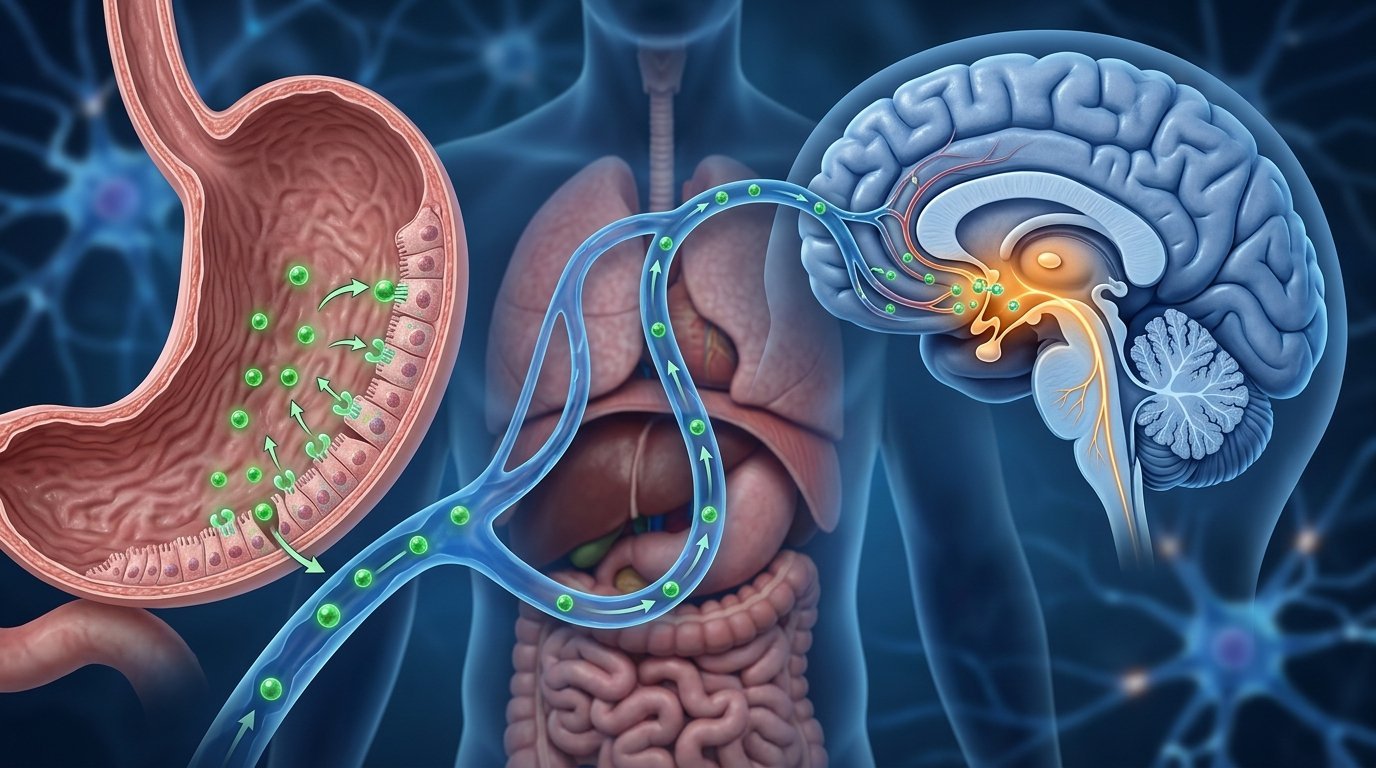
Have you ever noticed that your stomach starts growling just before lunchtime, even if you’re busy and not thinking about food? Or perhaps you’ve experienced intense hunger after skipping breakfast or following a strict diet. These sensations are largely influenced by Ghrelin, often called the body’s hunger hormone.
Ghrelin is one of the primary hormones responsible for telling your brain that it’s time to eat. Produced mainly in the stomach, it rises before meals and falls after eating, helping regulate appetite and maintain the body’s energy balance. While hunger may seem like a simple feeling, it is actually the result of an intricate communication system involving your stomach, brain, digestive tract, and several hormones working together.
Unlike hormones that promote fullness, ghrelin acts as your body’s natural reminder that energy stores need replenishing. This mechanism evolved to help humans survive during times when food was scarce. Today, however, modern lifestyles, irregular meal schedules, poor sleep, chronic stress, and restrictive dieting can all influence ghrelin levels, making appetite more difficult to manage.
Understanding ghrelin also helps explain why maintaining weight loss can feel challenging. During prolonged calorie restriction, ghrelin often increases, encouraging you to eat more as your body attempts to protect its energy reserves. This biological response is completely normal and should not be mistaken for a lack of self-control.
Fortunately, healthy lifestyle habits can support more stable hunger signals. Regular meal patterns, balanced nutrition, quality sleep, physical activity, and effective stress management all contribute to healthier appetite regulation over time.
Learning how ghrelin works allows you to better understand your body’s natural hunger signals rather than constantly fighting against them. Instead of viewing hunger as something negative, you can recognize it as an important biological process that helps maintain overall health.
In this article, you’ll learn what Ghrelin is, why it makes you feel hungry, when its levels naturally rise, how it influences weight loss, which daily habits may help regulate it, how sleep affects ghrelin production, and whether exercise changes hunger hormone levels.
Why Is Ghrelin Known as the Hunger Hormone?
Among all the hormones involved in appetite regulation, ghrelin is the one most closely associated with hunger. Its primary role is to let your brain know when your body needs more energy, encouraging you to seek food before energy stores become too low.
Unlike hormones that reflect long-term energy reserves, ghrelin responds rapidly to your daily eating patterns. Its levels naturally fluctuate throughout the day, rising before meals and falling once you’ve eaten.
Because of this predictable pattern, ghrelin is often referred to as the body’s internal meal timer.

Ghrelin Is Produced Mainly in the Stomach
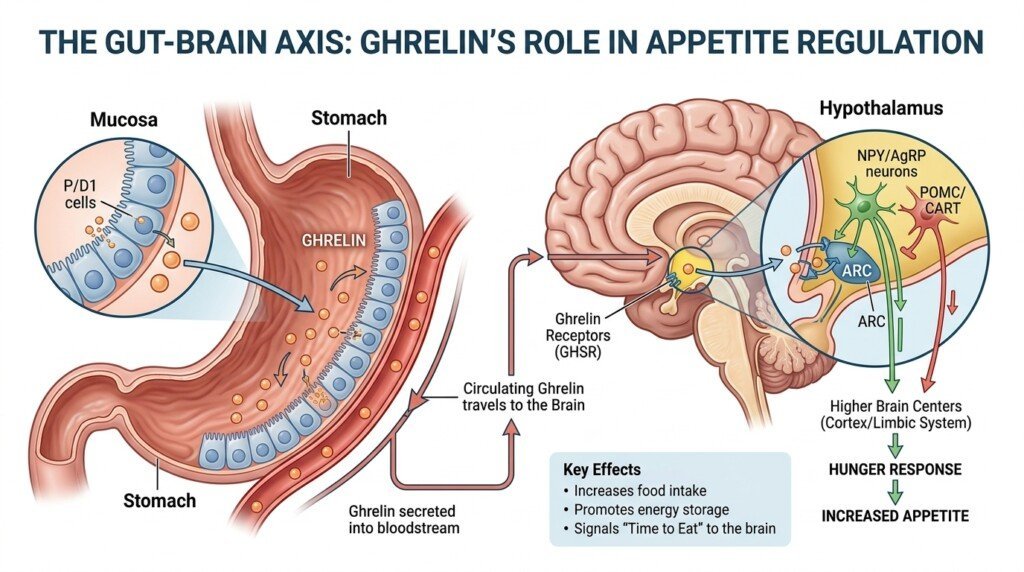
Most ghrelin is produced by specialized cells lining the stomach.
Smaller amounts are also produced in other tissues, but the stomach remains its primary source.
Once released into the bloodstream, ghrelin travels to the brain, where it communicates with areas involved in appetite regulation.
This continuous communication helps coordinate hunger with the body’s energy needs.
The Brain Responds to Ghrelin Signals
After entering the bloodstream, ghrelin reaches the hypothalamus, the region of the brain responsible for regulating:
- Hunger
- Energy balance
- Body temperature
- Hormones
- Sleep and wake cycles
- Metabolism
When ghrelin levels rise, the hypothalamus responds by increasing the sensation of hunger.
This biological process encourages eating before energy stores become depleted.
Ghrelin Supports Survival
From an evolutionary perspective, ghrelin plays an essential role.
Without reliable hunger signals, humans would struggle to consume enough food to support survival.
The hormone helps ensure that energy intake generally matches energy expenditure over time.
Although today’s food environment is very different from that of our ancestors, this biological system continues functioning in much the same way.
Hunger Is More Than an Empty Stomach
Many people believe hunger begins only when the stomach is empty.
In reality, hunger develops through communication between multiple body systems.
Besides stomach fullness, appetite is influenced by:
- Hormones
- Meal timing
- Sleep
- Stress
- Physical activity
- Blood sugar regulation
- Previous calorie intake
Ghrelin is one important part of this larger appetite-regulation network discussed throughout Hunger Hormones, where multiple hormones work together to regulate food intake.
Ghrelin Helps Regulate Meal Timing
One interesting characteristic of ghrelin is that it adapts to routine.
If you regularly eat lunch at noon, ghrelin often begins rising shortly before that time.
This learned response explains why many people feel hungry according to their normal schedule, even if they recently ate a snack.
Your body gradually learns expected meal times and adjusts hormone production accordingly.
Why Does Ghrelin Make You Feel Hungry?
Although ghrelin is commonly called the hunger hormone, its role extends beyond simply making your stomach growl.
It influences several brain systems that encourage eating while helping maintain long-term energy balance.
Ghrelin Activates Appetite Centers
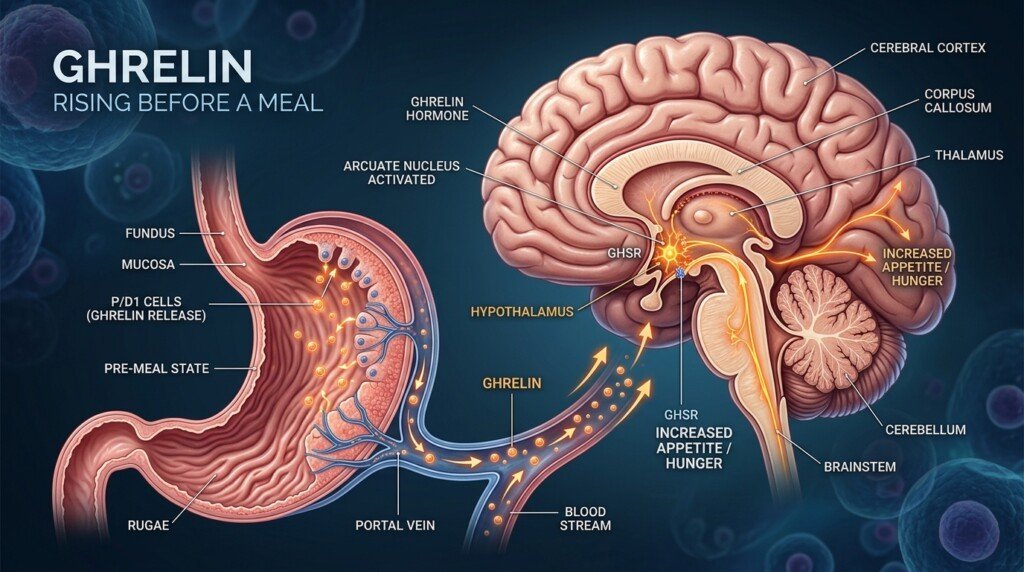
When ghrelin reaches the hypothalamus, it stimulates neurons involved in appetite.
This increases:
- Hunger sensations
- Thoughts about food
- Interest in eating
- Motivation to find food
These responses prepare the body to replenish its energy stores.
It May Increase Food Reward
Research suggests ghrelin may also influence reward pathways within the brain.
As hunger increases, foods often become:
- More appealing
- More enjoyable
- More satisfying
This biological response helped early humans seek food efficiently whenever energy became scarce.
Today, however, it may also contribute to stronger cravings for highly palatable foods during periods of intense hunger.
Ghrelin Falls After Eating
One of ghrelin’s defining characteristics is how quickly it changes after meals.
Following food intake:
- Ghrelin production decreases.
- Hunger gradually subsides.
- The brain begins receiving fullness signals from several digestive hormones.
Exactly how much ghrelin falls depends partly on meal size and composition.
Meals containing adequate protein and fiber often promote longer-lasting satiety than meals composed primarily of refined carbohydrates.
Meal Timing Influences Ghrelin
Your eating schedule strongly influences daily ghrelin patterns.
People who consistently eat meals at similar times often develop predictable rises and falls in ghrelin throughout the day.
Frequent meal skipping or highly irregular eating schedules may alter these natural patterns.
This explains why changes in routine sometimes temporarily affect appetite.
When Are Ghrelin Levels Highest?
Ghrelin follows a predictable daily rhythm.
Instead of remaining constant, it rises and falls according to your body’s expected energy needs.
Understanding these patterns helps explain why hunger feels stronger at certain times of day.
Before Meals
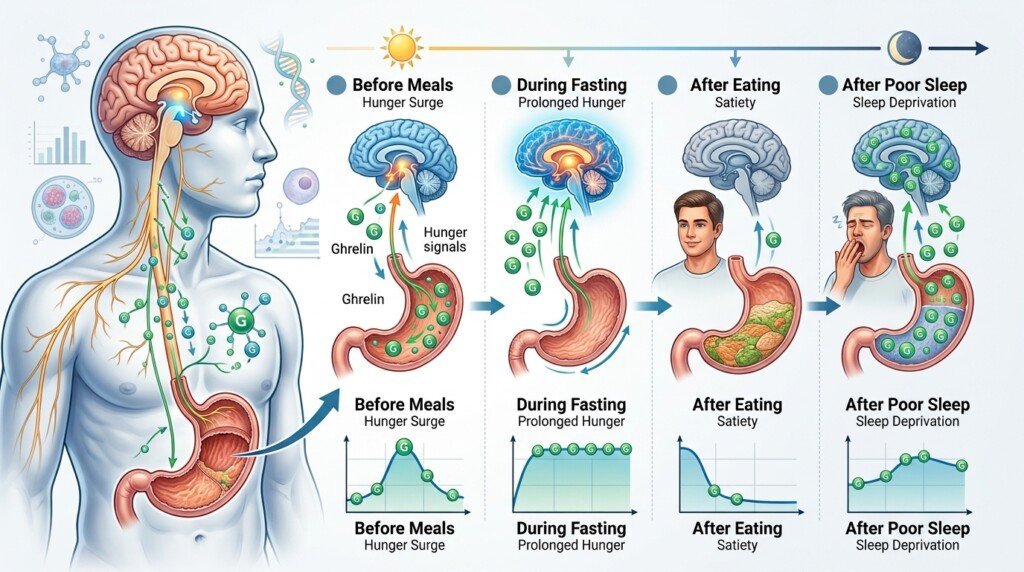
For most people, ghrelin reaches one of its highest points shortly before eating.
This rise encourages food intake while preparing the digestive system for the upcoming meal.
If lunch is delayed, ghrelin may continue increasing until food becomes available.
During Prolonged Fasting
Extended periods without food generally cause ghrelin levels to increase.
This is one reason fasting often becomes more challenging during the early stages.
Interestingly, hunger usually comes in waves rather than increasing continuously.
Many people practicing Intermittent Fasting Weight Loss notice that hunger often rises around habitual meal times before gradually subsiding again.
During Calorie Restriction
Long-term calorie restriction often leads to persistently higher ghrelin production.
Researchers believe this represents one of the body’s protective mechanisms designed to encourage restoration of lost energy stores.
This is why maintaining weight loss often requires ongoing attention to sustainable lifestyle habits rather than relying on willpower alone.
Sleep Deprivation May Increase Ghrelin
Poor sleep is another factor associated with changes in appetite hormones.
Research suggests inadequate sleep may increase ghrelin while simultaneously affecting several other hormones involved in appetite regulation.
Many people therefore notice stronger hunger following nights of insufficient sleep.
Can Ghrelin Affect Weight Loss?
One reason weight loss becomes progressively more difficult is that the body actively responds to reduced calorie intake.
Ghrelin plays an important role in this adaptation.
Weight Loss Often Increases Ghrelin
As body weight decreases, ghrelin production commonly increases.
This heightened hunger is not a sign that your diet has failed.
Instead, it reflects the body’s attempt to restore its previous energy stores.
Hunger May Persist Even After Weight Loss
For some individuals, increased appetite continues even after significant weight loss has been achieved.
Researchers believe this represents one reason maintaining weight loss may be more difficult than initially losing it.
Sustainable Weight Loss Works Better
Gradual weight loss supported by balanced nutrition, regular physical activity, and realistic habits is generally easier to maintain than aggressive calorie restriction.
This approach helps minimize many of the intense hunger signals associated with highly restrictive diets.
The influence of stress, eating behaviors, and biological responses during weight management is explored further in Stress and Weight Loss, where long-term lifestyle strategies are emphasized instead of quick fixes.
Which Daily Habits Help Lower Ghrelin Naturally?
Because Ghrelin is designed to protect your body’s energy balance, it should not be viewed as a hormone that needs to be eliminated. Feeling hungry is both normal and healthy. The goal is not to stop hunger completely but to support more stable ghrelin patterns so that appetite feels manageable rather than overwhelming.
Fortunately, several everyday habits can help regulate ghrelin naturally without relying on extreme dieting or unrealistic routines.

Eat Enough Protein at Each Meal
Protein is one of the most satisfying nutrients you can eat.
Meals that include adequate protein often help reduce hunger for longer than meals that are primarily made up of refined carbohydrates.
Good protein sources include:
- Eggs
- Greek yogurt
- Fish
- Chicken
- Turkey
- Lentils
- Beans
- Tofu
- Cottage cheese
Including protein at breakfast may be especially helpful because it can support satiety throughout the morning.
Don’t Skip Meals Regularly
Occasionally delaying a meal is unlikely to cause problems, but frequently skipping meals may lead to larger increases in ghrelin for some people.
Long gaps between meals can make hunger more intense, increasing the likelihood of overeating later in the day.
Rather than eating constantly, aim for a meal pattern that fits your lifestyle while allowing you to stay comfortably satisfied.
Choose High-Fiber Foods
Fiber slows digestion and helps meals remain satisfying for longer.
Foods naturally rich in fiber include:
- Vegetables
- Fruits
- Whole grains
- Oats
- Legumes
- Chia seeds
- Flaxseeds
These foods support steady digestion while helping reduce rapid hunger between meals.
Stay Well Hydrated
Although water does not directly reduce ghrelin production, mild dehydration may sometimes be mistaken for hunger.
Drinking water regularly throughout the day supports overall health and may help you distinguish between thirst and true hunger.
Hydration works best alongside balanced meals rather than replacing food.
Avoid Highly Restrictive Diets
One of the biggest triggers for persistently elevated ghrelin is prolonged severe calorie restriction.
Very low-calorie diets may increase hunger hormones while making healthy eating progressively harder to maintain.
A moderate calorie deficit supported by nutritious meals is generally far more sustainable than aggressive dieting.
Does Sleep Influence Ghrelin Levels?
Among all lifestyle habits, sleep is one of the strongest regulators of appetite hormones.
Even one or two nights of inadequate sleep can influence how hungry you feel the following day.
Researchers continue studying this relationship, but consistent evidence suggests that poor sleep affects several hormones involved in appetite regulation, including ghrelin.

Less Sleep May Increase Hunger
Studies have found that insufficient sleep is often associated with higher ghrelin levels.
As ghrelin rises, many people experience:
- Increased appetite
- More frequent hunger
- Greater interest in food
- Stronger cravings
These changes may occur even when your body’s actual energy needs have not changed significantly.
Sleep Influences Food Choices
Sleep affects more than hunger alone.
When people are tired, they often find highly processed, energy-dense foods more appealing.
Common cravings after poor sleep include:
- Sugary snacks
- Refined carbohydrates
- Salty foods
- Fast food
- Sweet beverages
Although everyone responds differently, inadequate sleep may make healthy food choices feel more difficult.
Quality Matters as Much as Quantity
Sleeping for eight hours is helpful, but uninterrupted, restorative sleep is equally important.
Healthy sleep habits include:
- Going to bed at consistent times
- Limiting screen exposure before bedtime
- Keeping the bedroom cool and dark
- Maintaining a regular sleep schedule
These routines support the body’s natural circadian rhythm, which influences many hormones involved in metabolism and appetite.
The broader relationship between sleep, metabolism, and hormone regulation is explored further in Sleep and Metabolic Health, where sleep’s role in overall metabolic function is discussed in greater detail.
Recovery Supports Appetite Regulation
Sleep allows your body to recover from physical and mental demands.
Well-rested individuals often find it easier to:
- Maintain consistent eating habits
- Exercise regularly
- Manage stress
- Recognize natural hunger signals
These indirect benefits further support healthy appetite regulation over time.
Can Exercise Change Ghrelin Levels?
Exercise influences many aspects of metabolic health, including appetite regulation.
However, the relationship between physical activity and ghrelin is more complex than many people realize.
Different types of exercise may affect hunger differently depending on intensity, duration, fitness level, and individual biology.
Moderate Exercise May Temporarily Reduce Hunger
Many people notice they feel less hungry immediately after moderate or vigorous exercise.
Researchers believe this temporary effect may be related to short-term hormonal changes, including alterations in ghrelin and other appetite-regulating hormones.
This reduction in appetite is usually temporary and varies from person to person.
Long-Term Activity Supports Healthier Appetite Regulation
Regular physical activity offers benefits that extend far beyond calorie burning.
Consistent exercise supports:
- Healthy body composition
- Improved insulin sensitivity
- Better cardiovascular fitness
- Stress reduction
- Improved sleep quality
Together, these improvements create an environment that supports healthier hormone regulation over time.
Strength Training Helps Preserve Muscle
Resistance training helps maintain lean muscle mass during weight management.
Maintaining muscle supports overall metabolic health while encouraging sustainable lifestyle habits.
Examples include:
- Bodyweight exercises
- Resistance bands
- Dumbbell workouts
- Machine-based strength training
Although strength training does not directly “turn off” ghrelin, it contributes to healthier long-term energy balance.
Exercise Should Support, Not Punish
One common mistake is using exercise solely to “earn” food.
Viewing physical activity as punishment often creates an unhealthy relationship with both exercise and eating.
Instead, choose activities you genuinely enjoy, such as:
- Walking
- Cycling
- Swimming
- Dancing
- Hiking
- Recreational sports
Enjoyable movement is much easier to maintain throughout life than exercise you dislike.

Frequently Asked Questions
1. What is ghrelin?
Ghrelin is a hormone produced mainly in the stomach that signals the brain when it’s time to eat. Because it stimulates appetite, it is commonly known as the hunger hormone.
2. Why does ghrelin make you feel hungry?
Ghrelin rises before meals and communicates with the hypothalamus in the brain, increasing hunger and encouraging food intake when your body needs energy.
3. When are ghrelin levels highest?
Ghrelin is typically highest before meals, during extended periods without food, after prolonged calorie restriction, and may also increase after inadequate sleep.
4. Can lifestyle habits reduce ghrelin naturally?
Yes. Eating balanced meals with adequate protein and fiber, maintaining regular meal timing, getting enough sleep, staying physically active, and avoiding extreme calorie restriction all help support healthier ghrelin regulation.
5. Does exercise affect ghrelin?
Exercise may temporarily reduce appetite after some workouts, while regular physical activity supports overall metabolic health and healthier appetite regulation over time.
Final Thoughts
Ghrelin is an essential hormone that helps your body maintain energy balance by signaling when it’s time to eat. Rather than being something to eliminate, it serves an important biological purpose by protecting your body’s energy needs and encouraging regular food intake.
Understanding how ghrelin works also explains why hunger often increases during prolonged dieting, after poor sleep, or during periods of irregular eating. These responses are normal physiological adaptations—not signs of weak willpower.
The good news is that healthy daily habits can support more stable hunger signals. Eating balanced meals rich in protein and fiber, maintaining consistent meal timing, prioritizing quality sleep, managing stress, and staying physically active all contribute to healthier appetite regulation over time.
Instead of fighting your body’s hunger signals, learning to understand them allows you to build a healthier relationship with food. Combined with sustainable lifestyle habits, this approach supports long-term weight management, better metabolic health, and improved overall well-being.
Disclaimer:
This post may contain affiliate links. If you purchase through them, we may earn a small commission at no extra cost to you. Also, this content is for informational purposes only and does not substitute professional medical advice.
Ready to Start Your Journey?
Use our free 7-in-1 Weight Loss Toolkit to calculate your numbers and build your plan in minutes.
Open Free Tools →