
Why Am I Not Losing Weight in a Calorie Deficit? 12 Common Reasons
You have reduced your calorie intake, you’re exercising regularly, and you’re trying to stay consistent. Yet every time you step on the scale, the number barely changes. It can feel frustrating, confusing, and even discouraging.
If this sounds familiar, you’re not alone.
Not Losing Weight in a Calorie Deficit is one of the most common concerns people have during their weight-loss journey. While a calorie deficit remains the foundation of fat loss, the scale does not always reflect what’s happening inside your body. Daily weight fluctuations, water retention, tracking errors, changes in physical activity, and shifts in body composition can all make it appear as though nothing is happening, even when progress is taking place.
The good news is that most stalled progress has a logical explanation. Understanding these common reasons can help you identify what may be affecting your results without jumping to unnecessary conclusions or making drastic changes.
In this article, you’ll explore the most common reasons weight loss may appear to stall during a calorie deficit, when it makes sense to adjust your approach, and when it may be time to seek professional advice.
Quick Answer
Not Losing Weight in a Calorie Deficit does not always mean your calorie deficit has failed. Tracking inaccuracies, water retention, changing calorie needs, muscle gain, normal weight fluctuations, and inconsistent habits can all temporarily hide fat loss or reduce the size of your actual calorie deficit.
Why Am I Not Losing Weight in a Calorie Deficit?
When weight loss slows or seems to stop, many people assume their body has simply stopped burning fat.
In reality, several factors may influence what you see on the scale.
Understanding these possibilities helps prevent unnecessary frustration and keeps expectations realistic.

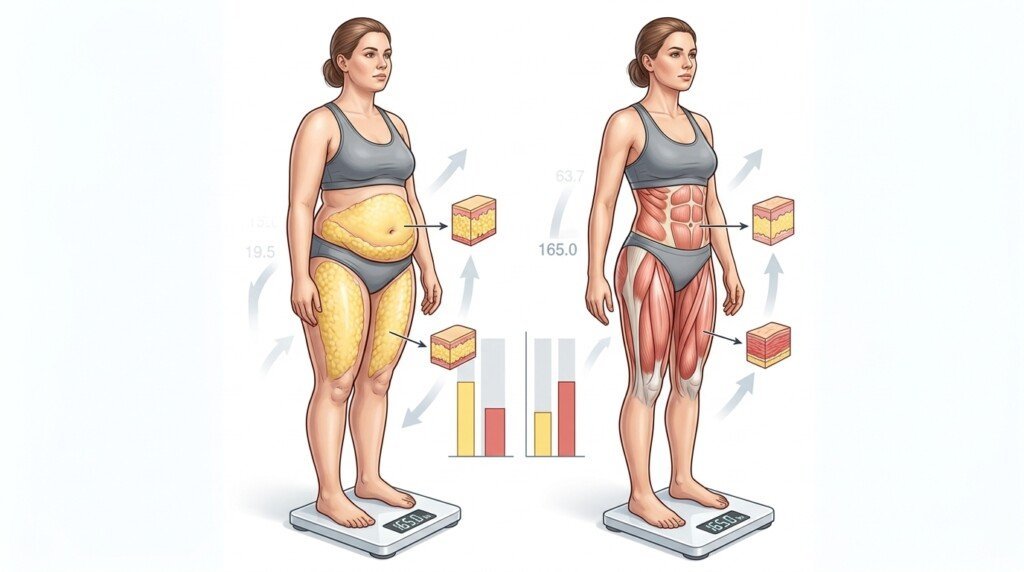
Fat Loss and Scale Weight Are Not the Same
The scale measures total body weight.
It cannot distinguish between:
- Body fat
- Muscle
- Water
- Glycogen
- Food currently being digested
Because all of these components change naturally, body weight may stay the same even while body fat gradually decreases.
Readers interested in understanding these normal changes may also find Daily Weight Fluctuations helpful.
Progress Often Happens Behind the Scenes
Body composition can improve without producing immediate changes on the scale.
For example, clothing may fit differently, waist measurements may decrease, or physical performance may improve before noticeable weight changes occur.
Readers experiencing this situation may also benefit from Losing Inches But Not Weight, which explains why body measurements sometimes improve before scale weight changes.
Patience Remains Important
Healthy fat loss is usually gradual.
Evaluating progress over several weeks provides a much clearer picture than focusing on individual daily weigh-ins.
Could You Be Eating More Calories Than You Think?
One of the most common explanations for slow progress is that actual calorie intake differs from estimated calorie intake.
Even experienced calorie trackers occasionally underestimate how much they eat.
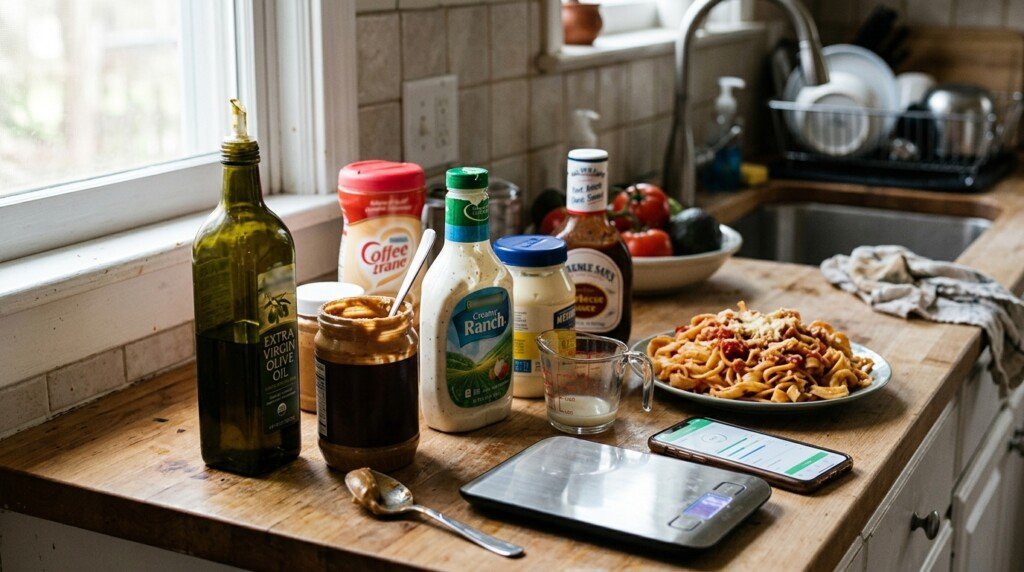
Portion Sizes Are Easy to Misjudge
Visual estimates often differ from actual serving sizes.
Foods such as:
- Rice
- Pasta
- Peanut butter
- Cooking oils
- Nuts
- Cheese
can contribute significantly more calories than expected if portions are larger than assumed.
Small Extras Add Up
Many calories come from foods people rarely think about recording.
Common examples include:
- Cooking oil
- Coffee creamers
- Salad dressings
- Sauces
- Sugar in beverages
- Small snacks
Although each item may seem insignificant, together they can noticeably increase total calorie intake.
Restaurant Meals Are Difficult to Estimate
Restaurant portions often contain more calories than homemade meals.
Ingredients such as butter, oils, and sauces may increase calorie content even when meals appear healthy.
Improving tracking accuracy does not require perfection, but greater awareness often leads to more reliable calorie estimates.
Can Water Retention Hide Fat Loss?
Absolutely.
Water retention is one of the biggest reasons people believe their calorie deficit is not working.
Temporary increases in body water can completely mask ongoing fat loss for several days or even longer.
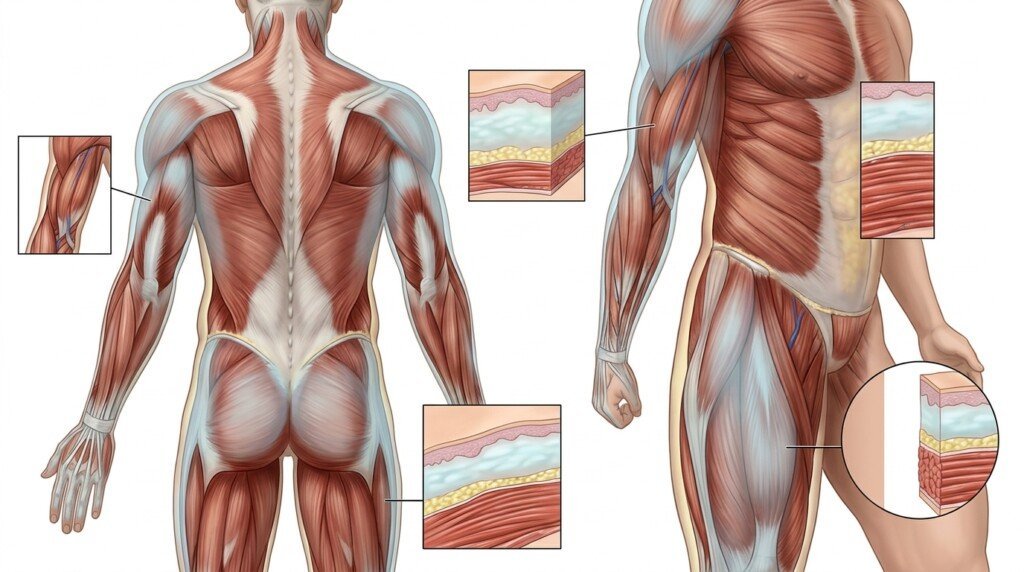
Sodium Intake Influences Water Balance
Meals containing more sodium than usual may cause the body to retain additional water temporarily.
This extra water increases body weight without representing additional body fat.
Exercise Can Increase Water Retention
Beginning a new exercise routine or increasing workout intensity may temporarily increase water retention as muscles recover.
This response is completely normal and usually resolves over time.
Glycogen Stores Affect Body Water
Glycogen is stored together with water inside muscles and the liver.
Changes in carbohydrate intake or physical activity may alter glycogen storage, causing noticeable shifts in body weight that are unrelated to fat gain or fat loss.
These normal fluctuations are explored further in Daily Weight Fluctuations.
Does Metabolism Explain Slow Progress?
Many people believe their metabolism has completely stopped working when weight loss slows.
While metabolism influences daily calorie expenditure, it is rarely the sole explanation for temporary stalls.
Maintenance Calories Can Change
As body weight gradually decreases, your body often requires fewer calories for everyday activities.
Moving a lighter body generally uses less energy than moving a heavier one.
This means your original calorie target may no longer create the same calorie deficit over time.
Daily Activity May Change Without You Realizing
People sometimes become less physically active during weight loss.
Small reductions in everyday movement may include:
- Walking less
- Sitting longer
- Fewer household activities
- Reduced spontaneous movement
These subtle changes can reduce daily calorie expenditure without being obvious.
Consistency Matters More Than Perfection
Rather than assuming your metabolism is “broken,” it is often more productive to review daily habits, calorie tracking, and activity levels before making adjustments.
Readers interested in maintaining long-term progress may also enjoy Sustainable Weight Loss, which focuses on consistent habits rather than quick fixes.
Could Muscle Gain Affect the Scale?
Yes, although it is not the most common explanation for slow weight loss, changes in body composition can sometimes make scale progress appear slower than expected.
This is especially true for beginners who have recently started resistance training or become more physically active.
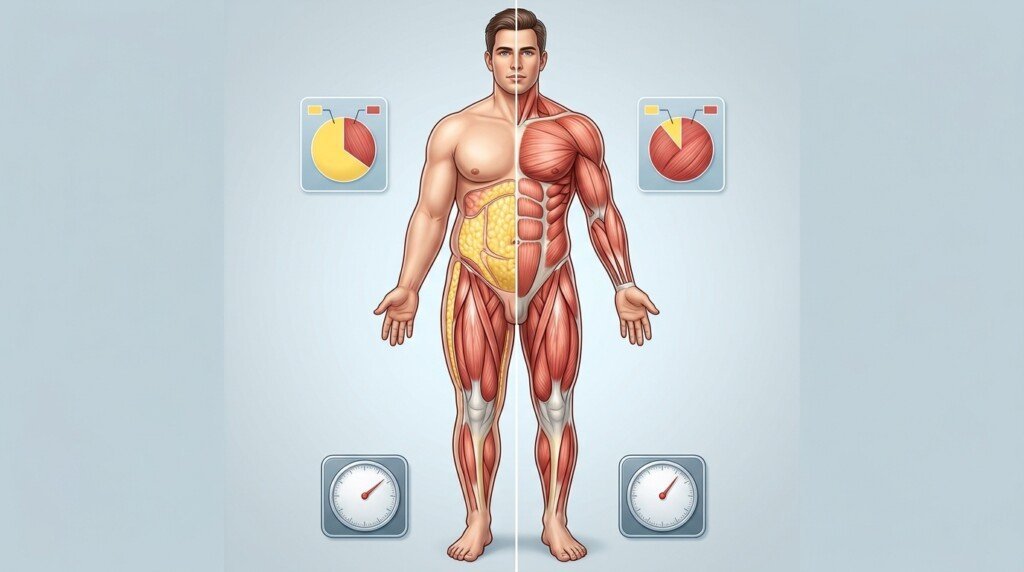
Muscle and Fat Are Different Tissues
Losing body fat and gaining lean muscle can happen at the same time for some people.
Although body fat decreases, improvements in muscle mass may partially offset changes in total body weight.
As a result, the scale may move more slowly even while body composition improves.
Body Measurements Can Tell a Different Story
The scale is only one way to measure progress.
Other useful signs include:
- Clothes fitting more comfortably
- Smaller waist measurements
- Improved strength
- Better exercise performance
- Visible body changes
These improvements often appear before significant changes in body weight.
Readers experiencing this situation may also benefit from Losing Inches But Not Weight, which explains why body measurements sometimes improve while the scale changes very little.
Focus on Overall Progress
Weight management is ultimately about improving health and body composition rather than chasing a specific number on the scale.
Looking at multiple indicators provides a much more complete picture of progress.
When Should You Adjust Your Calorie Deficit?
Many people respond to slow progress by immediately cutting more calories.
In many cases, that is unnecessary.
Before making adjustments, it helps to evaluate your current routine carefully.
1. Review Tracking Accuracy First
The first step is confirming that calorie tracking remains as accurate as possible.
Ask yourself:
- Have portion sizes gradually increased?
- Am I recording beverages?
- Am I tracking cooking oils and sauces?
- Have restaurant meals become more frequent?
Small tracking errors often explain more than people realize.
2. Consider Recent Lifestyle Changes
Daily energy expenditure changes with lifestyle.
Examples include:
- Working from home
- Fewer daily steps
- Reduced exercise frequency
- Seasonal activity changes
Even modest reductions in movement can affect overall calorie expenditure.
3. Look at Long-Term Trends
Daily weight changes rarely tell the whole story.
Instead of reacting to a few days of stable weight, evaluate progress over several weeks using:
- Average body weight
- Waist measurements
- Progress photos
- Clothing fit
This broader perspective reduces the influence of normal fluctuations.
4. Make Small Adjustments Only When Needed
If careful tracking and consistent habits suggest your calorie deficit has genuinely become smaller over time, gradual adjustments may be appropriate.
Future discussions in When Does a Calorie Deficit Stop Working? explain how changing energy needs can influence long-term progress.
Future articles about Safe Calorie Deficit also discuss how to make thoughtful adjustments while maintaining healthy nutrition.
When Should You Speak With a Healthcare Professional?
Most temporary stalls are related to normal physiological changes or everyday habits.
However, there are situations where professional advice is appropriate.
Weight Does Not Change Despite Consistent Effort
If you have maintained a well-documented calorie deficit, consistent physical activity, and healthy eating habits for an extended period without meaningful progress, a healthcare professional or registered dietitian can help evaluate your approach.
Symptoms Extend Beyond Weight Loss
Consider seeking professional advice if slow weight loss occurs alongside symptoms such as:
- Persistent fatigue
- Significant changes in appetite
- Unexplained changes in overall health
- Other ongoing concerns affecting daily life
These symptoms deserve individual evaluation rather than self-diagnosis.
Personalized Guidance Can Be Helpful
Every person has different health needs, activity levels, and nutritional requirements.
Professional guidance can provide individualized recommendations that are difficult to achieve using generalized advice alone.
12 Common Reasons You May Not Be Losing Weight
Even when you’re confident you’re in a calorie deficit, one or more of these factors may be affecting your progress:
- Daily weight fluctuations hide fat loss.
- Portion sizes are larger than estimated.
- Extra calories from drinks, oils, or sauces are overlooked.
- Restaurant meals contain more calories than expected.
- Water retention temporarily increases body weight.
- Exercise-related muscle recovery increases water storage.
- Glycogen changes affect body water.
- Maintenance calorie needs have gradually decreased.
- Daily movement has unintentionally declined.
- Lean muscle gains influence the scale.
- Progress is being judged too soon.
- Inconsistent tracking makes true calorie intake difficult to estimate.
Most of these situations can be corrected without making dramatic changes to your eating plan.
Key Takeaways
| Topic | What You Should Know |
|---|---|
| Scale weight | Daily changes do not always reflect changes in body fat. |
| Tracking accuracy | Small calorie tracking errors can significantly affect progress over time. |
| Water retention | Temporary water weight can hide ongoing fat loss. |
| Muscle gain | Improvements in body composition may slow changes on the scale. |
| Maintenance calories | Energy needs gradually change as body weight changes. |
| Consistency | Long-term habits matter more than reacting to short-term fluctuations. |
| Professional advice | Seek guidance if progress remains stalled despite consistent healthy habits or if concerning symptoms develop. |

Frequently Asked Questions
1. Why am I not losing weight despite eating less?
Even if you’re eating less, factors such as inaccurate calorie tracking, water retention, changing maintenance calorie needs, and normal weight fluctuations may hide or slow visible progress.
2. Can water weight hide fat loss?
Yes. Temporary water retention caused by sodium intake, exercise, glycogen changes, or other normal physiological processes can mask ongoing fat loss on the scale.
3. Should I lower my calories further?
Not immediately. First review tracking accuracy, portion sizes, daily activity, and long-term trends before making changes to your calorie intake.
4. Can muscle gain keep the scale from moving?
Yes. Especially for beginners, gaining lean muscle while losing body fat may reduce visible changes in total body weight.
5. Why does my weight change every day?
Daily body weight naturally changes because of water balance, digestion, glycogen storage, sodium intake, and other normal biological processes.
6. Can eating at restaurants affect my calorie deficit?
Yes. Restaurant meals often contain larger portions and additional oils, butter, or sauces that increase calorie intake without being obvious.
7. Does less daily movement affect weight loss?
Yes. Walking less or becoming less active throughout the day can reduce overall calorie expenditure even if formal exercise remains unchanged.
8. How long should I monitor progress before making changes?
Looking at trends over several weeks provides a more reliable picture than reacting to a few days of stable body weight.
9. When should I seek professional advice?
If you’ve consistently followed a calorie deficit for an extended period without progress or experience persistent symptoms such as unusual fatigue or appetite changes, consult a qualified healthcare professional.
10. Does a calorie deficit always lead to fat loss?
A sustained calorie deficit remains the foundation of fat loss, but temporary factors like water retention and tracking inaccuracies can make progress appear slower than it actually is.
Conclusion
Experiencing Not Losing Weight in a Calorie Deficit can be discouraging, but it does not automatically mean your efforts are failing. The scale reflects much more than body fat, and factors such as water retention, glycogen storage, tracking inaccuracies, changing maintenance calorie needs, and improvements in body composition can temporarily hide real progress. Before assuming your calorie deficit is no longer working, take time to evaluate your habits, review your tracking methods, and look for broader signs of improvement beyond body weight alone.
Successful weight management is built on patience, consistency, and realistic expectations rather than daily scale readings. By focusing on accurate calorie tracking, maintaining healthy lifestyle habits, and assessing progress over several weeks instead of a few days, you can make more informed decisions without unnecessary frustration. If progress remains stalled despite consistent effort or you develop symptoms that extend beyond normal weight fluctuations, seeking guidance from a healthcare professional can help identify the next appropriate steps while supporting your long-term health.
Disclaimer:
This post may contain affiliate links. If you purchase through them, we may earn a small commission at no extra cost to you. Also, this content is for informational purposes only and does not substitute professional medical advice.
Ready to Start Your Journey?
Use our free 7-in-1 Weight Loss Toolkit to calculate your numbers and build your plan in minutes.
Open Free Tools →