


Why Does a Calorie Deficit Cause Weight Loss? The Science Explained
Every successful weight-loss method, whether it focuses on reducing carbohydrates, increasing protein, following a Mediterranean diet, or practicing portion control, shares one common principle. At some point, your body must use more energy than it receives from food.
That simple concept explains Why a Calorie Deficit Causes Weight Loss.
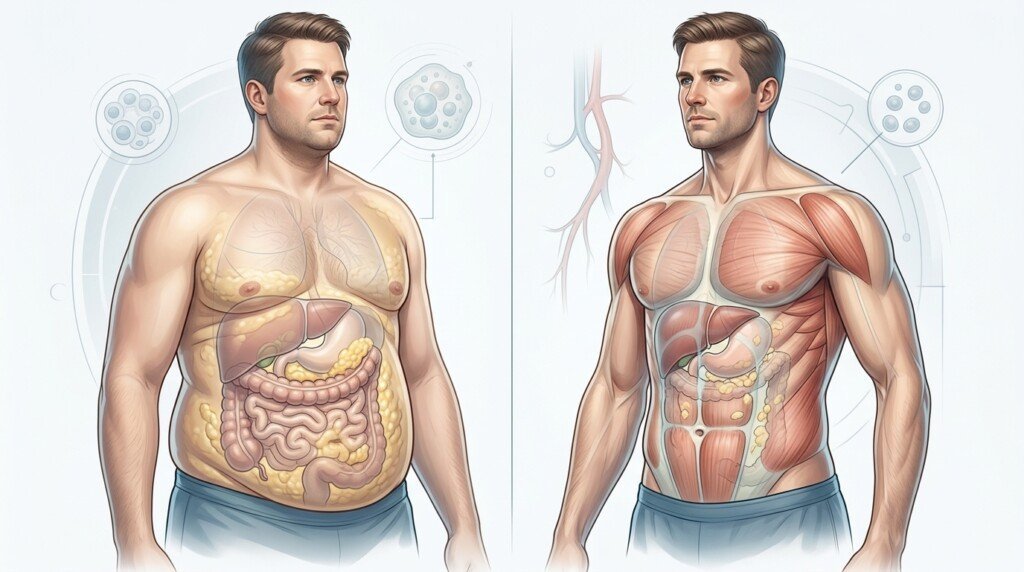
Although the idea sounds straightforward, the biology behind it is surprisingly fascinating. Your body is constantly balancing energy intake and energy expenditure. When fewer calories are available than your body needs, it begins looking for stored sources of energy to keep every organ, muscle, and cell functioning normally.
This process does not happen overnight, nor does your body immediately burn only fat. Instead, it carefully shifts between different energy sources while gradually increasing the use of stored body fat over time.
Understanding how this works removes much of the confusion surrounding fat loss. Instead of relying on myths or quick fixes, you can make informed decisions based on how human physiology actually works.
In this article, you’ll explore the science behind energy balance, where your body gets fuel during a calorie deficit, why body fat becomes an important energy source, and the biological factors that influence fat loss.
Quick Answer
Why a Calorie Deficit Causes Weight Loss comes down to energy balance. When your body burns more calories than it receives from food, it must obtain energy from stored sources such as glycogen and body fat. Over time, increased fat oxidation allows stored body fat to gradually decrease.
Why Does a Calorie Deficit Lead to Weight Loss?
The human body requires energy every minute of every day.
Even while sleeping, your body continues to support:
- Breathing
- Blood circulation
- Brain activity
- Hormone production
- Cell repair
- Organ function
All of these processes require calories.
When food does not provide enough energy to meet these demands, your body must obtain that energy somewhere else.

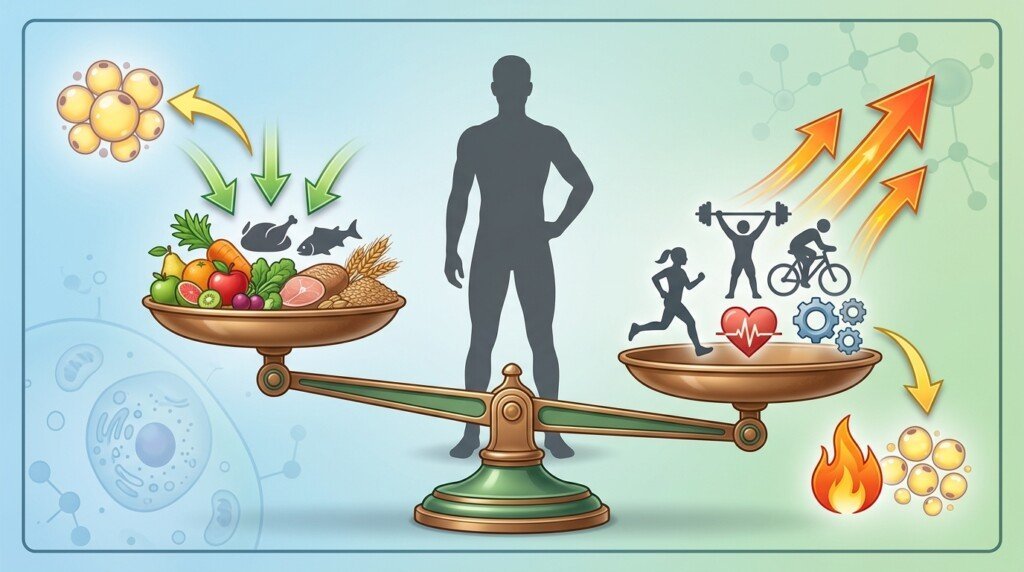
Energy Balance Determines Weight Change
Energy balance refers to the relationship between:
- Calories consumed
- Calories burned
Three outcomes are possible:
- Energy intake equals energy expenditure, and body weight generally remains stable.
- Energy intake exceeds energy expenditure, allowing excess energy to be stored.
- Energy expenditure exceeds energy intake, creating a calorie deficit.
Only the third situation requires your body to rely on stored energy reserves.
The broader principles behind this process are explored in Calorie Deficit, which explains how energy balance influences long-term weight management.
Stored Energy Exists for a Reason
Human beings evolved with the ability to store energy for times when food was less available.
These energy reserves allow the body to continue functioning normally between meals and during periods of reduced calorie intake.
Without stored energy, surviving even short periods without food would be impossible.
Your Body Responds Automatically
A calorie deficit is not something your body has to be taught.
It is an automatic biological response.
When available calories decrease, numerous physiological systems begin adjusting energy use while maintaining essential functions.
Where Does Your Body Get Energy During a Calorie Deficit?
Many people assume the body immediately begins burning fat the moment calorie intake decreases.
In reality, the process is more gradual and involves several different energy sources.
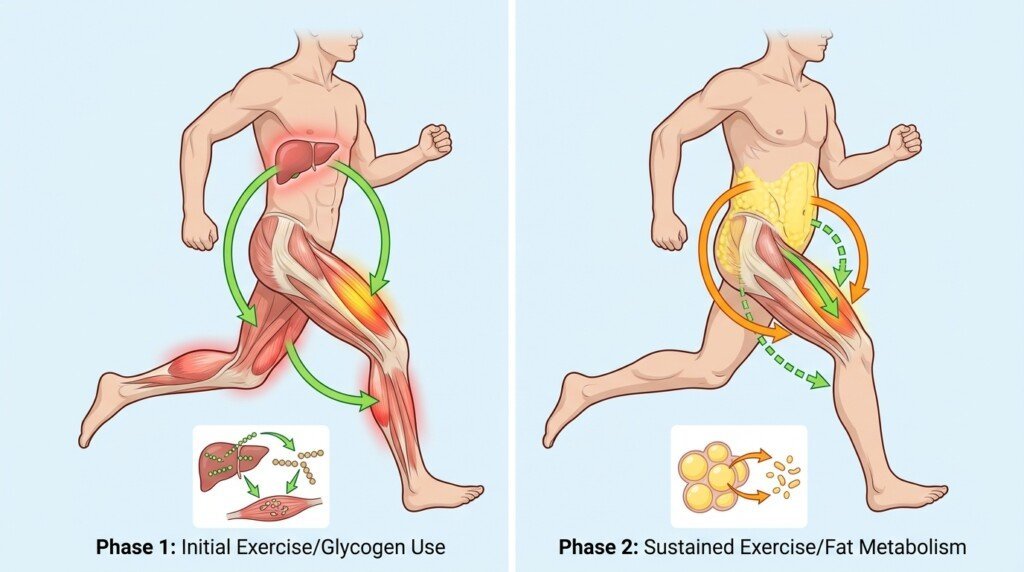
Glycogen Is Often Used First
One of the body’s quickest energy sources is glycogen, a stored form of carbohydrate found primarily in:
- Liver
- Skeletal muscles
Glycogen is especially useful because it can be broken down rapidly whenever energy demands increase.
Body Fat Provides Long-Term Energy
As glycogen availability gradually decreases, stored body fat becomes increasingly important.
Fat cells contain triglycerides, which can be broken down into:
- Fatty acids
- Glycerol
These components are transported through the bloodstream to tissues that require energy.
This process forms the foundation of long-term fat loss.
Future discussions in Where Does Your Body Get Energy in a Calorie Deficit? explore this process in greater detail.
Several Energy Sources Work Together
Your body rarely relies on just one fuel source.
Instead, it constantly adjusts its use of:
- Glycogen
- Body fat
- Dietary nutrients
- Other available energy sources
The proportion changes depending on factors such as physical activity, recent meals, and overall energy needs.
Does Your Body Burn Fat First?
This is one of the biggest misconceptions surrounding weight loss.
Many people imagine their body switching directly into “fat-burning mode.”
The reality is more dynamic.
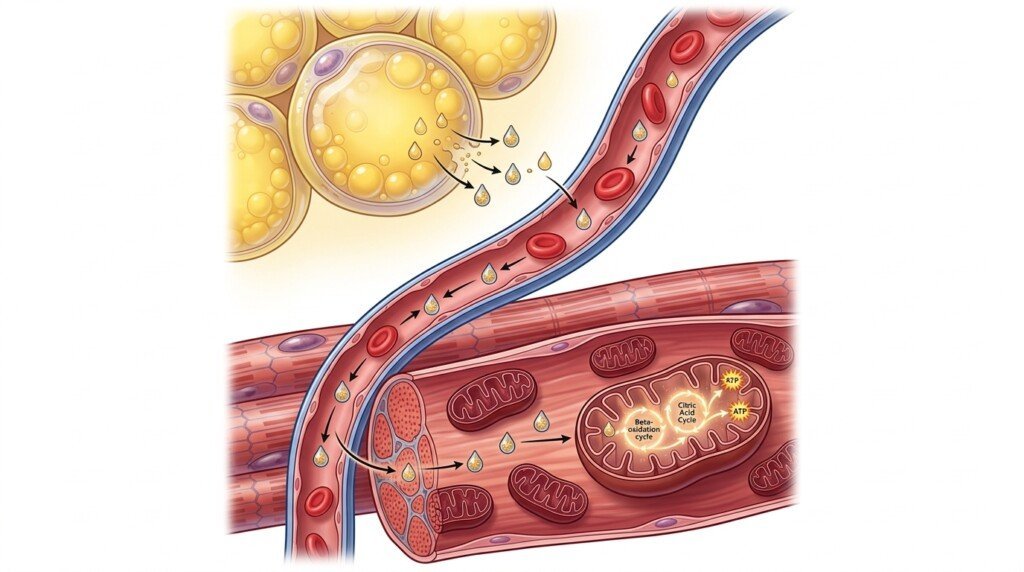
Fat Oxidation Increases Gradually
During a calorie deficit, the body gradually increases fat oxidation, which refers to the process of breaking down fatty acids to produce usable energy.
Fat oxidation occurs continuously to some degree, even outside of weight loss.
A calorie deficit simply shifts the balance toward greater use of stored body fat over time.
Readers interested in the complete fat oxidation process may also enjoy Fat Burning, which explores how the body converts fat into energy.
Lipolysis Releases Stored Fat
Before fat can be used for energy, it must first be released from fat cells.
This process is called lipolysis.
During lipolysis:
- Triglycerides stored in fat tissue are broken apart.
- Fatty acids enter the bloodstream.
- Cells transport these fatty acids into mitochondria to produce energy.
Lipolysis and fat oxidation work together but represent different stages of the same overall process.
Hormones Help Regulate Energy Use
Several hormones influence how stored energy is used, including:
- Insulin
- Glucagon
- Adrenaline
These hormones help determine whether nutrients are stored or released according to your body’s current energy needs.
Can You Lose Weight Without Losing Fat?
The number on the scale does not always reflect changes in body fat.
Body weight includes many components besides fat.
Weight Includes More Than Body Fat
Body weight consists of:
- Body fat
- Muscle
- Water
- Glycogen
- Bones
- Organs
- Digestive contents
Because these components fluctuate naturally, scale weight may change even when body fat remains relatively stable.
Early Changes Often Reflect Water
When calorie intake changes, glycogen stores may also change.
Since glycogen is stored together with water, temporary shifts in body water commonly occur during the early stages of a calorie deficit.
This explains why weight changes are sometimes larger during the first few days than later on.
Body Composition Matters More
The goal of healthy weight management is not simply becoming lighter.
It is improving body composition by reducing excess body fat while preserving lean muscle whenever possible.
Readers interested in understanding different fat stores may also find Body Fat helpful.
Why Doesn’t Weight Loss Happen Immediately?
One of the biggest frustrations people experience after creating a calorie deficit is stepping on the scale and seeing little or no change after a few days.
It is easy to assume the calorie deficit is not working, but body weight is influenced by much more than body fat alone.
Understanding these normal fluctuations helps set realistic expectations.
Your Body Weight Naturally Changes Every Day
Even under identical eating habits, body weight can fluctuate because of changes in:
- Body water
- Glycogen storage
- Sodium intake
- Digestive contents
- Recent physical activity
These normal variations can temporarily mask changes in body fat.
For this reason, daily scale readings rarely tell the complete story.
Fat Loss Happens Gradually
Reducing stored body fat is a continuous biological process rather than a single event.
Each day your body uses a small amount of stored energy to help meet its calorie needs.
Those small changes accumulate over weeks and months, making consistency far more important than any single weigh-in.
Energy Balance Works Continuously
Your body does not wait until the end of the week to decide whether to burn fat.
Energy balance is constantly being regulated.
Whenever calorie expenditure exceeds calorie intake, your body adjusts by drawing on stored energy reserves.
Over time, these small daily energy deficits contribute to measurable fat loss.
Which Factors Affect Fat Loss During a Calorie Deficit?
Although energy balance is the foundation of weight loss, several biological and lifestyle factors influence how efficiently your body uses stored fat.
These factors do not replace the need for a calorie deficit, but they can affect how the process unfolds.
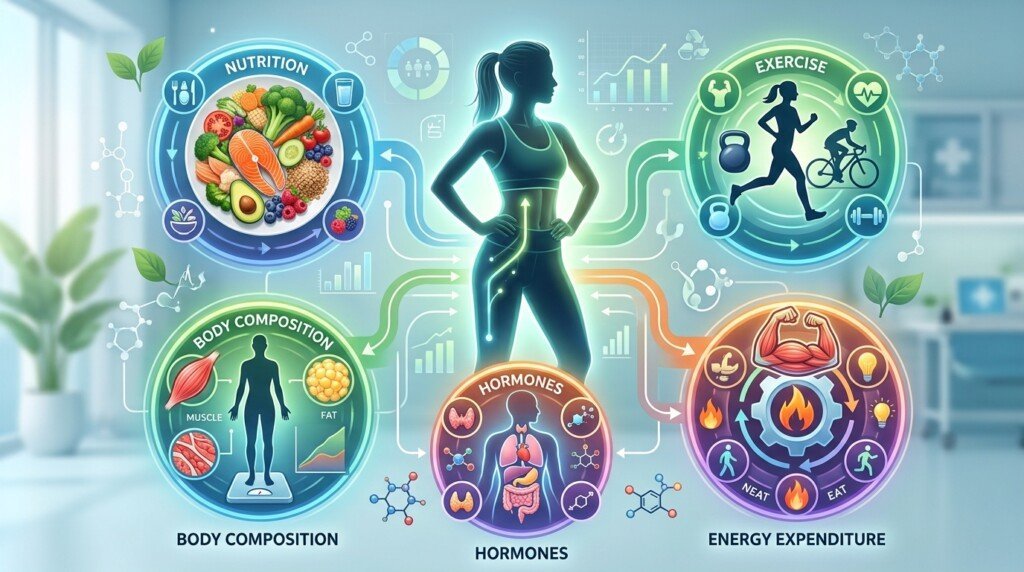
Body Composition
People with different amounts of lean muscle and body fat often have different energy requirements.
Lean muscle is metabolically active tissue that contributes to daily calorie expenditure.
Preserving muscle while reducing excess body fat supports healthier long-term body composition.
Readers interested in understanding calorie use may also enjoy Metabolism, which explains how the body converts food into usable energy.
Physical Activity
Exercise increases total daily energy expenditure while providing many additional health benefits.
Regular physical activity can support:
- Fat oxidation
- Cardiovascular health
- Muscle maintenance
- Physical fitness
- Overall well-being
Although exercise contributes to calorie expenditure, it works best alongside balanced nutrition.
Nutrition Quality
Calories matter for energy balance, but food quality still plays an important role.
Nutrient-dense foods provide:
- Protein
- Vitamins
- Minerals
- Fiber
- Healthy fats
These nutrients help support normal body function while promoting healthier eating patterns during a calorie deficit.
Consistency
One of the most overlooked factors is consistency.
A moderate calorie deficit followed consistently over time is generally more effective than frequent cycles of strict dieting followed by overeating.
Readers looking for practical long-term habits may also find Sustainable Weight Loss helpful.
What Does Science Say About Energy Balance?
Energy balance has been studied for decades across nutrition, physiology, and metabolic research.
While different dietary patterns may vary in food choices, they all operate within the same biological principle.
The Body Obeys Energy Conservation
The human body follows the laws of energy conservation.
Calories cannot simply disappear.
They are either:
- Used immediately for energy
- Stored for later use
- Released from storage when additional energy is needed
This fundamental principle explains why energy balance remains central to weight management.
Fat Oxidation Is a Natural Biological Process
Fat oxidation is not a special state achieved only through certain diets or workouts.
It is a normal metabolic process occurring every day.
A calorie deficit increases reliance on stored body fat because additional energy is required beyond what food provides.
Nutrition and Exercise Support the Process
While a calorie deficit initiates fat loss, healthy nutrition and regular exercise help support:
- Lean muscle preservation
- Physical performance
- Overall health
- Long-term weight management
Rather than competing with one another, nutrition and exercise work together within the broader framework of energy balance.
Readers beginning their weight-loss journey may also benefit from Weight Loss Guide, which explains how healthy habits support sustainable progress.
Future discussions in Fat Burning will explore fat oxidation in greater detail from the perspective of exercise physiology and metabolism.
Key Takeaways
| Topic | What You Should Know |
|---|---|
| Energy balance | Weight loss begins when calorie expenditure exceeds calorie intake. |
| Glycogen | The body often uses stored glycogen before increasing reliance on body fat. |
| Body fat | Stored fat becomes an important energy source during a calorie deficit. |
| Fat oxidation | Converts fatty acids into usable energy inside cells. |
| Lipolysis | Releases stored fat from adipose tissue before fat oxidation occurs. |
| Scale weight | Daily weight changes do not always reflect changes in body fat. |
| Consistency | Long-term calorie deficits produce gradual reductions in stored body fat. |
Frequently Asked Questions
1. Why does eating fewer calories cause weight loss?
Eating fewer calories than your body burns creates an energy deficit. To meet its energy needs, your body begins using stored energy sources, including body fat.
2. Does your body burn muscle before fat?
The body uses multiple energy sources at the same time. Adequate protein intake and resistance exercise help preserve lean muscle while reducing body fat during a calorie deficit.
3. Why doesn’t weight drop every day?
Daily body weight changes are influenced by water balance, glycogen stores, digestion, and other normal physiological factors. These fluctuations do not necessarily reflect changes in body fat.
4. Is a calorie deficit enough for fat loss?
A calorie deficit is the fundamental requirement for fat loss. Combining it with balanced nutrition and regular exercise helps improve body composition and overall health.
5. What is fat oxidation?
Fat oxidation is the process of converting fatty acids into usable energy inside cells, particularly within the mitochondria.
6. What is lipolysis?
Lipolysis is the breakdown of stored triglycerides in fat cells into fatty acids and glycerol, allowing those fatty acids to be used for energy.
7. Does your body burn glycogen before fat?
The body continuously uses both glycogen and fat for energy. During the early stages of a calorie deficit, glycogen often contributes more before reliance on stored fat gradually increases.
8. Does exercise increase fat oxidation?
Exercise increases overall energy expenditure and can contribute to greater fat oxidation depending on exercise intensity, duration, and overall energy balance.
9. Why is energy balance important?
Energy balance determines whether body weight remains stable, increases, or decreases based on the relationship between calorie intake and calorie expenditure.
10. Can healthy eating improve fat loss?
Healthy eating supports adequate nutrition, muscle preservation, and sustainable habits that make maintaining a calorie deficit easier over the long term.
Conclusion
Understanding Why a Calorie Deficit Causes Weight Loss begins with understanding how your body manages energy. Every moment of the day, your body requires calories to support essential functions such as breathing, circulation, movement, and cellular repair. When calorie intake falls below calorie expenditure, it must obtain the missing energy from stored sources. Glycogen provides an initial supply, while body fat becomes an increasingly important fuel through the processes of lipolysis and fat oxidation. This gradual shift in energy use is the biological foundation of healthy fat loss.
Although the science behind weight loss involves hormones, metabolism, glycogen, and cellular energy production, the core principle remains remarkably simple: a sustained calorie deficit encourages the body to use stored energy over time. Combined with balanced nutrition, regular physical activity, and consistent healthy habits, this natural process supports improvements in body composition and long-term weight management. Rather than expecting immediate changes on the scale, focusing on the science of energy balance provides a more accurate and sustainable understanding of how fat loss truly occurs.
Disclaimer:
This post may contain affiliate links. If you purchase through them, we may earn a small commission at no extra cost to you. Also, this content is for informational purposes only and does not substitute professional medical advice.
Ready to Start Your Journey?
Use our free 7-in-1 Weight Loss Toolkit to calculate your numbers and build your plan in minutes.
Open Free Tools →