How Can You Stay in a Calorie Deficit Without Feeling Hungry? 12 Science-Backed Strategies
Trying to lose weight often brings one frustrating challenge that can derail even the best intentions: constant hunger. Many people begin eating fewer calories with enthusiasm, only to find themselves thinking about food all day. Before long, cravings increase, energy feels lower, and sticking to healthy eating becomes much more difficult.
Fortunately, that does not have to be the experience.
A Calorie Deficit Without Feeling Hungry is possible when you understand what actually controls appetite. Hunger is influenced by far more than an empty stomach. Protein intake, fiber, meal composition, hydration, food volume, and even your body’s natural hunger hormones all play important roles in determining how satisfied you feel after eating.
Rather than relying on willpower alone, the most sustainable approach is to build meals and daily habits that naturally increase fullness while keeping calories under control. This makes it easier to maintain a calorie deficit without feeling deprived.
In this article, you’ll explore the science behind hunger and learn practical strategies that help you stay satisfied, support healthy fat loss, and make a calorie deficit much easier to maintain over the long term.
Quick Answer
A Calorie Deficit Without Feeling Hungry is possible by prioritizing high-protein foods, fiber-rich meals, vegetables, whole foods, adequate hydration, and smart eating habits that improve satiety while keeping calorie intake under control.
Why Do You Feel Hungry in a Calorie Deficit?
Feeling hungry while eating fewer calories is completely normal. Your body constantly monitors how much energy it receives and responds by sending signals that encourage you to eat.
The good news is that not all hunger is created equally. Understanding why it happens makes it easier to manage.

Your Body Tries to Protect Its Energy Supply
When calorie intake decreases, your body recognizes that less energy is coming in.
In response, it may increase appetite signals to encourage food intake and maintain energy balance. This is a normal biological response rather than a sign that your diet is failing.
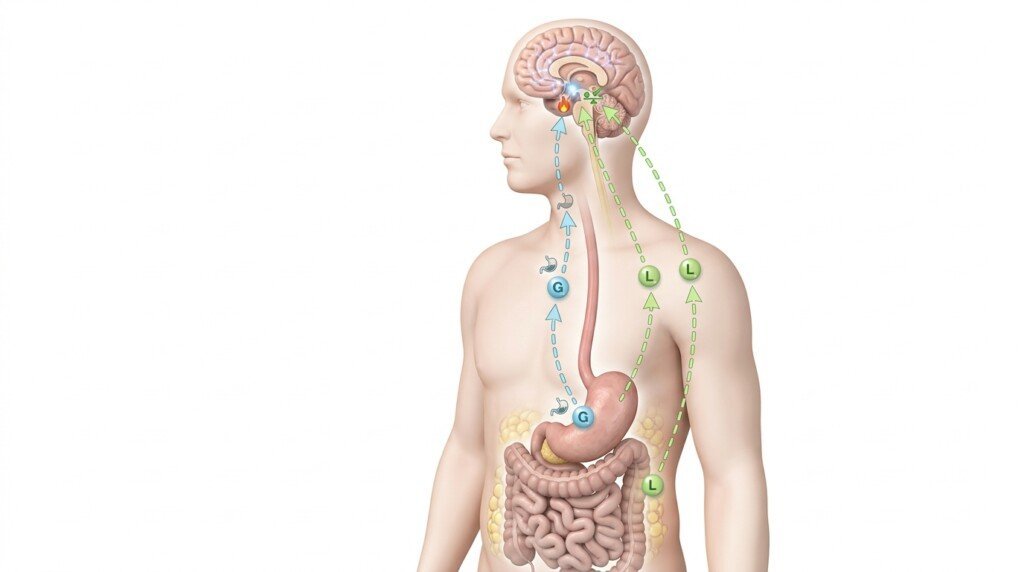
Hunger Hormones Influence Appetite
Several hormones help regulate appetite throughout the day.
Two of the most well-known are:
- Ghrelin, which stimulates hunger
- Leptin, which helps signal fullness
These hormones constantly communicate with the brain to help regulate eating behavior based on your body’s energy needs.
If you’re interested in how these hormones work together, Hunger Hormones explains their role in greater detail.
Food Quality Affects Fullness
Eating the same number of calories from different foods can produce very different levels of satisfaction.
For example, meals built around whole foods, vegetables, lean protein, and fiber usually provide more fullness than highly processed foods with similar calorie content.
That is why nutrition quality matters just as much as calorie quantity.
Which Foods Keep You Full for Longer?
One of the simplest ways to reduce hunger is by choosing foods that naturally promote satiety.
Rather than focusing only on calories, consider how satisfying each meal will be several hours later.
Protein-Rich Foods
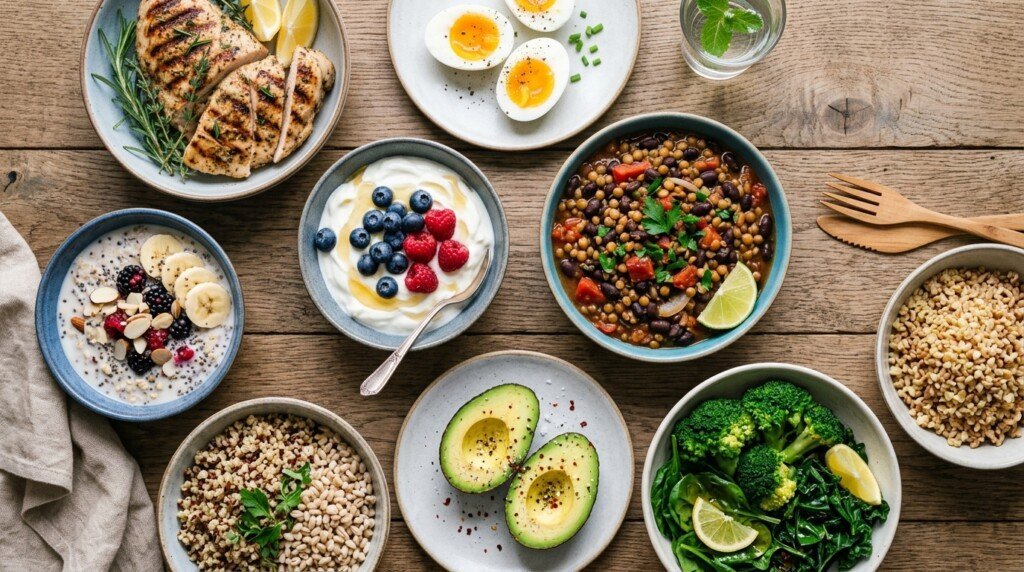
Protein consistently ranks among the most filling nutrients.
Good examples include:
- Chicken
- Fish
- Eggs
- Greek yogurt
- Cottage cheese
- Tofu
- Beans
- Lentils
These foods generally help people feel satisfied longer than meals low in protein.
Readers looking for additional satisfying foods may also enjoy Foods That Keep You Full Longer.
High-Fiber Foods
Fiber slows digestion and increases the volume of food in your digestive system.
Excellent sources include:
- Oats
- Beans
- Lentils
- Vegetables
- Fruits
- Whole grains
- Chia seeds
Meals containing plenty of fiber often leave people feeling comfortably full for longer periods.
Healthy Fats in Moderation
Healthy fats also contribute to meal satisfaction.
Examples include:
- Avocados
- Nuts
- Seeds
- Olive oil
Although fats are more calorie-dense, moderate portions can improve the overall satisfaction of balanced meals.
Whole Foods Usually Win
Whole foods often require more chewing, contain more water and fiber, and digest more slowly than heavily processed alternatives.
This combination naturally supports greater satiety while fitting into a sustainable calorie deficit.
Does Eating More Protein Reduce Hunger?
Among all nutrients, protein has been studied extensively for its effects on appetite.
For many people, increasing protein intake is one of the easiest ways to make a calorie deficit feel more manageable.
Protein Supports Satiety
Protein influences several appetite-related processes that contribute to feeling full after meals.
Meals containing adequate protein often reduce the desire to snack shortly afterward compared with meals that contain very little protein.
Protein Helps Preserve Lean Muscle
Another benefit of protein during weight loss is muscle preservation.
Maintaining lean muscle supports healthier body composition while reducing body fat.
Readers interested in high-quality protein choices can also explore Healthy Snacks for Weight Loss, where many protein-rich snack ideas naturally fit into a calorie-conscious eating pattern.
Include Protein Throughout the Day
Rather than eating most of your protein at one meal, many people find it helpful to include quality protein in:
- Breakfast
- Lunch
- Dinner
- Nutritious snacks
This helps maintain more consistent fullness throughout the day.
Can Fiber Help Control Your Appetite?
Fiber is another powerful tool for making a calorie deficit easier to maintain.
Unlike many nutrients, fiber adds bulk without adding significant calories.
Fiber Increases Meal Volume
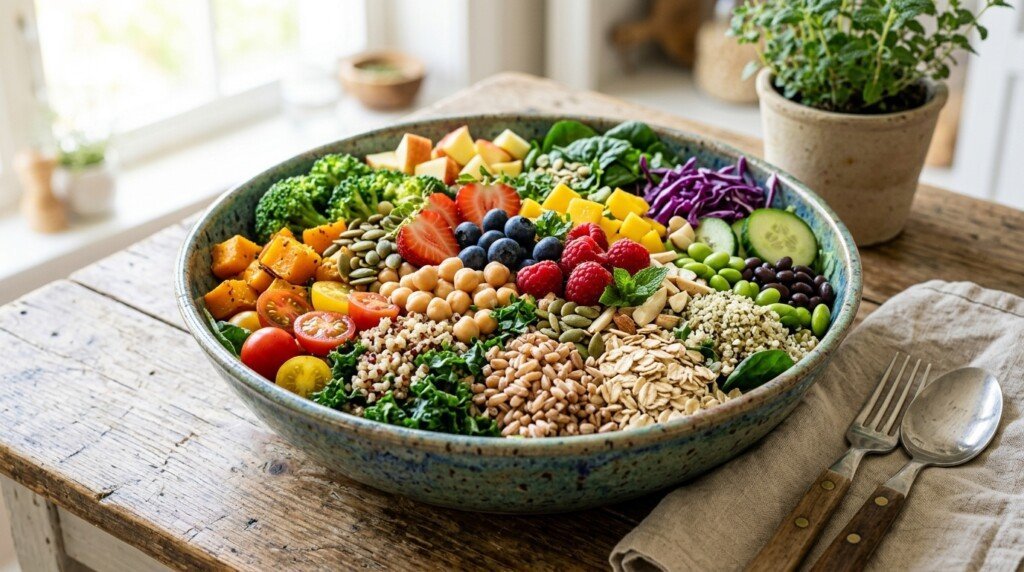
High-fiber foods occupy more space in the stomach.
This physical volume contributes to feelings of fullness after eating.
Vegetables are particularly effective because they combine:
- Fiber
- Water
- Low calorie density
This allows you to eat generous portions without dramatically increasing calorie intake.
Fiber Slows Digestion
Meals rich in fiber move through the digestive system more gradually.
As a result, fullness tends to last longer between meals.
Combine Protein and Fiber
One of the most satisfying meal combinations includes both protein and fiber.
For example:
- Greek yogurt with berries
- Eggs with vegetables
- Chicken salad
- Lentil soup
- Bean-based meals
These combinations often provide better satiety than meals focused mainly on refined carbohydrates.
Readers looking for satisfying morning meals may also enjoy Best Breakfast for Weight Loss, which naturally incorporates protein and fiber.
Do Meal Timing and Meal Frequency Matter?
One of the most common questions during weight loss is whether eating several small meals is better than eating fewer larger ones.
The truth is that there is no single eating schedule that works for everyone. What matters most is choosing a pattern that helps you stay satisfied while maintaining your calorie deficit.
There Is No Perfect Meal Schedule
Some people naturally prefer three balanced meals each day.
Others feel more comfortable including one or two nutritious snacks between meals.
Both approaches can support fat loss if total calorie intake and food quality remain appropriate.
The best meal schedule is often the one you can follow consistently without feeling overly hungry.
Avoid Long Gaps If They Lead to Overeating
Going many hours without eating may leave some people extremely hungry by their next meal.
That intense hunger can make portion control more difficult and increase the temptation to choose highly processed foods.
If this sounds familiar, spreading calories more evenly throughout the day may improve comfort.
Build Balanced Meals
Instead of focusing only on when you eat, pay attention to what each meal contains.
Meals that combine:
- Lean protein
- Fiber-rich vegetables
- Whole grains
- Healthy fats
often provide longer-lasting fullness than meals built mainly around refined carbohydrates.
Which Habits Make Hunger Worse?
Sometimes hunger is not caused by eating too few calories alone. Everyday habits can also influence how satisfied you feel throughout the day.
Recognizing these habits makes it easier to maintain a Calorie Deficit Without Feeling Hungry.

Skipping Protein at Meals
Meals that contain very little protein often leave people feeling hungry sooner.
Including a quality protein source with each meal supports better satiety throughout the day.
Choosing Highly Processed Foods Too Often
Many ultra-processed foods are easy to eat quickly and may not provide lasting fullness.
Replacing some of these foods with whole-food alternatives often improves satisfaction without increasing calories.
Eating Too Few Vegetables
Vegetables are naturally high in water and fiber while remaining relatively low in calories.
Filling a large portion of your plate with vegetables allows you to enjoy satisfying meals without dramatically increasing calorie intake.
Drinking Too Little Water
Mild dehydration may sometimes be confused with hunger.
Staying hydrated throughout the day supports normal body functions and may help some people better recognize true hunger signals.
Ignoring Portion Awareness
Healthy foods still contribute calories.
Developing reasonable portion awareness helps maintain a calorie deficit without making meals feel restrictive.
Readers looking for practical eating strategies may also benefit from Portion Control for Weight Loss.
How Can You Stay in a Calorie Deficit Comfortably?
The most successful weight-loss journeys are usually those that feel manageable from day to day.
Instead of relying on willpower, focus on habits that naturally reduce hunger while supporting healthy nutrition.
1. Prioritize Protein at Every Meal
Protein consistently supports fullness and helps preserve lean muscle during weight loss.
Aim to include a quality protein source whenever you eat.
2. Fill Half Your Plate With Vegetables
Vegetables increase meal volume while contributing relatively few calories.
This simple habit helps many people feel satisfied without increasing overall calorie intake.
3. Choose Whole Foods More Often
Whole foods generally provide more fiber, water, and nutrients than highly processed alternatives.
They also tend to promote greater satiety.
4. Drink Water Throughout the Day
Regular hydration supports digestion, physical performance, and overall health while helping some people distinguish thirst from hunger.
5. Include Fiber With Every Meal
Adding fruits, vegetables, legumes, oats, or whole grains helps meals remain satisfying for longer.
6. Eat Slowly
Giving yourself time to eat allows fullness signals to develop naturally.
Many people feel more satisfied simply by slowing down during meals.
7. Keep Nutritious Snacks Available
When genuine hunger appears between meals, nutritious snacks can help maintain your calorie deficit without encouraging overeating later.
Readers looking for practical snack ideas may enjoy Healthy Snacks for Weight Loss.
8. Build a Breakfast That Keeps You Full
Starting the day with balanced nutrition often improves appetite control later.
Many satisfying breakfasts combine protein, fiber, and healthy fats.
Readers may also find Best Breakfast for Weight Loss helpful for meal ideas.
9. Understand Physical Hunger
Not every desire to eat reflects physical hunger.
Recognizing normal hunger signals can make daily eating decisions easier.
For a closer comparison, Emotional Hunger vs Physical Hunger explains how these experiences differ.
10. Stay Consistent Instead of Perfect
Healthy eating does not require perfection.
Small, repeatable habits usually produce better long-term results than strict dietary rules.
Readers interested in maintaining healthy routines over time may also enjoy Sustainable Weight Loss.
11. Choose Lower Calorie Density Foods
Foods with high water and fiber content provide more volume for fewer calories.
Examples include:
- Leafy greens
- Cucumbers
- Tomatoes
- Berries
- Broth-based soups
These foods help increase meal size without significantly increasing calorie intake.
12. Keep Your Calorie Deficit Moderate
An overly aggressive calorie deficit often makes hunger much harder to manage.
Choosing a moderate approach supports better nutrition, muscle preservation, and long-term consistency.
Future discussions about Safe Calorie Deficit, Calorie Deficit, and Signs Your Calorie Deficit Is Too Extreme explain how choosing the right calorie reduction supports sustainable fat loss.
Key Takeaways
| Topic | What You Should Know |
|---|---|
| Hunger | Mild hunger is normal, but constant hunger often signals opportunities to improve meal quality. |
| Protein | One of the most effective nutrients for increasing satiety. |
| Fiber | Helps meals stay filling by increasing volume and slowing digestion. |
| Volume eating | Vegetables and whole foods allow larger meals with fewer calories. |
| Hydration | Drinking enough water supports appetite awareness and overall health. |
| Meal timing | Choose an eating schedule that fits your lifestyle and helps you stay satisfied. |
| Sustainability | Comfortable eating habits are easier to maintain than restrictive diets. |

Frequently Asked Questions
1. Why am I always hungry in a calorie deficit?
Hunger is a natural response to eating fewer calories, but meal quality also matters. Low protein intake, inadequate fiber, poor hydration, and highly processed foods can all increase hunger.
2. Does protein reduce hunger?
Yes. Protein is one of the most filling nutrients and often helps people stay satisfied longer after meals while supporting lean muscle preservation.
3. How can I eat fewer calories without starving?
Focus on protein-rich foods, fiber, vegetables, whole foods, adequate hydration, and balanced meals that naturally increase satiety.
4. Is hunger normal during weight loss?
Some mild hunger is expected, especially during the early stages of a calorie deficit. However, constant or intense hunger may suggest your eating pattern needs adjustment.
5. Which foods keep you full the longest?
Foods rich in protein and fiber, such as lean meats, Greek yogurt, beans, lentils, vegetables, fruits, and whole grains, generally provide longer-lasting fullness.
6. Does drinking water help reduce hunger?
Staying hydrated supports normal body functions and may help some people avoid confusing thirst with hunger.
7. Are vegetables important in a calorie deficit?
Yes. Vegetables provide fiber, water, and volume while remaining relatively low in calories, making meals more satisfying.
8. Should I eat several small meals or three large meals?
Both approaches can work. The best meal schedule is the one that helps you stay comfortably within your calorie deficit.
9. Can whole foods improve satiety?
Yes. Whole foods generally contain more fiber, water, and nutrients than highly processed foods, helping many people feel fuller after meals.
10. What is the easiest way to stay in a calorie deficit comfortably?
Prioritize protein, fiber, vegetables, hydration, and balanced meals while choosing a moderate calorie deficit that fits your lifestyle.
Conclusion
Maintaining a Calorie Deficit Without Feeling Hungry is not about relying on willpower or constantly fighting cravings. It is about understanding how your body regulates appetite and using that knowledge to make smarter food choices. Meals built around protein, fiber, vegetables, whole foods, and adequate hydration naturally promote satiety, allowing you to eat fewer calories while still feeling satisfied. Small daily habits, such as eating slowly, including protein at every meal, and choosing lower calorie density foods, can make a significant difference in how comfortable a calorie deficit feels.
The goal is not to eliminate hunger completely but to prevent it from becoming so intense that it disrupts healthy eating habits. A moderate calorie deficit combined with nutritious, filling foods is far more sustainable than extreme calorie restriction. By focusing on satisfaction instead of deprivation, you can build an eating pattern that supports healthy fat loss, preserves lean muscle, and remains practical long after your weight-loss journey is complete.
Disclaimer:
This post may contain affiliate links. If you purchase through them, we may earn a small commission at no extra cost to you. Also, this content is for informational purposes only and does not substitute professional medical advice.
Fuel Your Body Right
Use our free Nutrition Toolkit to find your protein target, fasting window, and net carbs in minutes.
Open Free Tools →