


What Are the Signs Your Calorie Deficit Is Too Extreme? 12 Warning Signs
Losing weight often starts with creating a calorie deficit, but bigger is not always better. Many people believe cutting calories as much as possible will speed up fat loss. At first, it may seem like a good strategy, but over time, your body can begin sending clear signals that it isn’t getting enough energy to function optimally.
Recognizing Signs Your Calorie Deficit Is Too Extreme early can help you avoid unnecessary setbacks and maintain a healthier, more sustainable approach to weight management. While a moderate calorie deficit encourages gradual fat loss, an excessive calorie deficit may affect energy levels, workout performance, recovery, mood, and overall well-being.
The goal of healthy weight loss isn’t simply to lose pounds as quickly as possible. It’s to reduce body fat while preserving muscle, supporting proper nutrition, and building habits that can be maintained long after reaching your target weight.
In this article, you’ll learn the most common warning signs that your calorie deficit may be too aggressive, why they occur, and how to recognize when it’s time to make safer adjustments.
Quick Answer
Signs Your Calorie Deficit Is Too Extreme may include persistent fatigue, constant hunger, declining exercise performance, slower recovery, irritability, poor sleep, noticeable muscle loss, and stalled weight loss. These signs often suggest your body needs a more balanced and sustainable approach rather than a larger calorie deficit.
How Do You Know If Your Calorie Deficit Is Too Extreme?
Your body is remarkably good at adapting to changes in energy intake.
When calories become too low for an extended period, it begins conserving energy while prioritizing essential functions.
The result is often a combination of physical and mental changes that gradually become more noticeable.
One Sign Alone Doesn’t Tell the Whole Story
Everyone experiences occasional tiredness or hunger.
What matters is the overall pattern.
If several warning signs appear together and persist for weeks, your calorie deficit may deserve a closer look.
Healthy Weight Loss Should Still Feel Manageable
Although some hunger and temporary fatigue are normal during weight loss, you should generally still be able to:
- Complete daily activities
- Exercise comfortably
- Concentrate at work or school
- Sleep reasonably well
- Recover between workouts
When these become consistently difficult, your calorie deficit may be larger than necessary.
Readers wanting to understand healthy calorie targets may also find Safe Calorie Deficit helpful.
What Physical Signs Suggest You’re Eating Too Little?
Your body often provides early clues that your energy intake has become too low.
These warning signs don’t appear overnight, but they frequently develop gradually as the calorie deficit continues.


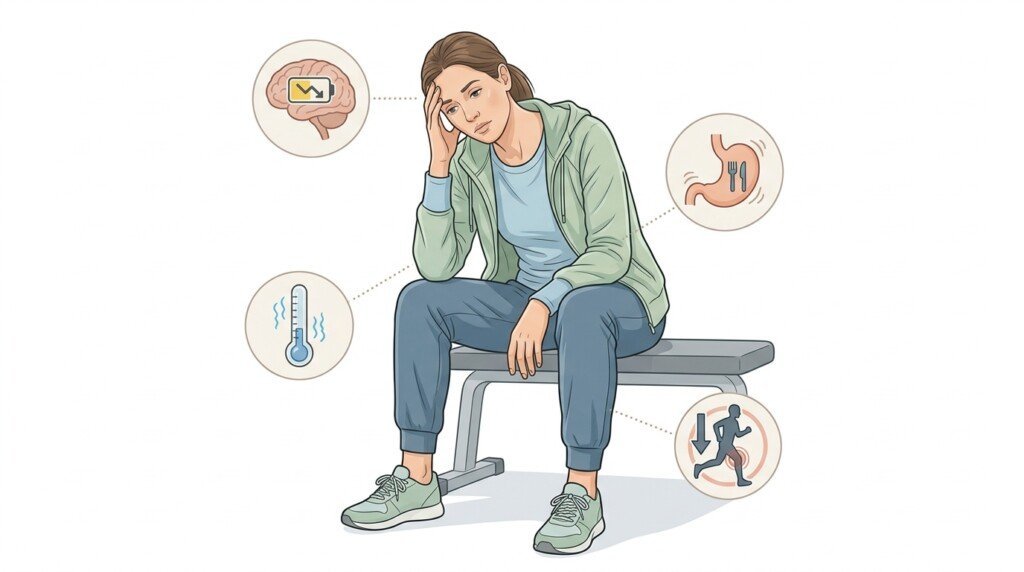
1. Constant Fatigue
Feeling tired every day despite getting adequate sleep is one of the most common warning signs.
Calories provide the energy needed for:
- Brain function
- Physical movement
- Recovery
- Cellular repair
When energy intake remains too low, persistent fatigue may develop.
2. Constant Hunger
Some hunger is expected during weight loss.
However, feeling hungry nearly all day, even shortly after balanced meals, may indicate your calorie intake has become too restrictive.
Persistent hunger can also make long-term consistency much more difficult.
3. Feeling Cold More Often
Many people notice increased sensitivity to cold during aggressive calorie restriction.
This occurs because the body may conserve energy by reducing heat production.
Although feeling cold occasionally is normal, frequent chills without another obvious explanation may deserve attention.
4. Poor Exercise Performance
A noticeable decline in workout performance may be another sign.
Examples include:
- Reduced strength
- Lower endurance
- Earlier fatigue
- Slower running pace
- Difficulty completing normal workouts
Because exercise requires energy, insufficient calorie intake can affect physical performance over time.
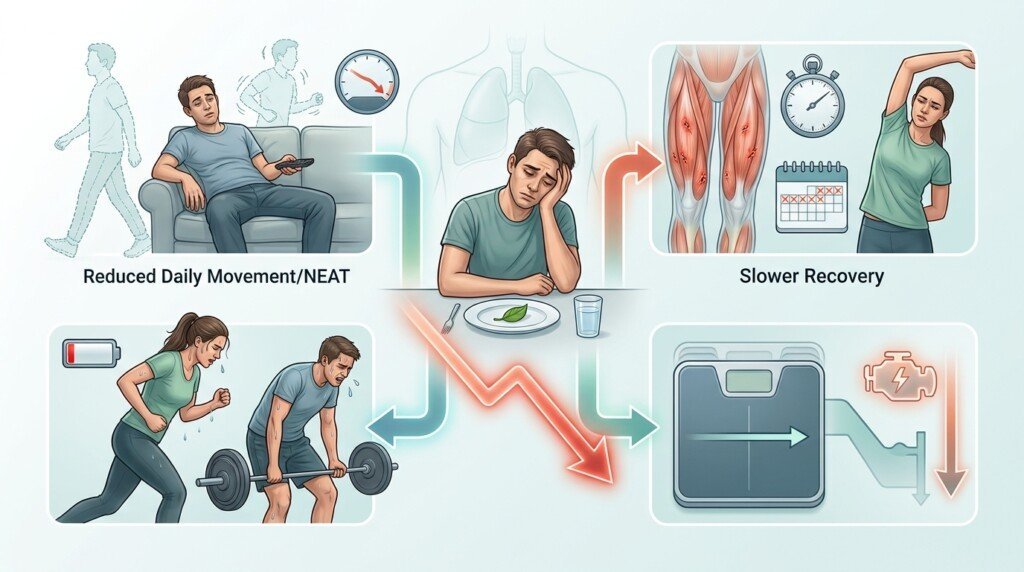
Can an Aggressive Calorie Deficit Slow Progress?
Ironically, yes.
Eating substantially fewer calories does not always produce faster long-term fat loss.
In some situations, progress may actually become more difficult to sustain.
Recovery May Become Less Effective
Recovery allows your body to repair tissues, replenish energy stores, and prepare for future activity.
When calorie intake remains too low for long periods, recovery may become slower.
People often notice:
- Ongoing muscle soreness
- Reduced workout quality
- Lower motivation to exercise
Everyday Movement May Decrease
As energy becomes more limited, many people naturally become less active throughout the day.
Examples include:
- Sitting more often
- Walking less
- Reduced household activity
- Less spontaneous movement
This reduction in NEAT can lower overall daily energy expenditure.
Readers interested in why progress sometimes slows may also enjoy Eating Too Little Stop Weight Loss, which explains how calorie intake and energy expenditure interact during a plateau.
Sustainability Matters More Than Speed
The fastest approach is not always the most effective one.
Building habits you can maintain for months is generally more successful than following an aggressive calorie deficit for only a short period.
Readers focused on long-term success may also enjoy Sustainable Weight Loss, which emphasizes realistic, maintainable strategies.
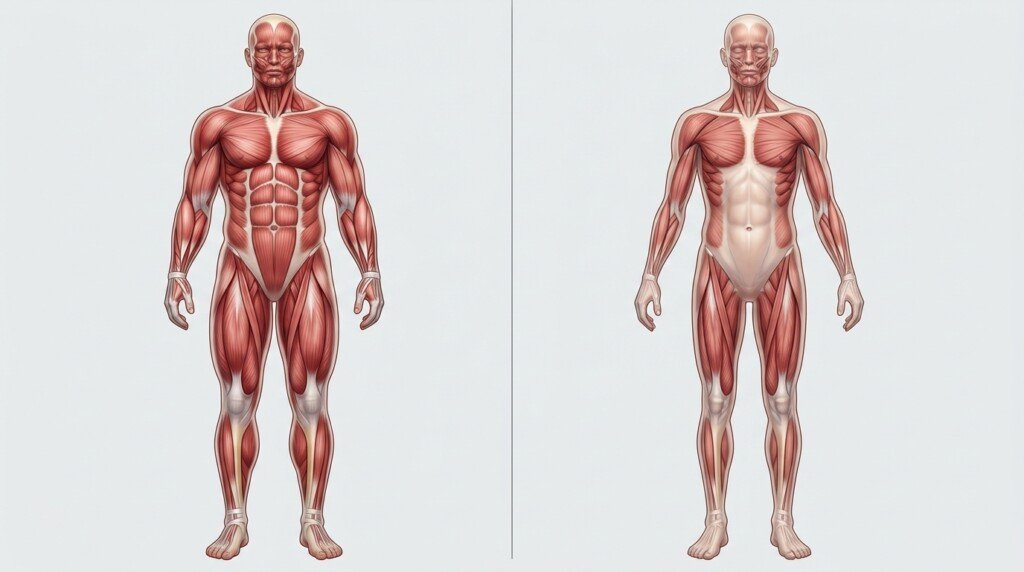
Does an Extreme Calorie Deficit Increase Muscle Loss?
Preserving lean muscle is an important part of healthy weight loss.
Muscle supports:
- Daily movement
- Strength
- Physical function
- Overall body composition
When calorie intake becomes excessively low, preserving muscle becomes more challenging.
The Body Prioritizes Survival
Your body continuously balances its energy needs with the need to preserve important tissues.
During an aggressive calorie deficit, maintaining lean muscle becomes more difficult, particularly if nutrition and physical activity are inadequate.
Muscle Preservation Depends on Several Factors
Maintaining lean muscle during weight loss is supported by:
- Adequate dietary protein
- Resistance exercise
- Sufficient recovery
- A moderate calorie deficit
Readers interested in dietary protein may also find High-Protein Foods That Burn Fat useful because it explains how protein supports healthy body composition.
Body Composition Is More Important Than Scale Weight
Successful weight management is about reducing excess body fat while preserving as much lean muscle as possible.
Focusing only on the number on the scale may overlook meaningful improvements in body composition.
How Can You Create a Safer Calorie Deficit?
If you’ve noticed several warning signs, the solution is not necessarily to stop your weight-loss efforts. Instead, it’s about creating a calorie deficit that supports fat loss while giving your body enough energy to function well.
A safer approach is usually more effective because it is easier to maintain over the long term.
5. Your Weight Loss Has Stalled
Many people assume eating fewer calories will always produce faster results.
However, if your calorie deficit becomes too aggressive, progress may slow for several reasons.
Possible contributors include:
- Reduced daily movement
- Slower recovery
- Lower workout performance
- Metabolic adaptation
- Difficulty maintaining consistency
Readers interested in this topic may also enjoy When Does a Calorie Deficit Stop Working?, which explains why weight-loss plateaus occur during prolonged dieting.
6. You’re Becoming More Irritable
Energy intake influences more than physical performance.
People eating too few calories sometimes notice:
- Shorter patience
- Mood swings
- Difficulty concentrating
- Increased frustration
These changes often improve once energy intake better matches the body’s needs.
7. Sleep Quality Starts Declining
Sleep and nutrition work together.
When calorie intake becomes excessively low, some people experience:
- Difficulty falling asleep
- Frequent waking
- Feeling less rested
- Lower daytime energy
Poor sleep can also affect recovery and make healthy habits more difficult to maintain.
Focus on Consistency Instead of Perfection
Healthy weight loss is built through habits that can be maintained for months, not days.
Readers looking for long-term strategies may also benefit from Weight Loss Habits, which explains how consistent routines often outperform short-term extremes.
When Should You Increase Your Calorie Intake?
Increasing calories is not something that should happen simply because the scale slows down for a few days.
However, there are situations where reviewing your calorie intake becomes appropriate.
8. You’re Constantly Exhausted
Feeling tired after a difficult workout is normal.
Feeling physically exhausted almost every day despite adequate sleep is different.
Persistent low energy may indicate that your body is not receiving enough fuel to support normal daily function.
9. Recovery Takes Much Longer
Exercise creates stress that the body must repair.
If recovery consistently feels slower than usual, you may notice:
- Persistent soreness
- Reduced strength
- Less motivation
- Difficulty completing normal workouts
Adequate nutrition supports the recovery process.
10. You’re Losing Noticeable Muscle
Weight loss should ideally come primarily from body fat.
Signs that lean muscle may be declining include:
- Reduced strength
- Smaller muscle size
- Declining physical performance
- Decreased ability to complete resistance training
Preserving lean muscle supports healthier body composition throughout weight management.
Readers wanting to understand healthy calorie targets may also revisit Calorie Deficit, which explains how moderate energy deficits support sustainable fat loss.
When Should You Seek Medical Advice?
Most people can improve their calorie deficit simply by making moderate adjustments.
However, persistent symptoms should never be ignored.
11. Symptoms Continue Despite Healthy Changes
If you’ve increased calorie intake appropriately, improved nutrition, prioritized sleep, and maintained healthy habits without improvement, professional guidance may be helpful.
A healthcare professional can evaluate your individual situation and provide personalized recommendations.
12. Daily Life Is Being Affected
Consider seeking medical advice if your symptoms begin interfering with everyday activities, such as:
- Difficulty completing work
- Ongoing weakness
- Persistent dizziness
- Extreme fatigue
- Difficulty participating in normal exercise
These situations deserve individual evaluation rather than continued self-adjustment.
The 12 Warning Signs at a Glance
Here is a quick summary of the most common Signs Your Calorie Deficit Is Too Extreme:
- Persistent fatigue
- Constant hunger
- Feeling unusually cold
- Declining exercise performance
- Weight-loss progress stalls
- Increased irritability
- Poor sleep quality
- Constant exhaustion
- Slow workout recovery
- Noticeable muscle loss
- Symptoms continue despite healthy adjustments
- Daily life becomes increasingly difficult
One sign alone does not necessarily mean your calorie deficit is too aggressive. However, several persistent signs occurring together may indicate it’s time to reassess your current approach.
Key Takeaways
| Topic | What You Should Know |
|---|---|
| Warning signs | Persistent fatigue, hunger, poor recovery, and declining performance may suggest your calorie deficit is too aggressive. |
| Muscle preservation | Maintaining lean muscle supports healthier body composition during weight loss. |
| Nutrition | Adequate calorie intake helps support recovery, energy, and normal body functions. |
| Sustainability | Moderate calorie deficits are generally easier to maintain than aggressive approaches. |
| Recovery | Poor recovery often signals that energy intake may need to be reviewed. |
| Long-term success | Consistent healthy habits usually produce better results than rapid weight-loss strategies. |
| Professional guidance | Seek medical advice if symptoms persist or interfere with normal daily life. |

Frequently Asked Questions
1. How low is too low for calories?
There is no single calorie target that applies to everyone. Age, body size, activity level, sex, and health status all influence calorie needs. A healthcare professional or registered dietitian can help determine an appropriate intake.
2. Can eating too little stop fat loss?
Eating too little can contribute to slower progress by reducing daily activity, affecting workout performance, and making long-term consistency more difficult. Fat loss still depends on energy balance, but an overly aggressive approach may be harder to sustain.
3. Can a calorie deficit cause fatigue?
Yes. Persistent fatigue is one of the most common signs that your calorie deficit may be too aggressive or that your body is not receiving enough energy for daily activities.
4. Should I increase calories if I feel exhausted?
If exhaustion persists despite adequate sleep and healthy habits, reviewing your calorie intake may be appropriate. If symptoms continue, seek advice from a qualified healthcare professional.
5. Is constant hunger normal during weight loss?
Mild hunger is expected, but feeling intensely hungry throughout the day for extended periods may indicate that your calorie deficit is larger than necessary.
6. Why am I feeling cold while dieting?
Reduced calorie intake can influence heat production, making some people feel colder than usual during an aggressive calorie deficit.
7. Can an extreme calorie deficit reduce exercise performance?
Yes. Inadequate energy intake may reduce strength, endurance, and recovery, making workouts feel more difficult over time.
8. Does muscle loss happen in every calorie deficit?
No. A moderate calorie deficit combined with adequate protein intake and resistance exercise helps support muscle preservation during weight loss.
9. How can I make my calorie deficit safer?
Focus on gradual fat loss, balanced nutrition, adequate recovery, regular physical activity, and sustainable habits rather than making large calorie cuts.
10. When should I seek medical advice?
If persistent fatigue, weakness, dizziness, or other symptoms continue despite healthy adjustments, consult a qualified healthcare professional for personalized evaluation.
Conclusion
Recognizing the Signs Your Calorie Deficit Is Too Extreme is just as important as creating a calorie deficit in the first place. While reducing calorie intake is necessary for fat loss, cutting calories too aggressively can leave your body struggling to keep up with the demands of daily life. Persistent fatigue, constant hunger, poor recovery, declining workout performance, irritability, and muscle loss are all signals that your current approach may not be sustainable. Paying attention to these warning signs early allows you to make thoughtful adjustments before they begin affecting your overall health and long-term progress.
Healthy weight management is about finding a balance between losing body fat and supporting your body’s normal functions. A moderate calorie deficit, adequate nutrition, sufficient recovery, and consistent healthy habits provide a stronger foundation than rapid weight loss achieved through excessive restriction. By choosing a sustainable approach and responding to your body’s signals, you can continue making progress while preserving energy, muscle, and overall well-being for the long term.
Disclaimer:
This post may contain affiliate links. If you purchase through them, we may earn a small commission at no extra cost to you. Also, this content is for informational purposes only and does not substitute professional medical advice.
Ready to Start Your Journey?
Use our free 7-in-1 Weight Loss Toolkit to calculate your numbers and build your plan in minutes.
Open Free Tools →