Why Am I Hungry All the Time? 12 Common Causes and What to Do

Feeling hungry before meals is completely normal. Hunger is your body’s natural way of telling you that it needs energy to support essential functions like breathing, thinking, moving, and repairing tissues. But if you find yourself constantly asking, “Why am I hungry all the time?”, even after eating balanced meals, it may be a sign that something is affecting your appetite regulation.

Persistent hunger does not always mean you need more food. Your appetite is influenced by a combination of biological, behavioral, and lifestyle factors. Hormones that regulate hunger and fullness, the quality of your meals, your sleep habits, stress levels, hydration, physical activity, and even emotional health all work together to determine how hungry you feel throughout the day.

For example, eating a breakfast that is low in protein may leave you searching for snacks before lunchtime. Poor sleep can make your body produce stronger hunger signals the following day. Chronic stress may encourage emotional eating even when your body does not truly need additional calories. Drinking too little water can sometimes make thirst feel like hunger, while highly restrictive diets often increase appetite as your body tries to protect its energy stores.

Fortunately, many of these causes can be addressed with practical lifestyle changes. Choosing more filling foods, maintaining consistent meal patterns, improving sleep quality, and managing stress often help restore healthier appetite regulation over time.

It is also important to recognize that hunger itself is not the enemy. Your goal should not be to eliminate hunger completely but to understand why it occurs and how to respond to it in a healthy way.

In this article, you’ll learn why you may feel Hungry All the Time, how hunger hormones influence appetite, whether eating too little can increase hunger, why sleep and stress matter, which foods help you stay full longer, and when ongoing hunger should be evaluated by a healthcare professional.


What Does It Mean If You Feel Hungry All the Time?

Everyone experiences hunger several times throughout the day. Under normal circumstances, hunger gradually develops before meals and decreases after eating. When hunger returns much sooner than expected or never seems to disappear, it may indicate that one or more factors are affecting your body’s appetite regulation.

Feeling hungry frequently does not automatically mean something is wrong. Sometimes your body genuinely needs more energy because of increased physical activity or changes in daily routine. In other situations, lifestyle habits may be sending mixed signals that make appetite harder to regulate.

Understanding these influences helps you respond to hunger more effectively instead of simply trying to ignore it.

Hunger Is Your Body’s Energy Signal

Your body constantly monitors how much energy it has available.

When energy stores begin to decline, the brain receives signals that encourage eating.

This process helps ensure your body has enough fuel to support:

  • Brain function
  • Physical activity
  • Digestion
  • Body temperature
  • Cell repair
  • Hormone production

Without these natural hunger signals, maintaining adequate nutrition would be difficult.

Appetite Is Controlled by More Than Your Stomach

Many people believe hunger begins only when the stomach becomes empty.

In reality, appetite is influenced by several body systems working together.

These include:

  • Hunger hormones
  • Blood sugar regulation
  • Sleep
  • Stress
  • Hydration
  • Meal composition
  • Previous calorie intake

This explains why two people can eat similar meals yet experience very different hunger levels afterward.

Your Lifestyle Shapes Daily Hunger Patterns

Daily routines strongly influence appetite.

For example, you may notice greater hunger after:

  • Sleeping poorly
  • Skipping breakfast
  • Exercising more than usual
  • Working long hours
  • Experiencing emotional stress

These situations affect both your body’s energy needs and the hormones that regulate appetite.

Constant Hunger Is Different From Occasional Cravings

It is important to distinguish between physical hunger and cravings.

Physical hunger usually:

  • Develops gradually
  • Can be satisfied by many different foods
  • Improves after eating

Cravings are often more specific.

You may suddenly want chocolate, chips, or another favorite food even when you recently finished a meal.

Recognizing the difference helps you respond more appropriately to your body’s signals.

Persistent Hunger Has Many Possible Causes

Feeling Hungry All the Time rarely has one single explanation.

Instead, it often reflects several overlapping influences such as:

  • Meal quality
  • Hunger hormones
  • Sleep habits
  • Stress
  • Activity level
  • Hydration
  • Emotional eating patterns

Identifying these contributors is usually more helpful than focusing on just one possible cause.


Can Hunger Hormones Make You Feel Hungry More Often?

Your appetite is controlled by a sophisticated communication system involving the stomach, digestive tract, fat tissue, brain, and several hormones.

These hormones continuously monitor your body’s energy needs and help determine when you feel hungry and when you feel satisfied.

When this system functions normally, hunger develops gradually before meals and decreases after eating.

When hormone signaling is disrupted, appetite may become much harder to regulate.

Ghrelin Encourages Hunger

One of the best-known appetite hormones is Ghrelin.

Produced mainly in the stomach, ghrelin rises before meals and signals the brain that it is time to eat.

After eating, ghrelin normally decreases, allowing hunger to subside.

However, factors such as:

  • Skipping meals
  • Restrictive dieting
  • Poor sleep

may increase ghrelin, making hunger stronger than usual.

The role of this hormone is explained in greater detail in Ghrelin, where its effects on appetite and meal timing are explored further.

Leptin Helps Regulate Fullness

Another important hormone involved in appetite regulation is Leptin.

Unlike ghrelin, leptin helps your brain recognize when enough energy has been stored.

Healthy leptin signaling supports normal feelings of fullness after eating.

When this communication becomes less effective, appetite regulation may become more challenging.

Hunger Hormones Work Together

Appetite is not controlled by one hormone alone.

Instead, your body relies on a network of hormones that constantly exchange information with the brain.

These hormones respond to:

  • Recent meals
  • Body fat stores
  • Sleep
  • Physical activity
  • Stress
  • Overall energy balance

This interaction explains why hunger often changes from one day to the next.

The broader relationship between these hormones is discussed throughout Hunger Hormones, where the complete appetite regulation system is explained.

Lifestyle Habits Influence Hormone Signals

Although hormone production is automatic, many daily habits influence how effectively these signals work.

Healthy routines that support appetite regulation include:

  • Regular meals
  • Balanced nutrition
  • Quality sleep
  • Daily movement
  • Stress management

These habits help create more stable hunger patterns over time.


Does Eating Too Little Increase Hunger?

Many people believe eating as little as possible will speed up weight loss.

Ironically, eating too little often has the opposite effect.

When calorie intake remains very low for extended periods, the body responds by increasing hunger in an effort to restore energy balance.

Your Body Protects Its Energy Stores

Throughout history, humans survived periods of food scarcity by developing biological systems that encouraged eating whenever energy became limited.

Today, these same protective mechanisms remain active.

When your body senses prolonged calorie restriction, it may respond by:

  • Increasing appetite
  • Making food more appealing
  • Encouraging larger meals
  • Reducing feelings of fullness

These responses are normal and help explain why very restrictive diets are difficult to maintain.

Skipping Meals Can Increase Appetite Later

Skipping breakfast or delaying meals does not always cause problems, but consistently going long hours without eating may lead to stronger hunger later in the day.

Some people then compensate by eating larger portions or choosing foods that provide quick energy.

Starting the day with balanced meals similar to those discussed in Best Breakfast for Weight Loss often helps create steadier hunger patterns throughout the morning.

Meal Quality Matters More Than Calories Alone

A meal containing mostly refined carbohydrates may leave you hungry much sooner than a balanced meal with:

  • Protein
  • Fiber
  • Healthy fats
  • Vegetables

The number of calories matters, but the quality of those calories also influences how satisfied you feel afterward.

Moderate Calorie Deficits Are Easier to Maintain

Gradual weight loss usually produces more sustainable results than aggressive calorie restriction.

Balanced eating patterns help reduce excessive hunger while supporting long-term consistency.

Learning How to Reduce Ghrelin Naturally also helps explain why moderate dietary approaches often feel much easier to maintain than extreme diets.


Can Poor Sleep Make You Hungrier?

Sleep is one of the most overlooked factors affecting appetite.

Even one night of inadequate sleep may change how hungry you feel the following day.

Researchers have found that poor sleep influences several hormones involved in appetite regulation while also affecting food choices and eating behavior.

Sleep Changes Hunger Hormones

Insufficient sleep has been associated with changes in hormones that regulate hunger and fullness.

Many people notice:

  • Increased appetite
  • More frequent snacking
  • Larger portion sizes
  • Stronger cravings

after sleeping poorly.

These biological responses are one reason healthy eating often feels more difficult when you are tired.

Fatigue Encourages Quick Energy Foods

Sleep deprivation affects more than physical hunger.

It also increases the appeal of foods that provide fast energy, including sugary snacks, desserts, refined carbohydrates, and highly processed convenience foods.

Choosing balanced meals becomes more difficult when your brain is fatigued.

Better Sleep Supports Better Appetite Control

Most healthy adults benefit from seven to nine hours of quality sleep each night.

Simple habits such as maintaining a consistent bedtime, limiting screens before sleep, and creating a comfortable sleep environment support healthier appetite regulation.

Sleep also improves energy, mood, concentration, and overall well-being, making healthy habits easier to maintain.


Does Stress Increase Hunger?

Stress affects much more than your mood. It can influence your appetite, food choices, eating habits, and overall relationship with food. While some people lose their appetite during stressful periods, many experience the opposite effect and find themselves eating more often or craving highly satisfying foods.

This happens because stress activates several biological and psychological processes that can make hunger feel stronger or make emotional eating more likely.

Stress Can Increase Appetite for Some People

When you experience ongoing stress, your body releases hormones that help you respond to challenging situations.

Short-term stress may temporarily reduce appetite, but chronic stress often has a different effect.

Many people notice:

  • More frequent hunger
  • Increased snacking
  • Stronger cravings
  • Larger portion sizes
  • More emotional eating

These responses vary from person to person, but they are common during prolonged periods of stress.

Emotional Hunger Feels Different From Physical Hunger

One useful skill is learning to recognize the difference between physical hunger and emotional hunger.

Physical hunger usually:

  • Builds gradually
  • Can be satisfied with many different foods
  • Improves after eating a balanced meal

Emotional hunger often:

  • Appears suddenly
  • Focuses on specific comfort foods
  • Continues even after feeling physically full
  • Is triggered by emotions rather than energy needs

Recognizing these patterns helps you respond more intentionally instead of automatically reaching for food.

The connection between emotions and eating behaviors is explored further in Psychology of Weight Loss, where everyday habits and mindset are discussed alongside biological influences.

Stress May Affect Food Choices

Stress does not simply influence how much you eat. It can also affect what you want to eat.

Many people find themselves choosing:

  • Sweet desserts
  • Salty snacks
  • Fried foods
  • Fast food
  • Sugary drinks

These foods often provide immediate comfort but usually do not keep you satisfied for long.

Building balanced meals throughout the day can make these cravings easier to manage.

Healthy Stress Management Supports Appetite

Managing stress does not require complicated routines.

Simple daily habits can make a meaningful difference, including:

  • Walking outdoors
  • Deep breathing exercises
  • Meditation
  • Stretching
  • Journaling
  • Spending time with family or friends
  • Enjoying hobbies

Reducing stress supports healthier eating behaviors while also benefiting overall health.

Many of these strategies are discussed throughout Stress and Weight Loss, where chronic stress and its effects on weight management are explained in greater detail.


Which Foods Help You Stay Full Longer?

One of the best ways to avoid feeling Hungry All the Time is choosing foods that naturally promote fullness.

Rather than focusing on eating less, concentrate on building meals that satisfy you for longer.

Foods that combine protein, fiber, healthy fats, and minimally processed ingredients generally provide the greatest satiety.

Prioritize Protein at Every Meal

Protein is one of the most satisfying nutrients.

Including protein regularly helps slow digestion while supporting muscle maintenance and longer-lasting fullness.

Healthy protein sources include:

  • Eggs
  • Greek yogurt
  • Chicken
  • Turkey
  • Fish
  • Beans
  • Lentils
  • Tofu
  • Cottage cheese

Balanced breakfast ideas featuring these foods can be found in Best Breakfast for Weight Loss, where meal quality is emphasized over calorie restriction.

Fill Half Your Plate With Fiber-Rich Foods

Fiber helps slow digestion and supports steady energy throughout the day.

Excellent choices include:

  • Vegetables
  • Fruits
  • Oats
  • Whole grains
  • Beans
  • Lentils
  • Chia seeds
  • Flaxseeds

Meals rich in fiber often reduce the desire to snack shortly afterward.

Include Healthy Fats

Healthy fats also contribute to meal satisfaction.

Good options include:

  • Avocados
  • Olive oil
  • Almonds
  • Walnuts
  • Pumpkin seeds

Combined with protein and fiber, healthy fats help create balanced meals that keep hunger under control.

Choose Smart Snacks

If you genuinely become hungry between meals, choosing nutritious snacks can help prevent overeating later.

Examples include:

  • Greek yogurt with berries
  • Apple slices with peanut butter
  • Cottage cheese and fruit
  • Mixed nuts
  • Hummus with vegetables
  • Boiled eggs

Many additional snack ideas are available in Healthy Snacks for Weight Loss, where satisfying options are designed to fit healthy eating patterns.

Build Meals Around Whole Foods

Whole foods generally digest more slowly than highly processed foods.

Meals based on vegetables, fruits, whole grains, legumes, lean protein, and healthy fats usually provide longer-lasting fullness while supporting overall nutrition.


When Should Constant Hunger Be Evaluated by a Doctor?

Feeling hungry after physical activity or during periods of increased energy needs is completely normal.

However, persistent hunger that continues despite balanced meals and healthy habits deserves medical attention.

Healthcare professionals can determine whether additional evaluation is appropriate.

Hunger Persists Despite Healthy Eating

If you regularly eat balanced meals containing adequate protein, fiber, and healthy fats but still feel constantly hungry, discussing your symptoms with a healthcare provider is appropriate.

Several medical conditions may influence appetite and require professional assessment.

Unexplained Weight Changes

Unexpected weight gain or weight loss without intentional lifestyle changes should always be evaluated.

Healthcare providers can review your medical history, eating habits, and overall health before deciding whether additional testing is needed.

Appetite Changes With Other Symptoms

Seek medical advice if frequent hunger occurs alongside symptoms such as:

  • Persistent fatigue
  • Frequent thirst
  • Ongoing weakness
  • Digestive problems
  • Significant changes in appetite

These symptoms may indicate underlying health concerns that require further investigation.

Don’t Ignore Long-Term Changes

Occasional increases in appetite are completely normal.

However, if your eating habits or hunger levels have changed significantly for several weeks without an obvious reason, scheduling a medical appointment is a sensible step.

Early evaluation often helps identify potential health issues before they become more serious.


Frequently Asked Questions

1. Why am I hungry all the time even after eating?

You may feel Hungry All the Time because of meal composition, insufficient protein or fiber, poor sleep, chronic stress, dehydration, eating too few calories, or changes in hunger hormones. Persistent hunger should be evaluated by a healthcare professional.

2. Can eating too little make you hungrier?

Yes. Prolonged calorie restriction may increase appetite as your body attempts to protect its energy stores. This is one reason extremely restrictive diets are often difficult to maintain.

3. Does poor sleep increase hunger?

Research suggests that inadequate sleep may influence appetite-regulating hormones, making you feel hungrier and increasing cravings for highly processed foods.

4. Which foods help you stay full longer?

Meals containing lean protein, fiber-rich vegetables, fruits, whole grains, legumes, and healthy fats generally provide the greatest satiety and help reduce frequent hunger.

5. When should I see a doctor about constant hunger?

You should seek medical advice if persistent hunger continues despite healthy eating habits, is accompanied by unexplained weight changes, or occurs with symptoms such as fatigue, frequent thirst, weakness, or digestive problems.


Final Thoughts

Feeling Hungry All the Time is not always a sign that you simply need more food. In many cases, your appetite reflects a combination of hunger hormones, meal quality, sleep, stress, hydration, activity level, and overall lifestyle. Understanding these influences allows you to respond to hunger more effectively instead of viewing it as a lack of willpower.

The most effective long-term approach is to build habits that naturally support healthy appetite regulation. Eating balanced meals rich in protein and fiber, drinking enough water, getting quality sleep, managing stress, staying physically active, and avoiding overly restrictive diets all help create steadier hunger patterns throughout the day.

Most importantly, remember that hunger is a normal biological signal. The goal is not to eliminate it but to understand what your body is telling you. If frequent hunger persists despite healthy lifestyle habits or is accompanied by other concerning symptoms, seeking medical advice is the best way to identify any underlying issues and receive appropriate guidance.


Disclaimer:

This post may contain affiliate links. If you purchase through them, we may earn a small commission at no extra cost to you. Also, this content is for informational purposes only and does not substitute professional medical advice.

How Can You Reduce Ghrelin Naturally? 10 Science-Backed Strategies

How to Reduce Ghrelin Naturally is a question many people ask when they feel hungry all the time or struggle to control their appetite. While hunger is a normal part of being human, constant hunger, eating soon after meals, or persistent cravings can make healthy eating habits difficult to maintain. In many cases, one hormone plays a central role in these experiences: ghrelin.

Often called the hunger hormone, ghrelin is produced mainly in the stomach and sends signals to the brain that it is time to eat. Its levels naturally rise before meals and decrease afterward, helping regulate appetite throughout the day. This process is essential for survival because it encourages us to replace the energy our bodies use.

However, modern lifestyles can interfere with this natural rhythm. Poor sleep, highly restrictive diets, long periods without food, chronic stress, and irregular meal schedules may all influence ghrelin levels. When these factors occur repeatedly, appetite can become more difficult to manage, leading to stronger cravings and overeating.

The encouraging news is that you do not need expensive products or extreme diets to support healthier appetite regulation. Research consistently shows that everyday habits such as eating enough protein, getting quality sleep, staying physically active, drinking enough water, and choosing filling foods can help regulate hunger more effectively.

It is also important to understand that the goal is not to eliminate ghrelin. Hunger is a healthy biological signal. Instead, the aim is to reduce unnecessary spikes in hunger while supporting steady energy levels throughout the day.

In this article, you’ll learn How to Reduce Ghrelin Naturally, why protein and sleep matter, how exercise affects appetite, which foods keep you full longer, whether drinking water helps reduce hunger, and which daily habits make the biggest difference for long-term appetite control.


Why Is Ghrelin So Important for Managing Hunger?

Understanding ghrelin makes it much easier to understand why some days you feel comfortably satisfied while on others you seem hungry all the time.

Ghrelin is not a “bad” hormone. It performs an essential job by helping your body recognize when it needs more energy. Without it, people could easily forget to eat enough to meet their nutritional needs.

Problems usually arise when lifestyle habits repeatedly increase hunger signals beyond what your body actually requires.

Ghrelin Acts as Your Body’s Hunger Messenger

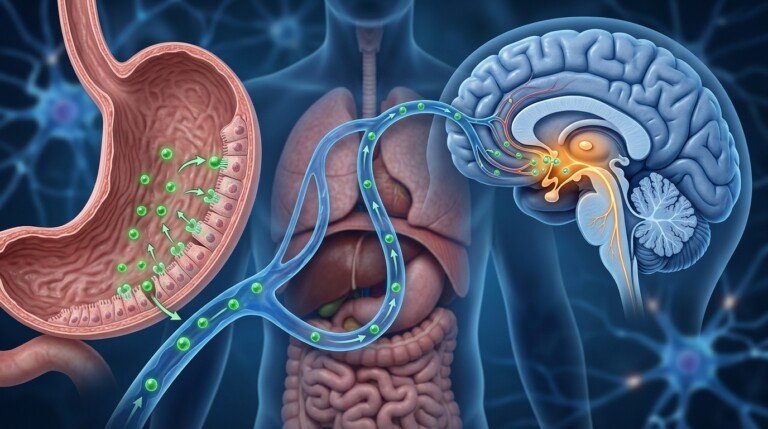
Ghrelin is produced primarily in the stomach before traveling through the bloodstream to the brain.

When levels rise, the hormone communicates with the hypothalamus, the area of the brain responsible for regulating appetite and energy balance.

The result is a familiar feeling of hunger that encourages you to eat.

This process is completely normal and occurs several times throughout the day.

Ghrelin Follows a Daily Rhythm

Unlike hormones that remain relatively stable, ghrelin changes continuously.

Its levels usually:

  • Increase before meals
  • Decline after eating
  • Rise during prolonged fasting
  • Increase during extended calorie restriction

Your body also learns your normal eating schedule.

If you usually eat lunch at noon, ghrelin often begins increasing shortly beforehand, preparing your digestive system for food.

This natural rhythm is explained in greater detail in Ghrelin, where the hormone’s role in appetite regulation is explored more thoroughly.

Modern Habits Can Increase Hunger

Several everyday behaviors may contribute to larger fluctuations in ghrelin.

These include:

  • Poor sleep
  • Skipping meals
  • Extremely restrictive dieting
  • Chronic stress
  • Irregular meal schedules

These habits do not permanently damage appetite hormones, but they may temporarily make hunger more difficult to manage.

Hunger Is Not the Same as Craving

One of the biggest misconceptions about appetite is assuming that all hunger feels the same.

True physical hunger develops gradually and reflects your body’s need for energy.

Cravings, on the other hand, are often influenced by emotions, habits, environment, and food availability.

Although ghrelin contributes to hunger, appetite regulation also involves many other hormones discussed throughout Hunger Hormones.

Healthy Habits Help Regulate Hunger Naturally

The goal is not to suppress hunger completely.

Instead, healthy routines help create steadier appetite signals that make eating patterns easier to manage.

Over time, consistent habits often reduce frequent hunger between meals while improving overall energy levels.


Does Protein Help Lower Ghrelin?

Protein consistently ranks among the most satisfying nutrients in nutrition research.

Compared with meals that contain mostly refined carbohydrates, protein-rich meals generally keep people feeling full for longer while supporting healthier appetite regulation.

Although protein does not permanently lower ghrelin, it influences how quickly hunger returns after eating.

Protein Promotes Longer-Lasting Fullness

After a protein-rich meal, many people notice they stay satisfied for several hours.

Researchers believe protein contributes to greater satiety by influencing multiple appetite-regulating hormones while slowing digestion compared with many processed carbohydrate foods.

This makes protein particularly valuable during weight management.

Protein May Help Reduce Frequent Snacking

When meals are more satisfying, the urge to snack between meals often decreases naturally.

This may make it easier to:

  • Maintain balanced eating habits
  • Reduce unnecessary grazing
  • Avoid frequent cravings
  • Stay within planned calorie intake

Rather than relying on willpower, better meal satisfaction often supports healthier eating patterns automatically.

Good Protein Sources

Nutritious protein options include:

  • Eggs
  • Greek yogurt
  • Chicken
  • Turkey
  • Fish
  • Cottage cheese
  • Tofu
  • Lentils
  • Beans

Including one or more of these foods at each meal may help support steadier appetite throughout the day.

Many additional protein-rich options are discussed in High-Protein Foods That Burn Fat, where practical meal ideas support both satiety and healthy nutrition.

Protein Works Best With Balanced Meals

Protein alone is not enough.

Meals become even more satisfying when protein is combined with:

  • Vegetables
  • Whole grains
  • Healthy fats
  • High-fiber foods

This balanced approach provides steady energy while supporting healthy appetite regulation.


Does Sleep Affect Ghrelin?

Sleep influences almost every aspect of metabolism, including appetite.

Research consistently shows that inadequate sleep may increase hunger while making healthy eating decisions more difficult.

This relationship highlights why quality sleep deserves just as much attention as nutrition.

Poor Sleep May Increase Ghrelin

Several studies have found that insufficient sleep is associated with higher ghrelin levels.

Higher ghrelin may contribute to:

  • Increased hunger
  • Larger appetite
  • More frequent snacking
  • Stronger food cravings

These effects can occur after even one or two nights of poor sleep.

Sleep Also Changes Food Choices

People who are tired often crave foods that provide quick energy.

Common examples include:

  • Sugary foods
  • Refined carbohydrates
  • Sweet drinks
  • Salty snacks
  • Fast food

These choices are influenced by several hormonal and neurological changes rather than simple lack of motivation.

Consistent Sleep Supports Appetite Regulation

Most healthy adults benefit from seven to nine hours of quality sleep each night.

Helpful habits include:

  • Going to bed at similar times
  • Waking consistently
  • Limiting screens before bed
  • Keeping the bedroom cool and quiet

These routines support your body’s natural circadian rhythm and healthier hormone regulation.

The connection between sleep and appetite is also explored in Sleep and Metabolic Health, where sleep’s effects on metabolism are discussed more comprehensively.


Can Exercise Reduce Ghrelin?

Exercise affects appetite differently depending on the type, intensity, and duration of activity.

Rather than permanently lowering ghrelin, physical activity appears to influence hunger in both the short and long term.

Moderate Exercise May Temporarily Reduce Appetite

Many people notice they are not immediately hungry after finishing a workout.

Researchers believe moderate and vigorous exercise may temporarily reduce hunger by influencing appetite hormones, including ghrelin.

This effect is usually short-lived and varies between individuals.

Regular Exercise Supports Long-Term Appetite Control

Although one workout cannot permanently change hormone levels, consistent physical activity supports healthier appetite regulation over time.

Exercise also contributes to:

  • Better body composition
  • Improved sleep
  • Reduced stress
  • Healthier metabolism
  • Better energy balance

These improvements create an environment where appetite often becomes easier to manage naturally.


Which Foods Keep You Feeling Full Longer?

When your goal is How to Reduce Ghrelin Naturally, choosing foods that promote fullness is often more effective than simply eating less. Some foods digest slowly, provide steady energy, and help delay the return of hunger. Others are quickly digested, leaving you hungry again within a short time.

Rather than focusing on one “superfood,” build meals around foods that naturally support satiety through a combination of protein, fiber, and healthy fats.

High-Protein Foods Increase Meal Satisfaction

Protein consistently ranks among the most filling nutrients.

Including protein with each meal helps slow digestion while promoting longer-lasting fullness.

Excellent choices include:

  • Eggs
  • Fish
  • Chicken
  • Turkey
  • Greek yogurt
  • Cottage cheese
  • Lentils
  • Beans
  • Tofu

Starting the day with a protein-rich breakfast may also reduce hunger later in the morning. Balanced breakfast ideas can be found in Best Breakfast for Weight Loss, where meal composition is designed to support sustained energy and fullness.

Fiber Helps Slow Digestion

Fiber absorbs water and slows the movement of food through the digestive system.

This often helps meals remain satisfying for longer.

Good sources include:

  • Oats
  • Vegetables
  • Fruits
  • Legumes
  • Whole grains
  • Chia seeds
  • Flaxseeds

High-fiber foods also support digestive health while encouraging more stable appetite throughout the day.

Healthy Fats Add Lasting Satisfaction

Healthy fats digest more slowly than refined carbohydrates.

Including moderate portions of foods such as:

  • Avocados
  • Olive oil
  • Almonds
  • Walnuts
  • Pumpkin seeds

can make meals more satisfying without requiring large portion sizes.

Healthy fats work best when combined with protein and fiber rather than eaten alone.

Whole Foods Usually Keep You Fuller

Highly processed foods are often low in fiber and protein while being easy to eat quickly.

Whole foods generally require more chewing, digest more slowly, and provide greater nutritional value.

Choosing minimally processed foods most of the time supports healthier eating patterns while naturally helping control hunger.

Healthy snack ideas built around these principles are included in Healthy Snacks for Weight Loss, where balanced combinations help reduce unnecessary cravings between meals.


Does Drinking Water Help Control Hunger?

Water is often recommended for appetite control, but its role is frequently misunderstood.

Drinking water does not directly reduce ghrelin production or permanently suppress appetite. However, staying well hydrated supports normal body function and may help some people better recognize the difference between thirst and hunger.

Mild Dehydration Can Feel Like Hunger

The body’s signals for thirst and hunger sometimes feel similar.

As a result, mild dehydration may occasionally be mistaken for a need to eat.

Drinking water regularly throughout the day helps maintain hydration while reducing the likelihood of confusing these sensations.

Water Before Meals May Support Portion Control

Some research suggests that drinking water shortly before meals may help certain individuals feel comfortably full sooner during eating.

This does not mean water replaces food.

Instead, it may support mindful eating by slowing the pace of meals and encouraging better awareness of fullness.

Hydration Supports Overall Health

Water contributes to many essential processes, including:

  • Digestion
  • Nutrient transport
  • Temperature regulation
  • Physical performance
  • Cognitive function

Supporting these systems indirectly contributes to healthier eating habits and overall well-being.

Avoid Sugary Drinks

Replacing water with sugar-sweetened beverages may increase overall calorie intake without providing lasting fullness.

Choosing water, sparkling water without added sugar, or unsweetened beverages most often supports healthier dietary patterns.


What Daily Habits Help Keep Ghrelin Under Control?

Managing How to Reduce Ghrelin Naturally is less about finding one perfect habit and more about building consistent routines that support healthy appetite regulation.

Small behaviors repeated every day often have a greater long-term impact than dramatic changes that only last a few weeks.

Follow a Consistent Meal Schedule

Eating meals at relatively consistent times helps your body establish predictable hunger patterns.

Irregular eating schedules may cause hunger to feel more intense for some people.

Choose a routine that fits your lifestyle and try to maintain it most days of the week.

Avoid Extremely Restrictive Diets

Severely restricting calories often causes hunger to increase over time.

Very low-calorie diets may make healthy eating progressively harder because the body naturally responds by encouraging food intake.

A moderate calorie deficit supported by balanced meals is generally easier to maintain.

Eat Slowly

It takes time for fullness signals to reach the brain.

Eating slowly allows your body more opportunity to recognize satisfaction before consuming excess food.

Simple strategies include:

  • Chewing thoroughly
  • Putting utensils down between bites
  • Minimizing distractions during meals
  • Paying attention to fullness

Plan Balanced Meals

Meals containing:

  • Lean protein
  • High-fiber carbohydrates
  • Healthy fats
  • Plenty of vegetables

often provide the most lasting satisfaction.

Balanced eating reduces the likelihood of becoming excessively hungry later in the day.

Foods that naturally support fullness are also discussed in Natural Appetite Suppressants, where whole-food approaches to appetite management are emphasized instead of quick fixes.

Stay Active Every Day

Daily movement does not need to involve intense workouts.

Simple activities such as:

  • Walking
  • Gardening
  • Cycling
  • Housework
  • Taking the stairs

help support healthy metabolism while contributing to better appetite regulation.

Consistency matters much more than perfection.

Manage Stress

Stress can influence eating behaviors in ways that have little to do with physical hunger.

Healthy stress-management practices such as deep breathing, meditation, spending time outdoors, or engaging in enjoyable hobbies may help reduce emotional eating and improve awareness of genuine hunger.


Frequently Asked Questions

1. Can you reduce ghrelin naturally?

Yes. Healthy habits such as eating enough protein, choosing high-fiber foods, getting adequate sleep, staying physically active, maintaining regular meal times, and avoiding extreme calorie restriction can help support healthier ghrelin regulation.

2. Does protein lower ghrelin?

Protein-rich meals often help reduce hunger after eating by promoting greater satiety and slowing digestion. While protein does not permanently lower ghrelin, it can delay the return of hunger.

3. Does drinking water reduce hunger?

Water does not directly lower ghrelin, but staying hydrated may help distinguish thirst from hunger and support mindful eating.

4. Can poor sleep increase ghrelin?

Yes. Research suggests that inadequate sleep is associated with higher ghrelin levels, which may increase appetite and food cravings the following day.

5. What foods help control hunger naturally?

Meals that combine lean protein, fiber-rich vegetables, fruits, whole grains, legumes, and healthy fats generally provide the greatest satisfaction and help keep hunger under control.


Final Thoughts

Learning How to Reduce Ghrelin Naturally is not about eliminating hunger. Ghrelin is an essential hormone that reminds your body when it needs energy. The goal is to support healthy appetite regulation so that hunger feels predictable, manageable, and aligned with your body’s actual needs.

The strongest scientific evidence points toward simple, sustainable lifestyle habits rather than quick fixes. Eating balanced meals rich in protein and fiber, drinking enough water, getting seven to nine hours of quality sleep, staying physically active, following regular meal times, and managing stress all work together to create healthier hunger patterns.

Most importantly, focus on consistency instead of perfection. You do not need to change everything at once. Small habits practiced every day are far more effective than extreme diets or restrictive eating plans. Over time, these routines can help improve appetite control, reduce unnecessary cravings, and support long-term weight management while promoting better overall health.


Disclaimer:

This post may contain affiliate links. If you purchase through them, we may earn a small commission at no extra cost to you. Also, this content is for informational purposes only and does not substitute professional medical advice.

What Is Ghrelin? Why the Hunger Hormone Makes You Feel Hungry

Have you ever noticed that your stomach starts growling just before lunchtime, even if you’re busy and not thinking about food? Or perhaps you’ve experienced intense hunger after skipping breakfast or following a strict diet. These sensations are largely influenced by Ghrelin, often called the body’s hunger hormone.

Ghrelin is one of the primary hormones responsible for telling your brain that it’s time to eat. Produced mainly in the stomach, it rises before meals and falls after eating, helping regulate appetite and maintain the body’s energy balance. While hunger may seem like a simple feeling, it is actually the result of an intricate communication system involving your stomach, brain, digestive tract, and several hormones working together.

Unlike hormones that promote fullness, ghrelin acts as your body’s natural reminder that energy stores need replenishing. This mechanism evolved to help humans survive during times when food was scarce. Today, however, modern lifestyles, irregular meal schedules, poor sleep, chronic stress, and restrictive dieting can all influence ghrelin levels, making appetite more difficult to manage.

Understanding ghrelin also helps explain why maintaining weight loss can feel challenging. During prolonged calorie restriction, ghrelin often increases, encouraging you to eat more as your body attempts to protect its energy reserves. This biological response is completely normal and should not be mistaken for a lack of self-control.

Fortunately, healthy lifestyle habits can support more stable hunger signals. Regular meal patterns, balanced nutrition, quality sleep, physical activity, and effective stress management all contribute to healthier appetite regulation over time.

Learning how ghrelin works allows you to better understand your body’s natural hunger signals rather than constantly fighting against them. Instead of viewing hunger as something negative, you can recognize it as an important biological process that helps maintain overall health.

In this article, you’ll learn what Ghrelin is, why it makes you feel hungry, when its levels naturally rise, how it influences weight loss, which daily habits may help regulate it, how sleep affects ghrelin production, and whether exercise changes hunger hormone levels.


Why Is Ghrelin Known as the Hunger Hormone?

Among all the hormones involved in appetite regulation, ghrelin is the one most closely associated with hunger. Its primary role is to let your brain know when your body needs more energy, encouraging you to seek food before energy stores become too low.

Unlike hormones that reflect long-term energy reserves, ghrelin responds rapidly to your daily eating patterns. Its levels naturally fluctuate throughout the day, rising before meals and falling once you’ve eaten.

Because of this predictable pattern, ghrelin is often referred to as the body’s internal meal timer.

Ghrelin Is Produced Mainly in the Stomach

Most ghrelin is produced by specialized cells lining the stomach.

Smaller amounts are also produced in other tissues, but the stomach remains its primary source.

Once released into the bloodstream, ghrelin travels to the brain, where it communicates with areas involved in appetite regulation.

This continuous communication helps coordinate hunger with the body’s energy needs.

The Brain Responds to Ghrelin Signals

After entering the bloodstream, ghrelin reaches the hypothalamus, the region of the brain responsible for regulating:

  • Hunger
  • Energy balance
  • Body temperature
  • Hormones
  • Sleep and wake cycles
  • Metabolism

When ghrelin levels rise, the hypothalamus responds by increasing the sensation of hunger.

This biological process encourages eating before energy stores become depleted.

Ghrelin Supports Survival

From an evolutionary perspective, ghrelin plays an essential role.

Without reliable hunger signals, humans would struggle to consume enough food to support survival.

The hormone helps ensure that energy intake generally matches energy expenditure over time.

Although today’s food environment is very different from that of our ancestors, this biological system continues functioning in much the same way.

Hunger Is More Than an Empty Stomach

Many people believe hunger begins only when the stomach is empty.

In reality, hunger develops through communication between multiple body systems.

Besides stomach fullness, appetite is influenced by:

  • Hormones
  • Meal timing
  • Sleep
  • Stress
  • Physical activity
  • Blood sugar regulation
  • Previous calorie intake

Ghrelin is one important part of this larger appetite-regulation network discussed throughout Hunger Hormones, where multiple hormones work together to regulate food intake.

Ghrelin Helps Regulate Meal Timing

One interesting characteristic of ghrelin is that it adapts to routine.

If you regularly eat lunch at noon, ghrelin often begins rising shortly before that time.

This learned response explains why many people feel hungry according to their normal schedule, even if they recently ate a snack.

Your body gradually learns expected meal times and adjusts hormone production accordingly.


Why Does Ghrelin Make You Feel Hungry?

Although ghrelin is commonly called the hunger hormone, its role extends beyond simply making your stomach growl.

It influences several brain systems that encourage eating while helping maintain long-term energy balance.

Ghrelin Activates Appetite Centers

When ghrelin reaches the hypothalamus, it stimulates neurons involved in appetite.

This increases:

  • Hunger sensations
  • Thoughts about food
  • Interest in eating
  • Motivation to find food

These responses prepare the body to replenish its energy stores.

It May Increase Food Reward

Research suggests ghrelin may also influence reward pathways within the brain.

As hunger increases, foods often become:

  • More appealing
  • More enjoyable
  • More satisfying

This biological response helped early humans seek food efficiently whenever energy became scarce.

Today, however, it may also contribute to stronger cravings for highly palatable foods during periods of intense hunger.

Ghrelin Falls After Eating

One of ghrelin’s defining characteristics is how quickly it changes after meals.

Following food intake:

  • Ghrelin production decreases.
  • Hunger gradually subsides.
  • The brain begins receiving fullness signals from several digestive hormones.

Exactly how much ghrelin falls depends partly on meal size and composition.

Meals containing adequate protein and fiber often promote longer-lasting satiety than meals composed primarily of refined carbohydrates.

Meal Timing Influences Ghrelin

Your eating schedule strongly influences daily ghrelin patterns.

People who consistently eat meals at similar times often develop predictable rises and falls in ghrelin throughout the day.

Frequent meal skipping or highly irregular eating schedules may alter these natural patterns.

This explains why changes in routine sometimes temporarily affect appetite.


When Are Ghrelin Levels Highest?

Ghrelin follows a predictable daily rhythm.

Instead of remaining constant, it rises and falls according to your body’s expected energy needs.

Understanding these patterns helps explain why hunger feels stronger at certain times of day.

Before Meals

For most people, ghrelin reaches one of its highest points shortly before eating.

This rise encourages food intake while preparing the digestive system for the upcoming meal.

If lunch is delayed, ghrelin may continue increasing until food becomes available.

During Prolonged Fasting

Extended periods without food generally cause ghrelin levels to increase.

This is one reason fasting often becomes more challenging during the early stages.

Interestingly, hunger usually comes in waves rather than increasing continuously.

Many people practicing Intermittent Fasting Weight Loss notice that hunger often rises around habitual meal times before gradually subsiding again.

During Calorie Restriction

Long-term calorie restriction often leads to persistently higher ghrelin production.

Researchers believe this represents one of the body’s protective mechanisms designed to encourage restoration of lost energy stores.

This is why maintaining weight loss often requires ongoing attention to sustainable lifestyle habits rather than relying on willpower alone.

Sleep Deprivation May Increase Ghrelin

Poor sleep is another factor associated with changes in appetite hormones.

Research suggests inadequate sleep may increase ghrelin while simultaneously affecting several other hormones involved in appetite regulation.

Many people therefore notice stronger hunger following nights of insufficient sleep.


Can Ghrelin Affect Weight Loss?

One reason weight loss becomes progressively more difficult is that the body actively responds to reduced calorie intake.

Ghrelin plays an important role in this adaptation.

Weight Loss Often Increases Ghrelin

As body weight decreases, ghrelin production commonly increases.

This heightened hunger is not a sign that your diet has failed.

Instead, it reflects the body’s attempt to restore its previous energy stores.

Hunger May Persist Even After Weight Loss

For some individuals, increased appetite continues even after significant weight loss has been achieved.

Researchers believe this represents one reason maintaining weight loss may be more difficult than initially losing it.

Sustainable Weight Loss Works Better

Gradual weight loss supported by balanced nutrition, regular physical activity, and realistic habits is generally easier to maintain than aggressive calorie restriction.

This approach helps minimize many of the intense hunger signals associated with highly restrictive diets.

The influence of stress, eating behaviors, and biological responses during weight management is explored further in Stress and Weight Loss, where long-term lifestyle strategies are emphasized instead of quick fixes.


Which Daily Habits Help Lower Ghrelin Naturally?

Because Ghrelin is designed to protect your body’s energy balance, it should not be viewed as a hormone that needs to be eliminated. Feeling hungry is both normal and healthy. The goal is not to stop hunger completely but to support more stable ghrelin patterns so that appetite feels manageable rather than overwhelming.

Fortunately, several everyday habits can help regulate ghrelin naturally without relying on extreme dieting or unrealistic routines.

Eat Enough Protein at Each Meal

Protein is one of the most satisfying nutrients you can eat.

Meals that include adequate protein often help reduce hunger for longer than meals that are primarily made up of refined carbohydrates.

Good protein sources include:

  • Eggs
  • Greek yogurt
  • Fish
  • Chicken
  • Turkey
  • Lentils
  • Beans
  • Tofu
  • Cottage cheese

Including protein at breakfast may be especially helpful because it can support satiety throughout the morning.

Don’t Skip Meals Regularly

Occasionally delaying a meal is unlikely to cause problems, but frequently skipping meals may lead to larger increases in ghrelin for some people.

Long gaps between meals can make hunger more intense, increasing the likelihood of overeating later in the day.

Rather than eating constantly, aim for a meal pattern that fits your lifestyle while allowing you to stay comfortably satisfied.

Choose High-Fiber Foods

Fiber slows digestion and helps meals remain satisfying for longer.

Foods naturally rich in fiber include:

  • Vegetables
  • Fruits
  • Whole grains
  • Oats
  • Legumes
  • Chia seeds
  • Flaxseeds

These foods support steady digestion while helping reduce rapid hunger between meals.

Stay Well Hydrated

Although water does not directly reduce ghrelin production, mild dehydration may sometimes be mistaken for hunger.

Drinking water regularly throughout the day supports overall health and may help you distinguish between thirst and true hunger.

Hydration works best alongside balanced meals rather than replacing food.

Avoid Highly Restrictive Diets

One of the biggest triggers for persistently elevated ghrelin is prolonged severe calorie restriction.

Very low-calorie diets may increase hunger hormones while making healthy eating progressively harder to maintain.

A moderate calorie deficit supported by nutritious meals is generally far more sustainable than aggressive dieting.


Does Sleep Influence Ghrelin Levels?

Among all lifestyle habits, sleep is one of the strongest regulators of appetite hormones.

Even one or two nights of inadequate sleep can influence how hungry you feel the following day.

Researchers continue studying this relationship, but consistent evidence suggests that poor sleep affects several hormones involved in appetite regulation, including ghrelin.

Less Sleep May Increase Hunger

Studies have found that insufficient sleep is often associated with higher ghrelin levels.

As ghrelin rises, many people experience:

  • Increased appetite
  • More frequent hunger
  • Greater interest in food
  • Stronger cravings

These changes may occur even when your body’s actual energy needs have not changed significantly.

Sleep Influences Food Choices

Sleep affects more than hunger alone.

When people are tired, they often find highly processed, energy-dense foods more appealing.

Common cravings after poor sleep include:

  • Sugary snacks
  • Refined carbohydrates
  • Salty foods
  • Fast food
  • Sweet beverages

Although everyone responds differently, inadequate sleep may make healthy food choices feel more difficult.

Quality Matters as Much as Quantity

Sleeping for eight hours is helpful, but uninterrupted, restorative sleep is equally important.

Healthy sleep habits include:

  • Going to bed at consistent times
  • Limiting screen exposure before bedtime
  • Keeping the bedroom cool and dark
  • Maintaining a regular sleep schedule

These routines support the body’s natural circadian rhythm, which influences many hormones involved in metabolism and appetite.

The broader relationship between sleep, metabolism, and hormone regulation is explored further in Sleep and Metabolic Health, where sleep’s role in overall metabolic function is discussed in greater detail.

Recovery Supports Appetite Regulation

Sleep allows your body to recover from physical and mental demands.

Well-rested individuals often find it easier to:

  • Maintain consistent eating habits
  • Exercise regularly
  • Manage stress
  • Recognize natural hunger signals

These indirect benefits further support healthy appetite regulation over time.


Can Exercise Change Ghrelin Levels?

Exercise influences many aspects of metabolic health, including appetite regulation.

However, the relationship between physical activity and ghrelin is more complex than many people realize.

Different types of exercise may affect hunger differently depending on intensity, duration, fitness level, and individual biology.

Moderate Exercise May Temporarily Reduce Hunger

Many people notice they feel less hungry immediately after moderate or vigorous exercise.

Researchers believe this temporary effect may be related to short-term hormonal changes, including alterations in ghrelin and other appetite-regulating hormones.

This reduction in appetite is usually temporary and varies from person to person.

Long-Term Activity Supports Healthier Appetite Regulation

Regular physical activity offers benefits that extend far beyond calorie burning.

Consistent exercise supports:

  • Healthy body composition
  • Improved insulin sensitivity
  • Better cardiovascular fitness
  • Stress reduction
  • Improved sleep quality

Together, these improvements create an environment that supports healthier hormone regulation over time.

Strength Training Helps Preserve Muscle

Resistance training helps maintain lean muscle mass during weight management.

Maintaining muscle supports overall metabolic health while encouraging sustainable lifestyle habits.

Examples include:

  • Bodyweight exercises
  • Resistance bands
  • Dumbbell workouts
  • Machine-based strength training

Although strength training does not directly “turn off” ghrelin, it contributes to healthier long-term energy balance.

Exercise Should Support, Not Punish

One common mistake is using exercise solely to “earn” food.

Viewing physical activity as punishment often creates an unhealthy relationship with both exercise and eating.

Instead, choose activities you genuinely enjoy, such as:

  • Walking
  • Cycling
  • Swimming
  • Dancing
  • Hiking
  • Recreational sports

Enjoyable movement is much easier to maintain throughout life than exercise you dislike.


Frequently Asked Questions

1. What is ghrelin?

Ghrelin is a hormone produced mainly in the stomach that signals the brain when it’s time to eat. Because it stimulates appetite, it is commonly known as the hunger hormone.

2. Why does ghrelin make you feel hungry?

Ghrelin rises before meals and communicates with the hypothalamus in the brain, increasing hunger and encouraging food intake when your body needs energy.

3. When are ghrelin levels highest?

Ghrelin is typically highest before meals, during extended periods without food, after prolonged calorie restriction, and may also increase after inadequate sleep.

4. Can lifestyle habits reduce ghrelin naturally?

Yes. Eating balanced meals with adequate protein and fiber, maintaining regular meal timing, getting enough sleep, staying physically active, and avoiding extreme calorie restriction all help support healthier ghrelin regulation.

5. Does exercise affect ghrelin?

Exercise may temporarily reduce appetite after some workouts, while regular physical activity supports overall metabolic health and healthier appetite regulation over time.


Final Thoughts

Ghrelin is an essential hormone that helps your body maintain energy balance by signaling when it’s time to eat. Rather than being something to eliminate, it serves an important biological purpose by protecting your body’s energy needs and encouraging regular food intake.

Understanding how ghrelin works also explains why hunger often increases during prolonged dieting, after poor sleep, or during periods of irregular eating. These responses are normal physiological adaptations—not signs of weak willpower.

The good news is that healthy daily habits can support more stable hunger signals. Eating balanced meals rich in protein and fiber, maintaining consistent meal timing, prioritizing quality sleep, managing stress, and staying physically active all contribute to healthier appetite regulation over time.

Instead of fighting your body’s hunger signals, learning to understand them allows you to build a healthier relationship with food. Combined with sustainable lifestyle habits, this approach supports long-term weight management, better metabolic health, and improved overall well-being.


Disclaimer:

This post may contain affiliate links. If you purchase through them, we may earn a small commission at no extra cost to you. Also, this content is for informational purposes only and does not substitute professional medical advice.

Exit mobile version