Does Thyroid Disease Affect Metabolism? Understanding the Connection
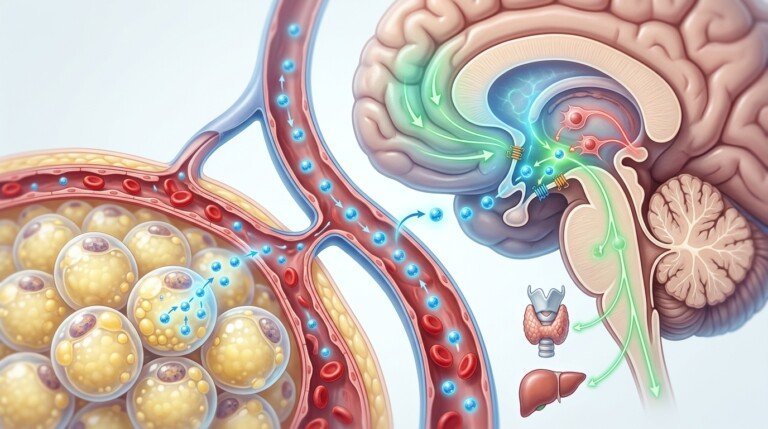
If you’ve ever struggled with unexplained weight changes, persistent fatigue, or feeling like your body simply isn’t working the way it used to, you may have wondered whether your thyroid is involved. The thyroid is a small gland located at the front of your neck, but its influence reaches almost every cell in your body.
The connection between Thyroid and Metabolism is one of the most researched topics in endocrinology. Thyroid hormones help regulate how efficiently your body converts food into energy, how quickly your cells perform their daily functions, and how many calories you burn at rest. When thyroid hormone levels become too low or too high, metabolism often changes as well.
Although thyroid disorders can influence metabolic rate, they are not responsible for every case of weight gain or weight loss. Many people assume a slow metabolism automatically means they have a thyroid problem, but the relationship is far more complex.
In this article, you’ll learn how the thyroid influences metabolism, the differences between hypothyroidism and hyperthyroidism, the roles of T3, T4, and TSH, and when thyroid-related metabolic changes should be evaluated by a healthcare professional.
Quick Answer
Thyroid and Metabolism are closely connected because thyroid hormones regulate how quickly your body uses energy. Low thyroid hormone levels can reduce metabolic rate, while excessive thyroid hormone levels can increase it. However, thyroid disorders are only one of many factors that influence metabolism, and unexplained weight changes should always be evaluated in the context of overall health.
How Does Thyroid and Metabolism Work Together Every Day?
Imagine your metabolism as an orchestra.
Every organ performs its own task, but someone must coordinate the entire performance.
Your thyroid acts much like that conductor.
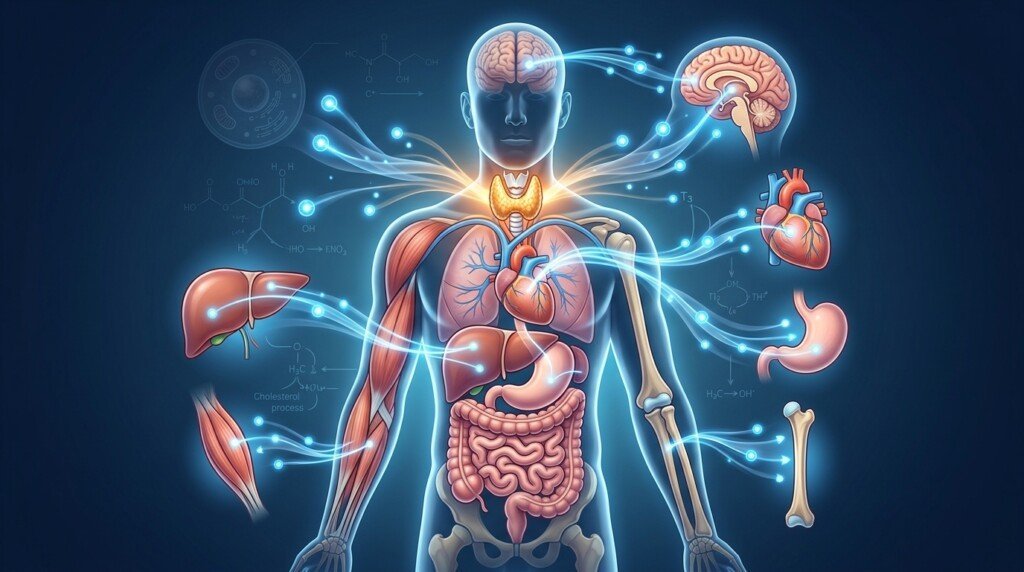
Rather than producing energy itself, the thyroid releases hormones that tell cells throughout the body how actively they should work.
Meet Your Body’s Metabolic Control Center
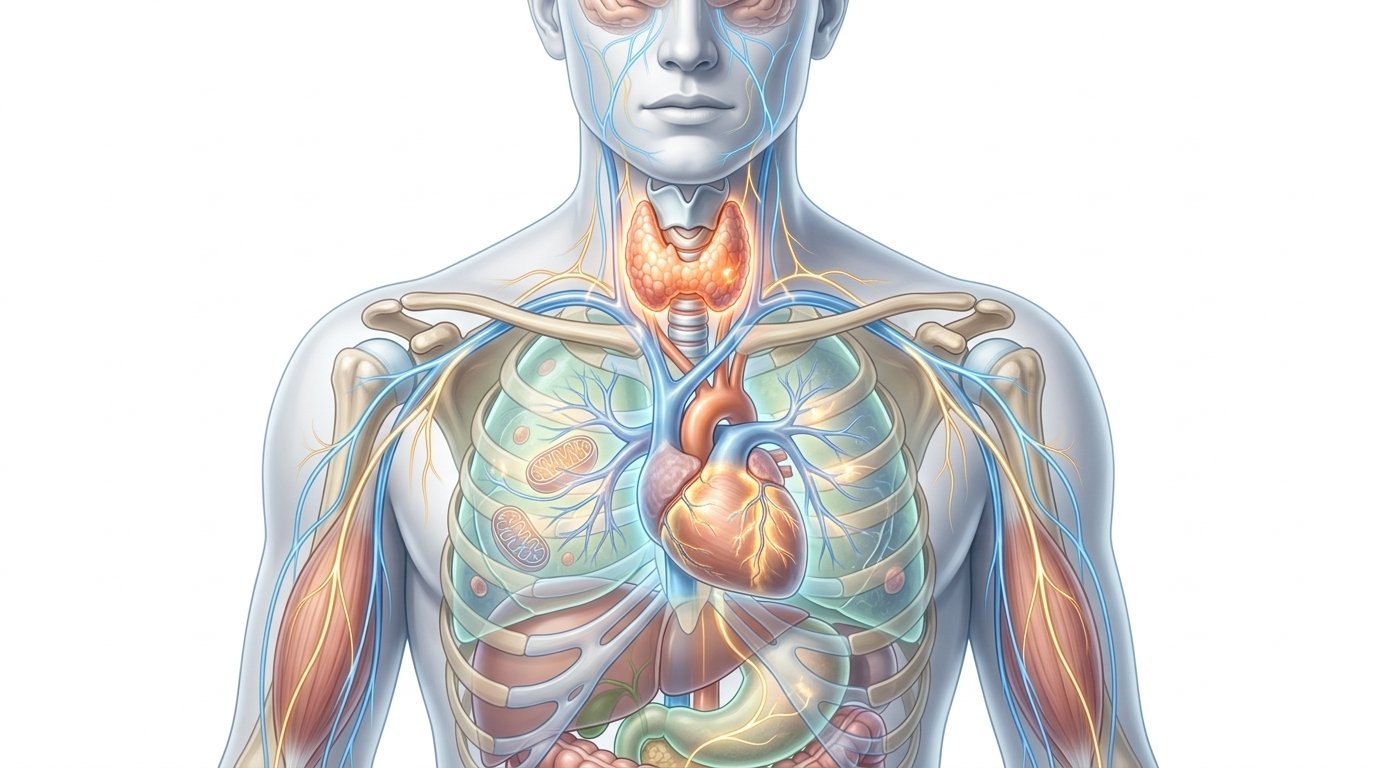
The thyroid is a butterfly-shaped gland located just below the voice box.
Although small, it influences nearly every organ by helping regulate:
- Energy production
- Heat generation
- Heart rate
- Digestion
- Brain function
- Muscle activity
- Growth and development
Because these systems require energy, thyroid hormones have a direct impact on metabolism.
Your Cells Listen to Thyroid Hormones
Every day, trillions of cells perform countless chemical reactions.
Thyroid hormones help determine how quickly many of those reactions occur.
When hormone levels remain balanced, your body maintains stable energy production.
When those levels become too high or too low, metabolism may change.
Readers interested in the broader picture of how the body uses energy may also benefit from Metabolism, which explains the many systems involved in calorie expenditure.
What Do T3, T4, and TSH Actually Do?
The names T3, T4, and TSH often appear on blood test results, yet many people have little idea what they actually mean.
Fortunately, their roles become much easier to understand when viewed as a communication system.
T4: The Main Hormone Produced by the Thyroid
The thyroid gland primarily produces thyroxine, commonly called T4.
T4 serves as the body’s main supply of thyroid hormone.
By itself, however, T4 is relatively inactive.
Instead, it functions as a hormone reserve that can later be converted into a more active form.
T3: The Active Hormone
Much of the T4 produced by the thyroid is converted into triiodothyronine, or T3.
T3 is the hormone that directly influences cellular activity.
It helps regulate:
- Energy production
- Oxygen use
- Heat generation
- Protein synthesis
- Fat and carbohydrate metabolism
Because T3 acts directly on cells, even small changes in its level may influence metabolism.
TSH: The Messenger
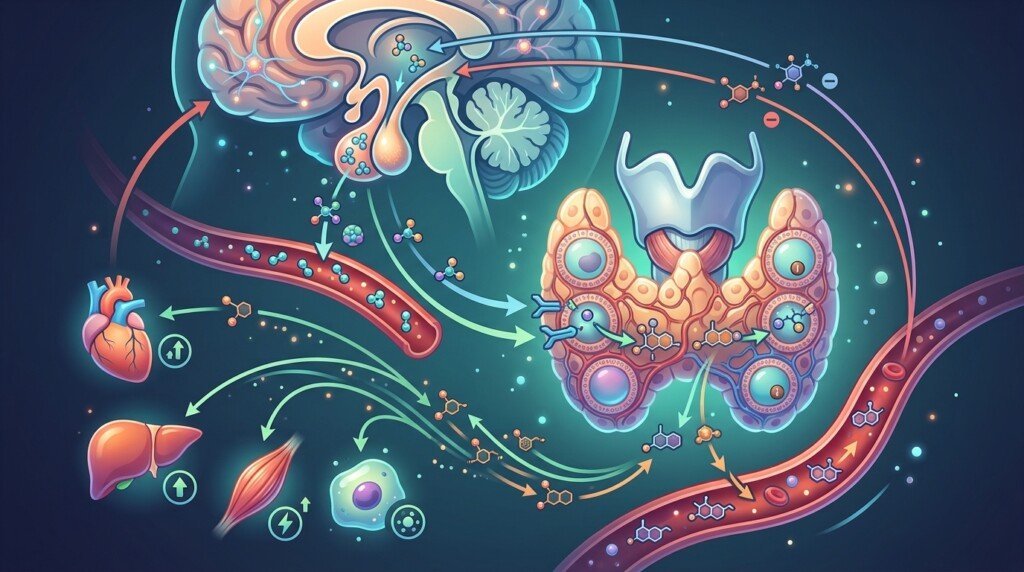
The third hormone, thyroid-stimulating hormone (TSH), is produced by the pituitary gland in the brain.
Rather than acting on body tissues directly, TSH tells the thyroid how much hormone to produce.
Think of it as a communication signal.
If thyroid hormone levels become low, TSH usually rises to encourage the thyroid to produce more hormones.
If thyroid hormone levels become high, TSH typically decreases.
Together, TSH, T4, and T3 form a carefully balanced feedback system.
Can Hypothyroidism Slow Your Metabolism?
Yes.
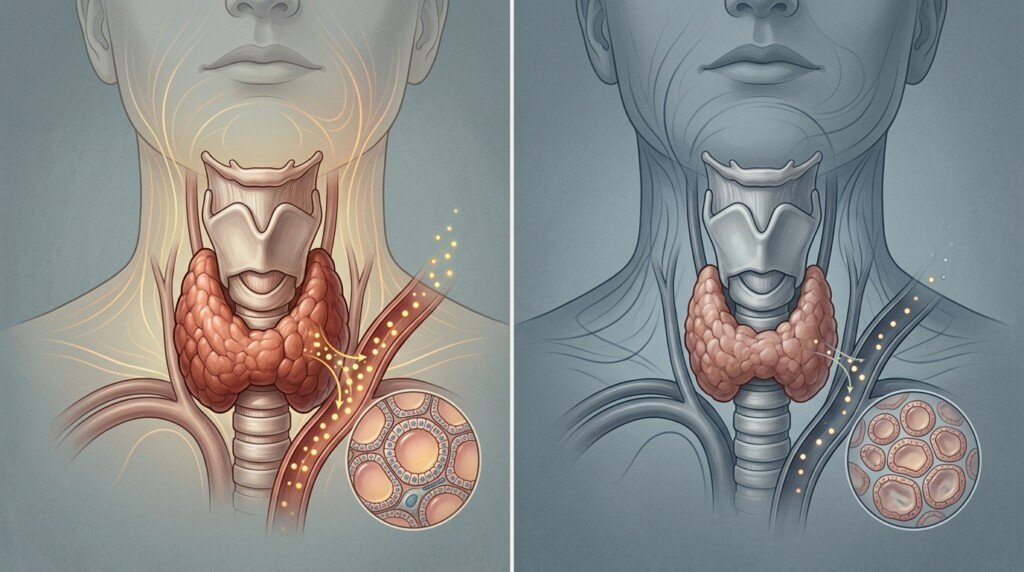
Hypothyroidism occurs when the thyroid does not produce enough hormone to meet the body’s needs.
Because thyroid hormones regulate energy use, reduced hormone production generally slows many metabolic processes.
Why Reduced Thyroid Hormones Affect Energy Use
When thyroid hormone levels decline, cells perform many functions more slowly.
This may reduce:
- Resting energy expenditure
- Heat production
- Overall metabolic activity
As a result, fewer calories may be burned during normal daily functioning.
Slower Metabolism Does Not Mean Weight Gain Happens Overnight
One common misconception is that hypothyroidism causes rapid or severe weight gain by itself.
In reality, weight changes associated with hypothyroidism are usually influenced by multiple factors, including:
- Reduced calorie expenditure
- Fluid retention
- Changes in physical activity
- Appetite
- Overall health
The thyroid is only one part of a much larger metabolic system.
Every Person Experiences It Differently
Some individuals develop noticeable metabolic changes.
Others experience relatively mild effects.
The severity often depends on:
- Hormone levels
- Duration of the condition
- Age
- General health
- Appropriate medical treatment
Readers interested in additional causes of reduced metabolic activity may also find What Causes Slow Metabolism useful because thyroid disorders represent only one possible explanation.
Healthy Thyroid vs Hypothyroidism
| Healthy Thyroid Function | Hypothyroidism |
|---|---|
| Normal T3 and T4 production | Reduced thyroid hormone production |
| Balanced metabolic activity | Slower metabolic processes |
| Normal resting energy expenditure | Reduced resting energy expenditure |
| Stable hormone feedback | Elevated TSH is common |
| Efficient energy regulation | Lower cellular energy use |
The important point is that hypothyroidism slows metabolism because thyroid hormones regulate cellular activity throughout the body. It does not “turn off” metabolism, nor does it explain every case of weight gain or fatigue.
Can Hyperthyroidism Speed Up Metabolism?
Yes.
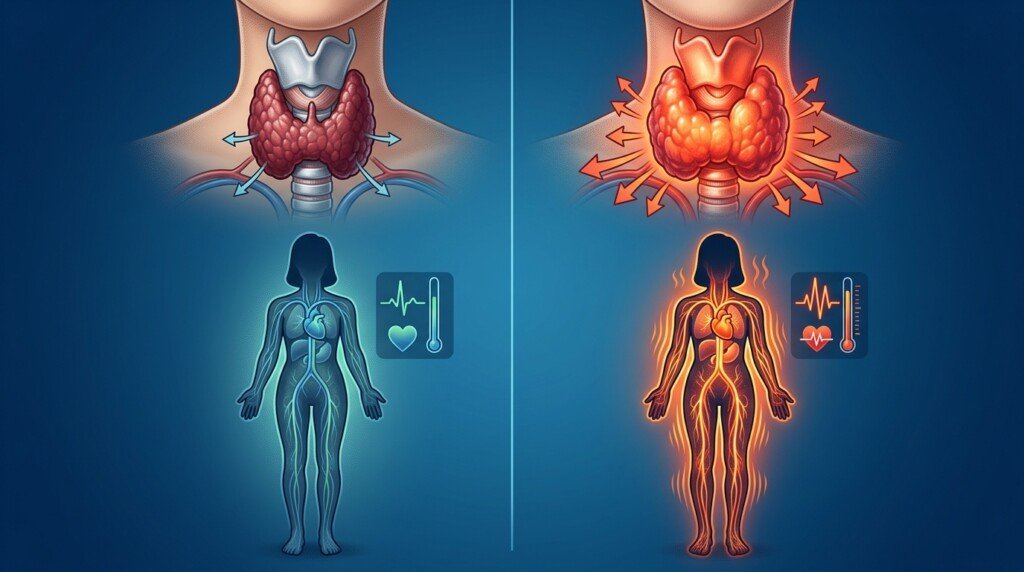
While hypothyroidism generally slows metabolism, hyperthyroidism has the opposite effect. This condition occurs when the thyroid produces more hormone than the body requires, causing many physiological processes to speed up.
Think of it as increasing the engine speed in a car. The engine still works the same way, but it consumes fuel much faster.
Why Excess Thyroid Hormones Increase Energy Use
Higher levels of T3 and T4 stimulate cells throughout the body to work more rapidly.
As a result, many processes accelerate, including:
- Energy production
- Oxygen consumption
- Heat generation
- Heart rate
- Resting energy expenditure
Because cells are working harder, the body burns more calories than usual.
Faster Metabolism Does Not Automatically Mean Better Health
Many people assume a faster metabolism is always beneficial.
That is not the case.
Although calorie expenditure may increase, hyperthyroidism places extra demands on nearly every organ system. The body is essentially operating in an overactive state, which can eventually lead to complications if left untreated.
A healthy metabolism is one that remains balanced rather than excessively fast or excessively slow.
Weight Loss Is Not Always Healthy Weight Loss
People with hyperthyroidism sometimes experience unintended weight loss because their bodies burn energy at an unusually rapid rate.
However, this does not represent healthy fat loss.
Depending on the severity of the condition, weight loss may involve:
- Fat stores
- Lean muscle tissue
- Water weight
This is one reason unexplained weight loss should never be viewed as a positive sign without understanding its underlying cause.
What Are the Common Signs of Thyroid-Related Metabolism Problems?
The thyroid influences many systems throughout the body, so changes in thyroid hormone levels may affect more than body weight alone.
It is important to remember that these signs are not unique to thyroid disease. Many other health conditions can produce similar symptoms.

Possible Signs Associated With Hypothyroidism
When thyroid hormone levels are too low, people may experience:
- Persistent fatigue
- Feeling unusually cold
- Unexplained weight gain
- Dry skin
- Constipation
- Slower thinking
- Reduced exercise tolerance
These symptoms develop because many metabolic processes slow down.
Possible Signs Associated With Hyperthyroidism
When thyroid hormone levels become too high, people may notice:
- Unexplained weight loss
- Feeling unusually warm
- Increased heart rate
- Tremors
- Nervousness
- Frequent sweating
- Difficulty sleeping
Again, these symptoms are not exclusive to thyroid disease and require proper medical evaluation.
Readers looking for broader discussions of reduced metabolic function may also find Signs of a Slow Metabolism helpful, since thyroid disease represents only one possible cause.
Can Thyroid Treatment Restore Metabolism?
In many cases, appropriate treatment helps normalize thyroid hormone levels, allowing metabolism to move closer to its usual rate.
Exactly how much improvement occurs depends on the individual and the underlying thyroid condition.
The Goal Is Hormone Balance
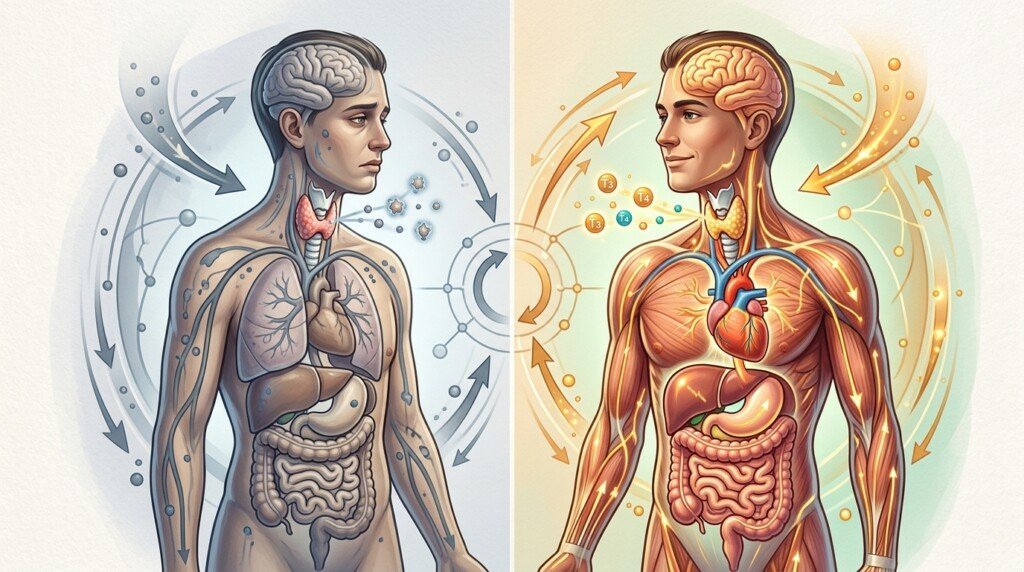
Treatment focuses on restoring normal hormone levels rather than making metabolism unusually fast.
Once thyroid hormones return to an appropriate range, many metabolic processes also begin returning toward normal function.
Recovery Takes Time
Metabolism does not usually change overnight.
Cells throughout the body gradually respond as hormone levels stabilize.
This process varies from person to person depending on:
- Underlying diagnosis
- Treatment plan
- Overall health
- Response to therapy
Treatment Is Not a Weight-Loss Medication
Some people expect thyroid treatment to produce rapid weight loss.
In reality, restoring normal thyroid function simply helps metabolism operate more normally.
Long-term weight management still depends on factors such as:
- Nutrition
- Physical activity
- Daily movement
- Body composition
- Overall health
Should Everyone With Weight Gain Get Their Thyroid Checked?
This is one of the most common questions healthcare professionals receive.
The answer is no.

Weight Gain Has Many Possible Causes
Although thyroid disorders can influence body weight, they represent only one possible explanation.
Other contributing factors include:
- Aging
- Reduced physical activity
- Changes in body composition
- Certain medications
- Dietary habits
- Chronic stress
- Sleep quality
For many people, weight gain occurs without any thyroid disorder.
When Testing May Be Appropriate
Healthcare professionals consider thyroid evaluation when weight changes occur alongside other findings that suggest thyroid dysfunction.
Rather than assuming the thyroid is responsible, clinicians evaluate the complete medical picture before recommending testing.
Readers interested in understanding metabolic evaluation may also explore Metabolism Test, which explains various approaches to assessing metabolic function.
When Should You Speak With a Healthcare Professional?
Occasional weight fluctuations are common and usually have many possible explanations.
However, medical evaluation becomes important when metabolic changes are persistent, unexplained, or accompanied by additional symptoms.
You should consider discussing your concerns with a healthcare professional if you experience:
- Unexplained weight gain or weight loss.
- Persistent fatigue.
- Changes in heart rate.
- Ongoing sensitivity to heat or cold.
- Symptoms that interfere with everyday life.
- A family history of thyroid disease.
- Concerns that continue despite healthy lifestyle habits.
Only a qualified healthcare professional can determine whether thyroid disease or another medical condition may be contributing to these changes.
Thyroid and Metabolism at a Glance
| Question | Answer |
|---|---|
| Does the thyroid influence metabolism? | Yes. |
| Which hormones regulate metabolism? | T3 and T4. |
| What controls thyroid hormone production? | TSH from the pituitary gland. |
| Can hypothyroidism slow metabolism? | Yes. |
| Can hyperthyroidism increase metabolism? | Yes. |
| Does thyroid treatment normalize metabolism? | Often, when hormone levels are restored. |
| Is every case of weight gain caused by thyroid disease? | No. |
The easiest way to remember the relationship is:
The thyroid does not create metabolism, but it helps regulate how quickly your body’s cells use energy.

Frequently Asked Questions
1. Can thyroid medication speed up metabolism?
Thyroid medication is designed to restore normal hormone levels when they are too low. Its goal is to normalize metabolism rather than make it unusually fast.
2. Can thyroid problems make weight loss difficult?
Yes. Hypothyroidism may reduce resting energy expenditure, making weight management more challenging for some individuals.
3. Is every slow metabolism caused by thyroid disease?
No. Thyroid disorders are only one of many factors that can influence metabolic rate.
4. Can thyroid levels return to normal?
In many cases, appropriate medical treatment helps restore thyroid hormone levels to a healthy range.
5. What does TSH do?
TSH is produced by the pituitary gland and signals the thyroid to produce T3 and T4.
6. What is the difference between T3 and T4?
T4 is the primary hormone released by the thyroid, while T3 is the more active form that directly affects many body tissues.
7. Does hyperthyroidism always cause weight loss?
Not everyone experiences weight loss, but increased metabolic activity may contribute to unintended weight changes.
8. Can thyroid disease affect resting metabolic rate?
Yes. Both hypothyroidism and hyperthyroidism can influence resting energy expenditure by changing thyroid hormone levels.
9. Should I request thyroid testing because of weight gain alone?
Not necessarily. Weight gain has many possible causes, and testing decisions should be made with a healthcare professional based on your overall symptoms and medical history.
10. Why is the thyroid important for metabolism?
The thyroid helps regulate how quickly cells throughout the body use energy, making it one of the body’s key metabolic control systems.
Final Thoughts
The relationship between Thyroid and Metabolism is both important and often misunderstood. Thyroid hormones help regulate how quickly your body’s cells use energy, making the thyroid one of the most influential glands involved in metabolic function. When hormone levels become too low, metabolic processes generally slow down. When hormone levels become too high, they often speed up. However, thyroid disorders represent only one part of a much larger picture. Genetics, age, body composition, physical activity, nutrition, and overall health all contribute to the way your metabolism functions.
Perhaps the most important takeaway is that neither unexplained weight gain nor weight loss should automatically be blamed on the thyroid. While thyroid disease can certainly affect metabolic rate, accurate diagnosis requires medical evaluation rather than assumptions based on symptoms alone. Understanding how thyroid hormones work allows you to separate common myths from medical evidence and appreciate that a healthy metabolism depends on balanced hormone function rather than simply having a “fast” or “slow” metabolism. As this metabolism series continues, future articles covering Medications That Slow Metabolism, Genetics and Metabolism, and Home Metabolism Test will explore other factors that can influence the body’s ability to produce and use energy.
Disclaimer:
This post may contain affiliate links. If you purchase through them, we may earn a small commission at no extra cost to you. Also, this content is for informational purposes only and does not substitute professional medical advice.
Ready to Start Your Journey?
Use our free 7-in-1 Weight Loss Toolkit to calculate your numbers and build your plan in minutes.
Open Free Tools →