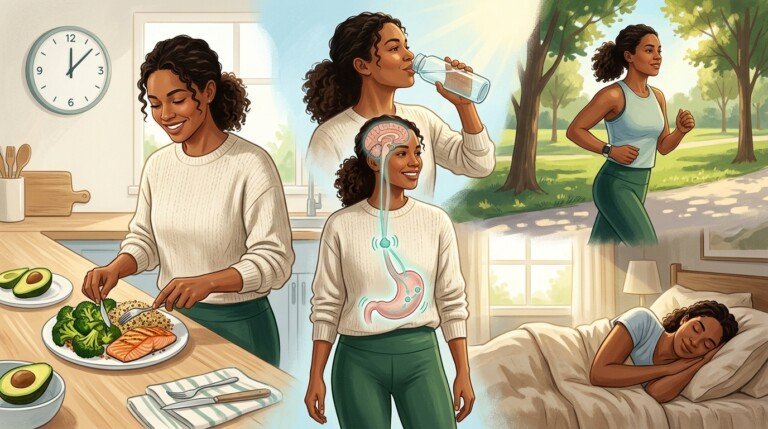

Menopause Weight Loss: Why It Becomes Harder and What Actually Helps
If you’ve reached menopause and suddenly find that the weight you’ve always been able to manage is becoming stubborn, you’re not imagining it. Many women notice that maintaining their weight becomes more difficult during midlife, even when their eating habits and activity levels haven’t changed much. Clothes may fit differently, belly fat seems to appear more easily, and the strategies that worked in their thirties or forties no longer produce the same results.
This experience is incredibly common. Menopause brings significant hormonal changes that affect far more than reproductive health. Declining estrogen levels influence where your body stores fat, how efficiently you use energy, how much muscle you maintain, how well you sleep, and even how hungry you feel. At the same time, natural age-related muscle loss can reduce daily calorie needs, making it easier to gain weight and harder to lose it.
Despite these changes, menopause does not make weight loss impossible. The goal is not to fight your body but to understand how it is changing and adapt your approach accordingly. Small adjustments in nutrition, resistance training, sleep quality, stress management, and daily movement often make a meaningful difference over time.
Perhaps the biggest misconception is believing that menopause automatically leads to unavoidable weight gain. While hormonal changes certainly create new challenges, healthy habits continue to play the largest role in long-term weight management.
In this article, you’ll learn why Menopause Weight Loss becomes more challenging, which hormones influence body weight, why belly fat often increases after menopause, whether losing weight is still possible, and what science says about the nutrition, exercise, and lifestyle habits that can support healthy weight management during this stage of life.
Why Is Weight Loss Harder During Menopause?
Many women notice that losing weight requires more effort during menopause than it did in earlier decades. While hormones play an important role, they are only one piece of the puzzle.
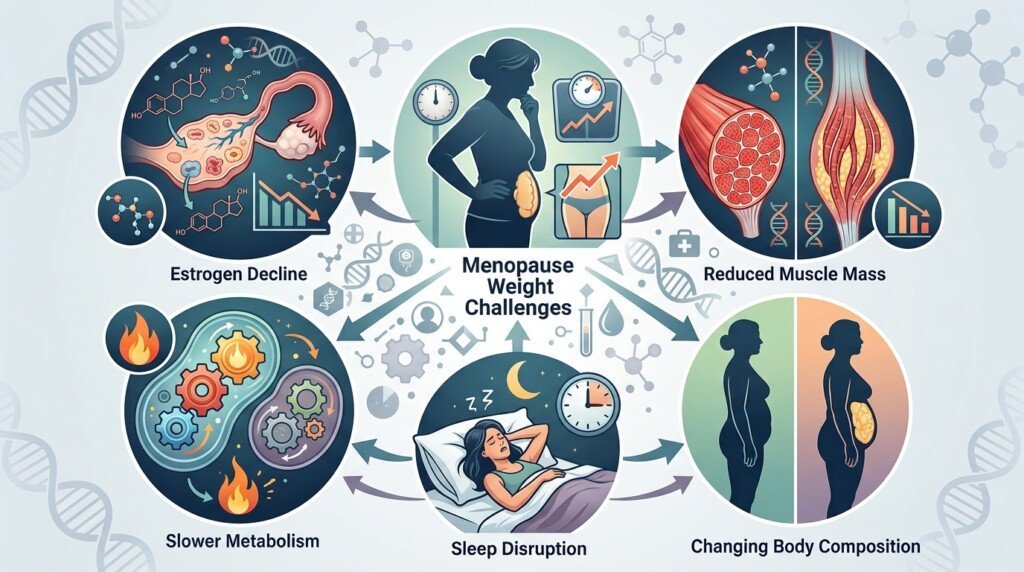
Several natural changes happen at the same time, and together they can influence body weight, body composition, and metabolism.
Hormonal Changes Affect More Than Reproduction
One of the biggest changes during menopause is the gradual decline in estrogen production.
Estrogen influences several processes involved in weight management, including:
- Appetite regulation
- Fat distribution
- Insulin sensitivity
- Energy balance
- Muscle maintenance
As estrogen levels decrease, the body often begins storing more fat around the abdomen rather than the hips and thighs.
Muscle Mass Naturally Declines
Beginning in midlife, adults gradually lose lean muscle if they do not regularly perform resistance exercise.
Muscle tissue burns more energy than body fat, even while resting.
As muscle decreases:
- Daily calorie needs become lower.
- Strength may decline.
- Physical activity may feel more challenging.
This gradual shift makes it easier to gain weight if eating habits remain unchanged.
Maintaining muscle becomes one of the most effective strategies discussed throughout Strength Training for Fat Loss, especially during and after menopause.
Metabolism Changes Gradually
Many people believe menopause suddenly “slows metabolism.”
The reality is more complex.
Part of the change comes from:
- Reduced muscle mass
- Lower daily movement
- Changes in body composition
- Aging itself
While metabolic changes do occur, they are usually gradual rather than dramatic.
This means healthy habits continue to make a meaningful difference.
Sleep Often Becomes More Difficult
Hot flashes, night sweats, and changes in sleep quality affect many women during menopause.
Poor sleep can influence:
- Hunger
- Food cravings
- Energy levels
- Exercise motivation
- Recovery
These indirect effects often make maintaining healthy habits more challenging.
Lifestyle Becomes Increasingly Important
Although hormones influence weight, lifestyle continues to play the biggest role in long-term success.
Consistent nutrition, regular activity, quality sleep, and stress management become even more valuable during menopause.
Women who already practice the healthy habits discussed throughout Weight Loss After 40 often find it easier to adapt to these hormonal changes.
Which Hormones Affect Weight During Menopause?
Hormones work together as a complex communication system.
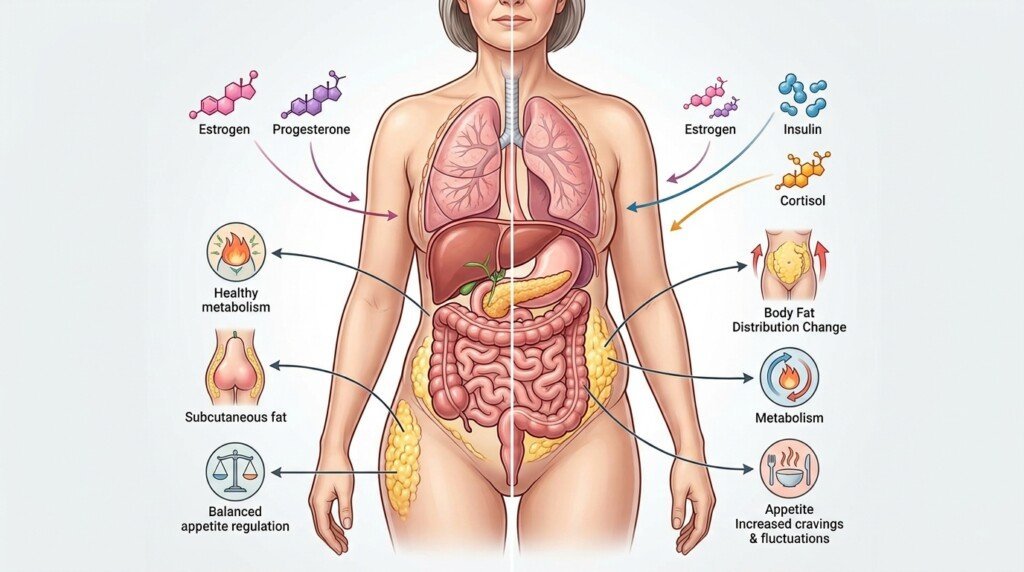
During menopause, several hormones change at the same time, influencing appetite, body composition, metabolism, and fat storage.
Estrogen
Estrogen is the hormone most closely associated with menopause.
Before menopause, estrogen helps regulate:
- Fat distribution
- Blood sugar balance
- Appetite
- Muscle maintenance
As estrogen declines, fat storage often shifts toward the abdomen.
This helps explain why many women notice increasing waist circumference during menopause.
Progesterone
Progesterone also declines during menopause.
Although progesterone does not directly control body fat, changes in this hormone may contribute to:
- Fluid retention
- Sleep disturbances
- Mood changes
These symptoms can indirectly affect eating habits and physical activity.
Insulin
Many women become slightly less sensitive to insulin as they age.
Reduced insulin sensitivity may make it easier to store excess calories as fat, particularly around the abdomen.
Healthy eating patterns, resistance training, and regular physical activity all help support better insulin function.
These relationships are explored further throughout Metabolic Health, where healthy blood sugar regulation is discussed in greater detail.
Cortisol
Stress hormones also deserve attention.
Chronic stress combined with poor sleep may increase cortisol levels.
Higher cortisol may contribute to:
- Increased appetite
- Food cravings
- Preference for highly processed foods
- Reduced recovery
Managing stress becomes increasingly important during menopause.
Hunger Hormones Continue Working
Hormones involved in appetite regulation continue influencing:
- Hunger
- Fullness
- Meal satisfaction
When sleep quality declines, appetite regulation often becomes more difficult.
This explains why women experiencing frequent nighttime symptoms sometimes notice increased cravings the following day.
Why Does Belly Fat Increase After Menopause?
One of the biggest concerns during menopause is the tendency to gain fat around the waist.
Many women notice this change even if overall body weight changes only slightly.
Understanding why it happens helps you focus on realistic solutions.
Fat Distribution Changes
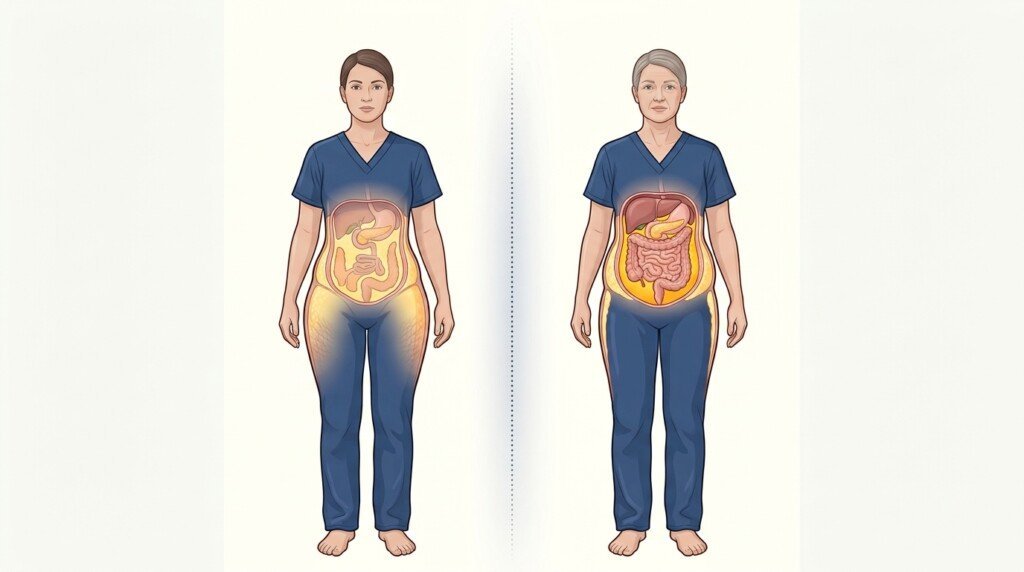
Before menopause, women typically store more fat around the hips and thighs.
As estrogen declines, fat storage gradually shifts toward the abdomen.
This change in distribution is considered a normal part of menopause.
Visceral Fat May Increase
Abdominal fat includes both:
- Subcutaneous fat beneath the skin
- Visceral fat surrounding internal organs
Higher amounts of visceral fat are associated with increased health risks.
Healthy lifestyle habits remain the most effective approach for reducing visceral fat over time.
The health effects of abdominal fat are explained more fully throughout Visceral Fat, where the different types of belly fat are discussed.
Muscle Loss Changes Body Shape
Even if body weight remains stable, losing muscle while gaining small amounts of fat changes body composition.
This often makes the waist appear larger despite relatively small changes on the scale.
Maintaining muscle through resistance training helps reduce this effect.
Reduced Daily Activity Also Plays a Role
Many women naturally become less active during midlife because of:
- Busy schedules
- Joint discomfort
- Fatigue
- Poor sleep
Even small reductions in daily movement lower total calorie expenditure over time.
Belly Fat Is Not Inevitable
Although menopause increases the tendency to store abdominal fat, it does not guarantee it.
Regular exercise, balanced nutrition, adequate protein, and consistent healthy habits continue to make a measurable difference.
Can You Still Lose Weight During Menopause?
Absolutely.
Perhaps the most important message is that menopause makes weight loss more challenging, not impossible.
Many women successfully lose body fat during and after menopause by adapting their approach instead of relying on the strategies they used years earlier.

Progress May Be Slower
Weight loss often becomes more gradual during menopause.
Rather than expecting rapid results, focus on consistent improvements over several months.
Steady progress is generally more sustainable than aggressive dieting.
Body Composition Matters More Than the Scale
During menopause, preserving muscle becomes just as important as reducing body fat.
Instead of focusing only on body weight, also pay attention to:
- Waist circumference
- Clothing fit
- Strength improvements
- Energy levels
- Progress photos
These measurements often provide a better picture of your success.
A Moderate Calorie Deficit Still Works
Menopause does not eliminate the importance of energy balance.
Creating a moderate calorie deficit while eating enough protein and staying physically active remains one of the most effective strategies for healthy fat loss.
Extreme calorie restriction is rarely helpful and often makes long-term adherence more difficult.
Consistency Outperforms Perfection
Healthy habits repeated every week are far more effective than short periods of perfect eating followed by frustration.
Building routines that fit your lifestyle allows you to continue making progress long after the initial motivation fades.
This long-term mindset is one of the core principles behind Sustainable Weight Loss, where lasting habits take priority over quick fixes.
Which Foods Support Menopause Weight Loss?
Nutrition becomes especially important during menopause because your body has changing energy needs. Rather than following restrictive diets, focus on foods that help preserve muscle, support metabolic health, and keep you satisfied between meals.
There is no single “menopause diet,” but certain eating patterns consistently support healthy weight management.

Prioritize Protein at Every Meal
Protein becomes increasingly important as women age because it helps maintain lean muscle.
Preserving muscle supports:
- Healthy metabolism
- Strength
- Recovery
- Satiety
- Body composition
Excellent protein choices include:
- Fish
- Chicken
- Turkey
- Eggs
- Greek yogurt
- Cottage cheese
- Beans
- Lentils
- Tofu
Including protein with every meal also helps reduce hunger throughout the day.
A balanced morning meal can make this easier, which is why Best Breakfast for Weight Loss emphasizes protein-rich breakfast options instead of highly refined carbohydrates.
Fill Half Your Plate With Vegetables
Vegetables provide:
- Fiber
- Vitamins
- Minerals
- Water
- Low energy density
High-fiber vegetables help increase fullness while naturally supporting a moderate calorie deficit.
Aim for variety by including colorful vegetables throughout the week.
Choose High-Fiber Carbohydrates
Carbohydrates are not the enemy during menopause.
The goal is choosing carbohydrates that digest more slowly and provide lasting energy.
Examples include:
- Oats
- Brown rice
- Quinoa
- Sweet potatoes
- Beans
- Lentils
- Whole grain bread
These foods also support healthy digestion and stable energy levels.
Include Healthy Fats
Healthy fats contribute to meal satisfaction and provide essential nutrients.
Good choices include:
- Avocados
- Olive oil
- Nuts
- Seeds
- Fatty fish
Because fats are calorie dense, portion awareness remains important.
Stay Hydrated
Many women mistake mild dehydration for hunger.
Drinking enough water supports:
- Digestion
- Exercise performance
- Overall health
- Appetite regulation
Keeping a water bottle nearby throughout the day is a simple habit that supports consistency.
Limit Highly Processed Foods
Foods high in added sugars and refined carbohydrates are often easy to overeat because they provide less fullness.
Rather than eliminating them completely, focus on making nutritious foods the foundation of your eating pattern.
A flexible approach is generally easier to maintain than strict food rules.
Which Exercises Work Best During Menopause?
Exercise remains one of the most effective tools for supporting Menopause Weight Loss.
The best program combines different forms of movement that improve strength, cardiovascular health, and overall fitness.
The goal is not simply burning calories but preserving muscle and maintaining long-term health.

Resistance Training Should Be a Priority
Strength training becomes increasingly valuable during menopause because it helps preserve lean muscle.
Benefits include:
- Better body composition
- Increased strength
- Improved bone health
- Higher daily energy expenditure
- Better physical function
Exercises may include:
- Squats
- Rows
- Lunges
- Push-ups
- Resistance bands
- Dumbbell exercises
Even two or three sessions each week can provide meaningful benefits.
Walking Is Highly Effective
Walking is often underestimated.
Regular walking helps:
- Increase daily activity
- Improve heart health
- Support calorie expenditure
- Reduce stress
- Improve consistency
Because it is accessible and low impact, walking fits well into most lifestyles.
Include Cardiovascular Exercise
Activities such as:
- Cycling
- Swimming
- Brisk walking
- Dancing
- Hiking
support cardiovascular fitness while increasing overall energy expenditure.
Choose activities you genuinely enjoy because consistency matters more than intensity alone.
Don’t Forget Flexibility and Balance
Mobility exercises, stretching, yoga, and balance training help maintain physical function as you age.
These activities may also improve recovery and reduce the risk of falls.
Recovery Is Part of Training
Exercise creates positive stress on the body.
Recovery allows those adaptations to occur.
Support recovery by:
- Sleeping well
- Eating enough protein
- Staying hydrated
- Taking rest days when needed
Better recovery often leads to more consistent exercise over the long term.
Which Daily Habits Make Menopause Weight Loss Easier?
Successful weight management during menopause is rarely about one perfect meal or one workout.
Instead, it is built through small habits repeated consistently over time.

Sleep Should Become a Priority
Many women experience disrupted sleep during menopause because of:
- Hot flashes
- Night sweats
- Hormonal changes
Poor sleep may increase:
- Hunger
- Food cravings
- Fatigue
- Stress
Improving sleep quality supports healthier eating and better recovery.
Manage Stress
Long-term stress often influences food choices more than people realize.
Helpful stress management strategies include:
- Walking outdoors
- Deep breathing
- Meditation
- Reading
- Spending time with family and friends
- Relaxing hobbies
Reducing stress makes healthy habits easier to maintain.
Many of these strategies complement the ideas discussed throughout Stress and Weight Loss, where chronic stress and eating behaviors are explored in greater detail.
Plan Your Meals
Meal planning reduces impulsive eating.
Preparing healthy meals ahead of time helps you make nutritious choices even during busy days.
Simple planning also reduces decision fatigue.
Stay Active Throughout the Day
Exercise sessions are valuable, but everyday movement matters too.
Increase daily activity by:
- Walking after meals
- Taking the stairs
- Standing more often
- Gardening
- Doing household activities
These small movements contribute significantly over time.
Focus on Long-Term Habits
Healthy aging is built on consistency rather than perfection.
Aim to create routines that you can realistically maintain for years instead of weeks.
Small improvements maintained consistently usually outperform dramatic short-term efforts.
When Should You Talk to Your Doctor?
Weight changes during menopause are common, but there are situations where professional guidance is appropriate.
Seeking advice does not mean something is necessarily wrong. It simply helps ensure that your weight management plan reflects your individual health needs.
Weight Changes Are Sudden or Unexplained
If you experience rapid weight gain or loss without changes in your eating habits or activity level, discussing the situation with your healthcare provider is appropriate.
Menopause Symptoms Significantly Affect Daily Life
Hot flashes, sleep disruption, or other menopause symptoms may interfere with:
- Exercise
- Meal planning
- Recovery
- Daily functioning
Addressing these symptoms may indirectly support healthier weight management.
Lifestyle Changes Are Not Helping
If you have consistently followed balanced nutrition, regular exercise, and healthy habits for several months without seeing meaningful improvements, your healthcare provider can help evaluate additional factors that may influence your progress.
You Need Personalized Guidance
Every woman experiences menopause differently.
Personalized advice based on your medical history, current health, and lifestyle can help you build a safe and realistic long-term plan.

Frequently Asked Questions
1. Is weight loss possible during menopause?
Yes. Although hormonal changes can make weight loss more challenging, a balanced calorie deficit, regular physical activity, strength training, adequate protein, and consistent healthy habits can still support successful fat loss.
2. Why does belly fat increase during menopause?
Declining estrogen levels often change where fat is stored, increasing the tendency to accumulate fat around the abdomen. Age-related muscle loss and reduced daily calorie needs may also contribute.
3. What foods are best for menopause weight loss?
Meals built around lean protein, vegetables, whole grains, fruits, legumes, and healthy fats support fullness, muscle maintenance, and overall metabolic health during menopause.
4. What is the best exercise during menopause?
A combination of resistance training, walking, cardiovascular exercise, and flexibility work provides the greatest overall benefits for body composition, strength, and long-term health.
5. Does menopause permanently slow metabolism?
Menopause does not permanently stop weight loss. Metabolic changes are influenced by hormones, aging, muscle mass, and lifestyle, and many of these factors can be improved through consistent healthy habits.
Final Thoughts
Menopause Weight Loss can feel more challenging than it did earlier in life, but it is far from impossible. Hormonal changes, declining estrogen levels, reduced muscle mass, changes in body composition, sleep disruption, and shifts in fat distribution all contribute to the unique challenges many women experience during menopause. Understanding these changes allows you to adjust your approach instead of becoming discouraged by slower progress.
Rather than chasing restrictive diets or unrealistic promises, focus on the habits that consistently support long-term success. Eating enough protein, choosing fiber-rich foods, staying physically active, prioritizing resistance training, improving sleep, managing stress, and maintaining a moderate calorie deficit can all help you preserve muscle and reduce body fat over time.
Most importantly, remember that healthy aging is not measured only by the number on the scale. Improved strength, better energy, increased mobility, healthier body composition, and sustainable daily habits are all meaningful signs of progress. By working with your body instead of against it, you can successfully manage your weight during menopause while supporting your overall health for years to come.
Disclaimer:
This post may contain affiliate links. If you purchase through them, we may earn a small commission at no extra cost to you. Also, this content is for informational purposes only and does not substitute professional medical advice.
Ready to Start Your Journey?
Use our free 7-in-1 Weight Loss Toolkit to calculate your numbers and build your plan in minutes.
Open Free Tools →