What Are the Best Foods for Metabolic Health? 17 Science-Backed Choices
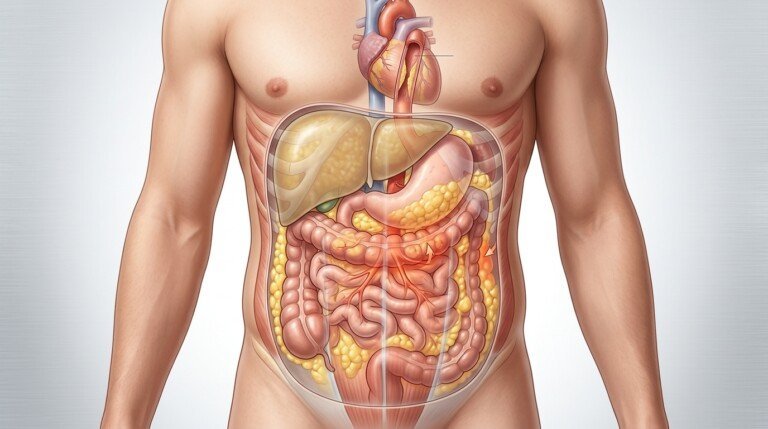
Best Foods for Metabolic Health play a far greater role in supporting your metabolism than any single “superfood” or short-term diet. While genetics, age, and physical activity all influence metabolic health, nutrition remains one of the most powerful factors you can control. Every meal provides an opportunity to support healthy blood sugar regulation, maintain muscle, reduce inflammation, nourish your gut microbiome, and supply the nutrients your body needs to function efficiently.
The idea of eating for metabolic health is often misunderstood. Many people assume it involves restrictive eating plans or eliminating entire food groups. In reality, a healthy metabolism is supported by balanced, sustainable eating patterns rather than extreme diets. Research consistently shows that dietary patterns centered on whole, minimally processed foods are associated with better long-term metabolic outcomes than highly restrictive approaches.
Instead of searching for one food that “boosts metabolism,” it is more helpful to build meals around nutrient-dense ingredients that work together. Foods rich in fiber, lean protein, healthy fats, antioxidants, and beneficial plant compounds support multiple aspects of metabolic function simultaneously. These foods also help you stay satisfied, making healthy eating easier to maintain over time.
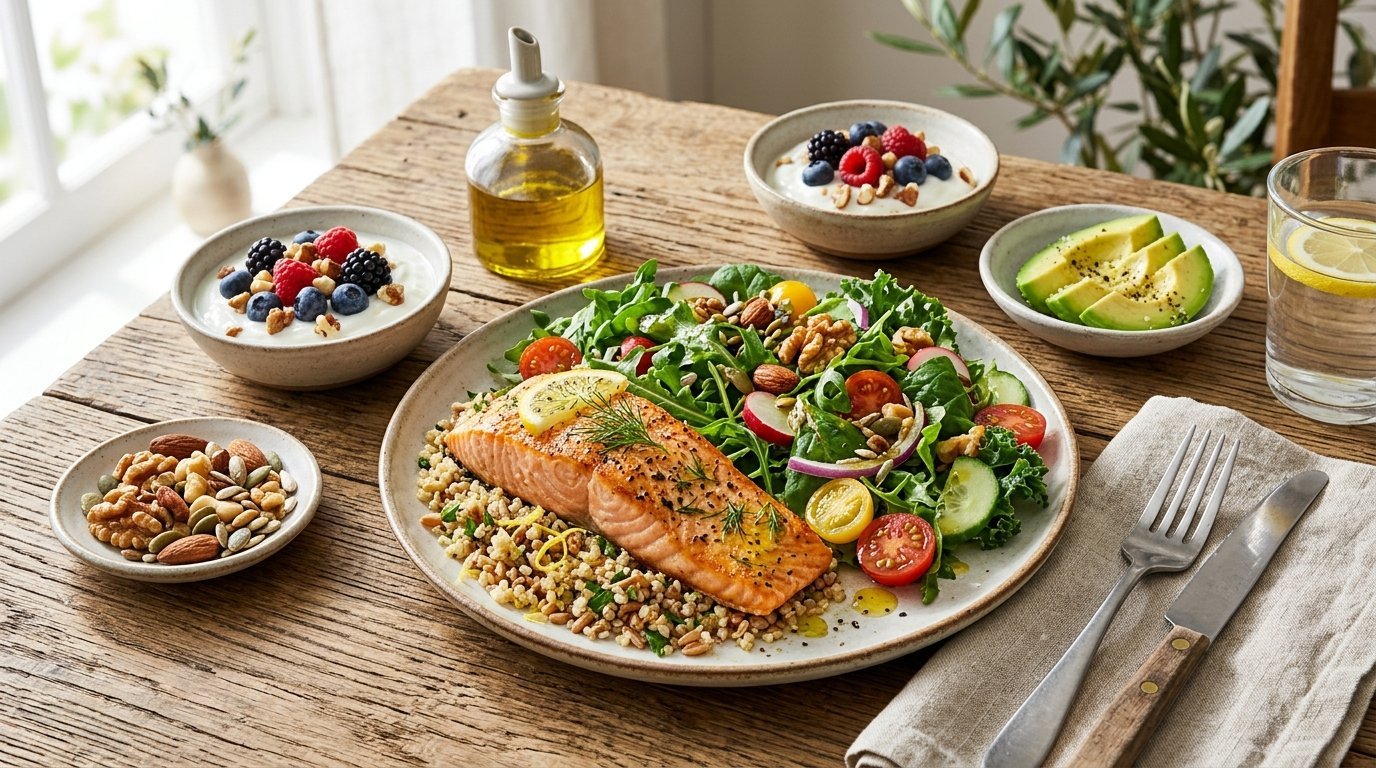
One eating pattern that continues to receive strong scientific support is the Mediterranean diet. Rich in vegetables, fruits, legumes, whole grains, olive oil, nuts, seeds, and fish, this approach emphasizes food quality rather than strict calorie counting. Its flexibility also makes it practical for long-term use, which is one reason it is frequently recommended for supporting overall metabolic wellness.
Another important factor is consistency. Healthy metabolism develops through repeated daily habits, not occasional healthy meals. Small improvements practiced every day usually provide greater benefits than short periods of perfect eating followed by old habits.
In this article, you’ll discover the Best Foods for Metabolic Health, why fiber and protein matter, which healthy fats deserve a place on your plate, whether fermented foods support metabolism, which foods are worth limiting, and what a balanced day of eating for metabolic health can look like.
Which Foods Build Better Metabolic Health Every Day?
Rather than searching for miracle foods, focus on dietary patterns built around whole, minimally processed ingredients.
Foods that support metabolic health typically share several characteristics.
They are often:
- Rich in fiber
- High in vitamins and minerals
- Naturally filling
- Low in added sugars
- Minimally processed
- Rich in antioxidants
- Supportive of gut health
These characteristics work together to help regulate blood sugar, maintain healthy cholesterol levels, support insulin sensitivity, and provide lasting energy throughout the day.
Below are some of the most evidence-supported food groups for metabolic health.

1. Leafy Green Vegetables
Spinach, kale, Swiss chard, arugula, and other leafy greens are packed with vitamins, minerals, antioxidants, and fiber.
Because they are naturally low in calories while providing high nutritional value, leafy greens fit easily into almost every healthy eating pattern.
Adding vegetables to lunch and dinner is one of the simplest ways to improve meal quality.
2. Berries
Blueberries, strawberries, raspberries, and blackberries provide fiber together with naturally occurring antioxidants called polyphenols.
Their natural sweetness makes them an excellent alternative to many processed desserts while also contributing important nutrients.
Fresh or frozen berries can be added to yogurt, oatmeal, smoothies, or enjoyed on their own.
3. Legumes
Beans, lentils, peas, and chickpeas combine plant protein with large amounts of fiber.
This combination helps create satisfying meals while supporting digestive health and steady energy.
Legumes also fit well within Mediterranean-style eating patterns.
4. Whole Grains
Whole grains retain more of their natural nutrients than refined grains.
Examples include:
- Oats
- Brown rice
- Quinoa
- Barley
- Whole wheat
- Buckwheat
These foods provide complex carbohydrates together with fiber that contribute to balanced meals.
5. Nuts
Almonds, walnuts, pistachios, and cashews provide healthy fats, plant protein, fiber, and important minerals.
Although nuts are energy-dense, moderate portions fit well within healthy eating patterns.
Many people enjoy adding them to salads, yogurt, or eating a small handful as a satisfying snack.
6. Seeds
Small foods often provide impressive nutritional value.
Examples include:
- Chia seeds
- Flaxseeds
- Pumpkin seeds
- Sunflower seeds
Seeds supply fiber, healthy fats, minerals, and beneficial plant compounds that support overall wellness.
7. Olive Oil
Extra virgin olive oil remains one of the defining foods of the Mediterranean diet.
It provides predominantly unsaturated fats together with naturally occurring antioxidants.
Replacing solid fats with olive oil during cooking is a simple change many people can maintain long term.
8. Fatty Fish
Fish such as:
- Salmon
- Sardines
- Mackerel
- Trout
provide high-quality protein together with omega-3 fatty acids.
These foods contribute to heart health while fitting naturally into metabolically healthy eating patterns.
9. Plain Greek Yogurt
Greek yogurt provides protein while many varieties also contain live cultures that support digestive health.
Choosing plain yogurt allows you to control sweetness by adding fresh fruit rather than relying on added sugars.
10. Eggs
Eggs are a versatile source of complete protein and several important nutrients.
They can be included in balanced breakfasts, lunches, or dinners alongside vegetables and whole grains.
Many people looking for satisfying morning meals combine eggs with ideas similar to those discussed in Best Breakfast for Weight Loss, where balanced breakfasts help support steady energy throughout the day.
11. Avocados
Avocados provide healthy unsaturated fats together with fiber and potassium.
Their creamy texture makes them an excellent replacement for many highly processed spreads and toppings.
12. Cruciferous Vegetables
Vegetables including:
- Broccoli
- Cauliflower
- Brussels sprouts
- Cabbage
provide fiber together with beneficial plant compounds.
Including a variety of vegetables throughout the week supports dietary diversity.
13. Citrus Fruits
Oranges, grapefruit, lemons, and limes provide vitamin C together with fiber and antioxidants.
Eating whole fruit rather than drinking fruit juice provides greater fiber while slowing digestion.
14. Tomatoes
Tomatoes contribute antioxidants including lycopene while fitting easily into salads, soups, sauces, and sandwiches.
Fresh, roasted, or cooked tomatoes all provide valuable nutrients.
15. Herbs and Spices
Flavor does not need to come from excess salt or sugar.
Herbs and spices such as:
- Turmeric
- Cinnamon
- Ginger
- Garlic
- Basil
- Oregano
add flavor while increasing dietary variety.
16. Green Tea
Replacing sugary beverages with unsweetened green tea can support an overall healthier eating pattern.
Green tea also contains naturally occurring plant compounds called catechins that have been widely studied for their potential health benefits.
17. Water
Although often overlooked, water is one of the most important components of metabolic health.
Every metabolic process inside your body depends on adequate hydration.
Replacing sugar-sweetened beverages with water is one of the simplest improvements many people can make.
Why Does Fiber Support Metabolic Health?
Fiber is one of the most consistently recommended nutrients for supporting metabolic health, yet most adults consume far less than recommended.
Unlike many other carbohydrates, fiber is not fully digested by the body. Instead, it passes through the digestive system while performing several important functions that benefit both digestion and metabolism.
One of fiber’s greatest advantages is that it slows the digestion of meals. This helps promote steadier energy levels and supports healthy blood sugar regulation after eating. Foods rich in fiber also tend to be more filling, making it easier to maintain balanced portion sizes without feeling deprived.
Fiber also plays a central role in supporting the gut microbiome. Beneficial bacteria in the digestive tract ferment certain types of fiber, producing compounds that help maintain a healthy intestinal environment. This is one reason fiber-rich eating patterns are associated with overall metabolic wellness.

Excellent sources of dietary fiber include:
- Oats
- Lentils
- Beans
- Chickpeas
- Apples
- Pears
- Berries
- Broccoli
- Carrots
- Brussels sprouts
- Chia seeds
- Flaxseeds
Rather than dramatically increasing fiber overnight, gradually adding more vegetables, fruits, legumes, and whole grains helps your digestive system adjust comfortably while creating eating habits that are easier to maintain.
The importance of dietary fiber also aligns closely with the principles discussed in Gut Health and Weight Loss, where diverse plant foods help nourish beneficial gut bacteria that support overall digestive and metabolic health.
Which Protein Sources Are Best?
Protein is an essential nutrient for maintaining muscle mass, supporting recovery, and helping you feel satisfied after meals. Unlike refined carbohydrates, protein generally digests more slowly, which contributes to longer-lasting fullness and steadier energy throughout the day.
Including a quality protein source at each meal also helps create balanced eating patterns that are easier to sustain over the long term.

Excellent protein choices include:
- Fish
- Skinless chicken
- Turkey
- Eggs
- Plain Greek yogurt
- Cottage cheese
- Tofu
- Tempeh
- Lentils
- Beans
- Edamame
Plant-based and animal-based proteins can both contribute to a healthy metabolism when included as part of a varied, balanced diet.
Many of these options are also featured among High-Protein Foods That Burn Fat, where protein-rich foods are explored for their role in satiety, muscle maintenance, and healthy eating patterns.
Which Healthy Fats Support Metabolic Health?
For many years, dietary fat was viewed as something to avoid. Today, research shows that the type of fat matters far more than simply eating less fat.
Healthy unsaturated fats support normal cell function, hormone production, nutrient absorption, and cardiovascular health. They also make meals more satisfying, helping reduce the temptation to snack on highly processed foods shortly after eating.
Some of the best sources of healthy fats include:
- Extra virgin olive oil
- Avocados
- Almonds
- Walnuts
- Pistachios
- Chia seeds
- Flaxseeds
- Pumpkin seeds
- Salmon
- Sardines
Rather than adding large amounts of fat to every meal, aim for balance. Combining healthy fats with vegetables, lean protein, and high-fiber carbohydrates creates meals that support both satiety and long-term metabolic wellness.
Can Fermented Foods Improve Metabolic Health?
The connection between gut health and metabolism has received growing attention in recent years, and fermented foods are an important part of that discussion. While fermented foods are not a cure for metabolic disorders, they can contribute to a diverse, balanced diet that supports overall digestive and metabolic wellness.
Fermented foods contain beneficial microorganisms created through natural fermentation. Depending on the food and preparation method, these microorganisms may help support a healthy gut microbiome, which plays an important role in digestion, immune function, and nutrient metabolism.
Scientists continue to study exactly how the gut microbiome influences metabolic health, but current evidence suggests that maintaining a diverse gut ecosystem is associated with better overall health.

Why the Gut Microbiome Matters
Your digestive system contains trillions of microorganisms that help break down certain foods and produce beneficial compounds.
A diverse gut microbiome has been associated with:
- Better digestion
- Improved nutrient absorption
- Healthy immune function
- Normal inflammatory responses
- Overall metabolic wellness
Although many factors influence the gut microbiome, dietary diversity remains one of the most important.
Healthy Fermented Foods to Include
Several fermented foods fit naturally into a healthy eating pattern.
Examples include:
- Plain yogurt with live cultures
- Kefir
- Kimchi
- Sauerkraut
- Miso
- Tempeh
These foods are best viewed as part of an overall balanced diet rather than standalone solutions.
Choosing varieties with minimal added sugars and excessive sodium whenever possible supports healthier eating habits.
Pair Fermented Foods With Fiber
Fermented foods work best alongside fiber-rich foods.
Beneficial gut bacteria rely on dietary fiber from fruits, vegetables, legumes, and whole grains as a food source.
Combining probiotic-rich fermented foods with high-fiber meals creates an eating pattern that naturally supports digestive health.
This relationship between dietary fiber and beneficial gut bacteria is explored further in Gut Health and Weight Loss, where gut-friendly eating habits are discussed in greater detail.
Which Foods Should You Limit?
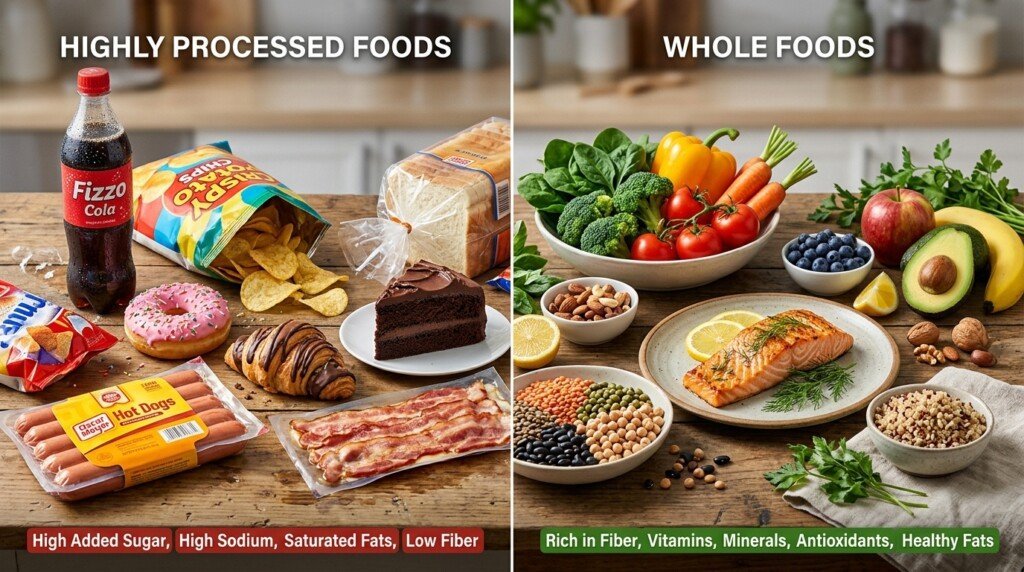
Supporting metabolic health is not only about adding nutritious foods—it is also about reducing foods that may gradually displace healthier options from your diet.
This does not mean completely eliminating your favorite foods. Instead, focus on moderation while allowing whole, minimally processed foods to form the foundation of your eating pattern.
Sugar-Sweetened Beverages
Soft drinks, sweetened coffee beverages, energy drinks, and sugary fruit drinks often provide large amounts of added sugar without contributing much nutritional value.
Replacing these beverages with:
- Water
- Sparkling water
- Unsweetened tea
- Black coffee (if appropriate)
- Naturally flavored water
can significantly improve overall dietary quality.
Highly Processed Snack Foods
Many packaged snack foods are designed to be convenient and highly palatable.
Examples include:
- Chips
- Candy
- Cookies
- Sweet pastries
- Packaged desserts
These foods often contain combinations of refined carbohydrates, added sugars, sodium, and unhealthy fats while providing relatively little fiber or protein.
Enjoying them occasionally is perfectly reasonable, but relying on them daily may reduce the nutritional quality of your overall diet.
Refined Grains
Whole grains retain much more of their natural fiber and nutrients than refined grains.
Examples of refined grains include:
- White bread
- White rice
- Regular pastries
- Many breakfast cereals
- Refined pasta
Whenever practical, choosing whole-grain alternatives provides additional fiber and nutrients.
Highly Processed Meats
Frequently consuming heavily processed meats may not support the healthiest long-term eating pattern.
Examples include:
- Bacon
- Sausages
- Hot dogs
- Processed deli meats
These foods are best enjoyed occasionally while emphasizing fresher protein sources more often.
Foods High in Added Sugar
Added sugars appear in many foods beyond desserts.
Examples include:
- Sweetened yogurt
- Breakfast cereals
- Flavored coffee drinks
- Candy
- Ice cream
- Sweet sauces
Reading nutrition labels helps identify hidden sources of added sugar without requiring you to eliminate every enjoyable food.
The goal is balance rather than perfection.
What Does a One-Day Metabolic Health Meal Pattern Look Like?
Rather than following a rigid meal plan, it is more useful to understand how balanced meals fit together throughout the day.
A metabolically supportive eating pattern emphasizes variety, whole foods, adequate protein, healthy fats, and plenty of fiber.
Here is one simple example.
Breakfast
Plain Greek yogurt topped with:
- Fresh berries
- Chia seeds
- Chopped walnuts
This meal combines protein, fiber, healthy fats, and antioxidant-rich fruit.
Those who enjoy cooked breakfasts may also choose eggs with vegetables and whole-grain toast, similar to balanced ideas discussed in Best Breakfast for Weight Loss.
Mid-Morning Snack
A piece of fruit such as:
- Apple
- Pear
- Orange
paired with a small handful of almonds provides fiber together with healthy fats.
Healthy snack combinations like these also align with the practical ideas found in Healthy Snacks for Weight Loss.
Lunch
Grilled chicken served with:
- Mixed leafy greens
- Quinoa
- Tomatoes
- Cucumbers
- Olive oil vinaigrette
This meal provides lean protein, whole grains, vegetables, and healthy fats.
Afternoon Snack
Vegetable sticks with hummus or plain yogurt with berries provide satisfying options that fit easily into most lifestyles.
Seasonal fruit can also be included, especially choices highlighted among the Best Fruits for Weight Loss, where naturally fiber-rich fruits help create balanced eating habits.
Dinner
Baked salmon served with:
- Roasted broccoli
- Brown rice
- Side salad
- Olive oil dressing
This combination supplies high-quality protein, healthy fats, fiber, and a variety of vitamins and minerals.
Hydration Throughout the Day
Water should remain the primary beverage.
Unsweetened tea and black coffee may also fit into a healthy dietary pattern for many adults, depending on individual preferences and medical advice.
The goal is not to eat perfectly every day but to create a consistent pattern where nutrient-dense foods make up most of your meals.

Frequently Asked Questions
1. What are the best foods for metabolic health?
The Best Foods for Metabolic Health include leafy greens, berries, legumes, whole grains, nuts, seeds, olive oil, fatty fish, plain Greek yogurt, fermented foods, and other minimally processed whole foods.
2. Why is fiber important for metabolic health?
Fiber supports healthy digestion, promotes fullness, helps maintain steady blood sugar, and nourishes beneficial gut bacteria that contribute to overall metabolic wellness.
3. Are healthy fats good for metabolism?
Yes. Unsaturated fats from foods such as olive oil, avocados, nuts, seeds, and fatty fish support heart health and fit well within a balanced eating pattern for metabolic health.
4. Do fermented foods improve metabolic health?
Fermented foods may support a healthy gut microbiome, especially when combined with a diet rich in fiber and whole plant foods. They should be viewed as one part of an overall healthy dietary pattern.
5. What eating pattern is best for metabolic health?
Research consistently supports eating patterns centered on vegetables, fruits, legumes, whole grains, lean protein, healthy fats, and minimally processed foods, such as the Mediterranean-style diet.
Final Thoughts
Choosing the Best Foods for Metabolic Health is less about finding one perfect ingredient and more about building a consistent eating pattern that supports your body’s natural processes. Whole foods rich in fiber, protein, healthy fats, antioxidants, and beneficial plant compounds work together to help regulate blood sugar, support heart health, nourish the gut microbiome, and provide lasting energy.
The strongest scientific evidence continues to support dietary patterns like the Mediterranean diet, where vegetables, fruits, legumes, whole grains, olive oil, nuts, seeds, and fish form the foundation of everyday meals. These foods are not only nutrient-dense but also practical enough to become lifelong habits.
Remember that no single meal determines your metabolic health. What matters most is the overall pattern of your food choices over weeks, months, and years. By consistently filling your plate with a wide variety of whole, minimally processed foods, you create a sustainable approach that supports long-term metabolic wellness while complementing other healthy habits such as regular movement, quality sleep, hydration, and stress management.
Disclaimer:
This post may contain affiliate links. If you purchase through them, we may earn a small commission at no extra cost to you. Also, this content is for informational purposes only and does not substitute professional medical advice.
Fuel Your Body Right
Use our free Nutrition Toolkit to find your protein target, fasting window, and net carbs in minutes.
Open Free Tools →