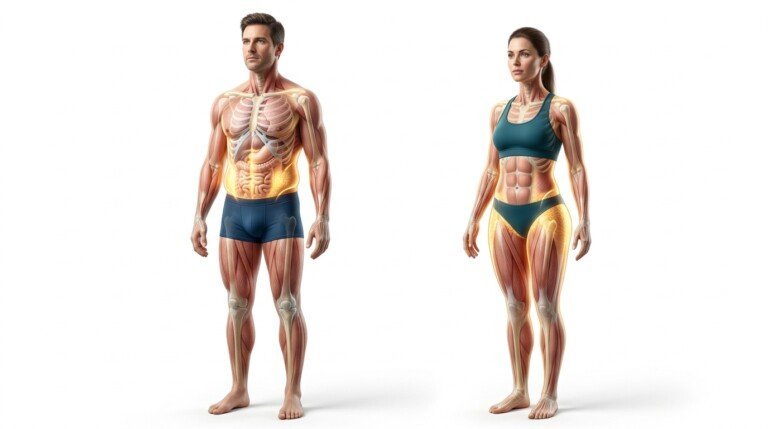
Ashwagandha vs Lifestyle Changes: Can the Supplement Alone Help You Lose Weight?
Walk into any supplement store, and you’ll find products that promise to make weight loss easier.
Browse social media, and you’ll hear stories about people claiming a single supplement transformed their bodies.
But here’s the question that matters far more than marketing:
Can Ashwagandha help you lose weight if nothing else changes?
The answer is where expectations often collide with reality.
While Ashwagandha has attracted attention for its potential role in stress management and overall wellness, no supplement can replace the biological fundamentals of weight loss. A balanced diet, regular movement, quality sleep, and consistent daily habits remain the primary drivers of lasting results.
That doesn’t mean Ashwagandha has no value.
Instead, it may work best when viewed as one piece of a much larger puzzle.
In this article, we’ll compare Ashwagandha vs Lifestyle for Weight Loss, examine whether the supplement can work without diet or exercise, explain why a calorie deficit still matters, and explore how healthy habits may enhance its potential benefits.
Quick Answer
Ashwagandha vs Lifestyle for Weight Loss is not an equal comparison. Current evidence suggests Ashwagandha may support weight-management efforts by helping some people better manage stress, but sustainable weight loss still depends on maintaining a calorie deficit, eating nutritious foods, staying physically active, sleeping well, and building long-term healthy habits.
Can Ashwagandha Really Help Without Changing Your Diet or Exercise?
This is one of the most common questions people ask before trying any weight-loss supplement.
The honest answer is that Ashwagandha should not be expected to overcome an unhealthy lifestyle.


Supplements Cannot Override Daily Habits
Imagine two people taking the exact same supplement.
One:
- Eats balanced meals
- Exercises regularly
- Sleeps seven to eight hours
- Manages stress effectively
The other:
- Frequently overeats
- Rarely exercises
- Sleeps poorly
- Lives with chronic stress
Even if both take Ashwagandha, their outcomes are unlikely to be the same.
Daily habits influence body weight far more than any supplement.
Weight Loss Depends on Energy Balance
Your body responds primarily to long-term energy balance.
If calorie intake consistently exceeds calorie expenditure, losing weight becomes difficult regardless of the supplement being used.
This is why researchers continue emphasizing healthy lifestyle changes rather than relying on individual products.
Think of Ashwagandha as Support, Not the Driver
Ashwagandha may help some people stay more consistent with healthy behaviors if stress has been interfering with their routines.
For example, someone who sleeps better or experiences fewer episodes of emotional eating may naturally find it easier to maintain healthier habits.
That is very different from Ashwagandha directly causing fat loss.
Readers interested in its overall role may also find Ashwagandha for Weight Loss helpful for understanding where current research places this supplement within a complete wellness strategy.
Is a Calorie Deficit Still Necessary?
Among all the concepts in weight management, none is more important than understanding energy balance.

What Is a Calorie Deficit?
A calorie deficit occurs when your body uses more energy than it receives from food over time.
When this happens consistently, the body gradually begins using stored energy, including body fat.
While many factors influence how easily someone maintains a calorie deficit, the principle itself remains unchanged.
No Supplement Replaces Energy Balance
People sometimes hope a supplement will allow them to lose weight without adjusting eating habits.
Current research does not support this expectation.
Ashwagandha has not been shown to eliminate the need for a calorie deficit.
Instead, any potential benefits are more likely to come from helping people maintain behaviors that support healthy eating.
Understanding Calorie Deficit is therefore essential for anyone trying to lose weight, regardless of whether they choose to use supplements.
Healthy Eating Still Shapes Long-Term Success
Weight loss is not simply about eating less.
Food quality also influences:
- Hunger
- Fullness
- Energy levels
- Exercise performance
- Long-term consistency
A balanced eating pattern makes maintaining a calorie deficit much more sustainable than relying on restrictive dieting.
How Can Exercise Make Ashwagandha More Effective?
Exercise and Ashwagandha are sometimes presented as competing options.
In reality, they serve completely different purposes.
Exercise Changes the Body Directly
Regular physical activity helps improve:
- Body composition
- Cardiovascular fitness
- Muscle preservation
- Metabolic health
- Daily energy expenditure
These are direct physiological changes that supplements cannot replace.
Stress May Affect Exercise Consistency
Many people skip workouts because they feel mentally exhausted rather than physically incapable.
If stress becomes easier to manage, maintaining an exercise routine may also become easier.
This is one reason researchers are interested in Ashwagandha’s broader effects on wellness rather than focusing solely on body weight.
Consistency Beats Intensity
Successful weight management rarely comes from extreme workouts.
Instead, it comes from exercising consistently over months and years.
Even moderate activities such as:
- Walking
- Resistance training
- Cycling
- Swimming
- Yoga
can contribute meaningfully to long-term health when performed regularly.
Does Better Sleep Help Ashwagandha Deliver Better Results?
Sleep is often overlooked during weight-loss discussions.
Yet it may influence eating behavior as much as nutrition itself.
Poor Sleep Changes Daily Decisions
After a poor night’s sleep, many people notice:
- Increased hunger
- Lower motivation to exercise
- Greater desire for sugary foods
- Reduced concentration
- Less self-control around snacks
These changes make healthy habits much harder to maintain.
Recovery Supports Healthy Habits
Quality sleep allows both the mind and body to recover.
People who consistently sleep well often find it easier to:
- Plan meals
- Stay physically active
- Resist unnecessary snacking
- Maintain daily routines
These improvements naturally support sustainable weight management.
Because stress and sleep often influence one another, many readers also explore Stress and Weight Loss alongside Sleep and Weight Loss to better understand how both affect long-term progress.
Which Lifestyle Habits Make the Biggest Difference?
When people focus only on supplements, they often overlook the habits that have the greatest influence on long-term weight management.
These habits work together, not independently.
Rather than searching for one “magic” solution, think about building a lifestyle that naturally supports a healthy body.
Nutrition Comes First
Food choices influence nearly every aspect of weight management.
A balanced eating pattern can help support:
- Better appetite control
- Stable energy levels
- Improved workout performance
- Greater satiety
- Easier long-term consistency
Healthy eating does not require perfection.
It requires making better choices more often than not.
Regular Physical Activity Supports More Than Weight Loss
Exercise burns calories, but its benefits extend far beyond energy expenditure.
Regular movement can also improve:
- Muscle maintenance
- Cardiovascular health
- Mood
- Mobility
- Daily energy
People who enjoy their preferred form of exercise are usually more consistent than those following programs they dislike.
Stress Management Deserves Equal Attention
Stress influences eating behavior, sleep quality, motivation, and exercise consistency.
That is why managing stress should be viewed as an essential part of weight management rather than an optional extra.
Simple practices such as:
- Walking outdoors
- Meditation
- Journaling
- Deep breathing
- Spending time with family and friends
can complement other healthy habits.
Sleep Is the Habit People Underestimate
Poor sleep can make healthy decisions feel much harder the following day.
People who sleep well often find it easier to:
- Control cravings
- Stay active
- Plan meals
- Maintain healthy routines
Over time, these small advantages accumulate into meaningful progress.
Readers interested in building lasting routines may also enjoy Weight Loss Habits, where sustainable behaviors are discussed in greater detail.
What Should You Realistically Expect From Ashwagandha?
One reason people become disappointed with supplements is that expectations are often unrealistic.
The internet frequently promotes dramatic transformations that are not supported by research.
It Is Not a Shortcut
Ashwagandha should not be viewed as a replacement for:
- Healthy eating
- Exercise
- Stress management
- Sleep
- Consistency
People expecting rapid fat loss without changing their lifestyle are unlikely to achieve the results they hope for.
It May Help Remove Obstacles
Instead of directly causing weight loss, Ashwagandha may help some individuals address challenges that interfere with healthy habits.
For example, someone experiencing chronic stress may find it easier to:
- Prepare balanced meals
- Exercise consistently
- Avoid emotional eating
- Maintain healthy routines
These behavioral improvements may indirectly support long-term weight management.
Results Look Different for Everyone
Individual responses vary because everyone has different:
- Stress levels
- Sleep quality
- Nutrition habits
- Activity levels
- Overall health
This explains why some people notice meaningful improvements while others experience very little change.
Should You Think of Ashwagandha as a Support Tool Instead of a Solution?
Perhaps the biggest misunderstanding surrounding supplements is the belief that they should do most of the work.
Current evidence suggests a different perspective.

Lifestyle Creates the Foundation
Healthy habits determine whether weight loss becomes sustainable.
Supplements cannot consistently compensate for:
- Excess calorie intake
- Physical inactivity
- Poor sleep
- Chronic stress
- Inconsistent routines
Lifestyle remains the foundation.
Supplements Can Complement Good Habits
Once healthy behaviors are already in place, some supplements may provide additional support for specific individuals.
Ashwagandha may fit into this category because its potential benefits appear to relate more to stress management than direct fat loss.
Viewed this way, it becomes easier to understand where Ashwagandha belongs.
It supports the system.
It does not replace the system.
Think Long Term
The most successful weight-loss journeys usually have one thing in common.
People build routines they can continue for years rather than weeks.
Instead of asking, “What supplement should I take?”
A more useful question is:
“What habits can I realistically maintain for the rest of my life?”
That mindset almost always produces better long-term outcomes.
Readers focused on maintaining results over time may also find Sustainable Weight Loss valuable because it emphasizes lasting behavior change rather than temporary solutions.
The Best Results Come From Working Together
The comparison between Ashwagandha vs Lifestyle for Weight Loss is not about choosing one over the other.
Lifestyle changes will always have the greatest influence on long-term body weight, body composition, and overall health. Nutrition, physical activity, sleep, stress management, and consistent daily habits create the environment where sustainable progress becomes possible.
Ashwagandha may provide additional support for some individuals, particularly when chronic stress has become a barrier to maintaining those habits. But even then, it works best as one part of a comprehensive wellness strategy rather than the centerpiece of it.
When expectations are realistic, supplements become supportive tools instead of disappointing shortcuts.
Key Takeaways
| Topic | Key Point |
|---|---|
| Lifestyle vs supplements | Healthy habits have a much greater impact on weight loss than any supplement alone. |
| Calorie deficit | A calorie deficit remains essential for losing body fat, regardless of supplementation. |
| Exercise | Regular physical activity improves body composition and supports long-term weight management. |
| Sleep and stress | Better sleep and effective stress management make healthy habits easier to maintain. |
| Ashwagandha’s role | Ashwagandha may support people dealing with chronic stress but should not replace healthy behaviors. |
| Long-term success | Sustainable routines consistently outperform quick fixes or temporary solutions. |
Frequently Asked Questions
1. Can Ashwagandha work without exercise?
Ashwagandha may support overall wellness, but exercise remains one of the most effective ways to improve body composition and support long-term weight management. The best results usually come from combining both with healthy lifestyle habits.
2. Is dieting still necessary?
Healthy eating and maintaining an appropriate calorie deficit remain fundamental for weight loss. Ashwagandha does not replace the need for balanced nutrition.
3. Does Ashwagandha replace healthy habits?
No. Current evidence suggests Ashwagandha may complement healthy habits, particularly for people managing chronic stress, but it should never replace proper nutrition, exercise, quality sleep, and consistent routines.
4. How can I maximize my results?
Focus on building sustainable habits that include balanced meals, regular physical activity, quality sleep, effective stress management, and long-term consistency. If Ashwagandha fits your personal health goals, it should be viewed as one supportive element within that broader lifestyle.
5. Is lifestyle more important than supplements for weight loss?
Yes. Lifestyle factors such as nutrition, physical activity, sleep, and stress management have a much stronger influence on sustainable weight loss than supplements alone.
Conclusion
The discussion around Ashwagandha vs Lifestyle for Weight Loss often creates a false choice. In reality, these two approaches are not competitors. Lifestyle changes provide the foundation for lasting weight management, while Ashwagandha may offer additional support for some individuals, particularly those whose healthy habits are disrupted by chronic stress.
If your goal is long-term success, prioritize balanced nutrition, regular exercise, quality sleep, and consistent daily routines. Supplements should be viewed as complementary tools rather than primary solutions. By setting realistic expectations and focusing on sustainable habits, you’ll build a weight-loss strategy that continues to work long after the excitement of a new supplement has faded.
Disclaimer:
This post may contain affiliate links. If you purchase through them, we may earn a small commission at no extra cost to you. Also, this content is for informational purposes only and does not substitute professional medical advice.