


How Does Sleep Affect Weight Loss? The Science Behind Better Results
Have you ever followed the same diet, completed the same workouts, and still wondered why the scale refused to move? Many people immediately blame calories, carbohydrates, or a slow metabolism. Yet one of the most overlooked reasons for stalled progress happens long before breakfast begins.
It happens while you’re asleep.
Sleep is often treated as downtime, but your body views it very differently. During the night, it repairs muscle tissue, regulates hormones, balances appetite signals, supports metabolism, and prepares your brain and body for the next day. When sleep is consistently cut short or interrupted, these processes become less efficient, making healthy eating, regular exercise, and long-term weight management much more difficult.
This doesn’t mean sleeping longer automatically causes weight loss. Instead, good sleep creates the conditions that make healthy habits easier to maintain. People who sleep well often experience better appetite control, improved recovery after exercise, more stable energy levels, and fewer cravings. On the other hand, poor sleep can increase hunger, encourage overeating, reduce motivation to stay active, and interfere with the body’s natural metabolic processes.
Researchers have spent decades studying the relationship between Sleep and Weight Loss, and the findings are remarkably consistent. Sleep quality matters just as much as sleep quantity. Even if you spend eight hours in bed, fragmented or poor-quality sleep may still affect the hormones and biological systems involved in weight management.
The encouraging news is that improving your sleep does not require complicated routines or expensive products. Small, consistent habits often produce meaningful improvements in both sleep quality and overall health.
Quick Answer
Yes, sleep affects weight loss in several important ways. Healthy sleep supports appetite regulation, hormone balance, metabolism, recovery, and energy levels. Poor sleep can increase hunger, reduce fullness, encourage cravings, and make regular exercise feel more difficult. While sleep alone does not cause fat loss, consistently getting enough high-quality sleep creates a stronger foundation for maintaining healthy eating habits and sustainable weight management.
How Does Sleep Affect Weight Loss?
Sleep influences nearly every system involved in body weight regulation.
During sleep, your body performs essential maintenance that helps regulate metabolism, appetite, hormones, recovery, and energy balance. These processes work together to support healthy body composition over time.
When sleep becomes consistently poor, these systems no longer operate as efficiently.


Sleep Helps Regulate Energy Balance
Weight management depends on long-term energy balance.
Sleep contributes by supporting the body’s ability to regulate:
- Hunger
- Fullness
- Daily energy expenditure
- Physical recovery
Although sleep does not replace healthy eating or exercise, it helps your body use these habits more effectively.
Sleep Supports Better Daily Decisions
After a good night’s sleep, many people find it easier to:
- Prepare balanced meals
- Stay physically active
- Resist unnecessary snacking
- Maintain healthy routines
Fatigue often has the opposite effect, making convenient, high-calorie foods feel more appealing.
Recovery Happens During Sleep
Exercise places temporary stress on muscles and other tissues.
Sleep provides the recovery time needed for repair and adaptation.
Without adequate recovery, maintaining a consistent exercise routine becomes much more difficult.
Sleep Influences Multiple Hormones
Several hormones involved in appetite, metabolism, and recovery follow natural daily rhythms that depend on healthy sleep.
Disrupting these rhythms can influence eating behavior and overall energy regulation.
These relationships become even clearer when looking at individual hormones later in this article.
Healthy Sleep Supports Long-Term Success
Sleep is not a quick solution for weight loss.
Instead, it strengthens the foundation that allows healthy habits to become sustainable over months and years.
People who consistently prioritize sleep often find it easier to maintain healthy lifestyle behaviors.
Why Is Sleep Important for Fat Loss?
Many people think of fat loss as something that happens only through diet and exercise.
While these two factors remain essential, sleep quietly supports both by creating the biological conditions needed for effective weight management.
Sleep Supports Physical Recovery
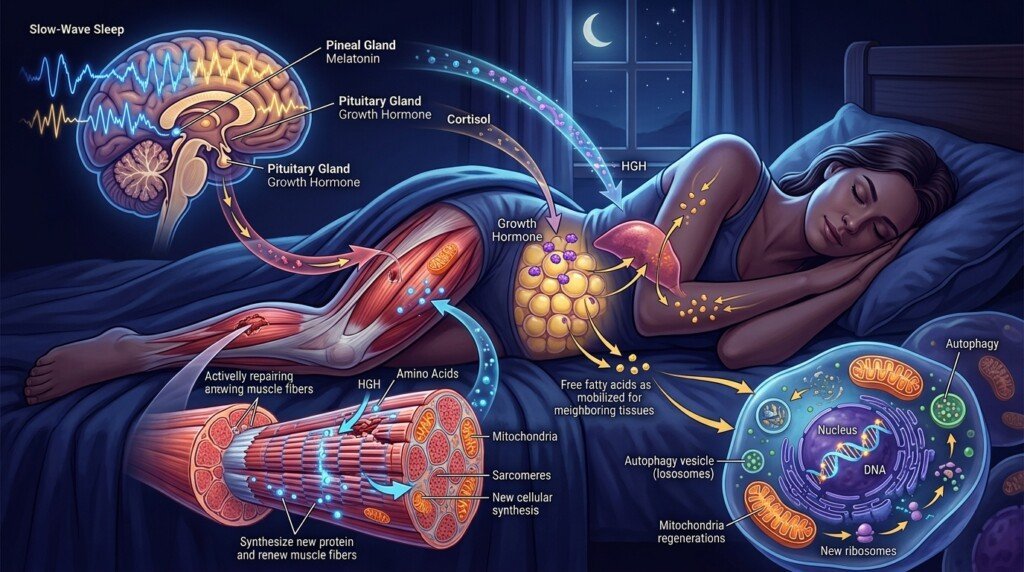
During sleep, the body repairs tissues damaged during normal daily activity and exercise.
This recovery supports:
- Muscle maintenance
- Exercise performance
- Physical function
- Overall health
Better recovery often leads to greater consistency with physical activity.
Sleep Helps Control Appetite
Poor sleep may make it harder to recognize natural hunger and fullness signals.
Many people notice increased snacking after nights of insufficient sleep.
This is one reason healthy sleep is closely connected with long-term weight management.
The relationship between appetite regulation and hormones is explored further throughout Hunger Hormones.
Sleep Supports Consistent Exercise
Exercise feels more challenging when you are exhausted.
Adequate sleep improves:
- Motivation
- Coordination
- Endurance
- Strength
- Recovery
These improvements help people stay physically active over time.
Sleep Helps Manage Daily Stress
Sleep and stress influence one another.
Poor sleep often makes daily stress feel more difficult to manage.
Likewise, chronic stress can interfere with healthy sleep.
This interaction is discussed further throughout Stress and Weight Loss, where the relationship between stress and body weight is explained in greater detail.
Fat Loss Depends on Healthy Habits Working Together
No single habit determines long-term success.
Instead, healthy eating, regular physical activity, stress management, and quality sleep all reinforce one another.
Improving one area often makes the others easier to maintain.
Can Poor Sleep Slow Your Metabolism?
Research suggests that insufficient sleep may influence several processes involved in metabolism.
The relationship is complex, but scientists have consistently observed that poor sleep affects how the body manages energy.
Metabolism Is More Than Calories
Metabolism refers to all the chemical reactions that keep the body alive.
These include:
- Energy production
- Hormone regulation
- Tissue repair
- Temperature regulation
- Nutrient processing
Healthy sleep supports these ongoing biological functions.
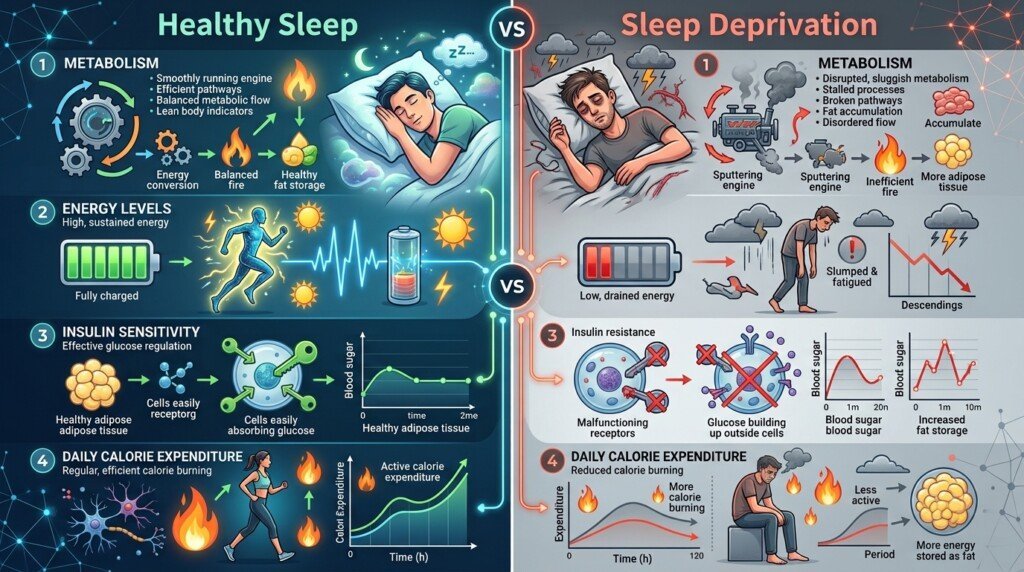
Sleep Influences Insulin Sensitivity
Sleep plays an important role in maintaining healthy insulin function.
Research suggests that repeated sleep deprivation may reduce insulin sensitivity over time.
This makes healthy sleep an important part of overall metabolic health.
Recovery Supports Metabolism
Recovery is an essential component of metabolism.
Poor sleep limits recovery from:
- Exercise
- Physical activity
- Daily stress
Over time, inadequate recovery may reduce exercise performance and consistency.
Fatigue Reduces Daily Movement
People who sleep poorly often feel less energetic throughout the day.
This may reduce spontaneous physical activity such as:
- Walking
- Climbing stairs
- Household chores
- Recreational movement
Small reductions in daily movement can gradually influence long-term energy balance.
Sleep Helps Maintain Healthy Circadian Rhythms
The body’s internal clock regulates many metabolic processes.
Consistent sleep schedules help synchronize these natural rhythms, allowing numerous biological systems to function more efficiently.
The broader relationship between sleep and metabolism is discussed throughout Sleep and Metabolic Health.
Does Sleep Affect Hunger Hormones?
Yes.
One of the clearest links between sleep and weight management involves hormones that help regulate appetite.
Researchers have found that sleep influences several hormones involved in hunger and fullness, making healthy eating either easier or more difficult depending on sleep quality.
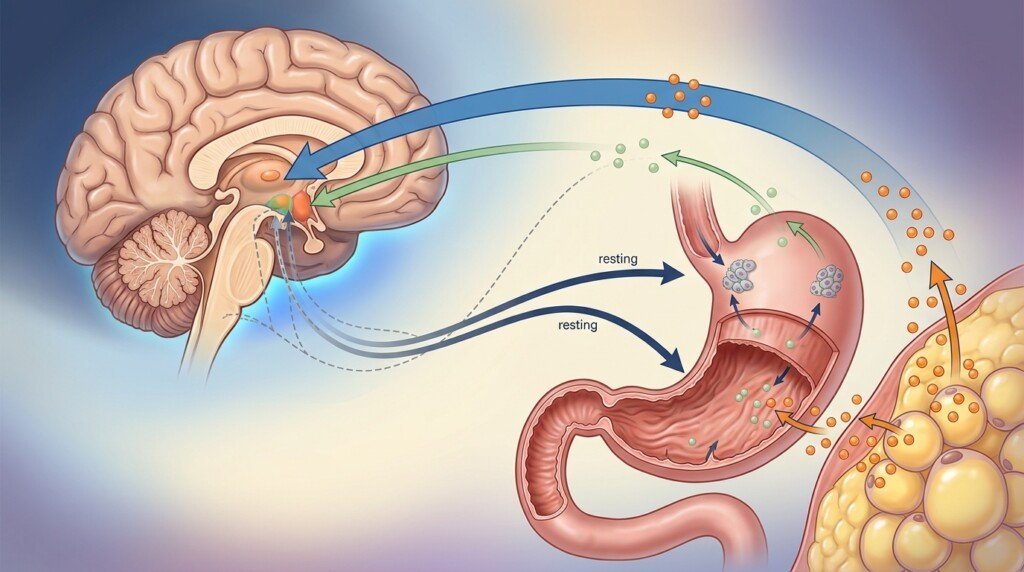
Ghrelin Signals Hunger
Ghrelin is commonly called the hunger hormone.
It helps signal when your body is ready to eat.
Research suggests that insufficient sleep may increase ghrelin activity, causing many people to feel hungrier throughout the day.
Leptin Signals Fullness
Leptin helps communicate feelings of fullness after eating.
Poor sleep has been associated with lower leptin activity, making satisfaction after meals more difficult for some individuals.
Together, increased hunger and reduced fullness may encourage overeating.
Cravings Often Increase
After a poor night’s sleep, many people notice stronger cravings for foods that are:
- Sweet
- Salty
- High in fat
- Highly processed
These cravings often reflect changes in appetite regulation rather than a lack of willpower.
Appetite Becomes Harder to Manage
When hunger hormones become less balanced, maintaining healthy eating habits naturally becomes more challenging.
This is one reason sleep should be viewed as an important part of weight management rather than an afterthought.
Healthy Sleep Supports Better Appetite Regulation
Although sleep cannot eliminate cravings completely, consistently getting enough quality sleep helps support healthier appetite regulation and makes balanced food choices easier over time.
Can Better Sleep Reduce Belly Fat?
Many people wonder whether simply sleeping more can reduce belly fat.
The answer is more nuanced than a simple yes or no.
Sleep itself does not directly burn abdominal fat. However, healthy sleep supports several biological processes that influence appetite, hormone balance, recovery, and long-term body fat regulation. These effects may make it easier to maintain the habits that gradually reduce excess body fat, including fat stored around the abdomen.

Sleep Helps Regulate Cortisol
Cortisol is a hormone that naturally follows a daily rhythm.
Repeated sleep disruption may interfere with this rhythm, affecting stress responses and overall metabolic function.
Maintaining consistent sleep supports healthier hormone regulation over time.
The relationship between cortisol and abdominal fat is discussed in greater detail throughout Cortisol Belly Fat.
Better Sleep May Reduce Late-Night Eating
People who stay awake longer naturally have more opportunities to eat.
Late-night snacking often involves foods that are:
- Highly processed
- High in added sugar
- High in calories
Going to bed at a consistent time may help reduce unnecessary evening eating.
Sleep Supports Exercise Recovery
Recovering well from physical activity allows you to maintain a regular exercise routine.
Consistent movement plays a much larger role in reducing body fat than sleep alone.
Good sleep simply helps support that consistency.
Healthy Sleep Encourages Better Daily Choices
After sleeping well, many people experience:
- Better concentration
- Improved mood
- Greater motivation
- More stable energy
These benefits often make healthy eating and regular movement easier throughout the day.
Belly Fat Reduction Requires Multiple Habits
There is no single habit that selectively removes abdominal fat.
Healthy sleep works alongside balanced nutrition, physical activity, stress management, and long-term consistency to support healthier body composition.
How Much Sleep Do You Need for Weight Loss?
There is no perfect number that guarantees weight loss.
However, most healthy adults benefit from regularly getting between 7 and 9 hours of quality sleep each night.
Equally important is maintaining good sleep quality and a consistent sleep schedule.

Sleep Quality Matters
Eight hours of interrupted sleep may provide fewer benefits than seven hours of uninterrupted, restorative sleep.
Quality sleep allows the body to complete the natural sleep stages required for recovery and hormone regulation.
Consistency Supports Circadian Rhythm
Going to bed and waking up at similar times each day helps strengthen your circadian rhythm.
A stable sleep schedule supports:
- Hormone balance
- Appetite regulation
- Energy levels
- Recovery
Individual Needs Vary
Although general recommendations exist, individual sleep needs differ.
Factors that influence sleep requirements include:
- Age
- Physical activity
- Overall health
- Lifestyle
- Recovery demands
The goal is waking up feeling rested rather than focusing only on the clock.
More Sleep Is Not Always Better
Sleeping well is important, but excessive sleep does not automatically improve weight loss.
The focus should remain on achieving consistent, high-quality sleep rather than simply spending more time in bed.
Healthy Sleep Supports Sustainable Habits
Adequate sleep makes it easier to maintain balanced nutrition, regular exercise, and consistent daily routines.
These behaviors ultimately have the greatest influence on long-term weight management.
Which Habits Improve Sleep Quality?
Improving sleep often begins with small daily habits rather than dramatic changes.
Many healthy sleep practices support both better rest and overall well-being.

Follow a Consistent Sleep Schedule
Try going to bed and waking up at approximately the same time each day.
Regular schedules help reinforce the body’s internal clock.
Create a Relaxing Bedtime Routine
Allow your body to gradually transition toward sleep.
Helpful bedtime habits include:
- Reading
- Gentle stretching
- Meditation
- Deep breathing
- Listening to calming music
These activities help signal that it is time to rest.
Limit Screen Time Before Bed
Electronic devices emit light that may interfere with your natural sleep cycle.
Reducing screen exposure before bedtime may support easier sleep onset for many people.
Keep Your Bedroom Comfortable
A comfortable sleep environment often includes:
- A cool temperature
- Minimal noise
- Low light
- Comfortable bedding
Small environmental improvements can make falling asleep easier.
Stay Active During the Day
Regular physical activity supports healthier sleep.
Many people find that consistent exercise improves both sleep quality and daytime energy.
Avoid Large Late-Night Meals
Heavy meals immediately before bedtime may interfere with comfortable sleep for some individuals.
Choosing balanced meals earlier in the evening often supports better rest.
Build Habits Gradually
Healthy sleep rarely improves overnight.
Small improvements practiced consistently usually produce the most lasting results.
Many of these routines also support long-term Weight Loss Habits, making healthy living easier overall.
When Should You Talk to a Doctor?
Occasional poor sleep is a normal part of life.
Stress, travel, illness, or temporary schedule changes can affect sleep from time to time.
However, persistent sleep problems deserve professional evaluation.
Sleep Problems Continue for Several Weeks
If poor sleep persists despite healthy sleep habits, discussing your symptoms with a healthcare professional is appropriate.
Long-lasting sleep difficulties should not simply be ignored.
Daytime Fatigue Becomes Severe
Feeling constantly exhausted despite spending enough time in bed may indicate that your sleep quality is being affected.
Persistent daytime sleepiness can interfere with work, driving, exercise, and daily activities.
Sleep Affects Daily Life
Consider seeking medical advice if poor sleep consistently affects:
- Mood
- Concentration
- Memory
- Physical performance
- Daily functioning
Weight Management Remains Difficult
If healthy eating, regular physical activity, and good sleep habits still are not producing expected progress, a healthcare professional can help evaluate whether other factors may be contributing.
Professional Guidance Supports Better Health
Seeking medical advice is not a sign of failure.
It is an important step toward identifying the underlying causes of persistent sleep difficulties and improving long-term health.
Key Takeaways
- Sleep supports appetite regulation, metabolism, recovery, and long-term weight management.
- Poor sleep may increase hunger, cravings, and reduce daily energy.
- Healthy sleep helps maintain balanced hunger hormones such as ghrelin and leptin.
- Most adults benefit from 7 to 9 hours of consistent, high-quality sleep each night.
- Good sleep works alongside healthy eating, exercise, and stress management rather than replacing them.
- Long-term lifestyle consistency remains the foundation of sustainable weight loss.

Frequently Asked Questions
1. Does sleep really affect weight loss?
Yes. Sleep influences appetite, hormone regulation, recovery, metabolism, and daily energy levels. Healthy sleep supports the habits needed for successful long-term weight management.
2. Can poor sleep increase hunger?
Yes. Research suggests that insufficient sleep may influence hunger hormones such as ghrelin and leptin, making appetite more difficult to regulate.
3. How much sleep should adults get for weight loss?
Most healthy adults benefit from consistently getting between 7 and 9 hours of quality sleep each night while maintaining a regular sleep schedule.
4. Can better sleep reduce belly fat?
Sleep alone does not specifically burn belly fat. However, healthy sleep supports appetite regulation, recovery, hormone balance, and consistent healthy habits that contribute to overall body fat reduction.
5. What are the best habits for improving sleep quality?
Maintaining a consistent sleep schedule, creating a relaxing bedtime routine, limiting screen time before bed, staying physically active, and keeping your bedroom comfortable all support healthier sleep.
Final Thoughts
Sleep is often overlooked in conversations about weight loss, yet it quietly influences many of the biological systems that determine long-term success. Healthy sleep supports metabolism, appetite regulation, recovery, hormone balance, and daily energy, making it easier to maintain balanced eating habits and stay physically active. While sleeping more is not a shortcut to fat loss, consistently getting high-quality sleep creates the foundation that allows other healthy habits to work more effectively.
The science behind Sleep and Weight Loss makes one thing clear: sustainable progress depends on more than calories and exercise alone. Poor sleep can increase cravings, reduce motivation, interfere with recovery, and make maintaining healthy routines far more challenging. In contrast, good sleep improves your ability to make better choices throughout the day while supporting your body’s natural recovery and metabolic processes.
Rather than treating sleep as optional, think of it as one of the pillars of a healthy lifestyle alongside nutritious eating, regular physical activity, stress management, and long-term consistency. Small improvements in your nightly routine may not transform your weight overnight, but over weeks and months they can strengthen the habits that lead to healthier body composition, better metabolic health, and lasting weight management.
Disclaimer:
This post may contain affiliate links. If you purchase through them, we may earn a small commission at no extra cost to you. Also, this content is for informational purposes only and does not substitute professional medical advice.
Ready to Start Your Journey?
Use our free 7-in-1 Weight Loss Toolkit to calculate your numbers and build your plan in minutes.
Open Free Tools →