Does Cold Exposure Boost Metabolism? Benefits, Risks, and What Science Says
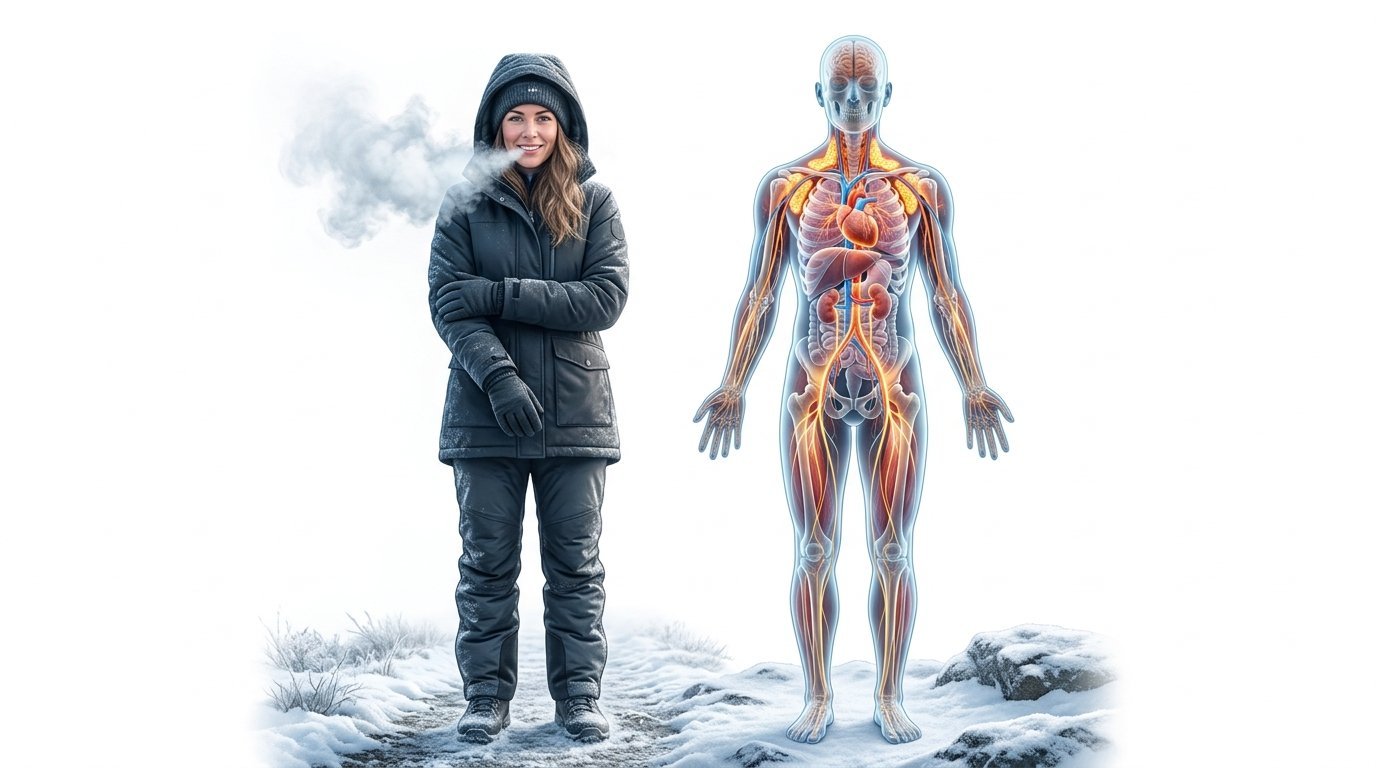
Step into a cold shower or plunge into an ice bath, and your body reacts almost instantly. Your breathing changes, your skin tightens, and within seconds your body begins working harder to maintain its core temperature. These immediate reactions have led many people to believe that cold exposure is a powerful way to burn calories and lose weight.
The science tells a more balanced story.
The relationship between Cold Exposure and Metabolism is genuine, but it is often exaggerated online. Researchers have found that exposure to cold can activate brown fat, increase thermogenesis, and temporarily raise energy expenditure. These responses are part of the body’s natural survival system, helping maintain a stable internal temperature when the surrounding environment becomes cold.
However, the increase in calorie burning is usually modest and should not be mistaken for a shortcut to weight loss. Cold exposure may support metabolic health in certain situations, but it cannot replace balanced nutrition, regular physical activity, or other healthy lifestyle habits.
This article follows what happens inside your body from the moment you encounter cold temperatures, explaining how brown fat, thermogenesis, and calorie burning work together while separating scientific evidence from popular myths.
Quick Answer
Cold Exposure and Metabolism are connected because cold temperatures activate heat-producing mechanisms such as shivering and brown fat activity. These responses temporarily increase energy expenditure through thermogenesis. While research supports this effect, the increase in calorie burning is generally modest, making cold exposure a supportive habit rather than a primary weight-loss strategy.
Does Cold Exposure and Metabolism Really Have a Scientific Connection?
Many viral videos suggest that cold showers or ice baths can dramatically increase metabolism.
There is some scientific truth behind these claims, but understanding what happens inside the body provides a much clearer picture.
Minute 1: Your Body Detects the Cold
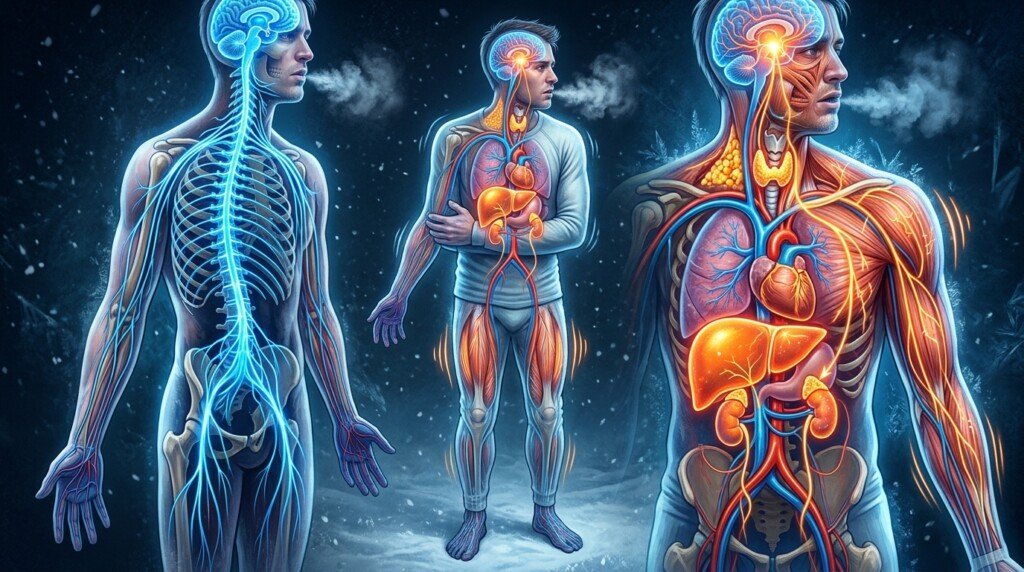
The moment cold air or cold water touches your skin, temperature-sensitive receptors immediately send signals to your brain.
Your brain recognizes that body heat could be lost to the environment.
Its first priority becomes maintaining a stable core temperature.
Several automatic responses begin almost immediately.
These include:
- Narrowing blood vessels near the skin.
- Increasing nervous system activity.
- Conserving body heat.
- Preparing heat-producing mechanisms.
These reactions occur without conscious effort because they are controlled by the autonomic nervous system.
Your Body Prioritizes Survival
Human beings function best within a narrow internal temperature range.
Even small decreases in core temperature trigger protective responses designed to prevent excessive heat loss.
This explains why metabolism changes during cold exposure.
The body must spend energy to keep itself warm.
Minute 5: Heat Production Begins to Increase
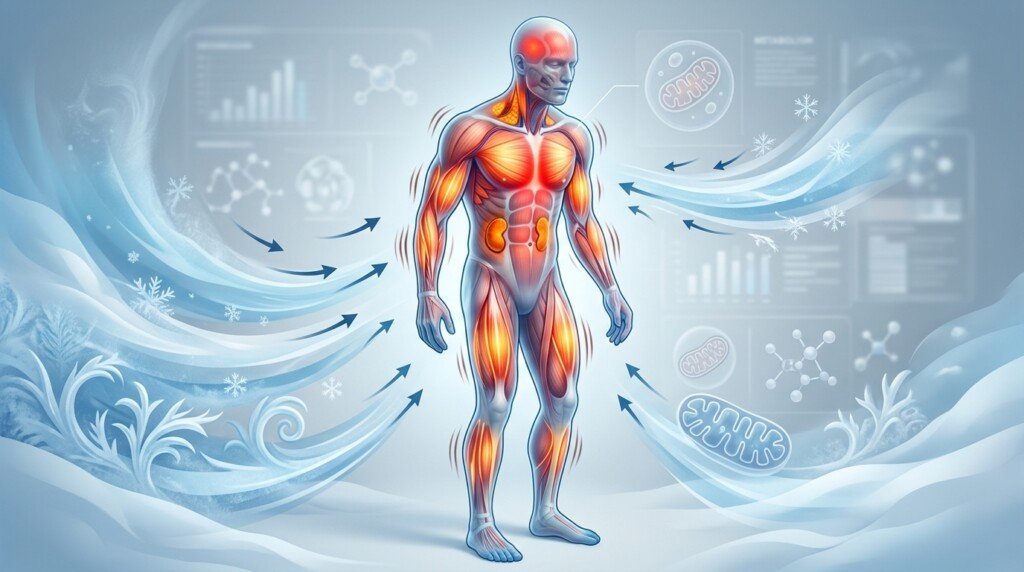
As cold exposure continues, your body starts generating additional heat.
This process is known as thermogenesis.
Instead of allowing body temperature to continue falling, the nervous system stimulates tissues capable of producing heat.
Energy is required for this process.
Because generating heat consumes calories, total energy expenditure rises.
Readers interested in the physiology of heat production may also enjoy Thermogenesis, which explains the body’s natural calorie-burning mechanisms in greater detail.
Not Every Cold Environment Produces the Same Response
Several factors determine how strongly metabolism responds to cold exposure, including:
- Air temperature.
- Water temperature.
- Duration of exposure.
- Clothing.
- Body composition.
- Individual cold tolerance.
This explains why two people may experience very different physiological responses under similar conditions.
Why Researchers Continue Studying Cold Exposure
Scientists remain interested in cold exposure because it activates natural biological systems that influence energy expenditure.
Research focuses on questions such as:
- How much extra energy is used?
- Which tissues produce the heat?
- Can repeated exposure improve metabolic health?
- How important is brown fat?
Although many questions remain, researchers agree that the body’s response to cold is real, measurable, and physiologically fascinating.
How Does Cold Activate Brown Fat?
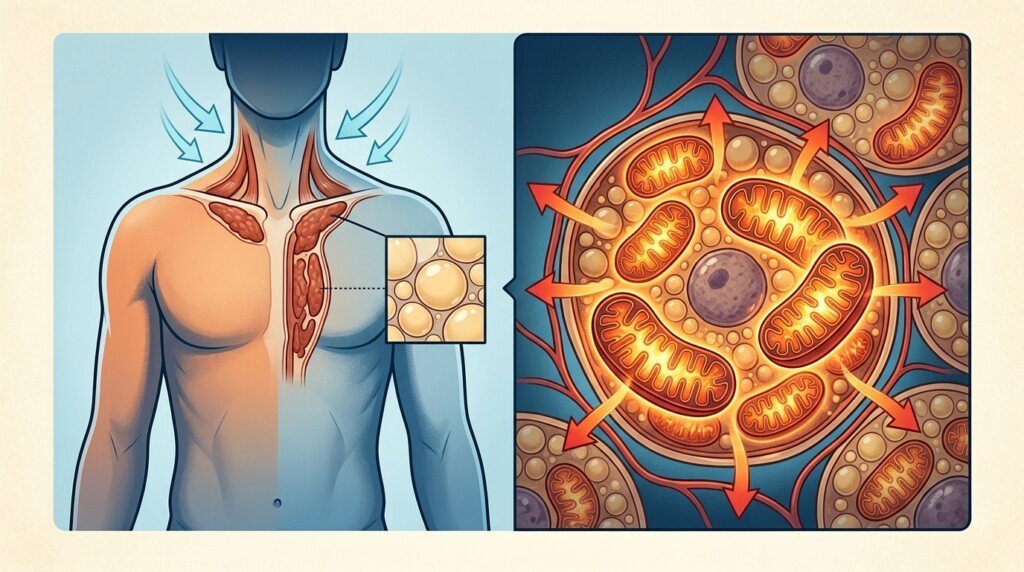
One of the most exciting discoveries in metabolism research involves a specialized type of body fat known as brown adipose tissue, commonly called brown fat.
Unlike ordinary body fat, brown fat serves a very different purpose.
What Makes Brown Fat Different?
Most body fat stores excess energy for later use.
Brown fat behaves differently.
Its primary job is producing heat.
Brown fat contains a large number of mitochondria, the tiny structures inside cells responsible for generating energy.
When activated, these mitochondria produce heat instead of storing calories.
Cold Is One of Brown Fat’s Natural Triggers
Exposure to cold temperatures stimulates nerves connected to brown fat.
These signals encourage brown fat to begin producing heat.
Because this process requires energy, calorie expenditure increases.
This response helps protect the body against excessive cooling.
Readers interested in understanding different types of body fat will also find Brown Fat vs White Fat useful for explaining how these tissues differ.
Non-Shivering Thermogenesis Explained
Most people associate cold with shivering.
However, the body has another way to stay warm.
Before Shivering Starts
When possible, the body prefers producing heat without muscle contractions.
This process is called non-shivering thermogenesis.
Brown fat plays a major role in this mechanism.
Instead of rapidly contracting muscles, brown fat generates warmth directly.
Shivering Is the Backup System
If brown fat alone cannot maintain body temperature, muscles begin contracting rapidly.
These involuntary contractions create additional heat.
Although effective, shivering requires considerable energy and is generally considered a secondary response.
Researchers continue studying how much each mechanism contributes to total energy expenditure during cold exposure.
Do Cold Showers Burn More Calories?
Cold showers have become one of the most popular forms of cold exposure.
Many people believe they dramatically increase calorie burning.
Current research suggests the answer is more moderate.
What Actually Happens During a Cold Shower?
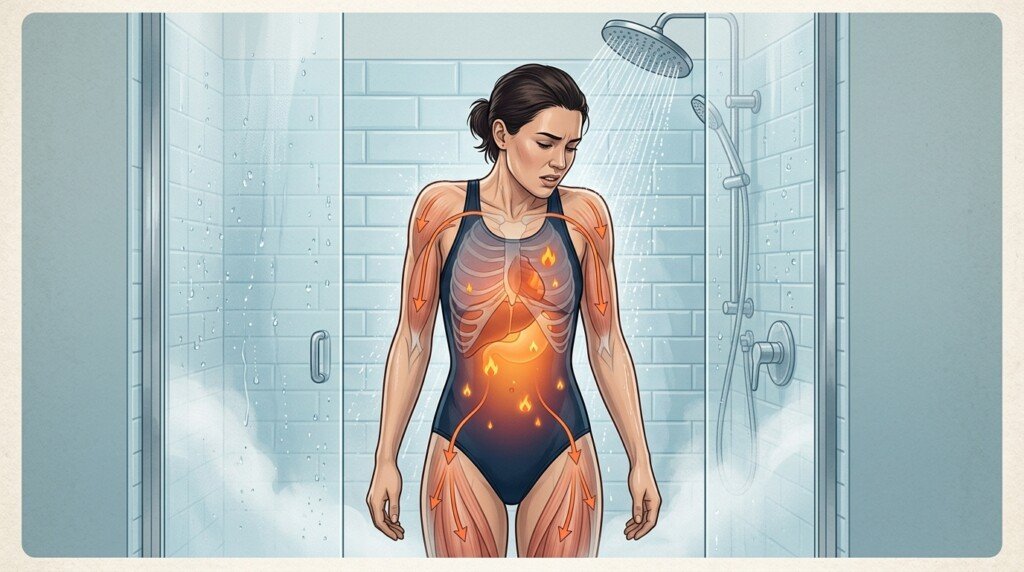
As cold water contacts the skin, the body increases heat production to defend its core temperature.
This temporarily increases energy expenditure.
However, the overall increase depends on several factors, including:
- Water temperature.
- Shower duration.
- Individual body composition.
- Brown fat activity.
- Cold adaptation.
Small Effects Can Still Be Real
The increase in calorie burning during cold exposure is measurable.
However, it is usually much smaller than many online claims suggest.
Cold showers should be viewed as one potential contributor to metabolic health rather than a replacement for established healthy habits.
Readers interested in building sustainable long-term strategies may also enjoy Sustainable Weight Loss, which focuses on habits that consistently influence body weight over time.
Evidence at a Glance
| Research Question | Current Evidence |
|---|---|
| Does cold exposure affect metabolism? | Yes. |
| Does cold activate brown fat? | Yes. |
| Does thermogenesis increase during cold exposure? | Yes. |
| Do cold showers dramatically increase calorie burning? | No. |
| Can cold exposure support metabolic health? | Yes, as one part of a healthy lifestyle. |
Are Ice Baths Effective for Weight Loss?
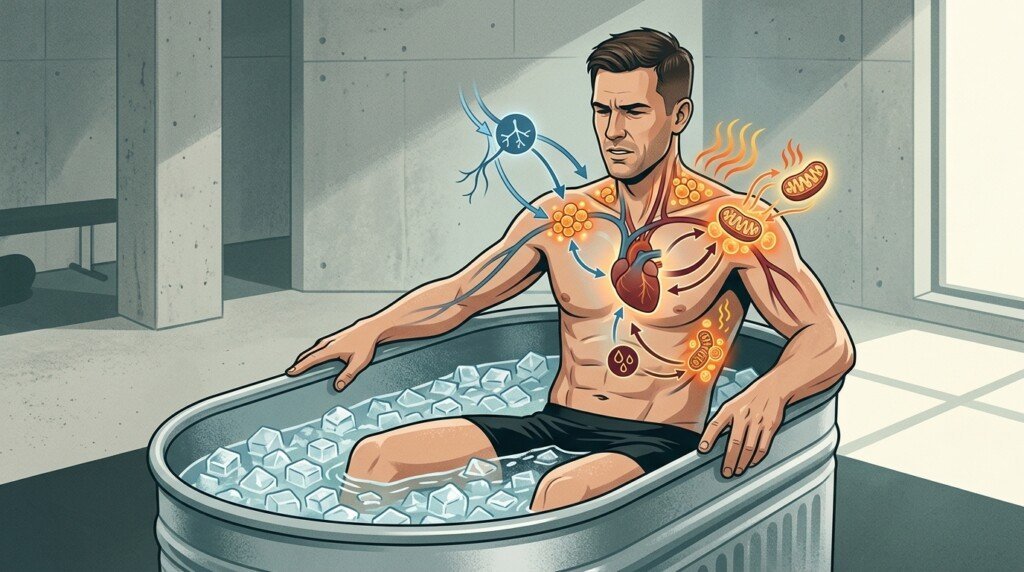
Ice baths are often promoted as a way to burn more calories because the body has to work harder to stay warm. While this idea has a scientific basis, the practical impact is often overstated.
Ice Baths Increase Energy Demand
When your body is immersed in cold water, it immediately begins defending its core temperature. This response increases energy expenditure through thermogenesis and, in some people, activates brown fat.
However, burning more calories during cold exposure does not automatically lead to meaningful fat loss.
Weight Loss Depends on the Bigger Picture
Body weight changes over weeks and months, not after one ice bath.
Long-term weight management is still driven primarily by:
- Total calorie intake
- Daily physical activity
- Muscle mass
- Sleep quality
- Consistent healthy habits
Cold exposure may slightly increase daily calorie expenditure, but the effect is too small to replace these fundamental lifestyle factors.
Ice Baths Are Not a Fat-Loss Shortcut
Many social media posts imply that frequent ice baths dramatically accelerate fat burning.
Current research does not support those claims.
Cold exposure may complement an overall healthy lifestyle, but it should not be viewed as a primary weight-loss method.
How Much Can Cold Exposure Increase Calorie Burning?
This is one of the most common questions researchers receive.
The answer depends on several individual factors.
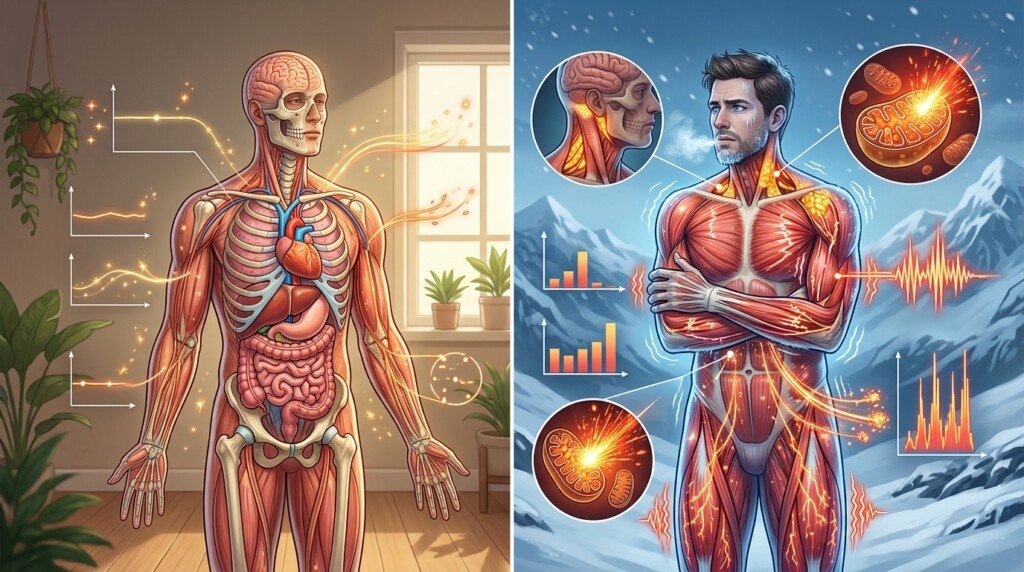
Everyone Responds Differently
The body’s response varies according to:
- Body fat percentage
- Brown fat activity
- Age
- Genetics
- Cold adaptation
- Duration of exposure
- Temperature
Because these factors differ between individuals, calorie expenditure also varies considerably.
Brown Fat Makes a Difference
Some people naturally have more active brown fat than others.
When activated, brown fat generates heat by using stored energy.
Individuals with greater brown fat activity may experience slightly larger metabolic responses during cold exposure.
The Overall Effect Remains Modest
Although cold exposure increases calorie expenditure, research consistently shows the increase is relatively modest.
The body is highly efficient at maintaining temperature, meaning cold exposure alone is unlikely to produce substantial changes in body weight.
What Are the Risks of Cold Exposure?
Cold exposure can be safe for many healthy adults when practiced appropriately, but it is not risk-free.
Understanding the potential risks is just as important as understanding the possible benefits.

Rapid Temperature Changes Stress the Body
Sudden exposure to very cold temperatures places immediate demands on the cardiovascular and nervous systems.
Possible reactions include:
- Rapid breathing
- Increased heart rate
- Elevated blood pressure
- Temporary dizziness
These responses are normal but may be problematic for individuals with certain medical conditions.
Prolonged Cold Can Become Dangerous
Remaining in very cold environments for extended periods increases the risk of:
- Excessive heat loss
- Reduced coordination
- Confusion
- Hypothermia
The goal of cold exposure should never be to tolerate dangerous levels of cold.
Not Everyone Should Try Cold Exposure
Individuals with cardiovascular disease, uncontrolled high blood pressure, Raynaud’s phenomenon, or other medical conditions should consult a healthcare professional before experimenting with significant cold exposure.
Safety should always take priority over potential metabolic benefits.
Is Cold Exposure Worth Trying for Metabolism?
Whether cold exposure is worthwhile depends on your expectations.
If Your Goal Is a Dramatic Metabolic Boost
Current research suggests you may be disappointed.
Although calorie burning increases during cold exposure, the effect is generally too small to create major changes in body weight by itself.
If Your Goal Is Supporting Overall Metabolic Health
Cold exposure may become one small piece of a broader healthy lifestyle.
Combined with:
- Regular exercise
- Balanced nutrition
- Adequate protein intake
- Good sleep
- Consistent movement
it may contribute modestly to overall metabolic function.
Sustainable Habits Remain the Biggest Factor
Healthy metabolism develops through consistent daily behaviors rather than any single strategy.
Cold exposure is best viewed as a complementary practice rather than a replacement for established healthy habits.
Readers interested in additional natural factors influencing metabolism may also explore future articles on Capsaicin and Metabolism, Coffee and Metabolism, and Green Tea and Metabolism, each of which examines different mechanisms involved in energy expenditure.
Cold Exposure and Metabolism at a Glance
| Question | Answer |
|---|---|
| Does cold exposure affect metabolism? | Yes, temporarily. |
| Does cold activate brown fat? | Yes. |
| Do cold showers dramatically burn calories? | No. |
| Can ice baths replace healthy lifestyle habits? | No. |
| Is thermogenesis increased during cold exposure? | Yes. |
| Is cold exposure suitable for everyone? | No. Individual health status matters. |
The easiest way to remember this topic is:
Cold exposure increases calorie burning because the body must stay warm, but the effect is modest and works best alongside long-term healthy habits.

Frequently Asked Questions
1. Do cold showers burn fat?
Cold showers can slightly increase calorie expenditure through thermogenesis, but they do not directly burn body fat or produce major weight loss on their own.
2. Are ice baths good for weight loss?
Ice baths may modestly increase energy expenditure, but healthy eating habits and regular physical activity have a much greater impact on long-term weight management.
3. Can cold activate brown fat?
Yes. Cold exposure is one of the primary natural triggers for brown fat activation.
4. Is cold exposure safe every day?
Many healthy adults tolerate moderate cold exposure well, but safety depends on individual health, the intensity of exposure, and underlying medical conditions.
5. Does cold exposure permanently increase metabolism?
No. The increase in calorie burning is temporary and occurs while the body is working to maintain its core temperature.
6. Why does the body shiver in the cold?
Shivering is an involuntary muscle response that generates heat when other heat-producing mechanisms are insufficient.
7. Is brown fat the same as body fat?
No. Brown fat primarily produces heat, while white fat mainly stores energy.
8. Can cold replace exercise?
No. Cold exposure cannot provide the wide range of cardiovascular, muscular, and metabolic benefits associated with regular physical activity.
9. Does cold exposure improve metabolic health?
Research suggests it may support certain aspects of metabolic function, but it should be considered one supportive habit rather than a complete strategy.
10. Should everyone try cold exposure?
No. Individuals with certain cardiovascular or medical conditions should seek medical advice before using significant cold exposure.
Final Thoughts
The relationship between Cold Exposure and Metabolism is supported by science, but it is often misunderstood. Cold temperatures trigger thermogenesis, activate brown fat, and temporarily increase calorie expenditure as the body works to maintain its core temperature. These physiological responses are real, yet they remain relatively modest and should not be mistaken for a powerful weight-loss method. While cold showers and ice baths may contribute to metabolic health, their overall impact is small compared with the long-term effects of balanced nutrition, regular physical activity, and sustainable lifestyle habits.
The most practical way to view cold exposure is as one tool within a much larger health strategy. It may provide a slight metabolic advantage, but lasting results come from consistent daily behaviors rather than short-term extremes. Understanding both the benefits and the limitations allows you to make informed decisions based on evidence instead of trends.
Disclaimer:
This post may contain affiliate links. If you purchase through them, we may earn a small commission at no extra cost to you. Also, this content is for informational purposes only and does not substitute professional medical advice.
Ready to Start Your Journey?
Use our free 7-in-1 Weight Loss Toolkit to calculate your numbers and build your plan in minutes.
Open Free Tools →