Does Drinking Water Boost Metabolism? What the Research Really Shows
Water is often promoted as one of the simplest ways to improve health, support weight loss, and even increase calorie burning. You have probably seen headlines claiming that drinking a few extra glasses of water every day can “boost your metabolism” or that cold water forces your body to burn significantly more calories.
These claims sound appealing because water is inexpensive, widely available, and essential for life. But do they reflect what scientific research actually shows?
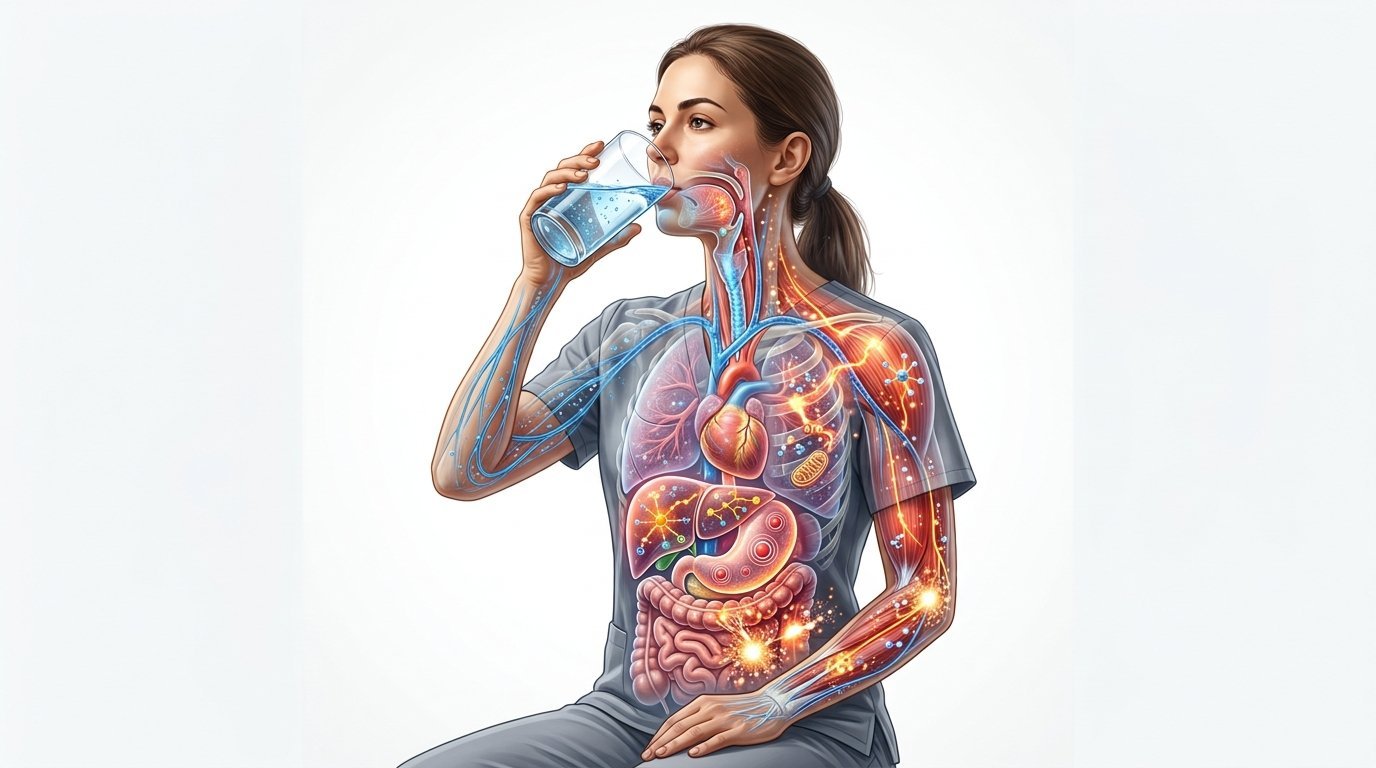
If you are searching Does Drinking Water Boost Metabolism, the answer is not a simple yes or no. Water does play an important role in metabolic function, but its effects are often misunderstood. Drinking water supports many of the body’s normal processes, including digestion, temperature regulation, circulation, and cellular energy production. Some studies also suggest that drinking water may temporarily increase energy expenditure through a process called water-induced thermogenesis, although the effect is relatively small.
Understanding where the evidence is strong and where the myths begin can help you make realistic decisions instead of expecting dramatic results from one healthy habit.
In this article, we’ll examine the research behind hydration and metabolism, explain what water-induced thermogenesis really means, and separate scientific evidence from popular misconceptions.
Quick Answer
Does Drinking Water Boost Metabolism? Research suggests that drinking water may cause a small temporary increase in energy expenditure, particularly through water-induced thermogenesis. However, the effect is modest and should be viewed as one part of a healthy lifestyle rather than a stand-alone weight loss strategy. Staying well hydrated supports normal metabolic function, exercise performance, digestion, and overall health.
Does Drinking Water Boost Metabolism or Is It Just a Myth?
This is one of the most frequently asked questions about metabolism.
The answer depends on what people mean by “boost.”
If they expect water to dramatically increase calorie burning throughout the day, the evidence does not support that idea.
If they are asking whether hydration supports normal metabolic function and may temporarily increase energy expenditure, then the answer is yes.
Your Body Needs Water to Support Normal Metabolism
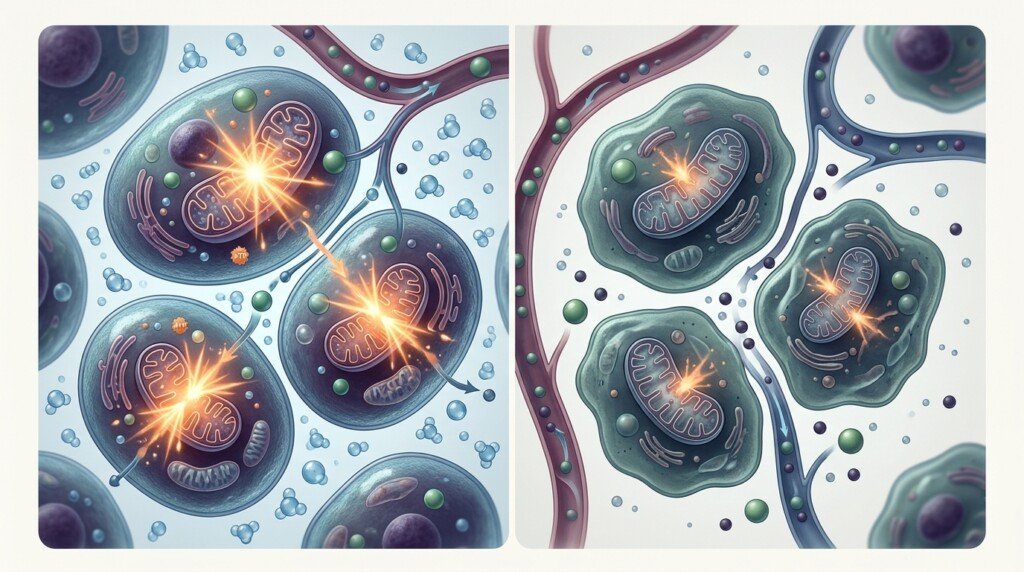
Every cell in your body depends on water.
Water participates in countless biological reactions involved in:
- Energy production
- Nutrient transport
- Waste removal
- Temperature regulation
- Digestion
Without adequate hydration, these processes cannot function as efficiently.
Hydration Supports Metabolic Function
Rather than acting like a stimulant, water helps create the conditions your body needs to perform normal metabolic activities.
Think of hydration as supporting the machinery rather than speeding it beyond its natural limits.
The Effect Is Modest
Some research has found small increases in calorie expenditure after drinking water.
However, these increases are temporary and should not be viewed as a substitute for:
- Healthy eating
- Regular physical activity
- Maintaining lean muscle
- Long-term healthy habits
Water Is Still One of the Best Beverage Choices
Even if its direct metabolic effect is relatively small, replacing sugar-sweetened beverages with water often supports healthier calorie intake over time.
What Is Water-Induced Thermogenesis?
One reason water receives so much attention is a concept known as water-induced thermogenesis.
This term sounds technical, but the basic idea is straightforward.
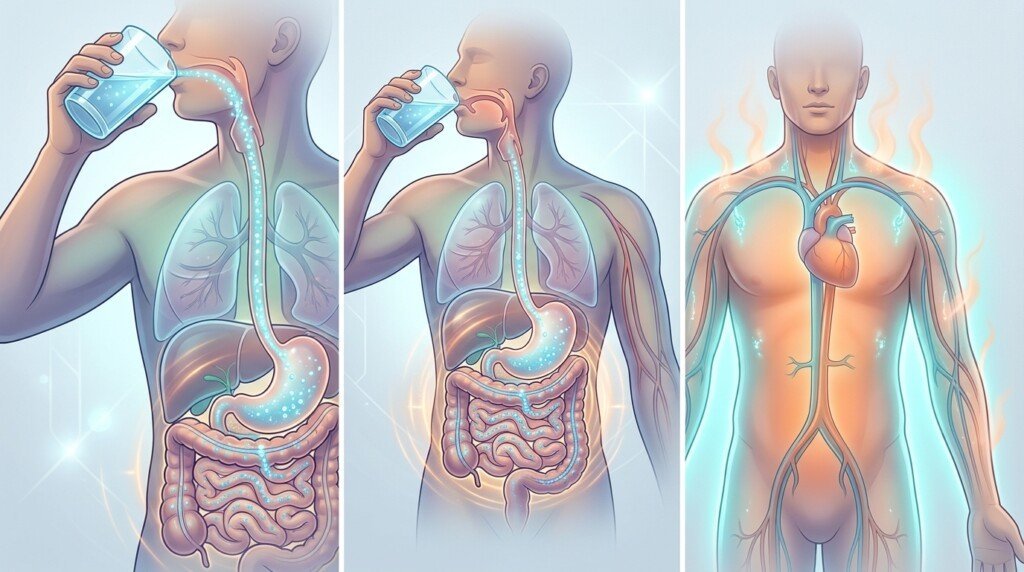
Your Body Uses Energy to Process Water
Some researchers have observed that drinking water may temporarily increase resting energy expenditure.
Several explanations have been proposed, including:
- Warming the water to body temperature
- Activating certain nervous system responses
- Supporting normal physiological processes
Scientists continue studying the exact mechanisms involved.
The Increase Is Usually Small
Although some studies report measurable increases in calorie expenditure, the effect is generally modest.
The number of extra calories burned is much lower than many internet claims suggest.
Temperature May Influence the Response
Researchers have explored whether colder water creates a larger thermogenic response because the body must warm it to approximately body temperature.
While this process does require energy, the overall increase remains relatively small.
Research Continues to Evolve
Scientists continue investigating:
- Water temperature
- Drinking volume
- Individual variation
- Long-term effects
Current evidence supports realistic expectations rather than dramatic promises.
Can Cold Water Burn More Calories?
Cold water has become especially popular among people interested in metabolism.
The reasoning appears logical.
If your body warms cold water after drinking it, perhaps that process burns meaningful calories.
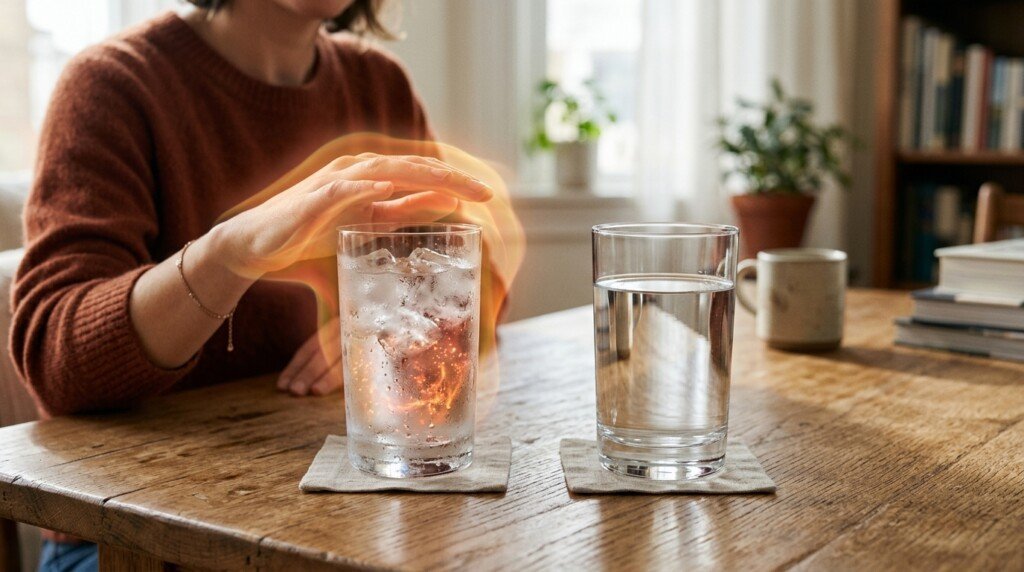
The Body Does Warm Cold Water
After consuming cold water, your body gradually raises its temperature to match your internal body temperature.
This process requires a small amount of energy.
The Calorie Difference Is Small
Although warming water uses calories, the total amount is relatively minor.
It is nowhere near enough to replace healthy nutrition or regular exercise.
Cold Water Is Not Superior for Weight Loss
Current research does not support the idea that drinking cold water produces major fat-burning effects compared with room-temperature water.
The most important factor is simply staying adequately hydrated.
Choose the Temperature You Prefer
Some people enjoy cold water.
Others prefer room-temperature or warm water.
The best choice is whichever helps you consistently meet your hydration needs.
Does Dehydration Slow Metabolism?
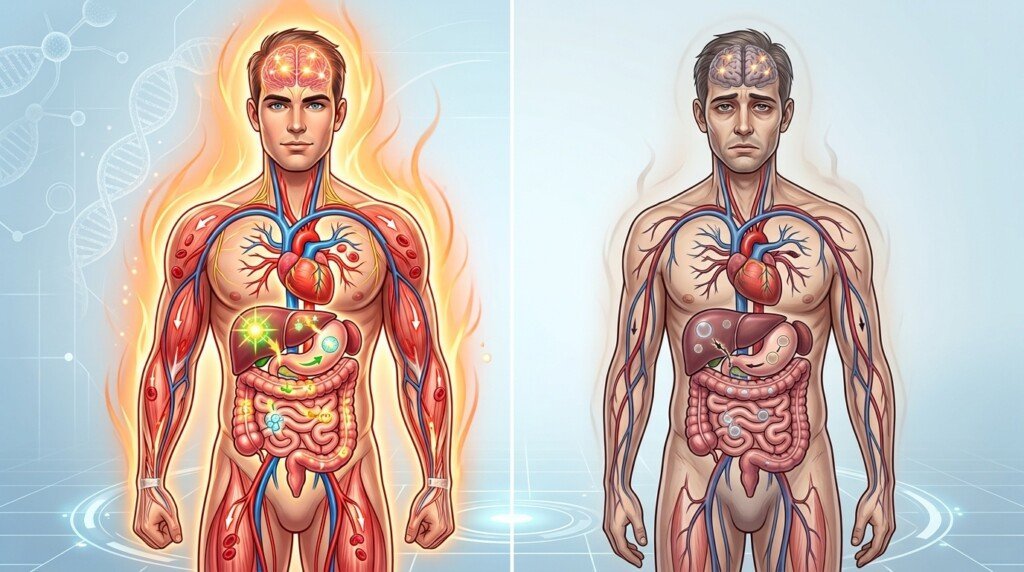
While drinking extra water will not dramatically speed metabolism, becoming dehydrated can interfere with normal body function.
Hydration matters because metabolism depends on countless chemical reactions occurring every second.
Dehydration Affects Normal Body Processes
Insufficient fluid intake may influence:
- Physical performance
- Temperature regulation
- Circulation
- Digestion
- Overall energy levels
These effects can make normal daily activity feel more difficult.
Exercise Performance May Decline
Even mild dehydration can reduce exercise performance for some individuals.
Lower exercise quality may indirectly reduce total daily calorie expenditure over time.
Appetite and Thirst Can Be Confused
Some people mistake thirst for hunger.
Drinking adequate fluids throughout the day may help improve awareness of true hunger signals, although water itself is not a weight loss treatment.
Supporting Healthy Habits
Maintaining proper hydration is one of many healthy habits that contribute to overall wellness.
Combined with regular activity and balanced nutrition, it supports long-term metabolic health far more effectively than relying on quick fixes.
For readers building sustainable routines, both Weight Loss Habits and Sustainable Weight Loss explore how everyday behaviors work together to support lasting health.
How Much Water Should You Drink Daily?
One of the most common questions about hydration is how much water people actually need. Unfortunately, there is no single number that works for everyone.
Daily water requirements vary depending on body size, physical activity, climate, diet, and overall health. Someone exercising outdoors in hot weather will naturally need more fluids than someone spending the day in a climate-controlled office.
Instead of chasing an exact number, it is more useful to focus on maintaining consistent hydration throughout the day.

Your Needs Change From Day to Day
Fluid requirements increase with:
- Exercise
- Hot or humid weather
- Illness involving fluid loss
- High-fiber diets
- Pregnancy or breastfeeding
On quieter days, your needs may be lower.
Don’t Wait Until You’re Extremely Thirsty
Thirst is an important signal, but it often appears after your body has already begun losing fluids.
Developing the habit of drinking water regularly throughout the day can make staying hydrated much easier.
Foods Also Contribute to Hydration
Many fruits and vegetables contain significant amounts of water.
Examples include:
- Watermelon
- Cucumbers
- Oranges
- Strawberries
- Lettuce
These foods contribute to your total daily fluid intake while providing vitamins, minerals, and fiber.
Practical Hydration Tips
Simple habits often work better than complicated hydration schedules.
Consider:
- Carrying a reusable water bottle
- Drinking water with meals
- Having water after exercise
- Choosing water instead of sugary beverages more often
Consistency is usually more important than drinking large amounts all at once.
Can Water Help Support Weight Loss?
Although water is not a fat-burning solution, it can support several behaviors that make healthy weight management easier.
The benefits are indirect but meaningful.

Water May Help Manage Appetite
Sometimes thirst is mistaken for hunger.
Drinking water before automatically reaching for food may help some people recognize whether they are truly hungry.
Replacing High-Calorie Drinks Can Reduce Energy Intake
One of water’s biggest advantages is what it replaces.
Swapping sugar-sweetened beverages for water can significantly reduce daily calorie intake without making meals feel restrictive.
Water Supports Physical Activity
Good hydration helps support:
- Exercise performance
- Endurance
- Recovery
- Daily movement
Better physical performance often makes it easier to maintain an active lifestyle.
Healthy Habits Work Together
Water is one part of a larger picture that includes:
- Balanced nutrition
- Regular movement
- Adequate protein
- Consistent daily routines
Readers building lasting habits may also benefit from High-Protein Foods That Burn Fat and Stress and Weight Loss, both of which examine additional factors influencing long-term weight management.
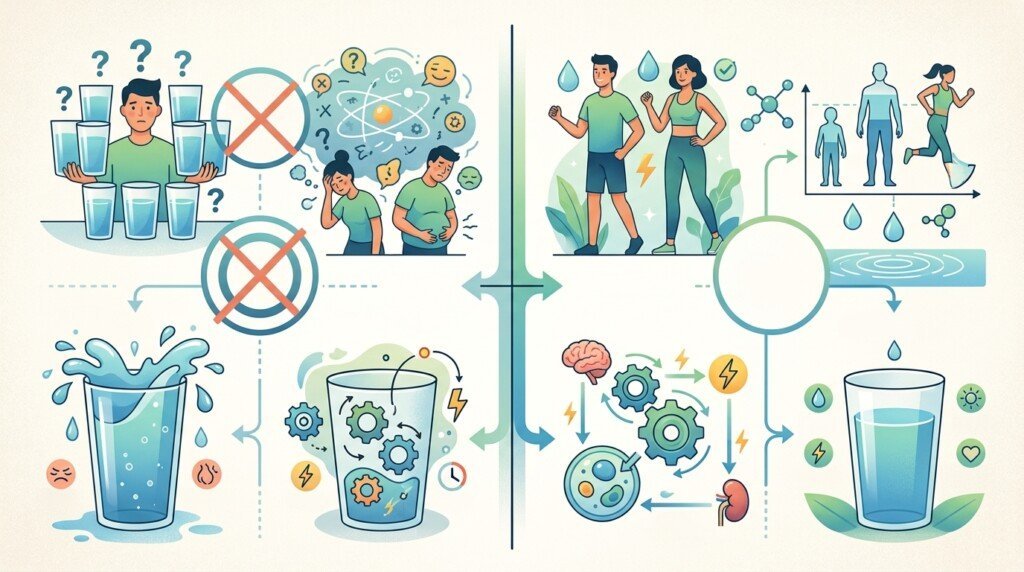
What Are the Biggest Myths About Water and Metabolism?
Hydration has become one of the most misunderstood areas of nutrition.
Let’s separate several popular myths from current scientific evidence.
Myth 1: Drinking Water Dramatically Boosts Metabolism
Research shows that water may temporarily increase energy expenditure slightly.
The increase is real but modest.
It should not be viewed as a major calorie-burning strategy.
Myth 2: Cold Water Burns Hundreds of Extra Calories
This is false.
Although your body expends some energy warming cold water, the calorie difference is very small.
Choosing cold water over room-temperature water will not produce meaningful weight loss by itself.
Myth 3: More Water Always Means Better Metabolism
Hydration is important, but more is not always better.
Excessive water intake offers no additional metabolic advantage for healthy individuals and, in rare situations, can even be harmful.
The goal is adequate hydration rather than excessive consumption.
Myth 4: Water Melts Body Fat
Water does not directly burn fat.
Fat loss occurs when your body consistently uses more energy than it consumes over time.
Water simply supports many of the body’s normal physiological processes involved in healthy metabolism.
Myth 5: Everyone Needs Exactly the Same Amount
Fluid requirements vary widely.
Age, activity level, climate, body size, and health all influence individual hydration needs.
There is no universal daily target that fits everyone.
Future discussions in Metabolism and Hydration, Drinks That Boost Metabolism, Morning Metabolism, and Can You Speed Up Your Metabolism Naturally explain how hydration works alongside other healthy lifestyle habits without overstating its effects.
What the Research Says at a Glance
Current evidence provides a balanced perspective on hydration and metabolism.
Researchers generally agree that:
- Water is essential for normal metabolic function.
- Staying hydrated supports healthy physiological processes.
- Drinking water may temporarily increase energy expenditure.
- The thermogenic effect is relatively small.
- Cold water burns only slightly more calories than warm water.
- Replacing sugary drinks with water can support healthier calorie intake.
- Hydration supports physical performance and daily activity.
- Water works best as one component of an overall healthy lifestyle.
Rather than expecting dramatic metabolic changes, think of water as creating the conditions your body needs to function at its best.
Frequently Asked Questions
1. Does Drinking Water Boost Metabolism?
Yes, but only modestly. Drinking water may temporarily increase energy expenditure while supporting normal metabolic function.
2. What is water-induced thermogenesis?
Water-induced thermogenesis refers to the small increase in calorie expenditure that may occur after drinking water.
3. Does cold water burn more calories?
Cold water requires a small amount of energy to warm to body temperature, but the overall calorie difference is minimal.
4. Can dehydration affect metabolism?
Yes. Dehydration can reduce physical performance and interfere with normal physiological processes that support healthy metabolism.
5. How much water should I drink each day?
Needs vary depending on age, body size, activity level, climate, and overall health. Consistent hydration is more important than reaching a specific universal target.
6. Does drinking water help with weight loss?
Water supports weight management by replacing high-calorie beverages, supporting exercise performance, and helping some people distinguish thirst from hunger.
7. Is drinking more water always better?
No. Drinking enough to stay well hydrated is beneficial, but excessive water intake offers no additional metabolic advantage.
8. Can water replace healthy eating?
No. Water supports healthy metabolism but cannot replace balanced nutrition or regular physical activity.
9. Should I only drink water when I feel thirsty?
Thirst is helpful, but drinking fluids consistently throughout the day often supports better hydration.
10. Is water one of the best beverages for metabolic health?
Yes. Water is calorie-free, supports normal body functions, and fits easily into a healthy long-term lifestyle.
Final Thoughts
The question Does Drinking Water Boost Metabolism deserves a balanced answer rather than an exaggerated one. Research suggests that drinking water can produce a small, temporary increase in energy expenditure through water-induced thermogenesis while supporting the countless biological processes involved in normal metabolic function. However, these effects are modest and should not be mistaken for a shortcut to rapid weight loss.
Where water truly shines is in supporting overall health. Staying hydrated helps maintain physical performance, supports digestion, regulates body temperature, and makes it easier to replace high-calorie beverages with a calorie-free alternative. Combined with balanced nutrition, regular physical activity, and sustainable daily habits, adequate hydration becomes an important part of long-term metabolic health. By focusing on consistency instead of myths, you can use water as one valuable tool within a healthy lifestyle rather than expecting it to transform your metabolism on its own.
Disclaimer:
This post may contain affiliate links. If you purchase through them, we may earn a small commission at no extra cost to you. Also, this content is for informational purposes only and does not substitute professional medical advice.
Fuel Your Body Right
Use our free Nutrition Toolkit to find your protein target, fasting window, and net carbs in minutes.
Open Free Tools →