What Are the Best Drinks to Boost Metabolism? 12 Science-Backed Choices
When people think about improving their metabolism, one of the first questions they ask is whether certain drinks can help burn more calories. A quick search online reveals countless products promising rapid fat burning, instant energy, or a dramatic metabolic boost. Unfortunately, many of these claims are exaggerated.
The truth is that Drinks That Boost Metabolism can support healthy metabolic function, but they are not magic solutions. Some beverages contain naturally occurring compounds that may slightly increase energy expenditure, support fat oxidation, or help maintain lean muscle. However, these effects are generally modest and work best when combined with healthy eating, regular physical activity, and sustainable lifestyle habits.
Instead of chasing miracle drinks, it is far more useful to understand which beverages have solid scientific support, how they work, and what realistic results you can expect.
In this article, we’ll examine the evidence behind popular metabolism-supporting drinks, explain which options deserve a place in a healthy routine, and separate facts from marketing hype.
Quick Answer
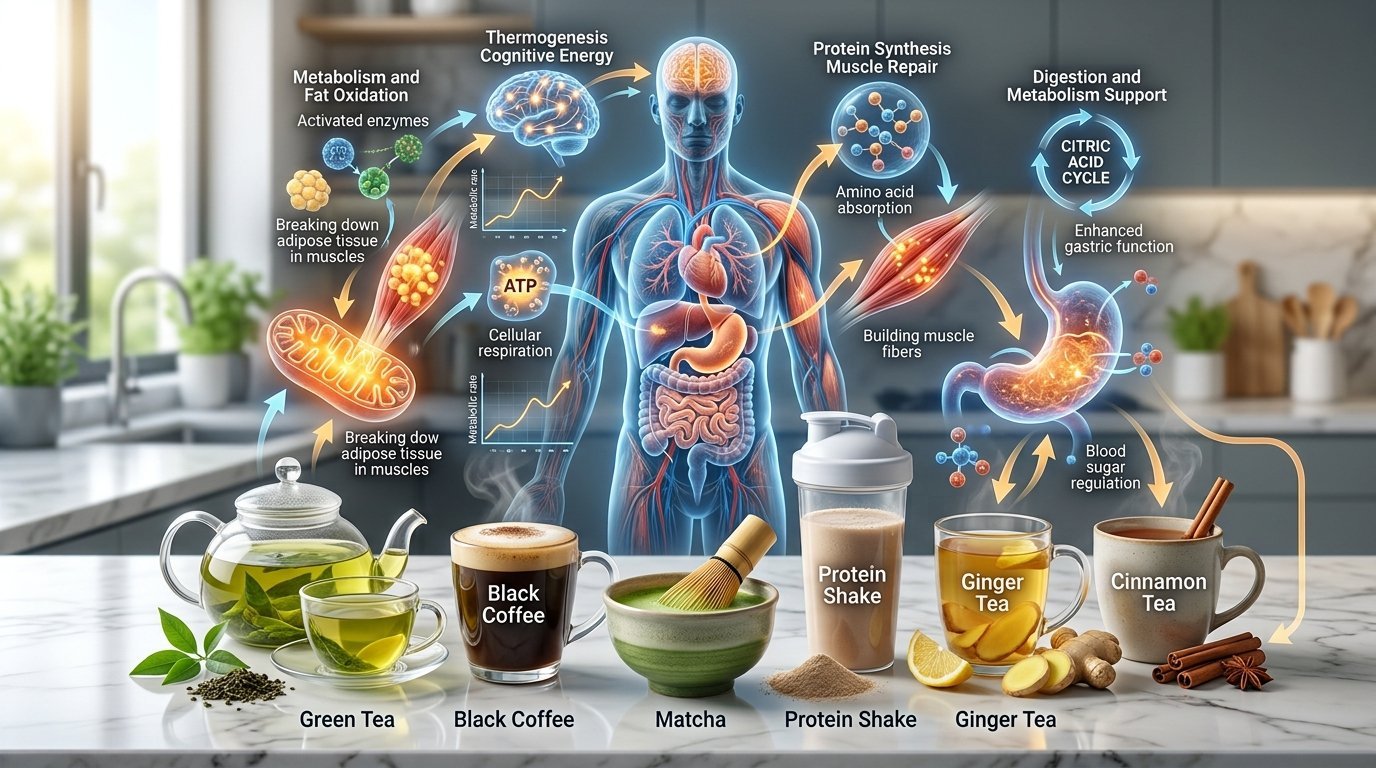
Drinks That Boost Metabolism may provide small but meaningful support for calorie burning through compounds such as caffeine, catechins, antioxidants, and protein. Green tea, black coffee, matcha, protein shakes, ginger tea, and cinnamon tea have the strongest evidence, but no beverage can replace healthy nutrition and regular exercise.
Can Drinks That Boost Metabolism Really Increase Calorie Burning?
The short answer is yes, but only to a limited extent.
Some drinks contain natural compounds that temporarily increase energy expenditure or influence fat oxidation.
However, the effect is generally much smaller than many advertisements suggest.
Your Entire Lifestyle Matters More
Metabolism depends on numerous factors working together, including:
- Body composition
- Physical activity
- Muscle mass
- Nutrition
- Age
- Overall health
A beverage can complement these factors, but it cannot override unhealthy habits.
Some Ingredients Have Better Evidence Than Others
Research has identified several naturally occurring compounds that may influence metabolism.
These include:
- Caffeine
- Catechins
- Certain antioxidants
- Protein
Not every “metabolism drink” contains meaningful amounts of these ingredients.
Small Changes Can Add Up
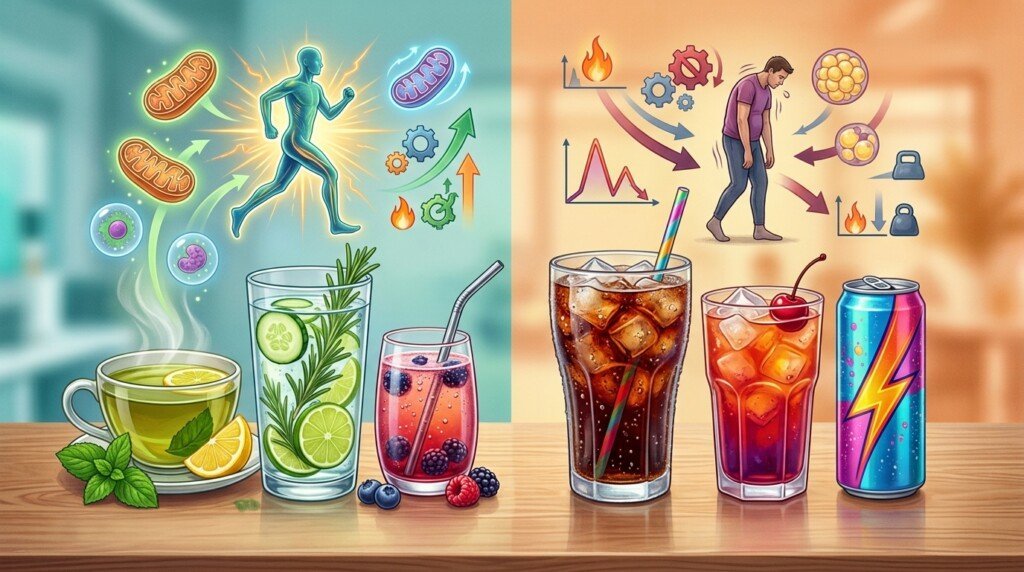
Although individual drinks usually produce modest effects, consistently choosing healthier beverages instead of sugar-sweetened alternatives may support long-term metabolic health.
Focus on Sustainability
The best beverage is one that fits naturally into a healthy lifestyle rather than serving as a short-term solution.
Which Drinks Have the Strongest Scientific Evidence?
Among the hundreds of drinks promoted online, only a handful have consistent scientific support.
Below are some of the most researched options.

Green Tea
Green tea remains one of the most studied beverages for metabolism.
Why It May Help
Green tea naturally contains:
- Catechins
- Caffeine
- Antioxidants
Researchers believe catechins may work alongside caffeine to modestly increase fat oxidation and energy expenditure.
What the Evidence Shows
Most studies report relatively small improvements rather than dramatic fat burning.
The benefits appear greatest when green tea becomes part of an overall healthy lifestyle.
Practical Takeaway
Green tea can be a smart daily beverage choice, but it should not be viewed as a substitute for healthy eating or exercise.
Black Coffee
Coffee is another beverage frequently associated with metabolism.
Why It May Help
The primary active ingredient is caffeine.
Caffeine stimulates the central nervous system and may temporarily increase calorie burning.
Realistic Expectations
The increase in energy expenditure is generally modest and varies considerably between individuals.
People who regularly consume caffeine may experience smaller effects because the body gradually adapts.
Practical Takeaway
Black coffee without excessive sugar or cream can fit into a healthy eating pattern for many adults.
Matcha
Matcha is made from finely ground green tea leaves.
Because the entire leaf is consumed, matcha contains higher concentrations of certain beneficial compounds.
Potential Benefits
Matcha provides:
- Catechins
- Caffeine
- Antioxidants
These compounds may support modest increases in energy expenditure.
Evidence
Current research suggests similar benefits to green tea, although overall lifestyle remains the biggest influence on metabolism.
Practical Takeaway
Matcha offers a convenient alternative for people who enjoy tea-based beverages.
Protein Shakes
Protein beverages are often associated with muscle growth, but they may also support metabolism.
Why Protein Matters
Protein requires more energy to digest than carbohydrates or fats.
This process contributes modestly to daily calorie expenditure.
Muscle Preservation
Adequate protein intake also supports lean muscle maintenance.
Since muscle contributes to resting calorie expenditure, preserving muscle becomes valuable for long-term metabolic health.
Readers interested in improving dietary protein intake may also benefit from High-Protein Foods That Burn Fat.
Practical Takeaway
Protein shakes work best when they help meet overall protein needs rather than replacing balanced meals unnecessarily.
Ginger Tea
Ginger has been used traditionally for centuries and continues to attract scientific interest.
Possible Mechanisms
Researchers have investigated ginger’s potential influence on:
- Digestion
- Thermogenesis
- Appetite regulation
Although evidence remains limited, some findings are encouraging.
Practical Takeaway
Ginger tea may complement a healthy dietary pattern, but expectations should remain realistic.
Cinnamon Tea
Cinnamon is another ingredient frequently promoted for metabolic health.
Why People Use It
Researchers continue studying cinnamon for its possible role in supporting normal blood sugar regulation.
Healthy blood sugar control contributes to overall metabolic health.
Current Evidence
While early research is promising, cinnamon tea alone does not significantly increase calorie burning.
Practical Takeaway
Enjoy cinnamon tea as part of a balanced eating pattern rather than expecting major metabolic changes.
Does Coffee Increase Metabolism?
Coffee remains one of the world’s most consumed beverages.
Its relationship with metabolism has therefore been studied extensively.

Caffeine Stimulates the Nervous System
Caffeine temporarily increases nervous system activity.
This stimulation may slightly increase calorie expenditure for several hours after consumption.
Individual Responses Differ
Not everyone experiences identical effects.
Several factors influence caffeine response, including:
- Habitual caffeine intake
- Body size
- Genetics
- Overall health
More Is Not Better
Consuming excessive amounts of coffee does not produce proportionally greater metabolic benefits.
High caffeine intake may also increase nervousness, rapid heartbeat, or interfere with daily comfort in sensitive individuals.
Coffee Should Complement Healthy Habits
Coffee works best alongside balanced nutrition and regular activity rather than replacing healthy lifestyle choices.
Can Green Tea Support Calorie Burning?
Green tea continues to receive attention because it combines moderate caffeine with naturally occurring catechins.

Catechins May Influence Fat Oxidation
Researchers believe catechins may help support the body’s use of fat during energy production under certain conditions.
The overall effect remains relatively modest.
Consistency Matters More Than Quantity
Drinking green tea regularly may provide greater long-term benefits than consuming large amounts occasionally.
Green Tea Is More Than Metabolism
In addition to metabolism, green tea contributes antioxidants that support overall health.
These broader health benefits make it a valuable beverage regardless of small metabolic effects.
Think Long Term
Green tea supports healthy habits.
It does not replace them.
Are Protein Shakes Good for Metabolism?
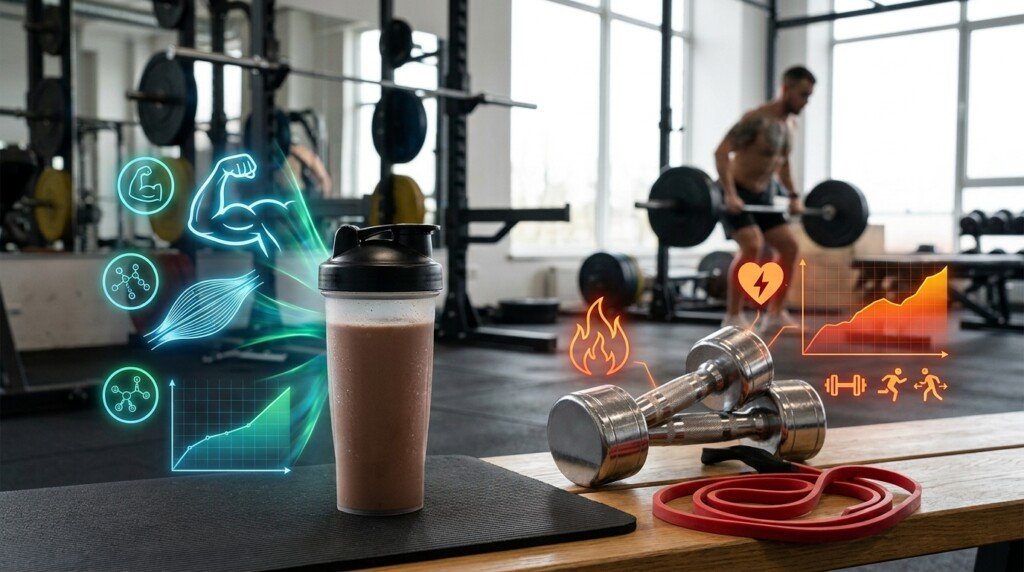
Protein shakes are often marketed as metabolism boosters, but their real value lies in supporting overall nutrition rather than magically increasing calorie burning.
When used appropriately, protein shakes can help preserve lean muscle, improve satiety, and contribute to a healthy eating pattern. Those benefits indirectly support metabolic health, especially during weight loss.
Protein Has a Higher Thermic Effect
Every time you eat, your body uses energy to digest, absorb, and process nutrients.
This process is called the thermic effect of food.
Protein requires more energy to digest than carbohydrates or fats, meaning your body burns slightly more calories processing protein-rich foods and beverages.
Although the effect is modest, it contributes to total daily energy expenditure.
Protein Helps Preserve Lean Muscle
Maintaining muscle becomes increasingly important during weight loss.
Without enough protein, the body may lose both fat and lean muscle.
Because muscle contributes to resting calorie expenditure, preserving it supports healthier metabolism over time.
Protein Shakes Are About Convenience
A protein shake is simply another way to consume protein.
It is not automatically better than whole foods.
For many people, it offers a convenient option after exercise or during busy days when preparing balanced meals is difficult.
Whole Foods Should Still Come First
Whenever possible, prioritize protein from whole-food sources.
Protein shakes work best as a supplement to a balanced diet rather than a replacement for nutritious meals.
Which Drinks Should You Limit?
While some beverages may modestly support metabolism, others can make it harder to maintain a healthy eating pattern.
The concern is usually not that these drinks “slow” metabolism directly.
Instead, frequent consumption may contribute to excessive calorie intake and poor dietary quality.

Sugar-Sweetened Beverages
Soft drinks, sweetened coffees, flavored energy drinks, and sugary fruit beverages often provide large amounts of added sugar with little nutritional value.
Regular consumption may contribute to:
- Excess calorie intake
- Blood sugar fluctuations
- Lower diet quality
High-Calorie Coffee Drinks
Coffee itself can fit into a healthy diet.
However, beverages loaded with:
- Flavored syrups
- Whipped cream
- Large amounts of sugar
- Sweetened creamers
can contain hundreds of calories in a single serving.
Alcohol
Alcohol is not inherently incompatible with healthy living, but frequent or excessive intake may influence calorie balance and dietary choices.
It can also make it easier to consume additional high-calorie foods.
Moderation remains the key.
Highly Sweetened Specialty Drinks
Many commercial beverages promoted as “healthy” still contain large amounts of added sugars.
Reading nutrition labels helps separate marketing claims from nutritional reality.
Can Drinks Alone Improve Metabolism?
This question gets to the heart of the topic.
The honest answer is no.
No beverage can transform your metabolism on its own.

Drinks Support Healthy Habits
Metabolism reflects the combined effects of:
- Nutrition
- Physical activity
- Muscle mass
- Recovery
- Daily movement
- Long-term consistency
Healthy beverages complement these factors rather than replacing them.
Avoid Miracle Claims
Products promising dramatic metabolism increases often exaggerate small scientific findings.
Even beverages supported by research typically produce only modest improvements.
Think About Your Entire Lifestyle
Someone who drinks green tea while maintaining healthy eating habits and regular exercise is more likely to experience benefits than someone relying on beverages alone.
Consistency Wins
The healthiest beverage is one that becomes part of a sustainable lifestyle.
Small choices repeated daily often matter more than searching for one perfect drink.
What Is the Best Time to Drink Metabolism-Supporting Beverages?
Timing can influence comfort, performance, and personal preference, but it is generally less important than consistency.
Coffee Before Physical Activity
Many people prefer coffee before exercise because caffeine may temporarily improve alertness and perceived energy.
This may help support workout performance for some individuals.
Green Tea Throughout the Day
Green tea fits well between meals or during the afternoon for people seeking a moderate caffeine source.
Those sensitive to caffeine may prefer consuming it earlier in the day.
Protein Shakes Around Active Periods
Protein beverages are often most convenient:
- After resistance training
- Between meals when protein intake is low
- During busy schedules
Their primary purpose is helping meet daily protein needs.
Build Drinks Into Existing Habits
Rather than creating a complicated schedule, incorporate healthier beverages into routines you already follow.
Consistency usually matters more than perfect timing.
Future articles discussing Does Drinking Water Boost Metabolism, Morning Metabolism, and Metabolism and Hydration explore timing and hydration in greater detail.
12 Drinks Ranked for Metabolism Support
Below is a practical comparison based on current scientific evidence and overall usefulness.
| Drink | Evidence | Main Benefit |
|---|---|---|
| Green tea | ★★★★★ | Catechins and moderate caffeine |
| Black coffee | ★★★★★ | Temporary increase in energy expenditure |
| Matcha | ★★★★☆ | Concentrated catechins and antioxidants |
| Protein shake | ★★★★☆ | Supports muscle preservation |
| Ginger tea | ★★★☆☆ | May support thermogenesis |
| Cinnamon tea | ★★★☆☆ | Supports healthy dietary patterns |
| Unsweetened herbal tea | ★★★☆☆ | Healthy low-calorie beverage choice |
| Low-fat milk | ★★★☆☆ | Protein and nutrients |
| Soy milk (unsweetened) | ★★★☆☆ | Plant protein option |
| Kefir | ★★★☆☆ | Fermented dairy beverage |
| Vegetable smoothie | ★★☆☆☆ | Nutrient-dense option |
| Apple cider vinegar drink (diluted) | ★★☆☆☆ | Limited evidence for metabolism |

Frequently Asked Questions
1. Do Drinks That Boost Metabolism really work?
Yes, but the effects are generally modest. Certain beverages may slightly increase energy expenditure or support healthy metabolism when combined with a balanced lifestyle.
2. Is coffee one of the best metabolism drinks?
Black coffee has some of the strongest evidence because caffeine can temporarily increase calorie burning.
3. Does green tea burn fat?
Green tea may modestly support fat oxidation due to its catechin content, but it is not a stand-alone fat-burning solution.
4. Are protein shakes good for metabolism?
They can support metabolism indirectly by helping preserve lean muscle and increasing the thermic effect of food.
5. Which drink has the strongest scientific support?
Green tea and black coffee currently have the most consistent evidence for modest metabolic support.
6. Should I drink metabolism beverages every day?
Healthy beverages such as green tea, coffee in moderation, or protein shakes can fit into a balanced daily routine if appropriate for your individual needs.
7. Can metabolism drinks replace exercise?
No. Drinks cannot replace the benefits of regular physical activity and healthy eating.
8. Are expensive metabolism drinks necessary?
No. Many affordable beverages, including green tea and black coffee, have stronger evidence than many commercial metabolism products.
9. Does caffeine affect everyone the same way?
No. Genetics, body size, habitual caffeine intake, and individual sensitivity all influence how someone responds.
10. What matters most for a healthy metabolism?
Consistent nutrition, regular movement, maintaining lean muscle, adequate protein intake, and sustainable lifestyle habits have a much greater impact than any single beverage.
Final Thoughts
Choosing Drinks That Boost Metabolism can be a simple way to support your overall health, but it is important to keep expectations realistic. Green tea, black coffee, matcha, protein shakes, ginger tea, and cinnamon tea each offer potential benefits through compounds such as caffeine, catechins, antioxidants, or protein. These effects are generally modest, yet they can complement a healthy lifestyle when enjoyed consistently instead of relying on highly sweetened beverages.
The biggest improvements in metabolism still come from long-term habits rather than one drink. Regular physical activity, preserving lean muscle, eating a balanced diet, and maintaining sustainable routines have a much greater influence on calorie burning than any beverage alone. As you continue through this metabolism series, you’ll also explore Does Drinking Water Boost Metabolism, Morning Metabolism, Metabolism and Hydration, Can You Speed Up Your Metabolism Naturally, and Foods That Slow Metabolism, helping you understand how everyday choices work together to support lasting metabolic health.
Disclaimer:
This post may contain affiliate links. If you purchase through them, we may earn a small commission at no extra cost to you. Also, this content is for informational purposes only and does not substitute professional medical advice.
Fuel Your Body Right
Use our free Nutrition Toolkit to find your protein target, fasting window, and net carbs in minutes.
Open Free Tools →