
What Is Leptin? How the Satiety Hormone Affects Weight Loss
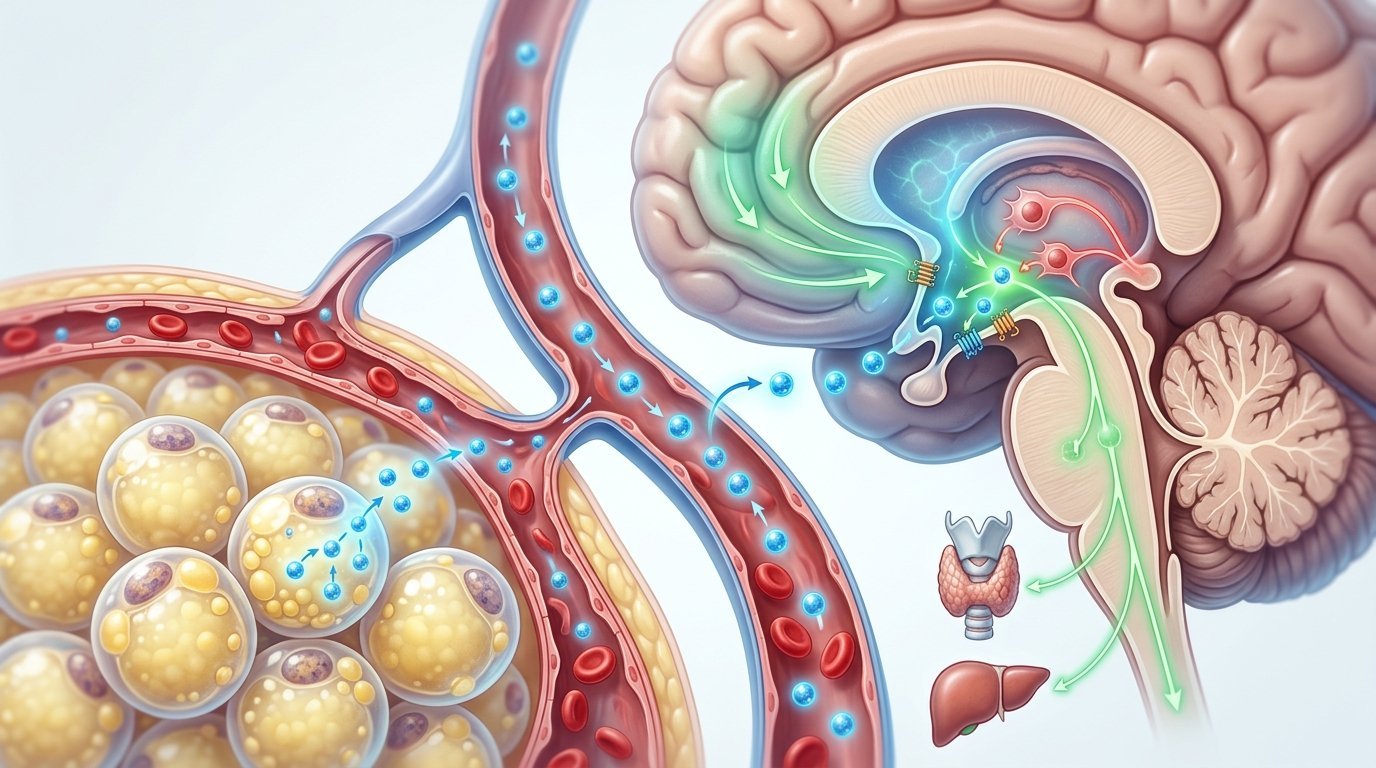
If you’ve ever wondered why some meals leave you feeling satisfied for hours while others seem to trigger hunger again shortly afterward, one of the answers lies in a hormone called Leptin. Often referred to as the body’s “satiety hormone,” leptin plays a central role in regulating appetite, energy balance, and body weight.
Unlike many hormones that respond immediately to a single meal, leptin provides your brain with ongoing information about your body’s energy stores. It acts as a messenger between your fat cells and the hypothalamus—the part of the brain responsible for controlling hunger and energy expenditure. When leptin signaling works properly, it helps reduce appetite once your body has enough stored energy.
However, appetite regulation is far more complex than simply having more or less leptin. Many people living with overweight or obesity already have high leptin levels, yet they continue to feel hungry. This occurs because the brain may become less responsive to leptin’s signals, a condition known as leptin resistance. Researchers believe this may play an important role in long-term weight regulation and metabolic health.
Modern lifestyle factors such as chronic overeating, inadequate sleep, prolonged stress, physical inactivity, and excess body fat may all influence how effectively leptin communicates with the brain. As a result, healthy appetite regulation becomes more difficult, making weight management feel increasingly challenging.
The encouraging news is that many daily habits support healthier leptin function. Balanced nutrition, regular physical activity, quality sleep, and sustainable weight management strategies all contribute to healthier hormone signaling over time.
Understanding leptin also changes how we think about hunger. Rather than viewing appetite as simply a lack of discipline, we begin to recognize it as part of a sophisticated biological system designed to protect the body’s energy balance.
In this article, you’ll learn what Leptin is, how it controls appetite, what leptin resistance means, how it influences weight loss, which habits support healthy leptin function, whether diet can improve leptin sensitivity, and when persistent appetite concerns should be discussed with a healthcare professional.
Why Is Leptin Called the Satiety Hormone?
Leptin earned the nickname “satiety hormone” because one of its primary jobs is helping your brain recognize when your body has enough stored energy. Instead of telling you when to start eating, leptin mainly helps regulate when you have eaten enough and how much energy your body has available.
This makes leptin an essential part of the body’s long-term energy regulation system.
Unlike hunger signals that rise and fall around individual meals, leptin reflects your body’s overall energy reserves. It works continuously behind the scenes to help balance food intake with energy expenditure.
Leptin Is Produced by Fat Cells
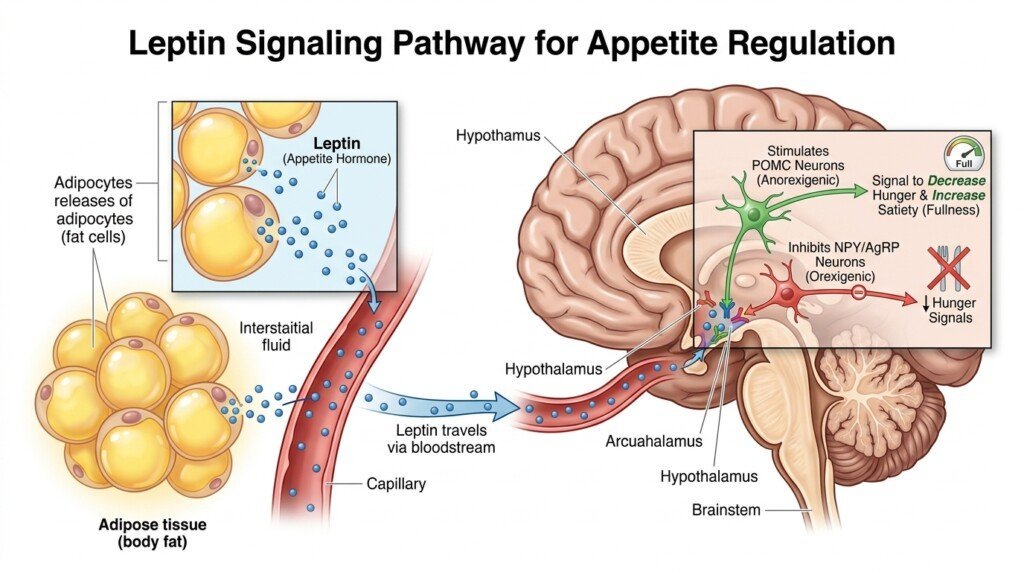
Leptin is produced primarily by adipose tissue, commonly known as body fat.
As the amount of stored body fat changes, leptin production also changes.
Generally speaking:
- More body fat produces more leptin.
- Less body fat produces less leptin.
This allows your body to continuously monitor its long-term energy reserves.
Leptin should not be viewed as a “weight-loss hormone.” Instead, it functions as a communication system that informs the brain about available energy stores.
The Brain Receives Leptin Signals
Once leptin enters the bloodstream, it travels to the hypothalamus.
The hypothalamus acts as your body’s metabolic control center.
Among its many responsibilities, it helps regulate:
- Hunger
- Fullness
- Body temperature
- Hormone balance
- Energy expenditure
- Sleep and wake cycles
When leptin signaling functions normally, the hypothalamus recognizes that sufficient energy has been stored and adjusts appetite accordingly.
Leptin Helps Maintain Energy Balance
Your body constantly attempts to maintain balance between the energy you consume and the energy you use.
Leptin contributes to this process by influencing:
- Appetite
- Calorie intake
- Energy expenditure
- Fat storage
- Metabolic regulation
Rather than forcing you to stop eating, leptin works alongside numerous other hormones and brain signals to help regulate overall energy balance.
This complex interaction is introduced in Hunger Hormones, where leptin is discussed alongside the broader hormonal network involved in appetite regulation.
Appetite Is Controlled by Many Signals
Although leptin plays an important role, it is not the only hormone influencing hunger.
Your appetite is also affected by:
- Meal composition
- Sleep quality
- Physical activity
- Stress levels
- Blood sugar regulation
- Digestive hormones
This explains why appetite naturally changes from day to day.
Leptin works as one component of a much larger biological system rather than acting independently.
Healthy Leptin Function Supports Sustainable Eating
When leptin signaling functions efficiently, many people naturally find it easier to:
- Feel satisfied after meals
- Reduce unnecessary snacking
- Maintain stable eating patterns
- Better regulate portion sizes
- Support long-term weight management
Healthy leptin function does not eliminate hunger altogether. Instead, it helps your brain respond appropriately to your body’s actual energy needs.
How Does Leptin Control Appetite?
Unlike hormones that respond immediately before or after meals, leptin provides long-term information about your body’s stored energy.
Its primary role is to help your brain decide whether additional food is needed while also influencing how much energy your body uses throughout the day.
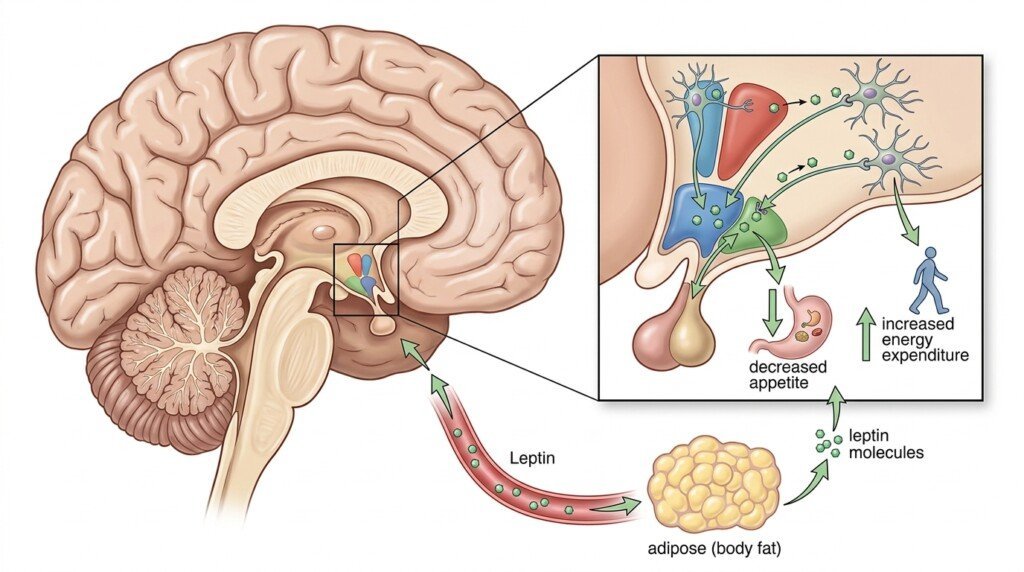
Leptin Communicates With the Hypothalamus
The hypothalamus receives continuous hormonal messages from different parts of the body.
Leptin is one of its most important messengers.
When energy stores are sufficient, leptin helps the hypothalamus reduce the drive to eat while supporting normal energy expenditure.
This communication allows your body to maintain relatively stable body weight over time despite daily fluctuations in food intake.
Appetite Decreases When Energy Stores Are Adequate
Under healthy conditions, higher leptin signaling helps your brain recognize that your body’s energy reserves are sufficient.
As a result, you may naturally experience:
- Reduced hunger
- Greater meal satisfaction
- Less interest in additional food
- More stable appetite between meals
This system helps prevent unnecessary overeating under normal physiological conditions.
Low Leptin Signals Energy Shortage
When body fat decreases substantially, leptin production also declines.
Lower leptin levels signal the brain that stored energy has been reduced.
In response, the body may:
- Increase appetite
- Reduce feelings of fullness
- Encourage food seeking
- Conserve energy
These adaptations evolved to protect humans during periods of food scarcity.
Although they were beneficial for survival, they can make maintaining weight loss more challenging today.
Leptin Works With Other Hormones
Leptin never acts alone.
It continuously interacts with other hormones involved in appetite and metabolism, including:
- Insulin
- Cortisol
- Digestive hormones
- Nutrient signals from recent meals
Together, these systems help determine how hungry or satisfied you feel throughout the day.
This is one reason appetite regulation cannot be explained by a single hormone.
What Is Leptin Resistance?
One of the most important concepts in appetite regulation is leptin resistance.
Many people assume that individuals living with obesity simply produce too little leptin.
In reality, the opposite is often true.
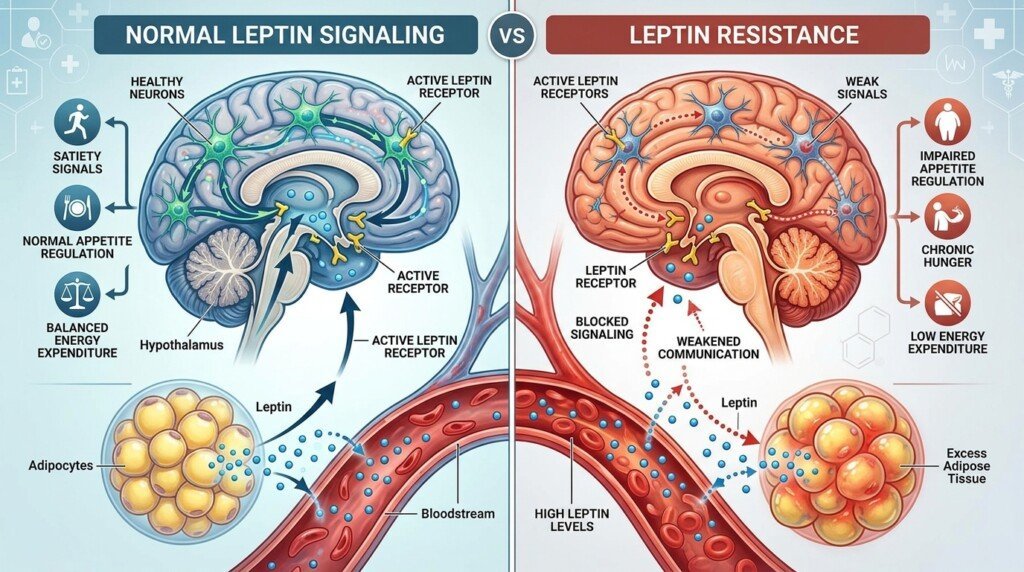
People carrying more body fat frequently have higher leptin levels because fat cells produce more of the hormone.
The challenge is that the brain may no longer respond appropriately to these signals.
When the Brain Stops Listening
Leptin resistance occurs when communication between leptin and the brain becomes less effective.
Although leptin continues circulating in the bloodstream, the hypothalamus becomes less responsive to its messages.
As a result, the brain may behave as though energy stores are lower than they actually are.
Researchers continue studying why leptin resistance develops, but it is considered one of the key biological factors associated with long-term obesity.
Appetite May Remain High
Because the brain does not fully recognize leptin’s fullness signals, some individuals may continue experiencing hunger despite having adequate or even abundant energy stores.
This does not mean hunger is imaginary.
Instead, the body’s appetite regulation system is sending inaccurate signals.
Understanding this helps explain why long-term weight management involves biology as well as behavior.
Multiple Factors May Contribute
Leptin resistance does not appear to have one single cause.
Researchers believe several factors may influence its development, including:
- Excess body fat
- Chronic inflammation
- Poor sleep
- Physical inactivity
- Long-term overeating
- Genetics
- Metabolic dysfunction
Because these factors often occur together, improving overall health usually requires addressing multiple lifestyle habits simultaneously.
Leptin Resistance Is Different From Low Leptin
It is important to distinguish between low leptin levels and leptin resistance.
Someone with very little body fat may naturally have low leptin because energy stores are limited.
Someone with obesity may have high leptin levels but still experience leptin resistance because the brain responds less effectively.
Although both situations affect appetite regulation, they occur through different biological mechanisms.
Can Leptin Affect Weight Loss?
One of the biggest reasons Leptin has become a popular topic in nutrition and weight management is its close connection to body weight. Although leptin does not directly burn fat, it plays an important role in regulating appetite, energy balance, and the body’s response to changes in calorie intake.
Understanding leptin helps explain why losing weight often becomes more challenging over time, even when someone continues following the same healthy habits.
Rather than viewing weight loss as simply a matter of determination, leptin highlights the body’s natural tendency to protect its energy reserves.

Weight Loss Naturally Lowers Leptin
As body fat decreases, leptin production also declines.
This is a completely normal biological response because fat cells produce leptin.
When the brain receives lower leptin signals, it interprets them as a reduction in stored energy.
In response, the body may attempt to restore that energy balance by:
- Increasing hunger
- Reducing feelings of fullness
- Encouraging food intake
- Conserving energy
These responses evolved to help humans survive periods of food scarcity.
Today, however, they can make maintaining weight loss more difficult.
This Is One Reason Dieting Becomes Harder
Many people notice that the first few weeks of a healthy eating plan feel manageable.
Over time, however, appetite often increases.
This is not necessarily because motivation disappears.
Instead, hormonal adaptations—including changes in leptin—may gradually increase the biological drive to eat.
Recognizing this helps people develop more realistic expectations rather than assuming they have simply “lost willpower.”
Sustainable Weight Loss Supports Better Hormone Regulation
Very restrictive diets often create larger hormonal adaptations than gradual, sustainable approaches.
Moderate calorie deficits combined with balanced nutrition, regular physical activity, and adequate sleep generally create an environment that is easier to maintain long term.
Rather than chasing rapid weight loss, consistent lifestyle habits usually produce healthier and more sustainable results.
The behavioral side of long-term weight management is explored further in Psychology of Weight Loss, where mindset, habits, and biological influences work together to support lasting change.
Leptin Is Only One Piece of the Puzzle
Although leptin plays an important role, successful weight management also depends on many other factors, including:
- Physical activity
- Sleep quality
- Stress management
- Food choices
- Muscle mass
- Overall Metabolic Health
No single hormone determines body weight on its own.
Instead, leptin works alongside numerous biological systems that influence appetite and energy balance.
Which Daily Habits Support Healthy Leptin Levels?
There is no shortcut to improving leptin function.
Healthy leptin signaling develops through consistent lifestyle habits that support overall metabolic health rather than one specific food or routine.
Fortunately, many of these habits also benefit heart health, blood sugar regulation, and long-term well-being.
Prioritize Consistent Sleep
Sleep has a powerful influence on hormones involved in appetite regulation.
Chronic sleep deprivation may disrupt the body’s normal hormonal balance, making appetite more difficult to regulate.
Most adults benefit from approximately seven to nine hours of quality sleep each night.
Maintaining regular sleep and wake times also helps reinforce healthy circadian rhythms.
Stay Physically Active
Regular movement supports healthy body composition while improving overall metabolic function.
Activities such as:
- Walking
- Cycling
- Resistance training
- Swimming
- Recreational sports
help maintain muscle mass and support long-term energy balance.
Physical activity also complements many of the healthy habits associated with improved Metabolic Health, making it an important part of overall hormone regulation.
Manage Stress
Long-term stress may influence eating behavior through hormonal pathways involving cortisol.
Although cortisol is different from leptin, both hormones interact within the body’s complex appetite-regulation system.
Healthy stress-management practices include:
- Walking outdoors
- Meditation
- Deep breathing
- Yoga
- Spending time in nature
- Enjoying hobbies
Managing stress consistently supports healthier eating behaviors over time.
Maintain Healthy Body Composition
Healthy leptin function is closely linked with body composition rather than body weight alone.
Supporting lean muscle while gradually reducing excess body fat through sustainable lifestyle habits helps improve overall metabolic health.
Extreme dieting, however, often produces short-term results that are difficult to maintain.
Avoid Constant Restrictive Dieting
Repeated cycles of aggressive dieting followed by overeating may make healthy appetite regulation more challenging.
Instead of focusing on rapid results, aim for eating patterns that remain practical for months and years.
Consistency almost always produces better long-term outcomes than repeated periods of severe calorie restriction.
Can Diet Improve Leptin Sensitivity?
Many people search for one particular food that can “boost leptin.”
Current research suggests that no individual food directly increases leptin sensitivity on its own.
Instead, overall dietary patterns appear far more important than isolated ingredients.

Focus on Whole Foods
Eating patterns centered around minimally processed foods support overall metabolic function.
Examples include:
- Vegetables
- Fruits
- Legumes
- Whole grains
- Lean protein
- Nuts
- Seeds
- Healthy fats
These foods provide fiber, vitamins, minerals, and protein that contribute to overall health while supporting healthy eating habits.
Include Enough Protein
Protein contributes to meal satisfaction and helps preserve muscle during weight management.
Including protein-rich foods at each meal often makes balanced eating easier.
Examples include:
- Eggs
- Fish
- Greek yogurt
- Chicken
- Beans
- Lentils
- Tofu
Protein alone does not improve leptin sensitivity, but it supports dietary patterns that are easier to maintain over time.
Choose High-Fiber Foods
Fiber slows digestion and promotes feelings of fullness after meals.
Good sources include:
- Vegetables
- Fruits
- Oats
- Beans
- Lentils
- Whole grains
- Seeds
High-fiber eating patterns also support digestive health and overall metabolic wellness.
Limit Highly Processed Foods
Highly processed foods often provide large amounts of calories while contributing relatively little fiber or long-lasting satiety.
Although enjoying these foods occasionally is perfectly reasonable, allowing whole foods to make up most of your meals generally supports healthier appetite regulation.
Think About Long-Term Patterns
Improving leptin sensitivity is unlikely to result from one meal or one week of healthy eating.
Instead, consistent dietary habits practiced over months and years create the strongest foundation for long-term metabolic health.
When Should You Seek Medical Advice?
Changes in appetite occur naturally throughout life.
However, persistent appetite changes or unexpected weight changes should not simply be ignored.
Persistent Hunger
If you feel constantly hungry despite eating balanced meals and maintaining healthy habits, discussing your symptoms with a healthcare provider is appropriate.
Several medical conditions—not just leptin-related issues—may influence appetite.
Unexplained Weight Changes
Unexpected weight gain or weight loss without intentional lifestyle changes deserves medical evaluation.
Healthcare providers can determine whether additional testing is appropriate.
Other Concerning Symptoms
Medical advice should also be considered if appetite changes occur alongside symptoms such as:
- Extreme fatigue
- Frequent thirst
- Digestive problems
- Persistent weakness
- Significant changes in energy levels
Early evaluation allows potential health concerns to be identified before complications develop.

Frequently Asked Questions
1. What is leptin?
Leptin is a hormone produced mainly by fat cells that helps regulate appetite by signaling the brain about the body’s long-term energy stores.
2. What does leptin do?
Leptin helps reduce appetite when sufficient energy is stored in the body. It also contributes to maintaining overall energy balance by communicating with the hypothalamus.
3. What is leptin resistance?
Leptin resistance occurs when the brain becomes less responsive to leptin’s signals, making appetite regulation more difficult despite normal or elevated leptin levels.
4. Can leptin affect weight loss?
Yes. As body fat decreases, leptin levels naturally decline, which may increase hunger and make long-term weight management more challenging.
5. How can I support healthy leptin function naturally?
Healthy sleep, regular physical activity, balanced nutrition, stress management, maintaining healthy body composition, and avoiding highly restrictive dieting all support healthier leptin function over time.
Final Thoughts
Leptin is one of the body’s most important hormones for regulating appetite and maintaining long-term energy balance. Rather than simply controlling hunger from one meal to the next, it continuously communicates with the brain about your body’s energy reserves, helping coordinate appetite, metabolism, and body weight.
Understanding leptin also highlights an important truth about weight management: hunger is not simply a matter of willpower. Biological signals constantly influence when you feel hungry, how satisfied you feel after eating, and how your body responds to changes in calorie intake.
While no single habit can completely control leptin function, consistent lifestyle choices—including quality sleep, regular physical activity, balanced nutrition, stress management, and maintaining a healthy body composition—create the strongest foundation for healthy hormone regulation. Over time, these sustainable habits support not only healthier appetite control but also better metabolic health and long-term well-being.
Disclaimer:
This post may contain affiliate links. If you purchase through them, we may earn a small commission at no extra cost to you. Also, this content is for informational purposes only and does not substitute professional medical advice.
Ready to Start Your Journey?
Use our free 7-in-1 Weight Loss Toolkit to calculate your numbers and build your plan in minutes.
Open Free Tools →