
Can You Speed Up Your Metabolism Naturally? 15 Science-Backed Ways
Have you ever wondered whether it is actually possible to speed up your metabolism, or is it simply another fitness myth? Every year, countless products, diets, and social media trends promise to turn your body into a calorie-burning machine. Some claim you can permanently boost your metabolism in just a few days, while others suggest a single habit will dramatically increase fat burning.
The truth is much more practical.
If you’re asking Can You Speed Up Your Metabolism Naturally, the answer is yes, but probably not in the way many advertisements suggest. You cannot completely change your genetics or instantly transform your metabolic rate overnight. However, you can build habits that support healthy energy expenditure, preserve muscle, improve daily movement, and help your metabolism work more efficiently over time.
Instead of chasing quick fixes, it is far more effective to understand which habits have real scientific support and which are simply marketing claims. Small improvements practiced consistently often have a much greater impact than dramatic short-term changes.
This article explores realistic ways to naturally support metabolism while avoiding common myths that often lead to disappointment.
Quick Answer
Can You Speed Up Your Metabolism Naturally? Yes, to a certain extent. While you cannot completely change your natural metabolic rate, healthy habits such as resistance training, regular exercise, adequate protein intake, staying active throughout the day, quality sleep, stress management, and maintaining lean muscle can all support healthy metabolism and increase daily energy expenditure over time.
Can You Speed Up Your Metabolism Naturally?
Many people imagine metabolism as a switch that can simply be turned up.
Human biology is much more complex.
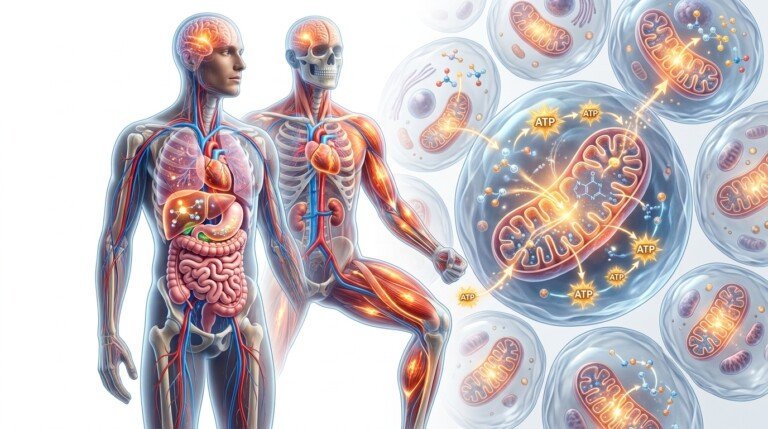
Your metabolism constantly adjusts to your body’s needs based on factors such as muscle mass, activity level, body composition, hormones, recovery, and overall health.
Rather than permanently speeding it up, healthy habits help your body perform these processes more efficiently.

Think About Supporting Rather Than Boosting
The word “boost” often creates unrealistic expectations.
Healthy metabolism is better viewed as something you support through consistent behaviors rather than dramatically increase.
These habits influence how much energy your body uses each day and how effectively it performs essential functions.
Small Improvements Add Up
No single habit produces dramatic results on its own.
However, combining multiple healthy behaviors creates meaningful long-term improvements.
Examples include:
- Building lean muscle
- Staying physically active
- Sleeping consistently
- Managing stress
- Supporting recovery
- Maintaining sustainable eating habits
Together, these behaviors influence overall energy expenditure far more than any individual shortcut.
Consistency Beats Intensity
Many people follow strict programs for two weeks before returning to old habits.
Your metabolism responds much better to moderate routines that can be maintained for months or years.
Lifestyle Always Wins
Genetics certainly influence metabolism, but daily behaviors still play a significant role.
Healthy habits may not completely change your metabolic rate, but they improve how efficiently your body functions over time.
Does Building Muscle Increase Metabolism?
Among all natural strategies, preserving and building lean muscle consistently ranks among the most effective.
That does not mean muscle instantly transforms your metabolism into a calorie-burning powerhouse.
Its benefits are much broader.
Muscle Uses Energy Every Day
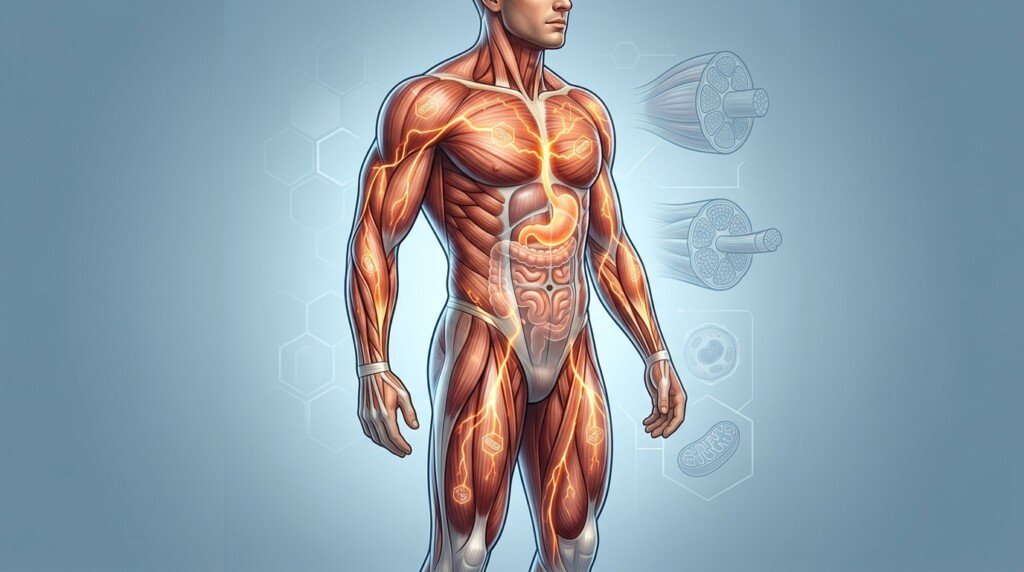
Muscle tissue requires ongoing maintenance.
Even while resting, your body continuously repairs and maintains muscle fibers.
These processes contribute to your total daily energy expenditure.
Although the calorie difference is often exaggerated online, maintaining muscle still supports healthy metabolism.
Muscle Helps Maintain Long-Term Energy Expenditure
One reason metabolism sometimes slows during weight loss is loss of lean muscle.
Preserving muscle helps reduce this effect while supporting healthy body composition.
Strength Training Supports Healthy Aging
The benefits of resistance exercise extend beyond metabolism.
Maintaining muscle contributes to:
- Better mobility
- Improved balance
- Greater strength
- Physical independence
- Healthier aging
These improvements encourage people to remain physically active throughout life.
Consistency Produces Better Results
Building muscle is not about occasional intense workouts.
Regular resistance training performed consistently produces much greater long-term benefits.
The practical approach is explored further throughout Strength Training for Fat Loss.
Can Eating More Protein Support Metabolism?
Protein is often promoted as a metabolism booster.
While this description is somewhat simplified, protein does support several processes closely connected with healthy metabolism.

Protein Helps Preserve Lean Muscle
One of protein’s most valuable roles is supporting muscle maintenance.
Because muscle contributes to overall energy expenditure, preserving lean tissue indirectly supports metabolic health.
Digesting Protein Requires Energy
Your body uses energy to digest all nutrients.
Protein generally requires slightly more energy to digest than carbohydrates or fats.
This effect is known as the thermic effect of food.
Although the increase is modest, it contributes to total daily energy expenditure.
Protein Supports Recovery
After physical activity, your body continuously repairs tissues.
Protein provides important building blocks for this process.
Recovery allows muscles to adapt and remain healthy over time.
Focus on Overall Eating Patterns
Protein should be viewed as one part of a balanced lifestyle rather than a miracle solution.
Specific protein-rich foods are discussed separately throughout High-Protein Foods That Burn Fat.
Does Exercise Improve Metabolism?
Exercise influences metabolism in several different ways.
Its benefits extend far beyond the calories burned during a workout.

Exercise Increases Daily Energy Expenditure
Every movement requires energy.
Walking, cycling, swimming, resistance training, and recreational sports all contribute to total daily calorie use.
Exercise Supports Muscle Maintenance
Resistance exercise helps preserve lean muscle during weight management.
This creates long-term benefits beyond the workout itself.
Movement Improves Physical Capacity
Regular exercise makes daily activities feel easier.
As fitness improves, many people naturally become more active throughout the day.
This increase in overall movement contributes to long-term metabolic health.
Recovery Is Part of Progress
Healthy metabolism benefits from balancing activity with recovery.
Exercise creates positive adaptations only when your body has adequate time to recover.
Consistency Matters More Than Intensity
People often believe extremely difficult workouts produce dramatically better metabolic results.
Current evidence suggests that regular, sustainable exercise habits generally outperform occasional periods of extreme effort.
Daily movement discussed throughout Morning Exercise for Weight Loss provides one practical example of building consistency.
Does Hydration Play a Role?
Hydration is another habit frequently linked with metabolism.
Although drinking more water alone will not dramatically increase calorie burning, proper hydration supports many processes involved in normal metabolic function.

Every Cell Depends on Hydration
Water supports:
- Nutrient transport
- Temperature regulation
- Cellular communication
- Waste removal
- Recovery
Healthy metabolism depends on these systems functioning efficiently.
Hydration Supports Physical Performance
Even mild dehydration can reduce energy and exercise performance.
Lower activity levels may indirectly reduce overall daily energy expenditure.
Hydration Works Alongside Other Habits
Hydration becomes most effective when combined with:
- Regular movement
- Healthy sleep
- Muscle maintenance
- Recovery
- Consistent routines
Its value comes from supporting overall metabolic health rather than acting as a standalone metabolism booster.
A deeper discussion of hydration is covered separately throughout Metabolism and Hydration and Does Drinking Water Boost Metabolism.
Does Sleep Affect Metabolism?
Sleep is often overlooked when people think about metabolism. Many focus on exercise or nutrition while ignoring the hours spent recovering each night. In reality, healthy sleep supports several biological processes that help your body regulate energy efficiently.
Sleep alone will not dramatically increase your metabolism, but consistently poor sleep can make it harder to maintain healthy habits that support long-term metabolic function.

Sleep Helps the Body Recover
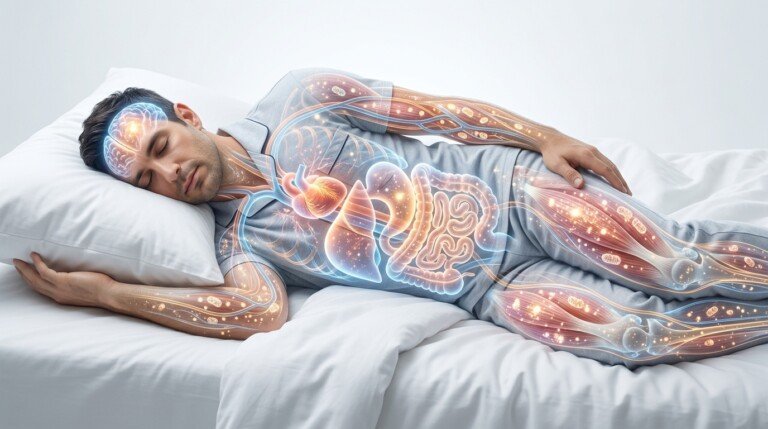
While you sleep, your body continues working.
Important overnight processes include:
- Tissue repair
- Hormone regulation
- Muscle recovery
- Cellular maintenance
- Energy restoration
These functions all contribute to healthy metabolism.
Better Sleep Supports Better Decisions
People who sleep well often find it easier to:
- Stay physically active
- Exercise consistently
- Recover after workouts
- Maintain healthy routines
- Stay motivated
These indirect benefits may have just as much influence on metabolism as the biological processes themselves.
Consistency Matters More Than One Perfect Night
Everyone experiences occasional poor sleep.
Healthy metabolism is influenced far more by long-term sleep patterns than by one restless night.
The biological relationship between recovery and metabolism is discussed further throughout Metabolism and Sleep.
Can Stress Slow Metabolism?
Stress is a normal part of life.
Short periods of stress are not usually harmful, but ongoing stress can influence many behaviors that support healthy metabolism.

Stress Changes Daily Habits
People under constant stress may unintentionally:
- Exercise less
- Sleep poorly
- Recover less effectively
- Become less physically active
- Struggle to maintain consistent routines
These changes often affect metabolism indirectly.
Recovery Supports Metabolic Health
Managing stress is not about eliminating every challenge.
Instead, it means creating enough balance that your body can recover effectively and maintain healthy daily routines.
Small Improvements Matter
Simple stress-management habits practiced consistently often provide greater long-term benefits than attempting dramatic lifestyle changes all at once.
The broader relationship between stress and weight management is explored throughout Stress and Weight Loss.
Which Metabolism Myths Should You Ignore?
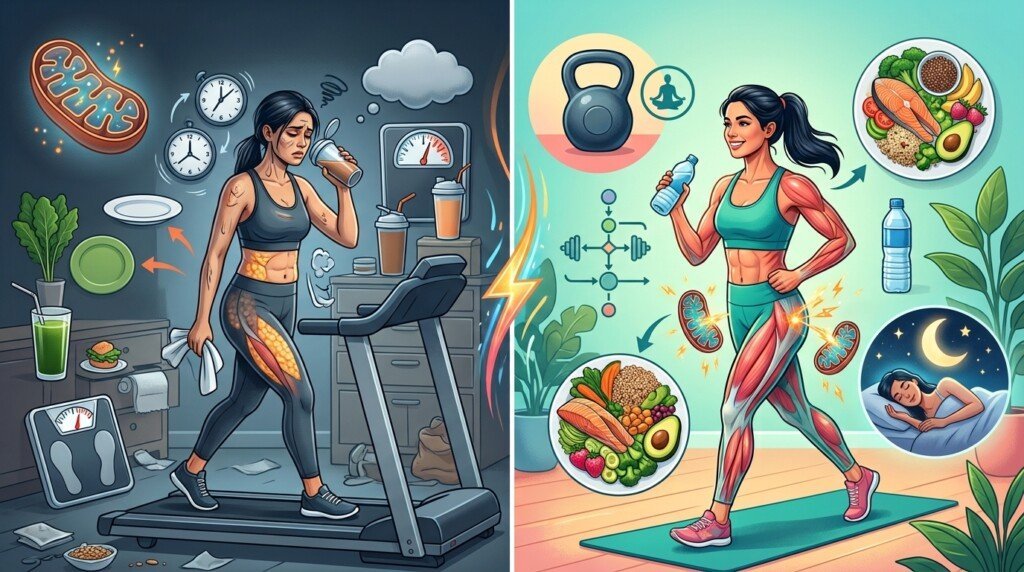
The internet is full of advice promising to transform metabolism quickly.
Unfortunately, much of it relies on myths rather than evidence.
Understanding these misconceptions helps you focus on habits that genuinely support metabolic health.
Myth 1: Certain Foods Permanently Boost Metabolism
No single food permanently increases metabolism.
Healthy metabolism depends on overall lifestyle rather than one ingredient.
Specific nutrition topics are covered separately throughout High-Protein Foods That Burn Fat.
Myth 2: Exercise Only Matters While You’re Working Out
Exercise continues providing benefits after the workout ends.
Improved fitness, muscle maintenance, and increased daily movement all contribute to long-term metabolic health.
Myth 3: Thin People Always Have Fast Metabolisms
Body size alone tells you very little about metabolic health.
Muscle mass, activity level, genetics, hormones, and lifestyle all contribute.
Myth 4: You Can Permanently Change Your Genetics
Healthy habits influence metabolism, but they do not completely replace genetic differences.
The goal is improving your own metabolic health rather than trying to match someone else’s.
Myth 5: One Habit Changes Everything
There is no single metabolism secret.
Long-term improvements come from combining several healthy behaviors rather than relying on one strategy.
What Habits Make the Biggest Difference?
If you could focus on only a handful of habits, which ones would provide the greatest long-term value?
The answer is surprisingly simple.
Healthy metabolism responds best to behaviors that are sustainable.
Build Lean Muscle
Resistance training helps preserve muscle while supporting long-term energy expenditure.
Stay Active Throughout the Day
Formal workouts matter.
Daily movement matters just as much.
Walking more, standing regularly, and reducing prolonged sitting all contribute to overall energy expenditure through NEAT.
Eat Enough Protein
Protein supports muscle maintenance and recovery while contributing to the thermic effect of food.
Prioritize Recovery
Recovery allows your body to adapt to exercise and maintain healthy metabolic function.
Sleep Consistently
Regular sleep supports energy, hormone regulation, and physical performance.
Manage Stress
Reducing chronic stress makes it easier to remain consistent with every other healthy habit.
Stay Patient
Healthy metabolism develops over months of consistent routines rather than a few days of perfect behavior.
This long-term mindset is one of the foundations of Sustainable Weight Loss.
15 Natural Ways to Support Your Metabolism
If you’re looking for practical actions, use this checklist as a simple roadmap.
- 1. Build lean muscle through resistance training.
- 2. Stay physically active every day.
- 3. Walk more throughout the day.
- 4. Support healthy protein intake.
- 5. Exercise consistently.
- 6. Prioritize recovery.
- 7. Sleep on a regular schedule.
- 8. Manage long-term stress.
- 9. Reduce long periods of sitting.
- 10. Maintain healthy body composition.
- 11. Stay properly hydrated.
- 12. Follow sustainable routines.
- 13. Be patient with progress.
- 14. Focus on long-term habits rather than shortcuts.
- 15. Keep improving one habit at a time.

Frequently Asked Questions
1. Can You Speed Up Your Metabolism Naturally?
Yes. While you cannot completely change your natural metabolic rate, healthy habits such as strength training, regular movement, protein intake, quality sleep, and consistent routines help support healthy metabolism.
2. Does building muscle really increase metabolism?
Yes. Maintaining lean muscle contributes to overall energy expenditure and supports long-term metabolic health.
3. Does protein help metabolism?
Protein supports muscle maintenance and requires slightly more energy to digest than other macronutrients, making it a valuable part of healthy metabolic function.
4. Does exercise improve metabolism?
Yes. Exercise increases daily energy expenditure, preserves muscle, improves fitness, and encourages greater overall physical activity.
5. Does hydration boost metabolism?
Hydration supports many metabolic processes but should be viewed as one part of an overall healthy lifestyle rather than a standalone metabolism booster.
6. Can poor sleep affect metabolism?
Yes. Consistently poor sleep may influence recovery, energy levels, and the ability to maintain healthy daily habits.
7. Does stress affect metabolism?
Long-term stress can indirectly influence metabolism by affecting recovery, sleep, motivation, and daily activity.
8. Are metabolism-boosting products necessary?
No. Current evidence supports sustainable lifestyle habits over products promising dramatic metabolic changes.
9. What is the biggest mistake people make?
Expecting one habit to dramatically transform metabolism instead of combining several healthy behaviors over time.
10. Which habit has the greatest long-term impact?
Rather than one habit, the combination of resistance training, regular movement, protein, sleep, stress management, recovery, and consistency provides the strongest support for long-term metabolic health.
Final Thoughts
If you’ve been asking Can You Speed Up Your Metabolism Naturally, the answer is encouraging but realistic. Your metabolism is not something that can be dramatically transformed overnight, nor is it controlled by a single food, workout, or trend. Instead, it responds to the habits you repeat consistently. Building lean muscle, staying active, exercising regularly, supporting adequate protein intake, managing stress, prioritizing recovery, maintaining hydration, and getting quality sleep all contribute to a healthier metabolic environment over time.
The most successful approach is not chasing quick results but creating routines that you can maintain for years. Every positive habit works together to support energy production, body composition, and long-term health. As you continue through this metabolism series, you’ll also explore How to Reset Your Metabolism, Drinks That Boost Metabolism, Does Drinking Water Boost Metabolism, Morning Metabolism, Metabolism and Sleep, and Metabolism and Hydration, giving you a complete understanding of how everyday lifestyle choices influence metabolic health.
Disclaimer:
This post may contain affiliate links. If you purchase through them, we may earn a small commission at no extra cost to you. Also, this content is for informational purposes only and does not substitute professional medical advice.
Ready to Start Your Journey?
Use our free 7-in-1 Weight Loss Toolkit to calculate your numbers and build your plan in minutes.
Open Free Tools →