How Does Metabolism Change With Age? What Happens in Your 20s, 30s, 40s, 50s, and Beyond
Have you ever noticed that maintaining your weight seems easier in your twenties than it does later in life? Many people assume their metabolism suddenly slows after turning 30 or 40, making weight gain unavoidable. While age does influence metabolism, the reality is far more complex than most headlines suggest.
Understanding Metabolism by Age helps explain why your body’s energy needs change over time and why those changes are often linked to shifts in muscle mass, hormone levels, physical activity, and body composition rather than age alone.
The encouraging news is that a slower metabolism is not an unavoidable sentence. Although certain biological changes naturally occur as we get older, many of the factors influencing metabolism remain within our control. Staying active, preserving muscle, and maintaining healthy daily habits can make a meaningful difference throughout every stage of adulthood.
In this article, you’ll follow your metabolism through each decade of life, beginning in your twenties and continuing into later adulthood. Rather than focusing on myths, we’ll look at what current evidence tells us about healthy aging and metabolic function.
Quick Answer
Metabolism by Age changes gradually rather than suddenly. While resting energy expenditure may slowly decline over time, much of this change is linked to reduced muscle mass, hormonal shifts, lower physical activity, and changes in body composition. Healthy lifestyle habits can help support metabolic health at every age.
Does Metabolism by Age Really Change Naturally?
Many people believe metabolism drops sharply on a particular birthday.
In reality, metabolic changes occur much more gradually.
Your body continuously adapts throughout life as muscles, hormones, physical activity, and body composition evolve.
Age Is Only One Piece of the Puzzle
Although age influences metabolism, it is not the only factor.
Several changes often occur together as people grow older, including:
- Reduced muscle mass
- Hormonal changes
- Lower physical activity
- Changes in body composition
- Different recovery needs
Together, these factors influence how much energy your body uses each day.
Muscle Plays a Major Role
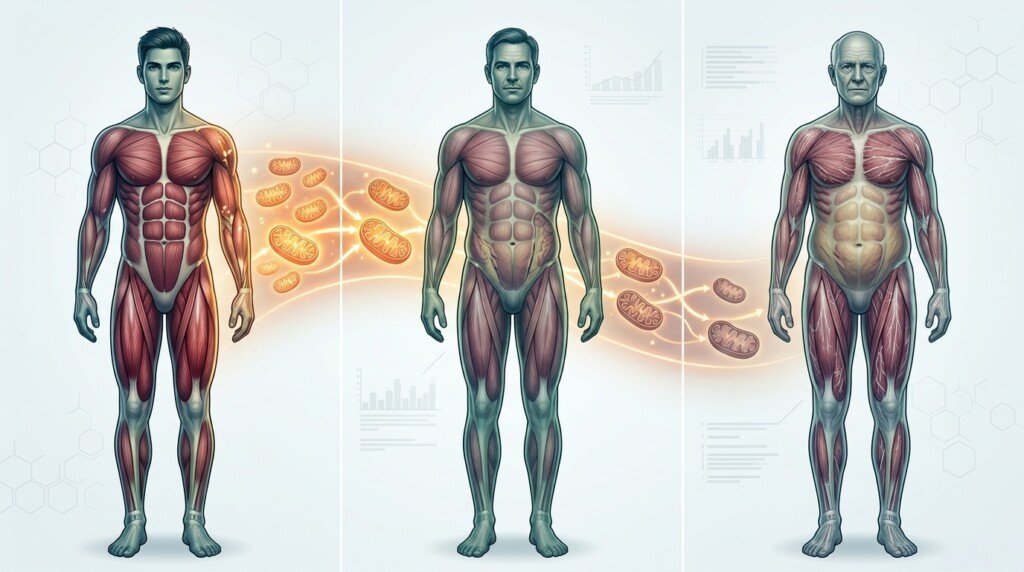
One of the biggest reasons metabolism changes over time is the gradual loss of lean muscle.
Because muscle requires energy for maintenance, preserving it becomes increasingly valuable throughout adulthood.
Hormones Also Influence Metabolism
Hormonal changes occur naturally during aging.
Both men and women experience gradual shifts that influence body composition and energy regulation.
These changes do not automatically cause rapid weight gain, but they can make maintaining previous habits more challenging.
Lifestyle Still Matters
Perhaps the most encouraging fact is that age does not completely determine your metabolism.
People who remain physically active, preserve muscle, and follow healthy routines often maintain healthier metabolic function than less active individuals of the same age.
What Happens to Metabolism in Your 20s?
For many people, their twenties represent a period when metabolism feels relatively effortless.
Energy levels are often high, recovery is quicker, and maintaining body weight may seem easier than later in life.
However, this decade also lays the foundation for future metabolic health.

Muscle Is Usually Easier to Maintain
Young adulthood often includes naturally higher levels of lean muscle.
Muscle contributes to healthy energy expenditure while supporting movement and physical performance.
Building healthy habits during this period creates benefits that extend well beyond the twenties.
Recovery Is Often Faster
Many younger adults notice they recover more quickly after exercise.
This allows them to remain physically active with fewer interruptions.
Recovery supports long-term muscle maintenance and overall metabolic health.
Lifestyle Choices Begin to Matter
Although metabolism remains relatively resilient during this decade, unhealthy habits can still influence long-term outcomes.
Examples include:
- Physical inactivity
- Repeated crash dieting
- Chronic stress
- Poor sleep
- Loss of lean muscle
These habits may gradually affect metabolic health over time.
Prevention Is Easier Than Correction
Establishing healthy routines early often makes maintaining metabolic health much easier in later decades.
Consistent movement, strength training, and sustainable lifestyle habits provide lasting benefits.
How Does Metabolism Change in Your 30s?
Many people begin noticing subtle changes during their thirties.
Weight management may require more consistency than before, even if overall health remains good.
Contrary to popular belief, metabolism does not suddenly collapse after turning 30.
Instead, several gradual biological changes begin becoming more noticeable.

Lean Muscle May Slowly Decline
Without regular resistance exercise, adults naturally begin losing small amounts of muscle over time.
This gradual process contributes to changes in energy expenditure.
Fortunately, muscle loss is not inevitable.
Maintaining regular resistance training remains one of the most effective ways to preserve lean tissue.
Daily Activity Often Decreases
Life responsibilities frequently increase during this decade.
Career demands, parenting, and family responsibilities may reduce opportunities for physical activity.
Many people unknowingly spend:
- More time sitting
- Less time walking
- Less time exercising
- More time under stress
These changes often influence metabolism more than age itself.
Recovery Requires Greater Attention
Although recovery remains strong for most healthy adults, consistent recovery habits become increasingly valuable.
Exercise, sleep, and stress management begin working together more closely to support metabolic health.
Building Sustainable Habits Becomes More Important
Quick solutions become less effective than consistent routines.
This is why long-term approaches discussed throughout Sustainable Weight Loss become increasingly valuable during this stage of life.
Why Does Metabolism Change After 40?
The forties are often when people begin actively searching for answers about metabolism.
Many notice that maintaining previous body weight feels more difficult despite following familiar routines.
While age contributes to these changes, several biological factors usually occur simultaneously.
Muscle Loss Accelerates
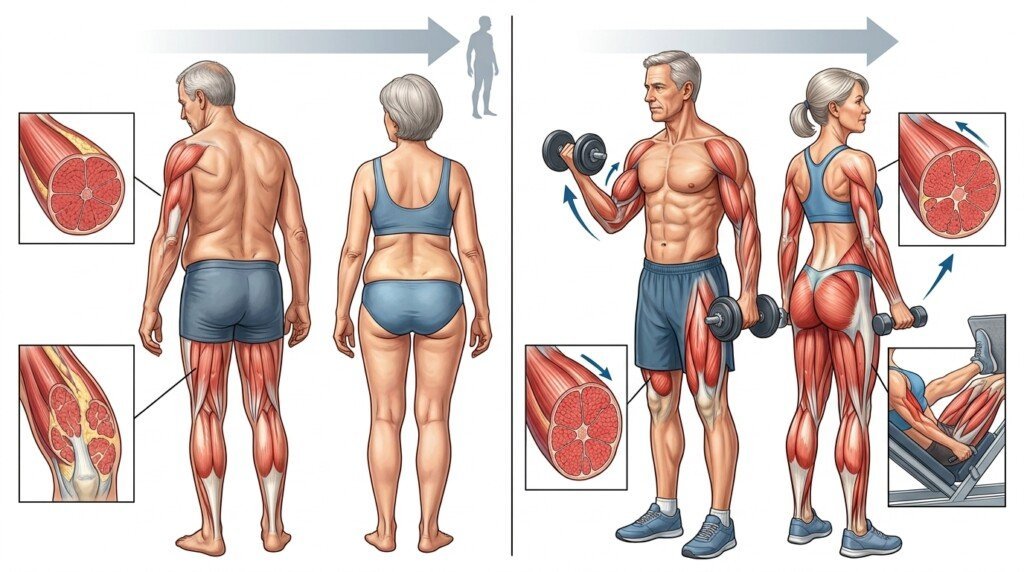
After 40, preserving muscle becomes increasingly important.
Without regular resistance training, muscle loss gradually becomes more noticeable.
This age-related decline in muscle mass is known as sarcopenia.
Because muscle contributes to energy expenditure, preserving lean tissue helps support healthier metabolism.
Hormonal Changes Become More Noticeable
Hormones naturally shift during midlife.
In women, menopause gradually approaches.
In men, testosterone levels often decline slowly over time.
These hormonal changes influence body composition more than they directly reduce metabolism.
Body Composition Changes
Many adults notice:
- Increased body fat
- Reduced lean muscle
- Lower physical activity
- Slower recovery
These combined changes often explain why weight management becomes more challenging.
Physical Activity Matters Even More
One of the strongest predictors of metabolic health after 40 remains regular movement.
Maintaining strength, preserving muscle, and staying physically active continue supporting healthy metabolism throughout midlife.
This relationship is explored further throughout Weight Loss After 40.
What Happens to Metabolism After Menopause?
Menopause represents one of the most significant hormonal transitions many women experience.
Although menopause itself does not suddenly “switch off” metabolism, the accompanying hormonal changes can influence body composition and energy regulation.

Estrogen Levels Decline
During menopause, estrogen production decreases naturally.
These hormonal changes may contribute to:
- Changes in fat distribution
- Reduced lean muscle
- Altered body composition
Rather than dramatically lowering metabolism, these shifts often change how and where the body stores fat.
Muscle Preservation Becomes Increasingly Important
Maintaining lean muscle remains one of the most valuable strategies during and after menopause.
Regular resistance exercise supports strength, mobility, and healthy metabolic function.
Activity Helps Maintain Independence
Exercise after menopause provides benefits extending well beyond body weight.
Remaining physically active supports:
- Bone health
- Muscle strength
- Balance
- Mobility
- Overall quality of life
Healthy Aging Is Still Achievable
Although menopause changes several biological systems, healthy lifestyle habits continue supporting metabolism throughout later adulthood.
Maintaining realistic expectations while staying consistent often produces better long-term outcomes than chasing rapid weight-loss strategies.
Can You Maintain a Healthy Metabolism as You Age?
Growing older does not mean your metabolism is destined to decline beyond your control. While certain biological changes naturally occur with age, research consistently shows that daily habits have a powerful influence on how efficiently your metabolism functions throughout adulthood.
The goal is not to have the metabolism of a 20-year-old forever. Instead, it is to maintain the healthiest metabolism possible for your current stage of life.

Muscle Becomes More Valuable Every Decade
As we age, preserving lean muscle becomes increasingly important.
Healthy muscle supports:
- Daily movement
- Balance
- Strength
- Functional independence
- Energy expenditure
Rather than trying to completely prevent aging, maintaining muscle helps reduce many of the metabolic changes commonly associated with getting older.
Physical Activity Remains Essential
People often assume exercise becomes less important with age.
The opposite is true.
Regular movement helps support:
- Healthy body composition
- Joint mobility
- Physical function
- Long-term independence
Even moderate activity performed consistently provides meaningful benefits.
Recovery Deserves More Attention
Healthy aging also means respecting recovery.
Giving your body adequate time to recover between exercise sessions supports healthy muscle maintenance and long-term consistency.
Long-Term Habits Matter Most
Healthy metabolism is built over years rather than weeks.
The habits you practice consistently often influence metabolic health more than any temporary program or challenge.
Which Habits Help Slow Age-Related Metabolic Decline?
Although no habit completely stops the aging process, several evidence-based behaviors help support metabolism throughout every decade of life.

Stay Consistently Active
Movement remains one of the strongest predictors of healthy aging.
Daily activity includes much more than structured exercise.
Walking, gardening, household activities, and recreational hobbies all contribute to healthy energy expenditure.
Prioritize Resistance Training
Strength training becomes increasingly valuable as muscle naturally changes with age.
Regular resistance exercise helps preserve lean tissue while supporting physical function.
Its benefits are explored further throughout Strength Training for Fat Loss.
Support Muscle Maintenance
Maintaining muscle involves more than exercise alone.
Adequate protein intake and consistent recovery also contribute to preserving lean tissue.
The nutritional aspects are discussed separately throughout High-Protein Foods That Burn Fat.
Maintain Sustainable Lifestyle Habits
Repeated crash dieting often creates unnecessary challenges later in life.
Instead, consistent healthy routines provide a stronger foundation for long-term metabolic health.
The importance of realistic long-term strategies is reflected throughout Sustainable Weight Loss.
Keep Moving Every Day
Many adults dramatically reduce their daily movement over time.
Small changes such as:
- Walking more
- Standing regularly
- Taking stairs
- Remaining physically engaged
can help maintain overall activity levels.
Manage Long-Term Stress
Chronic stress may indirectly affect metabolism by influencing physical activity, recovery, and overall consistency.
Developing healthy coping strategies supports both mental and physical well-being.
This relationship is explored throughout Stress and Weight Loss.
Accept Gradual Change
Healthy aging is not about eliminating every biological change.
It is about adapting your habits to support your body as it continues changing throughout life.
Are Metabolism Changes Inevitable?
This is perhaps the most important question in the entire discussion.
The answer is both yes and no.
Some Biological Changes Are Natural
Aging naturally influences:
- Hormones
- Muscle mass
- Recovery
- Body composition
- Energy needs
These changes occur in everyone to varying degrees.
The Rate of Change Varies Greatly
Not everyone experiences the same degree of metabolic decline.
Lifestyle choices often explain much of the difference between individuals of the same age.
Two people in their sixties may have dramatically different levels of:
- Muscle mass
- Physical activity
- Strength
- Independence
- Overall metabolic health
Healthy Habits Continue Working
Even later in life, your body continues responding to positive lifestyle changes.
Exercise, muscle maintenance, recovery, and consistent routines remain beneficial regardless of age.
This is one reason healthy aging research consistently emphasizes lifelong physical activity.
Focus on What You Can Control
You cannot stop aging.
You can influence how well your body adapts to it.
That perspective often produces healthier expectations and better long-term results.
Future discussions throughout Why Does Metabolism Slow Down, Resting Metabolic Rate, Can You Speed Up Your Metabolism Naturally, and Signs of a Healthy Metabolism explore these topics in greater depth.
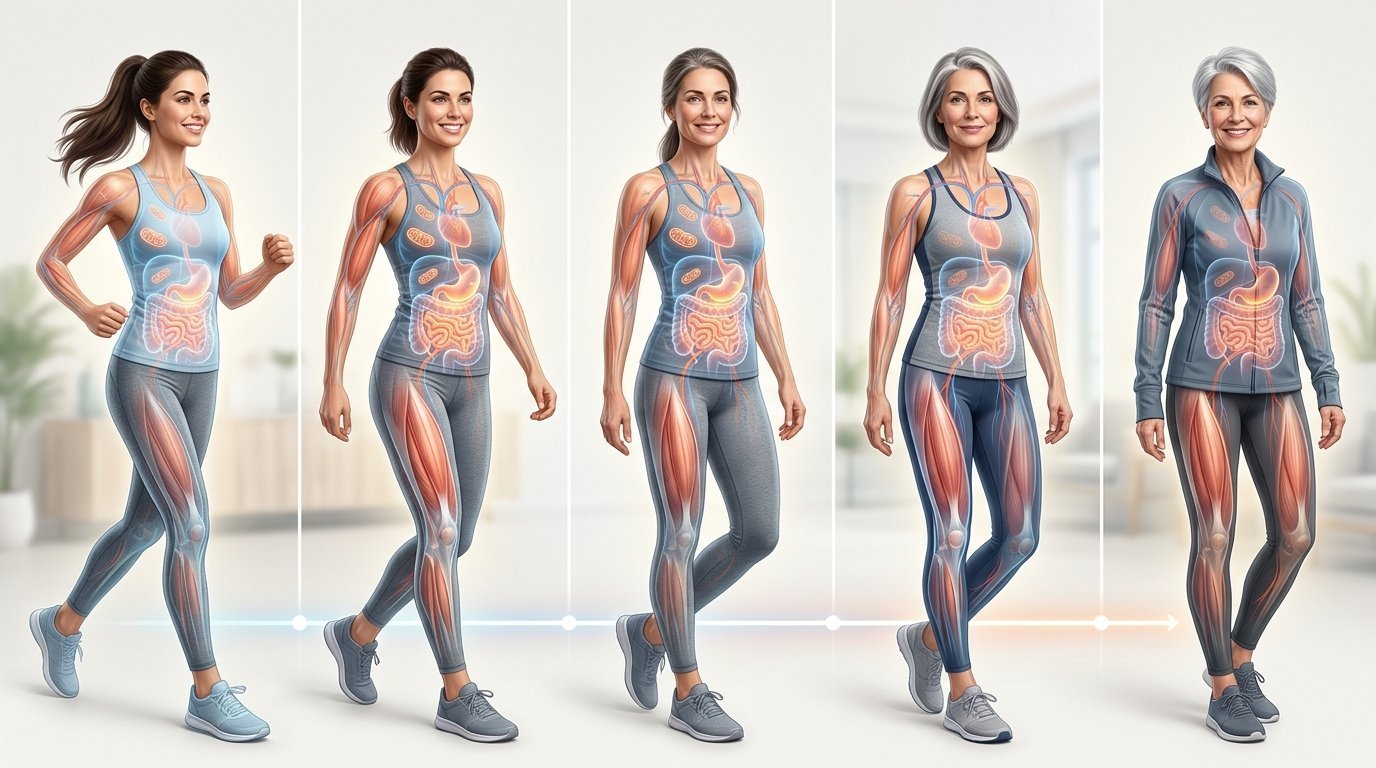
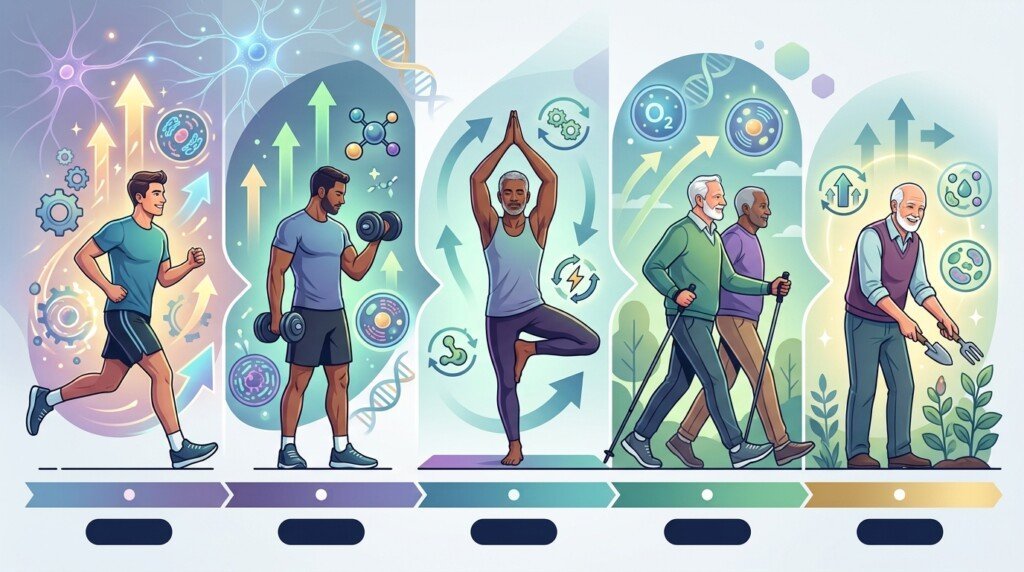
Metabolism Timeline by Age
Each decade brings its own metabolic characteristics.
Understanding the overall pattern makes it easier to adjust expectations throughout life.
Your 20s
- Higher lean muscle
- Faster recovery
- Greater physical resilience
- Easier weight maintenance for many people
Your 30s
- Slight muscle decline may begin
- Daily activity often decreases
- Recovery becomes more important
- Consistency matters more than intensity
Your 40s
- Sarcopenia becomes more noticeable
- Hormonal changes increase
- Body composition gradually shifts
- Strength training becomes increasingly valuable
Your 50s
- Menopause affects many women
- Testosterone gradually declines in many men
- Muscle preservation becomes a priority
- Healthy routines strongly influence metabolic health
Your 60s and Beyond
- Maintaining independence becomes increasingly important
- Regular movement supports quality of life
- Strength, balance, and mobility deserve greater focus
- Healthy habits continue providing meaningful benefits

Frequently Asked Questions
1. Does metabolism naturally slow with age?
Yes. Metabolism generally changes gradually throughout adulthood, although much of the decline is related to muscle loss, physical activity, and body composition rather than age alone.
2. At what age does metabolism begin to change?
Small changes may begin during adulthood, but noticeable differences often become more apparent during the forties and beyond.
3. Does muscle loss affect metabolism?
Yes. Lean muscle requires energy for maintenance, so preserving muscle supports healthy energy expenditure.
4. Does menopause affect metabolism?
Menopause contributes to hormonal changes that influence body composition, although it does not instantly shut down metabolism.
5. Does testosterone influence metabolism?
Gradual reductions in testosterone may affect muscle maintenance and body composition in men as they age.
6. Can older adults maintain a healthy metabolism?
Yes. Regular physical activity, strength training, healthy routines, and muscle preservation help support metabolic health throughout life.
7. Is weight gain after 40 unavoidable?
No. Although maintaining body weight may become more challenging, healthy habits continue supporting long-term weight management.
8. Why do calorie needs change with age?
Changes in muscle mass, activity level, body composition, and energy expenditure often reduce calorie needs gradually over time.
9. Does strength training become more important with age?
Yes. Resistance training helps preserve muscle, maintain mobility, and support healthy metabolic function throughout adulthood.
10. Can healthy habits slow age-related metabolic decline?
Yes. While aging cannot be stopped, consistent exercise, muscle preservation, sustainable lifestyle habits, and regular physical activity help support healthier metabolism as you grow older.
Final Thoughts
Understanding Metabolism by Age helps replace common myths with realistic expectations. Your metabolism does not suddenly slow on a specific birthday, nor is weight gain an unavoidable part of getting older. Instead, gradual changes in muscle mass, hormone levels, body composition, physical activity, and recovery influence how your body uses energy over time. While these biological changes are natural, they are only part of the story.
The encouraging reality is that your daily habits continue to shape metabolic health throughout every decade of life. Staying physically active, preserving lean muscle, managing stress, maintaining sustainable routines, and supporting healthy aging can all help reduce the impact of age-related metabolic changes. As you continue through this metabolism series, you’ll also explore Why Does Metabolism Slow Down, Resting Metabolic Rate, Can You Speed Up Your Metabolism Naturally, Metabolism and Sleep, and Signs of a Healthy Metabolism, giving you a complete understanding of how metabolism evolves and how to support it for years to come.
Disclaimer:
This post may contain affiliate links. If you purchase through them, we may earn a small commission at no extra cost to you. Also, this content is for informational purposes only and does not substitute professional medical advice.
Ready to Start Your Journey?
Use our free 7-in-1 Weight Loss Toolkit to calculate your numbers and build your plan in minutes.
Open Free Tools →