

How to Reset Your Metabolism Naturally: 12 Science-Backed Strategies
How to reset your metabolism is a question many people ask when weight loss slows down, energy drops, and healthy habits no longer seem to deliver the same results. It can feel as though your metabolism has stopped working the way it used to.
The good news is that your metabolism is not a switch that suddenly turns off. It is a dynamic system that constantly adapts to your lifestyle, body composition, activity level, recovery, and energy needs. While there is no magic reset button, there are evidence-based habits that can help your metabolism function more efficiently over time.
The phrase “reset your metabolism” has become popular online, but it often creates unrealistic expectations. Your metabolism cannot be rebooted overnight with a detox, a supplement, or a restrictive diet. Instead, lasting improvements come from building habits that support healthy metabolic function every day.
This article explains what a metabolism reset really means, why people often believe their metabolism is damaged, and the practical lifestyle strategies that help restore healthy metabolic function naturally.
Quick Answer
You cannot instantly reset your metabolism, but you can improve how efficiently it functions by building sustainable habits. Regular physical activity, resistance training, preserving muscle mass, getting quality sleep, managing stress, staying hydrated, and maintaining consistent healthy routines all support long-term metabolic health. These changes take time, but they create lasting improvements rather than temporary results.
Can You Really Reset Your Metabolism?
The idea of pressing a reset button sounds appealing.
Unfortunately, human biology does not work that way.
Your metabolism is not a machine that suddenly breaks and then restarts after following a special program.
Instead, it constantly adapts to the conditions you create through your daily habits.
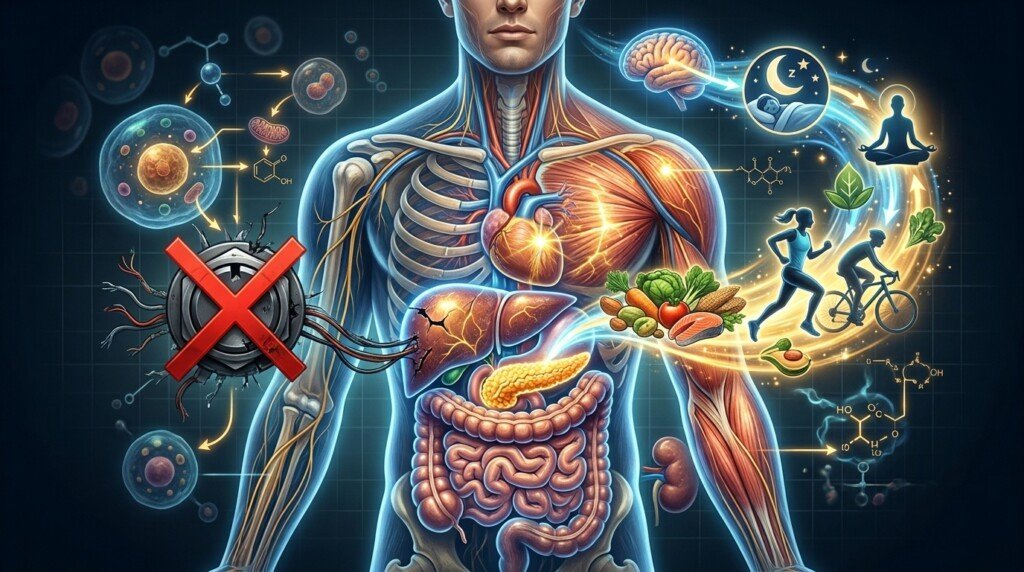
Metabolism Is Always Adapting
Every day your body adjusts to factors such as:
- Physical activity
- Energy intake
- Recovery
- Muscle mass
- Hormonal signals
- Daily movement
These adjustments help your body maintain balance.
Rather than becoming permanently damaged, metabolism continuously responds to changing circumstances.
A Reset Really Means Supporting Healthy Function
When people talk about resetting metabolism, they usually mean improving the body’s ability to use energy efficiently again.
This often involves:
- Supporting lean muscle
- Increasing daily movement
- Improving recovery
- Building sustainable habits
- Reducing long-term stress on the body
These improvements occur gradually rather than instantly.
Avoid Quick Fixes
Many products promise to restart metabolism within days.
Current scientific evidence does not support these claims.
Healthy metabolic function develops through consistent lifestyle choices instead of shortcuts.
Progress Looks Different for Everyone
No two people have identical metabolic rates.
Age, genetics, body composition, activity levels, and overall health all influence how quickly improvements occur.
Comparing your progress to someone else’s often creates unrealistic expectations.
Think Long Term
The goal is not to create the fastest metabolism possible.
The goal is to build a metabolism that supports long-term health, energy, and sustainable weight management.
Why Do People Think Their Metabolism Is Damaged?
The phrase “damaged metabolism” appears everywhere on social media.
Although it captures attention, it rarely reflects what is actually happening inside the body.
Most people experiencing slower progress are dealing with normal biological adaptation rather than permanent metabolic damage.

Weight Loss Naturally Becomes Slower
During the early stages of weight loss, progress often feels encouraging.
As body weight changes, your body gradually requires fewer calories than before.
This natural adjustment is sometimes mistaken for a broken metabolism.
Expectations Often Come From Social Media
Many online success stories focus on dramatic transformations achieved in very short periods.
When real progress happens more gradually, people assume something must be wrong with their metabolism.
Healthy weight management rarely follows a perfectly straight line.
The Body Tries to Protect Itself
Your body is designed to conserve energy during periods of reduced calorie intake.
This protective response helped humans survive food shortages throughout history.
Today, that same response is known as Metabolic Adaptation, which is explored separately because it deserves a detailed explanation.
Lifestyle Changes Often Go Unnoticed
Many people unknowingly become less active during long-term dieting.
Small reductions in movement throughout the day can lower total daily energy expenditure without being obvious.
Examples include:
- Walking less
- Sitting more
- Reduced exercise intensity
- Less recreational activity
These gradual changes often explain stalled progress more accurately than the idea of permanent metabolic damage.
Your Metabolism Is More Flexible Than You Think
The encouraging news is that metabolism continues responding to healthy habits throughout life.
Rather than trying to “repair” something permanently broken, it is more helpful to focus on supporting normal metabolic function.
Which Habits Naturally Improve Metabolism?
Healthy metabolism develops from consistent behaviors repeated over months and years.
There is no single habit that transforms metabolism overnight.
Instead, small improvements work together to create meaningful long-term change.
Below are twelve evidence-based strategies that support healthy metabolic function.

1. Stay Physically Active Every Day
Movement is one of the strongest influences on total daily energy expenditure.
Daily activity includes much more than formal workouts.
Walking, climbing stairs, household tasks, gardening, and standing throughout the day all contribute to healthy metabolism.
2. Build and Preserve Lean Muscle
Muscle requires ongoing maintenance.
Supporting lean muscle helps maintain healthy metabolic function throughout adulthood.
Resistance exercise plays an important role in this process.
3. Avoid Extreme Calorie Restriction
Severely reducing calorie intake for extended periods encourages the body to conserve energy.
A sustainable calorie deficit is generally easier to maintain than repeated crash dieting.
The long-term approach discussed throughout Sustainable Weight Loss reflects this principle.
4. Prioritize Recovery
Recovery allows muscles and other tissues to repair themselves.
Without adequate recovery, maintaining consistent activity becomes much more difficult.
5. Sleep Consistently
Healthy sleep supports numerous metabolic processes.
Rather than focusing on one perfect night of sleep, aim for consistent sleep patterns over time.
The biological relationship is discussed further throughout Metabolism and Sleep.
6. Manage Daily Stress
Long-term stress may influence several biological systems involved in metabolism.
Building healthy stress-management habits supports overall well-being.
This relationship is explored more deeply throughout Stress and Weight Loss.
7. Increase Everyday Movement
Structured exercise is valuable, but non-exercise activity also matters.
Simple habits such as walking more frequently throughout the day gradually increase overall energy expenditure.
8. Support Healthy Body Composition
Healthy metabolism depends on more than body weight.
Maintaining a balance between lean muscle and body fat contributes to long-term metabolic health.
9. Stay Consistent
One healthy week produces limited change.
Months of consistent habits create meaningful improvements.
Consistency almost always outperforms perfection.
10. Support Healthy Protein Intake
Protein plays an important role in maintaining lean muscle during weight management.
Rather than discussing specific foods here, the broader role of protein is explored throughout High-Protein Foods That Burn Fat.
11. Build Sustainable Routines
The most successful habits are those that fit naturally into everyday life.
Daily routines often determine long-term results more than short bursts of motivation.
Several practical examples are included throughout Weight Loss Habits.
12. Be Patient
Healthy metabolism improves gradually.
Real progress is measured over months rather than days.
Patience remains one of the most overlooked components of successful metabolic health.
Does Building Muscle Help Reset Metabolism?
One of the most effective long-term strategies for supporting healthy metabolism is preserving and building lean muscle.
This does not mean everyone needs to become a bodybuilder.
Instead, maintaining healthy muscle allows the body to continue functioning efficiently throughout life.
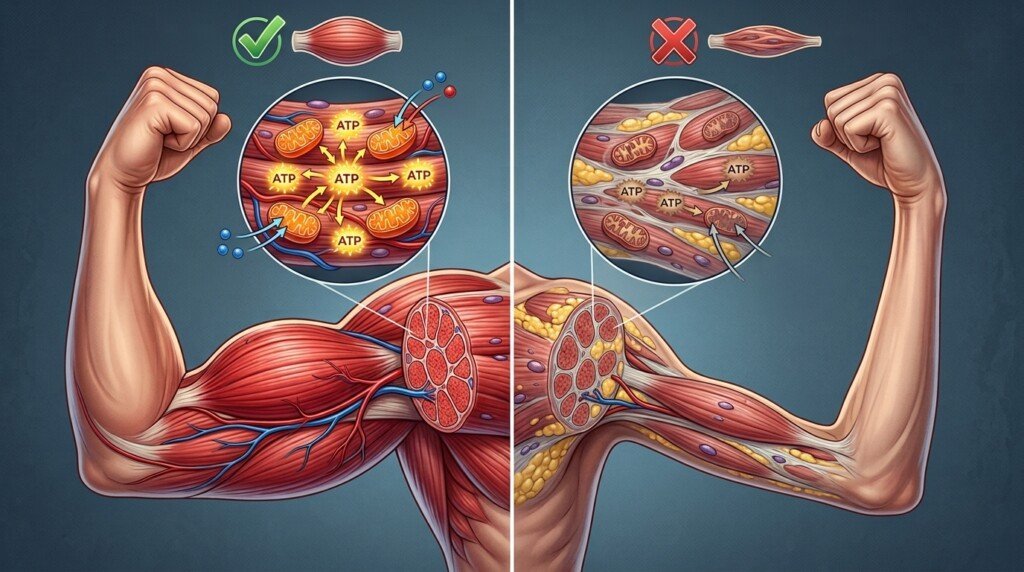
Muscle Requires Ongoing Energy
Even while resting, muscle tissue undergoes constant maintenance.
These biological processes require energy every day.
Healthy muscle therefore contributes to overall metabolic function.
Muscle Supports Daily Movement
Maintaining muscle makes everyday activities easier.
Walking, lifting objects, climbing stairs, and recreational exercise all become more manageable when muscles remain strong.
Resistance Training Helps Preserve Muscle
Resistance exercise encourages muscles to adapt to physical demands.
This helps preserve lean tissue during adulthood and supports long-term metabolic health.
The physiological benefits are explored further throughout Strength Training for Fat Loss.
Muscle Supports Healthy Aging
Maintaining muscle becomes increasingly valuable with age.
Healthy muscle contributes to mobility, independence, balance, and overall physical function.
Its benefits extend well beyond calorie burning.
Can Better Sleep Improve Metabolism?
Sleep is one of the most underestimated components of metabolic health.
Although metabolism continues working while you sleep, this period allows many important biological processes to operate efficiently.

Recovery Happens During Sleep
Healthy sleep supports:
- Tissue repair
- Hormonal regulation
- Immune function
- Energy restoration
These functions contribute to overall metabolic health.
Sleep Supports Consistency
People who sleep well often find it easier to maintain regular physical activity, recover after exercise, and stay consistent with healthy habits.
This indirect effect may be just as valuable as the biological processes occurring during sleep itself.
Quality Matters More Than One Perfect Night
One poor night’s sleep will not undo months of healthy habits.
Instead, focus on maintaining consistent sleep patterns over time.
Future discussions throughout Metabolism and Sleep explain these biological connections in greater detail.
Does Hydration Support Metabolism?
Hydration is one of the simplest habits people associate with a healthy metabolism. While drinking more water will not dramatically increase the number of calories you burn, staying properly hydrated helps many metabolic processes function as they should.
Every cell in your body depends on fluid balance. From transporting nutrients to supporting temperature regulation and removing waste products, hydration plays a supporting role in almost every system involved in energy production.

Water Supports Normal Cellular Function
Your cells continuously perform thousands of chemical reactions that require an appropriate fluid balance.
Healthy hydration supports:
- Nutrient transport
- Cellular communication
- Temperature regulation
- Circulation
- Recovery
Rather than acting as a metabolism booster, hydration helps your body’s existing metabolic processes work efficiently.
Dehydration May Reduce Physical Performance
Even mild dehydration can leave you feeling less energetic.
Lower energy often leads to:
- Less daily movement
- Reduced exercise performance
- Poorer recovery
- Lower motivation
These indirect effects may influence total daily energy expenditure over time.
Hydration Is Part of a Bigger Picture
Hydration alone will not reset metabolism.
Instead, it works alongside sleep, physical activity, muscle maintenance, and recovery to support healthy metabolic function.
Because hydration deserves a detailed discussion, it is explored further throughout Metabolism and Hydration.
How Long Does It Take to Improve Metabolism?
One of the biggest frustrations people experience is expecting metabolic improvements within days.
Human biology rarely changes that quickly.
Healthy metabolism develops gradually through repeated habits rather than dramatic short-term interventions.
Improvement Happens in Stages
Some habits begin supporting metabolic health almost immediately.
Others require weeks or months before noticeable changes occur.
For example:
- Daily movement can improve energy levels within days.
- Building lean muscle takes consistent effort over many weeks.
- Long-term lifestyle habits produce the greatest metabolic benefits over months and years.
Each improvement builds upon the previous one.
Progress Is Individual
The speed of progress depends on many factors, including:
- Age
- Current body composition
- Physical activity
- Sleep quality
- Stress levels
- Previous dieting history
- Overall health
Because everyone’s starting point is different, comparing timelines rarely provides useful information.
Focus on Habits Instead of Deadlines
Many people become discouraged because they focus on rapid results rather than consistent behaviors.
Healthy metabolism responds to what you repeatedly do, not what you do for a few days.
Building routines is far more valuable than chasing quick changes.
Small Improvements Compound
Walking a little more.
Sleeping more consistently.
Preserving muscle.
Managing stress.
Each habit may seem modest on its own, but together they create meaningful improvements over time.
Which Mistakes Slow Your Progress?
People often believe metabolism improves only by adding healthy habits.
Just as important is avoiding behaviors that repeatedly work against your body’s natural regulation.

Expecting Instant Results
One of the biggest mistakes is believing metabolism should noticeably improve within a week.
Biological adaptation requires patience.
Healthy changes happen gradually.
Repeated Crash Dieting
Severe calorie restriction followed by overeating creates repeated cycles of adaptation.
These cycles make long-term consistency much harder than maintaining sustainable habits.
Ignoring Recovery
Many people focus entirely on exercise while neglecting recovery.
Recovery allows your body to repair muscles, restore energy, and prepare for future activity.
Without it, progress becomes more difficult to maintain.
Becoming Less Active Outside the Gym
Some individuals complete structured workouts but spend the rest of the day sitting.
Daily movement outside formal exercise contributes significantly to overall energy expenditure.
Simple activities like walking more often can have meaningful long-term value.
Chasing Every New Trend
The internet constantly promotes new “metabolism hacks.”
Most rely on temporary excitement rather than long-term evidence.
Healthy metabolism is supported by consistent routines instead of constantly changing strategies.
Comparing Yourself With Others
Metabolism naturally differs between individuals.
Comparing your progress to someone with different genetics, body composition, lifestyle, or medical history often creates unrealistic expectations.
Focus on improving your own habits rather than matching someone else’s timeline.
Your 12-Step Metabolism Reset Checklist
Improving metabolism is less about finding one perfect strategy and more about combining healthy habits that support your body’s natural energy systems.
Use this checklist as a practical reminder.
1. Move your body every day.
Daily movement increases overall energy expenditure beyond scheduled workouts.
2. Preserve lean muscle.
Support muscle maintenance through regular resistance exercise.
3. Choose sustainable calorie reduction.
Avoid repeated cycles of extreme restriction.
4. Prioritize recovery.
Allow your body enough time to repair and adapt.
5. Maintain consistent sleep.
Healthy sleep supports numerous metabolic processes.
6. Manage daily stress.
Support both mental and physical well-being.
7. Walk more throughout the day.
Increase non-exercise activity whenever possible.
8. Maintain healthy body composition.
Focus on long-term health instead of rapid weight changes.
9. Build routines you can maintain.
Consistency produces greater results than perfection.
10. Support healthy protein intake.
Adequate protein helps maintain lean muscle during weight management.
11. Stay properly hydrated.
Hydration supports many normal metabolic functions.
12. Be patient.
Healthy metabolism develops through months of consistent habits.

Frequently Asked Questions
1. Can you really reset your metabolism?
You cannot instantly reset your metabolism, but healthy lifestyle habits can improve how efficiently it functions over time.
2. Is metabolism permanently damaged after dieting?
Current evidence suggests metabolism usually adapts rather than becoming permanently damaged. Many changes are reversible through consistent healthy habits.
3. Does building muscle improve metabolism?
Yes. Maintaining lean muscle supports healthy metabolic function because muscle requires ongoing energy for maintenance.
4. Can sleep improve metabolism?
Healthy sleep supports recovery, hormone regulation, and several biological processes involved in metabolic health.
5. Does hydration boost metabolism?
Hydration supports normal metabolic function, but it is not a standalone metabolism booster.
6. How long does it take to improve metabolism?
The timeline varies between individuals. Most improvements occur gradually through consistent habits rather than quick fixes.
7. What is the biggest mistake people make?
Expecting immediate results and relying on short-term solutions instead of sustainable routines.
8. Does walking help metabolism?
Yes. Walking contributes to daily energy expenditure and supports long-term metabolic health through increased overall movement.
9. Should I rely on metabolism hacks?
Evidence consistently favors sustainable lifestyle habits over trendy shortcuts or miracle solutions.
10. What is the best long-term strategy?
Maintaining regular physical activity, preserving muscle, sleeping well, managing stress, staying hydrated, and following sustainable habits provides the strongest foundation for healthy metabolism.
Final Thoughts
Learning how to reset your metabolism begins with changing expectations rather than searching for a miracle solution. Your metabolism is designed to adapt to the habits you practice every day, not to respond instantly to a detox, restrictive diet, or viral trend. Building lean muscle, staying physically active, prioritizing recovery, getting consistent sleep, managing stress, maintaining hydration, and following sustainable routines all work together to support healthy metabolic function. While these changes require patience, they create lasting improvements that are far more valuable than temporary fixes.
Perhaps the most encouraging aspect of metabolic health is its ability to respond to consistent lifestyle choices over time. Every positive habit contributes to a stronger foundation for energy production, recovery, body composition, and overall well-being. As you continue through this metabolism series, you’ll also explore Can You Speed Up Your Metabolism Naturally, Foods That Slow Metabolism, Drinks That Boost Metabolism, Metabolism and Sleep, Metabolism and Hydration, and Metabolic Adaptation, giving you a complete understanding of how everyday habits shape long-term metabolic health.
Disclaimer:
This post may contain affiliate links. If you purchase through them, we may earn a small commission at no extra cost to you. Also, this content is for informational purposes only and does not substitute professional medical advice.
Ready to Start Your Journey?
Use our free 7-in-1 Weight Loss Toolkit to calculate your numbers and build your plan in minutes.
Open Free Tools →