
How Does Estrogen Affect Weight Gain? What the Research Says
If you’ve noticed that maintaining your weight has become more difficult during midlife, you’ve probably wondered whether hormones are responsible. Among all the hormones involved in weight regulation, estrogen receives the most attention, especially during menopause when its levels naturally decline. Many women believe that lower estrogen automatically causes weight gain, while others assume hormones have little influence at all.
The truth lies somewhere in between.
Research shows that estrogen plays an important role in how the body regulates appetite, stores fat, maintains muscle, and manages energy balance. However, estrogen is only one part of a much larger picture. Aging, changes in muscle mass, daily physical activity, sleep quality, nutrition, and overall lifestyle also contribute to body weight and body composition.
One of the biggest misunderstandings is thinking that low estrogen directly creates body fat. In reality, declining estrogen changes where fat is more likely to be stored while also influencing several biological systems that affect long-term weight management. These gradual changes often explain why many women notice increasing abdominal fat and slower weight loss after menopause.
The encouraging news is that hormones do not eliminate your ability to improve your health. While estrogen influences the body’s natural processes, healthy lifestyle habits remain the strongest tools for maintaining a healthy weight throughout menopause and beyond.
In this article, you’ll learn what current research says about Estrogen and Weight Gain, why lower estrogen is linked with changes in body composition, whether estrogen affects belly fat and metabolism, what lifestyle habits can help offset hormonal changes, and when unexpected weight changes should be discussed with a healthcare professional.
Does Estrogen Affect Weight?
Yes, estrogen influences body weight, but probably not in the way many people imagine.
Estrogen is involved in numerous systems that help regulate body composition rather than acting as a simple “weight hormone.”
Scientists now understand that estrogen affects several biological processes that influence long-term weight management.
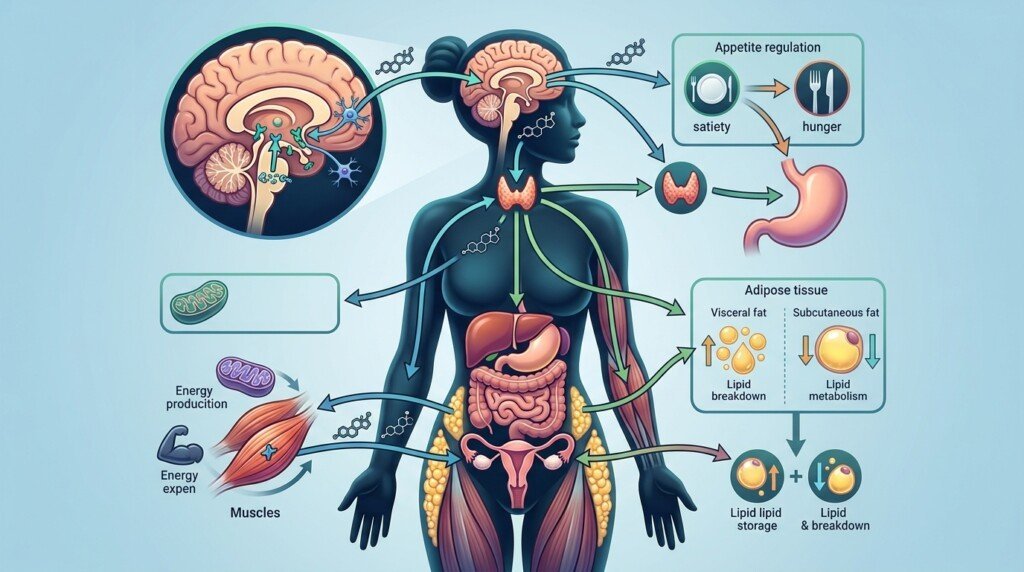
Estrogen Helps Regulate Energy Balance
Energy balance refers to the relationship between:
- Calories consumed
- Calories burned
- Calories stored
Estrogen participates in regulating this balance by communicating with areas of the brain involved in appetite and energy use.
As estrogen levels change, these signals may become less efficient.
Estrogen Influences Appetite
Research suggests estrogen interacts with brain regions involved in hunger and fullness.
Higher estrogen levels are generally associated with better appetite regulation.
As estrogen declines, some women notice:
- Increased hunger
- More food cravings
- Larger portion sizes
- Reduced feelings of fullness
These changes vary greatly between individuals but may contribute to gradual weight gain over time.
Body Composition Changes More Than Body Weight
Many women focus only on the scale.
However, estrogen has a greater influence on body composition than body weight itself.
Body composition includes:
- Lean muscle
- Body fat
- Water
- Bone
As estrogen declines, women often lose lean muscle while gradually gaining fat, particularly around the abdomen.
This means the body may look different even if overall weight changes very little.
Estrogen Works Alongside Other Hormones
Estrogen never works alone.
It interacts with hormones involved in:
- Blood sugar regulation
- Appetite
- Stress response
- Energy expenditure
This explains why changes during menopause affect several aspects of health simultaneously.
Understanding these broader hormonal changes helps explain many of the challenges discussed throughout Menopause Weight Loss, where multiple lifestyle factors contribute to changing body composition.
Why Does Low Estrogen Lead to Weight Gain?
One of the biggest questions researchers continue studying is why lower estrogen is associated with gradual weight gain.
Current evidence suggests several biological mechanisms contribute at the same time.
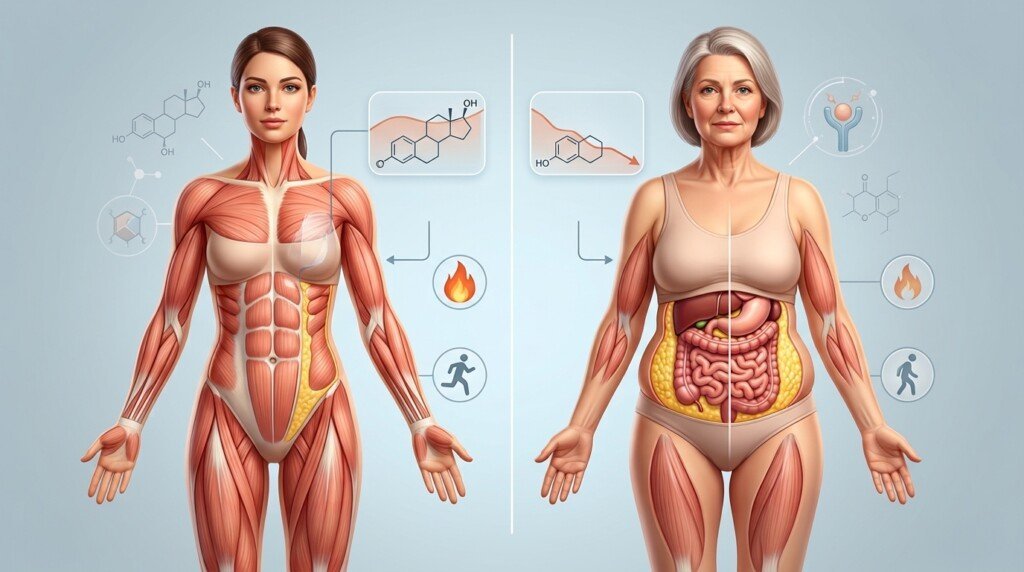
Fat Storage Changes
Perhaps the most noticeable effect involves fat distribution.
Before menopause, women typically store more fat around:
- Hips
- Thighs
- Buttocks
As estrogen declines, fat storage gradually shifts toward the abdomen.
This redistribution often creates the appearance of weight gain around the waist.
Muscle Mass Declines
Muscle naturally decreases with age, but declining estrogen may accelerate this process.
Lower muscle mass means:
- Lower resting energy expenditure
- Reduced strength
- Less daily calorie use
Maintaining muscle becomes increasingly important for supporting healthy body composition.
Daily Energy Expenditure May Decrease
Lower estrogen does not simply slow metabolism overnight.
Instead, several small changes combine over time.
Women may experience:
- Reduced spontaneous movement
- Less exercise
- Lower muscle mass
- More fatigue
Together these factors gradually reduce total daily calorie expenditure.
Appetite May Change
Some women notice that maintaining previous eating habits becomes more difficult.
Lower estrogen may contribute to:
- Stronger hunger signals
- Reduced meal satisfaction
- More frequent cravings
Although lifestyle remains the biggest factor, these biological changes help explain why weight management often becomes more challenging during menopause.
Aging Also Contributes
It is important not to blame every change on estrogen.
Normal aging independently affects:
- Muscle mass
- Activity levels
- Recovery
- Body composition
The combination of aging and hormonal changes creates the greatest influence.
Can Estrogen Affect Belly Fat?
Yes.
Research consistently shows that declining estrogen changes where body fat tends to accumulate.
Rather than increasing total body fat dramatically, menopause often shifts fat toward the abdominal area.
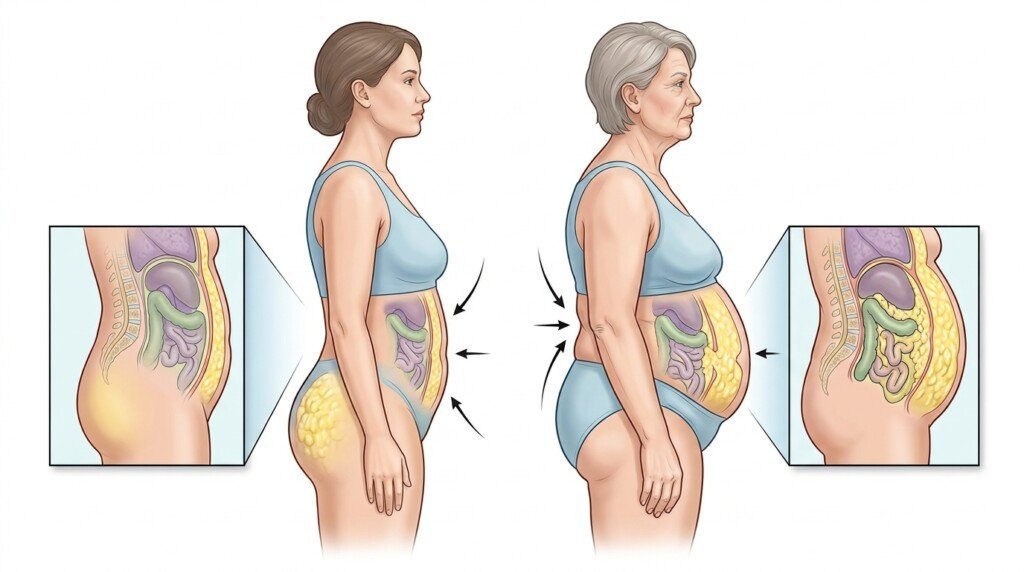
Fat Redistribution Is Normal
During reproductive years, estrogen encourages a more “pear-shaped” pattern of fat storage.
As estrogen declines, many women gradually develop a more central pattern of fat distribution.
This explains why waist circumference often increases during menopause.
Visceral Fat May Increase
Not all abdominal fat is the same.
Some fat lies beneath the skin, while visceral fat surrounds internal organs.
Research suggests menopause is associated with increased visceral fat accumulation.
Higher levels of visceral fat are linked with changes in metabolic health.
The differences between abdominal fat types are explored further throughout Visceral Fat, where their effects on overall health are explained in greater detail.
Belly Fat Is Not Caused by Estrogen Alone
Although declining estrogen contributes to abdominal fat storage, several additional factors influence the outcome.
These include:
- Physical activity
- Nutrition
- Sleep quality
- Muscle maintenance
- Daily movement
Healthy habits continue to play the largest role in determining long-term body composition.
Waist Circumference Becomes More Important
Because menopause changes fat distribution, waist measurements often provide more useful information than body weight alone.
Tracking waist circumference alongside:
- Progress photos
- Clothing fit
- Strength improvements
provides a more complete picture of progress.
Women concerned about increasing abdominal fat often recognize many of these changes described throughout Menopause Belly Fat, where fat redistribution during menopause is explored in greater detail.
Does Estrogen Change Your Metabolism?
One of the biggest myths surrounding Estrogen and Weight Gain is that menopause suddenly “shuts down” your metabolism. While it may feel that way when weight becomes harder to manage, research paints a much more balanced picture.
Metabolism is influenced by many factors, including age, muscle mass, physical activity, body size, and hormones. Estrogen is one of those factors, but it is not the only one.
Instead of causing a dramatic slowdown, declining estrogen contributes to several gradual changes that together affect how your body uses energy.
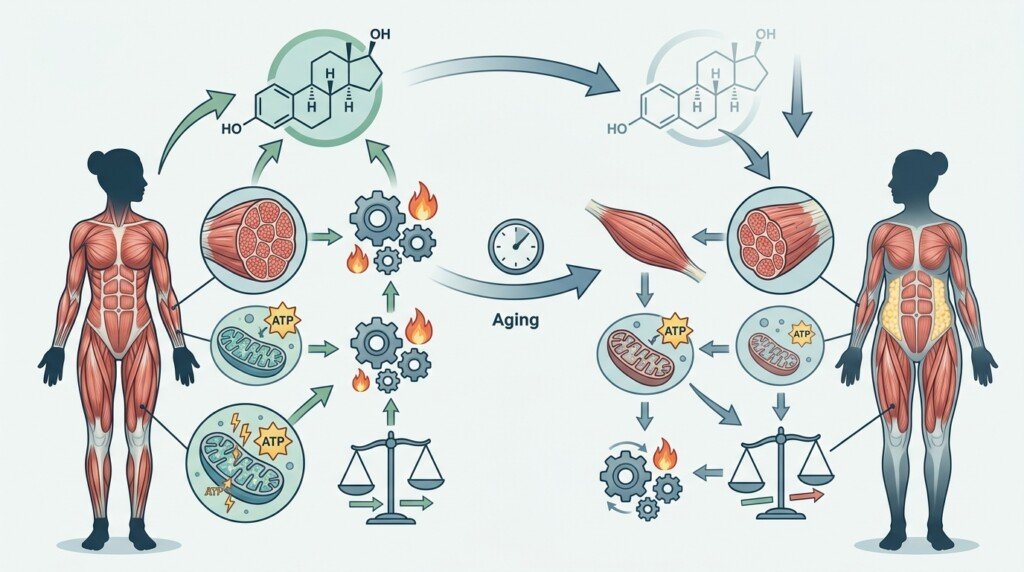
Muscle Loss Plays a Bigger Role Than Most People Realize
Lean muscle is one of the body’s most metabolically active tissues.
It requires energy to maintain, even when you’re resting.
During menopause, many women gradually lose muscle if they do not perform regular resistance training.
Less muscle means:
- Lower resting energy expenditure
- Reduced strength
- Lower daily calorie needs
- Slower calorie burning throughout the day
This gradual change often explains why previous eating habits may lead to weight gain after menopause.
Daily Movement Often Declines
Another overlooked factor is everyday activity.
Many women become less active during midlife because of:
- Busy work schedules
- Family responsibilities
- Joint discomfort
- Fatigue
- Poor sleep
Even if formal exercise remains the same, walking less and sitting more throughout the day reduces overall calorie expenditure.
These small changes accumulate over months and years.
Sleep Can Influence Metabolism Indirectly
Sleep disturbances become increasingly common during menopause.
Night sweats, hot flashes, and interrupted sleep often leave women feeling exhausted.
Poor sleep may contribute to:
- Reduced physical activity
- Greater hunger
- More food cravings
- Lower exercise performance
- Poor recovery
These indirect effects often have a greater influence on body weight than estrogen alone.
Insulin Sensitivity May Change
Research suggests that some women experience reduced insulin sensitivity during menopause.
When insulin becomes less effective, the body may have greater difficulty managing blood sugar efficiently.
Healthy habits such as:
- Regular physical activity
- Resistance training
- Balanced meals
- Maintaining muscle mass
help support healthier insulin function.
These relationships are explored more thoroughly throughout Metabolic Health, where nutrition and physical activity are discussed in greater detail.
Metabolism Is Still Adaptable
Perhaps the most encouraging finding is that metabolism is not fixed.
Healthy habits continue to influence how efficiently your body uses energy.
Building muscle, staying active, sleeping well, and maintaining balanced nutrition all support long-term metabolic health regardless of age.
Can Lifestyle Help Offset Low Estrogen?
Absolutely.
Although estrogen changes cannot be completely prevented, lifestyle habits have a tremendous influence on how your body responds to those hormonal changes.
Research consistently shows that women who remain physically active and eat balanced diets experience healthier body composition than women who become sedentary.

Strength Training Is One of the Best Investments
Resistance training helps preserve muscle during menopause.
Maintaining muscle supports:
- Healthy metabolism
- Better strength
- Improved mobility
- Greater independence
- Healthier body composition
Simple full-body workouts performed several times each week can provide meaningful long-term benefits.
Protein Supports Muscle Maintenance
Adequate protein becomes increasingly important with age.
Including protein at every meal supports:
- Muscle repair
- Recovery
- Fullness
- Healthy body composition
Good protein choices include:
- Fish
- Chicken
- Eggs
- Greek yogurt
- Cottage cheese
- Beans
- Lentils
- Tofu
Prioritize High-Quality Nutrition
Rather than focusing on restrictive dieting, build meals around nutritious whole foods.
Aim to include:
- Vegetables
- Fruits
- Whole grains
- Lean proteins
- Healthy fats
- High-fiber foods
These foods provide lasting fullness while supporting overall health.
Stay Physically Active Every Day
Exercise is important, but everyday movement matters just as much.
Helpful habits include:
- Walking after meals
- Taking the stairs
- Gardening
- Housework
- Recreational activities
Small increases in daily movement can significantly improve long-term energy expenditure.
Improve Sleep Quality
Good sleep supports nearly every aspect of weight management.
Helpful habits include:
- Following a consistent bedtime
- Limiting caffeine late in the day
- Creating a cool, comfortable bedroom
- Reducing screen time before bed
Better sleep often improves energy, appetite regulation, and exercise performance.
Manage Stress
Although stress cannot always be avoided, managing it helps support healthier habits.
Simple strategies include:
- Deep breathing
- Walking outdoors
- Meditation
- Reading
- Spending time with family
- Relaxing hobbies
Consistent stress management often makes healthy eating easier to maintain over time.
Focus on Long-Term Consistency
The women who achieve lasting success during menopause are rarely those who follow perfect diets.
Instead, they consistently practice realistic habits that fit into everyday life.
Small improvements maintained for years produce far greater results than extreme efforts lasting only a few weeks.
When Should You Speak to a Healthcare Professional?
Weight changes during menopause are common, but there are situations where professional advice is appropriate.
Seeking medical guidance helps ensure your symptoms are properly evaluated while supporting safe long-term weight management.
Weight Changes Are Sudden
Gradual weight changes are expected during menopause.
However, rapid unexplained weight gain or weight loss deserves professional evaluation.
Menopause Symptoms Disrupt Daily Life
If menopause symptoms regularly interfere with:
- Sleep
- Exercise
- Daily activities
- Nutrition
- Overall well-being
your healthcare provider can discuss appropriate management options.
Healthy Habits Are Not Improving Your Progress
If you have consistently maintained:
- Balanced nutrition
- Regular resistance training
- Daily movement
- Good sleep habits
for several months without meaningful improvement, personalized medical advice may help identify other contributing factors.
You Have Additional Health Concerns
Speak with your healthcare provider if weight changes occur alongside symptoms such as:
- Persistent fatigue
- Unexplained weakness
- Significant changes in appetite
- Ongoing digestive concerns
- Other unusual symptoms
A proper evaluation helps rule out conditions that may affect body weight.
Build a Personalized Plan
Every woman’s menopause experience is different.
Your healthcare provider can help you create an individualized strategy that supports your health, activity level, and long-term goals.

Frequently Asked Questions
1. Does estrogen directly cause weight gain?
No. Estrogen does not directly create body fat. Instead, declining estrogen influences appetite, body fat distribution, muscle maintenance, and metabolism, which can make weight management more challenging over time.
2. Why does low estrogen increase belly fat?
Lower estrogen encourages fat to shift toward the abdominal area. Age-related muscle loss, changes in activity levels, and lifestyle factors also contribute to increasing waist circumference during menopause.
3. Can you lose weight with low estrogen?
Yes. A moderate calorie deficit, resistance training, balanced nutrition, adequate protein, quality sleep, and regular physical activity can all support healthy weight loss after estrogen levels decline.
4. Does estrogen slow metabolism?
Estrogen influences metabolism indirectly by affecting muscle mass, body composition, and energy balance. The changes are usually gradual rather than sudden, and healthy lifestyle habits remain highly effective.
5. What lifestyle habits help offset low estrogen?
Strength training, eating enough protein, staying physically active, improving sleep, managing stress, and maintaining a balanced eating pattern all help support healthy body composition during menopause.
Final Thoughts
Understanding the relationship between Estrogen and Weight Gain helps explain why many women notice changes in body composition during menopause. Declining estrogen influences appetite, fat distribution, muscle maintenance, insulin sensitivity, and energy balance, but it is only one piece of a much larger picture. Aging, physical activity, nutrition, sleep, and everyday habits all work together to shape long-term weight management.
The encouraging news is that low estrogen does not prevent healthy weight loss. While your body may respond differently than it did earlier in life, consistent lifestyle habits remain remarkably effective. Preserving muscle through resistance training, eating enough protein, choosing nutrient-rich foods, staying active, sleeping well, and managing stress all support healthier body composition and long-term metabolic health.
Rather than viewing menopause as the end of successful weight management, think of it as a stage that requires a different strategy. By understanding how estrogen affects your body and focusing on sustainable habits instead of quick fixes, you can continue making meaningful progress while supporting your overall health, strength, and quality of life for years to come.
Disclaimer:
This post may contain affiliate links. If you purchase through them, we may earn a small commission at no extra cost to you. Also, this content is for informational purposes only and does not substitute professional medical advice.
Ready to Start Your Journey?
Use our free 7-in-1 Weight Loss Toolkit to calculate your numbers and build your plan in minutes.
Open Free Tools →