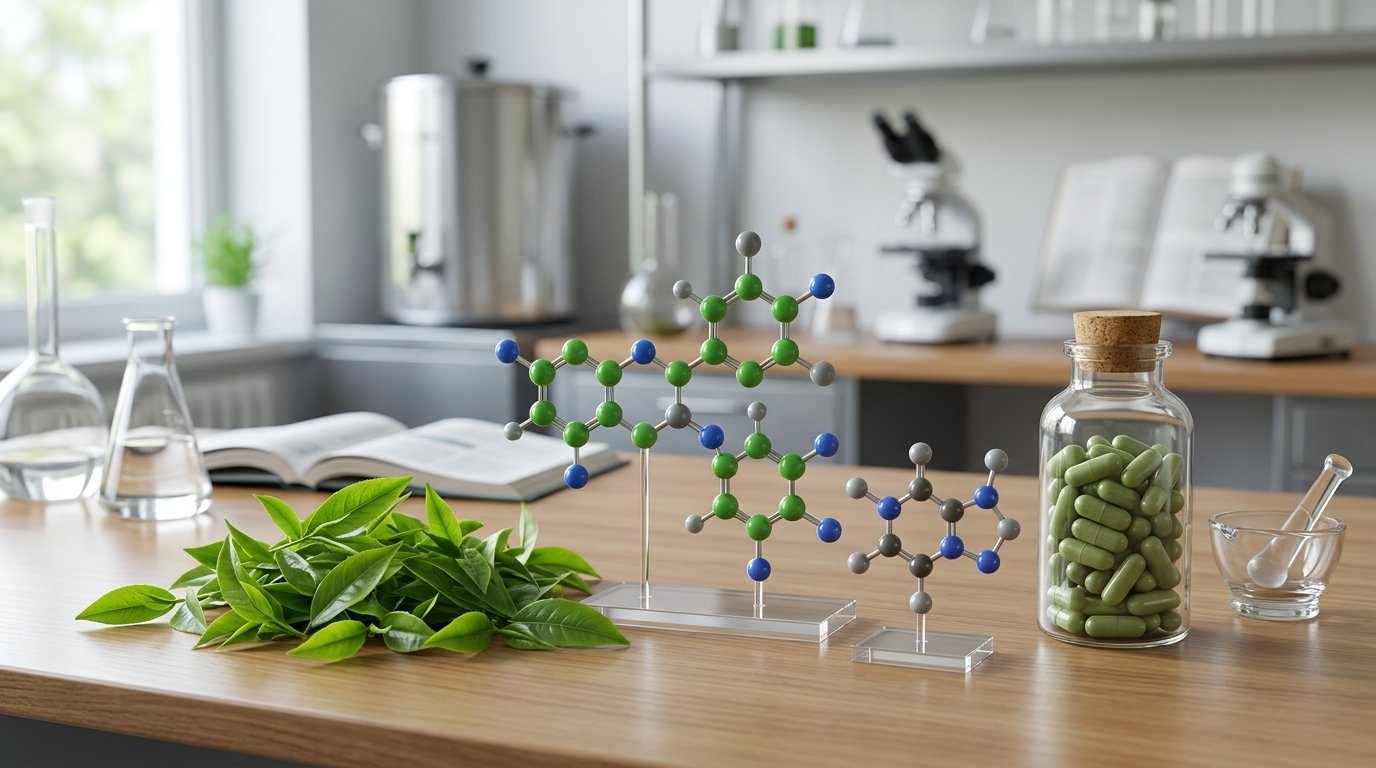
EGCG, Catechins, and Caffeine: Which Green Tea Compounds Actually Support Weight Loss?
Walk into any supplement store or browse an online marketplace, and you’ll quickly notice that many green tea extract products highlight one ingredient more than any other: EGCG.
Some labels advertise “high EGCG,” while others emphasize catechins, antioxidants, or caffeine. It can leave you wondering whether one compound is responsible for the potential weight-loss benefits or whether the entire extract matters.
The truth is more interesting than the marketing.
Green tea extract is not built around a single miracle ingredient. Instead, it contains a natural combination of bioactive compounds that interact with the body in different ways. Some appear to influence metabolism, others contribute to antioxidant activity, and some may complement one another rather than working independently.
Understanding these ingredients helps explain why researchers study green tea extract as a whole instead of focusing on only one molecule.
In this article, we’ll explore the science behind Green Tea Extract Active Compounds, compare EGCG, catechins, and caffeine, explain what each one does inside the body, and clarify which ingredients appear most important for weight management. This discussion focuses on ingredient science rather than buying advice, dosage, timing, side effects, or reviews of clinical studies.
Quick Answer
Green Tea Extract Active Compounds include EGCG, catechins, naturally occurring caffeine, and other polyphenols. Among these, EGCG receives the greatest scientific attention because of its potential role in metabolism and fat oxidation. However, researchers believe these compounds work together, making the entire green tea extract more biologically interesting than any single ingredient on its own.
Why Does Green Tea Extract Contain So Many Bioactive Compounds?
Green tea leaves naturally produce hundreds of plant chemicals.
Many exist to protect the plant from environmental stress, sunlight, insects, and oxidation.
When these leaves are processed into green tea extract, many of these naturally occurring compounds become concentrated.
Green Tea Is Rich in Polyphenols
One of the defining characteristics of green tea is its exceptionally high concentration of polyphenols.
Polyphenols are naturally occurring plant compounds found in many fruits, vegetables, herbs, and teas.
They are widely recognized for their antioxidant properties and have become an important area of nutrition research.
Within green tea, the largest group of polyphenols is known as catechins.
Catechins Are Only One Part of the Formula
Although catechins receive considerable attention, they represent only one category of compounds naturally present in green tea extract.
The extract also contains:
- Naturally occurring caffeine
- Amino acids
- Trace minerals
- Other plant antioxidants
Researchers believe the interaction between these compounds contributes to the extract’s overall biological activity.
This is one reason scientists usually investigate Green Tea Extract for Weight Loss as a complete ingredient rather than isolating every individual compound.
What Exactly Is EGCG and Why Is Everyone Talking About It?
If green tea had a celebrity ingredient, it would almost certainly be EGCG.

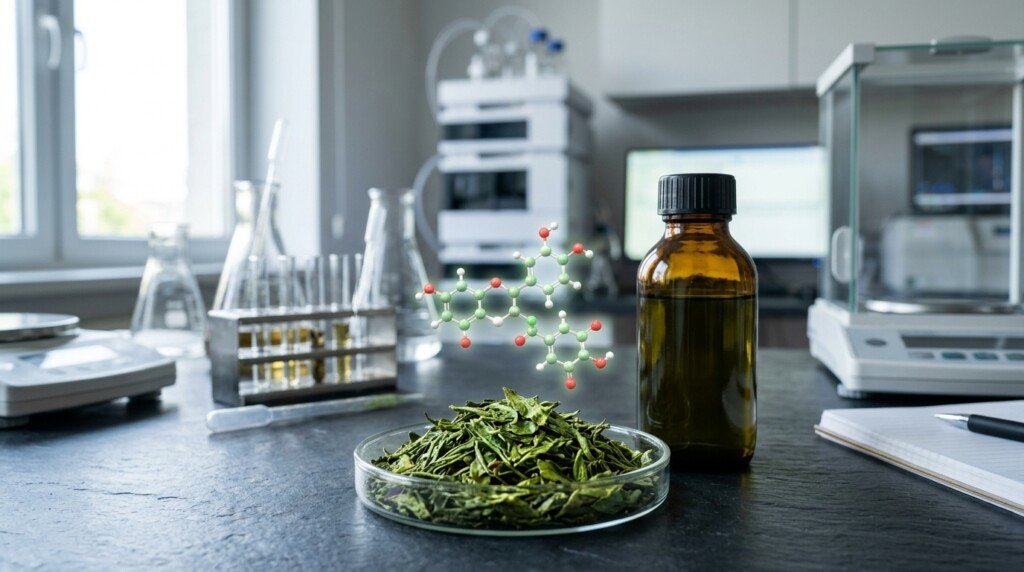
EGCG Stands for Epigallocatechin Gallate
The full name, epigallocatechin gallate, sounds highly technical, which is why most researchers simply use the abbreviation EGCG.
EGCG belongs to the catechin family and is considered the most abundant and biologically active catechin found in green tea extract.
Why Does EGCG Receive So Much Scientific Attention?
Researchers became interested in EGCG because it appears to participate in several biological processes associated with metabolism and cellular function.
Laboratory investigations suggest EGCG may influence areas related to:
- Energy metabolism
- Fat oxidation
- Cellular signaling
- Oxidative balance
These biological observations explain why EGCG continues to be one of the most widely discussed compounds in green tea research.
EGCG Is Not the Entire Story
One common misconception is that more EGCG automatically means better weight-loss results.
Scientists do not generally view green tea extract this way.
Instead, they often study the complete extract because multiple naturally occurring compounds appear to interact with one another.
Looking only at EGCG provides an incomplete picture of green tea’s overall composition.
What Are Catechins and Why Are They Important?
Catechins are often mentioned alongside EGCG, but they are not exactly the same thing.
Catechins Are a Family of Plant Compounds
Think of catechins as a group rather than a single ingredient.
Several different catechins naturally occur in green tea, including:
- EGCG
- EGC
- ECG
- EC
Each belongs to the same broader family of polyphenols.
They Help Define Green Tea’s Unique Profile
Green tea contains significantly higher catechin levels than many other beverages.
These compounds contribute to the tea’s:
- Antioxidant properties
- Natural bitterness
- Plant defense mechanisms
- Nutritional value
Because catechins are naturally abundant, they have become one of the defining characteristics of green tea extract.
Catechins Work Collectively
Although EGCG receives the greatest attention, researchers increasingly recognize that catechins should not always be viewed individually.
Like musicians in an orchestra, each contributes something slightly different while functioning as part of a larger system.
This broader perspective better reflects how green tea naturally exists.
Why Is Caffeine Included in Green Tea Extract?
Many people assume caffeine is added during manufacturing.
In reality, green tea naturally contains caffeine.
The amount varies depending on the leaves, growing conditions, and extraction process.
Caffeine Is a Naturally Occurring Plant Compound
Tea plants produce caffeine as part of their natural chemical makeup.
It serves protective functions for the plant and contributes to the stimulating effects experienced by people who consume tea.
Caffeine Supports Alertness
Within the human body, caffeine primarily affects the central nervous system.
It may temporarily increase:
- Wakefulness
- Mental alertness
- Concentration
- Perceived energy
These effects explain why green tea often feels energizing despite containing less caffeine than coffee.
Caffeine May Complement Other Green Tea Compounds
Rather than acting alone, researchers believe caffeine may complement catechins during certain metabolic processes.
This interaction is one reason scientists continue studying whole green tea extract instead of isolated caffeine alone.
People interested in broader nutrition strategies often compare green tea with other Natural Metabolism Boosters, since many foods and beverages contain naturally occurring bioactive compounds that support overall metabolic health.
How Do EGCG, Catechins, and Caffeine Work Together?
One of the biggest misconceptions about green tea extract is that a single ingredient is responsible for all of its potential benefits.
Current ingredient science suggests a different picture.
Rather than acting independently, EGCG, catechins, and naturally occurring caffeine appear to complement one another. Each compound contributes unique biological properties, creating a combination that researchers often describe as more biologically active than its individual parts.
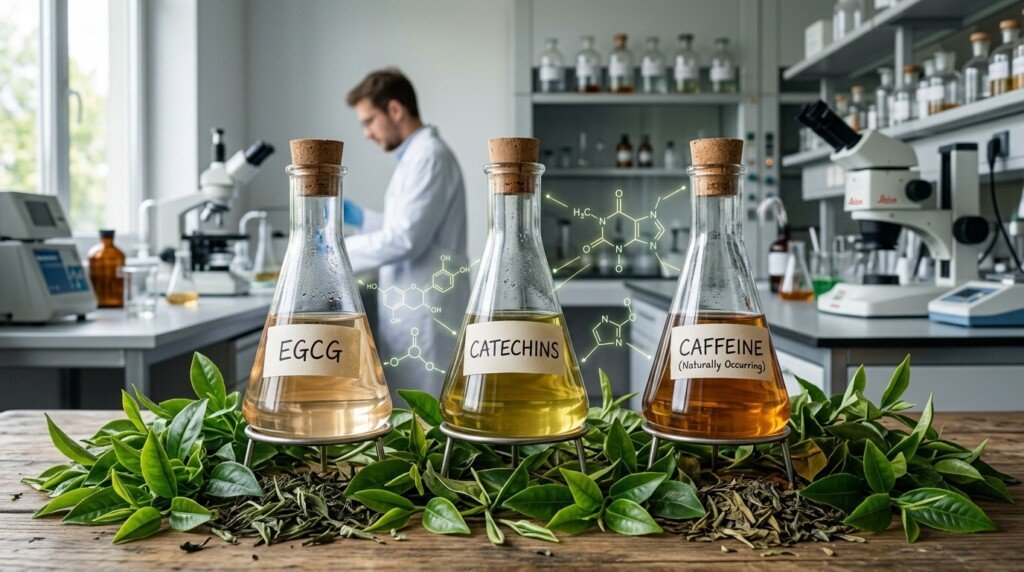
EGCG Supports Cellular Metabolic Processes
Among all catechins, EGCG receives the greatest scientific attention because of its involvement in several cellular pathways related to metabolism.
Laboratory research suggests EGCG may participate in processes associated with:
- Cellular energy regulation
- Fat oxidation
- Oxidative balance
- Normal metabolic activity
These observations help explain why EGCG has become the most recognizable compound in green tea extract.
Catechins Provide a Broader Foundation
While EGCG is the most abundant catechin, it represents only one member of a much larger family.
Other catechins contribute to the overall polyphenol profile of green tea and help create the natural composition found in the leaves.
Researchers increasingly believe these compounds function as a network rather than isolated ingredients.
Caffeine Complements the Natural Formula
Caffeine adds another layer to the equation.
Instead of replacing the role of catechins, it appears to complement them by supporting temporary alertness and normal energy expenditure.
Because green tea naturally combines these ingredients, researchers usually evaluate the complete extract instead of separating each compound.
This whole-food perspective better reflects how green tea has been consumed for centuries.
Which Green Tea Compound Appears Most Important?
If someone asked researchers to identify the single most important compound in green tea extract, the answer would probably begin with one word.
EGCG.
Even so, that answer comes with an important qualification.
EGCG Receives the Most Scientific Attention
Among all naturally occurring compounds in green tea, EGCG has been investigated more extensively than any other.
Its unique chemical structure has made it the focus of laboratory research exploring metabolism, oxidative stress, and cellular activity.
For this reason, EGCG is often highlighted on supplement labels.
The Complete Extract Still Matters
Although EGCG attracts the most interest, scientists rarely conclude that it works entirely alone.
Green tea naturally delivers EGCG alongside:
- Other catechins
- Caffeine
- Polyphenols
- Additional plant compounds
These naturally occurring combinations may contribute to the overall biological profile of green tea extract.
Researchers Avoid Oversimplifying the Science
Nutrition science rarely identifies one “magic ingredient.”
Instead, researchers increasingly recognize that whole-food extracts often behave differently than purified individual compounds.
This balanced perspective helps explain why green tea extract continues to be studied as a complete ingredient.
Do Antioxidants Actually Burn Fat?
This is one of the most common misconceptions surrounding green tea.
Many advertisements imply that antioxidants directly eliminate body fat.
That is not how antioxidants work.
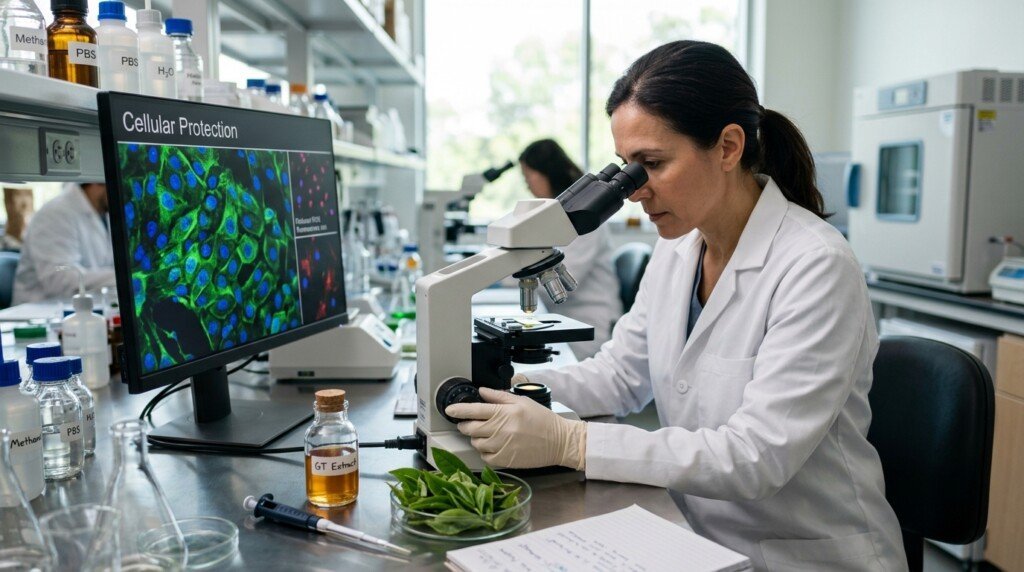
What Are Antioxidants?
Antioxidants are compounds that help protect cells from oxidative stress.
Oxidative stress occurs naturally during metabolism and may increase because of factors such as:
- Aging
- Environmental exposure
- Smoking
- Poor diet
- Physical stress
The body already has its own antioxidant defense systems, while foods rich in plant compounds can contribute additional antioxidant activity.
Green Tea Is Naturally Rich in Antioxidants
Green tea contains numerous antioxidant compounds, particularly catechins.
These antioxidants contribute to green tea’s nutritional value and have become an important area of scientific interest.
However, antioxidant activity should not be confused with direct fat burning.
Antioxidants Support Overall Health, Not Instant Weight Loss
Although antioxidants play valuable roles in maintaining cellular health, there is no evidence that antioxidants alone cause stored body fat to disappear.
Weight management remains dependent on factors including:
- Energy balance
- Physical activity
- Nutrition
- Sleep
- Long-term lifestyle habits
Viewing antioxidants as part of overall wellness rather than as “fat-burning chemicals” provides a much more accurate understanding of their role.
What Does Current Ingredient Science Tell Us?
Looking at green tea extract ingredient by ingredient provides useful insights, but it also reinforces an important lesson.
The whole extract is greater than any single component.
Scientists Continue Exploring Individual Compounds
Researchers remain interested in understanding how:
- EGCG
- Other catechins
- Caffeine
- Additional polyphenols
contribute to green tea’s overall biological activity.
As technology advances, scientists continue identifying new interactions between these naturally occurring compounds.
The Ingredients Should Not Be Viewed in Isolation
Although individual compounds are studied separately in laboratories, people consume green tea extract as a complete mixture.
That combination reflects how nature packages these ingredients together.
Understanding the entire profile offers a more realistic perspective than focusing only on one headline ingredient.
Future articles will help readers evaluate supplement quality and ingredient labels by exploring what to look for when choosing a green tea extract product.
The Strength of Green Tea Extract Comes From Its Natural Combination
Understanding Green Tea Extract Active Compounds reveals why green tea extract remains one of the most fascinating plant-based ingredients in nutrition science.
Rather than relying on a single molecule, green tea naturally combines EGCG, multiple catechins, caffeine, and other polyphenols into a complex mixture that supports normal biological processes. Each compound contributes differently, but together they create the unique profile that researchers continue to investigate.
This broader perspective helps separate evidence-based ingredient science from marketing claims. Instead of searching for one “magic” compound, it is more accurate to appreciate how these naturally occurring ingredients work together as part of the complete green tea extract.
Key Takeaways
| Topic | Key Point |
|---|---|
| EGCG | The most researched catechin and the primary bioactive compound in green tea extract. |
| Catechins | A family of polyphenols that includes EGCG and contributes to green tea’s antioxidant profile. |
| Caffeine | Naturally present in green tea and complements other compounds by supporting alertness and energy expenditure. |
| Antioxidants | Help protect cells from oxidative stress but do not directly burn body fat. |
| Whole extract | Researchers generally study green tea extract as a complete ingredient because its compounds appear to work together. |
| Overall conclusion | The combined activity of multiple natural compounds gives green tea extract its unique biological profile. |
Frequently Asked Questions
1. What is EGCG?
EGCG, or epigallocatechin gallate, is the most abundant and widely researched catechin found in Green Tea Extract Active Compounds. It has attracted significant scientific interest because of its role in normal metabolic and cellular processes.
2. What are catechins?
Catechins are a group of naturally occurring polyphenols found in green tea. EGCG is one member of this family, alongside several other catechins that contribute to the extract’s overall composition.
3. Does caffeine matter in green tea extract?
Yes. Naturally occurring caffeine complements other green tea compounds by supporting alertness and normal energy expenditure, making it an important part of the extract’s natural profile.
4. Which green tea ingredient works best?
EGCG receives the greatest scientific attention, but researchers generally believe the combination of EGCG, other catechins, caffeine, and additional polyphenols provides the most complete biological activity.
5. Do antioxidants burn fat?
No. Antioxidants help protect cells from oxidative stress, but they do not directly burn body fat. Sustainable weight management still depends on healthy nutrition, physical activity, and long-term lifestyle habits.
Conclusion
Green Tea Extract Active Compounds demonstrate that the potential value of green tea extract comes from its natural complexity rather than a single standout ingredient. EGCG may receive the most attention because of its involvement in metabolic and cellular processes, but it works alongside other catechins, naturally occurring caffeine, and additional polyphenols that collectively shape the extract’s biological profile.
Understanding these compounds makes it easier to interpret supplement claims with a more informed perspective. Instead of focusing on one ingredient in isolation, recognizing how these naturally occurring compounds complement one another provides a clearer and more accurate view of why green tea extract continues to be an important subject in nutrition science.
Disclaimer:
This post may contain affiliate links. If you purchase through them, we may earn a small commission at no extra cost to you. Also, this content is for informational purposes only and does not substitute professional medical advice.