


How Does L-Carnitine Work for Weight Loss? The Science Explained
If you’ve ever searched for weight loss supplements, you’ve probably come across one recurring claim: L-carnitine helps your body burn fat.
While that statement sounds simple, the biology behind it is far more interesting.
Unlike stimulant-based ingredients that temporarily increase alertness or heart rate, L-carnitine doesn’t “force” your body to burn fat. Instead, it plays a role in one of the body’s normal energy-producing pathways. Its job is to help transport certain fatty acids into structures inside your cells where they can be converted into usable energy.
Understanding How L-Carnitine Works for Weight Loss isn’t about memorizing complex biochemical terms. It’s about knowing why this naturally occurring compound has become one of the most researched ingredients in sports nutrition and weight management.
In this article, we’ll walk through the science in plain language. You’ll learn how fatty acids move through the body, what happens inside the mitochondria, whether L-carnitine actually increases fat burning, why results differ from person to person, and what current research tells us.
Quick Answer
How L-Carnitine Works for Weight Loss begins with its role in transporting long-chain fatty acids into the mitochondria, where they can be converted into cellular energy through beta oxidation. Although this process is essential for normal fat metabolism, L-carnitine does not automatically increase body fat loss. Meaningful weight management still depends on factors such as physical activity, nutrition, and maintaining a sustainable Calorie Deficit.
How Does L-Carnitine Transport Fat Inside the Body?
One of the biggest misconceptions about L-carnitine is that it “burns” fat.
In reality, its role is much more specific.
Think of L-carnitine as part of a transportation system rather than the engine itself.

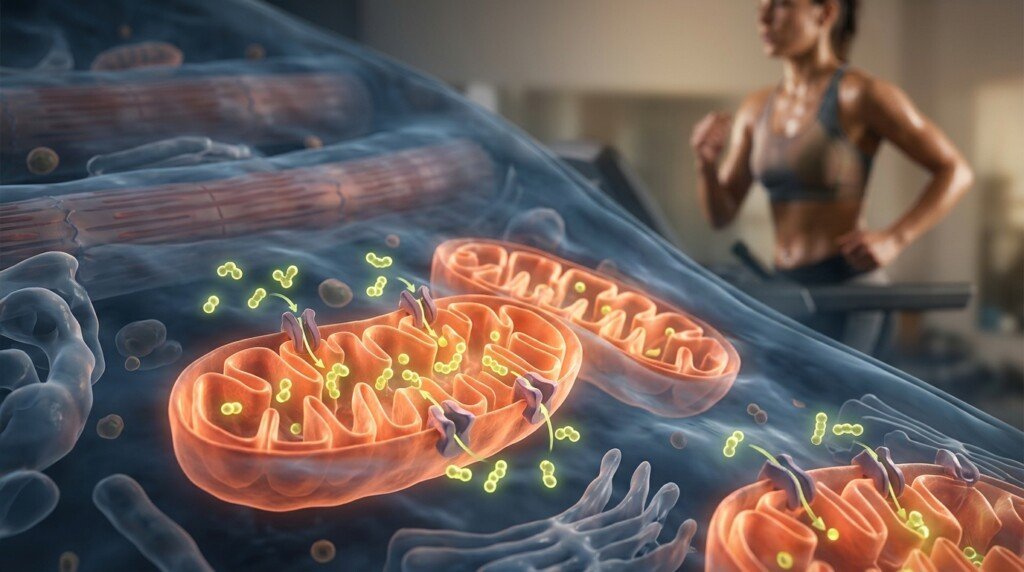
Fatty Acids Need Help Reaching Their Destination
Your body stores energy in several forms, including fat.
When energy is needed, fatty acids are released from fat stores and enter the bloodstream.
However, these long-chain fatty acids cannot simply enter the mitochondria by themselves.
They require a transport mechanism.
This is where L-carnitine becomes important.
L-Carnitine Acts Like a Transport Shuttle
L-carnitine binds to long-chain fatty acids and helps move them across the mitochondrial membrane.
Without this transport system, many fatty acids would have difficulty reaching the place where they can be used for energy production.
This biological role is one reason researchers continue studying L-carnitine’s influence on metabolism.
Transport Doesn’t Guarantee Fat Loss
It’s important to separate transport from fat loss.
Helping fatty acids enter the mitochondria does not automatically mean the body will reduce stored body fat.
Whether those fatty acids are actually used depends on your body’s energy needs at that moment.
If there isn’t sufficient energy demand, increasing fatty acid transport alone will not necessarily produce noticeable weight loss.
What Happens After Fat Reaches the Mitochondria?
Once fatty acids arrive inside the mitochondria, another fascinating process begins.
This is where the body converts stored energy into usable fuel.
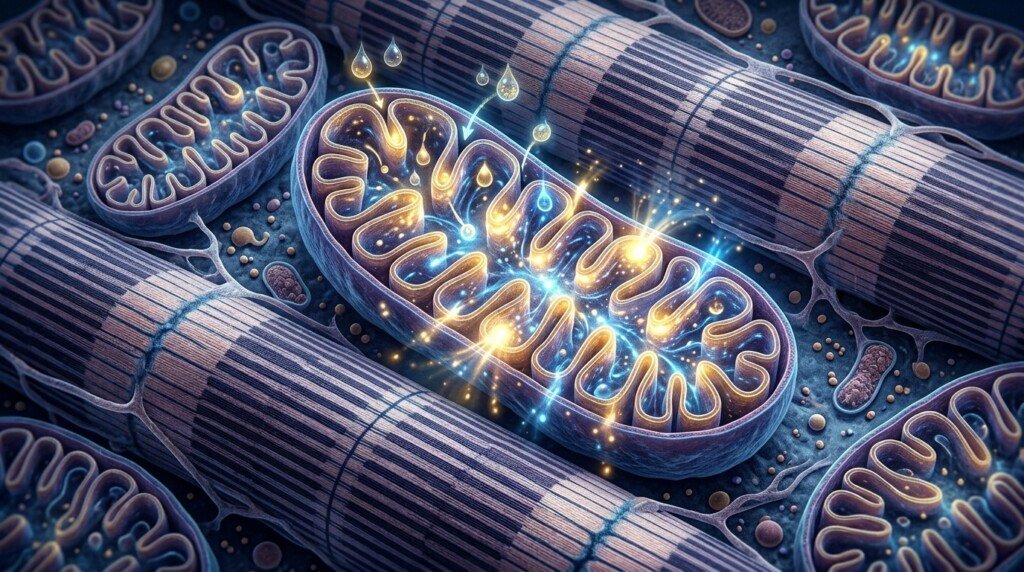
Mitochondria Are Your Cells’ Energy Centers
Every cell in your body requires energy.
Mitochondria are responsible for producing much of that energy by processing carbohydrates, fats, and, under certain conditions, amino acids.
Because of this role, mitochondria are often described as the powerhouses of the cell.
Beta Oxidation Begins
Inside the mitochondria, fatty acids undergo a biochemical process known as beta oxidation.
During beta oxidation, long-chain fatty acids are gradually broken down into smaller molecules.
These molecules continue through additional metabolic pathways that eventually contribute to ATP production.
ATP serves as the primary energy currency used by nearly every cell in the body.
This Is a Normal Biological Process
None of these processes are unique to supplementation.
Your body performs fatty acid transport and beta oxidation continuously throughout life.
L-carnitine simply supports one essential step within this naturally occurring pathway.
Does L-Carnitine Actually Increase Fat Burning?
This question often causes confusion because people use the phrase “fat burning” in different ways.
Fat Oxidation Is Different From Weight Loss
Scientifically, fat oxidation refers to the body’s use of fatty acids as an energy source.
Weight loss, on the other hand, means reducing stored body fat over time.
Although these ideas are related, they are not identical.
Someone may temporarily increase fat oxidation during certain activities without experiencing significant long-term weight loss if overall energy balance remains unchanged.
Energy Demand Determines Fat Utilization
Your body chooses fuel sources based on many factors, including:
- Activity level
- Exercise intensity
- Nutritional status
- Hormonal signals
- Overall energy requirements
L-carnitine supports fatty acid transport, but it does not override these regulatory systems.
Healthy Habits Create the Conditions
The body is more likely to use stored fat when energy demand consistently exceeds energy intake.
That’s why regular movement and balanced nutrition remain essential.
People following Exercise and Weight Loss strategies or consistent Strength Training for Fat Loss create greater opportunities for fat to be used as fuel than those relying on supplements alone.
Can L-Carnitine Increase Your Metabolism?
Many advertisements describe L-carnitine as a metabolism booster.
The reality is more nuanced.
It Supports Energy Metabolism
L-carnitine participates in energy metabolism because it helps transport fatty acids for cellular energy production.
This does not necessarily mean it dramatically increases metabolic rate.
Energy metabolism includes thousands of biochemical reactions occurring throughout the body every second.
L-carnitine contributes to one important part of that larger system.
Metabolism Depends on Many Variables
Your metabolic rate is influenced by factors such as:
- Age
- Genetics
- Muscle mass
- Hormonal health
- Physical activity
- Overall body composition
No single nutrient controls metabolism by itself.
Supporting Metabolism Isn’t the Same as Accelerating It
Helping normal metabolic processes function efficiently is different from dramatically increasing calorie expenditure.
This distinction helps explain why expectations surrounding How L-Carnitine Works for Weight Loss should remain realistic rather than exaggerated.
Can L-Carnitine Improve Exercise Performance?
One reason L-carnitine continues to attract attention is its potential connection to physical performance.
If it helps transport fatty acids into the mitochondria, does that mean it also helps people exercise better?
The answer is more complex than a simple yes or no.

Energy Production Is Closely Linked to Exercise
Every movement your body makes requires energy.
Whether you’re walking, lifting weights, cycling, or climbing stairs, your muscles constantly produce ATP to fuel those activities.
Because L-carnitine participates in fatty acid transport, researchers have explored whether this process may support exercise metabolism under certain conditions.
However, performance depends on far more than a single nutrient.
Exercise Adaptations Come From Training
Improved endurance, strength, and fitness primarily result from consistent training rather than supplementation.
As your body adapts to regular exercise, it becomes more efficient at producing and using energy.
L-carnitine may support one step within normal energy metabolism, but it does not replace the physiological adaptations created by regular physical activity.
Better Performance Doesn’t Always Mean More Fat Loss
People sometimes assume that if exercise performance improves, weight loss automatically follows.
The relationship isn’t that simple.
Body fat reduction still depends on long-term energy balance, nutrition, and consistency rather than exercise performance alone.
Why Doesn’t L-Carnitine Work the Same for Everyone?
One of the most common questions researchers continue investigating is why some individuals appear to respond differently than others.
The answer lies in human biology.
Everyone Starts From a Different Baseline
Factors that may influence how the body responds include:
- Age
- Physical activity level
- Overall health
- Dietary habits
- Existing L-carnitine status
- Body composition
Because these variables differ significantly between individuals, research findings naturally vary as well.
Daily Lifestyle Has a Major Influence
L-carnitine functions within the body’s existing metabolic systems.
Those systems are affected every day by:
- Nutrition
- Sleep
- Physical activity
- Stress
- Recovery
Someone following healthy lifestyle habits creates a very different metabolic environment than someone with a sedentary lifestyle and inconsistent nutrition.
Expectations Often Influence Perceived Results
Many people begin supplementation expecting rapid changes.
When dramatic weight loss doesn’t occur immediately, they conclude that the supplement failed.
In reality, L-carnitine was never designed to create instant body fat reduction.
Understanding its biological role leads to much more realistic expectations.
What Does Current Research Actually Show?
L-carnitine has been studied extensively for its role in metabolism and energy production.
While researchers continue exploring its applications, several important conclusions consistently emerge.

The Biological Mechanism Is Well Established
There is strong scientific agreement regarding L-carnitine’s primary function.
It helps transport long-chain fatty acids into the mitochondria where they can participate in beta oxidation and ATP production.
This mechanism is widely accepted within nutritional and biochemical research.
Weight Loss Findings Are More Mixed
Although the biological pathway is well understood, translating that mechanism into measurable weight loss is more complicated.
Clinical studies have reported varying outcomes depending on:
- Participant characteristics
- Study duration
- Physical activity
- Nutrition
- Overall health status
This explains why L-carnitine should not be viewed as a guaranteed fat-loss supplement for every individual.
Lifestyle Still Determines Long-Term Success
One consistent message appears throughout the research.
People who combine balanced nutrition, regular physical activity, and sustainable healthy habits generally achieve better long-term body composition outcomes than those relying on supplements alone.
The science supports viewing L-carnitine as a supportive component of a comprehensive weight management strategy rather than the primary driver of results.
Future articles discussing the Benefits of L-Carnitine and the L-Carnitine Results Timeline will examine these topics in greater depth.
Understanding the Science Creates Better Expectations
The biology behind How L-Carnitine Works for Weight Loss is fascinating because it highlights how complex human metabolism really is.
Rather than directly burning body fat, L-carnitine supports one essential step in the process of transporting fatty acids into the mitochondria for energy production.
Whether those fatty acids are ultimately used depends on your body’s energy demands, physical activity, and overall metabolic environment.
Understanding this distinction helps separate evidence-based science from marketing claims and encourages more realistic expectations.
Key Takeaways
| Topic | Key Point |
|---|---|
| Fat transport | L-carnitine helps transport long-chain fatty acids into the mitochondria. |
| Mitochondria | Inside the mitochondria, fatty acids undergo beta oxidation to support ATP production. |
| Fat burning | Fat oxidation is part of normal metabolism but does not automatically result in body fat loss. |
| Metabolism | L-carnitine supports normal energy metabolism rather than dramatically increasing metabolic rate. |
| Exercise | Physical activity creates the energy demand that allows fatty acids to be used more effectively. |
| Research | Scientific evidence strongly supports L-carnitine’s biological role, while weight-loss outcomes vary between individuals. |

Frequently Asked Questions
1. Does L-Carnitine burn stored fat?
L-carnitine helps transport fatty acids into the mitochondria where they can be used for energy. However, stored body fat is only reduced when your body consistently requires more energy than it receives.
2. Does it increase metabolism?
How L-Carnitine Works for Weight Loss involves supporting normal energy metabolism through fatty acid transport. It does not dramatically increase metabolic rate on its own.
3. Does it work without exercise?
L-carnitine performs its biological role regardless of exercise, but physical activity increases energy demand, making healthy lifestyle habits an important part of long-term weight management.
4. How does it enter the mitochondria?
L-carnitine acts as part of a transport system that helps move long-chain fatty acids across the mitochondrial membrane, allowing them to participate in beta oxidation and ATP production.
5. Why do people see different results?
Individual responses vary because factors such as age, nutrition, physical activity, body composition, and overall health all influence how the body regulates energy metabolism.
Conclusion
Understanding How L-Carnitine Works for Weight Loss is less about finding a shortcut and more about appreciating how your body naturally produces energy. L-carnitine plays a well-established role in transporting long-chain fatty acids into the mitochondria, where they can be converted into usable cellular energy. This process is a normal part of human metabolism, but it is only one piece of a much larger picture.
While the biological mechanism is supported by scientific evidence, meaningful changes in body composition still depend on balanced nutrition, regular exercise, and long-term consistency. By viewing L-carnitine as a supportive tool instead of a standalone solution, you can build realistic expectations and make informed decisions that align with sustainable weight management goals.
Disclaimer:
This post may contain affiliate links. If you purchase through them, we may earn a small commission at no extra cost to you. Also, this content is for informational purposes only and does not substitute professional medical advice.