
How to Stop Food Cravings — Practical Strategies
Have you ever promised yourself you would ignore a craving, only to find yourself opening the pantry a few minutes later? You’re not alone. Food cravings can feel surprisingly powerful, even when you’ve eaten recently or know you’re not physically hungry.
The good news is that cravings are temporary. They usually rise, peak, and gradually fade rather than lasting indefinitely. The challenge is knowing what to do during that window instead of relying on willpower alone.
If you’re searching for how to stop food cravings, it’s important to understand that there isn’t one universal solution. A strategy that works for an afternoon craving may not help with late-night snacking, and what helps one person may be less effective for someone else.
Instead of trying to eliminate cravings completely, a more realistic goal is learning how to respond to them in ways that support your long-term health without feeling constantly deprived.
This article focuses on practical techniques you can use immediately when cravings appear, explains why nighttime cravings are so common, and explores sustainable habits that may reduce cravings over time.
Quick Answer
If you’re wondering how to stop food cravings, start by pausing instead of reacting immediately. Drinking water, changing your environment, taking a short walk, or distracting yourself for several minutes may reduce the intensity of many cravings. Long-term improvements in sleep, meal quality, hydration, and eating habits can also make cravings less frequent over time.
What Are the Most Effective In-the-Moment Techniques to Stop a Craving?
One of the biggest misconceptions about cravings is that they must either be satisfied immediately or resisted with sheer determination.
In reality, neither approach is always necessary.
Cravings usually behave like waves.
They increase in intensity for a short period before gradually fading.
The goal is often not to “fight” the craving but to create enough time and distance to decide how you actually want to respond.
That is why simple strategies often work surprisingly well.
They interrupt the automatic pattern between craving and eating.


How Does Hydration Impact Food Cravings?
Hydration is one of the easiest places to start because thirst and hunger can sometimes feel surprisingly similar.
Although drinking water will not eliminate every craving, mild dehydration may increase awareness of appetite in some people.
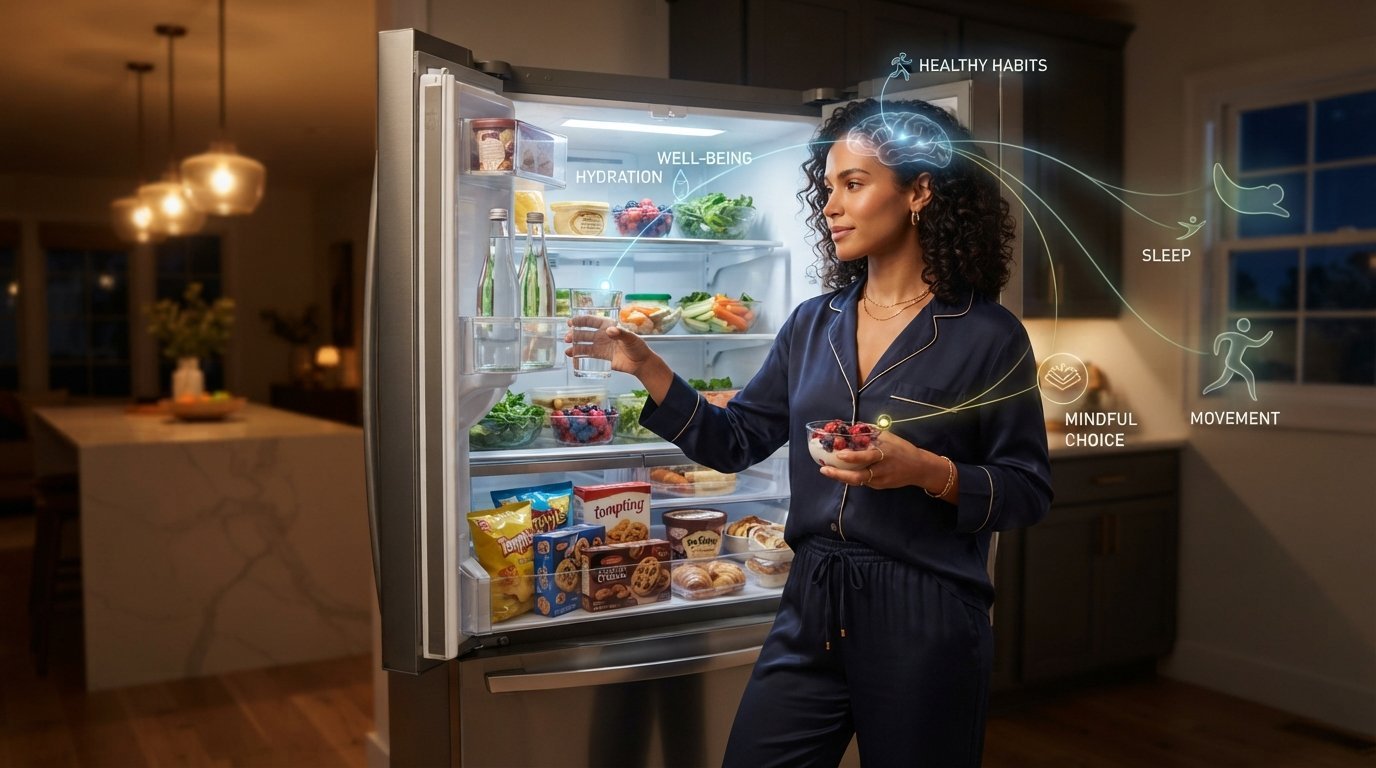
Before reaching for food, consider drinking a glass of water and waiting a few minutes.
This brief pause serves two purposes.
First, it helps ensure your body is adequately hydrated.
Second, it creates time to determine whether the craving continues with the same intensity.
Many people notice that what initially felt like an urgent craving becomes much less compelling after a short delay.
Hydration is not a cure for cravings.
However, because it is simple, safe, and beneficial for overall health, it is often worth trying first.
Make Water More Appealing
People who rarely drink water sometimes struggle because plain water feels boring.
Simple adjustments can make hydration easier, including:
- Chilled water
- Sparkling water without added sugar
- Lemon slices
- Lime
- Cucumber
- Mint
The objective is simply making hydration a more consistent habit.
Don’t Expect Instant Results Every Time
Some cravings have little to do with hydration.
If the craving remains after drinking water, that does not mean the strategy failed.
It simply means another factor is probably contributing.
That is completely normal.
What Are Quick, Easy Distraction Techniques for Immediate Cravings?
Cravings require attention.
The more attention they receive, the stronger they often feel.
Changing your focus can sometimes reduce their intensity surprisingly quickly.
The goal is not pretending the craving does not exist.
Instead, it is allowing the craving to pass without becoming the center of your attention.
Change Your Environment
Remaining in the same location where the craving began often makes it stronger.
Simple changes may help interrupt the pattern.
Examples include:
- Leaving the kitchen.
- Walking outside.
- Moving to another room.
- Going upstairs.
- Taking fresh air.
Even a small environmental change helps shift attention away from food.
Keep Your Hands Busy
Some cravings involve habit more than hunger.
Activities that occupy the hands can interrupt automatic eating behaviors.
Examples include:
- Folding laundry.
- Organizing a drawer.
- Watering plants.
- Writing.
- Coloring.
- Craft projects.
These activities provide enough engagement for many cravings to gradually weaken.
Engage Your Mind
Mental distraction also helps many people.
Examples include:
- Reading several pages of a book.
- Solving a puzzle.
- Listening to a podcast.
- Calling a friend.
- Watching a short educational video.
- Practicing deep breathing.
The specific activity matters less than shifting attention away from food.
Delay Rather Than Deny
One particularly useful strategy is postponing the decision.
Instead of saying:
“I can’t have this.”
Try saying:
“I’ll decide in fifteen minutes.”
This small change reduces feelings of restriction while allowing the craving time to fade naturally.
For many people, the urgency decreases considerably during that short waiting period.
Can Physical Activity Be an Effective Distraction for Intense Cravings?
Physical activity does not have to mean an intense workout.
In fact, some of the most effective movement strategies are surprisingly simple.
Short periods of movement help redirect attention while also changing the physical environment.
Examples include:
- Walking around the block.
- Climbing stairs.
- Gentle stretching.
- Light housework.
- Gardening.
- Walking the dog.
These activities provide a natural interruption without requiring major planning.
Walking Is Often Enough
Many people assume they need vigorous exercise to influence cravings.
Research suggests that even moderate movement may temporarily reduce the intensity of certain cravings for some individuals.
A ten-minute walk often feels much more achievable than a full workout.
Because it is realistic, people are more likely to repeat it.
Movement Changes More Than Calories
The benefit of movement is not simply burning calories.
Walking or stretching may also:
- Break repetitive thought patterns.
- Reduce boredom.
- Improve mood.
- Change surroundings.
- Interrupt automatic eating routines.
This combination often explains why movement feels helpful even when the calorie expenditure is relatively small.
Avoid Turning Exercise Into Punishment
Physical activity should never become a way to “earn” food or compensate for eating.
Instead, think of movement as another healthy response available when cravings appear.
It is one option among many.
Not an obligation.
Remember That Cravings Usually Pass
Perhaps the most encouraging fact about cravings is that they are temporary.
Even intense cravings rarely stay at their peak for very long.
Many fade naturally when attention shifts elsewhere.
Rather than trying to eliminate every craving immediately, focus on creating enough time to make a thoughtful decision instead of an automatic one.
Why Do I Get Cravings at Night?
Many people manage their eating well throughout the day, only to find themselves standing in the kitchen late at night looking for snacks.
This experience is extremely common.
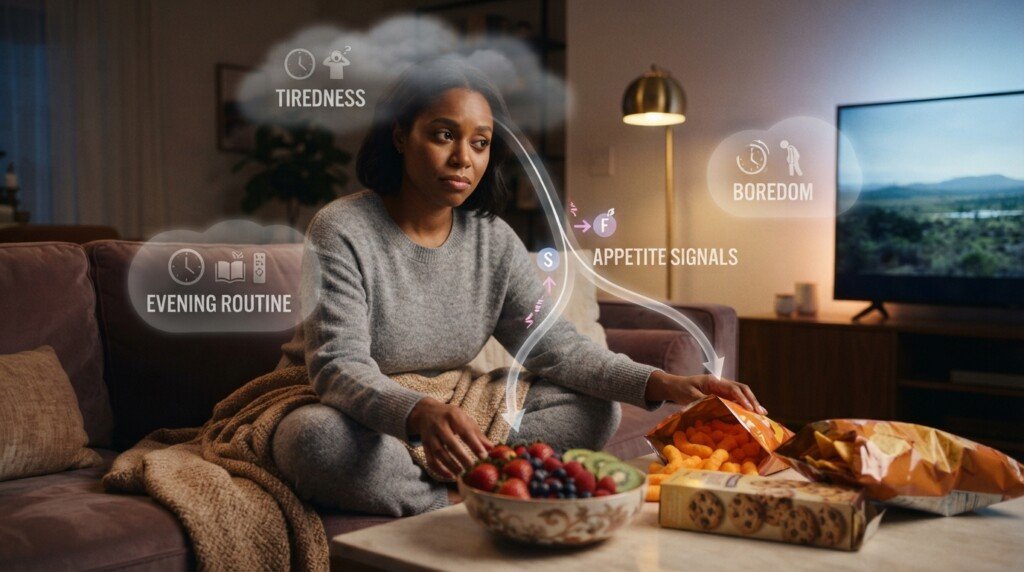
Nighttime cravings often feel stronger than daytime cravings because several influences tend to overlap during the evening. Hunger, fatigue, habits, emotions, and reduced mental energy can all make food seem especially appealing after the day is over.
That does not mean your body suddenly “needs” food every night.
Instead, evening cravings usually reflect a combination of biological rhythms and learned routines.
Understanding why they happen makes them much easier to manage without feeling deprived.
What Are the Common Triggers for Nighttime Cravings?
There is rarely one single reason for evening cravings.
Most people experience them because several factors occur at the same time.
Eating Too Little Earlier in the Day
One of the most common causes is simply not eating enough throughout the day.
Examples include:
- Skipping breakfast.
- Eating a very small lunch.
- Long gaps between meals.
- Restrictive dieting.
By evening, hunger has accumulated for many hours.
The body naturally encourages eating to restore energy.
Evening Is Often the First Quiet Moment
Busy schedules can suppress awareness of appetite.
Throughout the day people may be:
- Working.
- Driving.
- Caring for family.
- Attending meetings.
- Running errands.
When everything finally becomes quiet, attention shifts back toward the body.
Cravings that were easy to ignore earlier may suddenly become much more noticeable.
Habit Plays a Bigger Role Than Most People Realize
Many nighttime cravings are simply routines.
Examples include:
- Ice cream while watching television.
- Chips after dinner.
- Popcorn during movies.
- Cookies before bed.
Repeating these behaviors night after night teaches the brain to expect food during those situations.
Eventually the activity itself becomes the trigger.
Boredom Encourages Mindless Eating
Evenings usually contain more unstructured time than the rest of the day.
Without work responsibilities or scheduled activities, food often becomes entertainment rather than nourishment.
This is particularly common while:
- Watching television.
- Scrolling social media.
- Gaming.
- Reading.
The craving may actually reflect boredom instead of hunger.
Emotional Fatigue Builds Throughout the Day
People make thousands of decisions every day.
By evening, mental energy is often lower.
This decision fatigue makes convenient comfort foods appear much more attractive than they might earlier in the day.
How Does Sleep Deprivation Affect Nighttime Food Cravings?
Sleep influences appetite far more than many people realize.
One poor night of sleep will not completely change eating behavior.
However, ongoing sleep deprivation may gradually influence both hunger and food preferences.
Tired Brains Prefer Easy Rewards
After insufficient sleep, many people notice they crave:
- Sweet foods.
- Salty snacks.
- Highly processed foods.
- Convenience foods.
This does not happen because sleep directly creates specific cravings.
Instead, fatigue reduces mental energy while making highly rewarding foods more appealing.
Poor Sleep Makes Habits Harder to Resist
When tired, people often rely more heavily on automatic behaviors.
If eating snacks every evening has become habitual, fatigue makes that routine easier to repeat.
This explains why cravings often feel stronger after particularly exhausting days.
Evening Fatigue Can Feel Like Hunger
Many people mistake tiredness for hunger.
Although they are different sensations, both reduce energy.
As a result, people sometimes eat hoping food will solve exhaustion.
Unfortunately, food cannot replace adequate sleep.
Recognizing the difference between fatigue and genuine hunger can prevent unnecessary late-night snacking.
What Are Strategies to Manage the Urge for Late-Night Eating?
Managing nighttime cravings does not require eliminating every evening snack.
Instead, it involves understanding what is driving the craving before automatically eating.
Pause Before Heading to the Kitchen
When a craving appears, ask yourself:
- Am I physically hungry?
- Am I tired?
- Am I bored?
- Am I stressed?
- Am I simply following my nightly routine?
This simple reflection often provides useful insight.
Create Evening Rituals That Don’t Revolve Around Food
Many people automatically pair relaxation with eating.
Replacing that association with other enjoyable routines may gradually weaken the habit.
Examples include:
- Reading.
- Stretching.
- Listening to music.
- Taking a warm shower.
- Journaling.
- Preparing for the next day.
The goal is not avoiding food entirely.
It is expanding the ways you unwind.
Keep Trigger Foods Out of Immediate Reach
Environment strongly influences eating behavior.
If highly tempting snacks are constantly visible, they require repeated decisions to ignore.
Simple environmental changes often reduce unnecessary eating without relying on willpower.
Recognize That Cravings Are Temporary
Nighttime cravings often feel urgent.
In reality, they usually peak and then fade.
Waiting even ten or fifteen minutes frequently changes the intensity enough to make a more thoughtful decision.
Readers experiencing cravings that occur specifically for sweet foods during the evening may find additional information in Sugar Cravings at Night, which focuses on nighttime sugar cravings rather than general evening eating.
How Can I Manage Cravings Long-Term Without Feeling Deprived?
Quick techniques help during individual cravings.
Long-term success comes from reducing how often those cravings occur in the first place.
The objective is not perfect eating.
It is creating routines that make healthy choices feel easier rather than constantly relying on willpower.

What Dietary Strategies Reduce the Frequency of Cravings Over Time?
The foods you eat consistently influence how satisfied you feel throughout the day.
Although no meal completely prevents cravings, balanced eating patterns often reduce their frequency.
Prioritize Satisfying Meals
Meals containing a combination of:
- Protein.
- Fiber-rich carbohydrates.
- Healthy fats.
generally provide longer-lasting satisfaction than meals built primarily around highly refined foods.
Feeling satisfied for longer often reduces unnecessary snacking between meals.
Avoid Extreme Restriction
Very restrictive eating plans may increase thoughts about food.
When favorite foods become completely forbidden, they often feel even more desirable.
Many people find greater success by allowing flexibility instead of pursuing perfection.
Maintain Consistency
Skipping meals and then overeating later creates large swings in hunger.
More consistent eating patterns help many people feel steadier throughout the day.
How Can I Change My Mindset to Reduce the Power of Cravings?
Mindset influences cravings more than many people realize.
The language you use internally matters.
Instead of thinking:
“I can’t have that.”
Try asking:
“Do I actually want this right now, or is this simply a craving?”
This small shift changes the conversation from restriction to awareness.
Stop Labeling Foods as Good or Bad
Foods do not have moral value.
Viewing foods as completely forbidden often increases their psychological appeal.
A more balanced perspective reduces guilt while making occasional treats feel less emotionally powerful.
Focus on Patterns Instead of Individual Choices
One craving rarely determines long-term health.
Instead of judging one evening snack, pay attention to broader trends.
Questions worth considering include:
- When do cravings happen most often?
- Which situations trigger them?
- Are they linked to poor sleep?
- Are they related to stress?
- Do they follow skipped meals?
Answers to these questions are explored further in How to Identify the Root Cause of Your Cravings, where recurring patterns receive much more detailed attention.
When Should I Consider Seeking Professional Help for Persistent Cravings?
Most cravings are a normal part of eating behavior.
However, there are situations where additional support may be helpful.
Consider discussing persistent cravings with a healthcare professional if they:
- Become increasingly intense.
- Interfere with daily life.
- Cause significant emotional distress.
- Occur alongside unexplained weight changes.
- Are accompanied by other concerning health symptoms.
Healthcare professionals can evaluate whether underlying medical, nutritional, or psychological factors deserve further investigation.
Readers interested in appetite-supportive products should also review Natural Appetite Suppressants, which discusses those options separately from the practical behavioral strategies covered here.
Key Takeaways
| Topic | Main Insight |
|---|---|
| Immediate cravings | Hydration, distraction, movement, and delaying decisions often reduce craving intensity. |
| Nighttime cravings | Frequently result from habits, fatigue, boredom, or inadequate daytime eating rather than true hunger. |
| Long-term management | Balanced meals, consistent eating patterns, sufficient sleep, and flexible thinking help reduce cravings over time. |
| Mindset | Curiosity works better than guilt when responding to cravings. |
| Professional help | Persistent or distressing cravings should be discussed with a healthcare professional. |
Frequently Asked Questions
1. How can I stop food cravings?
Many cravings become easier to manage by pausing before eating, drinking water, changing your environment, taking a short walk, or distracting yourself briefly while deciding whether you are truly hungry.
2. Why do I get cravings at night?
Nighttime cravings often result from accumulated hunger, fatigue, boredom, evening habits, or reduced mental energy rather than a true need for food.
3. What helps cravings besides eating?
Hydration, changing your surroundings, light physical activity, engaging your mind with another activity, and allowing time for the craving to pass may all help.
4. Will cravings ever completely disappear?
Probably not. Most people experience occasional cravings throughout life. The goal is learning to manage them rather than eliminating them entirely.
5. When should I seek professional help for food cravings?
Persistent cravings that cause distress, interfere with daily life, or occur alongside other concerning symptoms should be discussed with a qualified healthcare professional.
Conclusion
Learning how to stop food cravings is less about fighting every urge and more about understanding how cravings work. Most cravings are temporary, and many lose their intensity when you pause, change your environment, or respond thoughtfully instead of automatically. Small actions taken in the moment can make a meaningful difference without relying entirely on willpower.
Long-term success comes from building routines that support consistent eating, adequate sleep, hydration, and a flexible mindset rather than striving for perfection. Cravings are a normal part of human eating behavior, but they do not have to control your decisions. By recognizing your patterns and responding with awareness, you can develop a healthier relationship with food that feels both realistic and sustainable.
Disclaimer:
This post may contain affiliate links. If you purchase through them, we may earn a small commission at no extra cost to you. Also, this content is for informational purposes only and does not substitute professional medical advice.
Ready to Start Your Journey?
Use our free 7-in-1 Weight Loss Toolkit to calculate your numbers and build your plan in minutes.
Open Free Tools →