

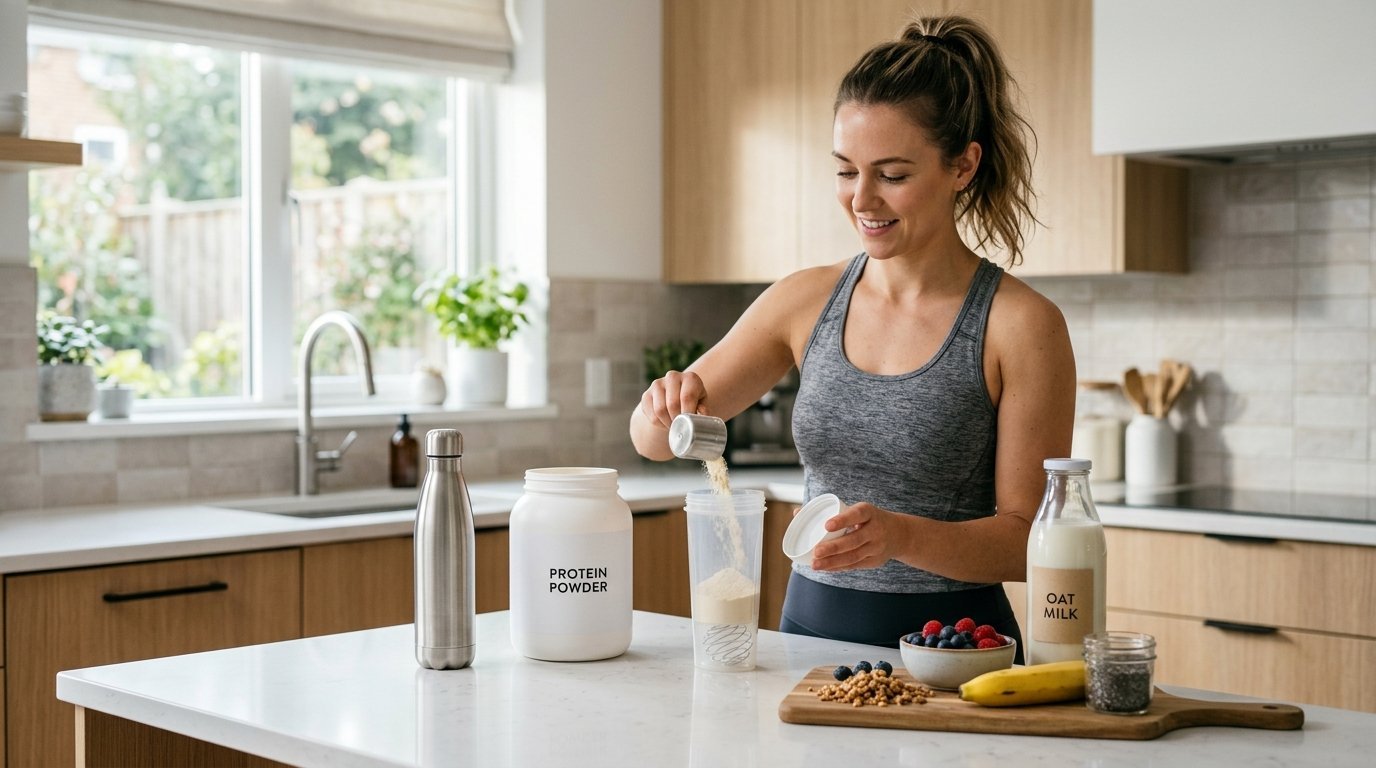
How to Take Protein Powder: Dosage, Mixing Tips, and Common Mistakes
Buying a quality protein powder is only the first step. Knowing How to Take Protein Powder correctly can make the difference between using it as a helpful nutritional tool and letting it collect dust in the back of your kitchen cabinet.
Many beginners assume there’s a complicated formula for taking protein powder. Questions about scoop sizes, mixing methods, daily use, and meal replacement often create unnecessary confusion. Add the countless opinions shared on social media, and it’s easy to feel overwhelmed before you’ve even opened the container.
Fortunately, using protein powder doesn’t have to be complicated.
The goal is simple. Use it as a convenient way to increase your daily protein intake while maintaining a balanced diet based primarily on whole foods. Everything else comes down to reading the product label, understanding your own protein needs, and preparing it in a way you’ll actually enjoy.
This guide explains How to Take Protein Powder properly, including serving sizes, mixing options, daily use, storage, and the common mistakes that prevent people from getting the most out of their protein supplement.
Quick Answer
How to Take Protein Powder starts by following the serving size recommended on the product label and using it to help meet your daily protein needs. It can be mixed with water, milk, or blended into recipes, depending on your nutritional preferences. Protein powder works best as a supplement to a balanced diet rather than a replacement for nutritious whole foods.
How Much Protein Powder Should You Actually Take?
This is usually the first question people ask after buying a protein powder.
The answer isn’t based on how many scoops everyone else takes.
Instead, it depends on how much protein you already consume through your regular meals.
Start With the Serving Size on the Label
Every manufacturer provides a suggested serving size.
While scoop sizes vary between products, the serving information printed on the nutrition label should always be your starting point.
Different protein powders contain different amounts of protein per scoop, so avoid assuming all products are identical.
Think About Your Total Daily Protein Intake
Protein powder is intended to supplement your diet, not become your only protein source.
Your daily protein intake may come from foods such as:
- Chicken
- Fish
- Eggs
- Greek yogurt
- Cottage cheese
- Beans
- Lentils
- Tofu
- Nuts and seeds
Protein powder simply helps fill nutritional gaps when whole foods alone don’t provide enough protein.
More Isn’t Automatically Better
Many people mistakenly believe taking multiple scoops will produce better results.
Protein powder is food, not a shortcut.
Meeting your individual protein requirements is generally more important than consuming excessive amounts.
Understanding the overall Benefits of Protein Powder also helps explain why consistency matters more than quantity.
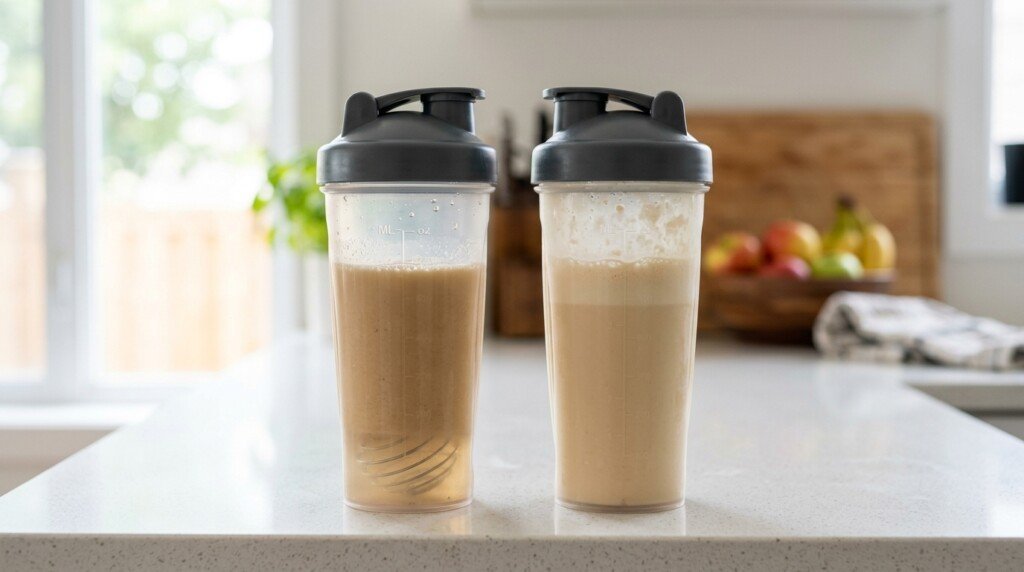
Should You Mix Protein Powder With Water or Milk?
One of the biggest advantages of protein powder is its flexibility.
There isn’t one correct way to prepare it.
The best option depends on your nutritional goals and personal taste preferences.

Mixing With Water
Water remains the simplest choice.
Benefits include:
- Fewer calories
- Lighter texture
- Faster preparation
- Easy portability
Many people appreciate water because it allows the flavor of the protein itself to stand out.
Mixing With Milk
Milk creates a richer, creamier shake.
Compared with water, milk also contributes additional nutrients, including protein and naturally occurring carbohydrates.
Depending on the type of milk you choose, it may also increase the overall calorie content.
Plant-Based Milk Alternatives
People avoiding dairy often choose beverages such as:
- Soy milk
- Almond milk
- Oat milk
- Pea milk
- Coconut milk
Each option provides a different taste and nutritional profile.
Blend It Into Smoothies
Protein powder doesn’t always have to become a simple shake.
Many people blend it with ingredients like:
- Frozen berries
- Bananas
- Greek yogurt
- Oats
- Peanut butter
- Chia seeds
- Spinach
This creates a more satisfying drink while adding extra nutrients from whole foods.
Can You Take Protein Powder Every Day?
For many healthy adults, protein powder can fit comfortably into everyday nutrition.
The key is remembering what protein powder actually is.
It isn’t medication.
It isn’t a performance enhancer.
It’s simply a concentrated source of dietary protein.
Consistency Matters More Than Occasional Use
Some people use protein powder every day.
Others only use it when they need additional dietary protein.
Both approaches can fit within a healthy eating pattern.
Whole Foods Should Remain Your Priority
Even if you enjoy protein shakes daily, they should not replace a balanced diet.
Whole foods provide:
- Fiber
- Vitamins
- Minerals
- Healthy fats
- Phytochemicals
Protein powder cannot fully replace these important nutrients.
Including foods from a variety of sources remains one of the best ways to support overall nutrition.
Many people also combine protein powder with naturally protein-rich meals featured in High-Protein Foods That Burn Fat, making it easier to meet daily nutrition goals without relying entirely on supplements.
Should Protein Powder Replace Meals?
This question often comes from people trying to simplify healthy eating.
While protein powder is convenient, it’s important to understand its intended role.
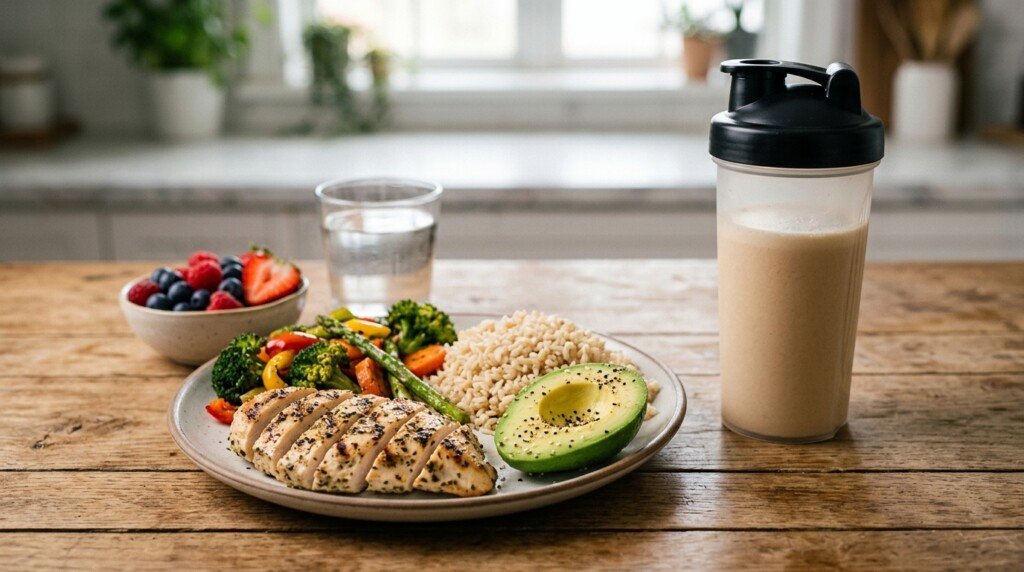
Most Protein Powders Are Not Complete Meals
Traditional protein powders mainly provide dietary protein.
Most contain relatively small amounts of:
- Fiber
- Vitamins
- Minerals
- Healthy fats
A balanced meal naturally supplies a much wider range of nutrients.
Meal Replacement Products Are Different
Some products are specifically designed as meal replacements.
These typically include:
- Protein
- Healthy fats
- Carbohydrates
- Fiber
- Vitamins
- Minerals
Although they may look similar, meal replacement formulas and standard protein powders are created for different purposes.
Use Protein Powder to Complement Meals
Rather than replacing nutritious meals completely, many people use protein powder alongside balanced eating habits.
This approach provides flexibility while still encouraging whole-food nutrition.
People exploring products for body composition goals often compare options in Best Protein Powder for Weight Loss, although choosing the right product and knowing how to use it are two separate decisions.
What Are the Biggest Mistakes People Make With Protein Powder?
Protein powder is simple to use, but a few common habits can reduce its value or create unrealistic expectations.
Most mistakes happen because people treat protein powder as a solution rather than a supplement.
Using Protein Powder Instead of Improving Overall Nutrition
Protein powder can help increase protein intake, but it cannot replace a balanced eating pattern.
Whole foods provide nutrients that protein powders are not designed to deliver, including:
- Fiber
- Vitamins
- Minerals
- Healthy fats
- Antioxidants
Think of protein powder as something that supports a healthy diet, not something that replaces it.
Ignoring the Nutrition Label
Many people buy the first product they see without checking the label.
Before using any protein powder, look at:
- Serving size
- Protein per serving
- Calories
- Added sugars
- Ingredients
- Allergen information
A few minutes spent reading the label can help you make a much better choice.
Assuming More Scoops Mean Better Results
Taking extra scoops does not automatically improve your nutrition.
Protein powder should simply help you meet your daily protein requirements.
Using significantly more than you need does not guarantee additional benefits.
Mixing It Poorly
Nobody enjoys a lumpy protein shake.
Fortunately, this is easy to avoid.
For smoother shakes:
- Add liquid first.
- Add the protein powder second.
- Shake thoroughly for 20 to 30 seconds.
- Use a blender for thicker recipes.
Small changes in preparation often make protein shakes much more enjoyable.
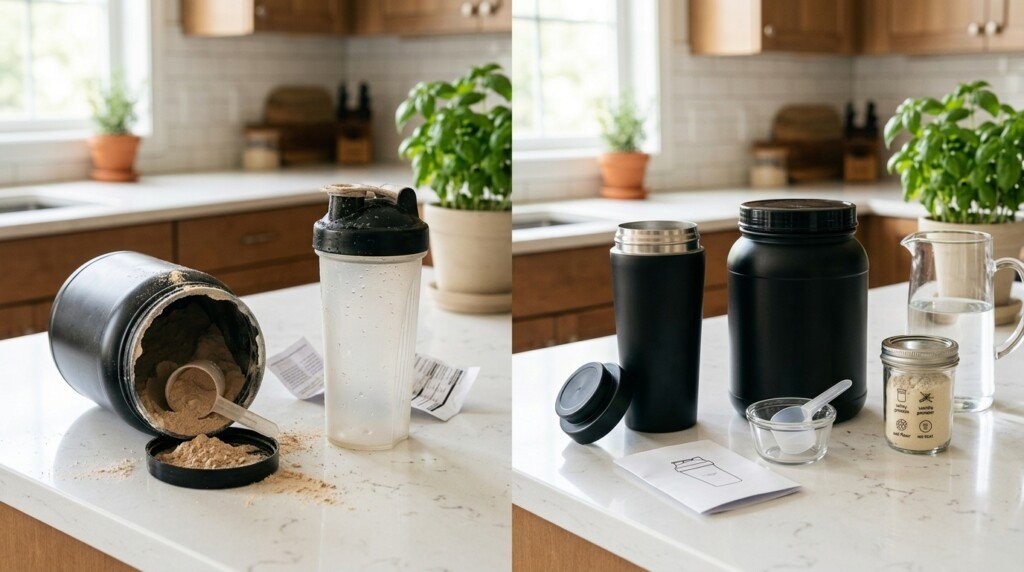
How Should You Store Protein Powder?
Proper storage helps maintain freshness and product quality.
Fortunately, storing protein powder is straightforward.
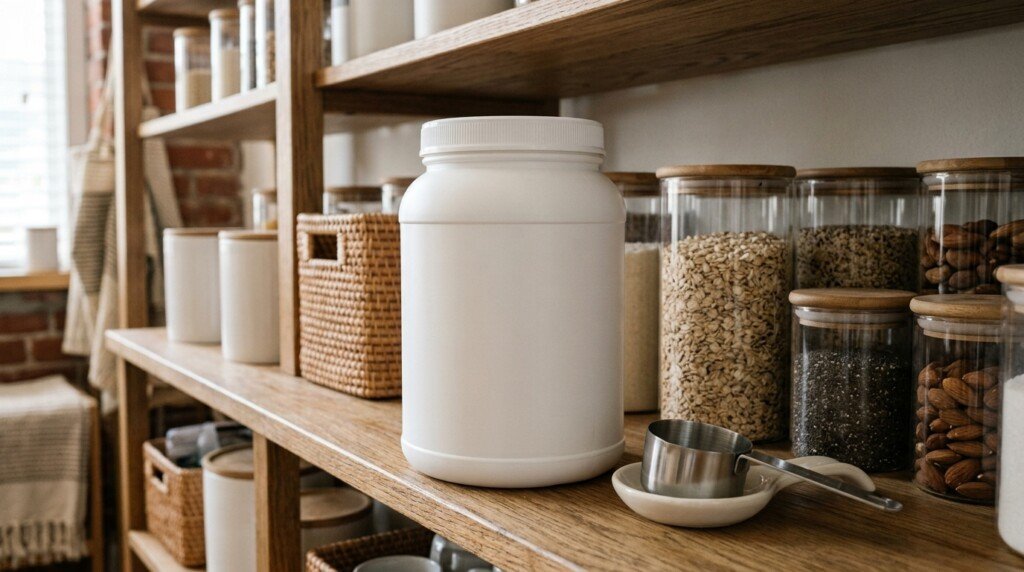
Keep It Cool and Dry
Store protein powder in a place that is:
- Cool
- Dry
- Away from direct sunlight
Excess heat and moisture may affect the quality of the powder over time.
Always Close the Lid Tightly
Leaving the container open allows moisture from the air to enter.
This can lead to:
- Clumping
- Reduced freshness
- Changes in texture
Closing the container immediately after each use helps protect the product.
Use a Clean Scoop
A wet or dirty scoop introduces moisture into the container.
Always use a dry scoop and avoid placing used utensils back into the powder.
Follow the Expiration Date
Like other packaged foods, protein powder has a recommended shelf life.
Check the expiration date before using the product, especially if it has been stored for an extended period.
Can You Combine Protein Powder With Other Supplements?
Many people include more than one supplement in their nutrition routine.
Protein powder is commonly used alongside other products, but the combination should make sense for your overall nutrition rather than simply adding more supplements.
Pair It With Whole Foods First
The easiest way to improve a protein shake is often by adding nutritious foods.
Examples include:
- Fresh fruit
- Greek yogurt
- Oats
- Peanut butter
- Chia seeds
- Flaxseed
- Spinach
These ingredients increase variety while contributing additional nutrients.
Read Labels Before Combining Products
If you’re using multiple supplements, compare the ingredient lists carefully.
This helps you understand what each product contributes and prevents unnecessary overlap.
Keep Your Nutrition Routine Simple
More supplements do not always create better nutrition.
A simple routine that you can follow consistently is often more valuable than buying numerous products that rarely get used.
Simple Mixing Tips That Make Every Shake Better
You don’t need expensive equipment to prepare a smooth protein shake.
A few practical habits can noticeably improve the texture and taste.
Use the Right Mixing Order
A simple sequence works well for most people:
- Pour your liquid into the bottle first.
- Add the protein powder.
- Close the lid securely.
- Shake well.
Adding powder before the liquid often leads to clumps sticking to the bottom of the bottle.
Choose the Right Equipment
Depending on the recipe, you can use:
- Blender bottle
- Hand shaker
- Electric blender
- Handheld mixer
For smoothies containing fruit or oats, a blender usually provides the smoothest consistency.
Adjust the Liquid Amount
If your shake feels too thick, add a little more liquid.
If it feels too thin, slightly reduce the liquid next time.
Finding your preferred consistency often takes only a few attempts.
Using Protein Powder Successfully Comes Down to Good Habits
The best way to use protein powder isn’t about complicated rules.
It’s about building simple habits that fit naturally into your lifestyle.
Follow the serving guidance on the label, prepare it in a way you enjoy, store it correctly, and remember that whole foods should remain the foundation of your diet.
Understanding How to Take Protein Powder is ultimately about making nutrition more convenient, not more complicated.
Key Takeaways
| Topic | Key Point |
|---|---|
| Serving size | Follow the serving guidance on the product label and use protein powder to complement your overall protein intake. |
| Mixing | Protein powder mixes well with water, milk, or smoothies depending on your preferences. |
| Daily use | Many people include protein powder as part of their everyday diet while still prioritizing whole foods. |
| Meal replacement | Standard protein powders are not complete meal replacements unless specifically formulated for that purpose. |
| Storage | Keep protein powder in a cool, dry place with the lid tightly closed and always use a dry scoop. |
| Common mistakes | Avoid relying on protein powder as your only protein source or ignoring the nutrition label. |

Frequently Asked Questions
1. How many scoops of protein powder should I take per day?
There is no universal number. Follow the serving size on your product label and use protein powder to help meet your overall daily protein requirements alongside whole foods.
2. Should I mix protein powder with water or milk?
Both options work well. Water provides a lighter, lower-calorie shake, while milk creates a creamier texture and adds extra nutrients.
3. Can I drink protein shakes every day?
Yes. Many people include protein shakes as part of their daily nutrition, provided they complement a balanced diet rather than replace nutritious whole foods.
4. Can I mix protein powder with coffee?
Many people add protein powder to coffee or coffee-based drinks. Be sure to mix carefully, as very hot liquids can sometimes cause certain protein powders to clump.
5. How should I store protein powder?
Store it in a cool, dry place away from direct sunlight, keep the lid tightly closed, and always use a clean, dry scoop to help maintain freshness.
Conclusion
Knowing How to Take Protein Powder is less about following strict rules and more about using it as a practical addition to a balanced diet. By following the serving instructions on the label, choosing your preferred mixing method, storing the product correctly, and avoiding common mistakes, protein powder can become a simple and convenient way to support your daily nutrition. Whether you mix it with water, milk, or blend it into smoothies, consistency and good preparation habits matter far more than complicated routines.
It’s equally important to remember that protein powder is designed to supplement your diet, not replace healthy eating. Whole foods should continue to provide most of your daily nutrients, while protein powder fills occasional gaps when needed. Used thoughtfully, it can make meeting your protein goals easier without adding unnecessary complexity to your nutrition routine.
Disclaimer:
This post may contain affiliate links. If you purchase through them, we may earn a small commission at no extra cost to you. Also, this content is for informational purposes only and does not substitute professional medical advice.