
PMS & Period Food Cravings: Why They Happen and How to Manage Them
A few days before your period starts, your eating habits may suddenly feel different.
Foods you normally ignore suddenly seem impossible to stop thinking about. Chocolate becomes more tempting, salty snacks sound irresistible, and carbohydrates feel unusually comforting. Many women describe feeling like their appetite has changed overnight, even though nothing in their daily routine has.
If this sounds familiar, you’re not imagining it.
PMS food cravings are one of the most common symptoms experienced during the menstrual cycle. They are driven by natural hormonal changes that occur before menstruation, particularly during the luteal phase. These hormonal shifts influence appetite, mood, energy levels, and even the types of foods your brain finds most rewarding.
Understanding why these cravings happen can make them feel far less confusing. Instead of viewing them as a lack of willpower, it becomes easier to recognize them as part of the body’s normal monthly rhythm.
The goal is not to eliminate cravings completely.
Instead, it’s learning how to respond to them in a way that supports both physical health and emotional well-being without relying on strict food rules or unnecessary restriction.
In this article, you’ll learn why PMS food cravings occur, why chocolate and carbohydrates become especially appealing before your period, and how to manage these cravings with practical, balanced strategies.
Quick Answer
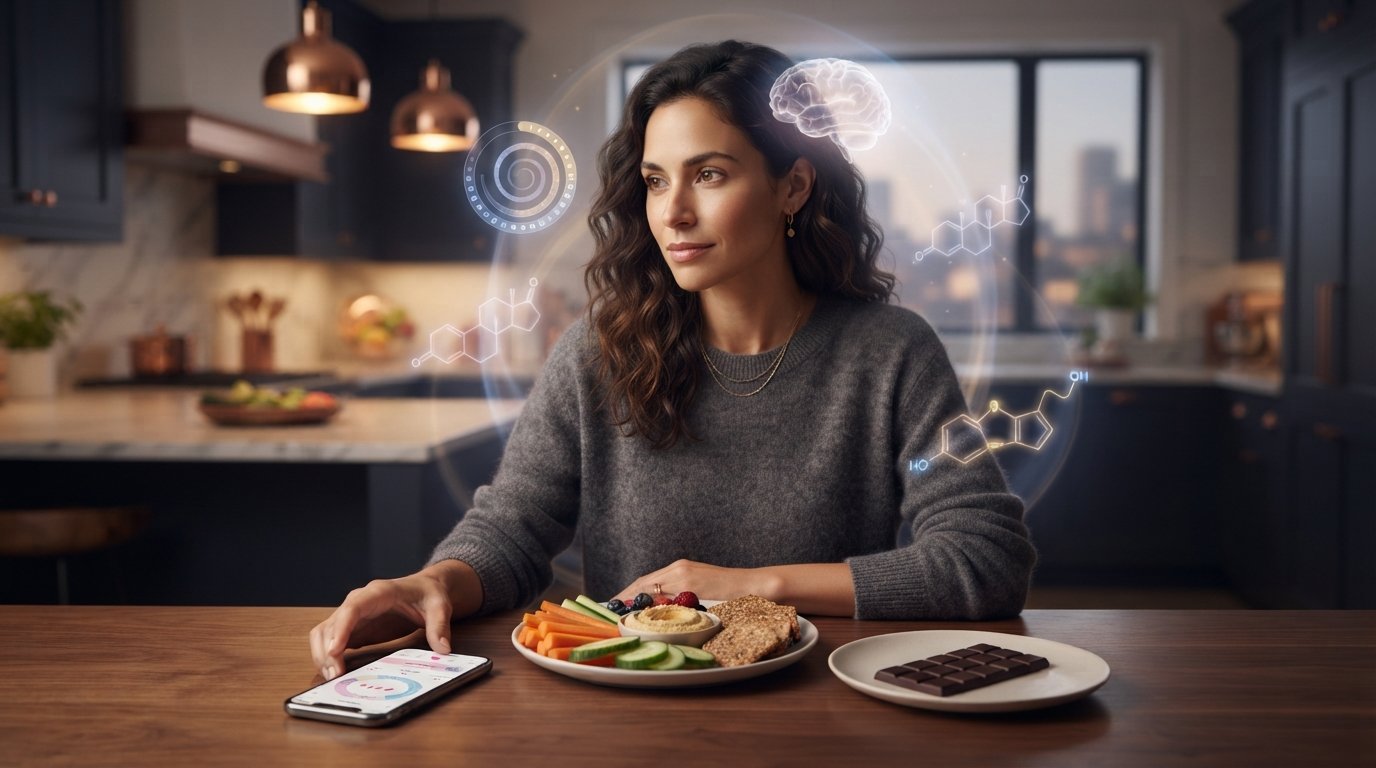
PMS food cravings usually occur during the luteal phase of the menstrual cycle, when estrogen declines and progesterone becomes the dominant hormone. These hormonal changes can influence appetite, mood, serotonin activity, and food preferences, making chocolate, sweets, and carbohydrate-rich foods more appealing. Most period cravings are a normal part of the menstrual cycle and can often be managed through balanced eating, good sleep, hydration, and flexible eating habits rather than strict restriction.
Why Do Food Cravings Happen Before Your Period?
Many women notice that their cravings follow a predictable monthly pattern.
For most of the month, eating habits feel relatively stable.
Then, several days before menstruation begins, appetite increases and certain foods suddenly become much more appealing.
This timing is not random.
It closely matches the hormonal changes that occur during the second half of the menstrual cycle, known as the luteal phase.
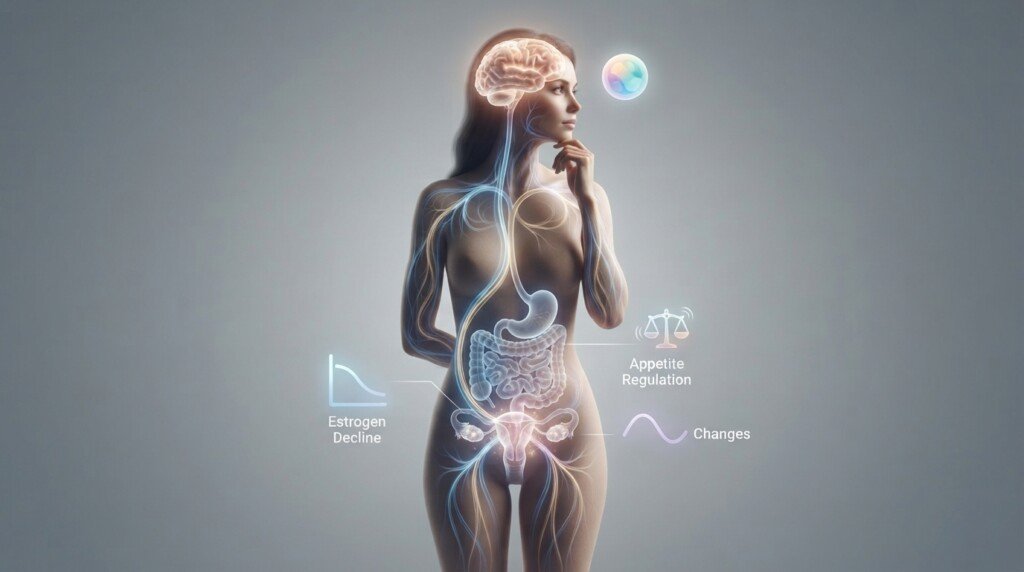
During this phase, the body prepares for the possibility of pregnancy. Hormones fluctuate naturally, influencing many systems beyond reproduction, including appetite regulation, mood, energy balance, and food preferences.
These hormonal changes explain why PMS cravings often appear before bleeding begins and improve once menstruation starts.
Rather than viewing cravings as a failure of self-control, it helps to recognize them as part of a normal biological process that affects millions of women every month.

How Do Estrogen and Progesterone Shifts Drive PMS Cravings?
The menstrual cycle involves continuous changes in hormone levels.
Two of the primary hormones involved are estrogen and progesterone.
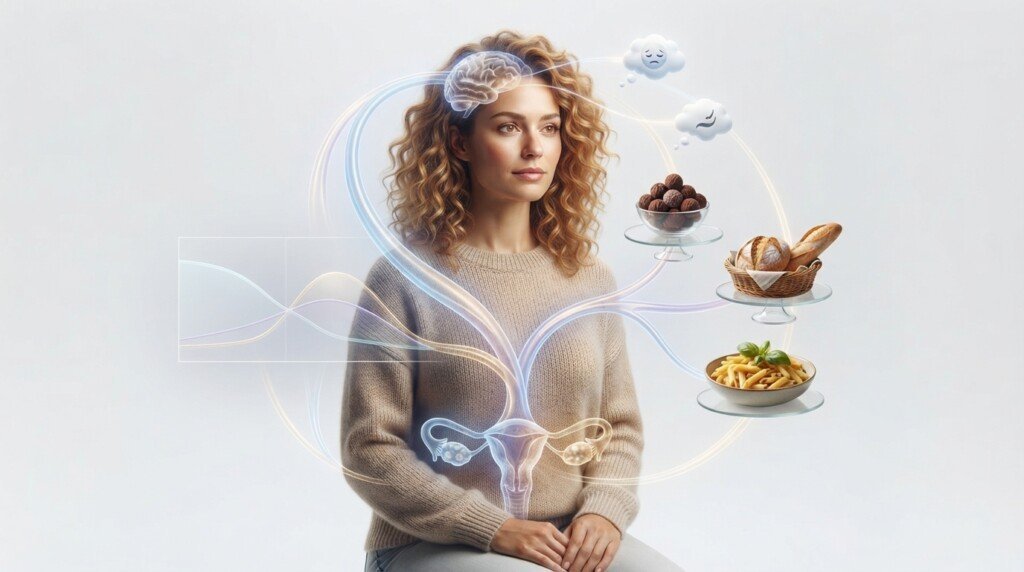
Throughout the month, these hormones rise and fall in a carefully coordinated pattern. During the luteal phase, estrogen begins to decline after ovulation while progesterone remains relatively higher for a period before both hormones eventually decrease as menstruation approaches.
These shifts influence far more than reproductive function.
They also affect appetite, mood, and food preferences.
Appetite Often Increases During the Luteal Phase
Many women naturally experience a modest increase in appetite before their period.
This is considered a normal physiological response.
Rather than indicating poor eating habits, it reflects the body’s changing hormonal environment.
Some women notice they become satisfied less easily, while others simply think about food more frequently throughout the day.
The degree of change varies considerably between individuals.
Some barely notice any difference.
Others experience very noticeable increases in appetite every month.
Hormonal Changes May Influence Food Preferences
Hormones do not simply increase hunger.
They can also influence the kinds of foods that seem most appealing.
During PMS, many women report stronger cravings for:
- Chocolate
- Bread
- Pasta
- Rice
- Cookies
- Ice cream
- Chips
- Pizza
- Sweet desserts
These foods are often rich in carbohydrates, fat, or both.
Researchers believe hormonal changes contribute to these preferences alongside emotional, psychological, and cultural influences.
Mood Changes Also Influence Eating
Hormonal fluctuations during the luteal phase may affect mood as well as appetite.
Some women experience:
- Irritability
- Low mood
- Fatigue
- Reduced motivation
- Increased emotional sensitivity
Food may feel comforting during these times because it has previously been associated with relaxation, celebration, or stress relief.
This does not mean PMS cravings are purely emotional.
Instead, biology and behavior work together.
Hormones influence mood.
Mood influences eating.
Previous food experiences shape future cravings.
Every Menstrual Cycle Is Different
It is important to remember that menstrual experiences vary.
Some women crave sweets.
Others prefer salty snacks.
Some notice almost no cravings at all.
Age, lifestyle, sleep quality, stress, genetics, and overall health all contribute to these individual differences.
There is no single “normal” pattern.
Why Are Chocolate and Carb Cravings So Common in the Luteal Phase?
One of the most recognizable PMS experiences is craving chocolate.
In surveys conducted around the world, chocolate consistently ranks among the foods women most commonly desire before menstruation.
Carbohydrate-rich foods also become especially attractive during this time.
Examples include:
- Bread
- Pasta
- Rice
- Crackers
- Cookies
- Breakfast cereal
- Potatoes
This pattern has attracted considerable scientific interest.
Serotonin May Play a Role
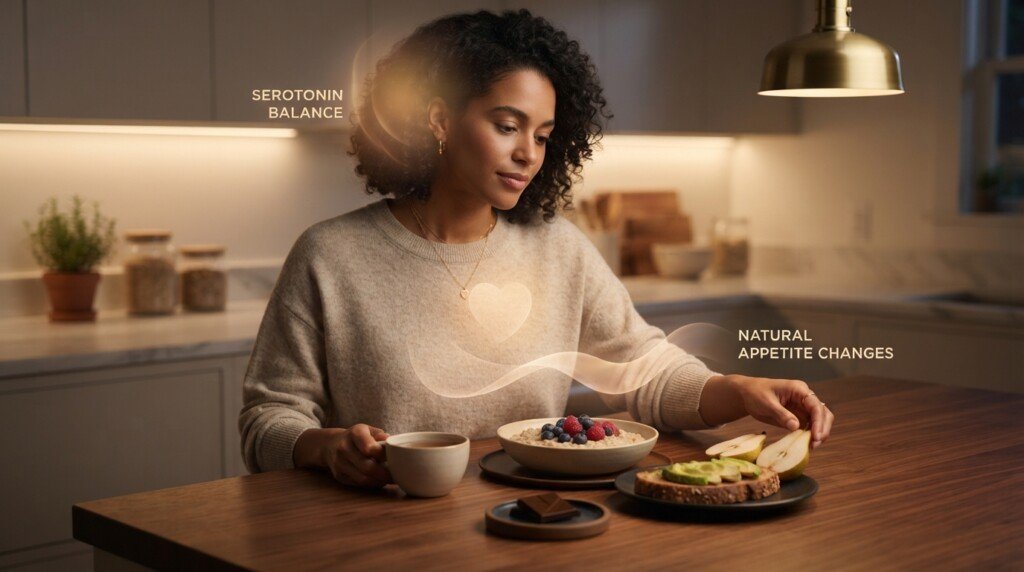
Researchers believe serotonin is one factor that may contribute to these cravings.
Serotonin is involved in regulating mood, emotional well-being, sleep, and appetite.
Hormonal fluctuations during the luteal phase may influence serotonin activity in some women.
Because carbohydrate-containing foods can temporarily influence pathways related to serotonin production, they may feel especially satisfying during PMS.
This does not mean carbohydrates are a treatment for PMS.
Nor does it mean every chocolate craving results from serotonin changes.
Rather, serotonin represents one piece of a much larger picture involving hormones, learned behaviors, food availability, and personal preferences.
Chocolate Offers More Than Sweetness
Chocolate cravings deserve special attention because chocolate provides several rewarding characteristics simultaneously.
It combines:
- Sweetness
- Creaminess
- Fat
- Rich aroma
- Smooth texture
These sensory qualities make chocolate especially enjoyable.
Many women also associate chocolate with:
- Relaxation
- Comfort
- Rewards
- Family traditions
- Personal treats
These emotional associations strengthen cravings over time.
Energy Needs May Feel Different
Some research suggests that resting energy expenditure may increase slightly during the luteal phase.
Although the increase is relatively modest, it may contribute to slightly greater appetite in some women.
Combined with hormonal changes, this may help explain why satisfying foods become more attractive before menstruation.
Cravings Are Not a Sign of Weakness
Perhaps the most important message is this:
Wanting chocolate before your period does not mean you lack discipline.
PMS cravings are influenced by normal biological changes that affect appetite regulation, mood, and food preferences.
Responding thoughtfully is generally more helpful than criticizing yourself for experiencing them.
Readers interested specifically in the biology behind sweet cravings can explore Why Do I Crave Sugar So Much?, which examines sugar cravings in much greater detail outside the context of the menstrual cycle.
How Can I Manage PMS Cravings Without Restricting?
One of the biggest mistakes people make when dealing with PMS food cravings is believing they have only two choices.
Either ignore every craving.
Or give in completely.
In reality, there is a much healthier middle ground.
Managing PMS cravings is not about fighting your body every month. It is about understanding that your appetite may naturally change during the luteal phase and responding in a way that supports both your physical and emotional well-being.
Periods of increased hunger before menstruation are often normal.
Trying to suppress every craving through strict food rules may actually make those cravings feel even stronger.
Instead, the goal should be to create eating habits that leave you feeling satisfied while allowing room for flexibility.
That approach is often easier to maintain than constantly relying on willpower.

What Foods Help Stabilize Blood Sugar During PMS?
While no food can completely prevent PMS cravings, balanced meals may help reduce the dramatic swings in hunger that sometimes make cravings feel overwhelming.
Rather than focusing on foods to eliminate, it is more helpful to think about foods that promote steady energy throughout the day.
Include Protein With Meals
Protein contributes to feelings of fullness and helps many people stay satisfied between meals.
Examples include:
- Eggs
- Greek yogurt
- Chicken
- Fish
- Tofu
- Lentils
- Cottage cheese
- Beans
Including a source of protein with meals and snacks may reduce the urge to keep searching for food shortly afterward.
Choose Fiber-Rich Carbohydrates
Carbohydrates are not the enemy during PMS.
In fact, avoiding them completely often makes cravings stronger.
Instead, choosing fiber-rich carbohydrate sources may provide steadier energy than highly refined foods alone.
Examples include:
- Oats
- Brown rice
- Sweet potatoes
- Whole grain bread
- Quinoa
- Fruit
- Vegetables
- Legumes
These foods also contribute important vitamins and minerals that support overall health.
Don’t Fear Healthy Fats
Healthy fats slow digestion and contribute to meal satisfaction.
Good options include:
- Avocados
- Nuts
- Seeds
- Olive oil
- Nut butters
Balanced meals containing protein, fiber, and healthy fats often leave people feeling satisfied for longer than meals built primarily around refined carbohydrates.
Eat Regularly Instead of Waiting Until You’re Extremely Hungry
Many women unintentionally skip meals because they feel less hungry earlier in the day.
Later, PMS appetite increases dramatically.
By evening, cravings become much harder to manage.
Regular meals help reduce these large swings in hunger.
Consistency is generally more helpful than alternating between restriction and overeating.
Stay Hydrated
Hydration cannot eliminate hormonal cravings.
However, maintaining adequate fluid intake supports normal body function and may help prevent mild dehydration from being mistaken for hunger.
Water, sparkling water without added sugar, and other unsweetened beverages all contribute toward daily hydration.
Make Room for Foods You Enjoy
Perhaps the most important strategy is allowing flexibility.
Trying to completely ban chocolate or desserts during PMS often increases how much attention those foods receive.
Many women find that enjoying a moderate portion intentionally feels far more satisfying than repeatedly trying to resist it before eventually overeating.
Flexible eating is not the same as eating without limits.
It simply recognizes that satisfaction also plays an important role in long-term eating habits.
When Do PMS Cravings Signal Something Beyond Normal Hormone Fluctuation?
For most women, increased cravings before menstruation are a completely normal part of the menstrual cycle.
They usually:
- Begin during the luteal phase.
- Improve after menstruation starts.
- Follow a fairly predictable monthly pattern.
However, there are situations where cravings deserve closer attention.

When Cravings Become Extremely Intense
If cravings feel completely overwhelming every month and consistently interfere with daily life, discussing them with a healthcare professional may be worthwhile.
While hormonal changes explain many PMS symptoms, they are not the only possible influence on appetite.
When Eating Causes Significant Distress
It is also important to seek guidance if cravings regularly lead to:
- Episodes of uncontrolled eating.
- Severe guilt after eating.
- Anxiety around food.
- Restrictive dieting followed by overeating.
- Significant emotional distress.
These experiences deserve compassionate professional support rather than self-blame.
When Symptoms Extend Beyond PMS
Cravings that occur unpredictably throughout the month rather than mainly before menstruation may have different contributing factors.
In these situations, it can be helpful to explore broader eating patterns, sleep, hydration, meal timing, and lifestyle factors.
Don’t Assume Every Hormonal Change Is Menopause
Some women become concerned that stronger cravings automatically mean they are entering menopause.
For younger women with regular menstrual cycles, this is usually not the case.
Menopause involves very different hormonal changes that occur over time rather than during a normal monthly cycle.
Readers interested in those changes can explore Menopause Belly Fat and Estrogen and Weight Gain, which discuss menopause-related hormonal shifts separately from PMS.
Key Takeaways
| Topic | Main Insight |
|---|---|
| PMS food cravings | Usually occur during the luteal phase because of normal hormonal changes involving estrogen and progesterone. |
| Chocolate cravings | Chocolate and carbohydrate-rich foods commonly become more appealing before menstruation due to a combination of hormonal, emotional, and behavioral factors. |
| Managing cravings | Balanced meals, regular eating patterns, hydration, and flexible eating habits often help manage cravings more effectively than strict restriction. |
| Normal vs concerning | Most PMS cravings are normal, but severe or distressing eating behaviors should be discussed with a healthcare professional. |
| Long-term mindset | Working with your body’s natural monthly changes is generally more sustainable than trying to fight them. |
Frequently Asked Questions
1. Why do I crave chocolate before my period?
Chocolate cravings commonly increase during the luteal phase because hormonal changes can influence mood, appetite, and food preferences. Chocolate’s combination of sweetness, fat, and rich flavor also makes it especially satisfying for many women.
2. Are period cravings a sign of a hormone imbalance?
Not usually. Mild to moderate food cravings before menstruation are considered a normal part of the menstrual cycle. However, unusually severe cravings or symptoms that significantly affect daily life should be discussed with a healthcare professional.
3. How long do PMS food cravings usually last?
Most women notice cravings beginning during the luteal phase, several days before menstruation, with improvement after their period starts. The exact timing varies from person to person.
4. Should I avoid chocolate completely during PMS?
Complete restriction is not necessary for most people. Many women find that enjoying chocolate in moderation as part of an overall balanced eating pattern feels more satisfying than trying to eliminate it entirely.
5. Why do my cravings seem stronger some months than others?
Stress, sleep quality, activity levels, eating habits, and natural month-to-month hormonal variation can all influence the intensity of PMS food cravings.
Conclusion
Experiencing PMS food cravings does not mean your body is working against you. These cravings are a common response to the natural hormonal changes that occur during the luteal phase, influencing appetite, mood, and food preferences in ways that vary from one woman to another. Recognizing this connection can replace frustration with a better understanding of what your body is experiencing each month.
Rather than approaching PMS with strict food rules or guilt, a more balanced strategy is often the most sustainable. Eating regular, satisfying meals, staying hydrated, allowing flexibility for favorite foods, and paying attention to your body’s changing needs can help you manage cravings without feeling deprived. While occasional cravings are a normal part of the menstrual cycle, persistent or unusually severe symptoms deserve professional guidance to ensure there are no underlying health concerns.
Disclaimer:
This post may contain affiliate links. If you purchase through them, we may earn a small commission at no extra cost to you. Also, this content is for informational purposes only and does not substitute professional medical advice.
Ready to Start Your Journey?
Use our free 7-in-1 Weight Loss Toolkit to calculate your numbers and build your plan in minutes.
Open Free Tools →