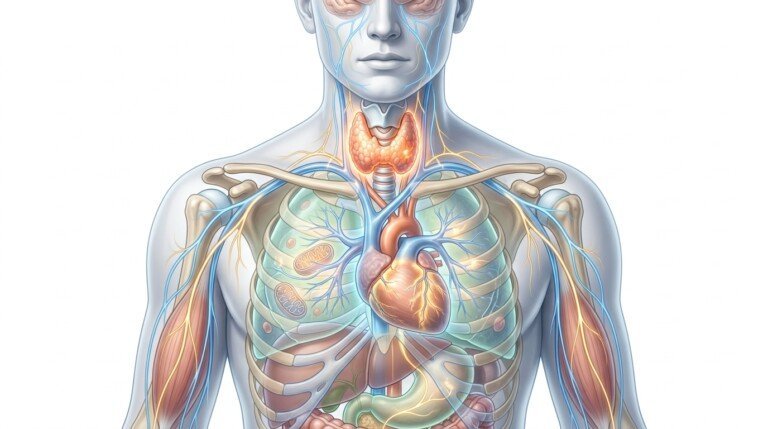
Does Cortisol Cause Belly Fat? Signs, Causes, and Solutions

Cortisol belly fat is one of those health topics that seems to be everywhere.

You may have seen social media posts claiming that stress is secretly causing weight gain around your midsection.

Perhaps you’ve heard someone talk about having a “cortisol belly.”

Or maybe you’ve noticed that during particularly stressful periods of life, your eating habits, energy levels, and waistline all seem to change at the same time.

The idea sounds believable.

Life becomes stressful.

Sleep suffers.

Cravings increase.

Weight appears around the abdomen.

But is cortisol really responsible?

The answer is more nuanced than many headlines suggest.

Cortisol is a real hormone with important functions throughout the body. Chronic stress can influence behaviors and biological processes that affect body composition. However, cortisol is not a magical switch that suddenly creates belly fat overnight.

Understanding what cortisol actually does can help separate fact from fiction and provide a clearer picture of how stress may influence weight gain over time.


A Typical Day in a High-Stress Life

Imagine someone waking up after only five hours of sleep.

They rush through the morning.

Skip breakfast.

Spend the day responding to emails, solving problems, and dealing with deadlines.

Lunch happens at a desk.

Exercise gets postponed.

By evening, exhaustion sets in.

The easiest dinner option wins.

Snacking becomes more tempting.

Sleep is delayed again.

This cycle repeats day after day.

Many people assume the resulting weight gain is caused entirely by cortisol.

In reality, several factors are working together:

  • Poor sleep
  • Reduced physical activity
  • Emotional eating
  • Increased calorie intake
  • Chronic stress

Cortisol often sits at the center of this chain, influencing many of these behaviors simultaneously.


What Is Cortisol?

Cortisol is a hormone produced by the adrenal glands.

It is often called the stress hormone because the body releases more cortisol during stressful situations.

However, cortisol is not inherently bad.

In fact, it is essential for survival.

Cortisol helps regulate:

  • Blood sugar levels
  • Energy production
  • Immune responses
  • Inflammation
  • Blood pressure
  • Sleep-wake cycles

Without cortisol, the body would struggle to respond to everyday challenges.

Why Cortisol Exists

Thousands of years ago, cortisol helped humans survive dangerous situations.

When a threat appeared, cortisol helped mobilize energy so the body could react quickly.

This response was useful when escaping predators or facing physical danger.

The problem is that modern stress rarely looks like that.

Today’s threats are often:

  • Financial pressure
  • Work demands
  • Relationship challenges
  • Information overload
  • Constant connectivity

The body may respond to these pressures using the same hormonal systems that evolved for short-term survival.


How Cortisol Affects Fat Storage

Researchers have spent years studying the relationship between cortisol and body composition.

The connection appears to be indirect rather than simple.

Cortisol and Energy Availability

When cortisol levels rise, the body prepares for increased energy demands.

Part of this response involves influencing how energy is stored and utilized.

Over time, chronic elevation of cortisol may contribute to metabolic changes that affect body weight.

Cortisol and Food Choices

Stress affects decision-making.

Many people notice stronger cravings during stressful periods.

Foods commonly chosen during stress often include:

  • Sweets
  • Processed snacks
  • Fast food
  • Comfort foods

These foods tend to be calorie-dense and highly palatable.

The combination of stress and increased calorie intake may contribute to weight gain over time.

Cortisol and Physical Activity

Chronic stress can also reduce motivation and energy.

When people feel exhausted, they often become less physically active.

Lower activity levels combined with higher calorie intake create conditions that support fat accumulation.

Cortisol and Sleep

One of the most important links between cortisol and weight gain involves sleep.

Poor sleep may affect:

  • Hunger signals
  • Food cravings
  • Energy levels
  • Recovery

People who sleep poorly often find it harder to maintain healthy habits consistently.


Signs of High Cortisol

High cortisol is not always obvious.

Many symptoms overlap with other health concerns.

However, several common signs are frequently associated with chronic stress and elevated cortisol levels.

Persistent Fatigue

Feeling tired despite getting adequate rest may indicate that stress is affecting recovery.

Difficulty Sleeping

Some individuals struggle to fall asleep.

Others wake frequently during the night.

Sleep disruption is commonly linked to chronic stress.

Increased Cravings

Stress-related cravings often involve highly processed foods rich in sugar, salt, or fat.

Mood Changes

People experiencing chronic stress may notice:

  • Irritability
  • Anxiety
  • Difficulty concentrating
  • Reduced motivation

Weight Gain Around the Midsection

Although many factors contribute to abdominal weight gain, persistent stress is often part of the picture.

It’s important to remember that these symptoms do not automatically mean cortisol levels are elevated.

Professional medical evaluation is necessary for accurate diagnosis.


Can Stress Cause Belly Fat?

This is where the discussion becomes most interesting.

Strictly speaking, stress does not directly create belly fat.

What stress often does is influence behaviors and biological processes associated with weight gain.

Stress Changes Behavior

When stress becomes chronic, healthy habits frequently suffer.

People may:

  • Exercise less
  • Sleep less
  • Eat more
  • Drink more alcohol
  • Skip meal planning

These changes can gradually affect body composition.

Stress Changes Appetite

Many individuals experience stronger cravings during stressful periods.

Emotional eating becomes more common.

Food may temporarily provide comfort or distraction.

Over time, increased calorie intake can contribute to weight gain.

Stress Changes Recovery

Recovery influences overall health and physical performance.

When stress remains high for extended periods, recovery may become less effective.

This can affect energy, exercise consistency, and lifestyle choices.

For a deeper look at how chronic stress influences body composition and long-term health, our guide on stress and weight loss explores the relationship in greater detail.


Ways to Lower Cortisol Naturally

The goal is not eliminating cortisol.

The goal is supporting healthy cortisol regulation.

Improve Sleep Quality

Sleep remains one of the most powerful tools available.

Focus on:

  • Consistent sleep schedules
  • Limiting screens before bed
  • Creating a relaxing sleep environment

Regular Physical Activity

Exercise helps many people manage stress more effectively.

Walking, strength training, cycling, and other activities may support both mental and physical health.

Manage Daily Stressors

Simple practices may help reduce stress levels, including:

  • Meditation
  • Deep breathing
  • Journaling
  • Spending time outdoors
  • Social connection

Prioritize Recovery

Many people focus heavily on productivity while neglecting recovery.

Rest is not laziness.

It is a necessary part of health.

Maintain Balanced Nutrition

Consistent, balanced meals help support energy levels and overall wellness.

Extreme diets often increase stress rather than reduce it.


Supplements That May Support Stress Management

No supplement can eliminate stress.

However, some ingredients are commonly used to support stress management and relaxation.

Examples include:

  • Magnesium
  • Ashwagandha
  • L-theanine
  • Rhodiola rosea

The goal of these supplements is not direct fat loss.

Instead, they may help support the body’s response to stress.

Individuals interested in broader approaches to abdominal fat management may also explore our guide to the best supplement for belly fat.


The Bigger Picture

The phrase “cortisol belly fat” has become popular because it contains a grain of truth.

Stress does influence health.

Cortisol does affect important biological systems.

But abdominal weight gain rarely comes from a single cause.

Most often, belly fat develops through a combination of:

  • Lifestyle habits
  • Nutrition
  • Physical activity
  • Sleep quality
  • Stress levels
  • Age-related changes

Focusing only on cortisol risks overlooking the bigger picture.

The most effective strategy is improving the habits that support overall health rather than searching for a single hormone to blame.


Final Thoughts

Cortisol is not the villain many articles make it out to be.

It is an essential hormone that helps the body respond to challenges and maintain normal function.

Problems typically arise when stress becomes chronic and begins affecting sleep, eating habits, activity levels, and recovery.

Over time, these changes may contribute to weight gain, including fat stored around the abdomen.

Understanding this connection can help shift the focus away from quick fixes and toward sustainable lifestyle improvements.

The goal isn’t simply lowering cortisol.

The goal is building a healthier, less stressful environment that supports both physical and mental well-being over the long term.


FAQ

1. What is cortisol belly fat?

Cortisol belly fat refers to abdominal weight gain that may be associated with chronic stress and elevated cortisol levels. While cortisol does not directly create belly fat, it can influence behaviors and biological processes linked to weight gain.

2. Can high cortisol cause belly fat?

High cortisol alone does not directly cause belly fat. However, chronic stress may contribute to increased cravings, emotional eating, poor sleep, and reduced physical activity, which can lead to abdominal weight gain over time.

3. What are the signs of high cortisol?

Common signs may include fatigue, sleep problems, increased cravings, mood changes, difficulty concentrating, and weight gain around the midsection.

4. How can I lower cortisol naturally?

Healthy sleep habits, regular exercise, stress management techniques, balanced nutrition, and adequate recovery may help support healthy cortisol regulation.

5. Does stress cause weight gain?

Stress can influence eating habits, sleep quality, and physical activity levels. These factors may contribute to gradual weight gain if they persist over time.

6. Can reducing stress help with belly fat?

Reducing stress may support healthier lifestyle habits and improve sleep quality, which can indirectly help with long-term weight management.

7. Are there supplements that lower cortisol?

Some supplements such as magnesium, ashwagandha, L-theanine, and rhodiola are commonly used to support stress management. However, they are not direct treatments for belly fat.


Disclaimer:

This post may contain affiliate links. If you purchase through them, we may earn a small commission at no extra cost to you. Also, this content is for informational purposes only and does not substitute professional medical advice.

Surprising Truths About Weight Loss After 40

As we enter our 40s and beyond, many individuals notice that the strategies that once worked for staying in shape no longer seem to have the same effect. It’s a common and often frustrating experience to find that the number on the scale is slowly creeping up, even if your diet and exercise habits haven’t changed. The challenge of weight loss after 40 is a very real one, driven by a series of natural biological changes that occur within our bodies. This isn’t about a lack of willpower; it’s about a shifting landscape that requires a new, smarter approach.

This guide will break down the key changes that impact your ability to lose weight after 40, from a slowing metabolism to hormonal shifts. By understanding these factors, you can stop fighting an uphill battle and start working with your body. We will provide practical, evidence-based strategies to help you navigate this new phase of life and achieve your health and wellness goals. If you want a deeper breakdown of how metabolism, hormones, nutrition, and training work together, this science-based weight loss guide explains the full framework.


Metabolism After 40: The Weight Loss Challenge

One of the most significant factors influencing weight loss after 40 is a change in your metabolism. Your metabolism is the process by which your body converts food and drinks into energy. Starting in our late 30s and early 40s, our metabolism begins to slow down. This means our bodies burn fewer calories at rest and during activity than they used to, making it easier to gain weight even if your calorie intake remains the same.

There are several key reasons for this metabolic slowdown:

  • Muscle Loss: A primary driver of a slower metabolism is age-related muscle loss, a process known as sarcopenia. Muscle tissue is more metabolically active than fat tissue, meaning it burns more calories at rest. As we lose muscle, our resting metabolic rate (RMR) declines, making it harder to maintain or lose weight.
  • Hormonal Changes: As we’ll explore in more detail, fluctuating hormone levels, particularly a decline in testosterone and estrogen, can impact how our bodies store fat and build muscle. This shift can lead to increased fat storage and a corresponding drop in metabolism.
  • Reduced Activity: While it may not always be intentional, many people find themselves becoming less physically active as they get older due to work, family commitments, or joint discomfort. A sedentary lifestyle further reduces the number of calories your body burns each day.

Understanding that your metabolism after 40 is a key factor in weight loss is the first step toward a successful and sustainable strategy. It’s not about working harder but working smarter to counteract these natural changes.


How to Lose Belly Fat After 40

For many people, the most frustrating change they notice in their 40s is the accumulation of stubborn belly fat. This isn’t just about aesthetics; a greater amount of abdominal fat, specifically visceral fat, is linked to a higher risk of heart disease, type 2 diabetes, and other health issues. Knowing how to lose belly fat after 40 is not just a cosmetic goal but a crucial step for long-term health.

The increase in belly fat is directly linked to the metabolic and hormonal shifts that occur with age. A decline in estrogen in women and testosterone in men can lead to a redistribution of fat from the hips and thighs to the abdomen. Stress also plays a major role, as the stress hormone cortisol can promote fat storage in the midsection.

To combat this, a targeted approach is necessary:

  • Prioritize Strength Training: Building muscle is the most effective way to boost a slowing metabolism, and structured strength training for fat loss is essential to counteract age-related muscle decline. Incorporate full-body strength training into your routine at least two to three times per week. Muscle mass is your metabolic engine, and revving it up is essential.
  • Focus on Fiber: Soluble fiber, found in foods like oats, beans, Brussels sprouts, and avocados, can help you feel full, manage appetite, and has been linked to a reduction in visceral belly fat.
  • Manage Stress: Practices like yoga, meditation, and deep breathing can help lower cortisol levels and combat stress-related fat gain. Our guides on holistic-healing offer great tips on these practices.
  • Get Quality Sleep: Poor sleep increases hunger hormones and is directly linked to an increase in belly fat. Aim for 7-9 hours of quality sleep each night.

The Best Diet After 40: What to Eat

Navigating diet becomes a new challenge as your body’s needs change. The key is not to drastically cut calories but to focus on nutrient density and metabolism-boosting foods. The best diet after 40 emphasizes quality over quantity and provides your body with the fuel it needs to thrive.

  • Prioritize Lean Protein: As you lose muscle mass with age, consuming adequate protein is crucial for preserving it. Lean protein sources like chicken breast, fish, eggs, and legumes are essential.
  • Embrace Healthy Fats: Don’t be afraid of fats! Healthy fats from avocados, nuts, seeds, and olive oil can help you feel full and satisfied, preventing overeating. They also support hormonal balance.
  • Focus on Complex Carbohydrates: Instead of simple, refined carbs that can spike blood sugar, focus on complex carbohydrates from sources like sweet potatoes, quinoa, and brown rice. These provide sustained energy and fiber.
  • Increase Fiber-Rich Foods: Fiber is a powerful tool. It aids digestion, satiety, and can help you maintain a healthy weight without feeling deprived.

Meal Timing and Portion Control

As your metabolism slows, your approach to meal timing and portions becomes even more important. Eating at consistent times each day can help regulate your metabolism and blood sugar. Furthermore, focusing on appropriate portion sizes can prevent you from consuming more calories than your body needs. A good strategy is to use the “MyPlate” method, where half your plate is filled with vegetables, one-quarter with lean protein, and one-quarter with complex carbohydrates.

Sample Foods to Include:

  • Lean Proteins: Chicken breast, turkey, salmon, cod, eggs, chickpeas, lentils, Greek yogurt.
  • Healthy Fats: Avocado, almonds, walnuts, chia seeds, extra virgin olive oil.
  • Complex Carbohydrates: Quinoa, sweet potato, oats, brown rice, whole-wheat bread.
  • Fiber-Rich Vegetables: Broccoli, spinach, Brussels sprouts, cauliflower, bell peppers.
  • Fruits: Berries, apples, bananas, oranges.

The goal is to create a diet that is not only effective for weight loss after 40 but also sustainable and enjoyable. You can find more tips on how to structure your nutrition in our nutrition blog section.


Exercise After 40 to Lose Weight and Boost Metabolism

As your metabolism naturally slows down, your workout routine needs to adapt. Simply doing more cardio may not be enough. To truly make progress, you need to understand how to use exercise after 40 to lose weight in a way that directly counteracts age-related changes.

A successful exercise plan after 40 should focus on three key areas:

  1. Strength Training: This is non-negotiable. Building muscle is the number one way to boost your metabolism. Lifting weights, using resistance bands, or even doing bodyweight exercises helps to reverse muscle loss and increase your body’s calorie-burning capacity. Aim for full-body workouts. [External Link to a reputable source on strength training benefits]
  2. High-Intensity Interval Training (HIIT): While consistent cardio is great for heart health, short bursts of high-intensity exercise followed by rest can be more effective for fat burning. HIIT workouts can dramatically increase your metabolism for hours after you finish, a phenomenon known as Excess Post-exercise Oxygen Consumption (EPOC).
  3. Flexibility and Mobility: As we get older, our joints and muscles can become less flexible. Incorporating practices like yoga and stretching into your routine can prevent injury, improve range of motion, and support your strength and cardio workouts.

A great routine would be a mix of all three. For example, two to three days of strength training, two to three days of HIIT or steady-state cardio per week, and a daily session of stretching or yoga. This comprehensive approach is key to effective fat burning after 40.


Understanding Hormonal Changes After 40

The hormonal changes that occur as we age are perhaps the most significant, yet least understood, factors influencing our bodies. Hormonal changes after 40 are a major reason why both men and women find it harder to lose weight and maintain muscle mass.

For women, the journey toward menopause brings a decline in estrogen and progesterone. Estrogen plays a vital role in regulating metabolism and fat distribution. As it decreases, fat tends to shift from the hips and thighs to the abdominal area. This can also affect sleep quality and increase stress, both of which hinder weight loss.

For men, testosterone levels begin to gradually decline in their late 30s. Testosterone is crucial for building and maintaining muscle mass and for regulating fat distribution. The drop in this hormone can lead to a decrease in muscle and an increase in body fat, particularly around the belly.

Understanding these changes is key to approaching your weight loss journey with patience and self-compassion. The goal is not to fight these changes but to support your body through them. Holistic practices, such as stress management, can be very helpful.


Fat Burning After 40: A Targeted Approach

Given the unique challenges of a slower metabolism and hormonal shifts, your fat burning after 40 strategy needs to be targeted and deliberate.

  • Prioritize Protein: Protein has the highest thermic effect of food (TEF), meaning your body burns more calories digesting it than it does for fats or carbs. It also keeps you feeling full and helps preserve muscle mass.
  • Mindful Eating: Pay attention to what you’re eating and when you’re eating it. Mindless snacking can add hundreds of calories to your day without you even noticing.
  • Sleep and Recovery: This is often overlooked. Your body burns fat and repairs muscle while you sleep. A lack of sleep can increase cortisol and decrease insulin sensitivity, making fat loss significantly harder.
  • Nutrient Timing: Consider when you eat your macronutrients. For example, consuming protein after a workout can help with muscle repair and growth, which boosts your metabolism.

The key to effective fat burning after 40 is a holistic approach that includes diet, exercise, and lifestyle factors. It’s about optimizing your body’s natural processes.


Your Call to Action: Embrace Your New Journey

The journey to weight loss after 40 is a new chapter, not a dead end. By understanding and working with your body’s natural changes, you can achieve remarkable results. It’s an opportunity to redefine your relationship with your health and embrace a more strategic, intentional approach to wellness.

Don’t let the common challenges of aging discourage you. Embrace the power of knowledge and a holistic plan built around a sustainable weight loss strategy that supports long-term health instead of short-term fixes. Your body is capable of incredible things at any age, and by making smart, informed choices, you can continue to thrive.


FAQ

1: How much harder is it to lose weight after 40?

It’s not necessarily “harder,” but it requires a more strategic approach. The metabolic slowdown and hormonal changes mean you can’t rely on the same strategies that worked in your 20s or 30s. Focusing on muscle building and diet quality becomes more important than ever.

2: Is belly fat after 40 inevitable?

No, it’s not. While there is a natural tendency for fat to redistribute to the midsection, you can effectively combat this with a combination of strength training, stress management, and a diet rich in fiber and lean protein.

3: Can supplements help with weight loss after 40?

While no supplement is a magic bullet, some can support your efforts. For example, protein powder can help you get enough protein for muscle preservation, and supplements for vitamin D or magnesium can fill nutrient gaps that affect metabolism. Always consult with a doctor.

4: Is cardio still important for weight loss after 40?

Yes, absolutely. Cardio is vital for heart health and calorie burning. However, combining it with strength training and smart diet choices is the most effective strategy.

5: How important is consistency for weight loss after 40?

Consistency is arguably the single most important factor. Due to a slower metabolism and hormonal shifts, your body is less forgiving of sporadic effort. Consistent, long-term habits in diet, exercise, and sleep are far more effective than short, intense periods of restriction or over-training. It’s about building a sustainable lifestyle, not just following a temporary plan.


Disclaimer:

This post may contain affiliate links. If you purchase through them, we may earn a small commission at no extra cost to you. Also, this content is for informational purposes only and does not substitute professional medical advice.

Exit mobile version