What Is Hormonal Belly Fat? Causes, Signs, and Natural Solutions

You’ve probably heard the phrase “hormonal belly fat” on social media, in magazine articles, or during conversations about weight gain after 40. It’s often described as stubborn abdominal fat that refuses to disappear no matter how much you exercise or how carefully you eat. While hormones certainly influence where your body stores fat, the reality is much more complex than many headlines suggest.

Hormones act as chemical messengers that regulate countless processes throughout your body, including appetite, metabolism, blood sugar, stress response, sleep, and fat storage. When these systems change, whether because of aging, menopause, chronic stress, or lifestyle habits, they can affect how easily you gain or lose fat around your abdomen.

However, hormones are rarely the only reason belly fat develops. Physical activity, nutrition, muscle mass, sleep quality, stress levels, and long-term lifestyle habits all work together with your hormones to determine body composition. This is why two people with similar hormone levels may have very different body shapes and health outcomes.

Understanding what hormonal belly fat actually means helps separate scientific evidence from common myths. Instead of searching for quick fixes, you can focus on practical strategies that support healthier hormone function while improving your overall health.

In this article, you’ll learn what Hormonal Belly Fat really is, which hormones influence abdominal fat, how to recognize possible hormonal patterns, natural ways to reduce belly fat, lifestyle habits supported by research, and when ongoing abdominal weight changes deserve medical attention.


What Is Hormonal Belly Fat?

Hormonal belly fat is not a separate type of fat.

Instead, the term describes abdominal fat that may be influenced by hormonal changes affecting appetite, metabolism, fat distribution, and energy balance.

These hormonal changes often make it easier for fat to accumulate around the waist over time.

Hormones Help Regulate Body Fat

Your hormones constantly communicate with different organs throughout the body.

They help regulate:

  • Appetite
  • Fullness
  • Blood sugar
  • Fat storage
  • Energy use
  • Muscle maintenance

When these systems change, body fat distribution may gradually change as well.

Belly Fat Is Usually Multifactorial

It is tempting to blame one hormone for every change around the waist.

In reality, abdominal fat usually develops because several factors occur together.

These may include:

  • Aging
  • Reduced physical activity
  • Poor sleep
  • Increased stress
  • Muscle loss
  • Long-term eating habits
  • Hormonal changes

Looking at only one factor rarely provides the complete picture.

Abdominal Fat Includes More Than One Type

Your waist contains different kinds of fat.

These include:

  • Subcutaneous fat beneath the skin
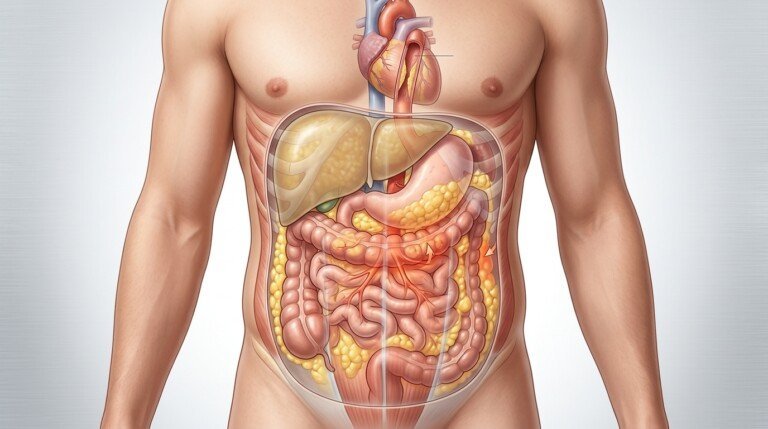
  • Visceral fat surrounding internal organs

Both contribute to waist size, although visceral fat receives greater attention because of its relationship with metabolic health.

The differences between these fat types are explained more thoroughly throughout Visceral Fat, where their roles in overall health are discussed in greater detail.

Hormonal Belly Fat Develops Gradually

Most people do not suddenly develop hormonal belly fat overnight.

Instead, small changes accumulate over months or years.

Examples include:

  • Reduced muscle mass
  • Lower daily activity
  • Hormonal changes
  • Sleep disruption
  • Long-term calorie surplus

Understanding this gradual process helps explain why sustainable habits are more effective than quick solutions.


Which Hormones Affect Belly Fat?

Several hormones work together to influence where fat is stored.

No single hormone completely determines body composition.

Instead, each contributes to a larger system regulating metabolism and energy balance.

Cortisol

Cortisol is commonly known as the body’s stress hormone.

Its normal role is helping the body respond to physical and emotional challenges.

Long-term stress may influence:

  • Appetite
  • Food choices
  • Sleep quality
  • Recovery
  • Body composition

Although cortisol alone does not create belly fat, chronic stress can make healthy habits more difficult to maintain.

The relationship between stress and abdominal fat is explored further throughout Cortisol Belly Fat, where cortisol’s role is discussed in greater detail.

Estrogen

Estrogen plays a major role in body fat distribution.

As estrogen declines during menopause, many women notice that fat gradually shifts toward the abdomen.

This redistribution helps explain why waist circumference often increases during midlife.

Women interested in these hormonal changes will find additional context throughout Menopause Belly Fat, where fat distribution during menopause is explained in more detail.

Insulin

Insulin helps move glucose from the bloodstream into cells for energy.

When the body becomes less responsive to insulin over time, maintaining healthy body composition may become more challenging.

Healthy habits such as regular exercise, balanced meals, and maintaining muscle mass support healthier insulin function.

Hunger Hormones

Hormones involved in hunger and fullness also influence eating behavior.

When sleep quality declines or stress increases, appetite regulation often becomes less effective.

This may lead to:

  • Increased hunger
  • Larger portions
  • More cravings
  • Less satisfaction after meals

Over time, these changes may contribute to gradual fat gain.

Hormones Work Together

It is important to remember that hormones rarely act independently.

Cortisol, estrogen, insulin, appetite hormones, sleep, nutrition, and physical activity constantly interact.

Focusing on overall health rather than one hormone provides the most effective long-term strategy.


How Can You Tell If Belly Fat Is Hormonal?

Many people wonder whether their abdominal fat is caused by hormones.

The answer is rarely straightforward because hormonal influences usually develop alongside lifestyle changes.

Rather than looking for one specific symptom, it is more helpful to consider patterns.

Fat Has Gradually Shifted Toward the Waist

One of the most common signs is a gradual increase in abdominal fat despite relatively stable body weight.

Many women notice:

  • A larger waistline
  • Clothes fitting tighter around the stomach
  • Less fat around the hips and thighs
  • Changes during menopause

These patterns often reflect changes in fat distribution.

Weight Management Feels More Difficult

Some people notice they need greater consistency than before to maintain the same weight.

You may feel that:

  • Weight loss is slower
  • Belly fat is more stubborn
  • Muscle is harder to maintain

These changes often result from multiple biological and lifestyle factors working together.

Sleep Has Become Less Restorative

Poor sleep frequently accompanies hormonal changes.

Regular sleep disruption may contribute to:

  • Increased hunger
  • Lower energy
  • Reduced exercise performance
  • Greater cravings

Improving sleep often supports healthier weight management even without major dietary changes.

Chronic Stress Has Increased

Long periods of emotional or physical stress often influence eating behaviors.

Many people notice:

  • Comfort eating
  • Frequent snacking
  • Larger portions
  • Reduced motivation to exercise

These habits may gradually increase abdominal fat over time.

The behavioral effects of chronic stress are discussed further throughout Stress and Weight Loss, where stress-related eating patterns are explored.

Muscle Mass Has Declined

If physical activity has decreased over several years, gradual muscle loss may become noticeable.

Lower muscle mass contributes to:

  • Lower daily calorie expenditure
  • Reduced strength
  • Changes in body composition

Maintaining muscle remains one of the most effective ways to support healthy metabolism throughout adulthood.

Avoid Self-Diagnosing Hormonal Problems

Although hormonal changes can influence belly fat, they are not the only explanation.

Sleep, nutrition, stress, physical activity, aging, and body composition all deserve equal attention.

For most people, improving these lifestyle factors produces meaningful improvements regardless of the underlying hormonal changes.


Can Hormonal Belly Fat Be Reduced Naturally?

Yes. Although hormones influence where fat is stored, they do not make fat loss impossible. Most people can reduce Hormonal Belly Fat by focusing on consistent lifestyle habits that improve body composition and support healthy metabolic function.

The goal is not to “balance hormones” through quick fixes. Instead, it is to create an environment where your body functions more efficiently through proper nutrition, regular movement, quality sleep, and stress management.

Create a Moderate Calorie Deficit

No matter which hormones are involved, body fat decreases when your body consistently uses more energy than it receives from food.

A moderate calorie deficit is generally more sustainable than severe restriction.

Extreme dieting often leads to:

  • Increased hunger
  • Muscle loss
  • Fatigue
  • Poor exercise performance
  • Difficulty maintaining healthy habits

A gradual approach usually produces better long-term results.

Prioritize Protein Every Day

Protein becomes especially important when trying to reduce abdominal fat because it helps preserve lean muscle.

Maintaining muscle supports:

  • Healthy metabolism
  • Recovery
  • Satiety
  • Body composition

Good protein choices include:

  • Fish
  • Chicken
  • Eggs
  • Greek yogurt
  • Cottage cheese
  • Beans
  • Lentils
  • Tofu

Building meals around protein also helps reduce unnecessary snacking.

Stay Consistently Active

You do not need extreme workouts to improve body composition.

Instead, focus on regular movement.

Helpful activities include:

  • Walking
  • Cycling
  • Swimming
  • Gardening
  • Recreational sports
  • Household activities

Increasing daily movement improves calorie expenditure while supporting overall health.

Preserve Lean Muscle

Strength training remains one of the most valuable tools for reducing abdominal fat over time.

Resistance exercise helps:

  • Maintain muscle
  • Improve strength
  • Increase physical function
  • Support healthy metabolism

Two or three full-body sessions each week can provide meaningful benefits.

Be Patient

Hormonal belly fat usually develops gradually.

It also tends to improve gradually.

Consistent healthy habits practiced for months produce far better results than searching for rapid solutions.


Which Lifestyle Changes Help?

While no lifestyle habit can instantly eliminate abdominal fat, several evidence-based behaviors consistently improve long-term results.

Together, these habits support healthier body composition while helping your body function more efficiently.

Improve Sleep Quality

Sleep affects many aspects of weight management.

Poor sleep may contribute to:

  • Increased appetite
  • Food cravings
  • Lower energy
  • Reduced exercise performance
  • Less recovery

Helpful habits include:

  • Going to bed at the same time each night
  • Keeping your bedroom cool and comfortable
  • Limiting screens before bedtime
  • Avoiding excessive caffeine late in the day

Better sleep often makes every other healthy habit easier to maintain.

Manage Stress Consistently

Chronic stress affects eating behaviors more than most people realize.

Rather than trying to eliminate stress completely, build regular stress management into your routine.

Helpful options include:

  • Walking outdoors
  • Meditation
  • Reading
  • Yoga
  • Deep breathing
  • Spending time with loved ones

These habits often improve both mental well-being and long-term consistency.

Eat Mostly Whole Foods

Your overall eating pattern matters much more than individual foods.

Aim to build meals around:

  • Lean protein
  • Vegetables
  • Fruits
  • Whole grains
  • Beans
  • Healthy fats

These foods provide nutrients while helping you stay satisfied between meals.

Limit Highly Processed Foods

Highly processed foods are often:

  • Easy to overeat
  • Lower in fiber
  • Less filling

You do not need to eliminate them completely.

Instead, make nutritious foods the foundation of your daily eating pattern.

Stay Consistent With Daily Habits

Many people expect dramatic changes after a few weeks.

Real improvement usually comes from repeating simple habits consistently.

Focus on:

  • Regular meals
  • Daily movement
  • Strength training
  • Adequate protein
  • Quality sleep
  • Stress management

These behaviors continue supporting healthy body composition regardless of age or hormonal changes.


When Should You Seek Medical Advice?

Hormonal changes are a normal part of life, but certain situations deserve professional evaluation.

Seeking medical advice does not necessarily mean something is seriously wrong.

Instead, it helps ensure unexpected symptoms receive appropriate attention.

Weight Changes Are Sudden

Gradual increases in abdominal fat are common over time.

However, rapid unexplained changes in body weight or waist size should be discussed with a healthcare professional.

Lifestyle Changes Have Not Helped

If you’ve consistently followed healthy nutrition, exercised regularly, slept well, and maintained healthy habits for several months without meaningful improvement, it may be appropriate to seek personalized guidance.

Symptoms Affect Daily Life

Speak with your healthcare provider if changes in your health regularly interfere with:

  • Sleep
  • Physical activity
  • Eating habits
  • Daily functioning
  • Overall well-being

Addressing these concerns may help support healthier long-term weight management.

You Notice Other Unusual Symptoms

Unexpected changes accompanied by persistent fatigue, weakness, digestive concerns, or other ongoing symptoms deserve professional evaluation.

Avoid assuming hormones are automatically responsible for every change.

Focus on Long-Term Health

Remember that the goal extends far beyond reducing waist size.

Healthy aging includes:

  • Maintaining muscle
  • Staying active
  • Supporting metabolic health
  • Improving quality of life
  • Building sustainable habits

These goals remain valuable regardless of changes in hormone levels.


Frequently Asked Questions

1. What is hormonal belly fat?

Hormonal belly fat refers to abdominal fat that may be influenced by hormonal changes affecting appetite, metabolism, fat distribution, and body composition. It is not a separate type of body fat.

2. Which hormones influence belly fat?

Several hormones play a role, including cortisol, estrogen, insulin, and hormones involved in appetite regulation. They work together with lifestyle factors rather than acting independently.

3. Can hormonal belly fat be reduced naturally?

Yes. A moderate calorie deficit, resistance training, regular physical activity, balanced nutrition, quality sleep, and effective stress management all support gradual reductions in abdominal fat.

4. Is hormonal belly fat always caused by hormone imbalance?

No. Aging, reduced physical activity, muscle loss, sleep quality, nutrition, and long-term lifestyle habits also influence abdominal fat. Hormones are only one part of the overall picture.

5. When should I speak with a healthcare professional?

Seek medical advice if abdominal weight changes are rapid, unexplained, interfere with daily life, or occur alongside other persistent symptoms that concern you.


Final Thoughts

Hormonal Belly Fat is a term that describes the influence hormones can have on where your body stores fat, but hormones are rarely the only factor involved. Changes in estrogen, cortisol, insulin, and appetite regulation interact with aging, muscle loss, physical activity, sleep quality, nutrition, and long-term lifestyle habits to shape body composition over time.

The encouraging news is that you are not powerless. While hormonal changes may increase the tendency to store fat around the abdomen, healthy habits remain remarkably effective. Eating balanced meals, consuming enough protein, performing regular resistance training, staying physically active, improving sleep, and managing stress all support healthier body composition and long-term metabolic health.

Rather than searching for quick fixes or blaming a single hormone, focus on building sustainable routines that you can maintain for years. Small improvements repeated consistently have a much greater impact than short periods of extreme dieting or exercise. By understanding how hormones interact with lifestyle, you can take realistic, science-based steps toward reducing abdominal fat while supporting your overall health and well-being.


Disclaimer:

This post may contain affiliate links. If you purchase through them, we may earn a small commission at no extra cost to you. Also, this content is for informational purposes only and does not substitute professional medical advice.

Why Do Women Gain Belly Fat During Menopause?

Many women notice a frustrating change during menopause. Even if their eating habits haven’t changed much, their waistline begins to expand. Pants that once fit comfortably become tighter around the middle, while the number on the scale may not increase dramatically. This shift often feels sudden, leaving many women wondering why fat seems to collect around the abdomen after menopause.

The answer is more complex than simply getting older. During menopause, declining estrogen levels influence where the body stores fat, how muscle is maintained, and how efficiently calories are used. At the same time, age-related muscle loss, changes in daily activity, sleep disturbances, and shifts in metabolism all contribute to changes in body composition. Together, these factors make abdominal fat more common during and after menopause.

However, menopause does not automatically mean gaining excessive belly fat. While hormonal changes create new challenges, they do not remove your ability to improve body composition. Healthy nutrition, regular resistance training, consistent physical activity, quality sleep, and sustainable lifestyle habits continue to play the biggest role in managing body fat throughout midlife.

It is also important to understand that not all belly fat is the same. Some fat sits just beneath the skin, while another type surrounds internal organs and may have a greater impact on metabolic health. Learning the difference helps explain why waist circumference often becomes an important health measurement during menopause.

In this article, you’ll learn why Menopause Belly Fat develops, how declining estrogen changes fat distribution, whether menopause belly fat differs from other abdominal fat, what research says about reducing it naturally, which exercises and foods are most effective, and when abdominal weight changes should be discussed with your healthcare provider.


Why Does Belly Fat Increase During Menopause?

One of the biggest physical changes many women notice during menopause is that body fat begins accumulating around the waist instead of the hips or thighs.

Although this change feels frustrating, it is a well-recognized biological response to hormonal changes and aging.

Several factors contribute simultaneously rather than one single cause.

Estrogen Levels Begin to Decline

Before menopause, estrogen helps regulate where fat is stored throughout the body.

Higher estrogen levels generally encourage more fat storage around the hips and thighs.

As estrogen gradually declines during menopause, the body begins storing a greater percentage of fat around the abdomen.

This redistribution explains why waist circumference often increases even when total body weight changes very little.

Muscle Mass Gradually Decreases

Another important factor is the natural decline in lean muscle that occurs with aging.

Without regular resistance training, adults gradually lose muscle over time.

Since muscle tissue burns more calories than body fat, losing muscle can reduce your daily energy needs.

If eating habits remain unchanged, the extra calories are more likely to be stored as fat.

Maintaining muscle becomes increasingly important during menopause, not only for strength but also for supporting healthy body composition.

Daily Energy Expenditure Often Falls

Many women become slightly less active during midlife.

Busy careers, caregiving responsibilities, joint discomfort, fatigue, or disrupted sleep can all reduce everyday movement.

Even small reductions in daily activity accumulate over months and years.

Walking less, sitting longer, or exercising less frequently may contribute to gradual increases in abdominal fat.

Sleep Changes Affect Healthy Habits

Hot flashes and night sweats frequently interrupt sleep during menopause.

Poor sleep often leads to:

  • Increased hunger
  • More cravings
  • Lower motivation to exercise
  • Reduced energy
  • Poor recovery

Although sleep alone does not directly create belly fat, these behavioral changes often make healthy weight management more challenging.

Lifestyle Still Matters Most

Hormonal changes influence belly fat, but they do not determine your future.

Women who maintain regular physical activity, balanced nutrition, adequate protein intake, and consistent healthy habits often experience healthier body composition than those who rely on restrictive dieting alone.

Many of these long-term strategies are introduced throughout Menopause Weight Loss, where the broader effects of menopause on body weight are explained.


Does Lower Estrogen Change Fat Distribution?

Yes.

Declining estrogen is one of the primary reasons body fat begins shifting toward the abdomen during menopause.

However, estrogen affects far more than where fat is stored.

It also influences metabolism, muscle maintenance, blood sugar regulation, and overall body composition.

Fat Moves Toward the Abdomen

Before menopause, women generally store more fat beneath the skin around the hips and thighs.

As estrogen decreases, the body increasingly stores fat around the waist.

This process is often called fat redistribution.

Although it feels sudden, the change usually develops gradually over several years.

Waist Circumference Often Increases

Many women notice:

  • Smaller hips
  • Less muscle definition
  • A thicker waist
  • Tighter waistbands

These changes often reflect shifts in body composition rather than rapid fat gain.

Measuring waist circumference periodically provides a better picture of these changes than relying only on body weight.

Body Composition Changes Too

Menopause affects more than fat distribution.

Many women also experience:

  • Reduced lean muscle
  • Slight increases in body fat percentage
  • Lower resting calorie needs

Together, these changes alter the way the body looks even when scale weight changes only slightly.

Healthy Habits Continue to Influence Fat Distribution

Although estrogen changes where fat is more likely to accumulate, healthy habits still have a powerful influence.

Regular exercise, balanced nutrition, and maintaining muscle help reduce many of the changes associated with menopause.


Is Menopause Belly Fat Different From Regular Belly Fat?

The simple answer is both yes and no.

The fat itself is biologically the same, but the reasons it develops and where it tends to accumulate may differ.

Understanding this distinction helps explain why menopause often changes body shape.

There Are Two Main Types of Belly Fat

Abdominal fat includes:

Subcutaneous fat sits beneath the skin and is the fat you can pinch.

Visceral fat surrounds internal organs deeper inside the abdomen.

Both types may increase during menopause, although hormonal changes often encourage greater accumulation around the waist.

Visceral Fat Deserves Special Attention

Higher levels of visceral fat are associated with increased risks related to metabolic health.

Unlike subcutaneous fat, visceral fat is more metabolically active.

This is one reason waist circumference becomes an important health measurement during midlife.

The differences between these two types of abdominal fat are discussed more thoroughly throughout Visceral Fat, where their health effects are explained in greater detail.

Menopause Changes Where Fat Is Stored

The important difference is not the fat itself.

Instead, menopause changes the body’s tendency to store fat around the abdomen rather than other areas.

This shift creates the appearance of a growing waistline even without dramatic weight gain.

Belly Fat Is Not Only About Hormones

Although declining estrogen plays a major role, several additional lifestyle factors contribute:

  • Reduced physical activity
  • Muscle loss
  • Sleep disruption
  • Lower daily energy expenditure
  • Long-term eating habits

Addressing these factors together usually produces better results than focusing on hormones alone.


Can You Reduce Menopause Belly Fat Naturally?

Yes.

While menopause makes reducing abdominal fat more challenging, it certainly does not make it impossible.

The most effective approach focuses on improving body composition rather than simply reducing body weight.

Create a Moderate Calorie Deficit

Fat loss still depends on consuming slightly fewer calories than your body uses.

Extreme calorie restriction is rarely helpful because it often leads to:

  • Fatigue
  • Muscle loss
  • Poor adherence
  • Increased hunger

A moderate calorie deficit is generally easier to maintain over the long term.

Prioritize Protein

Protein supports:

  • Lean muscle maintenance
  • Recovery
  • Satiety
  • Healthy body composition

Including protein at each meal becomes increasingly valuable during menopause.

Stay Physically Active

Daily movement contributes significantly to long-term success.

Helpful activities include:

  • Walking
  • Gardening
  • Household chores
  • Recreational sports
  • Cycling

Everyday movement complements structured exercise.

Build Muscle Through Resistance Training

Strength training remains one of the most effective ways to preserve lean muscle while reducing body fat.

Maintaining muscle also helps support healthy metabolism throughout menopause.

Be Patient With Progress

Belly fat often decreases more slowly than women expect.

Consistent healthy habits repeated over months generally produce better long-term results than aggressive dieting for a few weeks.

The goal is lasting improvement in body composition rather than rapid changes on the scale.


Which Exercises Help Reduce Menopause Belly Fat?

No exercise can specifically burn fat from one area of the body. This includes the abdomen. However, certain types of exercise are highly effective at reducing overall body fat while preserving lean muscle, which gradually decreases waist circumference over time.

The best exercise plan during menopause combines strength training, cardiovascular activity, and regular daily movement.

Resistance Training Should Come First

Resistance training becomes especially important during menopause because it helps counteract the natural decline in muscle mass.

Maintaining muscle supports:

  • Healthy metabolism
  • Better body composition
  • Improved strength
  • Bone health
  • Functional fitness

Exercises may include:

  • Squats
  • Lunges
  • Deadlifts
  • Rows
  • Chest presses
  • Resistance band exercises
  • Dumbbell workouts

Aim for at least two or three full-body strength sessions each week.

Building and preserving muscle is one of the key reasons Strength Training for Fat Loss remains valuable throughout midlife.

Walking Is One of the Best Daily Habits

Walking is simple, accessible, and highly effective.

Regular walking helps:

  • Increase daily calorie expenditure
  • Improve cardiovascular health
  • Reduce stress
  • Support healthy body composition
  • Improve consistency

A brisk 30 to 45 minute walk most days of the week can become an excellent foundation for long-term health.

Include Moderate Cardio

Aerobic exercise improves heart health while supporting overall calorie expenditure.

Good options include:

  • Cycling
  • Swimming
  • Brisk walking
  • Dancing
  • Elliptical training
  • Hiking

Choose activities you enjoy because consistency matters far more than intensity.

Mobility and Balance Matter Too

Flexibility exercises help maintain movement quality as you age.

Yoga, stretching, and balance exercises may improve:

  • Joint mobility
  • Recovery
  • Posture
  • Functional movement

These benefits support a more active lifestyle over the long term.

Recovery Supports Progress

Exercise improves body composition during recovery, not during the workout itself.

Support recovery by:

  • Sleeping well
  • Staying hydrated
  • Eating enough protein
  • Taking planned rest days

A well-recovered body performs better and remains more consistent over time.


Which Foods Support Belly Fat Loss?

No individual food can directly burn Menopause Belly Fat.

Instead, your overall eating pattern has the greatest influence on long-term fat loss.

The goal is building meals that support fullness, muscle maintenance, and sustainable calorie control.

Make Protein the Center of Every Meal

Protein helps preserve lean muscle while increasing fullness.

Excellent choices include:

  • Chicken
  • Turkey
  • Fish
  • Eggs
  • Greek yogurt
  • Cottage cheese
  • Tofu
  • Beans
  • Lentils

Higher protein intake also supports recovery after strength training.

Eat Plenty of Fiber

Fiber slows digestion and helps you stay satisfied longer.

Good sources include:

  • Vegetables
  • Fruits
  • Beans
  • Lentils
  • Oats
  • Whole grains
  • Chia seeds
  • Flaxseed

Fiber-rich foods naturally encourage healthier eating patterns.

Choose Quality Carbohydrates

Carbohydrates remain an important source of energy.

Prioritize foods such as:

  • Brown rice
  • Quinoa
  • Oats
  • Sweet potatoes
  • Whole grain bread
  • Beans

These foods digest more slowly than highly refined carbohydrates.

Include Healthy Fats

Healthy fats contribute to meal satisfaction while providing important nutrients.

Examples include:

  • Olive oil
  • Avocados
  • Walnuts
  • Almonds
  • Seeds
  • Salmon

Balanced portions remain important because healthy fats are energy dense.

Drink Enough Water

Hydration supports:

  • Digestion
  • Exercise performance
  • Appetite regulation
  • Overall health

Sometimes mild dehydration is mistaken for hunger.

Drinking water consistently throughout the day supports healthier eating habits.

Build Balanced Meals

Rather than focusing on individual foods, aim to include:

  • Lean protein
  • High-fiber vegetables
  • Whole grain carbohydrates
  • Healthy fats

Balanced meals help support stable energy levels and improve long-term adherence.

Many women also find that applying the nutrition strategies discussed throughout Weight Loss After 40 makes healthy eating feel much more sustainable during menopause.


When Should You Be Concerned?

Gradual increases in abdominal fat are common during menopause, but there are situations where medical advice is appropriate.

Seeking guidance helps ensure your symptoms receive proper evaluation.

Weight Changes Are Sudden

If abdominal weight increases rapidly over a short period without obvious lifestyle changes, discussing this with your healthcare provider is appropriate.

Your Waist Continues Increasing Rapidly

A gradually increasing waistline is common during menopause.

However, significant ongoing increases despite consistent healthy habits deserve professional evaluation.

Symptoms Affect Daily Life

If menopause symptoms are interfering with:

  • Sleep
  • Physical activity
  • Daily functioning
  • Nutrition
  • Overall quality of life

your healthcare provider can help identify appropriate management strategies.

Lifestyle Changes Have Not Helped

If you’ve consistently followed healthy nutrition, regular resistance training, daily movement, and balanced eating for several months without noticeable improvements, personalized guidance may help identify additional factors affecting your progress.

Focus on Health, Not Perfection

The goal during menopause is not achieving an unrealistic body shape.

Instead, focus on:

  • Better strength
  • Improved mobility
  • Healthier body composition
  • Increased energy
  • Long-term wellness

These improvements provide meaningful benefits regardless of what the scale says.


Frequently Asked Questions

1. Why does menopause cause belly fat?

Declining estrogen changes where the body stores fat, increasing the tendency to accumulate fat around the abdomen. Age-related muscle loss and reduced daily energy expenditure also contribute.

2. Can menopause belly fat be reduced naturally?

Yes. A moderate calorie deficit, resistance training, regular physical activity, adequate protein, quality sleep, and consistent healthy habits can all help reduce abdominal fat over time.

3. Is menopause belly fat the same as visceral fat?

Not exactly. Menopause may increase both subcutaneous fat beneath the skin and visceral fat surrounding internal organs. Both contribute to a larger waistline, but visceral fat is generally associated with greater metabolic health risks.

4. What exercise is best for menopause belly fat?

A combination of resistance training, walking, cardiovascular exercise, and regular daily movement provides the greatest benefits for reducing body fat while preserving lean muscle.

5. Which foods help reduce menopause belly fat?

Protein-rich foods, vegetables, fruits, whole grains, legumes, and healthy fats support healthy body composition by improving fullness, preserving muscle, and making a moderate calorie deficit easier to maintain.


Final Thoughts

Menopause Belly Fat is one of the most common physical changes women experience during midlife, but it is not an unavoidable outcome. Declining estrogen, gradual muscle loss, changes in fat distribution, reduced daily energy expenditure, and lifestyle factors all work together to increase the tendency for abdominal fat to accumulate. Understanding these changes helps explain why familiar weight loss strategies may become less effective after menopause.

The encouraging news is that healthy habits continue to make a meaningful difference. Prioritizing resistance training, staying physically active, eating protein-rich and fiber-filled meals, maintaining a moderate calorie deficit, sleeping well, and managing stress all support healthier body composition over time. While progress may be slower than it was earlier in life, consistent habits remain the most reliable path to reducing abdominal fat.

Rather than focusing only on the number on the scale, pay attention to improvements in waist circumference, strength, energy levels, fitness, and overall well-being. These changes often reflect meaningful progress long before dramatic weight loss occurs. By working with your body’s changing needs instead of fighting against them, you can successfully manage menopause belly fat while supporting your long-term health and quality of life.


Disclaimer:

This post may contain affiliate links. If you purchase through them, we may earn a small commission at no extra cost to you. Also, this content is for informational purposes only and does not substitute professional medical advice.

Does Insulin Resistance Cause Belly Fat? Here’s What the Research Says

Insulin Resistance Belly Fat is one of the most searched topics by people who struggle with stubborn weight around the waist. Many wonder whether insulin resistance causes belly fat, whether excess abdominal fat leads to insulin resistance, or whether both conditions develop together. The answer is more complex than a simple yes or no.

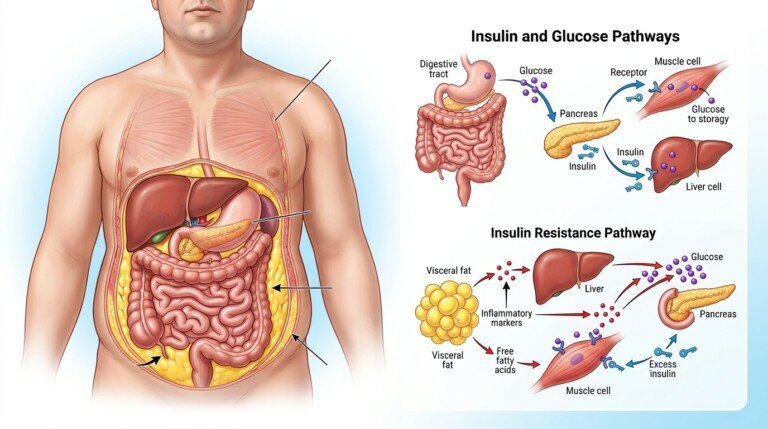
Insulin is a hormone produced by the pancreas that helps move glucose from your bloodstream into your body’s cells, where it is used for energy. When those cells become less responsive to insulin, the pancreas produces more of the hormone to compensate. This condition, known as insulin resistance, can affect the way your body stores and uses energy over time.

Research shows a strong relationship between insulin resistance and abdominal obesity, particularly the accumulation of visceral fat. Unlike the fat just beneath your skin, visceral fat surrounds important organs such as the liver, pancreas, and intestines. This type of fat is metabolically active and has been linked to inflammation, metabolic syndrome, and a higher risk of developing type 2 diabetes and cardiovascular disease.

One of the reasons this topic causes confusion is that insulin resistance and belly fat often reinforce one another. Excess visceral fat can reduce insulin sensitivity, while elevated insulin levels may encourage additional fat storage around the abdomen. Instead of one condition always causing the other, they often develop together in a cycle that gradually worsens if healthy lifestyle habits are not maintained.

The encouraging news is that this cycle can often be improved. Healthy eating, regular physical activity, quality sleep, stress management, and gradual reductions in visceral fat have all been shown to support better insulin sensitivity.

In this article, you’ll learn what research says about insulin resistance belly fat, why insulin influences fat storage, whether belly fat is always a sign of insulin resistance, and which lifestyle habits help improve both conditions naturally.


Does Insulin Resistance Cause Belly Fat?

The short answer is yes, but not by itself.

Insulin resistance is one of several factors that may contribute to increased fat storage around the abdomen. Genetics, age, physical activity, sleep, stress, overall calorie intake, and body composition also influence where your body stores fat.

To understand this relationship, it helps to know how insulin normally works.

After you eat carbohydrates, your digestive system breaks them down into glucose. As glucose enters your bloodstream, your pancreas releases insulin. Insulin allows glucose to move into your cells where it can be used for energy or stored for later use.

When your cells become resistant to insulin, your pancreas responds by producing larger amounts of the hormone.

For many years, blood sugar may remain relatively normal because your pancreas is working harder.

However, consistently elevated insulin levels may influence how your body stores excess energy.

This is one reason researchers continue studying the connection between insulin resistance and abdominal obesity.

Is Insulin Resistance the Only Cause of Belly Fat?

No.

Many people develop belly fat without significant insulin resistance.

Likewise, some people have insulin resistance despite appearing relatively lean.

Belly fat develops because of multiple interacting factors, including:

  • Genetics
  • Aging
  • Hormones
  • Physical inactivity
  • Long-term calorie surplus
  • Poor sleep
  • Chronic stress
  • Excess visceral fat
  • Insulin resistance

Rather than searching for one single cause, healthcare professionals usually evaluate a person’s overall metabolic health.

Understanding Causes of Insulin Resistance helps explain why abdominal fat and insulin resistance frequently occur together.


Why Does Insulin Promote Fat Storage?

Insulin is often misunderstood as a “fat storage hormone.”

In reality, insulin performs many essential functions that keep your body alive.

Its primary job is to regulate blood sugar by helping glucose move into cells.

Without insulin, glucose would remain in the bloodstream instead of providing energy.

Insulin Helps Store Energy

Whenever you consume more energy than your body immediately needs, insulin helps store that excess energy.

Some glucose becomes glycogen inside the liver and muscles.

When glycogen stores become full, additional energy may eventually be stored as body fat.

This process is completely normal.

Problems develop when insulin levels remain elevated for long periods because the body has become resistant to insulin.

High Insulin Levels and Fat Storage

Researchers believe chronically elevated insulin may make fat storage more likely while making stored fat slightly more difficult to mobilize.

This does not mean insulin alone causes obesity.

Body fat still depends largely on long-term energy balance together with genetics, hormones, physical activity, and other lifestyle factors.

However, elevated insulin may contribute to an environment where abdominal fat becomes more likely to accumulate.

Why the Abdomen?

Many people with insulin resistance notice that fat accumulates around their waist rather than being distributed evenly throughout the body.

Several reasons may explain this pattern.

Abdominal fat contains many insulin-sensitive fat cells.

Hormonal changes associated with insulin resistance may also influence where fat is stored.

In addition, visceral fat itself produces inflammatory compounds that further reduce insulin sensitivity.

This creates a cycle where insulin resistance and abdominal fat continue reinforcing one another.

Because visceral fat surrounds important organs rather than sitting beneath the skin, it has a much greater influence on metabolic health.

Understanding Visceral Fat helps explain why healthcare professionals pay close attention to waist circumference when assessing metabolic risk.

Can This Cycle Be Broken?

Fortunately, yes.

Research consistently shows that healthy lifestyle changes can gradually reduce visceral fat while improving insulin sensitivity.

Small improvements repeated consistently over time often produce meaningful long-term benefits.

Rather than trying to lower insulin through extreme diets or quick fixes, the evidence supports building sustainable habits that improve overall metabolic health.


Is Belly Fat a Sign of Insulin Resistance?

Belly fat is one of the most common physical changes associated with insulin resistance, but it should not be viewed as proof that someone has the condition.

Many people naturally carry more fat around their abdomen because of genetics, age, sex, or hormonal changes. Others may develop insulin resistance before any obvious increase in waist size occurs.

Instead of asking whether belly fat always means insulin resistance, it is more accurate to ask whether abdominal fat increases the likelihood of metabolic problems.

The answer is yes.

Healthcare professionals often pay close attention to waist circumference because it provides valuable information about overall metabolic health.

Not All Belly Fat Is the Same

There are two main types of abdominal fat.

Subcutaneous fat sits directly beneath the skin and can usually be pinched with your fingers.

Visceral fat is stored much deeper inside the abdomen, surrounding organs such as the liver, pancreas, stomach, and intestines.

Although both contribute to waist size, visceral fat has a much stronger relationship with insulin resistance and metabolic syndrome.

Someone with a relatively small waist may still carry unhealthy amounts of visceral fat, while another person with a larger waist may have proportionally more subcutaneous fat.

This is why waist size alone cannot diagnose insulin resistance.

Other Signs Often Appear Together

When insulin resistance develops, belly fat often occurs alongside other warning signs such as:

  • Increasing waist circumference
  • Difficulty losing weight
  • Fatigue
  • Frequent hunger
  • Sugar cravings
  • Elevated fasting blood sugar
  • Higher triglycerides
  • High blood pressure

The more of these factors that appear together, the greater the reason to discuss metabolic health with a healthcare professional.

Why Waist Circumference Matters

Many doctors routinely measure waist circumference because it often reflects changes in visceral fat more accurately than body weight alone.

Two people may weigh exactly the same while carrying very different amounts of abdominal fat.

A gradually increasing waistline is often one of the earliest visible signs that metabolic health deserves closer attention.

This relationship between abdominal fat and blood sugar regulation is also discussed in Diabetic Belly Fat, where abdominal obesity is explained in the context of metabolic disease.


Can Reducing Belly Fat Improve Insulin Sensitivity?

For many people, yes.

Research consistently shows that reducing excess abdominal fat, particularly visceral fat, is associated with improved insulin sensitivity.

This does not mean you must achieve an ideal body weight before seeing benefits.

Even modest improvements in body composition may positively affect metabolic health.

Why Visceral Fat Matters Most

Visceral fat is metabolically active.

Unlike fat stored beneath the skin, it releases inflammatory compounds and hormones that may interfere with normal insulin signaling.

As visceral fat decreases, many people experience improvements in:

  • Fasting blood glucose
  • HbA1c
  • Blood pressure
  • Triglycerides
  • HDL cholesterol
  • Waist circumference

These improvements often occur gradually rather than all at once.

Improvement Happens Inside the Body First

Many people become discouraged because they expect dramatic physical changes within a few weeks.

However, metabolic improvements often begin long before they become obvious in the mirror.

For example, someone may experience:

  • Better energy
  • Improved exercise performance
  • Healthier blood sugar
  • Lower blood pressure

while their appearance changes only slightly.

This is one reason relying only on body weight can be misleading.

Focus on Progress, Not Perfection

Reducing visceral fat does not require perfection.

Healthy improvements accumulate through consistent daily habits repeated over months.

Small reductions in waist circumference often represent meaningful improvements in metabolic health even before large amounts of weight are lost.


Which Lifestyle Changes Help?

Although insulin resistance and belly fat are closely connected, neither condition is improved by a single solution.

The strongest scientific evidence supports combining several sustainable lifestyle habits rather than relying on quick fixes.

Stay Physically Active

Regular movement helps muscles use glucose more efficiently while supporting healthy body composition.

Helpful activities include:

  • Walking
  • Cycling
  • Swimming
  • Resistance training
  • Recreational sports

The most effective exercise is the one you can continue consistently.

Daily movement is often just as important as structured workouts.

Build Balanced Meals

Meals that include vegetables, lean protein, whole grains, legumes, fruits, and healthy fats provide the nutrients needed to support overall metabolic health.

Rather than eliminating entire food groups, focus on improving the overall quality of your eating pattern.

Balanced meals also help maintain steady energy throughout the day.

Prioritize Sleep

Adults generally benefit from seven to nine hours of quality sleep each night.

Poor sleep may influence:

Improving sleep quality supports healthier lifestyle habits across many areas.

Manage Long-Term Stress

Although stress alone does not directly cause belly fat, chronic stress often influences behaviors that contribute to metabolic problems.

People experiencing prolonged stress may:

  • Exercise less
  • Sleep poorly
  • Eat more highly processed foods
  • Experience emotional eating

Healthy stress management supports better long-term habits.

If stress has become a regular part of your routine, Cortisol Belly Fat explains how stress hormones influence abdominal fat accumulation without oversimplifying the relationship.

Preserve Muscle Mass

Resistance training helps maintain lean muscle tissue.

Healthy muscle improves glucose use throughout the body and supports better insulin sensitivity over time.

Maintaining muscle also becomes increasingly important with age.

Be Consistent

The biggest improvements rarely come from dramatic short-term changes.

They come from small habits practiced consistently over months and years.

Long-term consistency remains one of the strongest predictors of improved metabolic health.


When Should You Be Tested?

Because insulin resistance often develops silently, many people do not discover they have it until routine blood work reveals changes in blood sugar or other metabolic markers.

Waiting until obvious symptoms appear is not always the best approach.

Early testing allows metabolic changes to be identified before they progress to prediabetes or type 2 diabetes.

You Should Consider Testing If You Have Multiple Risk Factors

Healthcare professionals may recommend evaluating your metabolic health if you have several of the following:

  • Increasing waist circumference
  • Excess visceral fat
  • A family history of type 2 diabetes
  • High blood pressure
  • High triglycerides
  • Low HDL cholesterol
  • Prediabetes
  • Persistent fatigue
  • Frequent hunger
  • Difficulty losing weight

Having one risk factor does not automatically mean you have insulin resistance.

However, several occurring together deserve medical attention.

Common Tests Used to Evaluate Insulin Resistance

There is no single test that diagnoses insulin resistance in every situation.

Instead, healthcare providers evaluate several pieces of information together.

Common assessments include:

  • Fasting blood glucose
  • HbA1c
  • Lipid profile
  • Blood pressure
  • Waist circumference
  • Body weight
  • Medical history
  • Family history

In some situations, fasting insulin levels or additional laboratory tests may also be recommended.

Early Detection Makes a Difference

Many people feel completely healthy while insulin resistance gradually develops.

Routine health screenings provide an opportunity to identify metabolic changes before they become more serious.

Earlier awareness also allows healthy lifestyle changes to begin sooner, often leading to better long-term outcomes.


Frequently Asked Questions

1. Does insulin resistance cause belly fat?

Insulin resistance can contribute to belly fat, particularly visceral fat, but it is rarely the only cause. Genetics, physical activity, diet, sleep, stress, hormones, and overall calorie balance also influence abdominal fat storage.

2. Is belly fat always a sign of insulin resistance?

No. Some people naturally store more fat around the abdomen without having insulin resistance. However, increasing waist circumference together with fatigue, elevated blood sugar, or abnormal cholesterol levels may indicate an increased risk of metabolic problems.

3. Can reducing belly fat improve insulin sensitivity?

Yes. Research shows that reducing excess visceral fat is associated with better insulin sensitivity, healthier blood sugar regulation, and improvements in several markers of metabolic health.

4. What lifestyle habits help reduce insulin resistance and belly fat?

The strongest evidence supports combining regular physical activity, balanced nutrition, quality sleep, stress management, maintaining muscle mass, and long-term consistency rather than relying on quick fixes.

5. When should I talk to my doctor?

You should consider speaking with a healthcare professional if you notice increasing abdominal fat together with persistent fatigue, frequent hunger, elevated blood sugar, high blood pressure, abnormal cholesterol, or if you have a family history of type 2 diabetes.


Final Thoughts

The relationship between insulin resistance belly fat is more connected than many people realize. Research suggests that insulin resistance can encourage abdominal fat storage, while excess visceral fat can further reduce insulin sensitivity. Rather than one condition always causing the other, they often reinforce each other in a cycle that gradually affects metabolic health.

The encouraging news is that this cycle is not permanent for many people. Regular physical activity, balanced nutrition, quality sleep, stress management, and gradual reductions in visceral fat can all help improve insulin sensitivity over time. These changes may also support healthier blood sugar levels, improved energy, and a smaller waist circumference.

Most importantly, avoid focusing on quick solutions. Lasting improvements usually come from consistent habits practiced over months rather than dramatic changes made for only a few weeks. By understanding how insulin resistance and belly fat are connected, you can make informed decisions that support better metabolic health for years to come.


Disclaimer:

This post may contain affiliate links. If you purchase through them, we may earn a small commission at no extra cost to you. Also, this content is for informational purposes only and does not substitute professional medical advice.

What Is the Best Diet for Visceral Fat Loss? A Science-Backed Guide

Best Diet for Visceral Fat Loss is one of the most common topics people search for after learning about the health risks of internal belly fat. While there isn’t a single eating plan that magically targets fat around your organs, research consistently shows that certain dietary patterns can help reduce visceral fat while supporting better metabolic health.

Unlike subcutaneous fat, which sits beneath the skin, visceral fat surrounds important organs such as the liver, stomach, pancreas, and intestines. Because of its location, carrying excessive visceral fat has been linked to a higher risk of heart disease, fatty liver disease, metabolic syndrome, and other chronic health conditions. Fortunately, this type of fat often responds well to long-term improvements in nutrition.

The best approach is not an extreme diet or a short-term detox. Instead, it is an eating pattern built around whole, minimally processed foods that provides enough protein, fiber, healthy fats, and nutrient-rich carbohydrates while helping maintain a sustainable calorie deficit when needed.

Many successful eating plans share these same principles, including the Mediterranean diet and the DASH diet. These approaches focus on food quality, balance, and long-term consistency rather than strict food rules.

In this guide, you’ll learn what the best diet for visceral fat loss looks like, which foods deserve a larger place on your plate, which foods are worth limiting, and how to build an eating pattern you can realistically maintain for years instead of weeks.


What Is the Best Diet for Visceral Fat Loss?

There is no single “perfect” diet that works for everyone.

However, research consistently points toward several eating patterns that support healthier body composition and lower levels of visceral fat.

Rather than focusing on eliminating entire food groups, these diets emphasize:

  • Whole foods
  • Plenty of vegetables
  • Fruits
  • Lean protein
  • Whole grains
  • Legumes
  • Healthy fats
  • Moderate calorie intake

The most successful diet is usually the one you can follow consistently.

A highly restrictive eating plan may produce short-term results, but if it is difficult to maintain, those results are often temporary.

The best diet for visceral fat loss is one that supports healthy eating habits while fitting your lifestyle, food preferences, and long-term goals.

If you’re new to the topic, our guide on Visceral Fat explains why reducing internal belly fat is important for overall health.


Which Foods Should You Eat More Often?

Choosing nutrient-dense foods is one of the most effective ways to support healthy body composition.

The goal is to build meals that are filling, balanced, and rich in essential nutrients.

Vegetables

Vegetables should make up a large portion of most meals.

Excellent choices include:

  • Spinach
  • Broccoli
  • Kale
  • Brussels sprouts
  • Bell peppers
  • Cauliflower
  • Carrots

These foods provide vitamins, minerals, antioxidants, and fiber while remaining relatively low in calories.

Fruits

Whole fruits provide natural sweetness together with fiber and water.

Good choices include:

  • Berries
  • Apples
  • Oranges
  • Pears
  • Grapefruit
  • Kiwi

Whole fruit is generally more satisfying than fruit juice because it contains more fiber.

Lean Protein

Protein supports muscle maintenance while helping you feel full after meals.

Good sources include:

  • Chicken breast
  • Turkey
  • Fish
  • Eggs
  • Greek yogurt
  • Cottage cheese
  • Tofu
  • Lentils
  • Beans

Aim to include a protein source at each meal whenever possible.

Whole Grains

Whole grains provide more fiber than refined grains.

Examples include:

  • Oats
  • Brown rice
  • Quinoa
  • Whole wheat bread
  • Barley

Replacing refined grains with whole grains often improves overall meal quality.

Healthy Fats

Healthy fats support overall nutrition and improve meal satisfaction.

Nutritious options include:

  • Olive oil
  • Avocados
  • Almonds
  • Walnuts
  • Seeds

Although healthy fats are calorie-dense, moderate portions fit well within a balanced eating pattern.

For a more detailed list of foods, our guide on Foods That Reduce Visceral Fat explores these choices in greater depth.


Which Foods Should You Limit?

No food needs to be completely forbidden.

However, certain foods are easier to overeat because they provide large amounts of calories without offering much nutritional value.

Examples include:

  • Sugary desserts
  • Candy
  • Pastries
  • Chips
  • Refined breads
  • Highly processed snack foods
  • Sugary breakfast cereals
  • Fast food
  • Processed meats

Eating these foods occasionally is unlikely to determine your long-term health.

The goal is simply to make them a smaller part of your overall eating pattern.

Replacing highly processed foods with whole-food alternatives naturally improves the quality of your diet without requiring strict rules.


Is the Mediterranean Diet Effective for Visceral Fat?

Among all eating patterns studied by researchers, the Mediterranean diet consistently ranks among the healthiest.

Rather than following rigid meal plans, it encourages a balanced way of eating built around minimally processed foods.

Key features include:

  • Vegetables
  • Fruits
  • Legumes
  • Whole grains
  • Olive oil
  • Nuts
  • Fish
  • Moderate dairy intake
  • Limited processed foods

One reason the Mediterranean diet supports healthier body composition is that it naturally combines many of the foods associated with lower visceral fat levels.

It is rich in fiber, healthy fats, lean protein, and plant-based foods while limiting highly processed products.

Because it is flexible and enjoyable, many people find it easier to maintain than restrictive diets.


Does Protein Help Reduce Visceral Fat?

Protein is one of the most important nutrients for improving body composition.

Although protein does not directly burn visceral fat, it supports several processes that make long-term fat loss more successful.

Protein Helps You Stay Full

Meals that contain adequate protein are generally more satisfying than meals high in refined carbohydrates.

Feeling full for longer may help reduce unnecessary snacking and make it easier to maintain a healthy calorie intake.

Protein Helps Preserve Muscle Mass

When people lose weight, they often lose both fat and muscle.

Eating enough protein while following a healthy eating plan helps preserve lean muscle mass, which is important for maintaining strength, physical function, and overall metabolism.

Protein Improves Meal Quality

Protein-rich foods often replace highly processed foods that provide fewer nutrients.

Good protein choices include:

  • Fish
  • Chicken
  • Turkey
  • Eggs
  • Greek yogurt
  • Cottage cheese
  • Tofu
  • Lentils
  • Beans

Rather than eating most of your protein at dinner, try including a quality protein source at breakfast, lunch, dinner, and snacks.

For breakfast inspiration, explore our guide on Best Breakfast for Weight Loss, which includes balanced, protein-rich meal ideas.


Does Fiber Support Visceral Fat Loss?

Fiber plays an important role in supporting healthy eating habits and overall metabolic health.

Like protein, fiber does not directly remove visceral fat, but it creates conditions that support gradual fat loss over time.

Fiber Helps Control Hunger

Foods rich in fiber digest more slowly than highly processed foods.

This slower digestion helps you stay satisfied for longer after meals, reducing the temptation to snack frequently.

Fiber Supports Gut Health

Fiber feeds beneficial bacteria living in your digestive system.

A healthier gut microbiome supports digestion and contributes to overall metabolic health.

To learn more, our article on Gut Health and Weight Loss explains how digestive health influences long-term wellness.

Fiber Encourages Better Food Choices

Many high-fiber foods are also rich in vitamins, minerals, and antioxidants.

Excellent sources include:

  • Oats
  • Lentils
  • Chickpeas
  • Beans
  • Apples
  • Pears
  • Berries
  • Broccoli
  • Brussels sprouts
  • Whole grains

Instead of counting grams of fiber throughout the day, focus on including vegetables, fruits, legumes, and whole grains in most meals.


Can You Lose Visceral Fat Without Following a Strict Diet?

Absolutely.

One of the biggest misconceptions about healthy eating is that success requires eliminating favorite foods or following complicated meal plans.

Research consistently shows that long-term consistency matters much more than perfection.

People who build sustainable eating habits generally experience better long-term results than those who follow highly restrictive diets for short periods.

Instead of asking yourself:

“What foods am I allowed to eat?”

Try asking:

“How can I make this meal a little more nutritious?”

Small improvements repeated consistently often lead to meaningful changes over time.

Examples include:

  • Adding vegetables to lunch and dinner
  • Choosing whole grains more often
  • Including lean protein at every meal
  • Preparing more meals at home
  • Eating slowly and mindfully
  • Planning meals ahead of time

These habits are easier to maintain than extreme diets and support gradual improvements in body composition.

Healthy snacks can also help maintain energy between meals.

If you need ideas, our guide on Healthy Snacks for Weight Loss offers balanced snack options that fit a sustainable eating pattern.

The goal isn’t to follow a perfect diet.

The goal is to create eating habits you can continue for years.

Our article on Sustainable Weight Loss explains why this long-term mindset produces better lasting results than temporary diets.


What Does a One-Day Visceral Fat Meal Plan Look Like?

A balanced day of eating doesn’t need to be complicated.

The following example demonstrates how the principles discussed throughout this guide can fit into everyday meals.

Breakfast

  • Bowl of oatmeal
  • Plain Greek yogurt
  • Fresh blueberries
  • Chopped walnuts

This meal provides protein, fiber, healthy fats, and whole grains.

Morning Snack

  • Apple
  • Handful of almonds

A simple combination that provides fiber and healthy fats while helping maintain fullness.

Lunch

  • Grilled chicken breast
  • Quinoa
  • Mixed green salad
  • Tomatoes
  • Cucumbers
  • Olive oil and lemon dressing

This meal offers lean protein, whole grains, vegetables, and healthy fats.

Afternoon Snack

  • Carrot sticks
  • Hummus

A nutrient-dense snack that adds vegetables, legumes, and fiber.

Dinner

  • Baked salmon
  • Roasted broccoli
  • Brown rice
  • Side salad

This dinner combines protein, vegetables, healthy fats, and whole grains in a balanced meal.

Evening Option

If you’re hungry later in the evening, choose something light such as:

  • Plain Greek yogurt
  • Fresh berries
  • Cottage cheese

The exact foods matter less than the overall eating pattern.

If you’re looking for more budget-friendly meal ideas, our guide on Cheap Foods for Weight Loss shows how healthy eating doesn’t have to be expensive.


Frequently Asked Questions

1. What is the best diet for visceral fat loss?

The best diet emphasizes whole foods, vegetables, fruits, lean protein, legumes, whole grains, healthy fats, and minimally processed foods while supporting a sustainable calorie deficit when needed.

2. Is the Mediterranean diet good for visceral fat?

Yes. Research consistently associates the Mediterranean diet with healthier body composition and improved metabolic health because it emphasizes nutrient-dense whole foods.

3. Can I lose visceral fat without giving up carbohydrates?

Yes. Whole-food carbohydrate sources such as oats, brown rice, quinoa, fruits, vegetables, and legumes can be part of a healthy eating pattern.

4. Is protein important for visceral fat loss?

Protein supports fullness, preserves muscle mass, and improves overall diet quality, making it an important part of a balanced eating plan.

5. Do I need a strict meal plan?

No. Sustainable eating habits are generally more effective than highly restrictive diets that are difficult to maintain over time.


Final Thoughts

Choosing the best diet for visceral fat loss isn’t about finding a single perfect eating plan. It’s about building a balanced, sustainable way of eating that supports your health every day. Diets rich in vegetables, fruits, whole grains, lean proteins, legumes, healthy fats, and minimally processed foods consistently provide the strongest foundation for improving body composition and reducing visceral fat over time.

Rather than focusing on strict food rules, aim to create meals that are satisfying, nutrient-dense, and realistic for your lifestyle. Small improvements, such as eating more fiber, including protein at every meal, and preparing more meals at home, can make a meaningful difference when practiced consistently.

Remember that lasting success comes from habits you can maintain for years, not weeks. By choosing an eating pattern that fits your preferences and supports long-term health, you’ll be far more likely to reduce visceral fat while improving your overall well-being.


Disclaimer:

This post may contain affiliate links. If you purchase through them, we may earn a small commission at no extra cost to you. Also, this content is for informational purposes only and does not substitute professional medical advice.

Why Visceral Fat Is Dangerous? 8 Health Risks You Should Know

Why Visceral Fat Is Dangerous? It’s a question many people ask after learning that not all body fat affects your health in the same way. While the fat just beneath your skin is easy to see and pinch, visceral fat is hidden deep inside your abdomen, where it surrounds important organs such as the liver, stomach, intestines, and pancreas. Because of its location, this type of fat can have a much greater impact on your long-term health.

Unlike subcutaneous fat, visceral fat is biologically active. It releases hormones, inflammatory substances, and other chemical signals that influence how your body regulates blood sugar, cholesterol, blood pressure, and metabolism. Over time, carrying excessive visceral fat can increase the risk of several chronic health conditions, even in people who don’t appear significantly overweight.

The good news is that visceral fat isn’t permanent. Research shows it often responds well to healthy lifestyle changes such as improving nutrition, increasing physical activity, managing stress, and maintaining a healthy body weight. Understanding why visceral fat is harmful is the first step toward making informed choices that support long-term health.

In this guide, you’ll learn why visceral fat is dangerous, which organs it affects, the major health risks linked to excess internal belly fat, and what you can do to lower your risk naturally.


Why Is Visceral Fat More Dangerous Than Other Fat?

The biggest difference between visceral fat and other types of body fat is where it is stored.

Subcutaneous fat lies just beneath the skin and provides insulation, energy storage, and cushioning for the body. Visceral fat, however, surrounds vital organs inside the abdominal cavity.

Because of this location, visceral fat is constantly interacting with nearby organs and major blood vessels.

Instead of simply storing energy, visceral fat produces hormones and inflammatory compounds that influence many important body functions.

These include:

  • Blood sugar regulation
  • Cholesterol metabolism
  • Blood pressure
  • Fat metabolism
  • Inflammatory responses

Over time, excess visceral fat may disrupt these normal processes and contribute to a higher risk of chronic disease.

Another reason visceral fat is considered dangerous is that it often develops without obvious symptoms.

Many people assume they are healthy because they don’t appear overweight. However, it is possible to carry unhealthy amounts of visceral fat even at a normal body weight.

If you’re unfamiliar with the differences between abdominal fat types, our guide on Visceral Fat vs Subcutaneous Fat explains how these two forms of body fat affect the body differently.


Which Organs Does Visceral Fat Affect?

One reason visceral fat receives so much attention from healthcare professionals is its close relationship with several important organs.

Unlike fat stored beneath the skin, visceral fat surrounds structures that are essential for metabolism and overall health.

Liver

The liver plays a central role in processing nutrients, regulating blood sugar, and managing cholesterol.

Excess visceral fat may contribute to fat accumulation in the liver over time, increasing the risk of metabolic complications.

Pancreas

The pancreas produces hormones involved in blood sugar regulation.

Although visceral fat does not directly damage the pancreas, excess abdominal fat is associated with changes in metabolic function that may place additional demands on this organ.

Intestines

Visceral fat surrounds portions of the digestive system and is closely linked with inflammatory processes that may influence digestive health.

Maintaining a healthy gut environment supports overall wellness.

If you’re interested in digestive health, our article on Gut Health and Weight Loss explains how gut health and metabolism work together.

Heart and Blood Vessels

Visceral fat influences many of the factors associated with cardiovascular health, including cholesterol levels, blood pressure, and inflammation.

These effects are one reason abdominal obesity receives significant attention during routine medical evaluations.


Can Visceral Fat Increase Your Risk of Heart Disease?

Yes.

One of the strongest research findings regarding visceral fat is its association with cardiovascular disease.

People carrying larger amounts of visceral fat are more likely to develop several cardiovascular risk factors, including:

  • Elevated blood pressure
  • Abnormal cholesterol levels
  • Chronic inflammation
  • Metabolic syndrome

These conditions often develop gradually over many years.

Excess visceral fat does not directly cause heart disease on its own, but it contributes to an environment where cardiovascular risk increases.

Blood Pressure

Higher levels of visceral fat are commonly associated with increased blood pressure.

This places additional strain on blood vessels and the heart over time.

Cholesterol

Visceral fat may influence the balance between LDL cholesterol, HDL cholesterol, and triglycerides.

Maintaining healthy cholesterol levels is an important part of protecting cardiovascular health.

Stroke Risk

Many of the same factors that increase heart disease risk also contribute to stroke risk.

Because visceral fat affects multiple metabolic pathways simultaneously, reducing excess abdominal fat supports overall cardiovascular health.


Does Visceral Fat Raise the Risk of Type 2 Diabetes?

One of the best-established health risks associated with visceral fat is its relationship with insulin resistance.

Insulin is the hormone responsible for helping glucose move from the bloodstream into cells where it can be used for energy.

As visceral fat increases, the body may gradually become less responsive to insulin.

This process is known as insulin resistance.

Over time, insulin resistance may contribute to elevated blood sugar levels and increase the risk of developing type 2 diabetes.

Not everyone with visceral fat develops diabetes, and not everyone with diabetes has excessive visceral fat.

However, numerous studies show a strong relationship between excess abdominal fat and metabolic health.

If you’d like to understand how abdominal fat affects blood sugar in greater detail, our guide on Diabetic Belly Fat explores this topic further without overlapping with diabetes treatment.


Can Visceral Fat Cause Fatty Liver Disease?

The liver is one of the organs most closely affected by excess visceral fat.

When large amounts of fat accumulate around the abdominal organs, the liver may gradually store more fat than it should.

Over time, this can contribute to non-alcoholic fatty liver disease (NAFLD).

In many cases, fatty liver develops without noticeable symptoms.

Some people discover they have fatty liver only after routine blood tests or imaging performed for unrelated reasons.

Fortunately, healthy lifestyle changes that reduce visceral fat often support improvements in liver health as well.

Weight management, regular physical activity, and balanced nutrition remain the primary lifestyle strategies associated with reducing fatty liver risk.

Fatty liver usually develops gradually, making early prevention especially valuable.


Is Visceral Fat Linked to Chronic Inflammation?

Yes.

One of the defining characteristics of visceral fat is that it is metabolically active. Unlike subcutaneous fat, which mainly stores energy beneath the skin, visceral fat continuously releases signaling molecules that influence inflammation throughout the body.

Inflammation is a normal part of your immune system. It helps the body respond to infections and injuries. Problems arise when inflammation remains active for long periods without a clear cause.

Excess visceral fat has been associated with chronic low-grade inflammation, a condition that may gradually increase the risk of several long-term health problems.

Researchers believe this happens because visceral fat produces inflammatory substances known as cytokines. These chemical messengers can affect many organs and tissues throughout the body.

Over time, chronic inflammation has been linked with:

  • Cardiovascular disease
  • Insulin resistance
  • Fatty liver disease
  • Metabolic syndrome
  • Higher blood pressure
  • Changes in cholesterol levels

Inflammation itself is not something you can feel directly.

Unlike an injury that causes pain or swelling, chronic inflammation often develops silently over many years.

This is one reason healthcare professionals encourage reducing excess visceral fat before serious health problems develop.

Healthy lifestyle habits that support lower visceral fat levels also help create an environment that favors healthier inflammatory responses.

These include:

  • Eating a balanced diet rich in whole foods
  • Staying physically active
  • Sleeping consistently
  • Maintaining a healthy body weight
  • Managing long-term stress

If stress frequently affects your eating habits or lifestyle, our guide on Stress and Weight Loss explains practical ways to build healthier daily routines.


How Much Visceral Fat Is Too Much?

There isn’t a single universal number that defines excessive visceral fat.

The amount considered healthy depends on several factors, including age, sex, body composition, and the method used to measure visceral fat.

Rather than focusing on one specific value, healthcare professionals usually evaluate overall risk using several measurements together.

These may include:

  • Waist circumference
  • Waist-to-height ratio
  • Body Mass Index (BMI)
  • Body composition analysis
  • Blood pressure
  • Blood sugar
  • Cholesterol levels

A larger waist circumference is often one of the simplest indicators that excess visceral fat may be present.

However, waist size alone cannot distinguish visceral fat from subcutaneous fat.

This is why doctors consider your complete health profile instead of relying on a single measurement.

Can You Have Too Much Visceral Fat Even If You’re Thin?

Yes.

Many people assume visceral fat only affects individuals with obesity.

In reality, someone with a normal Body Mass Index can still carry unhealthy amounts of visceral fat around their organs.

This pattern is sometimes described as having a healthy appearance while carrying excess internal fat.

Because visceral fat cannot always be seen, regular health checkups remain important regardless of body weight.

Should You Be Concerned?

You should consider speaking with a healthcare professional if you have:

  • A steadily increasing waist circumference
  • Elevated blood pressure
  • High cholesterol
  • Elevated blood sugar
  • Fatty liver
  • Multiple cardiovascular risk factors
  • A strong family history of metabolic disease

Early lifestyle changes are often far more effective than waiting until symptoms develop.

The goal is not simply to reduce body weight but to improve overall metabolic health.


Can You Lower Your Risk of Visceral Fat Naturally?

Although this article focuses on why visceral fat is dangerous, it is equally important to remember that it is not a permanent condition.

Research consistently shows that healthy lifestyle habits can gradually reduce visceral fat while improving overall health.

Helpful long-term strategies include:

Eat a Balanced Diet

Building meals around vegetables, fruits, legumes, whole grains, lean proteins, and healthy fats supports healthy body composition and overall metabolic function.

Stay Physically Active

Regular aerobic exercise and resistance training help reduce overall body fat while supporting cardiovascular health and muscle maintenance.

Maintain a Healthy Body Weight

Gradual, sustainable weight loss is associated with reductions in visceral fat for many people.

Sleep Consistently

Adults generally benefit from seven to nine hours of quality sleep each night.

Healthy sleep supports appetite regulation, recovery, and long-term lifestyle consistency.

Manage Stress

Although stress is not the direct cause of visceral fat, chronic stress can influence eating habits, physical activity, and sleep quality.

Learning healthy ways to manage stress supports overall well-being.

The most effective approach combines these habits into a sustainable lifestyle rather than relying on quick fixes.


Frequently Asked Questions

1. Why is visceral fat more dangerous than belly fat under the skin?

Visceral fat surrounds internal organs and actively produces hormones and inflammatory substances that influence metabolism, cardiovascular health, and blood sugar regulation. Subcutaneous fat beneath the skin is generally less harmful.

2. Can visceral fat increase the risk of heart disease?

Yes. Excess visceral fat is associated with higher blood pressure, unhealthy cholesterol levels, chronic inflammation, and metabolic syndrome, all of which increase cardiovascular risk.

3. Is visceral fat linked to type 2 diabetes?

Yes. Higher levels of visceral fat are strongly associated with insulin resistance, an important risk factor for type 2 diabetes.

4. Can visceral fat affect the liver?

Yes. Excess visceral fat is associated with an increased risk of developing non-alcoholic fatty liver disease, particularly when combined with other metabolic risk factors.

5. Can reducing visceral fat improve overall health?

For many people, reducing visceral fat through healthy lifestyle habits supports improvements in cardiovascular health, metabolic function, waist circumference, and overall well-being.


Final Thoughts

Understanding why visceral fat is dangerous goes beyond learning about belly fat. Unlike fat stored beneath the skin, visceral fat surrounds vital organs and actively influences many of the body’s most important systems. Excess amounts are associated with an increased risk of heart disease, type 2 diabetes, fatty liver disease, chronic inflammation, metabolic syndrome, and other long-term health concerns.

The encouraging news is that visceral fat often responds well to consistent lifestyle changes. Improving nutrition, staying physically active, managing stress, getting enough sleep, and maintaining a healthy body weight can gradually reduce visceral fat while supporting better overall health.

Rather than waiting for symptoms to appear, focus on prevention. Small, sustainable habits practiced consistently over time can significantly lower your long-term health risks and improve your quality of life for years to come.


Disclaimer:

This post may contain affiliate links. If you purchase through them, we may earn a small commission at no extra cost to you. Also, this content is for informational purposes only and does not substitute professional medical advice.

What Are the Signs You’re Losing Visceral Fat? 9 Changes to Watch For

Signs You’re Losing Visceral Fat are not always as obvious as seeing a lower number on the bathroom scale. In fact, many of the earliest improvements happen inside your body before they become visible in the mirror. This often surprises people who expect dramatic physical changes within the first few weeks of improving their lifestyle.

Visceral fat is the fat stored deep inside your abdomen, surrounding important organs such as the liver, stomach, and intestines. Because it is hidden beneath the abdominal muscles, you cannot directly see it disappearing. Instead, your body gives you several clues that visceral fat is gradually decreasing.

These changes may include a smaller waist circumference, increased energy, improved fitness, healthier blood sugar levels, better blood pressure, and positive changes in body composition. While not everyone experiences these improvements in the same order, they often appear before significant changes in total body weight.

Understanding these signs can help you stay motivated and avoid the common mistake of judging your progress only by the scale. When you know what to look for, it becomes much easier to recognize that your healthy habits are working even if your appearance hasn’t changed dramatically yet.

In this guide, you’ll learn the most reliable signs you’re losing visceral fat, why they happen, how to measure your progress, and which changes usually take the longest to notice.


How Do You Know If You’re Losing Visceral Fat?

Unlike subcutaneous fat, visceral fat cannot be pinched or measured simply by looking in the mirror.

Instead, progress is usually reflected through a combination of physical changes, body measurements, and improvements in overall health.

The most common signs include:

  • A gradually smaller waist circumference
  • Improved stamina during daily activities
  • Better energy throughout the day
  • Healthier blood sugar levels
  • Improved blood pressure
  • Better exercise performance
  • Looser-fitting clothes
  • Positive body composition changes
  • Improved laboratory health markers

Not everyone experiences these improvements at the same pace.

Some people notice increased energy within a few weeks, while others first observe changes in waist size or fitness before anything else.

If you’re wondering how long these improvements usually take, our guide on How Long Does It Take to Lose Visceral Fat explains the realistic timeline for visible and measurable progress.

The key is to focus on several indicators rather than relying on just one measurement.


Does Your Waist Get Smaller First?

For many people, a smaller waist circumference is one of the earliest and most noticeable signs of losing visceral fat.

Because visceral fat accumulates around the abdominal organs, reducing it often leads to gradual changes around the waist before dramatic changes appear elsewhere.

You may notice:

  • Pants fitting more comfortably
  • Belts needing a tighter notch
  • Shirts feeling less restrictive around the stomach
  • Less abdominal fullness

These improvements often appear even if your body weight changes only slightly.

That is because changes in body composition are not always reflected immediately on the scale.

Why Waist Measurements Matter

Waist circumference provides a much better indication of abdominal fat than body weight alone.

Two people can weigh exactly the same while carrying very different amounts of visceral fat.

Measuring your waist every two to four weeks under similar conditions provides a reliable way to monitor gradual progress.

If you haven’t started tracking your waist yet, our guide on How to Measure Visceral Fat explains the simplest methods you can use at home.


Can Blood Sugar Improve as Visceral Fat Decreases?

Yes.

One reason healthcare professionals pay close attention to visceral fat is that it is closely associated with metabolic health.

As visceral fat gradually decreases, many people experience improvements in blood sugar regulation, particularly when healthy eating and regular physical activity become consistent habits.

This happens because excess visceral fat influences the way your body manages glucose.

Reducing internal abdominal fat may support healthier metabolic function over time.

People who regularly monitor their blood sugar under medical supervision may notice gradual improvements as overall body composition becomes healthier.

Although blood sugar improvements vary from person to person, they often occur alongside other positive lifestyle changes.


Does Losing Visceral Fat Increase Energy Levels?

Many people report having more energy long before they notice major physical changes.

This is one of the most encouraging signs because it often appears relatively early in the process.

As overall fitness improves, everyday activities may begin to feel easier.

You might notice:

  • Less fatigue during the day
  • Better concentration
  • More motivation to stay active
  • Reduced breathlessness while walking
  • Faster recovery after physical activity

These improvements often encourage people to remain consistent because they experience benefits beyond appearance.

Higher energy levels also make it easier to continue building healthy habits, creating a positive cycle of gradual improvement.


What Measurements Should You Track?

The bathroom scale is only one tool.

To understand whether visceral fat is decreasing, it helps to monitor several measurements together.

Waist Circumference

Waist size remains one of the most practical indicators of abdominal fat changes.

Measure at the same location every few weeks for the most consistent results.

Body Weight

Although body weight is useful, it should never be the only measure of progress.

Daily fluctuations caused by hydration, food intake, and other normal factors are completely expected.

Progress Photos

Taking photographs every four weeks under similar lighting and clothing conditions allows you to compare changes more objectively.

Many people notice gradual improvements in photos before they recognize them in the mirror.

Clothing Fit

Looser waistbands, more comfortable shirts, and improved overall fit often signal positive body composition changes.

Fitness Performance

Your body becomes healthier in many ways that cannot be seen.

Track improvements such as:

  • Walking farther
  • Climbing stairs more comfortably
  • Increased strength
  • Better endurance

These changes often appear before dramatic visual differences.


What Changes Take Longer to Notice?

While some improvements appear within the first few weeks, others require more patience.

Many people become discouraged because they expect visible changes to happen as quickly as improvements in energy or fitness.

In reality, the body adapts gradually.

Some of the changes that often take longer include:

  • Visible abdominal definition
  • Significant reductions in clothing size
  • Large decreases in body weight
  • Noticeable improvements in overall body composition
  • Major changes in appearance

These changes depend on several factors, including:

  • Starting body fat percentage
  • Genetics
  • Age
  • Daily activity level
  • Sleep quality
  • Nutrition
  • Consistency

This is why comparing your progress with someone else’s is rarely helpful.

Two people following the same routine may experience very different timelines because their bodies respond differently.

Instead of focusing only on what you see in the mirror, pay attention to the many improvements happening behind the scenes.

Healthy progress is often easier to measure than it is to see.


Can You Lose Visceral Fat Without Losing Much Weight?

Yes, and this surprises many people.

Weight loss and visceral fat loss are related, but they are not always identical.

Someone can improve body composition while their body weight changes very little.

This is especially common when people begin resistance training.

As body fat gradually decreases, lean muscle mass may increase or be preserved.

Because muscle is denser than fat, the number on the scale may remain relatively stable even though waist circumference becomes smaller.

This is one reason relying only on body weight can be misleading.

Positive changes that may occur without major weight loss include:

  • Reduced waist circumference
  • Improved posture
  • Better muscle definition
  • Increased strength
  • Improved endurance
  • Better metabolic health

If you’ve ever wondered why someone appears leaner despite weighing the same, improved body composition is usually the explanation.

Our guide on Which Body Part Loses Fat First explains why fat disappears from different areas of the body at different times.


What Lifestyle Habits Help You Keep Losing Visceral Fat?

Recognizing the signs of progress is important, but maintaining those improvements requires consistent habits.

The people who successfully reduce visceral fat over the long term usually focus on simple routines rather than searching for quick fixes.

Helpful habits include:

Stay Active Every Day

Regular movement supports overall fat loss and helps maintain a healthy body composition.

Even on days without structured workouts, walking, household chores, and other daily activities contribute to your overall activity level.

Prioritize Quality Sleep

Adults generally benefit from seven to nine hours of quality sleep each night.

Consistent sleep supports recovery, energy, and healthy decision-making throughout the day.

Build Sustainable Eating Habits

Rather than following restrictive diets, focus on balanced meals built around whole foods that you enjoy and can maintain long term.

Manage Stress

Long-term stress can make healthy routines more difficult to maintain.

Finding practical stress-management strategies supports both physical and mental well-being.

Stay Consistent

Perhaps the biggest predictor of success is consistency.

Healthy habits repeated over months produce much greater results than short periods of intense effort.

If you’re working on long-term lifestyle changes, our article on Weight Loss Habits explains how small daily improvements often create the biggest long-term results.


Frequently Asked Questions

1. What are the first signs you’re losing visceral fat?

Many people first notice a smaller waist circumference, increased energy, better stamina, improved exercise performance, and looser-fitting clothes before major changes in body weight.

2. Does losing visceral fat always reduce body weight?

Not necessarily.
Some people improve body composition and reduce waist size while maintaining nearly the same body weight, especially if they are building or preserving muscle.

3. Can blood pressure improve when visceral fat decreases?

For many people, healthier lifestyle habits that reduce visceral fat also support improvements in blood pressure over time.

4. Is waist size more important than body weight?

Waist circumference often provides a better indication of changes in abdominal fat than body weight alone.
Tracking both measurements gives a more complete picture of progress.

5. How often should I measure my progress?

Checking your waist circumference, body weight, and progress photos every two to four weeks is usually sufficient.
Daily measurements often fluctuate and may not accurately reflect long-term progress.


Final Thoughts

Recognizing the signs you’re losing visceral fat can help you stay motivated even when the number on the scale changes slowly. A smaller waist circumference, improved energy, better fitness, healthier blood sugar, and positive changes in body composition are all encouraging indicators that your healthy habits are working.

Remember that lasting progress rarely happens overnight. Many of the most important improvements begin inside your body long before they become obvious in the mirror. By tracking meaningful measurements, staying consistent with healthy habits, and focusing on long-term progress rather than quick results, you can build a healthier body while steadily reducing visceral fat.

Instead of asking whether you’ve lost enough weight this week, ask whether you’re becoming healthier than you were last month. Over time, those steady improvements add up to meaningful and lasting change.


Disclaimer:

This post may contain affiliate links. If you purchase through them, we may earn a small commission at no extra cost to you. Also, this content is for informational purposes only and does not substitute professional medical advice.

How Long Does It Take to Lose Visceral Fat? Timeline and What to Expect

How Long Does It Take to Lose Visceral Fat is one of the most common questions people ask after deciding to improve their health. While it’s natural to want quick results, there isn’t a single timeline that applies to everyone. The speed at which visceral fat decreases depends on several factors, including your starting body composition, eating habits, activity level, sleep quality, stress levels, and how consistently you follow healthy lifestyle habits.

Unlike the fat stored just beneath your skin, visceral fat surrounds important organs such as the liver, stomach, and intestines. Carrying too much visceral fat is associated with a higher risk of metabolic syndrome, cardiovascular disease, and fatty liver disease. The encouraging news is that visceral fat often responds well to healthy lifestyle changes, sometimes even before noticeable changes appear in body weight or overall appearance.

Many people expect dramatic transformations within a few weeks, but lasting results usually develop gradually. Small improvements made consistently over several months are far more effective than extreme diets or short-term fitness challenges. Understanding what realistic progress looks like can help you stay motivated and avoid the frustration that often comes from unrealistic expectations.

In this guide, you’ll learn how long it takes to lose visceral fat, what affects your timeline, why some people lose it faster than others, how to monitor your progress, and the daily habits that support long-term success.


How Long Does It Take to Lose Visceral Fat?

The honest answer is that it varies from person to person.

Some people begin reducing visceral fat within a few weeks of consistently improving their lifestyle, while others may need several months before significant changes become noticeable.

Your timeline depends on factors such as:

  • Your starting weight
  • How much visceral fat you carry
  • Your daily calorie intake
  • Physical activity levels
  • Sleep quality
  • Stress levels
  • Age
  • Genetics

Although everyone’s journey is different, many people experience measurable improvements within 8 to 12 weeks when they consistently maintain healthy habits.

This doesn’t necessarily mean they’ll see dramatic physical changes during that time.

Instead, early improvements often include:

  • Reduced waist circumference
  • Better energy levels
  • Improved endurance
  • Healthier blood pressure
  • Better overall fitness

Visible changes usually continue to develop gradually over the following months.

The most important point to remember is that visceral fat loss is rarely linear.

Some weeks you may notice clear progress, while other weeks seem unchanged.

This is completely normal.

If you’re unfamiliar with why visceral fat matters, our complete guide on Visceral Fat explains how this hidden abdominal fat affects long-term health.


What Factors Affect How Quickly You Lose Visceral Fat?

Several lifestyle and biological factors influence how quickly your body reduces visceral fat.

Starting Body Composition

People carrying larger amounts of visceral fat often notice measurable improvements sooner than individuals who have relatively little visceral fat to begin with.

Early changes can sometimes occur without large reductions in body weight.

Calorie Balance

Creating a moderate calorie deficit allows your body to gradually use stored fat for energy.

Extremely restrictive diets may produce rapid short-term weight loss, but they are often difficult to maintain.

A sustainable approach generally produces better long-term results.

Physical Activity

Regular movement increases energy expenditure and supports overall fat loss.

Aerobic exercise, resistance training, and simply reducing sedentary time all contribute to healthier body composition.

Our guide on Exercises for Visceral Fat explains which types of physical activity are most effective.

Nutrition

Food quality plays a major role in supporting healthy body composition.

Meals rich in vegetables, fruits, whole grains, lean protein, legumes, nuts, and healthy fats provide nutrients while making it easier to maintain a healthy calorie intake.

For practical food choices, see our article on Foods That Reduce Visceral Fat.

Sleep

Consistently getting enough quality sleep supports recovery, appetite regulation, and overall metabolic health.

Poor sleep often makes healthy eating and regular exercise more difficult to maintain.

Stress

Long-term stress can influence eating behaviors, reduce motivation to exercise, and disrupt healthy daily routines.

Managing stress supports healthier lifestyle habits over time.

Consistency

Perhaps the biggest factor of all is consistency.

Small improvements repeated every day almost always outperform dramatic efforts that last only a few weeks.


Can You Lose Visceral Fat Faster Than Subcutaneous Fat?

One encouraging aspect of visceral fat is that it often responds more quickly to healthy lifestyle changes than subcutaneous fat.

Subcutaneous fat is the layer of fat just beneath the skin that you can pinch with your fingers. Visceral fat, on the other hand, surrounds your internal organs and is more metabolically active.

Because visceral fat is actively involved in your body’s energy regulation, it is often used as a fuel source earlier during sustained weight loss.

This doesn’t mean you can specifically target visceral fat or choose where your body loses fat first. Spot reduction is still a myth.

Instead, as your body gradually loses fat through a consistent calorie deficit and regular physical activity, visceral fat may decrease before noticeable changes appear in areas such as the hips, thighs, or arms.

This is one reason some people experience health improvements before seeing dramatic changes in the mirror.

For example, someone may notice:

  • A smaller waist circumference
  • Lower blood pressure
  • Improved fitness
  • Better energy levels
  • Improved laboratory markers

before experiencing major changes in clothing size.

Although everyone responds differently, this early reduction in visceral fat is one reason healthcare professionals encourage healthy lifestyle changes even when weight loss appears slow.


Which Lifestyle Habits Speed Up Visceral Fat Loss?

There is no shortcut for reducing visceral fat.

Instead, the people who make the greatest long-term progress usually combine several healthy habits consistently.

Maintain a Moderate Calorie Deficit

Reducing overall calorie intake without extreme restriction allows your body to gradually use stored fat for energy.

The goal is not to eat as little as possible.

Instead, focus on creating a sustainable eating pattern that you can continue long term.

Stay Physically Active

Exercise increases energy expenditure while improving cardiovascular fitness and preserving muscle.

The best routine usually combines:

  • Walking
  • Aerobic exercise
  • Strength training
  • Daily movement outside structured workouts

Remaining active throughout the day is just as important as completing scheduled exercise sessions.

Eat Mostly Whole Foods

Meals built around vegetables, fruits, legumes, whole grains, lean protein, nuts, seeds, and healthy fats naturally provide more nutrients while helping control hunger.

Highly processed foods are often easier to overeat because they are calorie-dense and less filling.

Sleep Consistently

Adults generally benefit from seven to nine hours of quality sleep each night.

Poor sleep can increase hunger, reduce exercise performance, and make healthy decisions more difficult.

Improving sleep quality supports many of the healthy habits that contribute to visceral fat reduction.

Manage Stress

Stress itself does not automatically increase visceral fat, but it can influence behaviors that affect body composition.

Healthy stress-management techniques include:

  • Walking outdoors
  • Meditation
  • Deep breathing
  • Spending time with family and friends
  • Reading
  • Journaling

The goal is to create habits that support both physical and mental well-being.

Stay Consistent

Perhaps the most overlooked habit is consistency.

Missing one workout or enjoying an occasional treat will not determine your success.

Your overall routine over months matters far more than any single day.

If you’re building long-term healthy habits, our article on Sustainable Weight Loss explains how small daily actions lead to lasting results.


How Can You Track Your Progress?

One of the biggest mistakes people make is relying only on the bathroom scale.

Although body weight provides useful information, it doesn’t always reflect improvements in body composition.

A better approach is to monitor several indicators together.

Measure Your Waist Circumference

Since visceral fat accumulates around the abdomen, changes in waist size often provide one of the clearest signs of progress.

Measure your waist every two to four weeks under the same conditions.

Take Progress Photos

Photos taken from the front, side, and back under similar lighting can reveal gradual changes that are difficult to notice in everyday life.

Monitor Your Fitness

Improved endurance and strength often appear before major physical changes.

Examples include:

  • Walking farther without fatigue
  • Lifting heavier weights
  • Climbing stairs more comfortably
  • Recovering faster after exercise

These improvements indicate that your body is becoming healthier even if the scale changes slowly.

Check Your Clothing Fit

Many people discover that their clothing becomes looser before they notice significant weight loss.

Waistbands, belts, and fitted shirts often provide practical evidence of changing body composition.

Measure Visceral Fat Estimates

If you’re interested in monitoring abdominal fat more closely, our guide on How to Measure Visceral Fat explains several practical home methods, including waist circumference, waist-to-height ratio, and body composition measurements.

Tracking multiple indicators provides a much clearer picture than relying on body weight alone.


What Mistakes Slow Down Visceral Fat Loss?

Progress often stalls because of common lifestyle habits rather than a lack of effort.

Recognizing these mistakes can help you stay on track.

Expecting Overnight Results

Healthy fat loss is gradual.

Unrealistic expectations often lead people to abandon healthy habits too early.

Following Extreme Diets

Very restrictive diets may produce rapid initial weight loss, but they are usually difficult to maintain.

Many people regain lost weight once the diet ends.

Exercising Inconsistently

Occasional intense workouts cannot replace regular physical activity.

Consistency almost always produces better long-term results.

Sitting Too Much

Even people who exercise regularly benefit from reducing prolonged sitting throughout the day.

Walking breaks and everyday movement contribute meaningfully to overall activity levels.

Ignoring Recovery

Recovery is an essential part of any healthy routine.

Adequate sleep and rest support exercise performance, muscle recovery, and long-term adherence.

Comparing Yourself With Others

Everyone loses fat at a different pace.

Comparing your progress with someone else’s often creates unnecessary frustration.

Focus on improving your own habits rather than matching someone else’s timeline.


When Should You Expect Visible Results?

Visible changes rarely happen all at once.

Most people first notice improvements in how they feel rather than how they look.

Common early improvements include:

  • Better stamina
  • More energy
  • Improved sleep
  • Easier movement
  • Better exercise performance

As the weeks continue, many people begin noticing:

  • A smaller waistline
  • Looser clothing
  • Better posture
  • Improved muscle definition
  • Healthier body composition

Rather than aiming for perfection, celebrate steady progress.

Healthy habits repeated consistently produce meaningful changes that continue long after short-term motivation fades.


Frequently Asked Questions

1. How long does it take to lose visceral fat?

Many people notice measurable improvements within eight to twelve weeks of consistently following healthy lifestyle habits, although individual results vary.

2. Can visceral fat disappear before other body fat?

It can. Visceral fat often responds well to healthy lifestyle changes and may decrease before noticeable reductions in subcutaneous fat.

3. What is the fastest way to reduce visceral fat?

The most effective approach combines a moderate calorie deficit, regular physical activity, quality sleep, stress management, and long-term consistency.

4. How can I tell if I’m losing visceral fat?

A decreasing waist circumference, improved fitness, better energy levels, and healthier body composition are all positive indicators.

5. Should I weigh myself every day?

Daily weighing is optional, but monitoring waist circumference, progress photos, and fitness improvements often provides a more complete picture of your progress.


Final Thoughts

Understanding how long it takes to lose visceral fat helps set realistic expectations and encourages a long-term approach to better health. While some people notice improvements within a few weeks, meaningful and lasting changes usually develop over several months of consistent healthy habits.

Rather than chasing rapid results, focus on the behaviors you can control each day. Regular physical activity, nutritious eating, quality sleep, stress management, and consistent progress tracking all work together to support gradual reductions in visceral fat.

Remember that success is not measured only by the number on the scale. A smaller waist circumference, improved strength, better endurance, and increased energy are all signs that your body is moving in the right direction. Stay patient, remain consistent, and trust the process.


Disclaimer:

This post may contain affiliate links. If you purchase through them, we may earn a small commission at no extra cost to you. Also, this content is for informational purposes only and does not substitute professional medical advice.

What Foods Help Reduce Visceral Fat? 15 Science-Backed Choices

Foods That Reduce Visceral Fat are often the first thing people search for after learning about the health risks of excess internal belly fat. While there isn’t a single food that can specifically target fat around your organs, research shows that certain foods and overall eating patterns can help reduce visceral fat as part of a healthy lifestyle.

Visceral fat is different from the fat you can pinch beneath your skin. It sits deep inside the abdomen, surrounding organs such as the liver, stomach, and intestines. Because of its location, carrying too much visceral fat is associated with an increased risk of metabolic syndrome, fatty liver disease, cardiovascular disease, and other long-term health concerns.

The encouraging news is that visceral fat often responds well to healthy dietary changes. Choosing foods rich in fiber, lean protein, healthy fats, and minimally processed carbohydrates can support gradual fat loss while improving overall metabolic health. Rather than relying on restrictive diets or quick fixes, building meals around nutrient-dense whole foods offers a sustainable way to reduce excess body fat over time.

In this guide, you’ll discover 15 science-backed foods that reduce visceral fat, learn why they support better body composition, understand which foods are best limited, and explore the eating patterns most consistently linked with healthier waistlines.


Can Food Help Reduce Visceral Fat?

The short answer is yes, but probably not in the way many people expect.

No individual food has the ability to “melt” visceral fat or remove it from around your organs. Instead, the foods you eat influence your total calorie intake, hunger levels, blood sugar control, inflammation, and overall body composition. Over time, these factors affect how much visceral fat your body stores.

Research consistently shows that dietary patterns emphasizing whole, minimally processed foods are associated with lower levels of abdominal fat compared with diets high in refined carbohydrates, added sugars, and ultra-processed foods.

One reason these eating patterns are effective is that they naturally provide more nutrients while helping people feel satisfied on fewer calories. Foods rich in fiber and protein also promote fullness, making it easier to maintain healthy eating habits over the long term.

Reducing visceral fat is not about following a temporary diet. It is about creating an eating pattern that you can maintain for years rather than weeks.

If you’re new to the topic, our complete guide on Visceral Fat explains why this type of body fat deserves special attention.


Which Foods Are Best for Visceral Fat?

Instead of searching for a miracle food, focus on building your meals around foods that consistently support metabolic health. The following 15 choices have strong nutritional value and fit well within eating patterns associated with lower visceral fat levels.

1. Oats

Oats are an excellent source of soluble fiber, particularly beta-glucan. This type of fiber helps increase fullness and supports healthy digestion.

Starting the day with oatmeal topped with fruit and nuts can be a satisfying breakfast that supports long-term weight management.

2. Lentils

Lentils provide both plant protein and fiber, making them one of the most filling foods you can eat.

They work well in soups, salads, and grain bowls while helping improve overall meal quality.

3. Chickpeas

Chickpeas are another fiber-rich legume that supports satiety and provides important vitamins and minerals.

Roasted chickpeas also make a nutritious alternative to highly processed snack foods.

4. Salmon

Fatty fish such as salmon provide high-quality protein along with omega-3 fatty acids.

Including fish regularly supports overall heart health while fitting well into dietary patterns associated with healthier body composition.

5. Greek Yogurt

Plain Greek yogurt offers a combination of protein and calcium while remaining versatile enough for breakfast, snacks, or desserts.

Choose unsweetened varieties whenever possible and add fresh fruit for natural sweetness.

6. Blueberries

Blueberries are rich in fiber and plant compounds while being naturally low in calories.

They make an excellent addition to oatmeal, yogurt, or smoothies.

7. Apples

Apples contain fiber and water, two factors that help increase fullness between meals.

Eating whole fruit generally provides greater satiety than fruit juice.

8. Leafy Greens

Spinach, kale, arugula, and similar vegetables are low in calories but rich in vitamins, minerals, and fiber.

Filling half your plate with vegetables is one of the simplest ways to improve meal quality.

9. Broccoli

Broccoli provides fiber along with numerous beneficial nutrients.

Steamed, roasted, or added to stir-fries, it complements almost any balanced meal.

10. Extra Virgin Olive Oil

Olive oil is a cornerstone of the Mediterranean diet.

Although it is calorie-dense, moderate amounts can replace less healthy fats while improving meal satisfaction.

11. Walnuts

Walnuts provide healthy fats, fiber, and plant protein.

Because nuts are energy-dense, enjoy them in moderate portions.

12. Almonds

Almonds offer similar benefits and make a convenient snack when paired with fruit.

13. Brown Rice

Replacing refined grains with whole grains increases fiber intake and often helps improve overall diet quality.

14. Quinoa

Quinoa supplies both protein and fiber while serving as an excellent alternative to refined grains.

15. Beans

Black beans, kidney beans, cannellini beans, and other legumes are among the most nutritious foods for supporting healthy eating patterns.

They provide long-lasting fullness while contributing valuable nutrients to meals.

These foods are most effective when eaten regularly as part of a balanced eating pattern rather than viewed as individual fat-burning foods.


Which Foods Should You Limit?

Knowing which foods to eat is only part of the equation. Equally important is recognizing the foods that can make it harder to maintain a healthy body composition when they are eaten frequently or in large portions.

This doesn’t mean you need to completely eliminate your favorite foods. Instead, think of these as foods to enjoy occasionally while making nutrient-dense options the foundation of your diet.

Refined Grains

Highly refined grains have much of their fiber removed during processing.

Common examples include:

  • White bread
  • White rice
  • Pastries
  • Many breakfast cereals

Replacing these foods with whole-grain alternatives often increases fiber intake and helps improve meal satisfaction.

Foods High in Added Sugar

Many packaged foods contain significant amounts of added sugar.

Examples include:

  • Candy
  • Cookies
  • Cakes
  • Sweet desserts

Eating these foods occasionally is perfectly reasonable, but making them daily staples can increase overall calorie intake without providing many beneficial nutrients.

Highly Processed Snack Foods

Packaged chips, crackers, and similar snacks are often easy to overeat because they combine refined carbohydrates, unhealthy fats, and added salt.

Choosing whole-food snacks more often can improve overall diet quality.

If you need ideas, our guide to Healthy Snacks for Weight Loss includes balanced snack options that support long-term healthy eating.

Processed Meats

Processed meats tend to be higher in sodium and saturated fat than fresh lean protein sources.

Examples include:

  • Bacon
  • Sausages
  • Hot dogs
  • Processed deli meats

Replacing some processed meats with fish, poultry, legumes, or beans can improve the nutritional quality of your meals.

Fast Food

Convenience foods often combine several factors that make overeating easier:

  • Large portions
  • High calorie density
  • Refined carbohydrates
  • Added fats
  • Excess sodium

Preparing more meals at home gives you greater control over ingredients and portion sizes.

The goal isn’t perfection. A healthy eating pattern is built over months and years, not judged by a single meal.


Does Protein Help Reduce Visceral Fat?

Protein is one of the most important nutrients for anyone trying to improve body composition.

While protein does not directly burn visceral fat, it supports several processes that make healthy fat loss easier.

Protein Helps You Stay Full

Protein generally increases feelings of fullness more than refined carbohydrates.

Meals that contain adequate protein often reduce hunger between meals, making it easier to avoid unnecessary snacking.

Protein Helps Preserve Muscle

When people lose weight, they can lose both fat and muscle.

Eating enough protein helps preserve lean muscle while body fat gradually decreases.

Maintaining muscle is important because muscle tissue plays a key role in overall metabolism and physical function.

Protein Supports Better Meal Quality

Protein-rich foods often replace highly processed foods that provide fewer nutrients.

Good protein choices include:

  • Fish
  • Chicken
  • Turkey
  • Eggs
  • Greek yogurt
  • Cottage cheese
  • Tofu
  • Tempeh
  • Lentils
  • Beans

Rather than trying to eat most of your protein at dinner, aim to include a source of protein at every meal.

For more meal ideas, explore our guide on High-Protein Foods That Burn Fat.


Does Fiber Help Burn Visceral Fat?

Fiber does not directly burn visceral fat, but it supports several healthy processes associated with long-term fat loss.

Fiber Increases Fullness

Foods rich in fiber generally take longer to digest.

This slower digestion helps people stay satisfied for longer periods after eating.

Fiber Supports Digestive Health

Fiber feeds beneficial gut bacteria and supports regular digestion.

A healthy digestive system is an important part of overall metabolic health.

If you’d like to learn more, our article on Gut Health and Weight Loss explains how gut health and nutrition work together.

Fiber Helps Reduce Overall Calorie Intake

Because high-fiber foods tend to be filling while remaining relatively low in calorie density, many people naturally eat fewer calories without feeling deprived.

Excellent sources of fiber include:

  • Oats
  • Beans
  • Lentils
  • Chickpeas
  • Apples
  • Pears
  • Berries
  • Broccoli
  • Brussels sprouts
  • Whole grains

Instead of focusing on fiber supplements, aim to obtain most of your fiber from whole foods.


Is the Mediterranean Diet Good for Visceral Fat?

Among the many eating patterns studied by researchers, the Mediterranean diet consistently ranks among the healthiest.

Rather than being a strict diet, it is a long-term way of eating that emphasizes whole, minimally processed foods.

Key features include:

  • Plenty of vegetables
  • Fruits
  • Whole grains
  • Legumes
  • Nuts
  • Seeds
  • Olive oil
  • Fish
  • Moderate dairy intake
  • Limited processed foods

One reason the Mediterranean diet is associated with healthier waistlines is that it naturally combines many of the foods discussed earlier in this article.

It is rich in:

  • Fiber
  • Healthy fats
  • Lean protein
  • Plant-based foods

Instead of counting every calorie, many people find this eating pattern easier to maintain because it focuses on food quality rather than strict restriction.

What Does a Sample Day Look Like?

A simple example might include:

Breakfast

Oatmeal topped with blueberries, walnuts, and plain Greek yogurt.

Lunch

Mixed green salad with grilled salmon, chickpeas, vegetables, and olive oil dressing.

Snack

An apple with a handful of almonds.

Dinner

Grilled chicken served with quinoa, roasted broccoli, and mixed vegetables.

This type of menu naturally includes fiber, protein, healthy fats, and whole grains without relying on complicated meal plans.

If you’re looking for additional affordable meal ideas, our guide on Cheap Foods for Weight Loss offers practical options that fit a healthy eating pattern.


How Long Does Diet Take to Reduce Visceral Fat?

There is no single timeline because every person’s starting point is different.

Age, genetics, body composition, daily activity, sleep, and overall health all influence how quickly visceral fat changes.

Some people notice improvements in waist circumference within several weeks of consistently following healthier eating habits.

For others, meaningful changes may take several months.

Rather than focusing only on the number on the scale, monitor several indicators of progress:

  • Waist circumference
  • Clothing fit
  • Energy levels
  • Body composition
  • Overall health markers

Remember that sustainable progress is usually gradual.

Extreme diets may produce rapid weight loss initially, but they are often difficult to maintain over the long term.

Building consistent eating habits almost always produces better lasting results than chasing quick fixes.


Frequently Asked Questions

1. What foods help reduce visceral fat the most?

Foods rich in fiber, lean protein, healthy fats, vegetables, legumes, whole grains, berries, nuts, olive oil, and fatty fish consistently support healthy eating patterns associated with lower visceral fat.

2. Can one food burn visceral fat?

No. There is no single food that specifically burns visceral fat. Overall dietary patterns matter much more than individual foods.

3. Are carbohydrates bad for visceral fat?

Not all carbohydrates are the same. Whole grains, fruits, vegetables, and legumes provide valuable nutrients and fiber, while highly refined carbohydrates are best limited.

4. Is fruit good for visceral fat?

Yes. Whole fruits provide fiber, vitamins, minerals, and water, making them a nutritious part of a balanced eating pattern.
For more ideas, see our guide on Best Fruits for Weight Loss.

5. Should I completely avoid my favorite foods?

No. Long-term success comes from building a balanced eating pattern rather than eliminating every enjoyable food.


Final Thoughts

Choosing foods that reduce visceral fat is less about finding a single superfood and more about creating a balanced eating pattern built around whole, minimally processed ingredients. Foods rich in fiber, lean protein, healthy fats, legumes, vegetables, fruits, and whole grains provide the nutrients your body needs while supporting healthy body composition over time.

At the same time, limiting highly processed foods, refined grains, and foods high in added sugar can help reduce excess calorie intake without making your diet unnecessarily restrictive.

The most successful approach is one you can maintain consistently. Small improvements made every day often produce greater long-term results than dramatic changes that are difficult to sustain. By focusing on overall food quality instead of quick fixes, you can support healthier eating habits that benefit not only visceral fat but your overall health as well.


Disclaimer:

This post may contain affiliate links. If you purchase through them, we may earn a small commission at no extra cost to you. Also, this content is for informational purposes only and does not substitute professional medical advice.

How to Measure Visceral Fat at Home? 7 Practical Methods

How to measure visceral fat is one of the most common questions people ask after learning about the health risks of internal belly fat. Unlike the fat you can pinch beneath your skin, visceral fat is hidden deep inside your abdomen, surrounding important organs such as the liver, stomach, and intestines. Because it isn’t visible, many people wonder whether there’s a reliable way to estimate their visceral fat level without expensive medical tests.

The good news is that while no home method can measure visceral fat with complete accuracy, several practical tools can help you estimate your risk. Simple measurements like your waist circumference, waist-to-height ratio, and body composition can provide valuable clues about whether you may be carrying excess visceral fat. These methods are inexpensive, easy to perform, and useful for tracking changes over time.

Medical imaging techniques such as MRI and CT scans remain the gold standard for measuring visceral fat, but they are rarely necessary for routine health monitoring. For most people, combining a few simple home measurements provides enough information to understand their overall risk and determine whether further evaluation may be helpful.

In this guide, you’ll learn how to measure visceral fat at home using seven practical methods, understand the advantages and limitations of each approach, discover which medical tests provide the most accurate results, and learn when professional testing may be worth considering.


What Is Visceral Fat?

Before learning how to measure visceral fat, it’s important to understand what makes it different from other types of body fat.

Visceral fat is stored deep inside the abdominal cavity, where it surrounds organs such as the liver, pancreas, stomach, and intestines. Unlike subcutaneous fat, which sits directly beneath the skin, visceral fat cannot be pinched or seen from the outside.

A small amount of visceral fat is completely normal. It cushions your organs and helps protect them from physical impact. Problems begin when visceral fat accumulates beyond healthy levels.

Excess visceral fat is associated with several health conditions because it is metabolically active. It releases hormones and inflammatory substances that may influence blood sugar regulation, cholesterol levels, blood pressure, and overall metabolic health.

One challenge is that visceral fat often develops gradually without causing obvious symptoms. Some people have relatively flat stomachs but still carry unhealthy amounts of internal fat. Others may have larger waistlines due primarily to subcutaneous fat rather than visceral fat.

Understanding your visceral fat level provides more useful health information than relying on body weight alone.

For a complete explanation of why this type of fat matters, see our guide on Visceral Fat.


Why Should You Measure Visceral Fat?

Many people monitor their weight regularly but never think about where their body stores fat.

Two people may weigh exactly the same and have the same Body Mass Index (BMI), yet one may carry significantly more visceral fat than the other. This difference can affect long-term health more than body weight alone.

Measuring visceral fat can help you:

  • Estimate your overall metabolic health
  • Identify potential health risks earlier
  • Track changes over time
  • Monitor improvements in body composition
  • Have more informed discussions with your healthcare provider

Unlike the bathroom scale, visceral fat measurements focus on fat distribution rather than total body weight.

This is particularly important because abdominal fat is more closely linked with health risks than fat stored in other parts of the body.

Rather than obsessing over daily weight fluctuations, monitoring your waist size and body composition often provides a clearer picture of your overall progress.

If you’re working toward healthier long-term habits, our article on Weight Loss Habits explains why tracking meaningful health markers often produces better results than focusing only on the number on the scale.


Can You Measure Visceral Fat at Home?

The simple answer is yes, but only indirectly.

There is currently no home device that can directly measure visceral fat with the same precision as medical imaging.

Instead, home methods estimate your likelihood of carrying excess visceral fat by evaluating measurements that are strongly associated with internal fat accumulation.

Using several methods together generally provides a better picture than relying on a single measurement.

Method 1: Measure Your Waist Circumference

Waist circumference is one of the simplest and most widely recommended ways to estimate abdominal fat.

To measure correctly:

  1. Stand upright.
  2. Relax your stomach.
  3. Place a flexible measuring tape just above your hip bones.
  4. Breathe out normally.
  5. Record the measurement without pulling the tape tightly.

A larger waist circumference generally indicates a higher likelihood of carrying excess visceral fat.

The advantage of this method is its simplicity. It requires only a measuring tape and takes less than a minute.

However, waist circumference cannot distinguish between visceral fat and subcutaneous fat. It should be viewed as an estimate rather than a diagnosis.

Method 2: Calculate Your Waist-to-Height Ratio

Many researchers believe waist-to-height ratio offers a more meaningful assessment than waist circumference alone.

The calculation is simple:

Waist circumference ÷ Height

A commonly recommended guideline is to keep your waist measurement below half of your height.

For example:

  • Height: 170 cm
  • Waist: 82 cm
  • Ratio: 0.48

This method accounts for differences in body size and is often considered more informative than waist circumference by itself.

Method 3: Check Your Body Mass Index (BMI)

Body Mass Index compares your height and weight to estimate whether your body weight falls within a healthy range.

Although BMI cannot measure visceral fat directly, higher BMI values often increase the likelihood of excess abdominal fat.

BMI works well for population studies but has important limitations.

For example, muscular individuals may have elevated BMI despite having low body fat.

Similarly, some people with normal BMI still carry unhealthy amounts of visceral fat.

Because of these limitations, BMI should always be interpreted alongside other measurements.

Method 4: Use Smart Scales

Many modern smart scales estimate body composition using bioelectrical impedance analysis.

Some devices even provide a “visceral fat score.”

These scales work by sending a very small electrical current through the body and estimating body composition based on electrical resistance.

Although convenient, their visceral fat estimates are only approximations.

Results may vary depending on:

  • Hydration
  • Recent meals
  • Exercise
  • Time of day

Smart scales are generally more useful for tracking long-term trends than determining your exact visceral fat level.

Method 5: Use an Online Visceral Fat Calculator

Another practical way to estimate visceral fat at home is by using a visceral fat calculator. These tools typically ask for information such as your age, sex, height, weight, and waist circumference to estimate your level of abdominal fat.

While they cannot directly measure visceral fat, calculators combine several body measurements that are associated with fat distribution.

The biggest advantage of these calculators is convenience. They are free, easy to use, and can provide a general estimate within minutes.

However, it’s important to understand their limitations.

A calculator cannot account for factors such as muscle mass, genetics, body composition, or where your body naturally stores fat. Because of this, the results should be viewed as an estimate rather than a medical diagnosis.

If you use a visceral fat calculator, use the same measurements each time so you can track changes consistently.

Method 6: Monitor Your Waist Size Over Time

One measurement rarely tells the whole story.

A much better approach is to monitor your waist size every few weeks under the same conditions.

For the most consistent results:

  • Measure at the same time of day.
  • Measure before eating if possible.
  • Use the same measuring tape.
  • Measure in the same location around your waist.
  • Record your measurements in a notebook or health app.

Tracking trends over several months provides far more useful information than comparing measurements taken only once.

Even a gradual reduction in waist circumference can indicate that your body composition is improving.

This method is especially useful because it focuses on long-term progress instead of daily fluctuations.

If you’re building healthier long-term habits, our guide on Sustainable Weight Loss explains why consistency matters far more than rapid changes.

Method 7: Combine Multiple Measurements

The most reliable home assessment comes from combining several methods instead of relying on just one.

For example, you might monitor:

  • Waist circumference
  • Waist-to-height ratio
  • BMI
  • Smart scale measurements
  • Body weight
  • Progress photos
  • Clothing fit

Looking at these measurements together provides a more complete picture of your body composition.

This approach reduces the chance of drawing incorrect conclusions from a single number.


How Accurate Are Smart Scales for Visceral Fat?

Smart scales have become increasingly popular because they estimate several body composition measurements in just a few seconds.

Many models display:

  • Body fat percentage
  • Muscle mass
  • Water percentage
  • Bone mass
  • Visceral fat level

Although these features appear impressive, it is important to understand how the technology works.

Most smart scales use bioelectrical impedance analysis (BIA).

A weak electrical current travels through your body. Because fat, muscle, and water conduct electricity differently, the device estimates body composition using prediction algorithms.

This means smart scales do not actually see or measure visceral fat.

Instead, they estimate visceral fat based on statistical models developed from large groups of people.

What Affects Smart Scale Accuracy?

Several factors can influence your results.

These include:

  • Hydration level
  • Recent food intake
  • Exercise
  • Alcohol consumption
  • Time of day
  • Menstrual cycle
  • Skin temperature

Because these factors change throughout the day, your visceral fat score may also fluctuate.

For the most consistent results:

  • Measure first thing in the morning.
  • Use the scale before breakfast.
  • Measure under similar conditions each time.

Should You Trust the Number?

Smart scales should not be viewed as diagnostic tools.

Instead, they work best for monitoring long-term trends.

If your estimated visceral fat score gradually decreases over several months while your waist circumference also declines, this likely reflects positive changes in body composition.

However, a single reading should never be interpreted as proof that you have too much or too little visceral fat.


What Waist Measurement Indicates High Visceral Fat?

Waist circumference is one of the simplest indicators healthcare professionals use when assessing abdominal obesity.

Although it cannot directly measure visceral fat, larger waist measurements are associated with a higher likelihood of internal fat accumulation.

General guidelines often suggest increased health risk when waist circumference exceeds:

  • Men: More than 40 inches (102 cm)
  • Women: More than 35 inches (88 cm)

These values are commonly used for many adult populations, although recommended cutoffs may differ slightly depending on ethnicity and healthcare guidelines.

Remember that waist circumference should always be interpreted alongside other health measurements.

A person with a waist below these values may still have elevated visceral fat, while someone above them may carry a larger proportion of subcutaneous fat.

This is why waist circumference should be viewed as a screening tool rather than a diagnosis.

Why Waist-to-Height Ratio May Be Better

Many researchers now recommend paying attention to waist-to-height ratio because it considers overall body size.

A simple rule many healthcare professionals use is:

Keep your waist circumference below half your height.

For example:

HeightRecommended Waist Below
160 cm80 cm
170 cm85 cm
180 cm90 cm

Although this approach is not perfect, it provides a useful estimate for many adults.


Which Medical Tests Measure Visceral Fat?

Home measurements provide estimates, but medical imaging offers much greater accuracy.

Several clinical tests can measure visceral fat directly.

CT Scan

A CT scan uses X-rays to create detailed cross-sectional images of the body.

Because the images clearly distinguish fat from other tissues, CT scans provide one of the most accurate measurements of visceral fat.

However, CT scans involve radiation exposure and are generally reserved for medical evaluation rather than routine screening.

MRI

Magnetic Resonance Imaging uses magnetic fields instead of radiation.

MRI provides extremely detailed images and accurately measures visceral fat without exposing patients to X-rays.

The main disadvantages are cost and availability.

MRI is considered one of the best methods for measuring visceral fat, but it is usually unnecessary for healthy individuals simply trying to monitor their progress.

DEXA Scan

DEXA scans were originally developed to assess bone density.

Many modern DEXA systems also provide detailed body composition analysis.

They estimate:

  • Total body fat
  • Lean muscle mass
  • Fat distribution

Although DEXA does not measure visceral fat as directly as CT or MRI, it provides valuable information about overall body composition and abdominal fat.

Because of its relatively low radiation exposure and detailed analysis, DEXA has become increasingly popular in sports medicine and preventive healthcare.


When Should You Get Professional Testing?

Most people do not need advanced imaging to estimate visceral fat.

Simple home measurements are usually sufficient for monitoring overall health.

However, professional testing may be appropriate if:

  • Your healthcare provider recommends further evaluation.
  • You have multiple cardiovascular risk factors.
  • You have unexplained metabolic abnormalities.
  • You require detailed body composition analysis for medical reasons.
  • You are participating in clinical research or specialized treatment programs.

For most healthy adults, regularly monitoring waist circumference and maintaining healthy lifestyle habits is far more practical than scheduling advanced imaging tests.


Frequently Asked Questions

1. Can you measure visceral fat without a scan?

Yes. While only imaging tests can measure visceral fat directly, waist circumference, waist-to-height ratio, BMI, and smart scales can estimate your risk at home.

2. Are smart scales accurate for visceral fat?

They provide estimates rather than direct measurements. They are best used to monitor long-term trends instead of diagnosing visceral fat levels.

3. Is waist circumference better than BMI?

Waist circumference often provides more useful information about abdominal fat, especially when combined with BMI and waist-to-height ratio.

4. Which medical test is the most accurate?

MRI and CT scans are generally considered the most accurate methods for measuring visceral fat.

5. How often should you measure visceral fat?

For most people, checking waist circumference and other home measurements every four to eight weeks is sufficient to monitor meaningful changes.


Final Thoughts

Learning how to measure visceral fat does not require expensive equipment or complicated medical testing. Although no home method can directly measure the fat surrounding your organs, practical tools such as waist circumference, waist-to-height ratio, BMI, smart scales, and visceral fat calculators can provide valuable insights into your overall health.

The key is to focus on long-term trends rather than a single measurement. Combining several methods gives you a clearer picture of your body composition and helps you monitor changes more effectively over time.

If your measurements consistently indicate a higher risk of excess visceral fat or if you have additional health concerns, discussing the results with your healthcare provider can help determine whether professional testing is appropriate. For most people, consistent monitoring and healthy lifestyle habits remain the most practical approach to protecting long-term metabolic health.


Disclaimer:

This post may contain affiliate links. If you purchase through them, we may earn a small commission at no extra cost to you. Also, this content is for informational purposes only and does not substitute professional medical advice.

Exit mobile version