What Are the Signs You’re Losing Visceral Fat? 9 Changes to Watch For

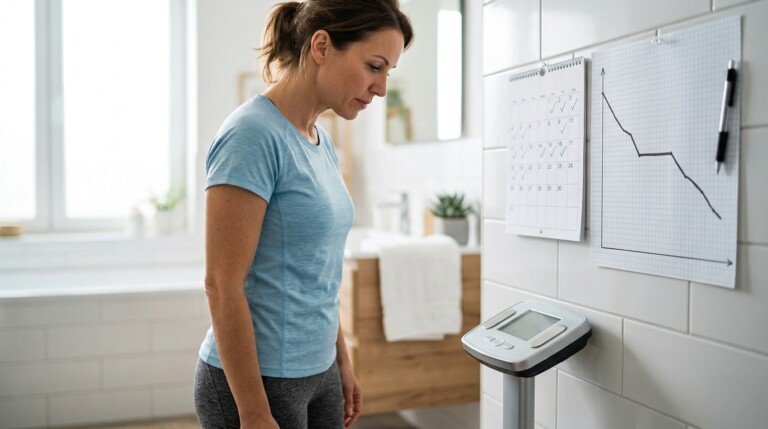
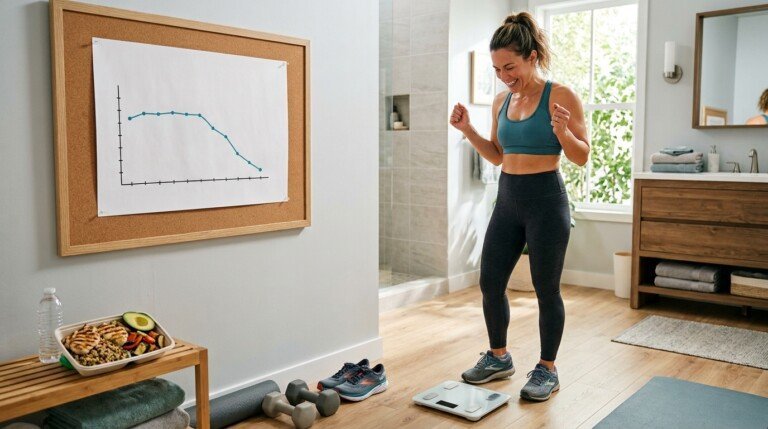
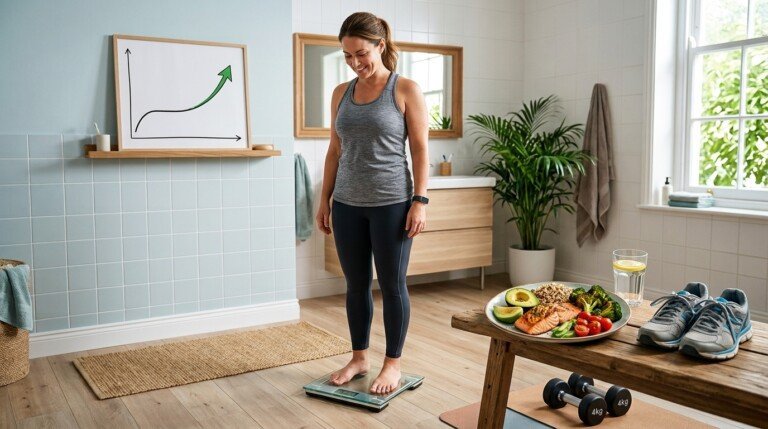
Signs You’re Losing Visceral Fat are not always as obvious as seeing a lower number on the bathroom scale. In fact, many of the earliest improvements happen inside your body before they become visible in the mirror. This often surprises people who expect dramatic physical changes within the first few weeks of improving their lifestyle.

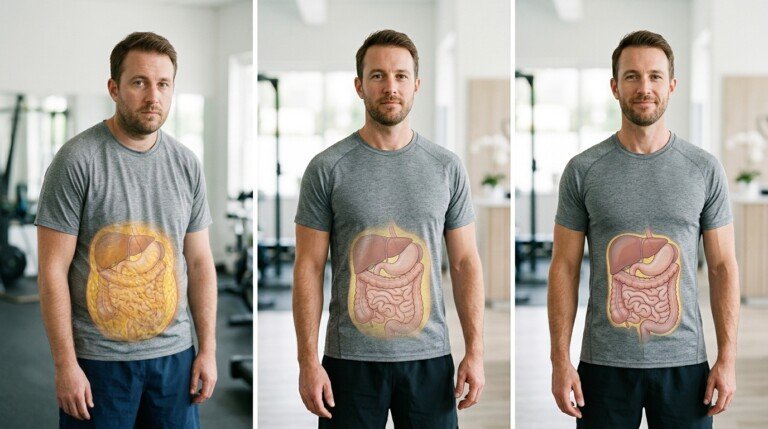
Visceral fat is the fat stored deep inside your abdomen, surrounding important organs such as the liver, stomach, and intestines. Because it is hidden beneath the abdominal muscles, you cannot directly see it disappearing. Instead, your body gives you several clues that visceral fat is gradually decreasing.

These changes may include a smaller waist circumference, increased energy, improved fitness, healthier blood sugar levels, better blood pressure, and positive changes in body composition. While not everyone experiences these improvements in the same order, they often appear before significant changes in total body weight.

Understanding these signs can help you stay motivated and avoid the common mistake of judging your progress only by the scale. When you know what to look for, it becomes much easier to recognize that your healthy habits are working even if your appearance hasn’t changed dramatically yet.

In this guide, you’ll learn the most reliable signs you’re losing visceral fat, why they happen, how to measure your progress, and which changes usually take the longest to notice.


How Do You Know If You’re Losing Visceral Fat?

Unlike subcutaneous fat, visceral fat cannot be pinched or measured simply by looking in the mirror.

Instead, progress is usually reflected through a combination of physical changes, body measurements, and improvements in overall health.

The most common signs include:

  • A gradually smaller waist circumference
  • Improved stamina during daily activities
  • Better energy throughout the day
  • Healthier blood sugar levels
  • Improved blood pressure
  • Better exercise performance
  • Looser-fitting clothes
  • Positive body composition changes
  • Improved laboratory health markers

Not everyone experiences these improvements at the same pace.

Some people notice increased energy within a few weeks, while others first observe changes in waist size or fitness before anything else.

If you’re wondering how long these improvements usually take, our guide on How Long Does It Take to Lose Visceral Fat explains the realistic timeline for visible and measurable progress.

The key is to focus on several indicators rather than relying on just one measurement.


Does Your Waist Get Smaller First?

For many people, a smaller waist circumference is one of the earliest and most noticeable signs of losing visceral fat.

Because visceral fat accumulates around the abdominal organs, reducing it often leads to gradual changes around the waist before dramatic changes appear elsewhere.

You may notice:

  • Pants fitting more comfortably
  • Belts needing a tighter notch
  • Shirts feeling less restrictive around the stomach
  • Less abdominal fullness

These improvements often appear even if your body weight changes only slightly.

That is because changes in body composition are not always reflected immediately on the scale.

Why Waist Measurements Matter

Waist circumference provides a much better indication of abdominal fat than body weight alone.

Two people can weigh exactly the same while carrying very different amounts of visceral fat.

Measuring your waist every two to four weeks under similar conditions provides a reliable way to monitor gradual progress.

If you haven’t started tracking your waist yet, our guide on How to Measure Visceral Fat explains the simplest methods you can use at home.


Can Blood Sugar Improve as Visceral Fat Decreases?

Yes.

One reason healthcare professionals pay close attention to visceral fat is that it is closely associated with metabolic health.

As visceral fat gradually decreases, many people experience improvements in blood sugar regulation, particularly when healthy eating and regular physical activity become consistent habits.

This happens because excess visceral fat influences the way your body manages glucose.

Reducing internal abdominal fat may support healthier metabolic function over time.

People who regularly monitor their blood sugar under medical supervision may notice gradual improvements as overall body composition becomes healthier.

Although blood sugar improvements vary from person to person, they often occur alongside other positive lifestyle changes.


Does Losing Visceral Fat Increase Energy Levels?

Many people report having more energy long before they notice major physical changes.

This is one of the most encouraging signs because it often appears relatively early in the process.

As overall fitness improves, everyday activities may begin to feel easier.

You might notice:

  • Less fatigue during the day
  • Better concentration
  • More motivation to stay active
  • Reduced breathlessness while walking
  • Faster recovery after physical activity

These improvements often encourage people to remain consistent because they experience benefits beyond appearance.

Higher energy levels also make it easier to continue building healthy habits, creating a positive cycle of gradual improvement.


What Measurements Should You Track?

The bathroom scale is only one tool.

To understand whether visceral fat is decreasing, it helps to monitor several measurements together.

Waist Circumference

Waist size remains one of the most practical indicators of abdominal fat changes.

Measure at the same location every few weeks for the most consistent results.

Body Weight

Although body weight is useful, it should never be the only measure of progress.

Daily fluctuations caused by hydration, food intake, and other normal factors are completely expected.

Progress Photos

Taking photographs every four weeks under similar lighting and clothing conditions allows you to compare changes more objectively.

Many people notice gradual improvements in photos before they recognize them in the mirror.

Clothing Fit

Looser waistbands, more comfortable shirts, and improved overall fit often signal positive body composition changes.

Fitness Performance

Your body becomes healthier in many ways that cannot be seen.

Track improvements such as:

  • Walking farther
  • Climbing stairs more comfortably
  • Increased strength
  • Better endurance

These changes often appear before dramatic visual differences.


What Changes Take Longer to Notice?

While some improvements appear within the first few weeks, others require more patience.

Many people become discouraged because they expect visible changes to happen as quickly as improvements in energy or fitness.

In reality, the body adapts gradually.

Some of the changes that often take longer include:

  • Visible abdominal definition
  • Significant reductions in clothing size
  • Large decreases in body weight
  • Noticeable improvements in overall body composition
  • Major changes in appearance

These changes depend on several factors, including:

  • Starting body fat percentage
  • Genetics
  • Age
  • Daily activity level
  • Sleep quality
  • Nutrition
  • Consistency

This is why comparing your progress with someone else’s is rarely helpful.

Two people following the same routine may experience very different timelines because their bodies respond differently.

Instead of focusing only on what you see in the mirror, pay attention to the many improvements happening behind the scenes.

Healthy progress is often easier to measure than it is to see.


Can You Lose Visceral Fat Without Losing Much Weight?

Yes, and this surprises many people.

Weight loss and visceral fat loss are related, but they are not always identical.

Someone can improve body composition while their body weight changes very little.

This is especially common when people begin resistance training.

As body fat gradually decreases, lean muscle mass may increase or be preserved.

Because muscle is denser than fat, the number on the scale may remain relatively stable even though waist circumference becomes smaller.

This is one reason relying only on body weight can be misleading.

Positive changes that may occur without major weight loss include:

  • Reduced waist circumference
  • Improved posture
  • Better muscle definition
  • Increased strength
  • Improved endurance
  • Better metabolic health

If you’ve ever wondered why someone appears leaner despite weighing the same, improved body composition is usually the explanation.

Our guide on Which Body Part Loses Fat First explains why fat disappears from different areas of the body at different times.


What Lifestyle Habits Help You Keep Losing Visceral Fat?

Recognizing the signs of progress is important, but maintaining those improvements requires consistent habits.

The people who successfully reduce visceral fat over the long term usually focus on simple routines rather than searching for quick fixes.

Helpful habits include:

Stay Active Every Day

Regular movement supports overall fat loss and helps maintain a healthy body composition.

Even on days without structured workouts, walking, household chores, and other daily activities contribute to your overall activity level.

Prioritize Quality Sleep

Adults generally benefit from seven to nine hours of quality sleep each night.

Consistent sleep supports recovery, energy, and healthy decision-making throughout the day.

Build Sustainable Eating Habits

Rather than following restrictive diets, focus on balanced meals built around whole foods that you enjoy and can maintain long term.

Manage Stress

Long-term stress can make healthy routines more difficult to maintain.

Finding practical stress-management strategies supports both physical and mental well-being.

Stay Consistent

Perhaps the biggest predictor of success is consistency.

Healthy habits repeated over months produce much greater results than short periods of intense effort.

If you’re working on long-term lifestyle changes, our article on Weight Loss Habits explains how small daily improvements often create the biggest long-term results.


Frequently Asked Questions

1. What are the first signs you’re losing visceral fat?

Many people first notice a smaller waist circumference, increased energy, better stamina, improved exercise performance, and looser-fitting clothes before major changes in body weight.

2. Does losing visceral fat always reduce body weight?

Not necessarily.
Some people improve body composition and reduce waist size while maintaining nearly the same body weight, especially if they are building or preserving muscle.

3. Can blood pressure improve when visceral fat decreases?

For many people, healthier lifestyle habits that reduce visceral fat also support improvements in blood pressure over time.

4. Is waist size more important than body weight?

Waist circumference often provides a better indication of changes in abdominal fat than body weight alone.
Tracking both measurements gives a more complete picture of progress.

5. How often should I measure my progress?

Checking your waist circumference, body weight, and progress photos every two to four weeks is usually sufficient.
Daily measurements often fluctuate and may not accurately reflect long-term progress.


Final Thoughts

Recognizing the signs you’re losing visceral fat can help you stay motivated even when the number on the scale changes slowly. A smaller waist circumference, improved energy, better fitness, healthier blood sugar, and positive changes in body composition are all encouraging indicators that your healthy habits are working.

Remember that lasting progress rarely happens overnight. Many of the most important improvements begin inside your body long before they become obvious in the mirror. By tracking meaningful measurements, staying consistent with healthy habits, and focusing on long-term progress rather than quick results, you can build a healthier body while steadily reducing visceral fat.

Instead of asking whether you’ve lost enough weight this week, ask whether you’re becoming healthier than you were last month. Over time, those steady improvements add up to meaningful and lasting change.


Disclaimer:

This post may contain affiliate links. If you purchase through them, we may earn a small commission at no extra cost to you. Also, this content is for informational purposes only and does not substitute professional medical advice.

How Long Does It Take to Lose Visceral Fat? Timeline and What to Expect

How Long Does It Take to Lose Visceral Fat is one of the most common questions people ask after deciding to improve their health. While it’s natural to want quick results, there isn’t a single timeline that applies to everyone. The speed at which visceral fat decreases depends on several factors, including your starting body composition, eating habits, activity level, sleep quality, stress levels, and how consistently you follow healthy lifestyle habits.

Unlike the fat stored just beneath your skin, visceral fat surrounds important organs such as the liver, stomach, and intestines. Carrying too much visceral fat is associated with a higher risk of metabolic syndrome, cardiovascular disease, and fatty liver disease. The encouraging news is that visceral fat often responds well to healthy lifestyle changes, sometimes even before noticeable changes appear in body weight or overall appearance.

Many people expect dramatic transformations within a few weeks, but lasting results usually develop gradually. Small improvements made consistently over several months are far more effective than extreme diets or short-term fitness challenges. Understanding what realistic progress looks like can help you stay motivated and avoid the frustration that often comes from unrealistic expectations.

In this guide, you’ll learn how long it takes to lose visceral fat, what affects your timeline, why some people lose it faster than others, how to monitor your progress, and the daily habits that support long-term success.


How Long Does It Take to Lose Visceral Fat?

The honest answer is that it varies from person to person.

Some people begin reducing visceral fat within a few weeks of consistently improving their lifestyle, while others may need several months before significant changes become noticeable.

Your timeline depends on factors such as:

  • Your starting weight
  • How much visceral fat you carry
  • Your daily calorie intake
  • Physical activity levels
  • Sleep quality
  • Stress levels
  • Age
  • Genetics

Although everyone’s journey is different, many people experience measurable improvements within 8 to 12 weeks when they consistently maintain healthy habits.

This doesn’t necessarily mean they’ll see dramatic physical changes during that time.

Instead, early improvements often include:

  • Reduced waist circumference
  • Better energy levels
  • Improved endurance
  • Healthier blood pressure
  • Better overall fitness

Visible changes usually continue to develop gradually over the following months.

The most important point to remember is that visceral fat loss is rarely linear.

Some weeks you may notice clear progress, while other weeks seem unchanged.

This is completely normal.

If you’re unfamiliar with why visceral fat matters, our complete guide on Visceral Fat explains how this hidden abdominal fat affects long-term health.


What Factors Affect How Quickly You Lose Visceral Fat?

Several lifestyle and biological factors influence how quickly your body reduces visceral fat.

Starting Body Composition

People carrying larger amounts of visceral fat often notice measurable improvements sooner than individuals who have relatively little visceral fat to begin with.

Early changes can sometimes occur without large reductions in body weight.

Calorie Balance

Creating a moderate calorie deficit allows your body to gradually use stored fat for energy.

Extremely restrictive diets may produce rapid short-term weight loss, but they are often difficult to maintain.

A sustainable approach generally produces better long-term results.

Physical Activity

Regular movement increases energy expenditure and supports overall fat loss.

Aerobic exercise, resistance training, and simply reducing sedentary time all contribute to healthier body composition.

Our guide on Exercises for Visceral Fat explains which types of physical activity are most effective.

Nutrition

Food quality plays a major role in supporting healthy body composition.

Meals rich in vegetables, fruits, whole grains, lean protein, legumes, nuts, and healthy fats provide nutrients while making it easier to maintain a healthy calorie intake.

For practical food choices, see our article on Foods That Reduce Visceral Fat.

Sleep

Consistently getting enough quality sleep supports recovery, appetite regulation, and overall metabolic health.

Poor sleep often makes healthy eating and regular exercise more difficult to maintain.

Stress

Long-term stress can influence eating behaviors, reduce motivation to exercise, and disrupt healthy daily routines.

Managing stress supports healthier lifestyle habits over time.

Consistency

Perhaps the biggest factor of all is consistency.

Small improvements repeated every day almost always outperform dramatic efforts that last only a few weeks.


Can You Lose Visceral Fat Faster Than Subcutaneous Fat?

One encouraging aspect of visceral fat is that it often responds more quickly to healthy lifestyle changes than subcutaneous fat.

Subcutaneous fat is the layer of fat just beneath the skin that you can pinch with your fingers. Visceral fat, on the other hand, surrounds your internal organs and is more metabolically active.

Because visceral fat is actively involved in your body’s energy regulation, it is often used as a fuel source earlier during sustained weight loss.

This doesn’t mean you can specifically target visceral fat or choose where your body loses fat first. Spot reduction is still a myth.

Instead, as your body gradually loses fat through a consistent calorie deficit and regular physical activity, visceral fat may decrease before noticeable changes appear in areas such as the hips, thighs, or arms.

This is one reason some people experience health improvements before seeing dramatic changes in the mirror.

For example, someone may notice:

  • A smaller waist circumference
  • Lower blood pressure
  • Improved fitness
  • Better energy levels
  • Improved laboratory markers

before experiencing major changes in clothing size.

Although everyone responds differently, this early reduction in visceral fat is one reason healthcare professionals encourage healthy lifestyle changes even when weight loss appears slow.


Which Lifestyle Habits Speed Up Visceral Fat Loss?

There is no shortcut for reducing visceral fat.

Instead, the people who make the greatest long-term progress usually combine several healthy habits consistently.

Maintain a Moderate Calorie Deficit

Reducing overall calorie intake without extreme restriction allows your body to gradually use stored fat for energy.

The goal is not to eat as little as possible.

Instead, focus on creating a sustainable eating pattern that you can continue long term.

Stay Physically Active

Exercise increases energy expenditure while improving cardiovascular fitness and preserving muscle.

The best routine usually combines:

  • Walking
  • Aerobic exercise
  • Strength training
  • Daily movement outside structured workouts

Remaining active throughout the day is just as important as completing scheduled exercise sessions.

Eat Mostly Whole Foods

Meals built around vegetables, fruits, legumes, whole grains, lean protein, nuts, seeds, and healthy fats naturally provide more nutrients while helping control hunger.

Highly processed foods are often easier to overeat because they are calorie-dense and less filling.

Sleep Consistently

Adults generally benefit from seven to nine hours of quality sleep each night.

Poor sleep can increase hunger, reduce exercise performance, and make healthy decisions more difficult.

Improving sleep quality supports many of the healthy habits that contribute to visceral fat reduction.

Manage Stress

Stress itself does not automatically increase visceral fat, but it can influence behaviors that affect body composition.

Healthy stress-management techniques include:

  • Walking outdoors
  • Meditation
  • Deep breathing
  • Spending time with family and friends
  • Reading
  • Journaling

The goal is to create habits that support both physical and mental well-being.

Stay Consistent

Perhaps the most overlooked habit is consistency.

Missing one workout or enjoying an occasional treat will not determine your success.

Your overall routine over months matters far more than any single day.

If you’re building long-term healthy habits, our article on Sustainable Weight Loss explains how small daily actions lead to lasting results.


How Can You Track Your Progress?

One of the biggest mistakes people make is relying only on the bathroom scale.

Although body weight provides useful information, it doesn’t always reflect improvements in body composition.

A better approach is to monitor several indicators together.

Measure Your Waist Circumference

Since visceral fat accumulates around the abdomen, changes in waist size often provide one of the clearest signs of progress.

Measure your waist every two to four weeks under the same conditions.

Take Progress Photos

Photos taken from the front, side, and back under similar lighting can reveal gradual changes that are difficult to notice in everyday life.

Monitor Your Fitness

Improved endurance and strength often appear before major physical changes.

Examples include:

  • Walking farther without fatigue
  • Lifting heavier weights
  • Climbing stairs more comfortably
  • Recovering faster after exercise

These improvements indicate that your body is becoming healthier even if the scale changes slowly.

Check Your Clothing Fit

Many people discover that their clothing becomes looser before they notice significant weight loss.

Waistbands, belts, and fitted shirts often provide practical evidence of changing body composition.

Measure Visceral Fat Estimates

If you’re interested in monitoring abdominal fat more closely, our guide on How to Measure Visceral Fat explains several practical home methods, including waist circumference, waist-to-height ratio, and body composition measurements.

Tracking multiple indicators provides a much clearer picture than relying on body weight alone.


What Mistakes Slow Down Visceral Fat Loss?

Progress often stalls because of common lifestyle habits rather than a lack of effort.

Recognizing these mistakes can help you stay on track.

Expecting Overnight Results

Healthy fat loss is gradual.

Unrealistic expectations often lead people to abandon healthy habits too early.

Following Extreme Diets

Very restrictive diets may produce rapid initial weight loss, but they are usually difficult to maintain.

Many people regain lost weight once the diet ends.

Exercising Inconsistently

Occasional intense workouts cannot replace regular physical activity.

Consistency almost always produces better long-term results.

Sitting Too Much

Even people who exercise regularly benefit from reducing prolonged sitting throughout the day.

Walking breaks and everyday movement contribute meaningfully to overall activity levels.

Ignoring Recovery

Recovery is an essential part of any healthy routine.

Adequate sleep and rest support exercise performance, muscle recovery, and long-term adherence.

Comparing Yourself With Others

Everyone loses fat at a different pace.

Comparing your progress with someone else’s often creates unnecessary frustration.

Focus on improving your own habits rather than matching someone else’s timeline.


When Should You Expect Visible Results?

Visible changes rarely happen all at once.

Most people first notice improvements in how they feel rather than how they look.

Common early improvements include:

  • Better stamina
  • More energy
  • Improved sleep
  • Easier movement
  • Better exercise performance

As the weeks continue, many people begin noticing:

  • A smaller waistline
  • Looser clothing
  • Better posture
  • Improved muscle definition
  • Healthier body composition

Rather than aiming for perfection, celebrate steady progress.

Healthy habits repeated consistently produce meaningful changes that continue long after short-term motivation fades.


Frequently Asked Questions

1. How long does it take to lose visceral fat?

Many people notice measurable improvements within eight to twelve weeks of consistently following healthy lifestyle habits, although individual results vary.

2. Can visceral fat disappear before other body fat?

It can. Visceral fat often responds well to healthy lifestyle changes and may decrease before noticeable reductions in subcutaneous fat.

3. What is the fastest way to reduce visceral fat?

The most effective approach combines a moderate calorie deficit, regular physical activity, quality sleep, stress management, and long-term consistency.

4. How can I tell if I’m losing visceral fat?

A decreasing waist circumference, improved fitness, better energy levels, and healthier body composition are all positive indicators.

5. Should I weigh myself every day?

Daily weighing is optional, but monitoring waist circumference, progress photos, and fitness improvements often provides a more complete picture of your progress.


Final Thoughts

Understanding how long it takes to lose visceral fat helps set realistic expectations and encourages a long-term approach to better health. While some people notice improvements within a few weeks, meaningful and lasting changes usually develop over several months of consistent healthy habits.

Rather than chasing rapid results, focus on the behaviors you can control each day. Regular physical activity, nutritious eating, quality sleep, stress management, and consistent progress tracking all work together to support gradual reductions in visceral fat.

Remember that success is not measured only by the number on the scale. A smaller waist circumference, improved strength, better endurance, and increased energy are all signs that your body is moving in the right direction. Stay patient, remain consistent, and trust the process.


Disclaimer:

This post may contain affiliate links. If you purchase through them, we may earn a small commission at no extra cost to you. Also, this content is for informational purposes only and does not substitute professional medical advice.

Which Body Part Loses Fat First During Weight Loss?

Which body part loses fat first? It’s one of the first questions people ask after beginning a weight-loss journey.

You’ve probably asked it yourself.

You step on the scale after several weeks of healthier eating and regular exercise. The numbers are moving in the right direction, but when you look in the mirror, the area you most wanted to change seems exactly the same.

Your stomach still looks full.

Your thighs don’t seem any smaller.

Your arms look no different.

It’s frustrating, especially when you’re putting in the effort.

Then something unexpected happens.

A shirt suddenly feels looser around your shoulders.

Your face looks slimmer in photos.

A watch fits differently around your wrist.

Weight is coming off but not where you expected.

At this point, many people start wondering whether their body is doing something wrong.

The truth is that it’s doing exactly what it’s designed to do.

Fat loss doesn’t happen according to our preferences. It follows biological patterns influenced by genetics, hormones, age, sex, and individual body composition. That’s why two people can follow nearly identical diets and exercise routines yet notice fat disappearing from completely different areas.

Understanding how this process works can help set realistic expectations and prevent the discouragement that causes many people to quit too soon.


Why Does Fat Loss Never Seem to Happen Where We Want It Most?

Imagine pouring water out of a swimming pool.

You don’t get to choose which corner empties first.

The water level falls everywhere, even if some areas appear to change faster than others.

Body fat behaves in a surprisingly similar way.

Most people carry fat in multiple locations at the same time. Some of those fat stores respond quickly when you’re in a calorie deficit, while others are much more resistant.

Unfortunately, the most stubborn areas are often the ones people care about most.

For one person, it’s the lower abdomen.

For another, it’s the hips.

Someone else may struggle with fat around the thighs or upper arms.

These differences aren’t caused by poor exercise choices.

They’re largely determined by biology.

Accepting that reality doesn’t make weight loss less effective.

It simply helps explain why patience is often required.


How Fat Loss Actually Works

One of the biggest misconceptions about weight loss is that exercising a specific body part causes fat to disappear from that area.

It sounds logical.

If you perform hundreds of abdominal exercises, your stomach should become smaller.

If you do arm workouts every day, your arms should become leaner.

That’s not how the body operates.

Fat is stored throughout the body as an energy reserve.

When you consistently consume fewer calories than your body uses, stored fat begins supplying part of that energy.

The important word is stored.

Your body doesn’t remove fat only from the muscles you’re exercising.

Instead, it draws energy from fat stores across the body according to complex biological processes that scientists are still studying.

This is why walking, swimming, cycling, strength training, and countless other forms of exercise can all contribute to overall fat loss.

The activity matters.

But it doesn’t determine exactly where fat disappears first.

The Difference Between Weight Loss and Fat Loss

Another source of confusion is the difference between losing weight and losing fat.

The number on the scale reflects everything that contributes to body weight, including:

  • Body fat
  • Muscle
  • Water
  • Food currently being digested
  • Glycogen stores

Someone can lose several pounds during the first week of a new eating plan, yet much of that change may come from water rather than body fat.

True fat loss tends to happen more gradually.

That’s one reason progress photos and clothing fit often provide a better picture than the scale alone.


Can You Choose Where Fat Comes Off First?

This question has probably sold millions of fitness products over the years.

Unfortunately, the answer remains the same.

Not really.

Many products promise targeted fat reduction.

Ab machines claim to melt belly fat.

Arm workouts promise toned arms.

Thigh exercises promise slimmer legs.

While those exercises strengthen muscles, they don’t selectively remove fat covering those muscles.

What Science Calls Spot Reduction

The belief that exercising one body part burns fat specifically from that location is known as spot reduction.

Researchers have examined this idea for decades.

The overwhelming conclusion is that while exercise is extremely valuable for health and overall fat loss, it does not allow people to control where fat disappears first.

That doesn’t mean abdominal workouts are useless.

Far from it.

Strong core muscles improve posture, balance, athletic performance, and overall strength.

The visible definition simply appears after enough overall body fat has been lost.

Why This Matters

Understanding this concept prevents unrealistic expectations.

If someone performs hundreds of crunches every day for a month without seeing dramatic belly-fat changes, they may incorrectly assume the program failed.

In reality, fat loss may be occurring elsewhere while abdominal muscles are becoming stronger underneath.

That’s progress even if the mirror doesn’t reveal it immediately.


Why Does the Face Sometimes Look Slimmer Before the Stomach?

Many people notice facial changes surprisingly early during weight loss.

Friends may comment that someone “looks thinner” even before clothing sizes change.

There are several reasons for this.

The face generally contains less stored fat than larger areas like the abdomen, hips, or thighs.

Small reductions therefore become noticeable more quickly.

Water retention can also influence facial appearance.

Changes in diet, sodium intake, hydration, and overall lifestyle may reduce puffiness, making facial features appear more defined.

This early visual progress often motivates people to continue.

Ironically, while they’re celebrating a slimmer face, the body may already be reducing fat from many other areas that simply aren’t as easy to notice.


Which Areas Commonly Lose Fat First?

Although everyone is different, certain patterns appear frequently.

Some individuals notice changes first in the:

  • Face
  • Neck
  • Shoulders
  • Upper chest
  • Arms

Others experience changes around the waist before seeing noticeable differences elsewhere.

Still others notice improved muscle definition in the legs long before stubborn abdominal fat begins changing.

These differences reflect individual fat distribution.

The important point is this:

There is no universal order.

Anyone claiming that everyone loses fat from exactly the same body part first is oversimplifying a far more complex biological process.


Why Do Two People Lose Fat in Completely Different Places?

If you’ve ever compared your progress with someone else, you’ve probably noticed how unpredictable fat loss can be.

Two people may begin the same workout program.

They may eat similar meals, exercise the same number of days each week, and lose the same amount of body weight.

Yet their results can look completely different.

One person notices a slimmer waist.

Another sees changes in their face first.

Someone else loses fat around their legs while their stomach appears almost unchanged.

This isn’t because one person has found a better exercise routine.

It’s because body fat distribution is highly individual.

Genetics Play a Bigger Role Than Most People Realize

Your genes influence where your body prefers to store fat and where it tends to release it first.

Some families naturally carry more fat around the hips and thighs.

Others store more around the abdomen.

Some people remain lean through their arms while carrying extra fat around the waist.

Others experience the opposite.

Although lifestyle influences overall body fat, genetics often determine where that fat is stored.

That’s why comparing your progress to someone else’s rarely provides useful information.

Age Can Change Fat Distribution

Fat distribution doesn’t remain constant throughout life.

As people get older, hormonal changes, reduced muscle mass, and changes in metabolism often influence where fat is stored.

Many adults notice that maintaining a lean waist becomes more challenging in their forties and fifties than it was in their twenties.

This doesn’t mean fat loss becomes impossible.

It simply means the body changes over time.

Men and Women Often Lose Fat Differently

Sex hormones influence body composition in significant ways.

Women commonly store more fat around the hips, thighs, and buttocks.

Men often carry a greater proportion of fat around the abdomen.

These patterns are generalizations rather than strict rules, but they explain why weight-loss journeys can look different between men and women.

For readers interested in these biological differences, our guide to weight loss for women vs men explores how hormones and body composition affect results.


What Role Do Hormones Play in Fat Distribution?

Hormones act as chemical messengers throughout the body.

They influence appetite, metabolism, energy balance, and where fat tends to accumulate.

This doesn’t mean hormones override calorie balance.

However, they help explain why fat distribution varies so much.

Insulin

Insulin helps regulate blood sugar by allowing glucose to enter cells.

When insulin function becomes impaired, body composition may change over time.

This relationship is one reason healthy eating patterns remain important for long-term metabolic health.

Cortisol

Chronic stress may influence eating behaviors and body composition.

High stress levels are often associated with:

  • Emotional eating
  • Poor sleep
  • Reduced physical activity
  • Greater difficulty maintaining healthy habits

While cortisol is frequently blamed for belly fat, the reality is more complex than many headlines suggest.

Lifestyle factors usually work together rather than independently.

Estrogen and Testosterone

Sex hormones also influence where fat is stored.

Changes during menopause, aging, and other life stages often alter fat distribution.

Again, these changes vary between individuals.

The important takeaway is that hormones influence the pattern of fat storage not just the amount of fat itself.


What’s the Difference Between Visceral Fat and Subcutaneous Fat?

Not all body fat is the same.

Understanding this distinction helps explain why appearance doesn’t always reflect health.

Subcutaneous Fat

Subcutaneous fat sits directly beneath the skin.

It’s the fat you can pinch around areas such as:

  • Arms
  • Thighs
  • Hips
  • Abdomen

This is the fat most people notice when looking in the mirror.

Visceral Fat

Visceral fat is different.

It surrounds internal organs within the abdominal cavity.

Unlike subcutaneous fat, it cannot be measured simply by looking in the mirror.

Excess visceral fat has been associated with increased health risks, making it an important focus of long-term weight management.

Interestingly, improvements in metabolic health may occur even before dramatic physical changes become visible.

That’s one reason persistence matters.

Progress isn’t always immediately reflected in appearance.


Why Does Belly Fat Usually Feel Like the Last to Go?

Ask almost anyone trying to lose weight what body part frustrates them most.

The answer is usually the stomach.

Lower abdominal fat often appears stubborn.

Even after noticeable progress elsewhere, many people continue waiting for changes around the waist.

This experience is extremely common.

One reason is that abdominal fat often responds more slowly than fat stored in other locations.

Additionally, people pay far more attention to their stomach than to areas like the shoulders, neck, or calves.

Small improvements therefore become harder to recognize.

This doesn’t mean nothing is happening.

Fat loss is often occurring gradually, even if the mirror seems stubborn.

Readers specifically interested in abdominal fat may find our guide to the best supplement for belly fat helpful for understanding evidence-based strategies that may complement healthy eating and regular physical activity.


Why Doesn’t Spot Reduction Actually Work?

This myth has survived for decades because it sounds logical.

Exercise a body part.

Burn fat from that body part.

Unfortunately, human physiology doesn’t work that way.

When muscles contract during exercise, they use energy.

That energy comes from multiple sources throughout the body rather than exclusively from nearby fat cells.

Doing hundreds of sit-ups strengthens abdominal muscles.

Doing hundreds of squats strengthens the legs.

Neither exercise guarantees that fat covering those muscles will disappear first.

This doesn’t make targeted exercises useless.

Strong muscles improve posture, function, athletic performance, and overall fitness.

Visible muscle definition simply depends on reducing overall body fat.


What’s a Better Way to Measure Progress?

One of the biggest mistakes people make is relying entirely on the bathroom scale.

The scale tells part of the story.

Not the whole story.

Instead, consider tracking several indicators.

Progress Photos

Photos taken under similar lighting and conditions often reveal changes that are difficult to notice day to day.

Clothing Fit

Many people recognize progress because their jeans fit differently long before dramatic scale changes occur.

Body Measurements

Tracking waist, hips, chest, arms, and thighs provides a more complete picture of body composition.

Energy Levels

Improved stamina and easier movement often appear before major visual changes.

Strength

Becoming stronger during exercise represents meaningful progress regardless of what the scale says.

When multiple indicators improve together, you’re likely moving in the right direction.


The Biggest Mistake People Make During Fat Loss

Perhaps the greatest mistake isn’t choosing the wrong workout.

It’s quitting too early.

Many people expect visible changes in their problem area within a few weeks.

When that doesn’t happen, motivation disappears.

Healthy habits stop.

Progress reverses.

In reality, fat loss is rarely linear.

Some weeks produce dramatic changes.

Other weeks feel completely stagnant.

This is normal.

The individuals who succeed long term are often those who continue following healthy habits even when visible changes seem slow.

That’s why developing sustainable weight loss habits often matters far more than chasing rapid results.

Consistency almost always outperforms perfection.


Frequently Asked Questions

1. Which body part loses fat first?

There is no universal answer. Many people notice changes first in the face, neck, shoulders, or upper body, while others experience different patterns based on genetics and hormones.

2. Can I choose where I lose fat first?

No. Spot reduction is largely considered a myth. Overall fat loss occurs throughout the body rather than from one targeted area.

3. Why is belly fat so difficult to lose?

Belly fat often responds more slowly than fat stored elsewhere. Genetics, hormones, age, and lifestyle all influence this process.

4. Do sit-ups burn belly fat?

Sit-ups strengthen the abdominal muscles but do not specifically remove fat from the stomach.

5. Does walking help reduce body fat?

Yes. Walking contributes to overall calorie expenditure and can support total body fat loss when combined with healthy eating.

6. Why does my face look thinner before my stomach?

The face contains less fat than larger body areas, making relatively small changes easier to notice.

7. How should I track fat-loss progress?

Use multiple methods, including progress photos, body measurements, clothing fit, strength improvements, and energy levels instead of relying only on the scale.


Final Thoughts

If you’re wondering which body part loses fat first, the most honest answer is this:

It depends.

Your body follows its own biological blueprint.

Genetics influence fat storage.

Hormones affect distribution.

Age changes body composition.

Lifestyle determines whether overall fat loss occurs.

What you can’t control is the order in which fat disappears.

What you can control is building habits that consistently reduce body fat over time.

Eventually, even stubborn areas begin to change.

Not because you discovered a secret exercise or miracle solution.

But because you gave your body enough time to do what it naturally does when healthy habits become part of everyday life.

Patience may not be the most exciting weight-loss strategy.

But it’s one of the most effective.


Disclaimer:

This post may contain affiliate links. If you purchase through them, we may earn a small commission at no extra cost to you. Also, this content is for informational purposes only and does not substitute professional medical advice.

Weight Loss Benefits

Understanding the Benefits of Weight Loss

Weight Loss Benefits aren’t just about how you look they shape how you feel, move, and live. After 90 days of consistent change, I started noticing deeper transformations in my energy, sleep, and overall happiness. These benefits didn’t happen overnight, but they were real and worth every step. If you want to understand how those 90-day changes compound through nutrition, training, and recovery, this structured weight loss guide explains the full transformation framework.

One of the most powerful weight loss benefits is how it improves heart health. Even modest weight loss of 5–10% improves cardiovascular risk factors. As the extra weight drops, the strain on your heart eases. Circulation improves, blood pressure lowers, and the risk of heart disease decreases. Daily movement and better choices naturally strengthen your cardiovascular system.

Another key benefit is improved mobility. Shedding even a few pounds can ease pressure on your joints, making movement easier and less painful. This leads to a more active lifestyle, which boosts energy levels and helps maintain momentum on your journey.

Sleep also improves when the body is lighter. Many people find relief from conditions like sleep apnea or frequent waking after losing weight. Better sleep means more clarity, emotional balance, and better performance throughout the day physically and mentally.

There’s also a clear shift in confidence. As changes become visible, self-esteem rises. This emotional boost makes a difference in your day-to-day mindset, reducing stress and creating a greater sense of self-worth. Many people find they’re more motivated and engaged in life as a whole.

In the end, the real weight loss benefits go beyond numbers on a scale and are best achieved through a sustainable weight loss plan that prioritizes consistency over quick fixes. They show up in your energy, your rest, your mood, and your daily habits. It’s a journey that shapes your body and uplifts your spirit step by step.


The Role of the Gym in Achieving Weight Loss Goals

The gym plays an integral role in the weight loss journey for many individuals, providing an environment that is conducive to achieving fitness objectives. One of the primary advantages of joining a gym is the access to professional guidance from certified personal trainers. These professionals can design tailored workout programs that align with a person’s specific weight loss goals, ensuring the effectiveness of the fitness regime. With their expertise, trainers not only instruct on proper exercise techniques but also motivate clients to push their limits, which can be crucial for anyone striving for significant weight loss.

Moreover, gyms typically offer a variety of fitness classes that appeal to different interests and fitness levels. These classes, which may include yoga, spinning, or high-intensity interval training (HIIT), can introduce participants to new forms of physical activity, making the process of losing weight more enjoyable and engaging. This variety not only alleviates workout monotony but also promotes overall fitness, which is essential for effective weight management.

In addition to professional guidance and fitness diversity, community support is another vital aspect of gym culture. Many individuals find motivation in being part of a collective environment where fellow gym-goers share similar weight loss goals. This sense of community fosters an atmosphere of encouragement, which can significantly enhance accountability. When individuals feel supported by others on the same journey, they are more likely to maintain their commitment to structured workout routines, which is key to achieving sustainable weight loss outcomes.

In summary, the gym provides a multifaceted platform for weight loss, encompassing expert guidance, varied classes, and a supportive community. All these elements converge to create an environment that not only motivates individuals but also enhances their chances of reaching their desired weight loss goals efficiently.


Essential Gym Equipment for Effective Weight Loss

Effective weight loss involves a consistent exercise routine complemented by the right equipment. Understanding the various types of gym apparatus available can greatly enhance one’s workout experience and contribute to reaching weight loss goals. Among the most fundamental category of equipment is cardiovascular machines, which include treadmills and ellipticals. These machines are pivotal for burning calories, improving cardiovascular health, and building endurance. Treadmills allow users to mimic the natural movement of running or walking, providing adjustable speed and incline settings to vary workout intensity. Similarly, ellipticals offer a low-impact alternative that engages both the upper and lower body, making it suitable for individuals with joint concerns.

In addition to cardio machines, strength training equipment plays a crucial role in effective weight loss, and structured strength training for fat loss helps preserve muscle while increasing metabolic efficiency. Incorporating free weights, such as dumbbells and kettlebells, into a workout routine can help build muscle mass, which increases resting metabolic rate and promotes further fat loss. Furthermore, resistance bands are an accessible and versatile tool for strength training, enabling a full range of motion and targeting specific muscle groups. They are beneficial for beginners as well as experienced athletes, facilitating progressive resistance that can be easily adjusted.

Understanding how to utilize this equipment correctly is vital for maximizing workout efficiency and preventing injuries. Proper form when using weights, maintaining correct posture on cardio machines, and ensuring a balanced routine of strength and cardio exercises contribute to effective and sustainable weight loss. When combined, these tools not only aid in burning calories but also foster a comprehensive approach to fitness that encourages both physical and mental well-being. By integrating essential gym equipment into a weight loss regimen, individuals can significantly enhance their chances of success on their fitness journey.


Creating a Personalized Weight Loss Strategy with Gym Resources

Developing a personalized weight loss strategy is vital for effective and sustainable results. To initiate this journey, the first step is setting realistic and achievable goals. It is essential to determine a target weight, but more importantly, consider other aspects such as fitness levels, overall health, and individual preferences. This approach not only fosters motivation but also helps in maintaining the drive throughout the weight loss process.

Utilizing gym resources can significantly aid in crafting a balanced workout plan. A comprehensive strategy should incorporate various forms of exercise, which can include cardiovascular workouts, strength training, and flexibility exercises. Cardiovascular activities, such as running on a treadmill or cycling, facilitate calorie burning, while strength training with weights promotes muscle development and increases metabolism. Integrating different types of exercises not only prevents boredom but also addresses diverse fitness needs.

Tracking progress is another vital component of a personalized weight loss strategy. Utilizing apps or journals allows individuals to monitor their workouts, dietary intake, and changes in body composition. This data serves as motivation, evidencing improvements over time. Regular assessments, such as weekly weigh-ins or fitness tests, enhance accountability and provide insights for future adjustments to the plan.

Nutrition plays a fundamental role alongside the workout regimen. Focusing on a balanced diet rich in whole foods fruits, vegetables, whole grains, lean proteins, and healthy fats supports the energy requirements for exercise and aids in recovery. Proper nutrition not only helps in achieving weight loss goals but also enhances overall well-being.

Lastly, emphasizing recovery is crucial in a weight loss strategy. Incorporating rest days and active recovery sessions will prevent burnout and injuries, promoting long-term success. By creating a personalized weight loss plan that utilizes gym resources effectively, individuals can pursue a healthier lifestyle while achieving their desired goals.


FAQ

1. How much weight do I need to lose to see health improvements?

Losing just 5–10% of your body weight about 5–15 kg for many people can significantly lower blood pressure, improve cholesterol, and reduce type 2 diabetes risk.

2. Does cardio or strength training help more for weight loss?

Both help but cardio burns calories immediately, while strength training builds muscle, which increases your resting metabolism. A mix works best.

3. Is it normal to regain weight after losing it at the gym?

Yes, weight regain after initial loss happens often. Staying active, using fitness trackers, and maintaining community support can help sustain progress.

4. How fast should I expect to lose weight safely?

A healthy, sustainable rate is about 0.5–1 kg per week. Faster loss often leads to burnout or poor health outcomes.

5. Can gym workouts improve mental health too?

Absolutely regular exercise boosts mood, reduces anxiety, and improves self-esteem through endorphins and a supportive community.

Disclaimer:

This post may contain affiliate links. If you purchase through them, we may earn a small commission at no extra cost to you. Also, this content is for informational purposes only and does not substitute professional medical advice.

Exit mobile version