Visceral Fat vs Subcutaneous Fat: What’s the Difference?

Visceral Fat vs Subcutaneous Fat is a comparison that often confuses people trying to improve their health or lose weight. Many assume all belly fat is the same, but your body actually stores fat in different ways, and each type has a different impact on your overall health.

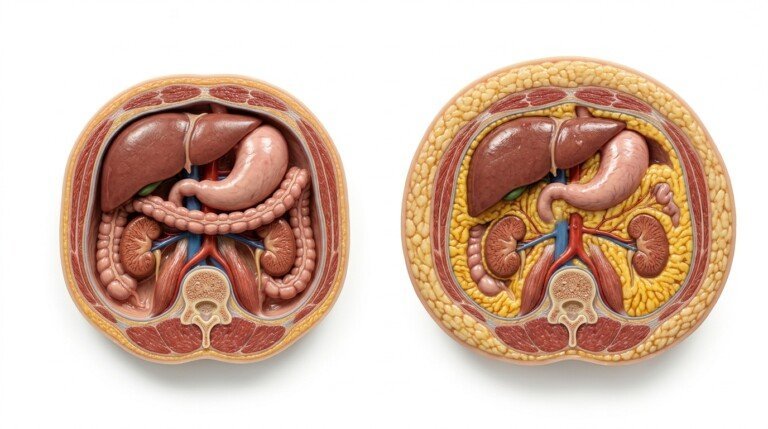
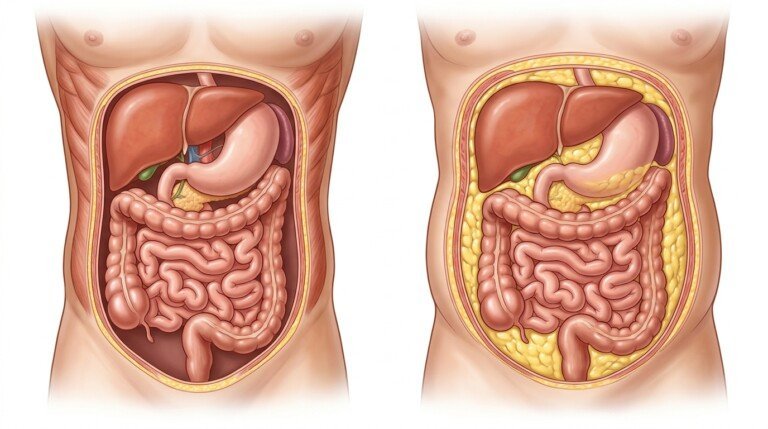
The two primary types of abdominal fat are visceral fat and subcutaneous fat. Subcutaneous fat sits just beneath the skin and is the fat you can pinch with your fingers. Visceral fat, on the other hand, is stored deep inside the abdomen, where it surrounds vital organs such as the liver, stomach, and intestines. Although both contribute to body weight and body composition, visceral fat is generally associated with greater health risks.

Knowing the difference between these two types of fat is more than a matter of curiosity. It can help you better understand your health, identify potential risk factors, and focus on lifestyle habits that support long-term wellness instead of chasing quick fixes.

In this guide, you’ll learn visceral fat vs subcutaneous fat differences, where each type is stored, why one is considered more dangerous, how to estimate which type you may have, and the lifestyle habits that help reduce excess belly fat naturally.


What Is Visceral Fat?

Visceral fat is a type of body fat stored deep inside the abdominal cavity. Instead of sitting beneath the skin, it surrounds important organs such as the liver, stomach, intestines, and pancreas.

Because of its location, visceral fat is often called internal fat or internal belly fat.

Everyone has some visceral fat. A small amount helps cushion and protect internal organs. Problems develop when too much visceral fat accumulates.

Unlike other types of body fat, visceral fat is metabolically active. It releases hormones and inflammatory substances that can influence blood sugar regulation, cholesterol levels, blood pressure, and overall metabolic health.

People often cannot see visceral fat directly because it lies beneath the abdominal muscles. This means someone may carry unhealthy levels of visceral fat even if they do not appear extremely overweight.

If you’d like to learn more about how visceral fat develops and why it matters, read our complete guide on Visceral Fat.


What Is Subcutaneous Fat?

Subcutaneous fat is the layer of fat located directly beneath the skin.

It is the fat you can pinch on areas such as:

  • The stomach
  • Hips
  • Thighs
  • Arms
  • Buttocks

Unlike visceral fat, subcutaneous fat serves several useful purposes.

It helps:

  • Insulate the body
  • Protect muscles and bones
  • Store energy
  • Cushion against physical impact

Having some subcutaneous fat is completely normal and necessary for good health.

Problems usually occur when excessive amounts accumulate over time, contributing to overweight or obesity.

Although excess subcutaneous fat may affect appearance and overall body weight, it generally poses fewer health risks than excess visceral fat.


Visceral Fat vs Subcutaneous Fat: What Is the Difference?

While both are forms of body fat, they differ in several important ways.

FeatureVisceral FatSubcutaneous Fat
LocationAround internal organsBeneath the skin
Can you pinch it?NoYes
VisibilityHiddenVisible
Health riskHigherLower
RoleOrgan protection and energy storageInsulation, cushioning, and energy storage
InflammationHigher potentialLower potential

The biggest difference is where the fat is stored.

Visceral fat surrounds your organs, while subcutaneous fat sits outside the abdominal muscles beneath the skin.

This difference in location explains why visceral fat has a much greater effect on overall health.

Why Storage Location Matters

Fat stored around organs is positioned close to important blood vessels and the liver.

Because of this, substances released by visceral fat can directly influence many metabolic processes throughout the body.

Subcutaneous fat does not have the same level of interaction with internal organs.

This is why two people with similar body weight may have very different health risks depending on how their fat is distributed.


Which Type of Belly Fat Is More Dangerous?

Visceral fat is considered the more dangerous type of belly fat.

While both forms can increase with excess calorie intake, visceral fat is more strongly associated with long-term health problems.

High levels of visceral fat have been linked with:

  • Cardiovascular disease
  • Fatty liver
  • High blood pressure
  • Metabolic syndrome
  • Chronic inflammation
  • Abdominal obesity

This does not mean subcutaneous fat is completely harmless.

Large amounts of subcutaneous fat can still contribute to excess body weight and reduce mobility, but its impact on metabolic health is generally less significant than visceral fat.

Another important difference is that visceral fat often accumulates without obvious warning signs.

Many people assume they only need to worry about belly fat if they can see it. In reality, someone with a relatively modest waistline may still carry unhealthy levels of internal fat.


How Can You Tell Which Type of Fat You Have?

Without medical imaging, it is impossible to know the exact amount of visceral fat you carry.

However, several clues can help estimate your risk.

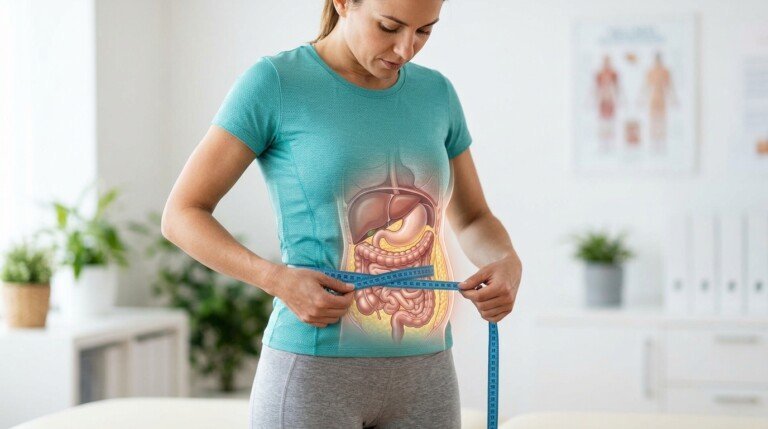
Waist Circumference

A growing waistline often suggests an increase in abdominal fat.

Although waist circumference cannot distinguish between visceral and subcutaneous fat, larger waist measurements are associated with higher levels of visceral fat.

The Pinch Test

If the fat around your stomach can be easily pinched, much of it is subcutaneous fat.

However, this does not rule out the presence of visceral fat underneath.

Many people have both types at the same time.

Body Shape

Individuals who carry most of their weight around the midsection often have a greater likelihood of excess visceral fat compared with people who primarily store fat around their hips and thighs.

Body shape alone cannot confirm visceral fat, but it can provide useful context when combined with waist measurements and overall health markers.

Medical Imaging

CT scans and MRI scans remain the most accurate methods for measuring visceral fat.

These tests are generally used for medical evaluation rather than routine weight-loss tracking.


Can You Lose Both Types of Fat the Same Way?

Yes.

Your body does not selectively burn one type of fat while leaving the other untouched.

When you create a sustainable calorie deficit through healthy eating and regular physical activity, your body gradually reduces stored fat from multiple areas.

Both visceral fat and subcutaneous fat decrease as overall body fat decreases.

Interestingly, research suggests visceral fat often responds relatively well to healthy lifestyle changes.

This is encouraging because even modest improvements in diet and physical activity may reduce the amount of fat surrounding your internal organs.

It is important to remember that you cannot choose where fat comes off first.

Every person’s fat-loss pattern is influenced by genetics, hormones, age, and overall body composition.

If you are curious about why fat disappears from certain areas before others, read our guide on Which Body Part Loses Fat First.


Which Lifestyle Habits Reduce Both Types of Fat?

There is no shortcut for reducing either visceral fat or subcutaneous fat.

Instead, long-term lifestyle habits produce the most reliable results.

Eat Mostly Whole Foods

Meals built around vegetables, fruits, lean proteins, legumes, whole grains, and healthy fats provide nutrients while making it easier to maintain a healthy calorie intake.

Highly processed foods tend to be easier to overeat and often contribute excess calories.

Stay Physically Active

Regular movement supports overall fat loss and improves body composition.

A balanced routine that combines walking, cardiovascular exercise, and resistance training is effective for most adults.

Build Muscle

Strength training helps preserve lean muscle while losing fat.

Maintaining muscle also supports healthy metabolism during weight loss.

Prioritize Sleep

Consistent, high-quality sleep supports healthy eating habits, recovery, and overall metabolic function.

Poor sleep often leads to increased hunger and reduced motivation to stay active.

Manage Daily Stress

Chronic stress can make healthy lifestyle habits more difficult to maintain.

Finding sustainable ways to relax supports long-term weight management and overall health.


When Should You Be Concerned About Visceral Fat?

Everyone carries some visceral fat, but excessive amounts deserve attention.

Consider speaking with a healthcare professional if you have:

  • A steadily increasing waist circumference
  • High blood pressure
  • Elevated cholesterol
  • Fatty liver
  • Multiple metabolic risk factors
  • A family history of cardiovascular disease

Early lifestyle changes can significantly reduce long-term health risks.

Rather than focusing only on body weight, pay attention to your waist measurement, physical activity, nutrition, and overall health.


Frequently Asked Questions

1. Is visceral fat worse than subcutaneous fat?

Yes. Visceral fat surrounds internal organs and is associated with a higher risk of several chronic diseases compared with subcutaneous fat.

2. Can you have both visceral fat and subcutaneous fat?

Yes. Most people have both. The difference is how much of each type is present.

3. Is belly fat always visceral fat?

No. Belly fat includes both visceral fat and subcutaneous fat.

4. Can exercise reduce both types of fat?

Yes. Regular exercise combined with healthy eating helps reduce overall body fat, including both visceral and subcutaneous fat.

5. Can thin people have visceral fat?

Yes. Some people with a normal body weight still carry excess visceral fat around their organs.


Final Thoughts

Although visceral fat and subcutaneous fat are both forms of body fat, they are not the same. Subcutaneous fat sits beneath the skin and plays important roles in insulation and energy storage. Visceral fat, on the other hand, surrounds your internal organs and has a much greater influence on metabolic health.

Understanding the difference can help you look beyond the number on the scale. A healthy lifestyle that includes balanced nutrition, regular physical activity, quality sleep, and consistent daily habits can reduce both types of fat while improving your overall health.

The goal is not simply to have a smaller waist. It is to create lasting habits that support a healthier body from the inside out.


Disclaimer:

This post may contain affiliate links. If you purchase through them, we may earn a small commission at no extra cost to you. Also, this content is for informational purposes only and does not substitute professional medical advice.

What Is Visceral Fat? Causes, Health Risks, and How to Reduce It Naturally

Most people think all belly fat is the same. If your waistline grows, it’s easy to assume it’s simply excess fat sitting under the skin. But not all fat behaves the same way. Some fat is relatively harmless, while another type can quietly increase your risk of serious health conditions even if you don’t appear overweight.

That hidden fat is called visceral fat.

Unlike the soft fat you can pinch around your stomach, visceral fat surrounds vital organs deep inside your abdomen. Small amounts are necessary because they help protect internal organs. However, when visceral fat builds up beyond healthy levels, it becomes one of the strongest indicators of poor metabolic health and raises the risk of heart disease, type 2 diabetes, fatty liver disease, and other chronic conditions.

The good news is that visceral fat is often more responsive to healthy lifestyle changes than many people realize. Improving your eating habits, becoming more active, sleeping well, and managing stress can gradually reduce this dangerous belly fat and improve your overall health.

In this guide, you’ll learn what visceral fat is, why it matters, what causes it to accumulate, how to tell if you have too much, and the most effective ways to reduce it naturally.


What Exactly Is Visceral Fat?

Visceral fat is a type of body fat stored deep inside the abdominal cavity. Instead of sitting just beneath your skin, it wraps around important organs such as your liver, stomach, intestines, and pancreas.

Because it’s located internally, visceral fat is often called internal belly fat or abdominal fat.

Every healthy person carries some visceral fat. It cushions organs and provides energy when needed. Problems begin when too much accumulates.

Unlike subcutaneous fat the softer layer located just beneath the skin visceral fat is biologically active. It releases hormones, inflammatory substances, and chemical messengers that influence many processes throughout your body.

This means visceral fat doesn’t simply take up space. It actively affects how your body regulates blood sugar, stores energy, controls inflammation, and maintains cardiovascular health.

Visceral Fat vs. Subcutaneous Fat

Understanding the difference helps explain why doctors pay so much attention to waist size.

Subcutaneous fat

  • Lies directly under the skin
  • Can be pinched with your fingers
  • Provides insulation and cushioning
  • Is generally less harmful

Visceral fat

  • Surrounds internal organs
  • Cannot be pinched
  • Produces inflammatory chemicals
  • Is linked with numerous chronic diseases

Someone can have relatively little subcutaneous fat while still carrying excessive visceral fat. This is one reason why body weight alone doesn’t always reflect health.


Why Is Visceral Fat Considered More Dangerous?

Many health experts consider visceral fat one of the most concerning forms of excess body fat because of how it interacts with the body’s organs.

Rather than remaining inactive, visceral fat continuously communicates with other organs through hormones and inflammatory compounds.

Over time, excessive visceral fat may contribute to:

  • Chronic inflammation
  • Insulin resistance
  • Elevated blood pressure
  • Increased cholesterol abnormalities
  • Fatty liver disease
  • Cardiovascular disease
  • Metabolic syndrome

These effects develop gradually, often without obvious symptoms.

A person may feel perfectly healthy while visceral fat slowly increases around internal organs for years.

This silent progression is why healthcare providers frequently measure waist circumference alongside body weight.


Why Does Fat Around Your Organs Cause So Many Problems?

The location of visceral fat makes a significant difference.

Because it surrounds organs and sits close to major blood vessels, substances released by visceral fat can travel directly to the liver through the portal vein.

This influences how the liver manages:

  • Blood sugar
  • Cholesterol production
  • Fat metabolism
  • Inflammation

As visceral fat increases, these normal processes become less efficient.

Eventually, this may contribute to a cycle where additional fat storage becomes easier while fat loss becomes more challenging.

This doesn’t mean visceral fat makes weight loss impossible it simply highlights why maintaining metabolic health is so important.


What Causes Visceral Fat to Build Up?

There isn’t one single cause of visceral fat. Instead, it usually develops through a combination of lifestyle, genetics, aging, and environmental factors.

A Diet High in Ultra-Processed Foods

Highly processed foods often contain excessive calories, refined carbohydrates, added sugars, and unhealthy fats.

Regularly consuming these foods without balancing energy intake and expenditure increases overall fat storage, including visceral fat.

Whole foods rich in fiber, lean protein, fruits, vegetables, and healthy fats generally support healthier body composition over time.

Physical Inactivity

Modern lifestyles involve far more sitting than previous generations.

Long hours at desks, commuting, and screen time reduce daily calorie expenditure.

Even individuals who exercise several times each week may accumulate visceral fat if they remain sedentary for most of the day.

Increasing overall daily movement not just scheduled workouts can make a meaningful difference.

Chronic Stress

Long-term stress may encourage behaviors that indirectly promote visceral fat gain.

People under chronic stress often experience:

  • Emotional eating
  • Reduced physical activity
  • Poor sleep
  • Increased cravings for highly processed foods

Stress management doesn’t eliminate visceral fat overnight, but it supports healthier lifestyle choices that reduce long-term risk.

If stress is a significant challenge, our guide on Stress and Weight Loss explores practical strategies that complement healthy fat-loss habits.

Poor Sleep

Sleep plays a surprisingly important role in body composition.

Consistently sleeping too little can affect appetite regulation, food choices, recovery, and energy levels.

Many people notice they’re more likely to snack, overeat, or skip exercise after poor-quality sleep.

Over months or years, these behaviors may contribute to gradual visceral fat accumulation.

Aging

As people get older, body composition naturally changes.

Muscle mass tends to decrease while body fat often increases unless regular resistance training and balanced nutrition are maintained.

Many adults notice fat shifting toward the abdominal area with age.

This doesn’t mean visceral fat is inevitable it simply means healthy habits become increasingly important over time.

For adults navigating age-related changes, our article on Weight Loss After 40 explains why body composition changes and what lifestyle adjustments can help.

Hormonal Changes

Hormones influence where fat is stored throughout the body.

Changes associated with aging, menopause, and other normal life stages may increase the tendency to accumulate abdominal fat.

However, hormones are rarely the sole reason someone develops excess visceral fat.

Lifestyle remains one of the strongest modifiable factors.

Excess Body Weight

Although not everyone with obesity has excessive visceral fat, carrying excess body weight increases the likelihood of storing more fat around internal organs.

At the same time, some individuals with a normal body weight can still have high levels of visceral fat a pattern sometimes called “thin outside, fat inside.”

This is one reason healthcare professionals evaluate more than the number on the scale.


How Can You Tell If You Have Visceral Fat?

Unlike subcutaneous fat, visceral fat cannot be seen directly.

Many people assume a flat stomach means low visceral fat, while a larger waist automatically means dangerous fat levels.

Reality is more complex.

Some common signs that may suggest increased visceral fat include:

  • A growing waistline
  • Increased waist circumference despite stable weight
  • Difficulty fitting into clothing around the abdomen
  • Elevated blood pressure
  • High cholesterol
  • Elevated blood sugar
  • Fatty liver identified during routine testing

These signs don’t confirm visceral fat on their own, but they often prompt further evaluation.

It’s also important to remember that visceral fat itself rarely causes pain or obvious physical symptoms.

Instead, it quietly affects long-term health.

In the next section, we’ll look at how you can estimate visceral fat at home, the measurements doctors use, and the most effective natural strategies including nutrition and exercise to reduce it safely and sustainably.


How Can You Measure Visceral Fat at Home?

You can’t see visceral fat directly without medical imaging, but that doesn’t mean you’re completely in the dark. While CT scans and MRI scans are considered the most accurate ways to measure visceral fat, they’re expensive and usually reserved for medical reasons rather than routine screening.

Fortunately, several simple methods can help you estimate whether you may have excess visceral fat.

Measure Your Waist Circumference

Your waist circumference is one of the easiest and most useful indicators of abdominal fat.

To measure it correctly:

  • Stand upright and relax your stomach.
  • Place a flexible measuring tape around your waist, just above your hip bones.
  • Exhale normally before taking the measurement.
  • Avoid pulling the tape too tightly.

Although waist circumference alone cannot distinguish visceral fat from subcutaneous fat, a larger waist is strongly associated with increased visceral fat levels and a higher risk of metabolic diseases.

Pay Attention to Your Waist-to-Height Ratio

Some healthcare professionals also recommend comparing your waist measurement with your height.

A commonly used guideline is to keep your waist circumference to less than half your height. While this isn’t a diagnosis, it can provide a practical way to monitor changes over time.

Consider Body Composition Measurements

Smart scales, handheld body composition analyzers, and professional body composition assessments can estimate body fat percentage.

These devices don’t directly measure visceral fat, but they can help you track overall changes in body composition alongside your waist measurement.

When Is Medical Testing Necessary?

If you have a large waist circumference along with high blood pressure, abnormal cholesterol, elevated blood sugar, or a family history of metabolic disease, your healthcare provider may recommend further evaluation.

Imaging tests aren’t usually needed for healthy individuals trying to lose weight, but they may be appropriate when investigating certain medical conditions.


Can You Reduce Visceral Fat Naturally?

Yes and that’s one of the encouraging things about visceral fat.

Research consistently shows that visceral fat often responds well to healthy lifestyle changes. While everyone loses fat differently, internal belly fat tends to decrease as overall health improves.

There isn’t a single food, workout, or shortcut that specifically targets visceral fat. Instead, lasting results come from combining several healthy habits.

Create a Sustainable Calorie Deficit

To lose body fat, your body needs to use more energy than it consumes over time.

That doesn’t mean starving yourself or following an extreme diet.

Instead, focus on:

  • Eating nutrient-dense foods
  • Controlling portion sizes
  • Limiting excess calories from highly processed foods
  • Choosing meals that keep you satisfied

A moderate calorie deficit is generally easier to maintain than aggressive dieting.

If you’re looking for a long-term approach, our guide to Sustainable Weight Loss explains how to build healthy habits that support lasting fat loss.

Prioritize Whole Foods

Whole foods naturally provide more nutrients and fiber while often being less calorie-dense than ultra-processed foods.

Build most meals around:

  • Vegetables
  • Fruits
  • Whole grains
  • Beans and legumes
  • Lean protein
  • Fish
  • Eggs
  • Nuts and seeds
  • Healthy fats like olive oil and avocado

These foods support overall metabolic health while making it easier to maintain a healthy body weight.

Move More Throughout the Day

Exercise is important, but daily movement matters just as much.

Simple habits such as:

  • Walking after meals
  • Taking the stairs
  • Standing regularly during work
  • Parking farther away
  • Gardening
  • Household chores

all contribute to increased daily energy expenditure.

Small actions performed consistently often have a greater long-term impact than occasional intense workouts.

Sleep Consistently

Adults generally benefit from getting seven to nine hours of quality sleep each night.

Good sleep supports:

  • Appetite regulation
  • Recovery
  • Energy levels
  • Healthy food choices
  • Physical performance

Improving sleep won’t magically remove visceral fat, but it helps create an environment where healthy habits are easier to maintain.

Manage Chronic Stress

Stress doesn’t automatically cause visceral fat, but it can influence behaviors that contribute to weight gain.

Healthy stress-management strategies include:

  • Walking outdoors
  • Deep breathing exercises
  • Meditation
  • Spending time with friends and family
  • Journaling
  • Regular physical activity
  • Limiting excessive screen time

Reducing chronic stress supports both physical and mental well-being.

If stress frequently affects your eating habits, you may also find our article on Stress and Weight Loss helpful.


Which Foods Help Reduce Visceral Fat?

No single food can melt away visceral fat. However, dietary patterns rich in minimally processed foods consistently support healthier body composition.

High-Fiber Foods

Fiber slows digestion, supports fullness, and may help reduce overall calorie intake.

Excellent sources include:

  • Oats
  • Lentils
  • Chickpeas
  • Apples
  • Pears
  • Berries
  • Broccoli
  • Brussels sprouts
  • Chia seeds

Fiber also supports digestive health, making it a valuable part of a balanced eating pattern.

For more information, explore our guide on Gut Health and Weight Loss.

Lean Protein

Protein helps preserve muscle while losing weight and promotes fullness after meals.

Healthy options include:

  • Chicken
  • Turkey
  • Fish
  • Eggs
  • Greek yogurt
  • Cottage cheese
  • Tofu
  • Tempeh
  • Beans

Including protein at each meal may make it easier to maintain a calorie deficit.

Healthy Fats

Despite their higher calorie content, healthy fats can improve meal satisfaction.

Choose foods such as:

  • Olive oil
  • Avocados
  • Walnuts
  • Almonds
  • Pistachios
  • Flaxseeds

The key is moderation, since healthy fats are still energy-dense.

Whole Grains

Replacing refined grains with whole grains increases fiber intake and often improves meal quality.

Examples include:

  • Brown rice
  • Oats
  • Quinoa
  • Barley
  • Whole wheat bread

Plenty of Vegetables

Vegetables provide volume, vitamins, minerals, and fiber while remaining relatively low in calories.

Aim to fill roughly half your plate with vegetables whenever possible.

What Foods Should You Limit?

Rather than labeling foods as “good” or “bad,” it’s more helpful to reduce foods that are easy to overeat.

These include:

  • Sugary drinks
  • Candy
  • Pastries
  • Deep-fried foods
  • Fast food
  • Highly processed snacks
  • Excess alcohol

Making gradual substitutions is usually more sustainable than eliminating entire food groups overnight.


Which Exercises Are Best for Visceral Fat?

There isn’t one “perfect” workout for visceral fat. The best exercise is the one you can perform consistently.

Combining different forms of exercise usually delivers the greatest benefits.

Brisk Walking

Walking is accessible, low-impact, and suitable for most fitness levels.

Even a daily 30- to 45-minute brisk walk can contribute to improved body composition over time.

If you’re deciding between different cardio options, our comparison of Walking vs Running for Weight Loss can help you choose what fits your lifestyle.

Strength Training

Building muscle increases your resting energy expenditure and helps preserve lean tissue during weight loss.

Aim to train all major muscle groups at least two times each week using:

  • Free weights
  • Resistance bands
  • Machines
  • Bodyweight exercises

Our guide on Strength Training for Fat Loss explains how resistance training supports healthy body composition.

Cardio Exercise

Activities such as:

  • Cycling
  • Swimming
  • Jogging
  • Dancing
  • Hiking

all improve cardiovascular fitness while helping increase calorie expenditure.

The ideal plan often combines both aerobic exercise and resistance training rather than choosing one over the other.


How Long Does It Take to Lose Visceral Fat?

There isn’t a universal timeline because every person’s starting point, lifestyle, age, and overall health are different.

Some people notice their waist circumference gradually decreasing within several weeks of consistently improving their eating habits and activity levels.

Others may require several months before significant changes become noticeable.

Rather than focusing only on body weight, track progress using:

  • Waist circumference
  • Clothing fit
  • Energy levels
  • Fitness improvements
  • Body composition measurements

Slow, steady progress is generally more sustainable than rapid weight loss.


When Should You Talk to a Doctor About Visceral Fat?

Lifestyle changes are appropriate for many people, but some situations warrant professional medical advice.

Consider speaking with your healthcare provider if you:

  • Have a rapidly increasing waist circumference
  • Develop high blood pressure or abnormal cholesterol
  • Have elevated blood sugar levels
  • Experience unexplained weight changes
  • Have a strong family history of metabolic disease
  • Need guidance on developing a safe weight-loss plan

Early intervention can help identify risk factors before they progress into more serious health conditions.


Frequently Asked Questions

1. Is visceral fat the same as belly fat?

Not exactly. Belly fat includes both subcutaneous fat beneath the skin and visceral fat surrounding your internal organs.

2. Can you feel visceral fat?

No. Visceral fat lies deep inside the abdomen, so it can’t be pinched or felt directly.

3. Is visceral fat harder to lose than other fat?

Not necessarily. Many studies suggest visceral fat responds well to healthy lifestyle changes, particularly when combined with consistent exercise and balanced nutrition.

4. Can skinny people have visceral fat?

Yes. Someone can appear slim while still carrying unhealthy amounts of visceral fat around internal organs.

5. What’s the fastest way to reduce visceral fat?

There is no safe shortcut. The most effective strategy combines a balanced diet, regular physical activity, adequate sleep, stress management, and long-term consistency.


Final Thoughts

Visceral fat is more than just extra weight around your waist it’s a type of internal body fat that can significantly influence your long-term health. Because it surrounds vital organs and actively affects processes such as inflammation, blood sugar regulation, and heart health, keeping visceral fat within a healthy range should be a priority for anyone interested in improving overall well-being.

Fortunately, reducing visceral fat doesn’t require extreme diets or complicated fitness programs. Small, consistent improvements in your eating habits, daily activity, sleep, and stress management can make a meaningful difference over time.

Remember that progress isn’t measured only by the number on the scale. A smaller waist circumference, improved energy, healthier blood test results, and better overall fitness are all signs that your body is moving in the right direction.

The goal isn’t simply to lose weight it’s to build healthier habits that support a stronger, more resilient body for years to come.


Disclaimer:

This post may contain affiliate links. If you purchase through them, we may earn a small commission at no extra cost to you. Also, this content is for informational purposes only and does not substitute professional medical advice.

How to Lose Diabetic Belly Fat: Diet, Exercise, and Supplements

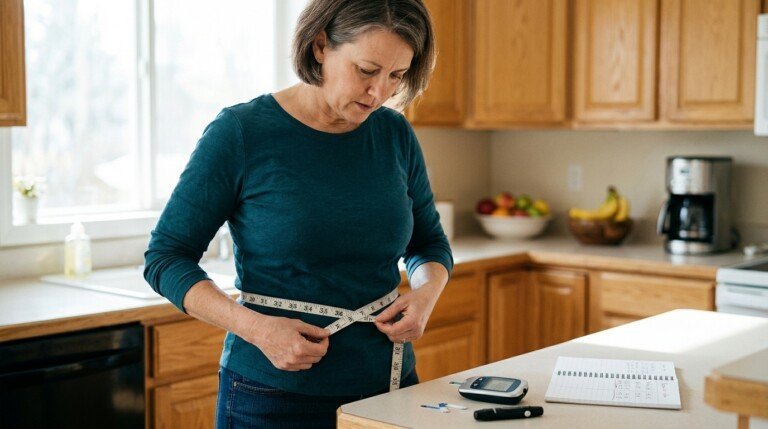
Diabetic belly fat is often more than a cosmetic concern.

For many people living with type 2 diabetes, prediabetes, or insulin resistance, excess fat around the waist can become one of the most frustrating health challenges they face.

The problem isn’t simply appearance.

Abdominal fat is closely connected to metabolic health, blood sugar regulation, insulin sensitivity, and long-term disease risk.

Many people notice a pattern.

As blood sugar control becomes more difficult, weight gain around the midsection often becomes more noticeable.

At the same time, losing that fat may feel harder than expected.

This creates an important question:

Is diabetic belly fat different from ordinary belly fat?

In many ways, the answer is yes.

Understanding why this happens can help explain why some weight-loss approaches work better than others and why improving metabolic health often becomes the foundation of long-term success.


The Hidden Cycle Behind Diabetic Belly Fat

Imagine a cycle that feeds itself.

Blood sugar rises.

The body produces more insulin.

Fat storage becomes easier.

Weight increases.

Physical activity becomes more difficult.

Insulin resistance worsens.

Blood sugar control becomes harder.

The cycle repeats.

This is one reason diabetic belly fat can feel so stubborn.

The issue is not simply eating too much or exercising too little.

Several biological systems are interacting at the same time.

Breaking the cycle usually requires addressing the underlying metabolic factors rather than focusing only on calories.


Why Diabetes Increases Belly Fat

People with diabetes and insulin resistance often experience changes in the way their bodies process and store energy.

These changes can contribute to fat accumulation around the abdomen.

The Role of Insulin

Insulin is a hormone responsible for helping glucose move from the bloodstream into cells.

When the body becomes resistant to insulin, more insulin may be needed to perform the same job.

Over time, elevated insulin levels may influence how energy is stored throughout the body.

Fat Storage Around the Midsection

Researchers have observed that insulin resistance is frequently associated with increased abdominal fat accumulation.

This type of fat often develops around the waist and deep within the abdominal cavity.

Because of its location, it receives significant attention from researchers studying metabolic health.

Energy Imbalance Isn’t the Whole Story

Calories still matter.

However, metabolic health also matters.

Blood sugar regulation, hormone activity, sleep quality, stress levels, and physical activity all influence long-term outcomes.

This is why diabetic belly fat often requires a more comprehensive approach than traditional dieting alone.


Insulin Resistance and Visceral Fat

One of the most important concepts to understand is visceral fat.

Unlike fat located directly beneath the skin, visceral fat surrounds internal organs within the abdominal cavity.

Why Visceral Fat Matters

Higher levels of visceral fat have been associated with:

Because visceral fat is metabolically active, it can influence several important biological processes.

The Relationship Goes Both Ways

Visceral fat may contribute to insulin resistance.

Insulin resistance may contribute to visceral fat accumulation.

This creates a cycle that becomes increasingly difficult to break if left unaddressed.

Measuring Progress

Many people focus exclusively on body weight.

However, waist circumference often provides additional insight into abdominal fat levels and metabolic health improvements.

Small reductions around the waist may represent meaningful progress even when scale changes appear modest.


Foods That Help

No single food eliminates diabetic belly fat.

However, certain dietary patterns may support healthier blood sugar regulation and body composition.

Prioritize Protein

Protein helps support:

  • Fullness
  • Muscle maintenance
  • Recovery

Including adequate protein at meals may help improve dietary consistency and reduce excessive snacking.

Increase Fiber Intake

Fiber-rich foods often digest more slowly and may support healthier blood sugar responses.

Good sources include:

  • Vegetables
  • Beans
  • Lentils
  • Oats
  • Chia seeds

Choose Whole Foods More Often

Highly processed foods frequently contain combinations of sugar, refined carbohydrates, and unhealthy fats that make portion control more difficult.

Replacing these foods with minimally processed options can support overall health.

Focus on Consistency

The most effective eating pattern is usually the one you can maintain.

Extreme approaches often produce short-term results but are difficult to sustain.

For readers interested in how digestive health may influence body composition, our guide to gut health and weight loss explores another important piece of the puzzle.


Exercise Strategies

Exercise plays an important role in improving insulin sensitivity and supporting healthy body composition.

The goal is not perfection.

The goal is consistency.

Walking

Walking remains one of the most underrated forms of exercise.

Regular walking may help:

  • Improve blood sugar control
  • Increase daily calorie expenditure
  • Support cardiovascular health

Strength Training

Building and maintaining muscle helps improve glucose utilization.

Muscle tissue acts as an important site for glucose storage and use.

Aerobic Exercise

Activities such as:

  • Cycling
  • Swimming
  • Jogging
  • Rowing

may support both cardiovascular fitness and calorie expenditure.

Start Where You Are

One common mistake is trying to do too much too quickly.

Sustainable progress usually comes from small improvements repeated consistently over time.


Supplements That May Support Blood Sugar Balance

Supplements should never replace medical treatment.

However, some ingredients are commonly discussed for their potential role in supporting healthy blood sugar regulation.

Examples include:

  • Berberine
  • Magnesium
  • Chromium
  • Alpha-lipoic acid
  • Soluble fiber supplements

The goal is not rapid fat loss.

The goal is supporting metabolic health.

Individuals exploring additional options for abdominal fat management may also benefit from reviewing our guide to the best supplement for belly fat.


When to Talk to Your Doctor

Professional medical guidance becomes especially important when dealing with diabetes, insulin resistance, or unexplained weight changes.

Consider speaking with your doctor if:

  • Blood sugar remains difficult to manage
  • Weight gain continues despite lifestyle changes
  • Symptoms worsen
  • New health concerns develop

Medical professionals can help evaluate:

  • Blood sugar control
  • Medication effects
  • Hormonal factors
  • Nutrient deficiencies
  • Overall metabolic health

Early intervention often produces better long-term outcomes.


What Most People Get Wrong About Diabetic Belly Fat

Many people believe the solution is finding a special diet, supplement, or exercise program.

In reality, diabetic belly fat is often the result of multiple interconnected factors.

These may include:

  • Insulin resistance
  • Blood sugar regulation
  • Physical inactivity
  • Sleep quality
  • Stress levels
  • Nutrition habits

Focusing on only one factor while ignoring the others rarely produces lasting results.

The most successful approach is usually a comprehensive one.


Final Thoughts

Diabetic belly fat can be frustrating because it often reflects deeper metabolic challenges rather than simple weight gain.

Insulin resistance, blood sugar regulation, visceral fat accumulation, and lifestyle habits all play important roles.

The encouraging news is that improvements are possible.

Better nutrition.

Consistent movement.

Improved sleep.

Stress management.

Appropriate medical care.

These factors work together to support healthier metabolic function and long-term body composition changes.

Rather than searching for a quick fix, focus on breaking the cycle that allows diabetic belly fat to persist.

Small improvements repeated consistently often create the most meaningful results over time.


FAQ

1. What is diabetic belly fat?

Diabetic belly fat refers to excess abdominal fat commonly associated with insulin resistance, type 2 diabetes, and metabolic dysfunction. It is often linked to increased visceral fat around internal organs.

2. Why does diabetes cause belly fat?

Diabetes and insulin resistance can affect how the body stores and uses energy. Over time, these changes may contribute to increased abdominal fat accumulation.

3. Can losing belly fat improve blood sugar levels?

In many cases, reducing excess abdominal fat may help improve insulin sensitivity and support better blood sugar management when combined with healthy lifestyle habits.

4. What foods help reduce diabetic belly fat?

Foods rich in protein, fiber, vegetables, legumes, and minimally processed carbohydrates may support blood sugar balance and healthy weight management.

5. What is the best exercise for diabetic belly fat?

A combination of walking, strength training, and aerobic exercise is often recommended because it supports insulin sensitivity, calorie expenditure, and overall metabolic health.

6. Are supplements helpful for diabetic belly fat?

Some supplements may support blood sugar balance and metabolic health. However, they should complement, not replace, medical care and healthy lifestyle habits.

7. When should I talk to my doctor about belly fat and diabetes?

You should speak with your healthcare provider if blood sugar remains difficult to manage, symptoms worsen, or weight changes continue despite lifestyle improvements.


Disclaimer:

This post may contain affiliate links. If you purchase through them, we may earn a small commission at no extra cost to you. Also, this content is for informational purposes only and does not substitute professional medical advice.

Does Cortisol Cause Belly Fat? Signs, Causes, and Solutions

Cortisol belly fat is one of those health topics that seems to be everywhere.

You may have seen social media posts claiming that stress is secretly causing weight gain around your midsection.

Perhaps you’ve heard someone talk about having a “cortisol belly.”

Or maybe you’ve noticed that during particularly stressful periods of life, your eating habits, energy levels, and waistline all seem to change at the same time.

The idea sounds believable.

Life becomes stressful.

Sleep suffers.

Cravings increase.

Weight appears around the abdomen.

But is cortisol really responsible?

The answer is more nuanced than many headlines suggest.

Cortisol is a real hormone with important functions throughout the body. Chronic stress can influence behaviors and biological processes that affect body composition. However, cortisol is not a magical switch that suddenly creates belly fat overnight.

Understanding what cortisol actually does can help separate fact from fiction and provide a clearer picture of how stress may influence weight gain over time.


A Typical Day in a High-Stress Life

Imagine someone waking up after only five hours of sleep.

They rush through the morning.

Skip breakfast.

Spend the day responding to emails, solving problems, and dealing with deadlines.

Lunch happens at a desk.

Exercise gets postponed.

By evening, exhaustion sets in.

The easiest dinner option wins.

Snacking becomes more tempting.

Sleep is delayed again.

This cycle repeats day after day.

Many people assume the resulting weight gain is caused entirely by cortisol.

In reality, several factors are working together:

  • Poor sleep
  • Reduced physical activity
  • Emotional eating
  • Increased calorie intake
  • Chronic stress

Cortisol often sits at the center of this chain, influencing many of these behaviors simultaneously.


What Is Cortisol?

Cortisol is a hormone produced by the adrenal glands.

It is often called the stress hormone because the body releases more cortisol during stressful situations.

However, cortisol is not inherently bad.

In fact, it is essential for survival.

Cortisol helps regulate:

  • Blood sugar levels
  • Energy production
  • Immune responses
  • Inflammation
  • Blood pressure
  • Sleep-wake cycles

Without cortisol, the body would struggle to respond to everyday challenges.

Why Cortisol Exists

Thousands of years ago, cortisol helped humans survive dangerous situations.

When a threat appeared, cortisol helped mobilize energy so the body could react quickly.

This response was useful when escaping predators or facing physical danger.

The problem is that modern stress rarely looks like that.

Today’s threats are often:

  • Financial pressure
  • Work demands
  • Relationship challenges
  • Information overload
  • Constant connectivity

The body may respond to these pressures using the same hormonal systems that evolved for short-term survival.


How Cortisol Affects Fat Storage

Researchers have spent years studying the relationship between cortisol and body composition.

The connection appears to be indirect rather than simple.

Cortisol and Energy Availability

When cortisol levels rise, the body prepares for increased energy demands.

Part of this response involves influencing how energy is stored and utilized.

Over time, chronic elevation of cortisol may contribute to metabolic changes that affect body weight.

Cortisol and Food Choices

Stress affects decision-making.

Many people notice stronger cravings during stressful periods.

Foods commonly chosen during stress often include:

  • Sweets
  • Processed snacks
  • Fast food
  • Comfort foods

These foods tend to be calorie-dense and highly palatable.

The combination of stress and increased calorie intake may contribute to weight gain over time.

Cortisol and Physical Activity

Chronic stress can also reduce motivation and energy.

When people feel exhausted, they often become less physically active.

Lower activity levels combined with higher calorie intake create conditions that support fat accumulation.

Cortisol and Sleep

One of the most important links between cortisol and weight gain involves sleep.

Poor sleep may affect:

  • Hunger signals
  • Food cravings
  • Energy levels
  • Recovery

People who sleep poorly often find it harder to maintain healthy habits consistently.


Signs of High Cortisol

High cortisol is not always obvious.

Many symptoms overlap with other health concerns.

However, several common signs are frequently associated with chronic stress and elevated cortisol levels.

Persistent Fatigue

Feeling tired despite getting adequate rest may indicate that stress is affecting recovery.

Difficulty Sleeping

Some individuals struggle to fall asleep.

Others wake frequently during the night.

Sleep disruption is commonly linked to chronic stress.

Increased Cravings

Stress-related cravings often involve highly processed foods rich in sugar, salt, or fat.

Mood Changes

People experiencing chronic stress may notice:

  • Irritability
  • Anxiety
  • Difficulty concentrating
  • Reduced motivation

Weight Gain Around the Midsection

Although many factors contribute to abdominal weight gain, persistent stress is often part of the picture.

It’s important to remember that these symptoms do not automatically mean cortisol levels are elevated.

Professional medical evaluation is necessary for accurate diagnosis.


Can Stress Cause Belly Fat?

This is where the discussion becomes most interesting.

Strictly speaking, stress does not directly create belly fat.

What stress often does is influence behaviors and biological processes associated with weight gain.

Stress Changes Behavior

When stress becomes chronic, healthy habits frequently suffer.

People may:

  • Exercise less
  • Sleep less
  • Eat more
  • Drink more alcohol
  • Skip meal planning

These changes can gradually affect body composition.

Stress Changes Appetite

Many individuals experience stronger cravings during stressful periods.

Emotional eating becomes more common.

Food may temporarily provide comfort or distraction.

Over time, increased calorie intake can contribute to weight gain.

Stress Changes Recovery

Recovery influences overall health and physical performance.

When stress remains high for extended periods, recovery may become less effective.

This can affect energy, exercise consistency, and lifestyle choices.

For a deeper look at how chronic stress influences body composition and long-term health, our guide on stress and weight loss explores the relationship in greater detail.


Ways to Lower Cortisol Naturally

The goal is not eliminating cortisol.

The goal is supporting healthy cortisol regulation.

Improve Sleep Quality

Sleep remains one of the most powerful tools available.

Focus on:

  • Consistent sleep schedules
  • Limiting screens before bed
  • Creating a relaxing sleep environment

Regular Physical Activity

Exercise helps many people manage stress more effectively.

Walking, strength training, cycling, and other activities may support both mental and physical health.

Manage Daily Stressors

Simple practices may help reduce stress levels, including:

  • Meditation
  • Deep breathing
  • Journaling
  • Spending time outdoors
  • Social connection

Prioritize Recovery

Many people focus heavily on productivity while neglecting recovery.

Rest is not laziness.

It is a necessary part of health.

Maintain Balanced Nutrition

Consistent, balanced meals help support energy levels and overall wellness.

Extreme diets often increase stress rather than reduce it.


Supplements That May Support Stress Management

No supplement can eliminate stress.

However, some ingredients are commonly used to support stress management and relaxation.

Examples include:

  • Magnesium
  • Ashwagandha
  • L-theanine
  • Rhodiola rosea

The goal of these supplements is not direct fat loss.

Instead, they may help support the body’s response to stress.

Individuals interested in broader approaches to abdominal fat management may also explore our guide to the best supplement for belly fat.


The Bigger Picture

The phrase “cortisol belly fat” has become popular because it contains a grain of truth.

Stress does influence health.

Cortisol does affect important biological systems.

But abdominal weight gain rarely comes from a single cause.

Most often, belly fat develops through a combination of:

  • Lifestyle habits
  • Nutrition
  • Physical activity
  • Sleep quality
  • Stress levels
  • Age-related changes

Focusing only on cortisol risks overlooking the bigger picture.

The most effective strategy is improving the habits that support overall health rather than searching for a single hormone to blame.


Final Thoughts

Cortisol is not the villain many articles make it out to be.

It is an essential hormone that helps the body respond to challenges and maintain normal function.

Problems typically arise when stress becomes chronic and begins affecting sleep, eating habits, activity levels, and recovery.

Over time, these changes may contribute to weight gain, including fat stored around the abdomen.

Understanding this connection can help shift the focus away from quick fixes and toward sustainable lifestyle improvements.

The goal isn’t simply lowering cortisol.

The goal is building a healthier, less stressful environment that supports both physical and mental well-being over the long term.


FAQ

1. What is cortisol belly fat?

Cortisol belly fat refers to abdominal weight gain that may be associated with chronic stress and elevated cortisol levels. While cortisol does not directly create belly fat, it can influence behaviors and biological processes linked to weight gain.

2. Can high cortisol cause belly fat?

High cortisol alone does not directly cause belly fat. However, chronic stress may contribute to increased cravings, emotional eating, poor sleep, and reduced physical activity, which can lead to abdominal weight gain over time.

3. What are the signs of high cortisol?

Common signs may include fatigue, sleep problems, increased cravings, mood changes, difficulty concentrating, and weight gain around the midsection.

4. How can I lower cortisol naturally?

Healthy sleep habits, regular exercise, stress management techniques, balanced nutrition, and adequate recovery may help support healthy cortisol regulation.

5. Does stress cause weight gain?

Stress can influence eating habits, sleep quality, and physical activity levels. These factors may contribute to gradual weight gain if they persist over time.

6. Can reducing stress help with belly fat?

Reducing stress may support healthier lifestyle habits and improve sleep quality, which can indirectly help with long-term weight management.

7. Are there supplements that lower cortisol?

Some supplements such as magnesium, ashwagandha, L-theanine, and rhodiola are commonly used to support stress management. However, they are not direct treatments for belly fat.


Disclaimer:

This post may contain affiliate links. If you purchase through them, we may earn a small commission at no extra cost to you. Also, this content is for informational purposes only and does not substitute professional medical advice.

Do Drinks That Burn Belly Fat Really Work?

Drinks that burn belly fat are everywhere.

Scroll through social media for a few minutes and you’ll probably see someone promoting a morning drink that supposedly melts abdominal fat, detoxifies the body, boosts metabolism, and transforms your waistline in a matter of weeks.

Some people swear by green tea.

Others insist black coffee is the answer.

Apple cider vinegar has developed an almost legendary reputation in weight loss circles.

Then there are protein shakes, lemon water, detox drinks, fat-burning smoothies, and countless homemade recipes claiming to target stubborn belly fat.

The problem?

Most of these claims are either exaggerated or completely misunderstood.

That’s not to say beverages are useless.

Certain drinks may support habits and biological processes that contribute to weight management.

But the way they help is often very different from the way they’re advertised.

Before filling your kitchen with expensive powders and trendy ingredients, it’s worth understanding what these drinks can realistically do and what they can’t.


The Belly Fat Drink Test

Whenever a new “fat-burning” drink appears online, ask a simple question:

How exactly is this drink supposed to work?

Most beverages fall into one of four categories:

Category 1: Drinks That Replace High-Calorie Choices

Sometimes the biggest benefit comes from what you’re not drinking.

Replacing sugary sodas, milkshakes, energy drinks, or sweet coffee beverages with lower-calorie options can significantly reduce daily calorie intake.

The drink isn’t burning fat.

It’s helping eliminate excess calories.

Category 2: Drinks That Support Hydration

Many people mistake thirst for hunger.

Staying hydrated may help support appetite regulation and overall health.

Again, the drink isn’t directly burning belly fat.

It’s supporting healthier behaviors.

Category 3: Drinks That Support Metabolism

Certain beverages contain compounds that may slightly increase calorie expenditure.

The effect exists.

The size of the effect is usually much smaller than marketing suggests.

Category 4: Drinks That Increase Fullness

Some drinks help people stay satisfied longer.

This may reduce snacking and unnecessary calorie consumption throughout the day.

Once you understand these categories, evaluating new weight-loss drink claims becomes much easier.


Can Drinks Help Burn Belly Fat?

The honest answer is:

Sometimes.

But not directly.

No drink can selectively target belly fat.

Your body decides where fat is stored and where it is lost based on genetics, hormones, age, activity levels, and overall energy balance.

However, certain beverages may support:

  • Better hydration
  • Improved satiety
  • Higher energy expenditure
  • Reduced calorie intake
  • Healthier lifestyle habits

Over time, those factors may contribute to overall fat loss, including fat stored around the abdomen.

The key word is support.

A drink can assist your efforts.

It cannot replace them.


Green Tea for Belly Fat

Green tea is one of the most studied beverages in the weight-loss world.

Its popularity comes largely from compounds known as catechins, particularly EGCG.

Researchers have explored how these compounds may influence:

  • Energy expenditure
  • Fat oxidation
  • Metabolic activity

Green tea also contains a moderate amount of caffeine, which may further contribute to its effects.

What Makes Green Tea Different?

Unlike many trendy weight-loss drinks, green tea actually has a meaningful body of research behind it.

The results are not dramatic.

But they are more credible than many online claims.

What Green Tea Won’t Do

Green tea will not:

  • Melt belly fat overnight
  • Replace exercise
  • Eliminate the need for a healthy diet

Think of it as a supportive habit rather than a miracle solution.

For readers interested in ingredients that may support thermogenesis, our guide to natural fat burners explores the research in greater detail.


Coffee and Belly Fat

Coffee has developed a mixed reputation in health discussions.

Some people view it as unhealthy.

Others consider it a powerful performance tool.

The truth often depends on how it’s consumed.

Black Coffee vs Fancy Coffee Drinks

Black coffee contains very few calories.

Many specialty coffee drinks contain hundreds.

The difference matters.

A plain cup of coffee and a large flavored coffee beverage are essentially different nutritional products.

Coffee and Metabolism

Coffee contains caffeine, one of the most researched compounds in the world.

Caffeine may temporarily support:

  • Alertness
  • Exercise performance
  • Energy expenditure

Many people find they exercise more effectively after consuming caffeine.

That indirect benefit may be more important than any direct metabolic effect.

The Hidden Problem

Adding large amounts of:

  • Sugar
  • Syrups
  • Creamers
  • Whipped toppings

can quickly transform coffee into a high-calorie dessert.

At that point, any potential benefits may disappear.


Protein Shakes and Satiety

Protein shakes are often misunderstood.

They are not fat-burning drinks.

They are fullness-supporting drinks.

That’s an important distinction.

Why Protein Matters

Protein is generally more satisfying than carbohydrates or fats.

Many people feel full longer after consuming protein-rich meals.

How Protein Shakes Help

A protein shake may support weight management by:

  • Increasing satiety
  • Supporting muscle maintenance
  • Reducing unnecessary snacking
  • Helping control overall calorie intake

The shake isn’t directly attacking belly fat.

Instead, it may help create eating patterns that support fat loss over time.

Meal Replacement vs Meal Addition

One common mistake is adding protein shakes to an already high-calorie diet.

Protein shakes work best when they replace less nutritious options rather than simply increasing total calorie intake.


Apple Cider Vinegar Facts

Few weight-loss drinks have generated as much attention as apple cider vinegar.

Supporters often claim it can:

  • Burn belly fat
  • Detox the body
  • Speed up metabolism
  • Suppress appetite

While some of these claims contain a small amount of truth, many have been exaggerated far beyond what research currently supports.

Why Apple Cider Vinegar Became Popular

Apple cider vinegar contains acetic acid, a compound researchers have studied for its potential influence on metabolism and appetite.

Some studies have suggested modest benefits related to:

  • Fullness after meals
  • Blood sugar response
  • Calorie intake

However, the effects are generally small.

What Research Actually Suggests

The most realistic interpretation of the evidence is that apple cider vinegar may support healthy eating habits in some individuals.

It is not a fat-burning miracle.

It does not selectively target abdominal fat.

And it certainly doesn’t replace proper nutrition and exercise.

Important Considerations

Drinking large amounts of apple cider vinegar may cause:

  • Digestive discomfort
  • Tooth enamel erosion
  • Throat irritation

If used, moderation is important.

Many people dilute a small amount in water rather than consuming it directly.


Drinks That Are Overhyped

The weight-loss industry has a long history of turning ordinary beverages into miracle solutions.

Unfortunately, many popular drinks fail to deliver on their promises.

Detox Drinks

The word “detox” is one of the most overused terms in health marketing.

Your body already contains a highly sophisticated detoxification system.

Your liver and kidneys perform this function every day.

No special beverage suddenly unlocks a hidden detox process.

Fat-Melting Lemon Drinks

Lemon water can be refreshing.

It can help with hydration.

But there is no scientific evidence showing that lemon water melts belly fat.

Its primary benefit is simply encouraging people to drink more water.

Extreme Cleanses

Juice cleanses and liquid detox programs often create temporary weight loss.

Much of this change comes from:

  • Water loss
  • Reduced food intake
  • Lower carbohydrate consumption

Once normal eating resumes, weight often returns.

Exotic Fat-Burning Teas

Many products marketed as fat-burning teas rely heavily on marketing rather than evidence.

Some contain stimulants that may temporarily affect body weight through water loss rather than actual fat reduction.

This is one reason it’s important to evaluate claims carefully before spending money on expensive products.


What Actually Matters More Than Fat-Burning Drinks

This is the part many advertisements ignore.

Even the most promising beverage contributes only a small piece of the overall picture.

Several lifestyle factors have a much larger impact on belly fat than any drink ever will.

Overall Diet Quality

The foods you eat throughout the day matter more than any individual beverage.

Consistently consuming:

  • Lean protein
  • Fruits
  • Vegetables
  • Whole grains
  • Fiber-rich foods

will have a greater impact than searching for a miracle drink.

Physical Activity

Exercise remains one of the most effective tools available for improving body composition.

Both resistance training and cardiovascular exercise support long-term fat loss goals.

Sleep Quality

Poor sleep is frequently associated with:

  • Increased hunger
  • Stronger cravings
  • Reduced energy
  • Difficulty maintaining healthy habits

No beverage can compensate for chronic sleep deprivation.

Consistency

The people who achieve lasting results usually do not rely on shortcuts.

They build sustainable habits and follow them consistently.

A healthy beverage may support those habits.

It cannot replace them.

For individuals exploring broader strategies beyond beverages alone, our guide to the best supplement for belly fat examines additional options commonly discussed for abdominal fat support.


The Best Belly Fat Drink Isn’t What Most People Expect

If there is one lesson from all the research, it’s this:

The most effective beverage is often the simplest one.

Water.

Not because it burns fat.

Not because it boosts metabolism dramatically.

But because proper hydration supports overall health, exercise performance, digestion, and healthy lifestyle habits.

Many people looking for a miracle drink overlook the basics.

Meanwhile, the fundamentals continue to deliver the greatest results.


Frequently Asked Questions

1. Do drinks that burn belly fat really work?

Some beverages may support metabolism, hydration, or satiety, but no drink directly targets belly fat. Their effects are generally modest and work best alongside healthy lifestyle habits.

2. Is green tea good for belly fat?

Green tea contains compounds that may support metabolism and fat oxidation. While its effects are usually small, it remains one of the most researched beverages associated with weight management.

3. Does coffee help burn belly fat?

Black coffee contains caffeine, which may temporarily increase energy expenditure and improve exercise performance. However, adding sugar and high-calorie ingredients can offset potential benefits.

4. Are protein shakes good for weight loss?

Protein shakes may help increase fullness and reduce snacking, making it easier to manage calorie intake. Their value comes primarily from satiety rather than direct fat burning.

5. Does apple cider vinegar reduce belly fat?

Research suggests apple cider vinegar may provide modest benefits related to appetite and blood sugar control, but it does not directly remove abdominal fat.

6. What drink burns the most belly fat?

No beverage specifically burns belly fat. Green tea and black coffee have the strongest research support for metabolic benefits, but their effects remain relatively modest.

7. Are detox drinks worth trying?

Most detox drinks are heavily marketed and lack strong scientific support. The body already has natural detoxification systems through the liver and kidneys.


Final Thoughts

The idea of drinking away belly fat is appealing.

Unfortunately, the reality is rarely that simple.

Most beverages marketed as fat-burning solutions deliver far less than their advertisements promise.

However, that doesn’t mean every drink is useless.

Green tea, black coffee, protein shakes, and even apple cider vinegar may provide modest support when used appropriately as part of a healthy lifestyle.

The important word is support.

These beverages can help create conditions that favor healthier habits, improved satiety, better hydration, and increased activity.

But they cannot do the work for you.

When it comes to belly fat reduction, consistent nutrition, regular exercise, quality sleep, and sustainable habits will always matter more than any drink sitting in your cup.


Disclaimer:

This post may contain affiliate links. If you purchase through them, we may earn a small commission at no extra cost to you. Also, this content is for informational purposes only and does not substitute professional medical advice.

What Is the Best Vitamin for Belly Fat Reduction?

Vitamins for belly fat have become a popular topic among people searching for natural ways to support weight loss and improve their health. Many people spend months trying different diets, workout programs, and supplements, only to find that belly fat remains stubbornly resistant.

It’s easy to understand why.

Abdominal fat is often the last place where noticeable changes occur. Even when the scale moves in the right direction, the waistline may seem slow to respond.

This leads many people to ask an important question:

Could a vitamin deficiency be making belly fat harder to lose?

The answer is more complicated than most headlines suggest.

No vitamin directly burns belly fat.

There is no nutrient capable of targeting abdominal fat while leaving the rest of the body untouched.

However, vitamins and minerals play essential roles in the systems that influence metabolism, energy production, blood sugar regulation, sleep quality, recovery, and overall body composition.

When deficiencies develop, these systems may not function as efficiently as they should.

Over time, that can make maintaining a healthy weight more challenging.

Understanding which nutrients are involved and how they support metabolic health can help you make more informed decisions about your nutrition and overall wellness strategy.


How Vitamins for Belly Fat May Support Weight Management?

The human body depends on vitamins and minerals to perform thousands of biochemical processes every day.

These nutrients help regulate:

  • Energy production
  • Hormone activity
  • Muscle function
  • Nervous system communication
  • Blood sugar balance
  • Sleep and recovery

When nutrient levels become too low, the body often adapts by prioritizing essential survival functions.

While this adaptation helps keep you alive, it may also contribute to lower energy levels, reduced physical activity, poor recovery, and less efficient metabolic function.

Researchers have observed associations between certain nutrient deficiencies and:

  • Increased waist circumference
  • Higher body fat percentages
  • Reduced insulin sensitivity
  • Greater fatigue
  • Poor sleep quality

It’s important to understand the difference between association and causation.

A vitamin deficiency does not automatically cause belly fat.

However, a deficiency may create conditions that make healthy weight management more difficult.

This is why correcting nutritional gaps can sometimes support overall health and body composition goals.


Why Nutrients Matter More Than Many People Realize

Most discussions about weight loss focus on calories.

Calories certainly matter.

But calories are only one piece of the equation.

Your body must also efficiently process food, regulate hormones, produce energy, recover from exercise, and maintain healthy metabolic function.

These processes depend heavily on nutrient availability.

Imagine trying to build a house without enough tools.

The work can still be completed, but progress becomes slower and more difficult.

The same principle applies to the human body.

Without adequate vitamins and minerals, many systems simply cannot perform at their best.

This is one reason nutrient status has become an increasingly important topic within modern health research.


Vitamin D and Belly Fat

Vitamin D is one of the most commonly discussed nutrients in weight management conversations.

Often called the sunshine vitamin, it is produced when the skin is exposed to sunlight.

Unfortunately, vitamin D deficiency has become extremely common.

Many people spend most of their day indoors.

Others live in regions where sunlight exposure is limited during parts of the year.

As a result, vitamin D levels can gradually decline.

Why Vitamin D Matters

Vitamin D influences several important functions within the body.

These include:

  • Immune regulation
  • Bone health
  • Muscle function
  • Hormonal activity
  • Metabolic processes

Researchers have repeatedly observed that individuals carrying excess abdominal fat often have lower vitamin D levels compared to those with healthier body compositions.

This does not prove that low vitamin D causes belly fat.

However, the relationship is significant enough that researchers continue to investigate it.

Vitamin D and Metabolic Health

Some studies suggest that adequate vitamin D levels may support healthier metabolic function.

Healthy metabolism influences how efficiently the body uses energy and regulates body weight.

When vitamin D levels are low, these processes may not operate as effectively as they should.

Who Is Most Likely to Be Deficient?

Vitamin D deficiency is more common among:

  • Older adults
  • Individuals with limited sun exposure
  • People with darker skin tones
  • Individuals carrying excess body weight
  • Those who spend most of the day indoors

Natural Sources of Vitamin D

Food sources include:

  • Salmon
  • Sardines
  • Egg yolks
  • Fortified dairy products
  • Fortified cereals

Regular sunlight exposure may also help support healthy vitamin D levels when appropriate and safe.


Magnesium and Belly Fat

Magnesium may be one of the most underrated nutrients involved in overall health.

This essential mineral participates in hundreds of biochemical reactions throughout the body.

Despite its importance, many adults fail to consume enough magnesium on a regular basis.

Why Magnesium Is Important

Magnesium helps support:

  • Energy production
  • Muscle function
  • Sleep quality
  • Blood sugar regulation
  • Nervous system balance

Each of these areas may indirectly influence body composition and weight management.

Magnesium and Sleep Quality

Sleep is often overlooked during weight loss discussions.

Yet poor sleep has been associated with:

  • Increased hunger
  • Stronger cravings
  • Reduced energy levels
  • Higher calorie intake

Magnesium plays a role in relaxation and may support healthy sleep patterns.

Better sleep can make healthy eating habits easier to maintain over time.

Magnesium and Stress

Chronic stress can affect eating behaviors and lifestyle choices.

Many people eat differently when stressed.

They may consume more convenience foods, snack more frequently, or struggle with portion control.

Magnesium helps support healthy nervous system function and stress management.

Magnesium and Blood Sugar

Researchers have also explored magnesium’s role in glucose metabolism and insulin sensitivity.

Healthy blood sugar regulation may contribute to more stable energy levels and fewer extreme hunger fluctuations.

For readers interested in a deeper examination of this topic, our guide on magnesium for weight loss explores the research in greater detail.

Natural Sources of Magnesium

Excellent food sources include:

  • Pumpkin seeds
  • Almonds
  • Cashews
  • Spinach
  • Black beans
  • Dark chocolate

B Vitamins and Weight Management

The B-vitamin family is often referred to as the body’s energy support system.

These vitamins help convert food into usable energy.

Without adequate levels, the body may struggle to efficiently process nutrients.

Key B Vitamins

Important members of the B-vitamin family include:

  • Vitamin B1 (Thiamine)
  • Vitamin B2 (Riboflavin)
  • Vitamin B3 (Niacin)
  • Vitamin B6
  • Vitamin B12
  • Folate

Each performs unique functions, but together they support energy metabolism.

B Vitamins and Energy Production

When people experience persistent fatigue, they often become less physically active.

Lower activity levels can make maintaining a healthy body composition more challenging.

Because B vitamins help support energy production, adequate intake remains important for overall wellness.

Vitamin B12 and Weight Management

Vitamin B12 receives particular attention because deficiency can contribute to fatigue and low energy levels.

People following vegetarian or vegan diets may be at increased risk because B12 is found primarily in animal products.

Folate and Metabolic Health

Folate supports cellular function and DNA synthesis.

Like other B vitamins, it contributes to overall metabolic processes rather than directly targeting fat loss.

Food Sources of B Vitamins

Good sources include:

  • Lean meats
  • Eggs
  • Fish
  • Dairy products
  • Legumes
  • Whole grains
  • Leafy green vegetables

Zinc and Metabolism

Zinc is another nutrient that often receives less attention than it deserves.

Although only small amounts are required, zinc supports numerous biological functions.

Roles of Zinc

Zinc contributes to:

  • Immune health
  • Cellular repair
  • Hormone production
  • Metabolic regulation

These functions help support overall health and wellness.

Zinc and Body Composition

Researchers continue studying the relationship between zinc status and metabolic health.

While zinc should not be viewed as a belly fat solution, maintaining adequate levels may help support healthy bodily function.

Food Sources of Zinc

Foods rich in zinc include:

  • Oysters
  • Beef
  • Pumpkin seeds
  • Chickpeas
  • Lentils
  • Cashews

Can Taking More Vitamins Speed Up Fat Loss?

One of the biggest misconceptions in the nutrition world is the belief that if a little is good, more must be better.

This is rarely true.

Vitamins help correct deficiencies.

They do not override biology.

Taking excessive amounts of vitamins does not automatically lead to greater fat loss.

In some cases, excessive supplementation may even create health concerns.

The goal should always be achieving adequate nutrient intake rather than chasing megadoses.

Healthy nutrition focuses on balance, not extremes.


How to Get These Nutrients Naturally

Whole foods remain the best foundation for nutritional health.

A balanced eating pattern provides vitamins, minerals, fiber, antioxidants, and countless beneficial compounds working together.

Focus on including:

  • Vegetables
  • Fruits
  • Lean proteins
  • Whole grains
  • Nuts and seeds
  • Legumes

These foods help provide the nutrients discussed throughout this article while supporting overall health.

Although supplements can be useful in certain situations, they should not replace a nutrient-rich diet.

For those exploring additional strategies beyond vitamins alone, our guide to the best supplement for belly fat discusses other ingredients commonly associated with abdominal fat support.


Final Thoughts

There is no single vitamin responsible for belly fat reduction.

No nutrient can selectively target abdominal fat and make it disappear.

However, vitamins play critical roles in the systems that influence metabolism, energy production, sleep quality, blood sugar regulation, recovery, and overall health.

Vitamin D, magnesium, B vitamins, and zinc are among the most important nutrients commonly discussed in relation to weight management.

If deficiencies exist, correcting them may help remove obstacles that make healthy fat loss more difficult.

The most effective approach is not searching for a miracle vitamin.

It is creating an environment where your body has everything it needs to function at its best through proper nutrition, healthy habits, regular activity, and long-term consistency.


FAQ

1. What is the best vitamin for belly fat?

There is no single best vitamin for belly fat. However, vitamin D, magnesium, B vitamins, and zinc are commonly studied because they support metabolism, energy production, blood sugar regulation, and overall health.

2. Can vitamin deficiencies make belly fat harder to lose?

Potentially. Nutrient deficiencies may affect energy levels, sleep quality, metabolic health, and physical activity, all of which can influence weight management and body composition.

3. Does vitamin D help reduce belly fat?

Vitamin D does not directly burn belly fat. However, maintaining healthy vitamin D levels may support metabolic health and overall wellness, which can contribute to long-term weight management.

4. Is magnesium good for weight loss?

Magnesium supports several processes related to weight management, including sleep quality, stress regulation, and blood sugar balance. These factors may indirectly support healthy fat loss efforts.

5. Should I take vitamin supplements to lose belly fat?

Supplements may help if you have a nutrient deficiency, but they should not replace a balanced diet, regular exercise, and healthy lifestyle habits. It’s best to focus on meeting nutrient needs through food whenever possible.

6. What foods naturally provide these vitamins and minerals?

Foods such as fatty fish, eggs, leafy greens, legumes, nuts, seeds, whole grains, and lean proteins provide many of the nutrients discussed in this article.

7. Can taking more vitamins speed up fat loss?

No. Taking excessive amounts of vitamins does not increase fat loss and may even cause health problems. The goal is adequate intake, not megadosing.


Disclaimer:

This post may contain affiliate links. If you purchase through them, we may earn a small commission at no extra cost to you. Also, this content is for informational purposes only and does not substitute professional medical advice.

What Is the Best Supplement for Belly Fat? Top Options Reviewed

Best supplement for belly fat is one of the most searched topics among people trying to reduce their waistline and improve their overall health.

The interest is understandable.

Belly fat tends to be more stubborn than many people expect. Even after losing weight, some individuals notice that excess fat around the abdomen seems to linger longer than fat in other areas.

This often leads people to search for supplements that specifically target belly fat.

Unfortunately, marketing claims can create unrealistic expectations.

No supplement can magically melt fat from a single area of the body.

The body decides where fat is stored and where it is lost based on factors such as genetics, hormones, age, activity levels, and overall energy balance.

However, some supplements may support the processes involved in reducing abdominal fat, improving metabolic health, and lowering visceral fat levels when combined with healthy lifestyle habits.

If you’re looking for a broader comparison of supplement options, you may also want to explore our guide to the best weight loss supplements. In this article, we’ll focus specifically on ingredients commonly associated with belly fat support.


Quick Answer: What Is the Best Supplement for Belly Fat?

Several supplements consistently appear in discussions about abdominal fat support:

  1. Berberine
  2. Probiotics
  3. Glucomannan
  4. Green Tea Extract
  5. Magnesium
  6. Fiber Supplements
  7. Omega-3 Fatty Acids

Each works differently.

Some support metabolic health.

Some improve gut health.

Others may help address factors associated with visceral fat accumulation.

The best choice often depends on the underlying reason excess belly fat developed in the first place.


Why Belly Fat Is Different From Other Fat

Not all body fat is the same.

This is one reason belly fat receives so much attention from both researchers and healthcare professionals.

Subcutaneous Fat

Subcutaneous fat is the fat located directly beneath the skin.

This is the type of fat you can pinch with your fingers.

Although excessive amounts may be undesirable, subcutaneous fat is generally considered less concerning than visceral fat.

Visceral Fat

Visceral fat is stored deeper within the abdominal cavity.

It surrounds internal organs such as the liver, pancreas, and intestines.

Higher levels of visceral fat have been associated with:

This is why reducing waist circumference often becomes an important health goal.

Belly Fat Is Influenced by Multiple Factors

Several factors may contribute to abdominal fat accumulation:

  • Age
  • Hormonal changes
  • Physical inactivity
  • Chronic stress
  • Poor dietary habits
  • Sleep deprivation

Because so many factors influence belly fat, supplements work best when combined with broader lifestyle improvements.


How Supplements May Support Belly Fat Loss

Supplements do not directly target abdominal fat.

Instead, they may support physiological processes associated with healthier body composition.

Supporting Metabolic Health

Certain ingredients may help support insulin sensitivity and overall metabolic function.

Improved metabolic health can make it easier to maintain healthy body weight over time.

Reducing Inflammation

Chronic low-grade inflammation has been linked to abdominal fat accumulation.

Some supplements contain compounds that may help support a healthier inflammatory response.

Improving Gut Health

Researchers continue to explore the relationship between the gut microbiome and body composition.

This is one reason probiotics have become increasingly popular.

People interested in this connection may also benefit from learning more about gut health and weight loss.

Supporting Satiety and Healthy Eating Habits

Some supplements help people feel fuller for longer periods.

This may indirectly support reduced calorie intake and healthier eating patterns.


Best Supplement for Belly Fat Overall

When discussing belly fat support, one ingredient appears repeatedly in both scientific discussions and consumer interest.

Berberine

Berberine is a plant-derived compound that has gained significant attention for its potential role in metabolic health.

Researchers have studied berberine for its relationship with:

  • Insulin sensitivity
  • Blood sugar regulation
  • Metabolic function
  • Weight management

Why it stands out:

  • Supports metabolic health
  • Frequently discussed in visceral fat research
  • May help address factors linked to abdominal fat accumulation

While berberine is not a magic solution, it remains one of the most frequently recommended supplements for people concerned about belly fat and metabolic wellness.


Best Supplement for Visceral Fat

Visceral fat is the type of fat most strongly associated with health concerns.

Several supplements are commonly discussed in relation to visceral fat reduction.

Berberine

Because of its connection to metabolic health, berberine often appears near the top of visceral fat discussions.

Probiotics

Emerging research suggests that gut health may influence body composition and fat storage patterns.

Potential benefits include:

  • Improved digestive health
  • Better microbiome balance
  • Support for metabolic function

Green Tea Extract

Green tea extract contains compounds that may support calorie expenditure and overall body composition improvements when combined with healthy habits.

The goal is not to find a supplement that directly targets one area of the body.

The goal is to support the biological systems associated with healthier fat distribution and improved metabolic function.


Best Supplement for Women

Women often experience unique challenges when it comes to belly fat.

Hormonal changes throughout life can influence where fat is stored and how easily it is lost.

Factors such as pregnancy, perimenopause, menopause, and age-related metabolic changes can all affect abdominal fat accumulation.

Several supplements are commonly discussed for women seeking belly fat support.

Probiotics

Many women choose probiotics because of their potential connection to gut health and digestive wellness.

Potential benefits include:

  • Improved digestive balance
  • Support for healthy metabolism
  • Gut microbiome support

Magnesium

Magnesium plays a role in hundreds of biological processes within the body.

Potential benefits include:

  • Stress management support
  • Better sleep quality
  • Metabolic support

For women exploring nutrient-based approaches, our guide to vitamins for belly fat provides a closer look at nutrients associated with abdominal fat management.

Fiber Supplements

Increasing fiber intake may support fullness and help maintain healthy eating habits.

Because many people consume less fiber than recommended, supplementation can sometimes help bridge the gap.


Best Supplement for Men

Men tend to accumulate abdominal fat more readily than many women, particularly around the midsection.

This often results in increased concern about waist circumference and visceral fat levels.

Several supplements are frequently discussed in relation to men’s health and belly fat support.

Berberine

Berberine remains one of the most popular options due to its relationship with metabolic health.

Green Tea Extract

Green tea extract may support calorie expenditure and overall body composition goals when combined with healthy lifestyle habits.

Omega-3 Fatty Acids

Omega-3 supplements are commonly used to support overall health and may play a role in maintaining healthy inflammatory responses.

For many men, the greatest benefits come not from a single supplement but from combining multiple healthy lifestyle strategies consistently.


Best Supplement for Belly Fat Over 40

Many people notice changes in body composition after age 40.

Weight that was once easy to lose may seem far more stubborn.

Several factors contribute to this shift.

Changes in Metabolism

Metabolic rate often declines gradually with age.

While the change is usually slower than many people assume, it can still influence long-term weight management.

Reduced Physical Activity

Busy schedules, work demands, and lifestyle changes often result in lower activity levels over time.

Hormonal Changes

Hormonal fluctuations can influence fat storage patterns and appetite regulation.

Helpful Supplements Over 40

The most commonly discussed options include:

  • Berberine
  • Magnesium
  • Probiotics
  • Fiber supplements

Individuals interested in age-related weight management may also find our article on weight loss after 40 useful for understanding the broader picture.


Lifestyle Factors That Matter More Than Supplements

This is the most important section of the article.

Many people spend weeks searching for the perfect supplement while ignoring the factors that have a much larger impact on belly fat.

Nutrition

Diet remains one of the strongest influences on abdominal fat levels.

A supplement cannot compensate for consistently poor eating habits.

Focus on:

  • Whole foods
  • Lean protein
  • Fruits
  • Vegetables
  • Fiber-rich foods

Physical Activity

Regular exercise helps support overall fat loss and metabolic health.

Both cardiovascular exercise and resistance training can contribute to healthier body composition.

Sleep

Poor sleep has been associated with increased hunger, cravings, and weight gain.

Improving sleep quality often provides benefits that exceed those of many supplements.

Stress Management

Chronic stress may influence behaviors and biological processes associated with abdominal fat accumulation.

Managing stress effectively is an often-overlooked component of long-term health.

Consistency

The most successful people rarely rely on a single supplement.

Instead, they focus on consistent habits over months and years.

Supplements may provide support.

Lifestyle drives results.


Common Mistakes When Choosing Belly Fat Supplements

Expecting Spot Reduction

No supplement can selectively remove fat from a specific body part.

Belly fat reduction occurs through overall improvements in body composition.

Ignoring Lifestyle Factors

Supplements work best when combined with healthy eating and physical activity.

Chasing Trends

Popular products often gain attention faster than scientific evidence.

Look for ingredients with meaningful research support rather than flashy marketing claims.

Using Too Many Supplements

Taking multiple products simultaneously can increase costs without necessarily improving outcomes.


Frequently Asked Questions

1. What is the best supplement for belly fat overall?

Berberine is one of the most commonly discussed supplements because of its relationship with metabolic health and insulin sensitivity.

2. Can supplements specifically target belly fat?

No. Supplements cannot directly target fat in a single area of the body. They may support processes associated with overall fat loss and metabolic health.

3. What is the best supplement for visceral fat?

Berberine, probiotics, and green tea extract are frequently discussed in relation to visceral fat support.

4. Are belly fat supplements safe?

Many supplements are considered safe when used appropriately, but side effects and interactions are possible. Always follow product directions and seek professional guidance when necessary.

5. Do belly fat supplements actually work?

Some ingredients may provide support when combined with healthy habits, but they are not substitutes for proper nutrition, exercise, sleep, and consistency.


Final Thoughts

Finding the best supplement for belly fat is rarely about discovering a miracle ingredient.

The supplements that generate the most interest typically support the underlying factors associated with abdominal fat accumulation, including metabolic health, gut health, inflammation, and overall lifestyle habits.

Berberine, probiotics, fiber supplements, magnesium, and green tea extract continue to receive attention because they address different pieces of the puzzle.

However, no supplement works in isolation.

Healthy eating habits matter more.

Regular exercise matters more.

Quality sleep matters more.

Stress management matters more.

Supplements can provide additional support, but long-term success still comes from building a lifestyle that promotes healthier body composition and improved metabolic health.

If you’re interested in exploring additional ingredient options, our guide to supplements for belly fat covers a wider range of products commonly discussed for abdominal fat support.


Disclaimer:

This post may contain affiliate links. If you purchase through them, we may earn a small commission at no extra cost to you. Also, this content is for informational purposes only and does not substitute professional medical advice.

Exit mobile version