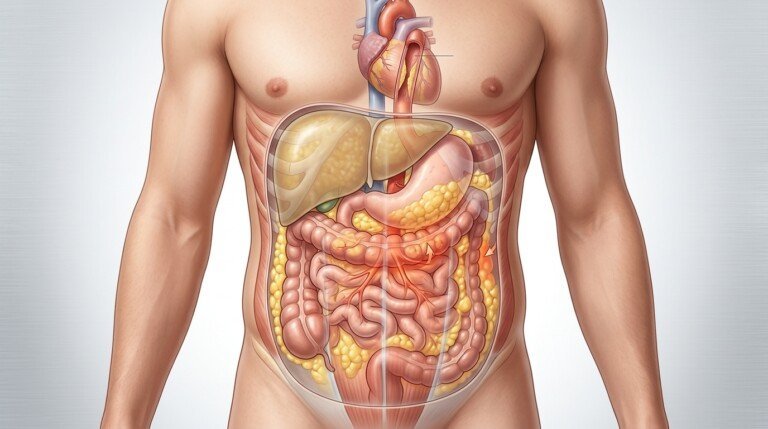


Why Do Women Gain Belly Fat During Menopause?
Many women notice a frustrating change during menopause. Even if their eating habits haven’t changed much, their waistline begins to expand. Pants that once fit comfortably become tighter around the middle, while the number on the scale may not increase dramatically. This shift often feels sudden, leaving many women wondering why fat seems to collect around the abdomen after menopause.
The answer is more complex than simply getting older. During menopause, declining estrogen levels influence where the body stores fat, how muscle is maintained, and how efficiently calories are used. At the same time, age-related muscle loss, changes in daily activity, sleep disturbances, and shifts in metabolism all contribute to changes in body composition. Together, these factors make abdominal fat more common during and after menopause.
However, menopause does not automatically mean gaining excessive belly fat. While hormonal changes create new challenges, they do not remove your ability to improve body composition. Healthy nutrition, regular resistance training, consistent physical activity, quality sleep, and sustainable lifestyle habits continue to play the biggest role in managing body fat throughout midlife.
It is also important to understand that not all belly fat is the same. Some fat sits just beneath the skin, while another type surrounds internal organs and may have a greater impact on metabolic health. Learning the difference helps explain why waist circumference often becomes an important health measurement during menopause.
In this article, you’ll learn why Menopause Belly Fat develops, how declining estrogen changes fat distribution, whether menopause belly fat differs from other abdominal fat, what research says about reducing it naturally, which exercises and foods are most effective, and when abdominal weight changes should be discussed with your healthcare provider.
Why Does Belly Fat Increase During Menopause?
One of the biggest physical changes many women notice during menopause is that body fat begins accumulating around the waist instead of the hips or thighs.
Although this change feels frustrating, it is a well-recognized biological response to hormonal changes and aging.
Several factors contribute simultaneously rather than one single cause.

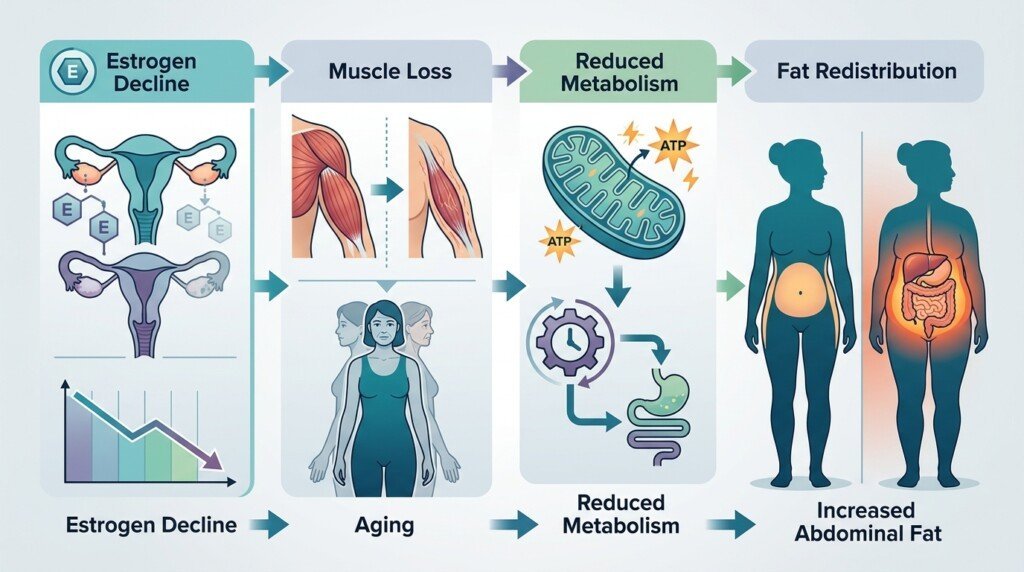
Estrogen Levels Begin to Decline
Before menopause, estrogen helps regulate where fat is stored throughout the body.
Higher estrogen levels generally encourage more fat storage around the hips and thighs.
As estrogen gradually declines during menopause, the body begins storing a greater percentage of fat around the abdomen.
This redistribution explains why waist circumference often increases even when total body weight changes very little.
Muscle Mass Gradually Decreases
Another important factor is the natural decline in lean muscle that occurs with aging.
Without regular resistance training, adults gradually lose muscle over time.
Since muscle tissue burns more calories than body fat, losing muscle can reduce your daily energy needs.
If eating habits remain unchanged, the extra calories are more likely to be stored as fat.
Maintaining muscle becomes increasingly important during menopause, not only for strength but also for supporting healthy body composition.
Daily Energy Expenditure Often Falls
Many women become slightly less active during midlife.
Busy careers, caregiving responsibilities, joint discomfort, fatigue, or disrupted sleep can all reduce everyday movement.
Even small reductions in daily activity accumulate over months and years.
Walking less, sitting longer, or exercising less frequently may contribute to gradual increases in abdominal fat.
Sleep Changes Affect Healthy Habits
Hot flashes and night sweats frequently interrupt sleep during menopause.
Poor sleep often leads to:
- Increased hunger
- More cravings
- Lower motivation to exercise
- Reduced energy
- Poor recovery
Although sleep alone does not directly create belly fat, these behavioral changes often make healthy weight management more challenging.
Lifestyle Still Matters Most
Hormonal changes influence belly fat, but they do not determine your future.
Women who maintain regular physical activity, balanced nutrition, adequate protein intake, and consistent healthy habits often experience healthier body composition than those who rely on restrictive dieting alone.
Many of these long-term strategies are introduced throughout Menopause Weight Loss, where the broader effects of menopause on body weight are explained.
Does Lower Estrogen Change Fat Distribution?
Yes.
Declining estrogen is one of the primary reasons body fat begins shifting toward the abdomen during menopause.
However, estrogen affects far more than where fat is stored.
It also influences metabolism, muscle maintenance, blood sugar regulation, and overall body composition.
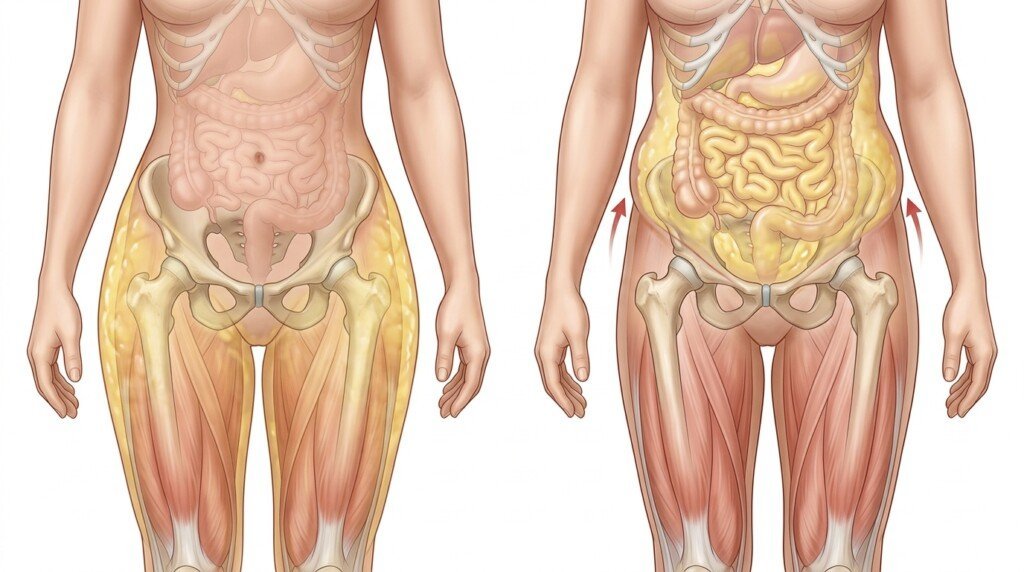
Fat Moves Toward the Abdomen
Before menopause, women generally store more fat beneath the skin around the hips and thighs.
As estrogen decreases, the body increasingly stores fat around the waist.
This process is often called fat redistribution.
Although it feels sudden, the change usually develops gradually over several years.
Waist Circumference Often Increases
Many women notice:
- Smaller hips
- Less muscle definition
- A thicker waist
- Tighter waistbands
These changes often reflect shifts in body composition rather than rapid fat gain.
Measuring waist circumference periodically provides a better picture of these changes than relying only on body weight.
Body Composition Changes Too
Menopause affects more than fat distribution.
Many women also experience:
- Reduced lean muscle
- Slight increases in body fat percentage
- Lower resting calorie needs
Together, these changes alter the way the body looks even when scale weight changes only slightly.
Healthy Habits Continue to Influence Fat Distribution
Although estrogen changes where fat is more likely to accumulate, healthy habits still have a powerful influence.
Regular exercise, balanced nutrition, and maintaining muscle help reduce many of the changes associated with menopause.
Is Menopause Belly Fat Different From Regular Belly Fat?
The simple answer is both yes and no.
The fat itself is biologically the same, but the reasons it develops and where it tends to accumulate may differ.
Understanding this distinction helps explain why menopause often changes body shape.
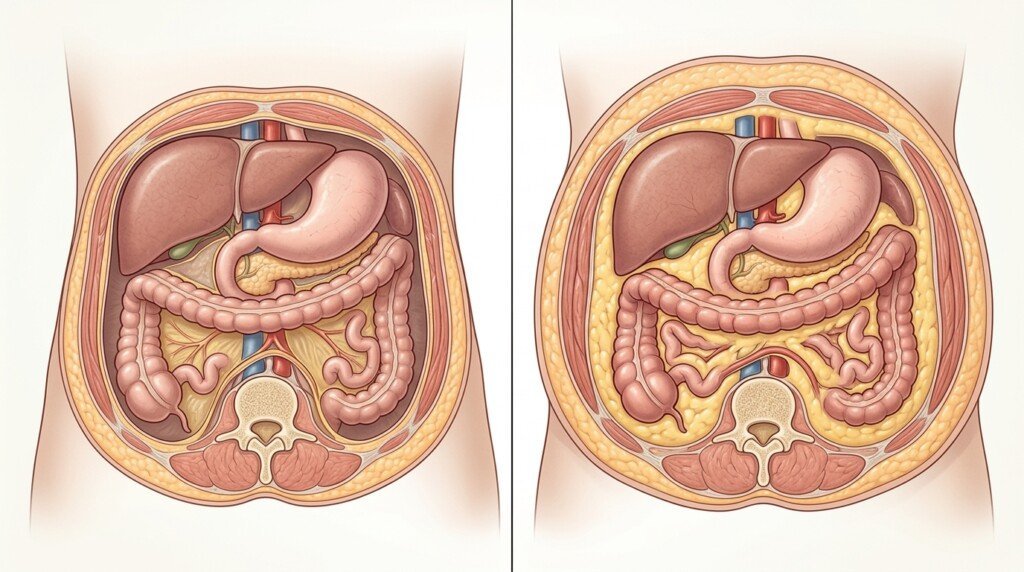
There Are Two Main Types of Belly Fat
Abdominal fat includes:
- Subcutaneous fat
- Visceral fat
Subcutaneous fat sits beneath the skin and is the fat you can pinch.
Visceral fat surrounds internal organs deeper inside the abdomen.
Both types may increase during menopause, although hormonal changes often encourage greater accumulation around the waist.
Visceral Fat Deserves Special Attention
Higher levels of visceral fat are associated with increased risks related to metabolic health.
Unlike subcutaneous fat, visceral fat is more metabolically active.
This is one reason waist circumference becomes an important health measurement during midlife.
The differences between these two types of abdominal fat are discussed more thoroughly throughout Visceral Fat, where their health effects are explained in greater detail.
Menopause Changes Where Fat Is Stored
The important difference is not the fat itself.
Instead, menopause changes the body’s tendency to store fat around the abdomen rather than other areas.
This shift creates the appearance of a growing waistline even without dramatic weight gain.
Belly Fat Is Not Only About Hormones
Although declining estrogen plays a major role, several additional lifestyle factors contribute:
- Reduced physical activity
- Muscle loss
- Sleep disruption
- Lower daily energy expenditure
- Long-term eating habits
Addressing these factors together usually produces better results than focusing on hormones alone.
Can You Reduce Menopause Belly Fat Naturally?
Yes.
While menopause makes reducing abdominal fat more challenging, it certainly does not make it impossible.
The most effective approach focuses on improving body composition rather than simply reducing body weight.

Create a Moderate Calorie Deficit
Fat loss still depends on consuming slightly fewer calories than your body uses.
Extreme calorie restriction is rarely helpful because it often leads to:
- Fatigue
- Muscle loss
- Poor adherence
- Increased hunger
A moderate calorie deficit is generally easier to maintain over the long term.
Prioritize Protein
Protein supports:
- Lean muscle maintenance
- Recovery
- Satiety
- Healthy body composition
Including protein at each meal becomes increasingly valuable during menopause.
Stay Physically Active
Daily movement contributes significantly to long-term success.
Helpful activities include:
- Walking
- Gardening
- Household chores
- Recreational sports
- Cycling
Everyday movement complements structured exercise.
Build Muscle Through Resistance Training
Strength training remains one of the most effective ways to preserve lean muscle while reducing body fat.
Maintaining muscle also helps support healthy metabolism throughout menopause.
Be Patient With Progress
Belly fat often decreases more slowly than women expect.
Consistent healthy habits repeated over months generally produce better long-term results than aggressive dieting for a few weeks.
The goal is lasting improvement in body composition rather than rapid changes on the scale.
Which Exercises Help Reduce Menopause Belly Fat?
No exercise can specifically burn fat from one area of the body. This includes the abdomen. However, certain types of exercise are highly effective at reducing overall body fat while preserving lean muscle, which gradually decreases waist circumference over time.
The best exercise plan during menopause combines strength training, cardiovascular activity, and regular daily movement.
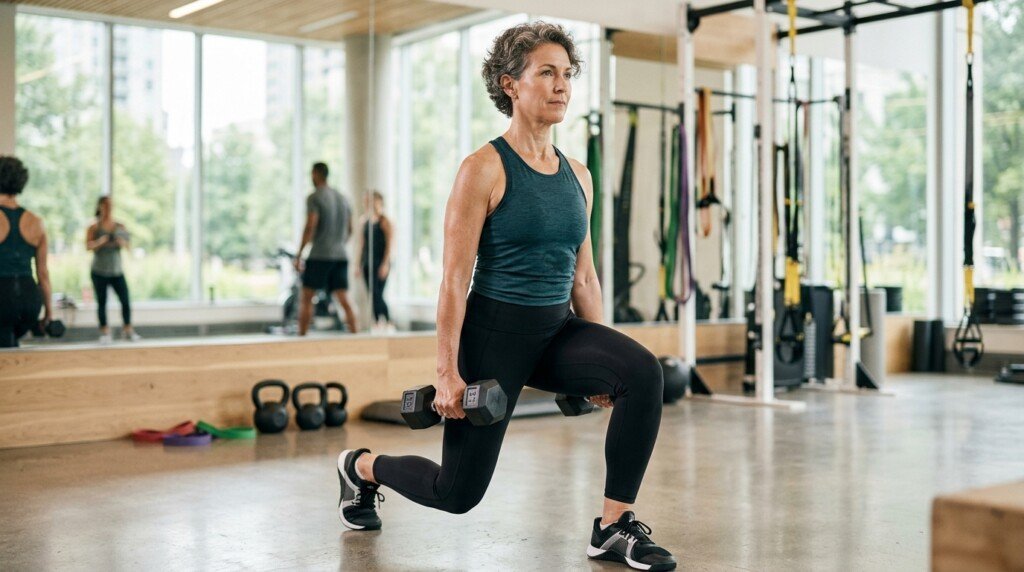
Resistance Training Should Come First
Resistance training becomes especially important during menopause because it helps counteract the natural decline in muscle mass.
Maintaining muscle supports:
- Healthy metabolism
- Better body composition
- Improved strength
- Bone health
- Functional fitness
Exercises may include:
- Squats
- Lunges
- Deadlifts
- Rows
- Chest presses
- Resistance band exercises
- Dumbbell workouts
Aim for at least two or three full-body strength sessions each week.
Building and preserving muscle is one of the key reasons Strength Training for Fat Loss remains valuable throughout midlife.
Walking Is One of the Best Daily Habits
Walking is simple, accessible, and highly effective.
Regular walking helps:
- Increase daily calorie expenditure
- Improve cardiovascular health
- Reduce stress
- Support healthy body composition
- Improve consistency
A brisk 30 to 45 minute walk most days of the week can become an excellent foundation for long-term health.
Include Moderate Cardio
Aerobic exercise improves heart health while supporting overall calorie expenditure.
Good options include:
- Cycling
- Swimming
- Brisk walking
- Dancing
- Elliptical training
- Hiking
Choose activities you enjoy because consistency matters far more than intensity.
Mobility and Balance Matter Too
Flexibility exercises help maintain movement quality as you age.
Yoga, stretching, and balance exercises may improve:
- Joint mobility
- Recovery
- Posture
- Functional movement
These benefits support a more active lifestyle over the long term.
Recovery Supports Progress
Exercise improves body composition during recovery, not during the workout itself.
Support recovery by:
- Sleeping well
- Staying hydrated
- Eating enough protein
- Taking planned rest days
A well-recovered body performs better and remains more consistent over time.
Which Foods Support Belly Fat Loss?
No individual food can directly burn Menopause Belly Fat.
Instead, your overall eating pattern has the greatest influence on long-term fat loss.
The goal is building meals that support fullness, muscle maintenance, and sustainable calorie control.
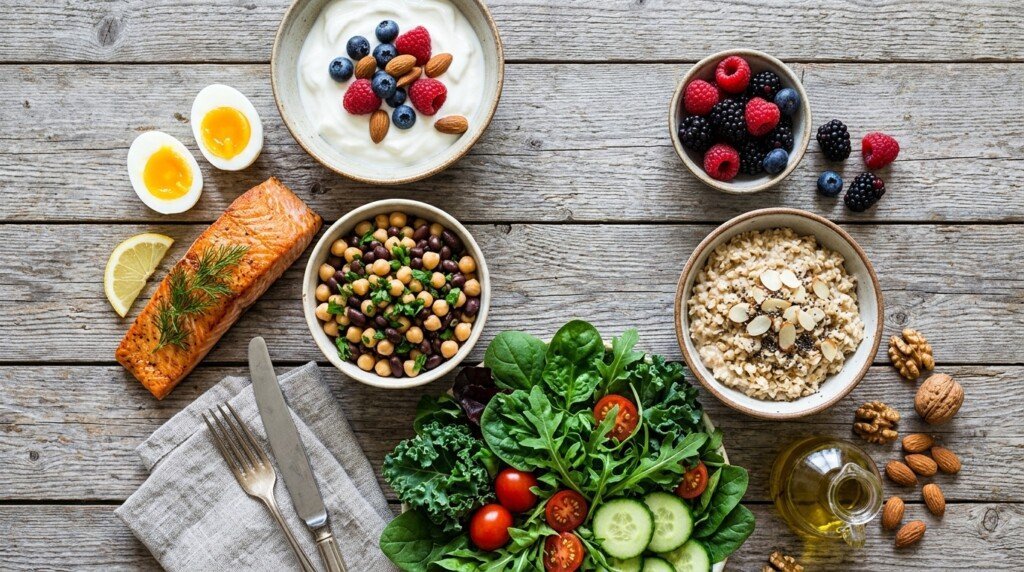
Make Protein the Center of Every Meal
Protein helps preserve lean muscle while increasing fullness.
Excellent choices include:
- Chicken
- Turkey
- Fish
- Eggs
- Greek yogurt
- Cottage cheese
- Tofu
- Beans
- Lentils
Higher protein intake also supports recovery after strength training.
Eat Plenty of Fiber
Fiber slows digestion and helps you stay satisfied longer.
Good sources include:
- Vegetables
- Fruits
- Beans
- Lentils
- Oats
- Whole grains
- Chia seeds
- Flaxseed
Fiber-rich foods naturally encourage healthier eating patterns.
Choose Quality Carbohydrates
Carbohydrates remain an important source of energy.
Prioritize foods such as:
- Brown rice
- Quinoa
- Oats
- Sweet potatoes
- Whole grain bread
- Beans
These foods digest more slowly than highly refined carbohydrates.
Include Healthy Fats
Healthy fats contribute to meal satisfaction while providing important nutrients.
Examples include:
- Olive oil
- Avocados
- Walnuts
- Almonds
- Seeds
- Salmon
Balanced portions remain important because healthy fats are energy dense.
Drink Enough Water
Hydration supports:
- Digestion
- Exercise performance
- Appetite regulation
- Overall health
Sometimes mild dehydration is mistaken for hunger.
Drinking water consistently throughout the day supports healthier eating habits.
Build Balanced Meals
Rather than focusing on individual foods, aim to include:
- Lean protein
- High-fiber vegetables
- Whole grain carbohydrates
- Healthy fats
Balanced meals help support stable energy levels and improve long-term adherence.
Many women also find that applying the nutrition strategies discussed throughout Weight Loss After 40 makes healthy eating feel much more sustainable during menopause.
When Should You Be Concerned?
Gradual increases in abdominal fat are common during menopause, but there are situations where medical advice is appropriate.
Seeking guidance helps ensure your symptoms receive proper evaluation.
Weight Changes Are Sudden
If abdominal weight increases rapidly over a short period without obvious lifestyle changes, discussing this with your healthcare provider is appropriate.
Your Waist Continues Increasing Rapidly
A gradually increasing waistline is common during menopause.
However, significant ongoing increases despite consistent healthy habits deserve professional evaluation.
Symptoms Affect Daily Life
If menopause symptoms are interfering with:
- Sleep
- Physical activity
- Daily functioning
- Nutrition
- Overall quality of life
your healthcare provider can help identify appropriate management strategies.
Lifestyle Changes Have Not Helped
If you’ve consistently followed healthy nutrition, regular resistance training, daily movement, and balanced eating for several months without noticeable improvements, personalized guidance may help identify additional factors affecting your progress.
Focus on Health, Not Perfection
The goal during menopause is not achieving an unrealistic body shape.
Instead, focus on:
- Better strength
- Improved mobility
- Healthier body composition
- Increased energy
- Long-term wellness
These improvements provide meaningful benefits regardless of what the scale says.

Frequently Asked Questions
1. Why does menopause cause belly fat?
Declining estrogen changes where the body stores fat, increasing the tendency to accumulate fat around the abdomen. Age-related muscle loss and reduced daily energy expenditure also contribute.
2. Can menopause belly fat be reduced naturally?
Yes. A moderate calorie deficit, resistance training, regular physical activity, adequate protein, quality sleep, and consistent healthy habits can all help reduce abdominal fat over time.
3. Is menopause belly fat the same as visceral fat?
Not exactly. Menopause may increase both subcutaneous fat beneath the skin and visceral fat surrounding internal organs. Both contribute to a larger waistline, but visceral fat is generally associated with greater metabolic health risks.
4. What exercise is best for menopause belly fat?
A combination of resistance training, walking, cardiovascular exercise, and regular daily movement provides the greatest benefits for reducing body fat while preserving lean muscle.
5. Which foods help reduce menopause belly fat?
Protein-rich foods, vegetables, fruits, whole grains, legumes, and healthy fats support healthy body composition by improving fullness, preserving muscle, and making a moderate calorie deficit easier to maintain.
Final Thoughts
Menopause Belly Fat is one of the most common physical changes women experience during midlife, but it is not an unavoidable outcome. Declining estrogen, gradual muscle loss, changes in fat distribution, reduced daily energy expenditure, and lifestyle factors all work together to increase the tendency for abdominal fat to accumulate. Understanding these changes helps explain why familiar weight loss strategies may become less effective after menopause.
The encouraging news is that healthy habits continue to make a meaningful difference. Prioritizing resistance training, staying physically active, eating protein-rich and fiber-filled meals, maintaining a moderate calorie deficit, sleeping well, and managing stress all support healthier body composition over time. While progress may be slower than it was earlier in life, consistent habits remain the most reliable path to reducing abdominal fat.
Rather than focusing only on the number on the scale, pay attention to improvements in waist circumference, strength, energy levels, fitness, and overall well-being. These changes often reflect meaningful progress long before dramatic weight loss occurs. By working with your body’s changing needs instead of fighting against them, you can successfully manage menopause belly fat while supporting your long-term health and quality of life.
Disclaimer:
This post may contain affiliate links. If you purchase through them, we may earn a small commission at no extra cost to you. Also, this content is for informational purposes only and does not substitute professional medical advice.
Ready to Start Your Journey?
Use our free 7-in-1 Weight Loss Toolkit to calculate your numbers and build your plan in minutes.
Open Free Tools →