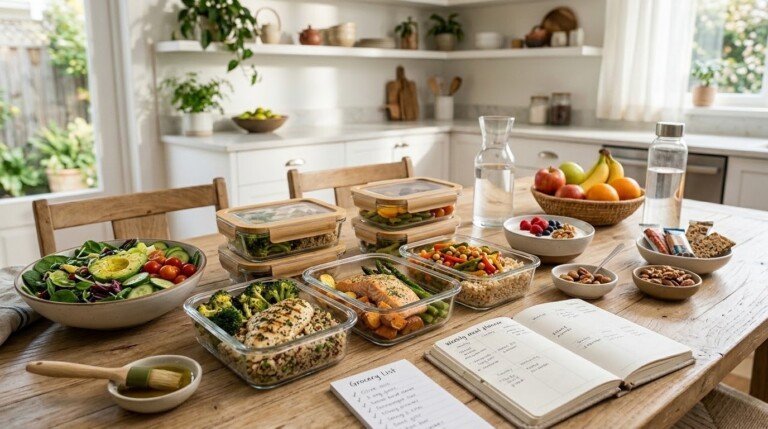
What Are the Best Foods for Metabolic Health? 17 Science-Backed Choices

Best Foods for Metabolic Health play a far greater role in supporting your metabolism than any single “superfood” or short-term diet. While genetics, age, and physical activity all influence metabolic health, nutrition remains one of the most powerful factors you can control. Every meal provides an opportunity to support healthy blood sugar regulation, maintain muscle, reduce inflammation, nourish your gut microbiome, and supply the nutrients your body needs to function efficiently.

The idea of eating for metabolic health is often misunderstood. Many people assume it involves restrictive eating plans or eliminating entire food groups. In reality, a healthy metabolism is supported by balanced, sustainable eating patterns rather than extreme diets. Research consistently shows that dietary patterns centered on whole, minimally processed foods are associated with better long-term metabolic outcomes than highly restrictive approaches.

Instead of searching for one food that “boosts metabolism,” it is more helpful to build meals around nutrient-dense ingredients that work together. Foods rich in fiber, lean protein, healthy fats, antioxidants, and beneficial plant compounds support multiple aspects of metabolic function simultaneously. These foods also help you stay satisfied, making healthy eating easier to maintain over time.

One eating pattern that continues to receive strong scientific support is the Mediterranean diet. Rich in vegetables, fruits, legumes, whole grains, olive oil, nuts, seeds, and fish, this approach emphasizes food quality rather than strict calorie counting. Its flexibility also makes it practical for long-term use, which is one reason it is frequently recommended for supporting overall metabolic wellness.

Another important factor is consistency. Healthy metabolism develops through repeated daily habits, not occasional healthy meals. Small improvements practiced every day usually provide greater benefits than short periods of perfect eating followed by old habits.

In this article, you’ll discover the Best Foods for Metabolic Health, why fiber and protein matter, which healthy fats deserve a place on your plate, whether fermented foods support metabolism, which foods are worth limiting, and what a balanced day of eating for metabolic health can look like.


Which Foods Build Better Metabolic Health Every Day?

Rather than searching for miracle foods, focus on dietary patterns built around whole, minimally processed ingredients.

Foods that support metabolic health typically share several characteristics.

They are often:

  • Rich in fiber
  • High in vitamins and minerals
  • Naturally filling
  • Low in added sugars
  • Minimally processed
  • Rich in antioxidants
  • Supportive of gut health

These characteristics work together to help regulate blood sugar, maintain healthy cholesterol levels, support insulin sensitivity, and provide lasting energy throughout the day.

Below are some of the most evidence-supported food groups for metabolic health.

1. Leafy Green Vegetables

Spinach, kale, Swiss chard, arugula, and other leafy greens are packed with vitamins, minerals, antioxidants, and fiber.

Because they are naturally low in calories while providing high nutritional value, leafy greens fit easily into almost every healthy eating pattern.

Adding vegetables to lunch and dinner is one of the simplest ways to improve meal quality.

2. Berries

Blueberries, strawberries, raspberries, and blackberries provide fiber together with naturally occurring antioxidants called polyphenols.

Their natural sweetness makes them an excellent alternative to many processed desserts while also contributing important nutrients.

Fresh or frozen berries can be added to yogurt, oatmeal, smoothies, or enjoyed on their own.

3. Legumes

Beans, lentils, peas, and chickpeas combine plant protein with large amounts of fiber.

This combination helps create satisfying meals while supporting digestive health and steady energy.

Legumes also fit well within Mediterranean-style eating patterns.

4. Whole Grains

Whole grains retain more of their natural nutrients than refined grains.

Examples include:

  • Oats
  • Brown rice
  • Quinoa
  • Barley
  • Whole wheat
  • Buckwheat

These foods provide complex carbohydrates together with fiber that contribute to balanced meals.

5. Nuts

Almonds, walnuts, pistachios, and cashews provide healthy fats, plant protein, fiber, and important minerals.

Although nuts are energy-dense, moderate portions fit well within healthy eating patterns.

Many people enjoy adding them to salads, yogurt, or eating a small handful as a satisfying snack.

6. Seeds

Small foods often provide impressive nutritional value.

Examples include:

  • Chia seeds
  • Flaxseeds
  • Pumpkin seeds
  • Sunflower seeds

Seeds supply fiber, healthy fats, minerals, and beneficial plant compounds that support overall wellness.

7. Olive Oil

Extra virgin olive oil remains one of the defining foods of the Mediterranean diet.

It provides predominantly unsaturated fats together with naturally occurring antioxidants.

Replacing solid fats with olive oil during cooking is a simple change many people can maintain long term.

8. Fatty Fish

Fish such as:

  • Salmon
  • Sardines
  • Mackerel
  • Trout

provide high-quality protein together with omega-3 fatty acids.

These foods contribute to heart health while fitting naturally into metabolically healthy eating patterns.

9. Plain Greek Yogurt

Greek yogurt provides protein while many varieties also contain live cultures that support digestive health.

Choosing plain yogurt allows you to control sweetness by adding fresh fruit rather than relying on added sugars.

10. Eggs

Eggs are a versatile source of complete protein and several important nutrients.

They can be included in balanced breakfasts, lunches, or dinners alongside vegetables and whole grains.

Many people looking for satisfying morning meals combine eggs with ideas similar to those discussed in Best Breakfast for Weight Loss, where balanced breakfasts help support steady energy throughout the day.

11. Avocados

Avocados provide healthy unsaturated fats together with fiber and potassium.

Their creamy texture makes them an excellent replacement for many highly processed spreads and toppings.

12. Cruciferous Vegetables

Vegetables including:

  • Broccoli
  • Cauliflower
  • Brussels sprouts
  • Cabbage

provide fiber together with beneficial plant compounds.

Including a variety of vegetables throughout the week supports dietary diversity.

13. Citrus Fruits

Oranges, grapefruit, lemons, and limes provide vitamin C together with fiber and antioxidants.

Eating whole fruit rather than drinking fruit juice provides greater fiber while slowing digestion.

14. Tomatoes

Tomatoes contribute antioxidants including lycopene while fitting easily into salads, soups, sauces, and sandwiches.

Fresh, roasted, or cooked tomatoes all provide valuable nutrients.

15. Herbs and Spices

Flavor does not need to come from excess salt or sugar.

Herbs and spices such as:

  • Turmeric
  • Cinnamon
  • Ginger
  • Garlic
  • Basil
  • Oregano

add flavor while increasing dietary variety.

16. Green Tea

Replacing sugary beverages with unsweetened green tea can support an overall healthier eating pattern.

Green tea also contains naturally occurring plant compounds called catechins that have been widely studied for their potential health benefits.

17. Water

Although often overlooked, water is one of the most important components of metabolic health.

Every metabolic process inside your body depends on adequate hydration.

Replacing sugar-sweetened beverages with water is one of the simplest improvements many people can make.


Why Does Fiber Support Metabolic Health?

Fiber is one of the most consistently recommended nutrients for supporting metabolic health, yet most adults consume far less than recommended.

Unlike many other carbohydrates, fiber is not fully digested by the body. Instead, it passes through the digestive system while performing several important functions that benefit both digestion and metabolism.

One of fiber’s greatest advantages is that it slows the digestion of meals. This helps promote steadier energy levels and supports healthy blood sugar regulation after eating. Foods rich in fiber also tend to be more filling, making it easier to maintain balanced portion sizes without feeling deprived.

Fiber also plays a central role in supporting the gut microbiome. Beneficial bacteria in the digestive tract ferment certain types of fiber, producing compounds that help maintain a healthy intestinal environment. This is one reason fiber-rich eating patterns are associated with overall metabolic wellness.

Excellent sources of dietary fiber include:

  • Oats
  • Lentils
  • Beans
  • Chickpeas
  • Apples
  • Pears
  • Berries
  • Broccoli
  • Carrots
  • Brussels sprouts
  • Chia seeds
  • Flaxseeds

Rather than dramatically increasing fiber overnight, gradually adding more vegetables, fruits, legumes, and whole grains helps your digestive system adjust comfortably while creating eating habits that are easier to maintain.

The importance of dietary fiber also aligns closely with the principles discussed in Gut Health and Weight Loss, where diverse plant foods help nourish beneficial gut bacteria that support overall digestive and metabolic health.


Which Protein Sources Are Best?

Protein is an essential nutrient for maintaining muscle mass, supporting recovery, and helping you feel satisfied after meals. Unlike refined carbohydrates, protein generally digests more slowly, which contributes to longer-lasting fullness and steadier energy throughout the day.

Including a quality protein source at each meal also helps create balanced eating patterns that are easier to sustain over the long term.

Excellent protein choices include:

  • Fish
  • Skinless chicken
  • Turkey
  • Eggs
  • Plain Greek yogurt
  • Cottage cheese
  • Tofu
  • Tempeh
  • Lentils
  • Beans
  • Edamame

Plant-based and animal-based proteins can both contribute to a healthy metabolism when included as part of a varied, balanced diet.

Many of these options are also featured among High-Protein Foods That Burn Fat, where protein-rich foods are explored for their role in satiety, muscle maintenance, and healthy eating patterns.


Which Healthy Fats Support Metabolic Health?

For many years, dietary fat was viewed as something to avoid. Today, research shows that the type of fat matters far more than simply eating less fat.

Healthy unsaturated fats support normal cell function, hormone production, nutrient absorption, and cardiovascular health. They also make meals more satisfying, helping reduce the temptation to snack on highly processed foods shortly after eating.

Some of the best sources of healthy fats include:

  • Extra virgin olive oil
  • Avocados
  • Almonds
  • Walnuts
  • Pistachios
  • Chia seeds
  • Flaxseeds
  • Pumpkin seeds
  • Salmon
  • Sardines

Rather than adding large amounts of fat to every meal, aim for balance. Combining healthy fats with vegetables, lean protein, and high-fiber carbohydrates creates meals that support both satiety and long-term metabolic wellness.


Can Fermented Foods Improve Metabolic Health?

The connection between gut health and metabolism has received growing attention in recent years, and fermented foods are an important part of that discussion. While fermented foods are not a cure for metabolic disorders, they can contribute to a diverse, balanced diet that supports overall digestive and metabolic wellness.

Fermented foods contain beneficial microorganisms created through natural fermentation. Depending on the food and preparation method, these microorganisms may help support a healthy gut microbiome, which plays an important role in digestion, immune function, and nutrient metabolism.

Scientists continue to study exactly how the gut microbiome influences metabolic health, but current evidence suggests that maintaining a diverse gut ecosystem is associated with better overall health.

Why the Gut Microbiome Matters

Your digestive system contains trillions of microorganisms that help break down certain foods and produce beneficial compounds.

A diverse gut microbiome has been associated with:

  • Better digestion
  • Improved nutrient absorption
  • Healthy immune function
  • Normal inflammatory responses
  • Overall metabolic wellness

Although many factors influence the gut microbiome, dietary diversity remains one of the most important.

Healthy Fermented Foods to Include

Several fermented foods fit naturally into a healthy eating pattern.

Examples include:

  • Plain yogurt with live cultures
  • Kefir
  • Kimchi
  • Sauerkraut
  • Miso
  • Tempeh

These foods are best viewed as part of an overall balanced diet rather than standalone solutions.

Choosing varieties with minimal added sugars and excessive sodium whenever possible supports healthier eating habits.

Pair Fermented Foods With Fiber

Fermented foods work best alongside fiber-rich foods.

Beneficial gut bacteria rely on dietary fiber from fruits, vegetables, legumes, and whole grains as a food source.

Combining probiotic-rich fermented foods with high-fiber meals creates an eating pattern that naturally supports digestive health.

This relationship between dietary fiber and beneficial gut bacteria is explored further in Gut Health and Weight Loss, where gut-friendly eating habits are discussed in greater detail.


Which Foods Should You Limit?

Supporting metabolic health is not only about adding nutritious foods—it is also about reducing foods that may gradually displace healthier options from your diet.

This does not mean completely eliminating your favorite foods. Instead, focus on moderation while allowing whole, minimally processed foods to form the foundation of your eating pattern.

Sugar-Sweetened Beverages

Soft drinks, sweetened coffee beverages, energy drinks, and sugary fruit drinks often provide large amounts of added sugar without contributing much nutritional value.

Replacing these beverages with:

  • Water
  • Sparkling water
  • Unsweetened tea
  • Black coffee (if appropriate)
  • Naturally flavored water

can significantly improve overall dietary quality.

Highly Processed Snack Foods

Many packaged snack foods are designed to be convenient and highly palatable.

Examples include:

  • Chips
  • Candy
  • Cookies
  • Sweet pastries
  • Packaged desserts

These foods often contain combinations of refined carbohydrates, added sugars, sodium, and unhealthy fats while providing relatively little fiber or protein.

Enjoying them occasionally is perfectly reasonable, but relying on them daily may reduce the nutritional quality of your overall diet.

Refined Grains

Whole grains retain much more of their natural fiber and nutrients than refined grains.

Examples of refined grains include:

  • White bread
  • White rice
  • Regular pastries
  • Many breakfast cereals
  • Refined pasta

Whenever practical, choosing whole-grain alternatives provides additional fiber and nutrients.

Highly Processed Meats

Frequently consuming heavily processed meats may not support the healthiest long-term eating pattern.

Examples include:

  • Bacon
  • Sausages
  • Hot dogs
  • Processed deli meats

These foods are best enjoyed occasionally while emphasizing fresher protein sources more often.

Foods High in Added Sugar

Added sugars appear in many foods beyond desserts.

Examples include:

  • Sweetened yogurt
  • Breakfast cereals
  • Flavored coffee drinks
  • Candy
  • Ice cream
  • Sweet sauces

Reading nutrition labels helps identify hidden sources of added sugar without requiring you to eliminate every enjoyable food.

The goal is balance rather than perfection.


What Does a One-Day Metabolic Health Meal Pattern Look Like?

Rather than following a rigid meal plan, it is more useful to understand how balanced meals fit together throughout the day.

A metabolically supportive eating pattern emphasizes variety, whole foods, adequate protein, healthy fats, and plenty of fiber.

Here is one simple example.

Breakfast

Plain Greek yogurt topped with:

  • Fresh berries
  • Chia seeds
  • Chopped walnuts

This meal combines protein, fiber, healthy fats, and antioxidant-rich fruit.

Those who enjoy cooked breakfasts may also choose eggs with vegetables and whole-grain toast, similar to balanced ideas discussed in Best Breakfast for Weight Loss.

Mid-Morning Snack

A piece of fruit such as:

  • Apple
  • Pear
  • Orange

paired with a small handful of almonds provides fiber together with healthy fats.

Healthy snack combinations like these also align with the practical ideas found in Healthy Snacks for Weight Loss.

Lunch

Grilled chicken served with:

  • Mixed leafy greens
  • Quinoa
  • Tomatoes
  • Cucumbers
  • Olive oil vinaigrette

This meal provides lean protein, whole grains, vegetables, and healthy fats.

Afternoon Snack

Vegetable sticks with hummus or plain yogurt with berries provide satisfying options that fit easily into most lifestyles.

Seasonal fruit can also be included, especially choices highlighted among the Best Fruits for Weight Loss, where naturally fiber-rich fruits help create balanced eating habits.

Dinner

Baked salmon served with:

  • Roasted broccoli
  • Brown rice
  • Side salad
  • Olive oil dressing

This combination supplies high-quality protein, healthy fats, fiber, and a variety of vitamins and minerals.

Hydration Throughout the Day

Water should remain the primary beverage.

Unsweetened tea and black coffee may also fit into a healthy dietary pattern for many adults, depending on individual preferences and medical advice.

The goal is not to eat perfectly every day but to create a consistent pattern where nutrient-dense foods make up most of your meals.


Frequently Asked Questions

1. What are the best foods for metabolic health?

The Best Foods for Metabolic Health include leafy greens, berries, legumes, whole grains, nuts, seeds, olive oil, fatty fish, plain Greek yogurt, fermented foods, and other minimally processed whole foods.

2. Why is fiber important for metabolic health?

Fiber supports healthy digestion, promotes fullness, helps maintain steady blood sugar, and nourishes beneficial gut bacteria that contribute to overall metabolic wellness.

3. Are healthy fats good for metabolism?

Yes. Unsaturated fats from foods such as olive oil, avocados, nuts, seeds, and fatty fish support heart health and fit well within a balanced eating pattern for metabolic health.

4. Do fermented foods improve metabolic health?

Fermented foods may support a healthy gut microbiome, especially when combined with a diet rich in fiber and whole plant foods. They should be viewed as one part of an overall healthy dietary pattern.

5. What eating pattern is best for metabolic health?

Research consistently supports eating patterns centered on vegetables, fruits, legumes, whole grains, lean protein, healthy fats, and minimally processed foods, such as the Mediterranean-style diet.


Final Thoughts

Choosing the Best Foods for Metabolic Health is less about finding one perfect ingredient and more about building a consistent eating pattern that supports your body’s natural processes. Whole foods rich in fiber, protein, healthy fats, antioxidants, and beneficial plant compounds work together to help regulate blood sugar, support heart health, nourish the gut microbiome, and provide lasting energy.

The strongest scientific evidence continues to support dietary patterns like the Mediterranean diet, where vegetables, fruits, legumes, whole grains, olive oil, nuts, seeds, and fish form the foundation of everyday meals. These foods are not only nutrient-dense but also practical enough to become lifelong habits.

Remember that no single meal determines your metabolic health. What matters most is the overall pattern of your food choices over weeks, months, and years. By consistently filling your plate with a wide variety of whole, minimally processed foods, you create a sustainable approach that supports long-term metabolic wellness while complementing other healthy habits such as regular movement, quality sleep, hydration, and stress management.


Disclaimer:

This post may contain affiliate links. If you purchase through them, we may earn a small commission at no extra cost to you. Also, this content is for informational purposes only and does not substitute professional medical advice.

Which Foods Should You Avoid With Insulin Resistance?

Knowing the Foods to Avoid With Insulin Resistance is just as important as understanding which foods support healthy blood sugar. While there is no single food that causes insulin resistance on its own, regularly eating certain highly processed foods may make it more difficult for your body to maintain healthy blood sugar levels and insulin sensitivity over time.

Insulin resistance develops when the body’s cells become less responsive to insulin, the hormone responsible for moving glucose from the bloodstream into the cells for energy. As the pancreas produces more insulin to compensate, long-term metabolic changes may occur that increase the risk of prediabetes, type 2 diabetes, metabolic syndrome, and abdominal obesity.

Fortunately, improving your diet does not mean eliminating every food you enjoy. The goal is not perfection or strict food rules. Instead, it involves recognizing which foods are more likely to contribute to frequent blood sugar spikes and replacing them with more balanced, nutrient-dense alternatives whenever possible.

Many people mistakenly believe they must completely avoid carbohydrates to improve insulin resistance. In reality, the quality of carbohydrates, portion sizes, and the overall balance of each meal are usually far more important than avoiding one nutrient altogether.

In this article, you’ll learn which Foods to Avoid With Insulin Resistance, why refined carbohydrates and sugary drinks affect blood sugar, how processed foods influence metabolic health, whether carbohydrates can still fit into a healthy eating pattern, and practical ways to build balanced meals without feeling restricted.


Which Foods Make Insulin Resistance Worse?

No individual food causes insulin resistance overnight.

Instead, insulin resistance usually develops after years of lifestyle habits that include excess calorie intake, limited physical activity, poor sleep, chronic stress, and frequent consumption of highly processed foods.

Certain foods are more likely to contribute to rapid increases in blood sugar while providing relatively little fiber, protein, or other nutrients that support metabolic health.

The goal is not to label foods as “good” or “bad.”

Instead, think about which foods deserve a larger place in your diet and which foods are better enjoyed occasionally.

The food categories most often associated with poorer metabolic health include:

  • Sugary drinks
  • Refined grains
  • Highly processed snack foods
  • Foods rich in added sugars
  • Ultra-processed convenience foods
  • Foods containing trans fats

Eating these foods occasionally is unlikely to cause insulin resistance in an otherwise balanced diet.

Problems usually develop when they become a regular part of daily eating patterns.

Why Overall Eating Patterns Matter

Researchers consistently find that overall dietary patterns are more important than individual foods.

Someone who occasionally enjoys dessert while eating a balanced diet rich in vegetables, fruits, whole grains, legumes, lean proteins, and healthy fats will likely have a different metabolic profile than someone whose daily meals rely heavily on highly processed foods.

Building meals around the Best Foods for Insulin Resistance creates a stronger foundation than focusing only on foods to limit.


Why Do Refined Carbohydrates Affect Blood Sugar?

Carbohydrates are the body’s preferred source of energy.

The problem is not carbohydrates themselves.

The biggest difference lies in how carbohydrates are processed before they reach your plate.

What Are Refined Carbohydrates?

Refined carbohydrates have been processed to remove much of their natural fiber and nutrients.

Common examples include:

  • White bread
  • White rice
  • White pasta
  • Regular pastries
  • Sweet baked goods
  • Many breakfast cereals
  • Crackers made with refined flour

Because much of the fiber has been removed, these foods are generally digested more quickly than whole-food carbohydrate sources.

Why Fiber Matters

Fiber naturally slows digestion.

When fiber is removed, glucose enters the bloodstream more rapidly after eating.

This creates larger fluctuations in blood sugar compared with meals that contain plenty of fiber, protein, and healthy fats.

Repeated blood sugar spikes may place greater demand on insulin over many years.

Whole Grains Are Different

Not every carbohydrate behaves the same way.

Whole-food carbohydrate sources generally provide:

  • Fiber
  • Vitamins
  • Minerals
  • Plant compounds

Examples include:

  • Oats
  • Brown rice
  • Quinoa
  • Barley
  • Whole wheat
  • Lentils
  • Beans

These foods digest more slowly and fit well into balanced meals.

This is one reason many nutrition experts recommend replacing refined grains with whole grains whenever practical rather than eliminating carbohydrates completely.

Portion Size Still Matters

Even nutritious carbohydrates contribute energy.

Building balanced meals with reasonable portions remains an important part of supporting healthy blood sugar regulation.

Many people find it helpful to combine carbohydrates with:

  • Lean protein
  • Vegetables
  • Healthy fats

This combination slows digestion naturally while creating more satisfying meals.

The discussion around Low Carb vs Low Fat Diet explores how different eating patterns can support metabolic health without promoting unnecessary dietary extremes.


Should You Avoid Sugary Drinks?

Among all the Foods to Avoid With Insulin Resistance, sugary drinks deserve special attention because they provide large amounts of added sugar with very little nutritional value.

Unlike whole foods, sugary beverages are consumed quickly and usually do not create the same feeling of fullness. As a result, it is easy to consume a large number of calories without realizing it.

Common examples include:

  • Regular soft drinks
  • Sweetened fruit drinks
  • Energy drinks
  • Sweetened iced teas
  • Sweetened coffee beverages
  • Sports drinks with added sugar
  • Flavored sugar-sweetened milk drinks

These beverages are often absorbed rapidly because they contain little or no fiber to slow digestion.

Why Liquid Sugar Affects Blood Sugar Differently

Whole fruits naturally contain fiber that slows the release of glucose into the bloodstream.

Fruit juice and sugar-sweetened beverages, however, contain much less fiber while delivering a concentrated amount of sugar in a relatively small serving.

This can contribute to larger increases in blood glucose after consumption.

Drinking several sugar-sweetened beverages throughout the day may also make it more difficult to maintain a healthy body weight, especially when combined with a generally poor-quality diet.

Better Beverage Choices

Replacing sugary drinks does not mean you have to drink plain water all the time.

Healthier options include:

  • Water
  • Sparkling water without added sugar
  • Unsweetened tea
  • Black coffee
  • Milk without added sugar
  • Water flavored with lemon, cucumber, or fresh mint

Small beverage changes often become some of the easiest improvements people can maintain long term.


Are Processed Foods Linked to Insulin Resistance?

Research suggests that eating patterns high in ultra-processed foods are associated with poorer metabolic health.

This does not mean every processed food is unhealthy.

For example, frozen vegetables, canned beans, plain yogurt, and rolled oats are processed to some degree but remain highly nutritious.

The concern is with ultra-processed foods, which often contain combinations of:

  • Added sugars
  • Refined starches
  • Highly refined oils
  • Excess sodium
  • Artificial flavorings
  • Preservatives

These foods are designed to be convenient and highly palatable, making it easy to consume more calories than intended.

Common Ultra-Processed Foods

Examples include:

  • Packaged cookies
  • Candy
  • Potato chips
  • Fast food
  • Sweet breakfast cereals
  • Frozen desserts
  • Highly processed pastries
  • Sugary snack bars
  • Instant noodles
  • Many packaged baked goods

Eating these foods occasionally is unlikely to determine your overall metabolic health.

Problems are more likely when they become the foundation of your daily diet.

Why Whole Foods Are Different

Whole foods generally provide more nutrients while helping create meals that are naturally more satisfying.

Meals based on vegetables, legumes, fruits, lean proteins, whole grains, nuts, seeds, and healthy fats often contain more fiber and protein, both of which support healthier blood sugar regulation.

Improving diet quality does not require eliminating convenience completely.

Simple substitutions repeated consistently often produce meaningful long-term improvements.

For example:

  • Choose plain oatmeal instead of sugary cereal.
  • Replace chips with roasted chickpeas or a handful of nuts.
  • Swap pastries for Greek yogurt with berries.
  • Replace refined crackers with whole-grain alternatives.

Small improvements are usually easier to maintain than dramatic dietary changes.


Can You Still Eat Carbohydrates?

Absolutely.

One of the biggest myths surrounding insulin resistance is that carbohydrates must be eliminated completely.

Current evidence does not support that idea for most people.

Carbohydrates remain an important source of energy, especially for the brain and muscles.

The key is choosing better carbohydrate sources and eating them as part of balanced meals.

Focus on Carbohydrate Quality

Instead of asking whether carbohydrates are “good” or “bad,” ask whether they provide useful nutrition.

Better carbohydrate choices include:

  • Oats
  • Brown rice
  • Quinoa
  • Lentils
  • Beans
  • Chickpeas
  • Sweet potatoes
  • Apples
  • Pears
  • Berries
  • Vegetables

These foods naturally contain fiber, vitamins, minerals, and plant compounds that support overall health.

Pair Carbohydrates With Protein and Healthy Fats

Eating carbohydrates together with lean protein and healthy fats slows digestion and helps create more satisfying meals.

For example:

Instead of eating plain toast, try whole-grain toast with eggs.

Instead of eating fruit alone, pair it with Greek yogurt or a handful of nuts.

Instead of eating white rice by itself, serve it with grilled chicken and vegetables.

These combinations naturally improve the balance of a meal without eliminating carbohydrates.

Avoid Extreme Food Rules

Completely removing entire food groups often makes healthy eating difficult to maintain.

Most people achieve better long-term success by improving food quality rather than following highly restrictive diets.

Healthy eating should feel sustainable enough to continue for years, not just a few weeks.

Remember the Bigger Picture

No single meal determines your health.

Your overall eating pattern, physical activity, sleep, stress management, and daily habits all contribute to insulin sensitivity.

Choosing whole-food carbohydrates more often while limiting highly refined options is usually a practical and sustainable approach for most people.


How Can You Build a Balanced Plate?

When managing insulin resistance, focusing only on individual foods can quickly become overwhelming. A much simpler approach is to build balanced meals that naturally support healthy blood sugar regulation.

A balanced plate provides your body with a combination of nutrients that digest at different speeds, helping you stay satisfied while avoiding unnecessary blood sugar fluctuations.

Rather than counting every gram of carbohydrate or eliminating foods you enjoy, think about how different food groups work together at each meal.

Fill Half Your Plate With Vegetables

Vegetables should make up the largest portion of most meals.

Non-starchy vegetables are naturally rich in:

  • Fiber
  • Vitamins
  • Minerals
  • Antioxidants

Excellent choices include:

  • Spinach
  • Broccoli
  • Cauliflower
  • Bell peppers
  • Tomatoes
  • Cucumbers
  • Zucchini
  • Mushrooms
  • Green beans
  • Brussels sprouts

A colorful plate usually provides a wider variety of nutrients.

Add a Lean Protein Source

Protein helps increase fullness and supports healthy muscle mass.

Choose foods such as:

  • Chicken
  • Turkey
  • Fish
  • Eggs
  • Greek yogurt
  • Cottage cheese
  • Tofu
  • Lentils
  • Beans

Including protein with every meal often helps create more satisfying eating patterns.

Choose High-Quality Carbohydrates

Carbohydrates can absolutely be part of a healthy eating pattern.

Instead of refined grains, choose foods such as:

  • Brown rice
  • Quinoa
  • Oats
  • Whole wheat
  • Sweet potatoes
  • Beans
  • Lentils

These foods provide fiber together with valuable nutrients.

Include Healthy Fats

Healthy fats improve meal satisfaction and contribute important nutrients.

Examples include:

  • Olive oil
  • Avocados
  • Walnuts
  • Almonds
  • Chia seeds
  • Flaxseeds

Small portions are usually enough because these foods are naturally energy dense.

Think About Portion Balance

A practical way to build most meals is:

  • Half the plate vegetables
  • One quarter lean protein
  • One quarter high-fiber carbohydrates
  • Small serving of healthy fats

This flexible method works for most breakfasts, lunches, and dinners without requiring complicated calculations.

Many people also find that mindful eating and reasonable serving sizes support healthier long-term habits. The principles discussed in Portion Control for Weight Loss can easily be applied alongside an insulin-friendly eating pattern.


What Are Healthier Alternatives?

Improving your eating habits does not require giving up your favorite foods forever.

In many cases, simple substitutions allow you to enjoy similar meals while improving their nutritional quality.

The goal is progress, not perfection.

Instead of Sugary Breakfast Cereals

Choose:

  • Plain oats
  • Unsweetened muesli
  • Greek yogurt with berries

These options provide more fiber and protein while helping create a satisfying breakfast.

Instead of White Bread

Choose:

  • Whole-grain bread
  • Whole wheat wraps
  • Sprouted grain bread

These alternatives generally contain more fiber and nutrients.

Instead of Sugary Drinks

Choose:

  • Water
  • Sparkling water
  • Unsweetened tea
  • Black coffee
  • Water infused with fruit slices

Replacing sugar-sweetened beverages is one of the simplest dietary improvements many people can make.

Instead of Chips

Choose:

  • Roasted chickpeas
  • Unsalted nuts
  • Air-popped popcorn
  • Sliced vegetables with hummus

These snacks provide more nutrients and often keep you feeling satisfied for longer.

Instead of Pastries

Choose:

  • Plain Greek yogurt
  • Fresh fruit
  • Cottage cheese
  • Oatmeal with berries

These foods provide a better balance of protein and fiber.

Instead of Fast Food Several Times Each Week

Try preparing simple meals at home more often.

Examples include:

  • Grilled chicken with vegetables
  • Baked salmon with brown rice
  • Bean and vegetable soup
  • Whole-grain wraps with lean protein

Preparing even a few extra meals each week can noticeably improve overall diet quality.

Healthy Eating Should Feel Sustainable

The healthiest eating pattern is one you can realistically maintain.

You do not need to eat perfectly every day.

Small improvements repeated consistently almost always outperform strict diets that are difficult to maintain.


Frequently Asked Questions

1. What are the main foods to avoid with insulin resistance?

Foods that are commonly limited include sugar-sweetened beverages, refined grains, highly processed snack foods, foods rich in added sugars, trans fats, and ultra-processed convenience foods. These foods are best replaced with more nutrient-dense options rather than eliminated out of fear.

2. Do I have to stop eating carbohydrates if I have insulin resistance?

No. Most people can continue eating carbohydrates by choosing higher-quality sources such as vegetables, legumes, whole grains, fruits, and beans while balancing them with protein and healthy fats.

3. Are sugary drinks worse than sugary foods?

Sugar-sweetened beverages often have a greater impact because they provide large amounts of sugar without fiber or significant satiety, making it easier to consume excess calories.

4. Can processed foods increase the risk of insulin resistance?

A diet centered around ultra-processed foods has been associated with poorer metabolic health. Replacing these foods with minimally processed alternatives supports healthier blood sugar regulation and overall nutrition.

5. What is the easiest dietary change to start with?

Many people find the biggest improvements come from simple habits such as replacing sugary drinks with water, choosing whole grains over refined grains, eating more vegetables, and including lean protein with every meal.


Final Thoughts

Understanding the Foods to Avoid With Insulin Resistance is not about creating a long list of forbidden foods. Instead, it is about recognizing which foods are more likely to contribute to frequent blood sugar spikes and gradually replacing them with nutrient-rich alternatives that support better metabolic health.

The strongest evidence continues to support an eating pattern built around vegetables, fruits, legumes, whole grains, lean proteins, healthy fats, and minimally processed foods. Limiting sugary drinks, refined grains, ultra-processed snacks, and foods high in added sugars can further support healthy insulin sensitivity when combined with regular physical activity, quality sleep, and other healthy lifestyle habits.

Rather than aiming for perfection, focus on making one sustainable improvement at a time. Small changes that become lifelong habits are far more effective than extreme diets that are difficult to maintain. Over time, those consistent choices can make a meaningful difference in blood sugar regulation, overall health, and long-term well-being.


Disclaimer:

This post may contain affiliate links. If you purchase through them, we may earn a small commission at no extra cost to you. Also, this content is for informational purposes only and does not substitute professional medical advice.

What Are the Best Foods for Insulin Resistance? 15 Science-Backed Choices

Choosing the Best Foods for Insulin Resistance can play a major role in supporting healthier blood sugar levels and improving insulin sensitivity over time. While no single food can reverse insulin resistance on its own, research consistently shows that an overall eating pattern rich in whole, minimally processed foods is one of the most effective ways to improve metabolic health.

Insulin resistance develops when the body’s cells become less responsive to insulin, the hormone responsible for moving glucose from the bloodstream into the cells for energy. As insulin sensitivity decreases, the pancreas produces more insulin to compensate. Over time, this may contribute to elevated blood sugar, increased abdominal fat, metabolic syndrome, and a greater risk of developing type 2 diabetes.

The encouraging news is that everyday food choices can make a meaningful difference. Diets rich in fiber, lean protein, healthy fats, whole grains, legumes, vegetables, fruits, and other nutrient-dense foods have been associated with improved insulin sensitivity and better long-term metabolic health. These foods help support steady energy levels, reduce large blood sugar fluctuations, and promote feelings of fullness throughout the day.

Rather than searching for one “superfood,” it is more helpful to build balanced meals using a variety of nutritious ingredients. Consistency matters far more than perfection, and small improvements repeated daily often produce meaningful long-term results.

In this guide, you’ll discover the Best Foods for Insulin Resistance, why fiber and protein are so important, how healthy fats support blood sugar regulation, whether low-glycemic foods are worth choosing, and what a balanced day of eating can look like.


What Are the Best Foods for Insulin Resistance?

There isn’t one perfect food for insulin resistance.

Instead, research consistently supports eating patterns built around whole, minimally processed foods that provide fiber, protein, healthy fats, vitamins, minerals, and antioxidants.

These foods help create balanced meals that support healthy blood sugar regulation and long-term metabolic health.

Below are fifteen science-backed food choices that fit well into an insulin-friendly eating pattern.

1. Leafy Green Vegetables

Leafy greens are among the most nutrient-dense foods available.

Examples include:

  • Spinach
  • Kale
  • Swiss chard
  • Arugula
  • Romaine lettuce

They provide fiber, vitamins, minerals, and antioxidants while remaining naturally low in calories.

Adding leafy greens to salads, smoothies, soups, or omelets is an easy way to improve meal quality.

2. Broccoli

Broccoli contains fiber and beneficial plant compounds that support overall health.

It works well roasted, steamed, stir-fried, or added to grain bowls.

Other cruciferous vegetables such as cauliflower and Brussels sprouts offer similar nutritional benefits.

3. Berries

Blueberries, strawberries, raspberries, and blackberries provide natural sweetness together with fiber and antioxidants.

Unlike fruit juice, whole berries digest more slowly because their fiber remains intact.

If you’re looking for additional fruit ideas, Best Fruits for Weight Loss includes several nutrient-rich options that also fit well into an insulin-friendly eating pattern.

4. Legumes

Beans, lentils, and chickpeas combine plant protein with fiber.

Examples include:

  • Black beans
  • Kidney beans
  • Lentils
  • Chickpeas
  • Navy beans

Legumes are filling, versatile, and work well in soups, salads, curries, and grain bowls.

5. Whole Grains

Whole grains retain more fiber than refined grains.

Nutritious choices include:

  • Oats
  • Brown rice
  • Quinoa
  • Barley
  • Whole wheat

Replacing refined grains with whole-grain alternatives supports better overall diet quality.

6. Fatty Fish

Fish such as:

  • Salmon
  • Sardines
  • Trout
  • Mackerel

provide high-quality protein together with omega-3 fatty acids that support cardiovascular health.

Aim to include fish regularly as part of a balanced eating pattern.

7. Greek Yogurt

Plain Greek yogurt provides protein together with calcium and beneficial bacteria that support digestive health.

Choose unsweetened varieties whenever possible.

8. Nuts

Almonds, walnuts, pistachios, and pecans provide healthy fats, fiber, and plant protein.

A small handful makes a satisfying snack or meal addition.

9. Seeds

Chia seeds, flaxseeds, pumpkin seeds, and sunflower seeds provide healthy fats, fiber, and minerals.

They can easily be added to oatmeal, yogurt, salads, or smoothies.

10. Avocados

Avocados contain monounsaturated fats together with fiber.

They pair well with salads, whole-grain toast, sandwiches, and grain bowls.

11. Olive Oil

Extra virgin olive oil is a cornerstone of the Mediterranean diet.

Using olive oil instead of highly processed fats supports an overall healthy eating pattern.

12. Eggs

Eggs provide complete protein and can be included in balanced breakfasts, lunches, or dinners.

For breakfast inspiration, Best Breakfast for Weight Loss offers meal ideas that naturally combine protein with fiber-rich ingredients.

13. Tofu and Tempeh

These soy-based foods provide plant protein while fitting well into vegetarian and vegan meal plans.

14. Oats

Oats contain soluble fiber that slows digestion and helps create satisfying meals.

They are an excellent breakfast option when paired with fruit, nuts, or Greek yogurt.

15. Colorful Vegetables

Bell peppers, tomatoes, zucchini, carrots, mushrooms, cucumbers, and many other vegetables provide vitamins, minerals, antioxidants, and fiber.

Filling half your plate with vegetables is one of the simplest ways to improve overall nutrition.

Think About Your Overall Eating Pattern

Rather than trying to eat one “perfect” food every day, focus on building meals that combine:

  • Lean protein
  • Fiber-rich vegetables
  • Whole-food carbohydrates
  • Healthy fats

This balanced approach is supported by the strongest scientific evidence for improving insulin sensitivity.


Why Does Fiber Help Improve Insulin Sensitivity?

Fiber is one of the most valuable nutrients for people looking to improve metabolic health.

Although fiber does not directly lower insulin resistance on its own, it supports several important processes that help regulate blood sugar and improve the overall quality of your diet.

Unlike refined carbohydrates, fiber slows digestion and helps glucose enter the bloodstream more gradually. This steady release may reduce large fluctuations in blood sugar after meals and contribute to better insulin sensitivity over time.

Fiber Helps You Feel Full Longer

One of fiber’s biggest benefits is its ability to increase satiety.

Meals rich in vegetables, legumes, fruits, and whole grains tend to keep you satisfied for longer than meals made primarily from refined carbohydrates.

Feeling full between meals may reduce unnecessary snacking and help support healthy body weight over time.

Fiber Supports Gut Health

Fiber acts as food for beneficial bacteria living in your digestive system.

A healthy gut microbiome plays an important role in digestion and overall metabolic health.

Many high-fiber foods also contain vitamins, minerals, and antioxidants that contribute to better long-term wellness.

The relationship between digestion and metabolism is discussed further in Gut Health and Weight Loss, where gut health is explored as part of an overall healthy lifestyle.

High-Fiber Foods Naturally Improve Meal Quality

Many foods that are naturally rich in fiber also provide other valuable nutrients.

Excellent choices include:

  • Vegetables
  • Fruits
  • Lentils
  • Beans
  • Chickpeas
  • Oats
  • Brown rice
  • Quinoa
  • Chia seeds
  • Flaxseeds

Rather than counting every gram of fiber, aim to include one or more fiber-rich foods with every meal.

This simple habit often improves overall nutrition without making healthy eating feel overly complicated.

Fiber Works Best With Other Healthy Habits

Fiber is most effective when combined with other healthy lifestyle choices, including regular physical activity, adequate sleep, balanced meals, and maintaining a healthy body weight.

Many people who successfully Reverse Insulin Resistance Naturally do so by improving several daily habits together instead of focusing on one nutrient alone.

Building meals around fiber-rich foods is one of the easiest and most sustainable places to start.


Which Protein Sources Are Best?

Protein is one of the most important nutrients for supporting healthy insulin sensitivity. While protein does not directly reverse insulin resistance, it helps build balanced meals, promotes fullness, preserves muscle mass, and supports overall metabolic health.

Muscle tissue is one of the body’s largest users of glucose. Maintaining healthy muscle through adequate protein intake and regular physical activity helps your body use glucose more efficiently over time.

Rather than focusing on protein powders or specialty products, aim to include high-quality protein from whole foods throughout the day.

Fish

Fish is one of the best protein choices for an insulin-friendly eating pattern.

Options include:

  • Salmon
  • Sardines
  • Trout
  • Mackerel
  • Tuna
  • Cod

These foods provide complete protein, while oily fish also contain omega-3 fatty acids that support heart health.

Poultry

Skinless chicken and turkey provide lean protein with relatively little saturated fat.

Grilled, baked, roasted, or air-fried preparations generally fit well into balanced meals.

Eggs

Eggs are rich in high-quality protein and can be enjoyed at breakfast, lunch, or dinner.

Pairing eggs with vegetables and whole-grain foods creates a satisfying, nutrient-dense meal.

Greek Yogurt and Cottage Cheese

Plain Greek yogurt and cottage cheese provide protein together with calcium and other nutrients.

Choose unsweetened varieties whenever possible to reduce unnecessary added sugars.

Legumes

Beans, lentils, peas, and chickpeas are excellent plant-based protein sources.

They also provide fiber, making them especially filling.

Tofu and Tempeh

These soy-based foods are complete proteins and work well in stir-fries, salads, grain bowls, and many vegetarian meals.

Spread Protein Throughout the Day

Instead of eating most of your protein at dinner, try including protein with every meal.

For example:

  • Greek yogurt at breakfast
  • Chicken or lentils at lunch
  • Fish at dinner
  • Nuts or cottage cheese for snacks

Balanced protein intake throughout the day helps create satisfying meals while supporting healthy body composition.

If you’re looking for more ideas, High-Protein Foods That Burn Fat includes practical examples of protein-rich foods that fit into a healthy lifestyle.


Which Healthy Fats Support Blood Sugar Control?

Healthy fats have sometimes been misunderstood because they are higher in calories than protein or carbohydrates.

However, fats are an essential part of a balanced eating pattern and support many important functions throughout the body.

When eaten in appropriate portions, healthy fats help create satisfying meals and improve overall diet quality.

Extra Virgin Olive Oil

Extra virgin olive oil is one of the best-studied healthy fats.

It forms the foundation of the Mediterranean diet and works well in:

  • Salad dressings
  • Roasted vegetables
  • Grain bowls
  • Homemade sauces

Replacing highly processed fats with olive oil supports an overall healthier eating pattern.

Avocados

Avocados provide monounsaturated fats together with fiber, vitamins, and minerals.

They work well in:

  • Salads
  • Whole-grain toast
  • Sandwiches
  • Smoothies
  • Grain bowls

Because avocados also contain fiber, they help create meals that are both satisfying and nutritious.

Nuts

Nuts provide a combination of:

  • Healthy fats
  • Protein
  • Fiber
  • Magnesium
  • Vitamin E

Nutritious choices include:

  • Almonds
  • Walnuts
  • Pistachios
  • Pecans
  • Cashews

Because nuts are calorie-dense, moderate portions are generally recommended.

Seeds

Seeds offer many of the same nutritional benefits as nuts.

Excellent options include:

  • Chia seeds
  • Flaxseeds
  • Pumpkin seeds
  • Sunflower seeds

Adding seeds to oatmeal, yogurt, salads, or smoothies is an easy way to increase nutrient intake.

Fatty Fish

Healthy fats are not limited to plant foods.

Fatty fish provide omega-3 fatty acids that support cardiovascular health while supplying high-quality protein.

Including fish regularly creates balanced meals without relying on processed foods.

Healthy Fats Work Best as Part of Balanced Meals

Healthy fats should not replace vegetables, fiber, or protein.

Instead, they work best alongside:

  • Lean protein
  • Fiber-rich vegetables
  • Whole grains
  • Fruits

Balanced meals are far more important than focusing on one nutrient alone.


Are Low-Glycemic Foods Better for Insulin Resistance?

Many people hear the term “low glycemic foods” after learning they have insulin resistance.

Understanding what this means can help you make more informed food choices without becoming overwhelmed.

What Is the Glycemic Index?

The glycemic index, often called GI, ranks carbohydrate-containing foods according to how quickly they raise blood sugar after eating.

Generally speaking:

  • Low-GI foods produce a slower rise.
  • High-GI foods are digested more quickly.

However, the glycemic index tells only part of the story.

Real meals usually contain protein, healthy fats, and fiber, all of which influence digestion.

Examples of Lower-Glycemic Foods

Many nutritious foods naturally have a lower glycemic impact, including:

  • Oats
  • Lentils
  • Beans
  • Chickpeas
  • Apples
  • Pears
  • Berries
  • Non-starchy vegetables
  • Plain Greek yogurt
  • Quinoa

These foods also provide valuable nutrients beyond their glycemic properties.

Meal Quality Matters More Than One Number

The glycemic index should be viewed as one helpful tool rather than the only factor when choosing foods.

For example, a balanced meal containing:

  • Grilled salmon
  • Brown rice
  • Broccoli
  • Olive oil

is likely to have a different effect on blood sugar than eating the rice alone.

The combination of protein, fiber, and healthy fats slows digestion naturally.

Think About Patterns, Not Perfection

Trying to memorize glycemic index values for hundreds of foods is unnecessary for most people.

Instead, focus on creating meals that include:

  • Vegetables
  • Lean protein
  • Whole grains
  • Healthy fats
  • Fruits
  • Legumes

This approach naturally emphasizes many lower-glycemic foods while supporting long-term metabolic health.

Consistently following these eating habits is far more important than trying to achieve a perfect glycemic score for every meal.


What Does a One-Day Meal Plan Look Like?

One of the biggest misconceptions about eating for insulin resistance is that meals need to be complicated or restrictive. In reality, the best meal plans are simple, balanced, and easy to maintain over the long term.

A healthy eating pattern focuses on combining lean protein, high-fiber carbohydrates, healthy fats, and plenty of vegetables at each meal. This combination helps create satisfying meals while supporting healthy blood sugar regulation.

The following sample meal plan is not intended as a strict prescription. Instead, it demonstrates how the Best Foods for Insulin Resistance can fit naturally into an ordinary day.

Breakfast

  • Plain Greek yogurt
  • Rolled oats
  • Fresh blueberries
  • Chia seeds
  • Chopped walnuts

This breakfast combines protein, fiber, healthy fats, and whole grains to create a filling start to the day.

If mornings are busy, overnight oats prepared the night before make an easy alternative.

Several similar meal ideas can also be found in Best Breakfast for Weight Loss, where balanced breakfasts are designed around long-lasting energy and satisfaction.

Mid-Morning Snack

  • Apple
  • Small handful of almonds

This simple snack provides fiber together with healthy fats and helps maintain steady energy between meals.

Lunch

  • Grilled chicken breast
  • Quinoa
  • Mixed salad with spinach, tomatoes, cucumber, carrots, and bell peppers
  • Olive oil and lemon dressing

This meal contains:

  • Lean protein
  • Whole grains
  • Vegetables
  • Healthy fats

Together, these nutrients create a balanced plate without feeling overly restrictive.

Afternoon Snack

  • Carrot sticks
  • Hummus

Legumes such as chickpeas provide both fiber and plant protein, making hummus a nutritious snack option.

Dinner

  • Baked salmon
  • Steamed broccoli
  • Brown rice
  • Side salad

This meal combines one of the healthiest protein sources with vegetables, healthy fats, and whole grains.

Evening Snack (Optional)

If you’re genuinely hungry later in the evening, consider:

  • Cottage cheese
  • Plain Greek yogurt
  • Fresh berries

The goal is not to eliminate snacks but to choose options that contribute meaningful nutrition.

People looking for affordable meal ideas often discover that healthy eating can also fit within a budget. Cheap Foods for Weight Loss includes several economical foods that also work well in an insulin-friendly eating pattern.

Build Meals Instead of Following Rules

Rather than memorizing meal plans, think about building every meal from four simple components:

  • A lean protein
  • Plenty of vegetables
  • A high-fiber carbohydrate
  • A healthy fat

This flexible approach is easier to maintain than rigid meal plans because it allows endless food combinations while still supporting healthy blood sugar regulation.


Which Eating Habits Improve Insulin Sensitivity?

The foods you eat matter, but your overall eating habits matter just as much.

Healthy routines practiced consistently often have a greater impact than chasing the latest nutrition trend.

Eat Mostly Whole Foods

Whole foods naturally provide more fiber, vitamins, minerals, and antioxidants than highly processed alternatives.

Examples include:

  • Vegetables
  • Fruits
  • Whole grains
  • Legumes
  • Fish
  • Poultry
  • Eggs
  • Plain dairy products
  • Nuts
  • Seeds

Building most meals around these foods improves overall diet quality without requiring perfection.

Balance Every Meal

Meals that include carbohydrates by themselves may leave you feeling hungry again sooner.

Combining carbohydrates with protein, fiber, and healthy fats creates a slower, steadier digestion process.

A balanced plate often feels more satisfying and supports consistent energy throughout the day.

Cook More Meals at Home

Preparing meals yourself gives you greater control over ingredients and portion sizes.

Home cooking also makes it easier to include vegetables, whole grains, and lean proteins regularly.

This doesn’t mean every meal must be homemade.

Even preparing a few extra meals each week can improve overall eating habits.

Practice Mindful Eating

Many people eat quickly while working, driving, or watching television.

Slowing down allows your body time to recognize fullness.

Simple habits include:

  • Eating without distractions
  • Chewing thoroughly
  • Taking smaller bites
  • Pausing between bites

Mindful eating supports healthier eating behaviors over time.

Plan Ahead

Keeping healthy ingredients available reduces the temptation to rely on convenience foods when you’re busy.

Simple planning ideas include:

  • Washing vegetables ahead of time
  • Cooking grains in batches
  • Preparing lunches the night before
  • Keeping fruit visible on the counter
  • Stocking healthy snacks

Small planning habits often make healthy choices much easier.

Stay Consistent

The healthiest eating pattern is one you can maintain.

There is no perfect diet that works for everyone.

Instead of aiming for perfection, focus on making nutritious choices most of the time.

People who successfully Reverse Insulin Resistance Naturally usually do so through consistent habits rather than temporary diets.


Frequently Asked Questions

1. What are the best foods for insulin resistance?

The best foods include leafy green vegetables, legumes, whole grains, berries, fatty fish, nuts, seeds, olive oil, lean proteins, and other minimally processed foods that support healthy blood sugar regulation.

2. Does fiber improve insulin sensitivity?

Fiber supports healthy digestion, promotes fullness, and slows the absorption of glucose after meals, making it an important part of an eating pattern that supports insulin sensitivity.

3. Are low-glycemic foods better for insulin resistance?

Many low-glycemic foods fit well into a healthy eating pattern because they often contain fiber and other beneficial nutrients. However, overall meal quality is more important than focusing only on glycemic index values.

4. What should an insulin resistance meal plan include?

A balanced meal plan should include lean protein, vegetables, whole grains, healthy fats, legumes, fruits, and other nutrient-dense whole foods while emphasizing consistency rather than restriction.

5. Can healthy eating improve insulin resistance naturally?

For many people, healthy eating combined with regular physical activity, quality sleep, stress management, and maintaining a healthy body weight supports improved insulin sensitivity over time.


Final Thoughts

Choosing the Best Foods for Insulin Resistance is less about finding one perfect ingredient and more about creating a balanced eating pattern that supports long-term metabolic health. Meals built around vegetables, fruits, legumes, whole grains, lean proteins, healthy fats, and other minimally processed foods provide the strongest scientific foundation for improving insulin sensitivity.

At the same time, healthy eating works best when combined with other positive lifestyle habits. Regular physical activity, quality sleep, stress management, and maintaining a healthy body weight all contribute to better blood sugar regulation and overall well-being.

Instead of chasing restrictive diets or short-term trends, focus on building meals you genuinely enjoy and can continue eating for years. Small, consistent improvements often produce the greatest long-term benefits for insulin sensitivity and lifelong metabolic health.


Disclaimer:

This post may contain affiliate links. If you purchase through them, we may earn a small commission at no extra cost to you. Also, this content is for informational purposes only and does not substitute professional medical advice.

What Is the Best Diet for Visceral Fat Loss? A Science-Backed Guide

Best Diet for Visceral Fat Loss is one of the most common topics people search for after learning about the health risks of internal belly fat. While there isn’t a single eating plan that magically targets fat around your organs, research consistently shows that certain dietary patterns can help reduce visceral fat while supporting better metabolic health.

Unlike subcutaneous fat, which sits beneath the skin, visceral fat surrounds important organs such as the liver, stomach, pancreas, and intestines. Because of its location, carrying excessive visceral fat has been linked to a higher risk of heart disease, fatty liver disease, metabolic syndrome, and other chronic health conditions. Fortunately, this type of fat often responds well to long-term improvements in nutrition.

The best approach is not an extreme diet or a short-term detox. Instead, it is an eating pattern built around whole, minimally processed foods that provides enough protein, fiber, healthy fats, and nutrient-rich carbohydrates while helping maintain a sustainable calorie deficit when needed.

Many successful eating plans share these same principles, including the Mediterranean diet and the DASH diet. These approaches focus on food quality, balance, and long-term consistency rather than strict food rules.

In this guide, you’ll learn what the best diet for visceral fat loss looks like, which foods deserve a larger place on your plate, which foods are worth limiting, and how to build an eating pattern you can realistically maintain for years instead of weeks.


What Is the Best Diet for Visceral Fat Loss?

There is no single “perfect” diet that works for everyone.

However, research consistently points toward several eating patterns that support healthier body composition and lower levels of visceral fat.

Rather than focusing on eliminating entire food groups, these diets emphasize:

  • Whole foods
  • Plenty of vegetables
  • Fruits
  • Lean protein
  • Whole grains
  • Legumes
  • Healthy fats
  • Moderate calorie intake

The most successful diet is usually the one you can follow consistently.

A highly restrictive eating plan may produce short-term results, but if it is difficult to maintain, those results are often temporary.

The best diet for visceral fat loss is one that supports healthy eating habits while fitting your lifestyle, food preferences, and long-term goals.

If you’re new to the topic, our guide on Visceral Fat explains why reducing internal belly fat is important for overall health.


Which Foods Should You Eat More Often?

Choosing nutrient-dense foods is one of the most effective ways to support healthy body composition.

The goal is to build meals that are filling, balanced, and rich in essential nutrients.

Vegetables

Vegetables should make up a large portion of most meals.

Excellent choices include:

  • Spinach
  • Broccoli
  • Kale
  • Brussels sprouts
  • Bell peppers
  • Cauliflower
  • Carrots

These foods provide vitamins, minerals, antioxidants, and fiber while remaining relatively low in calories.

Fruits

Whole fruits provide natural sweetness together with fiber and water.

Good choices include:

  • Berries
  • Apples
  • Oranges
  • Pears
  • Grapefruit
  • Kiwi

Whole fruit is generally more satisfying than fruit juice because it contains more fiber.

Lean Protein

Protein supports muscle maintenance while helping you feel full after meals.

Good sources include:

  • Chicken breast
  • Turkey
  • Fish
  • Eggs
  • Greek yogurt
  • Cottage cheese
  • Tofu
  • Lentils
  • Beans

Aim to include a protein source at each meal whenever possible.

Whole Grains

Whole grains provide more fiber than refined grains.

Examples include:

  • Oats
  • Brown rice
  • Quinoa
  • Whole wheat bread
  • Barley

Replacing refined grains with whole grains often improves overall meal quality.

Healthy Fats

Healthy fats support overall nutrition and improve meal satisfaction.

Nutritious options include:

  • Olive oil
  • Avocados
  • Almonds
  • Walnuts
  • Seeds

Although healthy fats are calorie-dense, moderate portions fit well within a balanced eating pattern.

For a more detailed list of foods, our guide on Foods That Reduce Visceral Fat explores these choices in greater depth.


Which Foods Should You Limit?

No food needs to be completely forbidden.

However, certain foods are easier to overeat because they provide large amounts of calories without offering much nutritional value.

Examples include:

  • Sugary desserts
  • Candy
  • Pastries
  • Chips
  • Refined breads
  • Highly processed snack foods
  • Sugary breakfast cereals
  • Fast food
  • Processed meats

Eating these foods occasionally is unlikely to determine your long-term health.

The goal is simply to make them a smaller part of your overall eating pattern.

Replacing highly processed foods with whole-food alternatives naturally improves the quality of your diet without requiring strict rules.


Is the Mediterranean Diet Effective for Visceral Fat?

Among all eating patterns studied by researchers, the Mediterranean diet consistently ranks among the healthiest.

Rather than following rigid meal plans, it encourages a balanced way of eating built around minimally processed foods.

Key features include:

  • Vegetables
  • Fruits
  • Legumes
  • Whole grains
  • Olive oil
  • Nuts
  • Fish
  • Moderate dairy intake
  • Limited processed foods

One reason the Mediterranean diet supports healthier body composition is that it naturally combines many of the foods associated with lower visceral fat levels.

It is rich in fiber, healthy fats, lean protein, and plant-based foods while limiting highly processed products.

Because it is flexible and enjoyable, many people find it easier to maintain than restrictive diets.


Does Protein Help Reduce Visceral Fat?

Protein is one of the most important nutrients for improving body composition.

Although protein does not directly burn visceral fat, it supports several processes that make long-term fat loss more successful.

Protein Helps You Stay Full

Meals that contain adequate protein are generally more satisfying than meals high in refined carbohydrates.

Feeling full for longer may help reduce unnecessary snacking and make it easier to maintain a healthy calorie intake.

Protein Helps Preserve Muscle Mass

When people lose weight, they often lose both fat and muscle.

Eating enough protein while following a healthy eating plan helps preserve lean muscle mass, which is important for maintaining strength, physical function, and overall metabolism.

Protein Improves Meal Quality

Protein-rich foods often replace highly processed foods that provide fewer nutrients.

Good protein choices include:

  • Fish
  • Chicken
  • Turkey
  • Eggs
  • Greek yogurt
  • Cottage cheese
  • Tofu
  • Lentils
  • Beans

Rather than eating most of your protein at dinner, try including a quality protein source at breakfast, lunch, dinner, and snacks.

For breakfast inspiration, explore our guide on Best Breakfast for Weight Loss, which includes balanced, protein-rich meal ideas.


Does Fiber Support Visceral Fat Loss?

Fiber plays an important role in supporting healthy eating habits and overall metabolic health.

Like protein, fiber does not directly remove visceral fat, but it creates conditions that support gradual fat loss over time.

Fiber Helps Control Hunger

Foods rich in fiber digest more slowly than highly processed foods.

This slower digestion helps you stay satisfied for longer after meals, reducing the temptation to snack frequently.

Fiber Supports Gut Health

Fiber feeds beneficial bacteria living in your digestive system.

A healthier gut microbiome supports digestion and contributes to overall metabolic health.

To learn more, our article on Gut Health and Weight Loss explains how digestive health influences long-term wellness.

Fiber Encourages Better Food Choices

Many high-fiber foods are also rich in vitamins, minerals, and antioxidants.

Excellent sources include:

  • Oats
  • Lentils
  • Chickpeas
  • Beans
  • Apples
  • Pears
  • Berries
  • Broccoli
  • Brussels sprouts
  • Whole grains

Instead of counting grams of fiber throughout the day, focus on including vegetables, fruits, legumes, and whole grains in most meals.


Can You Lose Visceral Fat Without Following a Strict Diet?

Absolutely.

One of the biggest misconceptions about healthy eating is that success requires eliminating favorite foods or following complicated meal plans.

Research consistently shows that long-term consistency matters much more than perfection.

People who build sustainable eating habits generally experience better long-term results than those who follow highly restrictive diets for short periods.

Instead of asking yourself:

“What foods am I allowed to eat?”

Try asking:

“How can I make this meal a little more nutritious?”

Small improvements repeated consistently often lead to meaningful changes over time.

Examples include:

  • Adding vegetables to lunch and dinner
  • Choosing whole grains more often
  • Including lean protein at every meal
  • Preparing more meals at home
  • Eating slowly and mindfully
  • Planning meals ahead of time

These habits are easier to maintain than extreme diets and support gradual improvements in body composition.

Healthy snacks can also help maintain energy between meals.

If you need ideas, our guide on Healthy Snacks for Weight Loss offers balanced snack options that fit a sustainable eating pattern.

The goal isn’t to follow a perfect diet.

The goal is to create eating habits you can continue for years.

Our article on Sustainable Weight Loss explains why this long-term mindset produces better lasting results than temporary diets.


What Does a One-Day Visceral Fat Meal Plan Look Like?

A balanced day of eating doesn’t need to be complicated.

The following example demonstrates how the principles discussed throughout this guide can fit into everyday meals.

Breakfast

  • Bowl of oatmeal
  • Plain Greek yogurt
  • Fresh blueberries
  • Chopped walnuts

This meal provides protein, fiber, healthy fats, and whole grains.

Morning Snack

  • Apple
  • Handful of almonds

A simple combination that provides fiber and healthy fats while helping maintain fullness.

Lunch

  • Grilled chicken breast
  • Quinoa
  • Mixed green salad
  • Tomatoes
  • Cucumbers
  • Olive oil and lemon dressing

This meal offers lean protein, whole grains, vegetables, and healthy fats.

Afternoon Snack

  • Carrot sticks
  • Hummus

A nutrient-dense snack that adds vegetables, legumes, and fiber.

Dinner

  • Baked salmon
  • Roasted broccoli
  • Brown rice
  • Side salad

This dinner combines protein, vegetables, healthy fats, and whole grains in a balanced meal.

Evening Option

If you’re hungry later in the evening, choose something light such as:

  • Plain Greek yogurt
  • Fresh berries
  • Cottage cheese

The exact foods matter less than the overall eating pattern.

If you’re looking for more budget-friendly meal ideas, our guide on Cheap Foods for Weight Loss shows how healthy eating doesn’t have to be expensive.


Frequently Asked Questions

1. What is the best diet for visceral fat loss?

The best diet emphasizes whole foods, vegetables, fruits, lean protein, legumes, whole grains, healthy fats, and minimally processed foods while supporting a sustainable calorie deficit when needed.

2. Is the Mediterranean diet good for visceral fat?

Yes. Research consistently associates the Mediterranean diet with healthier body composition and improved metabolic health because it emphasizes nutrient-dense whole foods.

3. Can I lose visceral fat without giving up carbohydrates?

Yes. Whole-food carbohydrate sources such as oats, brown rice, quinoa, fruits, vegetables, and legumes can be part of a healthy eating pattern.

4. Is protein important for visceral fat loss?

Protein supports fullness, preserves muscle mass, and improves overall diet quality, making it an important part of a balanced eating plan.

5. Do I need a strict meal plan?

No. Sustainable eating habits are generally more effective than highly restrictive diets that are difficult to maintain over time.


Final Thoughts

Choosing the best diet for visceral fat loss isn’t about finding a single perfect eating plan. It’s about building a balanced, sustainable way of eating that supports your health every day. Diets rich in vegetables, fruits, whole grains, lean proteins, legumes, healthy fats, and minimally processed foods consistently provide the strongest foundation for improving body composition and reducing visceral fat over time.

Rather than focusing on strict food rules, aim to create meals that are satisfying, nutrient-dense, and realistic for your lifestyle. Small improvements, such as eating more fiber, including protein at every meal, and preparing more meals at home, can make a meaningful difference when practiced consistently.

Remember that lasting success comes from habits you can maintain for years, not weeks. By choosing an eating pattern that fits your preferences and supports long-term health, you’ll be far more likely to reduce visceral fat while improving your overall well-being.


Disclaimer:

This post may contain affiliate links. If you purchase through them, we may earn a small commission at no extra cost to you. Also, this content is for informational purposes only and does not substitute professional medical advice.

What Foods Help Reduce Visceral Fat? 15 Science-Backed Choices

Foods That Reduce Visceral Fat are often the first thing people search for after learning about the health risks of excess internal belly fat. While there isn’t a single food that can specifically target fat around your organs, research shows that certain foods and overall eating patterns can help reduce visceral fat as part of a healthy lifestyle.

Visceral fat is different from the fat you can pinch beneath your skin. It sits deep inside the abdomen, surrounding organs such as the liver, stomach, and intestines. Because of its location, carrying too much visceral fat is associated with an increased risk of metabolic syndrome, fatty liver disease, cardiovascular disease, and other long-term health concerns.

The encouraging news is that visceral fat often responds well to healthy dietary changes. Choosing foods rich in fiber, lean protein, healthy fats, and minimally processed carbohydrates can support gradual fat loss while improving overall metabolic health. Rather than relying on restrictive diets or quick fixes, building meals around nutrient-dense whole foods offers a sustainable way to reduce excess body fat over time.

In this guide, you’ll discover 15 science-backed foods that reduce visceral fat, learn why they support better body composition, understand which foods are best limited, and explore the eating patterns most consistently linked with healthier waistlines.


Can Food Help Reduce Visceral Fat?

The short answer is yes, but probably not in the way many people expect.

No individual food has the ability to “melt” visceral fat or remove it from around your organs. Instead, the foods you eat influence your total calorie intake, hunger levels, blood sugar control, inflammation, and overall body composition. Over time, these factors affect how much visceral fat your body stores.

Research consistently shows that dietary patterns emphasizing whole, minimally processed foods are associated with lower levels of abdominal fat compared with diets high in refined carbohydrates, added sugars, and ultra-processed foods.

One reason these eating patterns are effective is that they naturally provide more nutrients while helping people feel satisfied on fewer calories. Foods rich in fiber and protein also promote fullness, making it easier to maintain healthy eating habits over the long term.

Reducing visceral fat is not about following a temporary diet. It is about creating an eating pattern that you can maintain for years rather than weeks.

If you’re new to the topic, our complete guide on Visceral Fat explains why this type of body fat deserves special attention.


Which Foods Are Best for Visceral Fat?

Instead of searching for a miracle food, focus on building your meals around foods that consistently support metabolic health. The following 15 choices have strong nutritional value and fit well within eating patterns associated with lower visceral fat levels.

1. Oats

Oats are an excellent source of soluble fiber, particularly beta-glucan. This type of fiber helps increase fullness and supports healthy digestion.

Starting the day with oatmeal topped with fruit and nuts can be a satisfying breakfast that supports long-term weight management.

2. Lentils

Lentils provide both plant protein and fiber, making them one of the most filling foods you can eat.

They work well in soups, salads, and grain bowls while helping improve overall meal quality.

3. Chickpeas

Chickpeas are another fiber-rich legume that supports satiety and provides important vitamins and minerals.

Roasted chickpeas also make a nutritious alternative to highly processed snack foods.

4. Salmon

Fatty fish such as salmon provide high-quality protein along with omega-3 fatty acids.

Including fish regularly supports overall heart health while fitting well into dietary patterns associated with healthier body composition.

5. Greek Yogurt

Plain Greek yogurt offers a combination of protein and calcium while remaining versatile enough for breakfast, snacks, or desserts.

Choose unsweetened varieties whenever possible and add fresh fruit for natural sweetness.

6. Blueberries

Blueberries are rich in fiber and plant compounds while being naturally low in calories.

They make an excellent addition to oatmeal, yogurt, or smoothies.

7. Apples

Apples contain fiber and water, two factors that help increase fullness between meals.

Eating whole fruit generally provides greater satiety than fruit juice.

8. Leafy Greens

Spinach, kale, arugula, and similar vegetables are low in calories but rich in vitamins, minerals, and fiber.

Filling half your plate with vegetables is one of the simplest ways to improve meal quality.

9. Broccoli

Broccoli provides fiber along with numerous beneficial nutrients.

Steamed, roasted, or added to stir-fries, it complements almost any balanced meal.

10. Extra Virgin Olive Oil

Olive oil is a cornerstone of the Mediterranean diet.

Although it is calorie-dense, moderate amounts can replace less healthy fats while improving meal satisfaction.

11. Walnuts

Walnuts provide healthy fats, fiber, and plant protein.

Because nuts are energy-dense, enjoy them in moderate portions.

12. Almonds

Almonds offer similar benefits and make a convenient snack when paired with fruit.

13. Brown Rice

Replacing refined grains with whole grains increases fiber intake and often helps improve overall diet quality.

14. Quinoa

Quinoa supplies both protein and fiber while serving as an excellent alternative to refined grains.

15. Beans

Black beans, kidney beans, cannellini beans, and other legumes are among the most nutritious foods for supporting healthy eating patterns.

They provide long-lasting fullness while contributing valuable nutrients to meals.

These foods are most effective when eaten regularly as part of a balanced eating pattern rather than viewed as individual fat-burning foods.


Which Foods Should You Limit?

Knowing which foods to eat is only part of the equation. Equally important is recognizing the foods that can make it harder to maintain a healthy body composition when they are eaten frequently or in large portions.

This doesn’t mean you need to completely eliminate your favorite foods. Instead, think of these as foods to enjoy occasionally while making nutrient-dense options the foundation of your diet.

Refined Grains

Highly refined grains have much of their fiber removed during processing.

Common examples include:

  • White bread
  • White rice
  • Pastries
  • Many breakfast cereals

Replacing these foods with whole-grain alternatives often increases fiber intake and helps improve meal satisfaction.

Foods High in Added Sugar

Many packaged foods contain significant amounts of added sugar.

Examples include:

  • Candy
  • Cookies
  • Cakes
  • Sweet desserts

Eating these foods occasionally is perfectly reasonable, but making them daily staples can increase overall calorie intake without providing many beneficial nutrients.

Highly Processed Snack Foods

Packaged chips, crackers, and similar snacks are often easy to overeat because they combine refined carbohydrates, unhealthy fats, and added salt.

Choosing whole-food snacks more often can improve overall diet quality.

If you need ideas, our guide to Healthy Snacks for Weight Loss includes balanced snack options that support long-term healthy eating.

Processed Meats

Processed meats tend to be higher in sodium and saturated fat than fresh lean protein sources.

Examples include:

  • Bacon
  • Sausages
  • Hot dogs
  • Processed deli meats

Replacing some processed meats with fish, poultry, legumes, or beans can improve the nutritional quality of your meals.

Fast Food

Convenience foods often combine several factors that make overeating easier:

  • Large portions
  • High calorie density
  • Refined carbohydrates
  • Added fats
  • Excess sodium

Preparing more meals at home gives you greater control over ingredients and portion sizes.

The goal isn’t perfection. A healthy eating pattern is built over months and years, not judged by a single meal.


Does Protein Help Reduce Visceral Fat?

Protein is one of the most important nutrients for anyone trying to improve body composition.

While protein does not directly burn visceral fat, it supports several processes that make healthy fat loss easier.

Protein Helps You Stay Full

Protein generally increases feelings of fullness more than refined carbohydrates.

Meals that contain adequate protein often reduce hunger between meals, making it easier to avoid unnecessary snacking.

Protein Helps Preserve Muscle

When people lose weight, they can lose both fat and muscle.

Eating enough protein helps preserve lean muscle while body fat gradually decreases.

Maintaining muscle is important because muscle tissue plays a key role in overall metabolism and physical function.

Protein Supports Better Meal Quality

Protein-rich foods often replace highly processed foods that provide fewer nutrients.

Good protein choices include:

  • Fish
  • Chicken
  • Turkey
  • Eggs
  • Greek yogurt
  • Cottage cheese
  • Tofu
  • Tempeh
  • Lentils
  • Beans

Rather than trying to eat most of your protein at dinner, aim to include a source of protein at every meal.

For more meal ideas, explore our guide on High-Protein Foods That Burn Fat.


Does Fiber Help Burn Visceral Fat?

Fiber does not directly burn visceral fat, but it supports several healthy processes associated with long-term fat loss.

Fiber Increases Fullness

Foods rich in fiber generally take longer to digest.

This slower digestion helps people stay satisfied for longer periods after eating.

Fiber Supports Digestive Health

Fiber feeds beneficial gut bacteria and supports regular digestion.

A healthy digestive system is an important part of overall metabolic health.

If you’d like to learn more, our article on Gut Health and Weight Loss explains how gut health and nutrition work together.

Fiber Helps Reduce Overall Calorie Intake

Because high-fiber foods tend to be filling while remaining relatively low in calorie density, many people naturally eat fewer calories without feeling deprived.

Excellent sources of fiber include:

  • Oats
  • Beans
  • Lentils
  • Chickpeas
  • Apples
  • Pears
  • Berries
  • Broccoli
  • Brussels sprouts
  • Whole grains

Instead of focusing on fiber supplements, aim to obtain most of your fiber from whole foods.


Is the Mediterranean Diet Good for Visceral Fat?

Among the many eating patterns studied by researchers, the Mediterranean diet consistently ranks among the healthiest.

Rather than being a strict diet, it is a long-term way of eating that emphasizes whole, minimally processed foods.

Key features include:

  • Plenty of vegetables
  • Fruits
  • Whole grains
  • Legumes
  • Nuts
  • Seeds
  • Olive oil
  • Fish
  • Moderate dairy intake
  • Limited processed foods

One reason the Mediterranean diet is associated with healthier waistlines is that it naturally combines many of the foods discussed earlier in this article.

It is rich in:

  • Fiber
  • Healthy fats
  • Lean protein
  • Plant-based foods

Instead of counting every calorie, many people find this eating pattern easier to maintain because it focuses on food quality rather than strict restriction.

What Does a Sample Day Look Like?

A simple example might include:

Breakfast

Oatmeal topped with blueberries, walnuts, and plain Greek yogurt.

Lunch

Mixed green salad with grilled salmon, chickpeas, vegetables, and olive oil dressing.

Snack

An apple with a handful of almonds.

Dinner

Grilled chicken served with quinoa, roasted broccoli, and mixed vegetables.

This type of menu naturally includes fiber, protein, healthy fats, and whole grains without relying on complicated meal plans.

If you’re looking for additional affordable meal ideas, our guide on Cheap Foods for Weight Loss offers practical options that fit a healthy eating pattern.


How Long Does Diet Take to Reduce Visceral Fat?

There is no single timeline because every person’s starting point is different.

Age, genetics, body composition, daily activity, sleep, and overall health all influence how quickly visceral fat changes.

Some people notice improvements in waist circumference within several weeks of consistently following healthier eating habits.

For others, meaningful changes may take several months.

Rather than focusing only on the number on the scale, monitor several indicators of progress:

  • Waist circumference
  • Clothing fit
  • Energy levels
  • Body composition
  • Overall health markers

Remember that sustainable progress is usually gradual.

Extreme diets may produce rapid weight loss initially, but they are often difficult to maintain over the long term.

Building consistent eating habits almost always produces better lasting results than chasing quick fixes.


Frequently Asked Questions

1. What foods help reduce visceral fat the most?

Foods rich in fiber, lean protein, healthy fats, vegetables, legumes, whole grains, berries, nuts, olive oil, and fatty fish consistently support healthy eating patterns associated with lower visceral fat.

2. Can one food burn visceral fat?

No. There is no single food that specifically burns visceral fat. Overall dietary patterns matter much more than individual foods.

3. Are carbohydrates bad for visceral fat?

Not all carbohydrates are the same. Whole grains, fruits, vegetables, and legumes provide valuable nutrients and fiber, while highly refined carbohydrates are best limited.

4. Is fruit good for visceral fat?

Yes. Whole fruits provide fiber, vitamins, minerals, and water, making them a nutritious part of a balanced eating pattern.
For more ideas, see our guide on Best Fruits for Weight Loss.

5. Should I completely avoid my favorite foods?

No. Long-term success comes from building a balanced eating pattern rather than eliminating every enjoyable food.


Final Thoughts

Choosing foods that reduce visceral fat is less about finding a single superfood and more about creating a balanced eating pattern built around whole, minimally processed ingredients. Foods rich in fiber, lean protein, healthy fats, legumes, vegetables, fruits, and whole grains provide the nutrients your body needs while supporting healthy body composition over time.

At the same time, limiting highly processed foods, refined grains, and foods high in added sugar can help reduce excess calorie intake without making your diet unnecessarily restrictive.

The most successful approach is one you can maintain consistently. Small improvements made every day often produce greater long-term results than dramatic changes that are difficult to sustain. By focusing on overall food quality instead of quick fixes, you can support healthier eating habits that benefit not only visceral fat but your overall health as well.


Disclaimer:

This post may contain affiliate links. If you purchase through them, we may earn a small commission at no extra cost to you. Also, this content is for informational purposes only and does not substitute professional medical advice.

Smart Portion Hacks for Easy Weight Loss

You’ve likely heard the phrase a hundred times: “You can’t out-train a bad diet.” But what if you’re eating all the right things chicken, vegetables, and healthy fats and still not seeing the scale move? The truth is, when it comes to weight loss, quantity matters just as much as quality. Even the healthiest foods can lead to weight gain if you eat too much of them. This is where portion control for weight loss comes in as your most powerful tool. It’s not about restricting what you can eat; it’s about learning how much you should eat to fuel your body without overdoing it.

This blog post is your complete guide to mastering the art of portion control. We’ll go beyond simply counting calories and provide you with actionable, real-world tricks that you can start using today. From simple visual guides to smart plate methods, you’ll learn how to stop guessing and start eating with intention. Get ready to transform your relationship with food and take control of your weight loss journey for good. If you want to understand how calorie balance, metabolism, and behavior all connect, this science-based weight loss guide explains the full framework behind sustainable fat loss.


Why portion sizes for weight loss matter so much

The reason portion sizes for weight loss are so critical comes down to one simple concept: calories. Every food contains energy, measured in calories. When you consume more calories than your body needs, it stores the excess energy as fat. Conversely, to lose weight, you need to create a calorie deficit, meaning you burn more energy than you consume.

  • The Calorie Density Trap: Many foods, especially nutrient-dense ones, can be deceptively high in calories. For example, a handful of almonds is a great source of healthy fats, but an entire bag can contain as many calories as a full meal. Without paying attention to portion sizes for weight loss, you can easily consume an extra 500-1,000 calories a day, completely negating your efforts.
  • The Satiety Factor: Different foods have different satiety levels meaning how full they make you feel. Portion control, when done correctly, helps you prioritize foods that are high in fiber and protein (like vegetables and lean meats) because they fill you up faster and keep you feeling satisfied for longer.
  • A Sustainable Approach: Unlike restrictive diets that cut out entire food groups, mastering portion control allows you to eat a wide variety of foods, which is crucial for getting all the nutrients you need. It’s a sustainable weight loss approach that allows you to maintain a healthy weight without extreme restriction or burnout.

The Simple Portion Plate Method

The portion plate method is a visual and highly effective way to manage your intake without the need for meticulous counting or measuring. It simplifies your meal into three easy-to-remember sections.

  • Half of Your Plate: Non-Starchy Vegetables: This section should be filled with vegetables like broccoli, spinach, carrots, cauliflower, or bell peppers. They are low in calories but high in fiber, vitamins, and minerals.
  • One-Quarter of Your Plate: Lean Protein: This section is for your protein source, such as chicken breast, fish, tofu, or lean beef. Protein is key for satiety and for building and maintaining muscle.
  • The Last Quarter: Healthy Carbohydrates: Fill this section with complex carbs like brown rice, quinoa, whole wheat pasta, or sweet potatoes. These provide the sustained energy your body needs without the sugar crash of simple carbs.

This simple, visual method is one of the most effective portion sizes for weight loss strategies for beginners because it doesn’t require any special tools just a plate.


Calorie Counting vs. Portion Control: Which Is Right for You?

When it comes to managing your food intake, people often ask about calorie counting vs. portion control. Both methods have their merits, and the right choice for you depends on your personality and goals.

  • Calorie Counting: This method is highly precise. It involves tracking every single calorie you consume using an app or a food log. It can be a great way to learn exactly how much you’re eating and to identify hidden sources of calories. However, it can be time-consuming, tedious, and may not be sustainable for everyone in the long term. For some, it can lead to an unhealthy obsession with numbers.
  • Portion Control: This method is a more intuitive approach. It focuses on general guidelines and visual cues rather than exact numbers. It teaches you how to eyeball appropriate sizes of food, which is a skill that will last a lifetime. It is less precise than calorie counting, but it is often more sustainable and less stressful for the average person.

For many people, the best approach is to start with a short period of calorie counting to learn about the calorie density of different foods, then transition to portion control for weight loss as a long-term maintenance strategy.


A Portion Guide for Beginners

If you’re new to the concept, a simple portion guide for beginners can be the key to getting started. You don’t need a food scale or measuring cups to begin you can use your own hand as a guide.

  • Palm for Protein: A serving of protein, such as chicken or fish, should be about the size and thickness of your palm. This is a simple way to get the protein you need for muscle repair and to stay full.
  • Cupped Hand for Carbs: A serving of carbohydrates, like rice or pasta, should fit in your cupped hand.
  • Fist for Vegetables: A serving of vegetables should be about the size of your fist. Since vegetables are low in calories and high in nutrients, you can often have more than one serving.
  • Thumb for Fats: A serving of healthy fats, such as nuts or olive oil, should be about the size of your thumb. Fats are calorie-dense, so this is a crucial one to get right.

Using these simple hand guides is a fantastic way to begin mastering portion control for weight loss without any extra effort or tools.


Your Handy Portion Size Chart

To make things even clearer, here is a handy portion size chart that uses common items to help you visualize a proper serving. You can use this guide in restaurants or when preparing meals at home.

  • Deck of Cards: This is roughly the size of a 3-ounce serving of protein, such as chicken, fish, or lean beef.
  • Golf Ball: This is the size of a serving of nut butter or cheese.
  • Tennis Ball: This is roughly one serving of fruit or a baked potato.
  • Lightbulb: A half-cup serving of rice or pasta is about the size of a lightbulb.
  • Dice: A single die represents about one teaspoon of oil, butter, or dressing.
  • Baseball: This is the size of one serving of a low-calorie vegetable like a cup of leafy greens.

Using these visuals is one of the easiest portion control for weight loss hacks you can use in your daily life.


Putting It All Together: Healthy Portion Examples

Understanding the theory is one thing; putting it into practice is another. Here are some healthy portion examples that you can use to start building your own meals.

  • Breakfast: One cup of Greek yogurt (size of a tennis ball) with a half-cup of berries (size of a lightbulb) and a handful of almonds (size of your thumb). A scoop of protein powder can be a great way to ensure you’re getting a complete and pre-portioned protein source that keeps you full all morning.
  • Lunch: A large spinach salad (2 fists) with a palm-sized portion of grilled chicken, a sprinkle of cheese (size of a golf ball), and a light, oil-based dressing (1-2 thumb-sized servings).
  • Dinner: A deck-of-cards-sized salmon fillet with a baked sweet potato (size of a tennis ball) and a generous side of steamed broccoli (2 fists).

These examples show you that with proper portioning and a simple meal prep for weight loss system in place you can enjoy satisfying meals without overeating or guessing portions.


The Secret Weapon: Mindful Eating and Portion Control

The final and perhaps most important piece of the puzzle is to combine the physical act of portion control with the mental skill of mindful eating and portion control.

  • Eat Slowly: Your brain takes about 20 minutes to receive the signal from your stomach that you’re full. Eating slowly allows your body to register satiety, which helps you avoid overeating.
  • Pay Attention: Put away your phone, turn off the TV, and focus on your food. Pay attention to the colors, textures, and flavors. When you are mindful, you are more likely to notice when you are full.
  • Listen to Your Body: Mindful eating teaches you to listen to your body’s internal hunger and fullness cues. Learn to recognize when you are physically hungry and when you are just eating out of boredom, stress, or habit.

By combining the practical tips for portion control for weight loss with the mental skill of mindful eating, you create a powerful, sustainable, and enjoyable approach to food that will lead to lasting results.


Frequently Asked Questions (FAQ)

1: Will I lose weight by only practicing portion control?

Portion control for weight loss is a foundational element, but it’s not the only factor. For best results, it should be combined with a focus on nutrient-dense foods (quality) and a consistent exercise routine. However, it is the most important first step to creating the necessary calorie deficit.

2: Is a food scale necessary for portion control?

No, a food scale is not necessary. While it can be helpful for precision, you can get excellent results by using visual cues like the hand guide or the portion size chart provided in this guide. The goal is to build a skill, not to obsess over numbers.

3: Can portion control help me with my cravings?

Yes. By ensuring your portions include a good balance of protein, fiber, and healthy fats, you’ll feel full and satisfied for longer. This can significantly reduce cravings for unhealthy foods that are often high in sugar and calories.

4: How do I handle portion control when eating out at a restaurant?

When eating out, you can still use the visual cues from the portion plate method. Aim to fill half your plate with vegetables. You can also ask for a to-go box at the beginning of the meal and immediately pack up half of your entree to save for later.

5: What are some tips for portion control with snacks?

When snacking, a good habit is to put the portion you plan to eat on a small plate or in a bowl instead of eating directly from the container. This prevents you from mindlessly overeating. Also, choose snacks that are high in protein and fiber to keep you full, like a handful of nuts or some Greek yogurt.


Disclaimer:

This post may contain affiliate links. If you purchase through them, we may earn a small commission at no extra cost to you. Also, this content is for informational purposes only and does not substitute professional medical advice.

The Smart Eater’s Guide to Budget-Friendly Weight Loss

We’ve all seen the headlines that tell us to eat organic berries from a special farm or buy grass-fed beef to be healthy. These expensive options have created a common, and completely false, myth: that losing weight and eating well is a privilege reserved for those with deep pockets. The truth is, some of the most powerful and nutrient-dense foods are also the most affordable. A smart shopper with a little bit of planning can easily achieve their weight loss goals without breaking the bank. The real secret to success isn’t a high price tag; it’s knowing how to strategically use cheap foods for weight loss as part of a complete weight loss guide that focuses on calories, consistency, and smart food choices.

This blog post is your ultimate guide to eating healthy and losing weight without sacrificing your financial freedom. We’ll show you how to build satisfying, fat-loss-friendly meals from affordable staples, debunk common food myths, and provide actionable tips that will help you save money while you shed pounds. Get ready to transform your body and your budget, one smart choice at a time.


1. Budget weight loss meals

You don’t need a gourmet kitchen or expensive ingredients to create delicious and effective budget weight loss meals. The key is to focus on a few key principles: simplicity, staples, and spice.

The Power of a Base

Start your meal with an inexpensive, whole-food base. These are your foundational ingredients that provide the bulk of your calories for very little cost.

  • Oats: Use old-fashioned rolled oats for a cheap, filling breakfast. They are a great source of complex carbohydrates and fiber. Top them with a banana and a sprinkle of cinnamon for a satisfying start to your day.
  • Brown Rice & Quinoa: These are perfect for lunch or dinner bowls. They provide complex carbs and can be paired with beans, veggies, and a lean protein source. A large bag of rice or quinoa will last for weeks.
  • Potatoes: Both regular potatoes and sweet potatoes are very inexpensive, filling, and packed with nutrients. A simple baked potato with steamed broccoli and cottage cheese is a filling, low-cost meal that is rich in nutrients and fiber.
  • Whole Wheat Pasta: Inexpensive and versatile, whole wheat pasta can be part of a healthy meal when paired with lots of vegetables and a light sauce.

2. Affordable healthy foods

A well-stocked pantry is a dieter’s secret weapon. These affordable healthy foods are shelf-stable, versatile, and form the backbone of countless budget-friendly meals. By knowing which ingredients give you the best bang for your buck, you can build a sustainable and healthy diet.

  • Legumes (Beans & Lentils): Canned or dried beans (black, kidney, chickpeas) and lentils are some of the cheapest and most nutritious foods you can buy. They are packed with fiber and protein and can be used in soups, salads, and curries. Dried beans are the most cost-effective, while canned beans offer incredible convenience.
  • Canned Tuna & Chicken: These are excellent sources of lean protein that are inexpensive and ready to go. Canned tuna in water is a go-to for a quick lunch on top of a salad or on whole-grain bread. Canned chicken can be used to make quick wraps or added to stir-fries.
  • Oats: As mentioned earlier, oats are incredibly cheap and versatile. They can be used for breakfast porridge, energy bars, or as a binder in lean meat recipes. A large container of oats is a fantastic investment for your health and your wallet.
  • Rice: Brown rice is a great source of complex carbs and fiber. A large bag is cheap and will last a long time. It’s a perfect base for many meals and pairs well with almost any protein and vegetable.
  • Potatoes: They often get a bad rap but can be part of a very healthy, cheap foods for weight loss plan. They provide potassium and Vitamin C, and their high water and fiber content makes them very satiating.
  • Frozen Vegetables: These are often flash-frozen at peak freshness, preserving their nutrients. Look for large bags of frozen spinach, broccoli, or mixed vegetables. They are perfect for stir-fries, soups, and omelets and have a much longer shelf life than fresh vegetables, which means less waste.

3. Cheap high protein foods

Protein is crucial for building and maintaining muscle mass, which boosts your metabolism and keeps you feeling full. Luckily, you don’t need to buy a steak every night to get enough. These affordable high protein foods are your secret weapons for preserving muscle and supporting fat loss on a budget.

  • Eggs: One of the most complete and affordable proteins available. Eggs can be used in omelets, scrambles, or boiled for a quick snack. They are versatile and a perfect way to start your day.
  • Beans and Lentils: Their high protein and fiber content make them a true powerhouse on a budget. A cup of cooked lentils contains about 18 grams of protein and 16 grams of fiber.
  • Tuna and Canned Salmon: Canned fish is a fantastic source of lean protein and healthy fats. It’s often much cheaper than fresh fish and has a long shelf life.
  • Chicken Thighs: While chicken breasts are often seen as the go-to, chicken thighs are often much cheaper and more flavorful. Just be sure to trim the fat before cooking.
  • Greek Yogurt: Look for plain, non-fat Greek yogurt. It’s packed with protein and can be used as a base for smoothies, a snack, or even a substitute for sour cream.
  • Protein Powder: While not a whole food, a large tub of protein powder is one of the most cost-effective ways to get a consistent source of protein. A single serving can cost less than a dollar and can be used to make quick shakes or add to your oatmeal, which is particularly helpful if you find it hard to get enough protein from whole foods alone.

4. Low cost diet plans

Spontaneity is the enemy of a budget diet. The most successful low cost diet plans are built on planning and consistency. By taking a strategic approach to your meals, you can save money and calories.

  • Meal Planning: Spend 30 minutes each week planning your meals for the coming days. This helps you create a shopping list and avoid impulse buys. Planning your meals around a few key ingredients, like a big batch of lentils or a whole roasted chicken, can save you time and money.
  • Shopping List: Never go to the grocery store without a list. Stick to it and avoid wandering down aisles with tempting, expensive foods. This is your most powerful tool against impulse purchases.
  • Bulk Buying: If you have the space, buying non-perishable staples like rice, oats, and canned goods in bulk can save you a significant amount of money in the long run.
  • Embrace Leftovers: Cook extra for dinner so you have a ready-made, healthy lunch for the next day. This saves both time and money and prevents the need to buy an unhealthy, expensive lunch.
  • Eat Before You Shop: Shopping on an empty stomach makes you more susceptible to buying unhealthy, expensive convenience foods. Have a snack before you head to the store.

5. Frugal weight loss hacks

Becoming a savvy shopper is one of the best frugal weight loss hacks you can master. These tips go beyond just your list and help you save money on the spot.

  • Shop the Perimeter: The outer aisles of the grocery store are where the most nutritious foods are found: produce, lean meats, and dairy. The inner aisles are filled with processed, high-calorie, and expensive convenience foods. By shopping the perimeter, you’re naturally sticking to a healthy, whole-food diet.
  • Buy in Season: Buy fruits and vegetables that are in season. They are almost always cheaper and taste better.
  • Buy Store Brands: Don’t be afraid to buy the store brand of things like canned beans, frozen vegetables, or oatmeal. They are often just as good as the name-brand versions but cost much less.
  • Look for Discounts: Check the “manager’s special” or “near date” section for meat and produce. If you plan to cook or freeze it right away, you can often get it for a steep discount.
  • Use Your Freezer: Your freezer is your best friend for a budget diet. It allows you to freeze leftover meals, discounted meat, and excess produce, reducing food waste and saving money.
  • Drink More Water: Drinking water is free, and it is a powerful tool for weight loss. It helps you feel full and stay hydrated, preventing you from confusing thirst with hunger.

6. Inexpensive weight loss recipes

Meal prepping is the ultimate way to put your frugal weight loss hacks into practice, especially when you follow a structured meal prep strategy that removes daily decision fatigue. By cooking in batches, you save money and make it easy to stick to your diet when life gets busy. Here are some of our favorite inexpensive weight loss recipes:

  • Sheet Pan Meals: Chop up some chicken thighs and a variety of cheap veggies like broccoli, carrots, and onions. Toss them with some herbs and spices and roast them all on one pan. It’s quick, easy, and gives you multiple meals for a very low cost per serving.
  • Hearty Lentil Soup: A big pot of soup with lentils, carrots, and potatoes can last for days. Lentils are an incredibly cheap protein source, and soups are very filling and low in calories if you stick to a broth base.
  • Stir-Fries: Stir-fries are perfect for using up whatever vegetables you have on hand. Use frozen veggies, a simple soy sauce and ginger dressing, and a lean protein source like chicken or tofu. Serve with brown rice for a complete, nutritious, and low-cost meal.
  • Breakfast Oatmeal Cups: Make a big batch of oatmeal and divide it into individual portions with different toppings like nuts, seeds, and fruit. You have a quick, healthy breakfast for the entire week.

7. Smart Snacking on a Budget

Healthy snacks don’t have to be pricey protein bars or fancy nut mixes. In fact, some of the most effective and wallet-friendly options are staples you might already have in your pantry. By choosing the right snacks, you can keep your energy levels steady and your cravings in check, all while staying within your budget. This is a critical habit for any plan focused on cheap foods for weight loss.

  • Air-Popped Popcorn: A large bag of kernels for air-popped popcorn is incredibly cheap and lasts for ages. When prepared without a lot of butter or salt, popcorn is a high-fiber, low-calorie snack that provides a satisfying crunch and makes you feel full without weighing you down.
  • Peanut Butter with Apple Slices: For a more nutrient-dense and affordable option, pair a tablespoon or two of natural peanut butter with apple slices. Peanut butter offers a great source of protein and healthy fats that will keep you satiated for hours, and apples add a boost of fiber and natural sweetness.
  • Homemade Trail Mix: You can also create your own homemade trail mix with store-brand nuts and raisins. This not only gives you control over the ingredients and serving size but is also significantly more cost-effective than buying a pre-packaged mix. These simple, budget-friendly snacks are a powerful tool for curbing hunger and preventing you from overspending on less healthy options.

8. Drink Smart, Save Calories and Cash

Liquid calories are silent weight-gain traps, and they also eat up your budget. A daily soda, juice, or fancy coffee might seem harmless, but the sugar and empty calories add up quickly, both on your waistline and in your wallet. The single most impactful swap you can make is to replace these sugary drinks with water, green tea, or black coffee. This one weight loss hack saves you hundreds of calories and hundreds of dollars each month, depending on your habits.

  • Replace Sugary Drinks with Water: The best way to save both money and calories is to cut out sodas, juices, and sweetened drinks. This is the simplest way to create an instant calorie deficit.
  • Infuse Your Water: To make this change easier and more appealing, consider infusing your water with natural flavor. It’s a simple, free way to make hydration exciting without adding any cost or calories. Try slices of lemon, cucumber, or a handful of mint leaves to give your water a refreshing twist.
  • Use Unsweetened Teas: You can also prepare a large pitcher of unsweetened iced green or black tea to have on hand. These beverages provide a natural energy boost and, unlike sugary sodas and juices, don’t trigger a blood sugar spike and crash.

9. Use Seasonings to Transform Cheap Staples

One of the main reasons people struggle to stick to a budget-friendly diet is boredom. Eating the same cheap staples like rice, beans, or oats day after day can feel repetitive and uninspiring. However, a well-stocked spice rack is the ultimate solution to this problem. It allows you to transform a handful of basic, inexpensive ingredients into a variety of flavorful and exciting budget weight loss meals.

  • Stock Up on Spices: Invest in affordable, long-lasting spices like garlic powder, cumin, chili flakes, onion powder, and cinnamon. A $2 bottle of cumin can last for months and completely change the flavor profile of a simple pot of lentils, turning it into a spicy curry or a zesty chili.
  • Acids for Brightness: A splash of vinegar or a squeeze of fresh lemon juice adds brightness and cuts through fat, making your dishes taste more complex and satisfying without adding calories.
  • Herb Power: Don’t forget dried herbs like oregano, basil, and thyme. They are incredibly cheap in bulk and can elevate the flavor of simple protein and vegetable dishes.
  • Sustain Your Plan: By using seasonings to make your cheap foods for weight loss taste incredible, you’ll find it far easier to stick to your plan for the long term because your food is enjoyable, not just functional.

By making these small changes in how you shop and prepare your meals, you can prove that healthy eating and weight loss don’t have to be expensive. It’s all about being resourceful and focusing on the whole, natural foods that are often the most affordable and beneficial for your body.


Frequently Asked Questions (FAQ)

1: Is it really possible to lose weight without spending a lot of money?

Absolutely. Many of the most effective and nutritious foods for weight loss, such as lentils, eggs, oats, and frozen vegetables, are also the most affordable. A strategic approach to grocery shopping and meal planning is far more impactful than a large budget.

2: How do I get enough protein on a budget?

Focus on inexpensive sources of protein like eggs, canned tuna or salmon, chicken thighs, and legumes such as beans and lentils. While not a whole food, a whey protein supplement is also one of the most cost-effective ways to get a high-quality protein source.

3: Is fast food a cheap option for weight loss?

While some fast food items might seem cheap, they are almost always a poor value in terms of nutrition and are often high in calories, unhealthy fats, and sodium. They can sabotage your goals and lead to cravings. Healthy eating on a budget almost always means preparing your own food.

4: How important is organic food for a budget weight loss plan?

While organic foods can be a healthy choice, they are not necessary for a successful weight loss plan. The most important thing is to eat more whole, unprocessed foods like vegetables, fruits, and lean protein. Focus your budget on these items, regardless of whether they are organic or not.

5: What are some quick, cheap, and easy meal ideas?

Try a chicken thigh and roasted vegetable sheet pan meal, a tuna salad made with canned tuna and Greek yogurt, a simple lentil soup, or a stir-fry with frozen vegetables and rice. These are all examples of delicious, low-cost budget weight loss meals that are easy to prepare.


Disclaimer:

This post may contain affiliate links. If you purchase through them, we may earn a small commission at no extra cost to you. Also, this content is for informational purposes only and does not substitute professional medical advice.

Low Carb vs Low Fat Diet: Best Ways to Lose Weight

When it comes to weight loss, one of the most common questions is: should I follow a low carb vs low fat diet? The truth is, both approaches can help you shed pounds, but the choice depends on your body, lifestyle, and preferences. Some people find cutting carbs gives them faster results, while others thrive on reducing fats and eating more fruits and grains.

The goal isn’t just to lose weight quickly it’s to find a sustainable approach that keeps you healthy, energized, and confident, as explained in this complete weight loss guide. In this article, we’ll break down everything you need to know about low carb and low fat diets, explore keto vs low fat, and even share meal plans and recipes to help you make the right choice.


Understanding the Low Carb Diet

A low carb diet focuses on limiting carbohydrates such as bread, pasta, rice, sugary snacks, and certain fruits. By reducing carbs, your body shifts from using sugar for energy to burning fat a process sometimes referred to as ketosis.

People following a low carb diet often experience:

  • Faster initial weight loss, especially water weight
  • Reduced appetite and cravings, which makes it easier to stick to the plan
  • Improved blood sugar and insulin levels, beneficial for those with prediabetes or type 2 diabetes

But what makes a low carb diet work long-term? It’s not about cutting all carbs it’s about choosing the right ones. Non-starchy vegetables, berries, nuts, and seeds provide fiber and nutrients without spiking blood sugar. Pairing these with lean proteins and healthy fats can make the diet satisfying and effective.

For a practical guide, our Low Carb Meal Plan offers breakfast, lunch, and dinner ideas that are easy to follow and flavorful. From low carb recipes like zucchini noodles with pesto to egg muffins packed with veggies, the possibilities are endless.


Why People Prefer Low Fat Diets

On the other hand, a low fat diet focuses on reducing fat intake, usually around 20–30% of daily calories, while emphasizing whole foods like vegetables, fruits, legumes, and lean proteins.

Some benefits of a low fat diet include:

  • Heart health improvement by lowering cholesterol and triglycerides
  • Long-term adherence because meals can feel more balanced and less restrictive
  • Weight management by naturally lowering calorie intake without obsessing over macronutrients

Many people find that a low fat meal plan works well when paired with portion control and consistent physical activity. For instance, swapping fried foods for grilled or steamed options and choosing whole grains instead of refined ones can make a big difference. You can also explore our Meal Prep Ideas for Weight Loss for easy weekly planning.


Best Low Carb Diet for Weight Loss

Not all low carb diets are created equal. The best low carb diet for weight loss focuses on high-quality protein, fiber-rich vegetables, and healthy fats. Here’s what a day might look like:

  • Breakfast: Veggie omelet with avocado
  • Lunch: Grilled chicken salad with olive oil and nuts
  • Snack: Greek yogurt with a few berries
  • Dinner: Zucchini noodles with shrimp and pesto

Tips for success:

  • Avoid processed foods and sugary substitutes
  • Include leafy greens, cruciferous vegetables, and colorful veggies
  • Use healthy fats like olive oil, nuts, and seeds to stay full

Low carb doesn’t have to be boring. Simple swaps like cauliflower rice instead of regular rice or almond flour pancakes can keep meals interesting. If you enjoy smoothies, our low carb smoothie recipes are quick, filling, and perfect for breakfast or a snack.


Low Fat Diet Benefits Explained

While low carb diets focus on reducing sugar, a low fat diet benefits the body by promoting heart health, supporting digestion, and maintaining energy levels. It encourages eating:

  • Fruits and vegetables rich in antioxidants
  • Lean proteins like chicken, fish, and legumes
  • Whole grains instead of refined carbs

People following a low fat approach often report:

Pairing a low fat diet with mindful eating and a low fat meal plan can help create long-term habits without feeling deprived. For instance, a simple lunch could be quinoa salad with roasted vegetables and chickpeas, while dinner might be baked fish with steamed broccoli.


Keto vs Low Fat: What Really Works?

If you’ve ever wondered about keto vs low fat, you’re not alone. Keto is a form of low carb diet where carbohydrate intake is extremely limited, typically under 50 grams per day, forcing your body into ketosis, where it burns fat for energy.

The difference between keto and a traditional low fat diet is stark:

  • Keto: High fat, moderate protein, very low carbs
  • Low Fat: Moderate carbs, high protein, very low fat

Keto often leads to rapid initial weight loss, mostly water weight, and can suppress appetite, which makes sticking to it easier. However, it can feel restrictive and may not suit everyone long-term. Low fat diets, on the other hand, are more flexible and easier to maintain for months or years, but may produce slower results initially.

So, the choice between keto vs low fat depends on your goals, lifestyle, and how your body reacts, and some people also explore an intermittent fasting weight loss guide as an alternative structure for managing calorie intake. Some people start with keto to jumpstart fat loss, then transition to a low fat approach for sustainability.


Carbs vs Fat Weight Loss: Which Burns More?

A common debate is carbs vs fat weight loss: which macronutrient affects fat loss the most? The truth is, both approaches can work if you maintain a calorie deficit.

  • Reducing carbs can help control insulin and blood sugar spikes, which may reduce fat storage and cravings.
  • Reducing fat naturally lowers calories since fat is the most calorie-dense macronutrient.

Studies suggest that the difference in fat loss between low carb and low fat diets is often minimal over the long term, meaning adherence and sustainability are the real deciding factors. If you enjoy higher-fat foods like avocados, cheese, or nuts, a low carb or keto approach might suit you. If you prefer fruits, vegetables, and whole grains, a low fat plan could be your best choice.


How to Plan Your Low Carb and Low Fat Meals

Now let’s get practical. Here’s a simple framework for a low carb meal plan:

  • Breakfast: Spinach and feta omelet with a side of berries
  • Snack: Almonds or celery sticks with peanut butter
  • Lunch: Grilled salmon with asparagus and cauliflower rice
  • Dinner: Chicken stir-fry with broccoli, bell peppers, and sesame oil

For a low fat meal plan, try:

  • Breakfast: Oatmeal with banana and a sprinkle of cinnamon
  • Snack: Carrot sticks or an apple
  • Lunch: Quinoa salad with black beans, tomatoes, and cucumber
  • Dinner: Baked cod with steamed green beans and brown rice

Both plans are designed to be balanced, nutrient-dense, and sustainable, while making it easier to lose weight without feeling deprived.


Low Carb Recipes That Make Dieting Enjoyable

Eating low carb doesn’t have to be boring. Some easy low carb recipes include:

  • Zucchini Noodles with Pesto and Chicken: Swap pasta for zucchini noodles and toss with homemade basil pesto.
  • Egg Muffins with Spinach and Cheese: Perfect for meal prep and grab-and-go breakfasts.
  • Cauliflower Fried Rice: A satisfying alternative to traditional fried rice, full of veggies and protein.

These recipes help you stick to a low carb diet without feeling like you’re missing out.


Common Mistakes in Low Carb and Low Fat Diets

Even with the right plan, people make mistakes that slow progress:

  1. Overeating healthy fats on low carb: Even healthy fats are calorie-dense.
  2. Eating too many processed carbs on low fat: Avoid refined grains, sugary cereals, and snacks.
  3. Skipping vegetables: Both diets need fiber for fullness and gut health.
  4. Neglecting protein: Protein supports muscle retention and satiety, and including high protein foods for fat loss can significantly improve adherence and metabolic support.

Avoiding these pitfalls ensures your weight loss journey is smoother and more consistent.


Tips for Long-Term Success

  1. Listen to your body: If one approach makes you feel tired or bloated, adjust.
  2. Mix and match: Some people do low carb during the week and low fat on weekends.
  3. Stay active: Exercise enhances fat loss and overall health. You can check our guide on Strength Training for Fat Loss for targeted workouts.
  4. Track your progress: Journaling or apps can help monitor meals, cravings, and weight changes.

FAQ

1. What is the difference between a low carb vs low fat diet?

A low carb vs low fat diet mainly differs in the macronutrient emphasis:
Low Carb: Limits carbohydrate intake, focuses on protein and healthy fats. Can include keto or moderate low carb approaches.
Low Fat: Reduces fat intake, emphasizes complex carbs and lean protein.
Both diets can lead to weight loss, but your choice depends on personal preferences, lifestyle, and how your body reacts.

2. Which is the best low carb diet for weight loss?

The best low carb diet for weight loss is one you can consistently follow. Popular approaches include:
Keto: Very low carbs, high fat, moderate protein. Good for fast results.
Moderate Low Carb: Reduces carbs without eliminating them entirely. Easier to maintain long-term.
Including leafy greens, lean protein, and healthy fats while avoiding sugary or refined foods is key for sustainable results.

3. What are the main low fat diet benefits?

Low fat diet benefits include:
Reducing calorie intake naturally
Supporting heart health
Encouraging higher intake of fiber-rich foods like fruits, vegetables, and whole grains
Easier to maintain for some people because it’s less restrictive than low carb
It’s a great option if you prefer carb-based meals and want a flexible, sustainable diet.

4. How does keto vs low fat affect weight loss?

Keto vs low fat can impact how quickly you lose weight:
Keto: Often leads to rapid initial weight loss, mainly from water weight. May also suppress appetite, making it easier to eat fewer calories.
Low Fat: Typically produces slower, steady weight loss. Easier to stick to long-term.
Ultimately, consistency and adherence are more important than the diet type itself.

5. Should I follow a low carb meal plan or low fat meal plan?

It depends on your preferences and lifestyle:
Choose a low carb meal plan if you enjoy higher-fat foods, want to reduce sugar cravings, or want faster initial results.
Choose a low fat meal plan if you prefer fruits, grains, and legumes, and want a more flexible, easier-to-sustain approach.
You can also mix both approaches for a balanced, sustainable strategy.

6. Can I still enjoy low carb recipes while losing weight?

Absolutely! Many low carb recipes are flavorful and filling. Examples include:
Zucchini noodles with pesto and chicken
Cauliflower rice stir-fry
Egg muffins with spinach and cheese
These recipes make sticking to a low carb diet enjoyable without feeling deprived.

7. What are common mistakes on low carb and low fat diets?

Some common mistakes include:
Overeating fats on a low carb diet
Eating refined carbs on a low fat diet
Skipping vegetables or protein
Not tracking portions or calories
Avoiding these mistakes ensures steady and sustainable weight loss.

8. Can exercise help with low carb vs low fat weight loss?

Yes. Exercise enhances fat loss and supports muscle retention. Combine your diet with:
Strength training for fat burning and muscle maintenance
Cardio for additional calorie burn
Active lifestyle habits like walking or stretching
Check our guide on Strength Training for Fat Loss for beginner-friendly exercises that complement your diet plan.

9. Is it safe to switch between low carb and low fat diets?

Yes, as long as you do it gradually and maintain a balanced intake of protein, vitamins, and minerals. Some people find success using low carb during the week and low fat on weekends, adjusting based on energy levels and results.

10. How do I decide between low carb vs low fat for long-term weight loss?

Focus on:
Personal food preferences
How your body responds
Lifestyle compatibility
Enjoyment and adherence
The best diet is the one you can stick with consistently while achieving your goals.


Disclaimer:

This post may contain affiliate links. If you purchase through them, we may earn a small commission at no extra cost to you. Also, this content is for informational purposes only and does not substitute professional medical advice.

15 Powerful High-Protein Foods That Burn Fat Naturally

High-Protein Foods That Burn Fat are the ultimate secret to losing weight without starving yourself. When most people hear the word ‘diet,’ they imagine tiny salad bowls, endless restrictions, and constant hunger. But the truth is, eating the right high-protein foods can help you feel full, boost metabolism, and burn fat effectively.

That’s where protein comes in.

I remember when I first tried to cut weight years ago, I made the classic mistake: I slashed my calories way too low. Sure, I lost a few pounds quickly, but I was tired, irritable, and constantly hungry. Worse, I lost muscle along with fat — which made my metabolism slow down, and the weight came right back.

The game-changer happened when I shifted my focus to high-protein meals. Suddenly, I didn’t feel like I was “dieting” anymore. A breakfast of eggs and Greek yogurt kept me satisfied for half the day. Adding lean chicken or lentils to lunch gave me steady energy without the afternoon crash. I wasn’t fighting cravings constantly, and my body started looking leaner because I was preserving muscle while burning fat.

And I’m not alone — countless studies confirm what I personally experienced: protein is the single most powerful nutrient for fat loss. If you want to understand how protein fits into calorie balance, metabolism, and long-term fat reduction, this ultimate weight loss guide breaks down the full system behind sustainable results. It’s not some quick-fix fad; it’s backed by decades of research on metabolism, hormones, and appetite regulation.

In this article, we’ll break down why protein is such a fat-burning powerhouse and then explore 15 of the best high-protein foods that can help you lose fat, stay energized, and actually enjoy your meals in the process. Whether you’re a meat-lover, pescatarian, vegetarian, or fully plant-based, you’ll find options here that fit your lifestyle.


Why Protein Helps Burn Fat

Most people understand that protein builds muscle, but few realize how it influences every stage of fat loss. Let’s dig deeper into why it’s so powerful.

1. Protein Has the Highest Thermic Effect of Food (TEF)

Think of food as fuel — but some fuels make your engine work harder than others. When you eat fat, only about 0–3% of those calories are burned off through digestion. Carbs are a little better, with 5–10% burned during digestion. But protein? It skyrockets up to 20–30%.

That means if you eat 100 calories of protein, up to 30 calories are burned automatically during digestion and absorption. In comparison, 100 calories of fat may only cost your body 3 calories to process.

👉 Translation: protein-rich foods give you a built-in calorie-burning boost every time you eat them. You don’t get that advantage with fats or carbs.

2. Protein Controls Appetite and Cravings

One of the hardest parts about losing weight isn’t just reducing calories — it’s controlling hunger. A low-protein diet often leaves people constantly reaching for snacks because they don’t feel satisfied.

Here’s where protein changes the game:

  • It reduces ghrelin, the hormone that triggers hunger.
  • It increases satiety hormones like GLP-1, peptide YY, and CCK, which send signals to your brain that you’re full.
  • Studies show that people who eat a high-protein breakfast consume up to 400 fewer calories throughout the day compared to those who eat a carb-heavy breakfast.

This is why having a protein-rich meal early in the day (like eggs or Greek yogurt) can literally set the tone for fat loss by helping you stay satisfied longer and reducing cravings later.

3. Protein Protects Lean Muscle While You Lose Fat

Here’s a mistake a lot of dieters make: they lose weight on the scale, but a big chunk of it is muscle, not just fat. That’s a problem because muscle is metabolically active — the more muscle you have, the more calories you burn, even while sitting on the couch.

When you combine high protein intake with strength training for fat loss, your body holds onto lean muscle while burning stored fat more efficiently. This keeps your metabolism strong, prevents that “skinny-fat” look, and helps you achieve a leaner, toned body instead of just being lighter.

In fact, research shows that people on high-protein diets lose more fat and preserve more muscle compared to people on low-protein diets with the same calories.

4. Protein Supports Blood Sugar and Energy Levels

Another hidden benefit: protein slows down digestion and helps stabilize blood sugar. This prevents the classic “spike and crash” that happens after eating high-carb meals. Stable energy means fewer cravings for sugary snacks and less late-night bingeing — two of the biggest fat-loss killers.


15 Best High-Protein Foods That Burn Fat

1. Eggs

Protein per large egg: ~6 grams

Eggs are often called the “perfect protein” because they contain all nine essential amino acids your body needs for building muscle and burning fat. What makes eggs especially powerful is their balance of protein and healthy fats, which work together to keep you feeling satisfied for hours.

One study published in the International Journal of Obesity found that people who ate eggs for breakfast lost 65% more weight than those who ate the same calories from bagels. That’s because eggs keep blood sugar steady and prevent mid-morning crashes that lead to snacking.

How to include them: Scramble them with spinach for a nutrient-dense breakfast, boil a dozen at the start of the week for grab-and-go snacks, or make avocado-egg toast for a protein-packed twist.

2. Greek Yogurt

Protein per 1 cup (non-fat): 20–23 grams

Greek yogurt is a fat-loss gem because it combines high protein with probiotics that support gut health. Why does gut health matter for weight loss? Because an unbalanced gut microbiome can trigger cravings, inflammation, and slower metabolism.

A study from Nutrition Reviews found that people who consumed probiotic-rich foods like Greek yogurt experienced reduced belly fat and improved insulin sensitivity. On top of that, its creamy texture makes it feel indulgent without the sugar overload of regular yogurt.

How to include it: Make a high-protein parfait with berries and chia seeds, blend into smoothies, or use it as a sour cream substitute on tacos.

3. Chicken Breast

Protein per 3 oz (cooked): ~26 grams

Chicken breast is the go-to for anyone serious about fat loss. It’s nearly pure protein, low in calories, and versatile enough to fit into almost any recipe. Because it’s so lean, your body expends extra energy digesting it while giving you the amino acids needed to protect muscle mass.

This is why professional athletes and fitness enthusiasts rely on chicken during “cutting phases.” More muscle + less fat = faster metabolism.

How to include it: Grill in bulk and use throughout the week for salads, burrito bowls, or stir-fries. Pair with fibrous veggies for the ultimate fat-burning combo.

4. Turkey Breast

Protein per 3 oz (cooked): ~25 grams

Turkey breast is like chicken’s leaner cousin, but with its own benefits. It’s high in protein, low in fat, and also contains tryptophan — an amino acid that boosts serotonin, which can help with mood regulation and reduce stress-related eating.

In fact, a study in Appetite Journal suggested that serotonin-boosting foods like turkey may help curb cravings for high-sugar snacks, which is often the downfall of fat-loss diets.

How to include it: Try sliced turkey in whole-grain wraps, ground turkey in chili, or roast turkey breast with herbs for a holiday-style meal any time of year.

5. Salmon

Protein per 3 oz (cooked): ~22 grams

Salmon is a superstar because it combines protein with omega-3 fatty acids. These healthy fats do more than protect your heart — they may help reduce inflammation that leads to stubborn belly fat. Omega-3s also improve insulin sensitivity, which makes your body more efficient at using carbs for energy instead of storing them as fat.

A study in Obesity Reviews found that people who ate fatty fish like salmon experienced greater fat loss compared to those who didn’t.

How to include it: Bake with lemon and garlic, make salmon burgers, or flake into salads.

6. Tuna

Protein per 3 oz (canned in water): ~20 grams

If you want pure protein with almost no fat or carbs, tuna is unbeatable. It’s cheap, convenient, and portable — making it a favorite among bodybuilders during fat-cutting phases.

The best part? Because it’s so lean, it provides the amino acids your body needs to maintain muscle while staying in a calorie deficit.

How to include it: Mix canned tuna with Greek yogurt and mustard for a healthy tuna salad, add to wraps, or top whole-grain crackers for a quick snack.

7. Cottage Cheese

Protein per 1 cup (low-fat): ~28 grams

Cottage cheese doesn’t get the love it deserves. It’s loaded with casein protein, which digests slowly and helps keep you full overnight. That makes it a perfect evening snack for people who struggle with late-night cravings.

It’s also high in calcium, which some research suggests may help the body metabolize fat more efficiently.

How to include it: Top with pineapple chunks for a sweet-and-savory snack, mix with herbs for a savory dip, or use as a high-protein base for pancakes.

8. Lentils

Protein per 1 cup (cooked): ~18 grams

Lentils are a plant-based powerhouse: high in protein, fiber, and essential minerals. What makes them excellent for fat burning is the fiber-protein combo — they slow digestion, regulate blood sugar, and keep you full for hours.

For vegetarians or vegans, lentils are an easy way to hit protein goals without turning to processed meat alternatives.

How to include it: Add to soups, toss into salads, or cook into curries. Red lentils cook faster and break down easily, while green or black lentils hold their shape for hearty dishes.

9. Quinoa

Protein per 1 cup (cooked): ~8 grams

Quinoa isn’t just another grain — it’s a complete plant-based protein, meaning it contains all nine essential amino acids (rare for a plant food). While its protein count per cup isn’t as high as meat or fish, quinoa’s unique power comes from the combination of protein, fiber, and slow-digesting carbs.

This combo makes quinoa an excellent fat-burning food: it stabilizes blood sugar, reduces cravings, and provides steady energy for workouts. Unlike white rice or pasta, quinoa won’t leave you with a crash that makes you overeat later.

How to include it: Use it as a base for grain bowls, mix with lentils or beans for a higher-protein vegetarian meal, or substitute for rice in stir-fries.

10. Almonds

Protein per 1 oz (23 almonds): ~6 grams

Almonds might not look like a protein powerhouse at first glance, but research has consistently shown that eating nuts like almonds can help with fat loss — even though they’re calorie-dense. That’s because almonds contain protein, fiber, and healthy fats that keep hunger at bay and prevent overeating.

A study published in the International Journal of Obesity found that people who included almonds in their diet lost 62% more weight than those on a carb-heavy snack plan.

How to include it: Grab a handful as a mid-day snack, sprinkle chopped almonds on oatmeal, or use almond butter as a spread.

11. Pumpkin Seeds (Pepitas)

Protein per 1 oz (¼ cup): ~9 grams

Pumpkin seeds are a surprisingly rich source of protein and minerals like magnesium, zinc, and iron — all of which play a role in metabolism and fat loss. Their balance of protein + healthy fats makes them a great appetite-controlling snack.

Pumpkin seeds also contain tryptophan (like turkey), which may help regulate mood and sleep — important factors for weight management. Poor sleep is strongly linked to overeating and slower fat loss.

How to include it: Snack on them roasted, sprinkle on salads, blend into smoothies, or use as a crunchy topping for yogurt.

12. Tofu

Protein per ½ cup (firm): ~10 grams

Tofu is one of the most versatile plant-based proteins, made from soybeans. It’s a complete protein, low in calories, and absorbs flavors from spices and marinades easily — making it an excellent fat-loss staple for vegans and vegetarians.

Research has shown that soy protein can be just as effective as animal protein in supporting muscle maintenance and fat loss. Plus, it contains isoflavones, plant compounds that may support hormonal balance, especially in women.

How to include it: Grill tofu cubes with spices, stir-fry with veggies, or bake for a crispy snack.

13. Edamame

Protein per 1 cup (cooked): ~17 grams

Edamame (young soybeans) is one of the best snacks for fat loss — high in protein, fiber, and antioxidants. Because it’s rich in both plant protein and slow-digesting carbs, edamame keeps you full and energized.

One study from the Journal of Nutrition found that soy protein (like edamame) can help reduce abdominal fat when combined with a calorie-controlled diet.

How to include it: Steam edamame pods and sprinkle with sea salt, toss into salads, or blend into a protein-rich dip.

14. Whey Protein Powder

Protein per scoop (30g): ~20–25 grams

When it comes to convenience and fat loss, nothing beats whey protein powder. Whey is digested quickly, boosts muscle repair, and has been shown in countless studies to aid fat loss by controlling hunger and preserving lean muscle.

One review from The American Journal of Clinical Nutrition found that people who used whey protein lost more fat and retained more muscle compared to other protein sources during weight loss.

How to include it: Blend into smoothies, mix into oatmeal, or bake into protein pancakes.

15. Black Beans

Protein per 1 cup (cooked): ~15 grams

Black beans are often overlooked, but they’re an incredible combination of protein, fiber, and complex carbs. This trio makes them filling and excellent for blood sugar control, which directly helps with fat loss.

Beans also contain resistant starch, which acts like fiber and helps improve gut health — a growing area of research tied to metabolism and weight management.

How to include it: Add to tacos, soups, or use as the base for a black bean burger.


How to Build Fat-Burning Meals with High-Protein Foods

Eating more protein is powerful — but it works even better when you structure it into your daily meals the right way. Here’s how to turn the 15 foods we listed into a fat-burning lifestyle:

1. Focus on Protein at Every Meal

Most people eat a carb-heavy breakfast (cereal, toast, bagels) and wonder why they’re hungry an hour later. The trick is simple: make protein the star of every meal.

  • Breakfast: Eggs, Greek yogurt, or a whey protein shake.
  • Lunch: Chicken breast, turkey, or lentils paired with veggies.
  • Dinner: Salmon, tuna, tofu, or quinoa-based bowls.
  • Snacks: Almonds, pumpkin seeds, cottage cheese, or edamame.

This approach keeps your metabolism active all day and prevents hunger-driven snacking.

2. Combine Protein with Fiber

Protein helps burn fat, but when paired with fiber, it becomes even more powerful. Fiber slows digestion, regulates blood sugar, and makes protein meals more filling.

Example combos:

  • Chicken + broccoli + quinoa
  • Salmon + leafy greens + avocado
  • Lentils + spinach + pumpkin seeds

👉 Rule of thumb: build meals with 1 protein source + 1 high-fiber carb + 1 veggie.

3. Use Protein for Appetite Control

If cravings hit mid-afternoon or late at night, a quick protein snack is your best defense. Unlike cookies or chips, protein-rich snacks blunt hunger and reduce the chance of overeating later.

  • Cottage cheese before bed curbs late-night hunger.
  • Almonds or edamame mid-day prevent sugar crashes.
  • A scoop of whey protein in water works as a “rescue snack” when cravings strike.

4. Plan Ahead with Batch Cooking

One of the biggest reasons diets fail is convenience — or lack of it. If you don’t have quick, high-protein options ready, you’re more likely to grab something processed.

  • Batch cook chicken or turkey at the start of the week.
  • Keep boiled eggs in the fridge.
  • Stock Greek yogurt cups for easy snacks.
  • Have canned tuna or beans in the pantry.

Meal prep ensures you never get stuck without a fat-burning option.

5. A Sample High-Protein, Fat-Burning Day

Here’s what a balanced day of fat-burning meals might look like (around 120–130g protein total):

  • Breakfast (30g protein):
    3 scrambled eggs + Greek yogurt with blueberries.
  • Snack (15g protein):
    Edamame sprinkled with sea salt.
  • Lunch (35g protein):
    Grilled chicken breast, quinoa, and roasted broccoli.
  • Snack (20g protein):
    Whey protein shake + handful of almonds.
  • Dinner (30g protein):
    Baked salmon with spinach salad and pumpkin seeds.

This setup keeps protein consistent, appetite low, and metabolism active all day.


Common Mistakes to Avoid with High-Protein Fat-Burning Foods

Even though protein is powerful for fat loss, there are a few mistakes people make that can sabotage results:

1. Relying Only on Protein Powders

Protein shakes are convenient, but relying on them too heavily means you miss out on the vitamins, minerals, and fiber found in whole foods. Powders should supplement your diet, not replace real meals.

2. Overeating “Healthy” Protein Snacks

Nuts, seeds, and nut butters are great protein sources, but they’re calorie-dense which is why following a smart portion control strategy prevents accidental overeating. A handful of almonds is great; half a jar of almond butter isn’t. Portion control matters.

3. Skipping Vegetables and Fiber

Protein alone won’t give you the best results. Without fiber, you risk constipation, poor digestion, and blood sugar spikes. Pair your protein with greens, beans, and whole grains for balanced fat loss.

4. Ignoring Hydration

Protein metabolism produces nitrogen waste, which your kidneys flush out. If you increase protein without drinking enough water, you may feel sluggish or bloated. Always hydrate well on a high-protein diet.

5. Eating Too Little Protein Overall

Many people think they’re eating enough protein but actually fall short. For fat loss, aim for 0.7–1 gram of protein per pound of body weight daily. Example: if you weigh 160 pounds, target 110–160g protein per day.


Conclusion

Losing fat doesn’t have to mean cutting calories to the extreme or giving up foods you enjoy. By focusing on protein-rich, nutrient-dense foods, you make the process easier, more sustainable, and far more effective.

From eggs and Greek yogurt to salmon, lentils, and whey protein, you now have a roadmap of 15 powerful foods that help burn fat naturally. Combine them with fiber, healthy fats, and smart meal planning, and you’ll notice the difference not just in your waistline — but in your energy, strength, and confidence.

👉 Next Step: If you struggle to hit your daily protein target, consider adding a high-quality whey protein or organic plant-based protein to your meals. These supplements are convenient, affordable, and can make the difference between spinning your wheels and finally seeing results.

Start today by choosing just one or two foods from this list to add to your next meal — and watch how much easier fat loss becomes when you let protein do the heavy lifting.


Frequently Asked Questions

1. What protein burns the most fat?

Animal proteins like chicken breast, turkey, and fish have the highest protein-to-calorie ratio. But plant proteins like lentils, tofu, and edamame are excellent too — especially when combined.

2. How much protein should I eat to lose weight?

Most experts recommend 25–30% of your daily calories from protein or around 0.7–1g per pound of body weight. This range maximizes fat loss while preserving muscle.

3. Can vegetarians or vegans lose fat on a high-protein diet?

Absolutely. Plant-based sources like lentils, quinoa, tofu, edamame, beans, and seeds provide plenty of protein when eaten in variety. Supplementing with plant-based protein powders can help fill gaps.

4. Is too much protein bad for your kidneys?

In healthy individuals, there’s no evidence that high-protein diets damage kidneys. The concern mainly applies to those with pre-existing kidney disease. For most people, a higher protein intake is safe and beneficial for fat loss.

5. When is the best time to eat protein for fat burning?

Spreading protein evenly across the day works best — aim for 20–30g per meal. Having protein at breakfast and before bed has extra benefits for appetite control and muscle preservation.


Disclaimer:

This post may contain affiliate links. If you purchase through them, we may earn a small commission at no extra cost to you. Also, this content is for informational purposes only and does not substitute professional medical advice.

Exit mobile version