What Foods Help Reduce Visceral Fat? 15 Science-Backed Choices
Foods That Reduce Visceral Fat are often the first thing people search for after learning about the health risks of excess internal belly fat. While there isn’t a single food that can specifically target fat around your organs, research shows that certain foods and overall eating patterns can help reduce visceral fat as part of a healthy lifestyle.
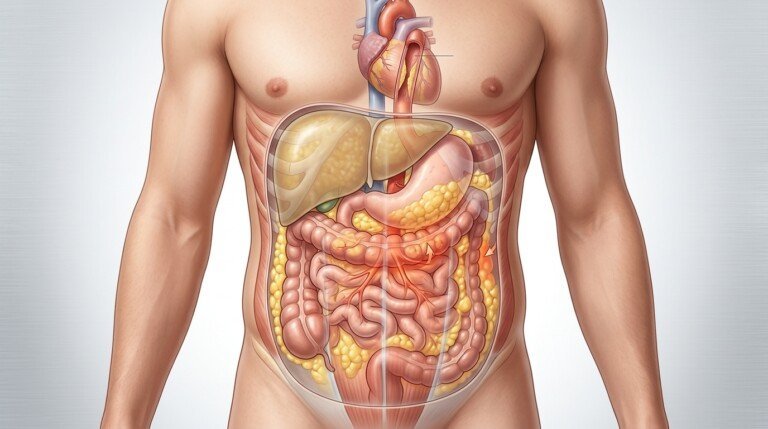
Visceral fat is different from the fat you can pinch beneath your skin. It sits deep inside the abdomen, surrounding organs such as the liver, stomach, and intestines. Because of its location, carrying too much visceral fat is associated with an increased risk of metabolic syndrome, fatty liver disease, cardiovascular disease, and other long-term health concerns.
The encouraging news is that visceral fat often responds well to healthy dietary changes. Choosing foods rich in fiber, lean protein, healthy fats, and minimally processed carbohydrates can support gradual fat loss while improving overall metabolic health. Rather than relying on restrictive diets or quick fixes, building meals around nutrient-dense whole foods offers a sustainable way to reduce excess body fat over time.
In this guide, you’ll discover 15 science-backed foods that reduce visceral fat, learn why they support better body composition, understand which foods are best limited, and explore the eating patterns most consistently linked with healthier waistlines.
Can Food Help Reduce Visceral Fat?
The short answer is yes, but probably not in the way many people expect.
No individual food has the ability to “melt” visceral fat or remove it from around your organs. Instead, the foods you eat influence your total calorie intake, hunger levels, blood sugar control, inflammation, and overall body composition. Over time, these factors affect how much visceral fat your body stores.
Research consistently shows that dietary patterns emphasizing whole, minimally processed foods are associated with lower levels of abdominal fat compared with diets high in refined carbohydrates, added sugars, and ultra-processed foods.
One reason these eating patterns are effective is that they naturally provide more nutrients while helping people feel satisfied on fewer calories. Foods rich in fiber and protein also promote fullness, making it easier to maintain healthy eating habits over the long term.
Reducing visceral fat is not about following a temporary diet. It is about creating an eating pattern that you can maintain for years rather than weeks.
If you’re new to the topic, our complete guide on Visceral Fat explains why this type of body fat deserves special attention.
Which Foods Are Best for Visceral Fat?
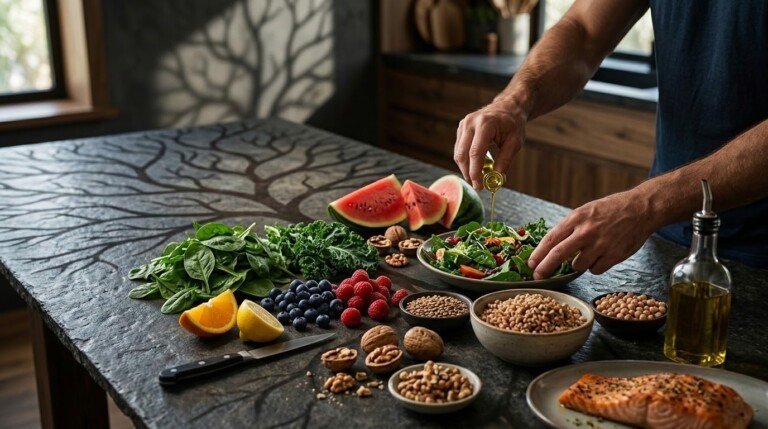
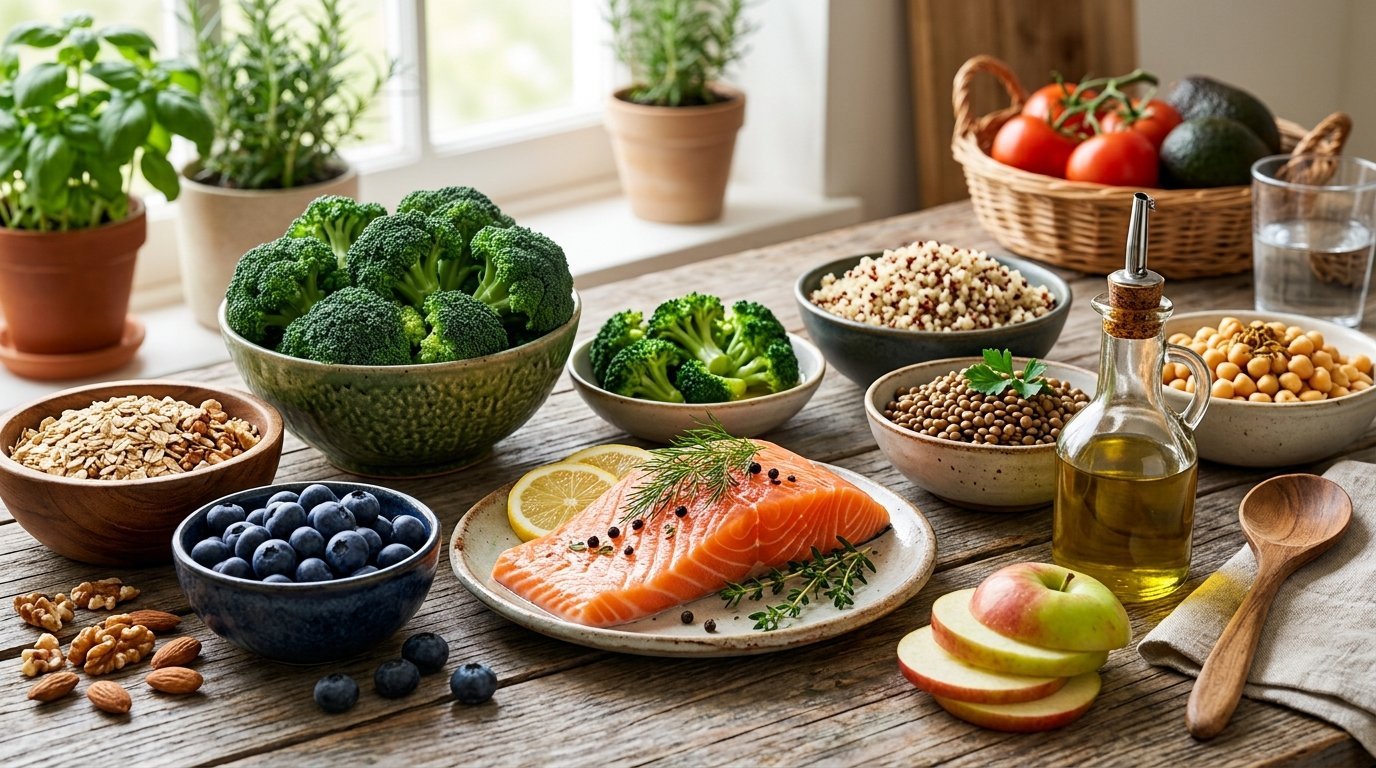
Instead of searching for a miracle food, focus on building your meals around foods that consistently support metabolic health. The following 15 choices have strong nutritional value and fit well within eating patterns associated with lower visceral fat levels.

1. Oats
Oats are an excellent source of soluble fiber, particularly beta-glucan. This type of fiber helps increase fullness and supports healthy digestion.
Starting the day with oatmeal topped with fruit and nuts can be a satisfying breakfast that supports long-term weight management.
2. Lentils
Lentils provide both plant protein and fiber, making them one of the most filling foods you can eat.
They work well in soups, salads, and grain bowls while helping improve overall meal quality.
3. Chickpeas
Chickpeas are another fiber-rich legume that supports satiety and provides important vitamins and minerals.
Roasted chickpeas also make a nutritious alternative to highly processed snack foods.
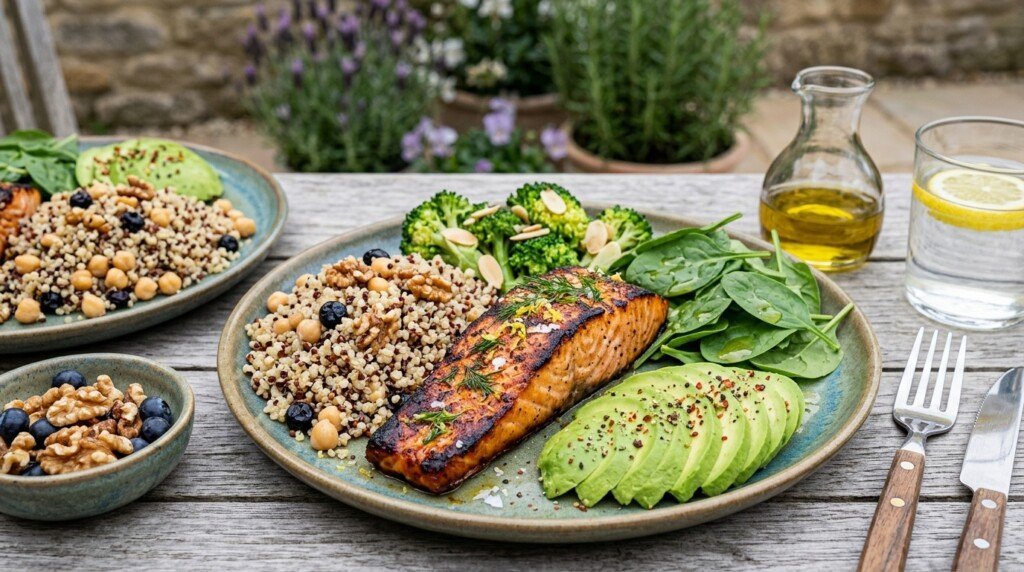
4. Salmon
Fatty fish such as salmon provide high-quality protein along with omega-3 fatty acids.
Including fish regularly supports overall heart health while fitting well into dietary patterns associated with healthier body composition.
5. Greek Yogurt
Plain Greek yogurt offers a combination of protein and calcium while remaining versatile enough for breakfast, snacks, or desserts.
Choose unsweetened varieties whenever possible and add fresh fruit for natural sweetness.
6. Blueberries
Blueberries are rich in fiber and plant compounds while being naturally low in calories.
They make an excellent addition to oatmeal, yogurt, or smoothies.
7. Apples
Apples contain fiber and water, two factors that help increase fullness between meals.
Eating whole fruit generally provides greater satiety than fruit juice.
8. Leafy Greens
Spinach, kale, arugula, and similar vegetables are low in calories but rich in vitamins, minerals, and fiber.
Filling half your plate with vegetables is one of the simplest ways to improve meal quality.
9. Broccoli
Broccoli provides fiber along with numerous beneficial nutrients.
Steamed, roasted, or added to stir-fries, it complements almost any balanced meal.
10. Extra Virgin Olive Oil
Olive oil is a cornerstone of the Mediterranean diet.
Although it is calorie-dense, moderate amounts can replace less healthy fats while improving meal satisfaction.
11. Walnuts
Walnuts provide healthy fats, fiber, and plant protein.
Because nuts are energy-dense, enjoy them in moderate portions.
12. Almonds
Almonds offer similar benefits and make a convenient snack when paired with fruit.
13. Brown Rice
Replacing refined grains with whole grains increases fiber intake and often helps improve overall diet quality.
14. Quinoa
Quinoa supplies both protein and fiber while serving as an excellent alternative to refined grains.
15. Beans
Black beans, kidney beans, cannellini beans, and other legumes are among the most nutritious foods for supporting healthy eating patterns.
They provide long-lasting fullness while contributing valuable nutrients to meals.
These foods are most effective when eaten regularly as part of a balanced eating pattern rather than viewed as individual fat-burning foods.
Which Foods Should You Limit?
Knowing which foods to eat is only part of the equation. Equally important is recognizing the foods that can make it harder to maintain a healthy body composition when they are eaten frequently or in large portions.
This doesn’t mean you need to completely eliminate your favorite foods. Instead, think of these as foods to enjoy occasionally while making nutrient-dense options the foundation of your diet.
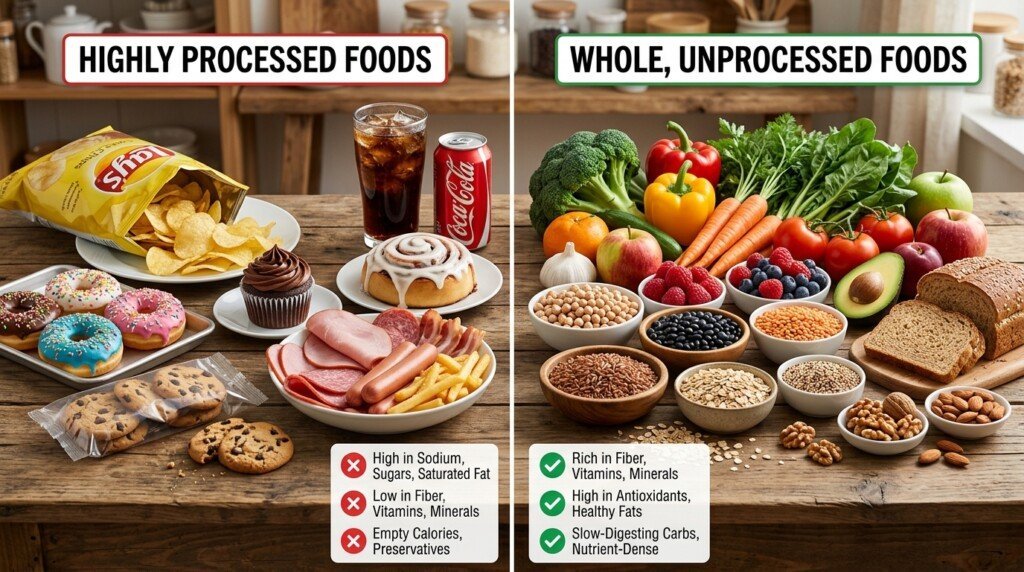
Refined Grains
Highly refined grains have much of their fiber removed during processing.
Common examples include:
- White bread
- White rice
- Pastries
- Many breakfast cereals
Replacing these foods with whole-grain alternatives often increases fiber intake and helps improve meal satisfaction.
Foods High in Added Sugar
Many packaged foods contain significant amounts of added sugar.
Examples include:
- Candy
- Cookies
- Cakes
- Sweet desserts
Eating these foods occasionally is perfectly reasonable, but making them daily staples can increase overall calorie intake without providing many beneficial nutrients.
Highly Processed Snack Foods
Packaged chips, crackers, and similar snacks are often easy to overeat because they combine refined carbohydrates, unhealthy fats, and added salt.
Choosing whole-food snacks more often can improve overall diet quality.
If you need ideas, our guide to Healthy Snacks for Weight Loss includes balanced snack options that support long-term healthy eating.
Processed Meats
Processed meats tend to be higher in sodium and saturated fat than fresh lean protein sources.
Examples include:
- Bacon
- Sausages
- Hot dogs
- Processed deli meats
Replacing some processed meats with fish, poultry, legumes, or beans can improve the nutritional quality of your meals.
Fast Food
Convenience foods often combine several factors that make overeating easier:
- Large portions
- High calorie density
- Refined carbohydrates
- Added fats
- Excess sodium
Preparing more meals at home gives you greater control over ingredients and portion sizes.
The goal isn’t perfection. A healthy eating pattern is built over months and years, not judged by a single meal.
Does Protein Help Reduce Visceral Fat?
Protein is one of the most important nutrients for anyone trying to improve body composition.
While protein does not directly burn visceral fat, it supports several processes that make healthy fat loss easier.
Protein Helps You Stay Full
Protein generally increases feelings of fullness more than refined carbohydrates.
Meals that contain adequate protein often reduce hunger between meals, making it easier to avoid unnecessary snacking.
Protein Helps Preserve Muscle
When people lose weight, they can lose both fat and muscle.
Eating enough protein helps preserve lean muscle while body fat gradually decreases.
Maintaining muscle is important because muscle tissue plays a key role in overall metabolism and physical function.
Protein Supports Better Meal Quality
Protein-rich foods often replace highly processed foods that provide fewer nutrients.
Good protein choices include:
- Fish
- Chicken
- Turkey
- Eggs
- Greek yogurt
- Cottage cheese
- Tofu
- Tempeh
- Lentils
- Beans
Rather than trying to eat most of your protein at dinner, aim to include a source of protein at every meal.
For more meal ideas, explore our guide on High-Protein Foods That Burn Fat.
Does Fiber Help Burn Visceral Fat?
Fiber does not directly burn visceral fat, but it supports several healthy processes associated with long-term fat loss.
Fiber Increases Fullness
Foods rich in fiber generally take longer to digest.
This slower digestion helps people stay satisfied for longer periods after eating.
Fiber Supports Digestive Health
Fiber feeds beneficial gut bacteria and supports regular digestion.
A healthy digestive system is an important part of overall metabolic health.
If you’d like to learn more, our article on Gut Health and Weight Loss explains how gut health and nutrition work together.
Fiber Helps Reduce Overall Calorie Intake
Because high-fiber foods tend to be filling while remaining relatively low in calorie density, many people naturally eat fewer calories without feeling deprived.
Excellent sources of fiber include:
- Oats
- Beans
- Lentils
- Chickpeas
- Apples
- Pears
- Berries
- Broccoli
- Brussels sprouts
- Whole grains
Instead of focusing on fiber supplements, aim to obtain most of your fiber from whole foods.
Is the Mediterranean Diet Good for Visceral Fat?
Among the many eating patterns studied by researchers, the Mediterranean diet consistently ranks among the healthiest.
Rather than being a strict diet, it is a long-term way of eating that emphasizes whole, minimally processed foods.
Key features include:
- Plenty of vegetables
- Fruits
- Whole grains
- Legumes
- Nuts
- Seeds
- Olive oil
- Fish
- Moderate dairy intake
- Limited processed foods
One reason the Mediterranean diet is associated with healthier waistlines is that it naturally combines many of the foods discussed earlier in this article.
It is rich in:
- Fiber
- Healthy fats
- Lean protein
- Plant-based foods
Instead of counting every calorie, many people find this eating pattern easier to maintain because it focuses on food quality rather than strict restriction.

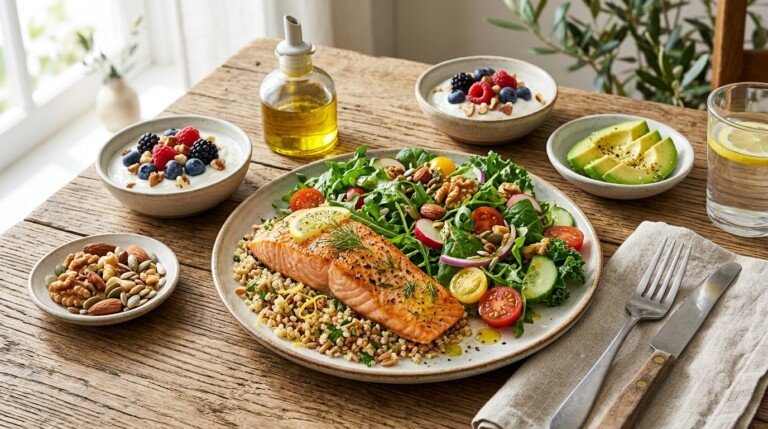
What Does a Sample Day Look Like?
A simple example might include:
Breakfast
Oatmeal topped with blueberries, walnuts, and plain Greek yogurt.
Lunch
Mixed green salad with grilled salmon, chickpeas, vegetables, and olive oil dressing.
Snack
An apple with a handful of almonds.
Dinner
Grilled chicken served with quinoa, roasted broccoli, and mixed vegetables.
This type of menu naturally includes fiber, protein, healthy fats, and whole grains without relying on complicated meal plans.
If you’re looking for additional affordable meal ideas, our guide on Cheap Foods for Weight Loss offers practical options that fit a healthy eating pattern.
How Long Does Diet Take to Reduce Visceral Fat?
There is no single timeline because every person’s starting point is different.
Age, genetics, body composition, daily activity, sleep, and overall health all influence how quickly visceral fat changes.
Some people notice improvements in waist circumference within several weeks of consistently following healthier eating habits.
For others, meaningful changes may take several months.
Rather than focusing only on the number on the scale, monitor several indicators of progress:
- Waist circumference
- Clothing fit
- Energy levels
- Body composition
- Overall health markers
Remember that sustainable progress is usually gradual.
Extreme diets may produce rapid weight loss initially, but they are often difficult to maintain over the long term.
Building consistent eating habits almost always produces better lasting results than chasing quick fixes.

Frequently Asked Questions
1. What foods help reduce visceral fat the most?
Foods rich in fiber, lean protein, healthy fats, vegetables, legumes, whole grains, berries, nuts, olive oil, and fatty fish consistently support healthy eating patterns associated with lower visceral fat.
2. Can one food burn visceral fat?
No. There is no single food that specifically burns visceral fat. Overall dietary patterns matter much more than individual foods.
3. Are carbohydrates bad for visceral fat?
Not all carbohydrates are the same. Whole grains, fruits, vegetables, and legumes provide valuable nutrients and fiber, while highly refined carbohydrates are best limited.
4. Is fruit good for visceral fat?
Yes. Whole fruits provide fiber, vitamins, minerals, and water, making them a nutritious part of a balanced eating pattern.
For more ideas, see our guide on Best Fruits for Weight Loss.
5. Should I completely avoid my favorite foods?
No. Long-term success comes from building a balanced eating pattern rather than eliminating every enjoyable food.
Final Thoughts
Choosing foods that reduce visceral fat is less about finding a single superfood and more about creating a balanced eating pattern built around whole, minimally processed ingredients. Foods rich in fiber, lean protein, healthy fats, legumes, vegetables, fruits, and whole grains provide the nutrients your body needs while supporting healthy body composition over time.
At the same time, limiting highly processed foods, refined grains, and foods high in added sugar can help reduce excess calorie intake without making your diet unnecessarily restrictive.
The most successful approach is one you can maintain consistently. Small improvements made every day often produce greater long-term results than dramatic changes that are difficult to sustain. By focusing on overall food quality instead of quick fixes, you can support healthier eating habits that benefit not only visceral fat but your overall health as well.
Disclaimer:
This post may contain affiliate links. If you purchase through them, we may earn a small commission at no extra cost to you. Also, this content is for informational purposes only and does not substitute professional medical advice.
Fuel Your Body Right
Use our free Nutrition Toolkit to find your protein target, fasting window, and net carbs in minutes.
Open Free Tools →