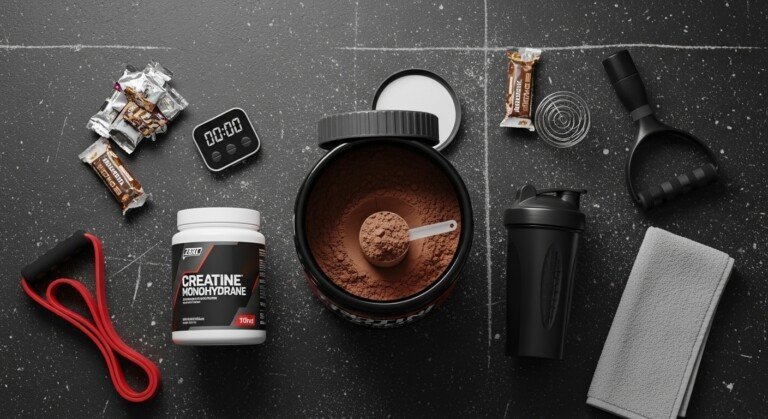
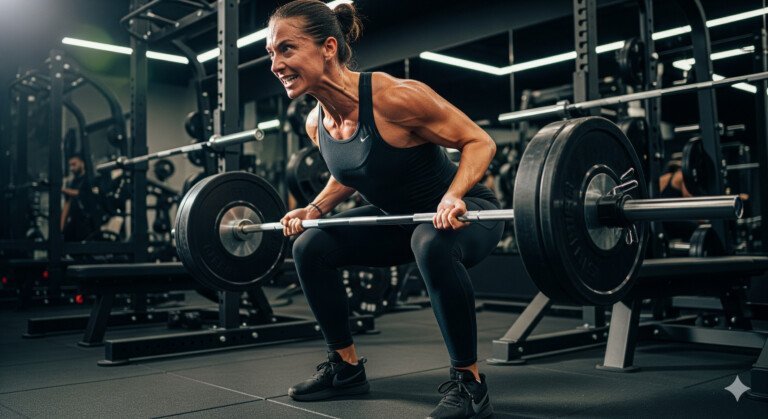
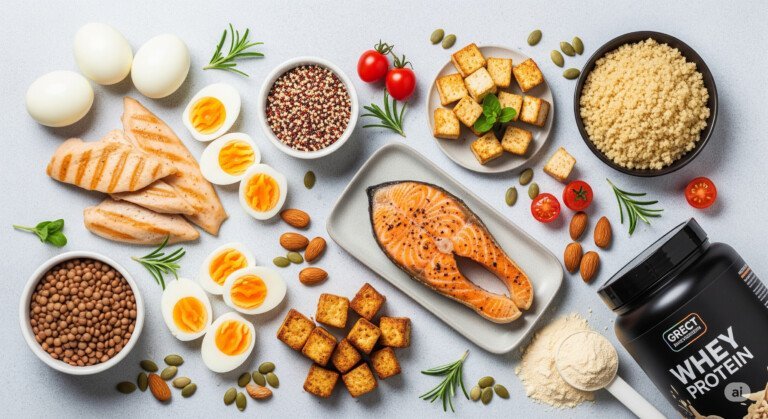
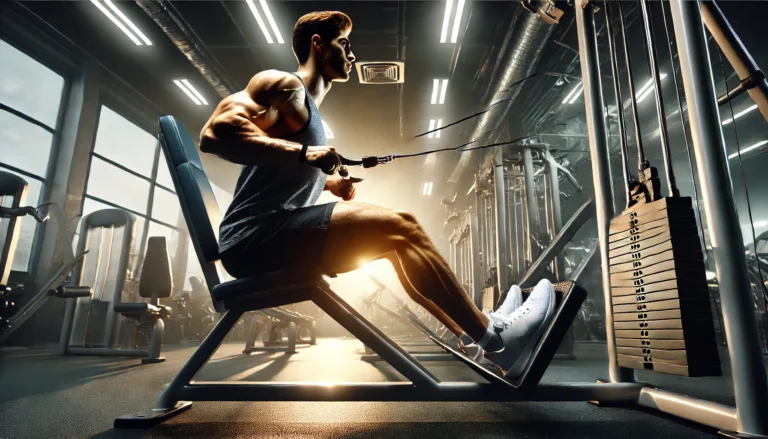
Best Creatine Supplements (Gummies, Powders & Pills Compared)

If you’ve ever felt stuck in your workouts lifting hard, eating right, but still not seeing much progress you’re not alone. Most people hit that frustrating plateau where strength gains slow down and recovery feels sluggish. That’s where creatine comes in.

Creatine is one of the most researched and proven supplements in the world, trusted by athletes, bodybuilders, and everyday fitness enthusiasts. It helps your body produce more ATP energy, which fuels your muscles during high-intensity exercise. The result? More strength, faster recovery, and better performance.

In this guide, we’ll break down the best creatine supplements available today—from creatine monohydrate powders to gummies, capsules, and even HCL formulas. We’ll also look at the best protein stacks to combine with creatine for faster gains, and answer the most common questions people ask about using it safely and effectively.

Whether your goal is to build lean muscle, enhance recovery, or lose fat without losing strength, this complete guide will help you find the perfect supplement.


What Is Creatine and How Does It Work?

Creatine is a naturally occurring compound found in your muscles. About 95% of it is stored in skeletal muscle tissue, where it helps your body regenerate ATP the primary energy molecule used during intense activity.

When you lift weights, sprint, or do anything explosive, your muscles burn through ATP quickly. Supplementing with creatine increases your body’s phosphocreatine stores, allowing you to produce more ATP and sustain high performance for longer.

There are several forms of creatine, but the two most common are Creatine Monohydrate and Creatine HCL.

Creatine Monohydrate

The gold standard. It’s been tested for decades and proven to be safe and effective. Creatine monohydrate increases muscle strength, hydration, and recovery when taken consistently.

Creatine HCL

A newer form of creatine that dissolves more easily in water and may be easier on the stomach. Some users prefer it because it doesn’t require a loading phase and tends to cause less bloating.

Creatine Monohydrate vs HCL — Which Is Better?

  • Monohydrate: Best for research-backed results and affordability.
  • HCL: Best for people with sensitive digestion or who want smaller serving sizes.

The differences are subtle, and both can work extremely well. But for most users, creatine monohydrate remains the top choice due to its unmatched research record.


Does Creatine Help With Weight Loss?

A common question is whether creatine helps you lose fat or makes you gain weight. Technically, creatine can increase water retention inside muscles, which might show a temporary bump on the scale. However, it doesn’t cause fat gain.

In fact, by increasing muscle mass, creatine helps raise your metabolic rate, meaning your body burns more calories even at rest. For people trying to lose fat without losing strength, creatine can be a secret weapon.


When to Take Creatine — Before or After Workout?

Research suggests timing doesn’t matter much as long as you’re consistent. Some prefer to take it before a workout for an energy boost, while others take it after training to support recovery.

The key is daily use. Your muscles need to stay “saturated” with creatine to perform at their best.

Pro Tip: Combine 5g of creatine monohydrate with a protein shake or carbohydrate source post-workout. This improves uptake and helps with muscle growth.


How Long Does Creatine Take to Work?

You may start to notice changes in performance within 7–10 days, but muscle definition and strength improvements often appear after 3–4 weeks of consistent use.

Those who “load” (20g/day for 5 days, then 5g/day after) might see results faster, but even without loading, creatine works exceptionally well.


Common Myths About Creatine

  1. “Creatine is a steroid.”
    – False. It’s a natural compound found in meat and fish, and also produced by your body.
  2. “It causes dehydration or cramps.”
    – Studies show the opposite creatine improves muscle hydration.
  3. “You need to cycle off creatine.”
    – There’s no evidence for that. Continuous use is safe and effective.

The Best Creatine Supplements

Below are some of the top options when it comes to best creatine supplements, including powders, pills, and gummies. Each review includes key features, pros and cons, and what type of user it’s best for.

Transparent Labs Creatine HMB

Why we like it
Transparent Labs’ Creatine HMB combines a pure creatine monohydrate base with HMB (beta-hydroxy beta-methylbutyrate) and absorption-aid Bioperine® making it one of the more advanced formulas for building strength and recovery. Men’s Health+3BarBend+3Lift Big Eat Big+3
According to user reviews, it averages around 4.7 stars with over 2,000 reviews. Garage Gym Reviews+1
Highlights

  • 5 g of creatine monohydrate per serving. Garage Gym Reviews+1
  • Third-party tested, with full ingredient transparency. Men’s Health+1
  • Multiple flavour options (including an unflavoured version) for variety. BarBend
    Considerations
  • Premium price per serving. Lift Big Eat Big
  • Some users find the flavour/sweet taste off-putting. Garage Gym Reviews
    Who should buy this?
    If you value high transparency, extra recovery support (HMB + Bioperine), and are willing to pay a bit more, this is a strong pick. If you’re simply after the cheapest pure creatine, you might look elsewhere.

Thorne Creatine (Monohydrate)

Why we like it
Thorne’s version focuses on one very well-researched form: micronized creatine monohydrate. It’s clean, simple, and backed by third-party certification (NSF Certified for Sport). Garage Gym Reviews+1
Highlights

  • 5 g per serving, matching clinical research. BarBend+1
  • Strong customer reviews: >4.5 stars; thousands of ratings. BarBend+1
  • Simple ingredient list = lower chance of unwanted fillers.
    Considerations
  • Flavourless “plain” taste/texture may not appeal to everyone. BarBend
  • Doesn’t include added bonuses (HMB, flavoured variants) so if you want “extra” you’ll pay elsewhere.
    Who should buy this?
    Ideal for someone who wants a no-nonsense, high-quality creatine monohydrate. Especially good for athletes or those subject to doping testing (because of NSF certification).

BulkSupplements Creatine Monohydrate Powder

Why we like it
When budget is a priority and you’re buying in bulk, this product stands out. It keeps the cost per serving low while still offering micronized monohydrate. Verywell Fit+1
Highlights

  • Very budget-friendly; value option. Verywell Fit+1
  • Simple ingredient profile pure creatine monohydrate.
    Considerations
  • Lower brand recognition, potentially less flashy marketing.
  • Some user comments worry about quality control & reviews. Reddit
    Who should buy this?
    For someone who already knows creatine works, is buying long term, and wants maximum value. Works well if you’re layering with other supplements.

Creatine Gummies — “On-the-Go” Option

Why we highlight this form
While powders dominate the market, gummies offer convenience, portability, and a flavour twist when you’re traveling or want variety.
What to watch

  • Ensure each serving actually contains 3-5 g of creatine (many gummies may underdose).
  • Check for sugar, additives, and dissolution. Some recent investigations found gummy forms may not meet advertised dosages. The Sun
    Best for
    Individuals who dislike mixing powders or want a simple “chew-and-go” format. But you’ll likely pay more per gram and must verify dosage.

Other Notables & Brand Mentions

  • Creapure®: Denotes a premium grade of creatine monohydrate (German-made, high purity). If you see the label, you’re in good hands.
  • Nutricost Creatine Monohydrate: Another budget-friendly monohydrate pick featured in “best for value” lists. Garage Gym Reviews
  • Creatine HCL & Capsules / Pills: For users who prefer smaller serving sizes, capsules/pills or HCL forms may help. Note: fewer studies compared to monohydrate.
  • Biosteel + Bioperine: Some formulas include absorption-aiding Bioperine® (black pepper extract) to boost uptake. Transparent Labs’ formula includes this. BarBend

How to Choose the Right Creatine Supplement

Here are key factors to consider when selecting a creatine product:

  1. Form of Creatine — Monohydrate remains the gold standard. HCL, pills, gummies are options, but check evidence.
  2. Serving Size & Purity — Aim for 3-5 g of creatine per day. Pure formulas (no fillers) give the best value.
  3. Third-Party Testing & Certification — Look for NSF, Informed Sport or similar for athlete safety and product integrity. (Example: Thorne – NSF certified)
  4. Budget vs Premium — If price matters, a simple monohydrate like BulkSupplements is smart. Want extra features (flavours, HMB, absorption aids)? Premium brands like Transparent Labs fit.
  5. Convenience & Format — Do you want powder you mix, chewable gummies, pills/capsules? Each has trade-offs (cost, taste, absorption).
  6. Intended Goal — Are you stacking with protein for muscle growth, using for recovery, or aiming for weight loss/lean-gains? Match the product features (e.g., flavour, mixability, added ingredients) to your goal.

Creatine Gummies vs Powder — Which One Works Better?

The rise of creatine gummies has been nothing short of explosive. With more than 60,000 monthly searches, it’s clear that people love the idea of a convenient, flavorful way to take creatine. But are gummies as effective as traditional powders?

Let’s compare both forms and understand the real differences.

Creatine Powder (Traditional Monohydrate or HCL)

Why people love it:

  • Proven effectiveness: Decades of research back creatine monohydrate for muscle growth, recovery, and strength.
  • Economical: You get more servings per dollar compared to gummies or capsules.
  • Flexible dosage: Easy to measure 3–5 g exactly.

Potential drawbacks:

  • Must be mixed with liquid.
  • Slight gritty texture if not fully dissolved.
  • Some users report mild stomach discomfort.

Best for:
Athletes, gym enthusiasts, and anyone who wants maximum performance for minimal cost.

Creatine Gummies

Why people love them:

  • Delicious, easy to take on the go.
  • No need to mix or measure.
  • Perfect for people who hate the powder taste.

Potential drawbacks:

  • Some gummies under-dose the creatine (2 g or less per serving).
  • Added sugars can offset your clean diet.
  • Much higher cost per serving.

Best for:
Casual gymgoers, travelers, or people who value convenience over optimization.

Verdict — Gummies vs Powder

While creatine gummies are fun and convenient, powder still wins for serious muscle development. The most reliable form creatine monohydrate remains the gold standard due to higher dosage control, purity, and scientific evidence.

However, if consistency is your main struggle, gummies can still be a great option. Taking creatine every day is more important than the format.

Pro Tip: Choose gummies that clearly state “5 g creatine per serving” and include lab testing (such as Create Creatine Gummies).

If you’re searching for products locally, type “creatine near me” or check your nearest Walmart or GNC store to find brands like Thorne, Transparent Labs, and BulkSupplements.


When to Take Creatine — Before or After Workout?

One of the most common debates in fitness circles is timing. Should you take creatine before your workout for more strength, or after your session for faster recovery?

The truth: Timing matters less than consistency.

Still, here’s what studies and practical experience suggest:

  • Before Workout: Slight mental and physical energy boost, especially if taken with pre-workout.
  • After Workout: Improved uptake when paired with carbs and protein (due to insulin response).
  • On Rest Days: Take it anytime with food to maintain muscle saturation.

A good rule:

Take 5 g daily, preferably with your post-workout protein shake or meal.

This ensures you get full absorption while also replenishing glycogen and amino acids.


Best Protein Powders to Stack with Creatine

Stacking creatine with protein is one of the most powerful combinations in fitness nutrition. Together, they amplify muscle recovery, repair microtears faster, and support long-term lean mass growth.

Here are some of the best protein options to combine with creatine:

Transparent Labs Whey Protein Isolate

Why it stands out:

  • Naturally sweetened with stevia.
  • Free from artificial colors and preservatives.
  • Works perfectly with their Creatine HMB supplement for a full “muscle stack.”

Use Case: Ideal for athletes who want clean macros and maximum transparency.

Orgain Organic Protein Powder & Shakes

Why it stands out:

  • Certified organic, plant-based, and affordable.
  • Provides 21 g protein per serving.
  • Excellent for those with dairy sensitivities or vegan preferences.

Pro Tip: Combine with creatine monohydrate for a plant-based muscle-growth combo.

Naked Whey & Naked Protein

Why it stands out:

  • Only one ingredient: grass-fed whey.
  • No artificial sweeteners or flavors.
  • Ideal if you want to stack with creatine and control every ingredient.

Use Case: Great for minimalists who prefer simplicity and clean nutrition.

Jocko Mölk Protein Powder

Why it stands out:

  • Blend of whey concentrate, isolate, and casein for sustained release.
  • Includes probiotics and digestive enzymes.
  • Trusted by military and athlete communities.

Best for: Individuals who train intensely and want overnight recovery support.

Bare Blends Raw Protein & “Just Ingredients” Protein Powder

Why it stands out:

  • Non-GMO, natural, and crafted with adaptogens (in Bare Blends).
  • “Just Ingredients” brand focuses on 100% clean labeling no synthetic flavorings.

Best for: Holistic users who prefer whole-food supplementation.

Bucked Up Protein Drink & GNC Whey Protein

Why they stand out:

  • Bucked Up: Convenient ready-to-drink option for post-workout recovery.
  • GNC Whey: Reliable mainstream choice with a wide range of flavors.

Stack Tip: Combine one serving of protein with 5 g of creatine monohydrate post-workout.


The Perfect Creatine + Protein Stack

Example Stack for Muscle Growth:

  • Morning: 1 scoop Transparent Labs Whey + 5 g Creatine HMB
  • Post-Workout: 1 scoop Orgain or Naked Whey + 5 g Monohydrate
  • Rest Days: 1 serving of protein + creatine with breakfast

Expected Benefits (in 4–6 weeks):

  • Improved muscle fullness and strength
  • Faster recovery and reduced soreness
  • Noticeable boost in training endurance

Other Muscle-Building Supplements to Consider

Creatine and protein form the foundation, but a few other supplements can enhance results:

  1. Amino Acid Supplements (BCAAs & EAAs)
    – Support muscle recovery and hydration.
    – Great during workouts or fasted training.
  2. Purity Coffee
    – Organic, toxin-free coffee that enhances focus and metabolism.
    – Can be used as a mild pre-workout boost.
  3. Ready Clean Protein Bars
    – Convenient meal replacement for on-the-go nutrition.
  4. Vital Source Gummies
    – Provide micronutrients that support recovery and energy.
  5. For Men Over 40 (“Guys 50’s Style”)
    – Consider adding collagen or testosterone-support blends for joint health and hormone balance.

Each of these complements creatine’s effects by improving recovery, energy, and overall muscle function.


Pro-Stack Example for Men Over 40

  • Morning: Purity Coffee + 5 g Creatine Monohydrate
  • Workout: 10 g EAAs + 1 scoop Whey Protein Isolate
  • Evening: Collagen + Magnesium
    This approach supports endurance, muscle density, and joint protection as you age.

Frequently Asked Questions About Creatine

1. Does creatine help with weight loss or make you gain weight?

Creatine doesn’t cause fat gain. The “weight gain” most people notice early on is water retention inside muscle cells, not fat storage. That extra water helps your muscles look fuller and perform stronger.
In the long run, creatine can support fat loss indirectly by helping you maintain muscle mass while cutting calories muscle tissue burns more energy even at rest.

2. Should I take creatine before or after my workout?

You can take it either. The goal is daily consistency.
Before workout: Slight energy and focus boost.
After workout: Enhanced uptake with carbs and protein.
The easiest approach: mix 5 g of creatine with your post-workout protein shake.

3. Is creatine safe for women?

Absolutely. Creatine is not a male-only supplement. Women benefit from the same increase in strength, muscle tone, and workout endurance. In fact, studies show women often experience less fatigue and faster recovery when supplementing with creatine.

4. Can teenagers use creatine safely?

If a teen is already weight-training seriously and eating well, a moderate dose (3–5 g/day) of creatine monohydrate is generally considered safe. Always consult a healthcare provider first.

5. How long should I take creatine? Do I need to cycle off?

There’s no need to cycle. Continuous daily use is perfectly safe. Your body regulates its own production; once muscle stores are full, excess is excreted naturally. Most athletes use creatine year-round.

6. Can I take creatine and protein together?

Yes they complement each other. Creatine helps increase strength and energy, while protein supports muscle repair. Taking both post-workout improves recovery and growth.

7. Where can I buy creatine near me?

Search “creatine near me” in Google Maps to find GNC, Walmart, or local supplement stores. For wider options and better prices, order online from verified sellers like Transparent Labs, Thorne, or BulkSupplements.

8. Can creatine cause dehydration or cramps?

No. Research shows creatine can actually improve muscle hydration. Just ensure you drink enough water around 3 liters per day if you’re training intensely.

9. What’s the best form of creatine for beginners?

Start with creatine monohydrate. It’s affordable, well-studied, and delivers reliable results. If you prefer smaller doses or better solubility, creatine HCL is a good alternative.

10. What’s the difference between Creapure®, Thorne Creatine, and Transparent Labs Creatine HMB?

Creapure® = German-made, pharmaceutical-grade monohydrate (purest form).
Thorne Creatine = NSF-certified monohydrate for athletes needing clean certification.
Transparent Labs Creatine HMB = Monohydrate + HMB + Bioperine for faster recovery and absorption.


Choosing the Right Creatine Supplement

Use this quick checklist before buying:

FactorWhat to Look ForBest Examples
FormMonohydrate > HCL for research-backed resultsThorne, BulkSupplements
Purity100% Creapure® or lab-testedCreapure®, Transparent Labs
Added IngredientsHMB, Bioperine for absorptionTransparent Labs Creatine HMB
CertificationNSF Certified for Sport / Informed SportThorne Creatine
FormatPowder = best value; Gummies = most convenientCreate Creatine Gummies
GoalStrength & Size vs Convenience & TasteMonohydrate vs Gummies
Budget<$1 per serving = good dealNutricost, BulkSupplements

Top 3 Editor’s Picks

  1. Best Overall Creatine:
    Transparent Labs Creatine HMB — backed by third-party testing, includes HMB + Bioperine for recovery.
  2. Best Pure Formula:
    Thorne Creatine — NSF Certified, clean monohydrate for athletes and professionals.
  3. Best Value Option:
    BulkSupplements Creatine Monohydrate — unbeatable price per serving and simple purity.

How to Maximize Your Creatine Results

  1. Stay consistent: Take 5 g daily. Missing days slows down muscle saturation.
  2. Hydrate properly: At least 2.5–3 L water/day.
  3. Stack wisely: Pair with whey or plant protein, and possibly beta-alanine or electrolytes.
  4. Train progressively: Creatine amplifies your output only if you challenge your muscles.
  5. Sleep & nutrition: Growth happens during recovery maintain balanced macros and 7–8 hours of sleep.

Safety and Side Effects

Creatine is among the most researched supplements ever. Thousands of peer-reviewed studies confirm its safety for healthy individuals when taken at recommended doses (3–5 g/day).

  • Common Side Effect: Mild bloating for new users; typically resolves within a week.
  • Long-term Use: No evidence of kidney or liver harm in healthy adults.

Final Thoughts: The Smart Way to Use Creatine

Creatine isn’t a magic powder it’s a proven tool. When combined with smart training, protein intake, and recovery, it can transform your physique and performance.

Here’s a simple plan you can copy:

  • Workout Days:
    → Post-workout: 5 g Creatine Monohydrate + Protein Shake
  • Rest Days:
    → Morning: 5 g Creatine with breakfast

Results to expect (within 4–6 weeks):

  • Noticeable strength increase (5–15%)
  • Fuller muscle appearance
  • Faster recovery between sets
  • Better workout stamina

Whether you choose Transparent Labs Creatine HMB, Thorne Creatine, or a simple monohydrate from BulkSupplements the most important thing is to take it daily.


Call-to-Action

Ready to start your creatine journey?
👉 Explore the best deals:


Closing Summary

Creatine remains the single most effective, affordable, and scientifically validated supplement for building strength and muscle.
From Transparent Labs and Thorne to Momentous and BulkSupplements, today’s market offers cleaner, smarter, and more personalized formulas than ever before.

Pick the form that fits your lifestyle powder, gummy, or capsule stay consistent, and in a month’s time you’ll feel the difference every time you train.


Disclaimer:

This post may contain affiliate links. If you purchase through them, we may earn a small commission at no extra cost to you. Also, this content is for informational purposes only and does not substitute professional medical advice.

Powerful Strength Training for Fat Loss: 7 Secrets You Need Now

For years, we’ve been told the same story: if you want to lose weight, you need to pound the pavement, sweat it out on an elliptical, or spend hours on a treadmill. The mantra was “cardio is king.” And while cardio certainly has its place, the real secret weapon that’s been hiding in plain sight is strength training for fat loss.

This isn’t about getting massive and bulky; it’s about transforming your body’s engine into a fat-burning machine. If you’ve ever felt stuck on a cardio-only plateau, or if you’re a complete beginner who’s intimidated by the weight room, this is your starting point inside a complete weight loss guide that prioritizes muscle preservation, metabolism, and long-term fat loss.


Why Strength Training for Fat Loss Works Differently

Thinking of your body as a car, cardio is like burning fuel while you’re driving. It’s effective in the moment, burning calories as you move. Strength training for fat loss, however, is like upgrading your engine to be more efficient all the time. Here’s how it flips the script on traditional weight loss.

  • The Afterburn Effect (EPOC): This is the biggest reason why lifting weights is so effective. When you perform intense resistance training, your body uses a huge amount of energy to repair and rebuild the muscle fibers you’ve challenged. This process, known as Excess Post-exercise Oxygen Consumption (EPOC), keeps your metabolism elevated and burning calories for hours and even days after you’ve left the gym.
  • More Muscle, More Metabolism: Muscle tissue is metabolically active, which means it burns calories at rest, unlike fat tissue. The more muscle you have, the higher your resting metabolic rate (RMR) will be. By building muscle through strength training for fat loss, you’re essentially increasing the baseline number of calories your body burns every single day, even when you’re sleeping on the couch.
  • Improved Body Composition: While a scale might not show a huge drop overnight (because muscle is denser than fat), what you’ll notice is a significant change in your body shape. Your clothes will fit differently, your waist will slim down, and you’ll look and feel leaner. This is the true goal of a fitness journey not just weight loss, but fat loss.

Debunking the Myth: Does Lifting Burn Fat?

This is one of the most common questions out there, and the answer is both “yes” and “no.” During a lifting session, your body primarily uses stored carbohydrates (glycogen) for energy, not fat directly. The true magic happens after the workout.

As we discussed, the EPOC effect turns your body into a metabolic furnace. The energy needed to repair muscle damage comes from a variety of sources, including fat stores. So, while you might not be directly burning fat during your squats, you’re creating the conditions for your body to torch it for the next 24-48 hours. This is the fundamental difference between strength training for fat loss and cardio. Cardio burns fat during the session; lifting burns fat for long after.


Strength vs Cardio Weight Loss: A Friendly Competition

It’s not about choosing one over the other; it’s about understanding how they work together, especially when comparing cardio vs strength training for weight loss in a structured fat-loss plan. If you’re looking for quick calorie burn and immediate results on the scale, cardio has a slight edge. An hour on a bike can burn hundreds of calories. However, if your goal is sustainable, long-term fat loss and a complete body transformation, strength training for fat loss wins by a landslide.

Think of it this way:

  • Cardio: Great for heart health, endurance, and burning calories while you’re doing it.
  • Strength Training: Builds muscle, boosts metabolism, reshapes your body, and burns fat around the clock.

The most effective strategy combines both. Start with strength training to deplete your glycogen stores and create a powerful metabolic stimulus, then finish with a short burst of high-intensity cardio (like a 10-15 minute HIIT session) to tap into fat reserves.


Creating a Smart Strength Training Plan for Weight Loss

A successful program isn’t about aimlessly wandering around the gym; it’s about a structured, progressive plan. A solid strength training plan for weight loss should focus on compound movements, proper frequency, and smart progression.

1. Frequency: Aim for 3-4 days of lifting per week. This gives your body enough time to recover and rebuild muscle.

2. Compound Exercises: These are multi-joint movements that work several muscle groups at once. They burn the most calories and provide the biggest metabolic boost.

  • Lower Body: Squats, deadlifts, lunges, hip thrusts.
  • Upper Body: Push-ups, overhead press, rows, pull-ups.
  • Full Body: Burpees, kettlebell swings.

3. Reps and Sets: For fat loss and muscle retention, aim for 3-4 sets of 8-12 repetitions for each exercise. This is a sweet spot for building muscle without excessive fatigue.

4. Progressive Overload: The key to seeing results. You must constantly challenge your muscles by gradually increasing the weight, reps, or sets over time. If you’re not getting stronger, you’re not growing, and you’re not maximizing your fat loss potential.

For those looking to accelerate their results, a pre-workout supplement can be a valuable tool to help you push through plateaus and maintain focus during your lifts. Blended into your routine, it can provide the extra energy you need for those challenging sets.


A Beginner Strength Training Plan for Weight Loss

This sample routine is designed for anyone new to lifting, focusing on form and a full-body approach. Do this 3 times a week, with at least one rest day in between.

  • Warm-Up (5-10 minutes): Light cardio (jogging, jump rope) and dynamic stretches (arm circles, leg swings).
  • Workout (45-60 minutes):
    • Squats: 3 sets of 10-12 reps
    • Dumbbell Rows: 3 sets of 10-12 reps per arm
    • Push-ups (on knees or toes): 3 sets to failure
    • Overhead Press: 3 sets of 10-12 reps
    • Lunges: 3 sets of 10-12 reps per leg
    • Plank: 3 sets, hold for 30-60 seconds

As you get stronger, you’ll feel the need to use a slightly heavier weight. This is how you’ll continue to see results. Remember that consistency is more important than intensity when you’re just starting out.


Fueling Your Body for Resistance Training Fat Loss

Your workout is only half the battle. What you eat and how you recover are just as crucial for a successful resistance training fat loss journey.

  • Protein is Your Best Friend: A high protein diet for fat loss is essential for repairing muscle tissue, preserving lean mass, and keeping you feeling full while in a calorie deficit. Aim for around 1 gram of protein per pound of body weight per day. A high-quality protein powder is an easy way to meet your daily needs, especially on busy days or immediately after a workout.
  • Carbs Aren’t the Enemy: Carbs provide the energy for your workouts. Focus on complex carbohydrates like oats, brown rice, and sweet potatoes, which provide sustained energy without a sugar crash.
  • Healthy Fats: Fats are crucial for hormone production and overall health. Think avocados, nuts, and olive oil.
  • Hydration: Water is a key player in metabolism and fat loss. Make sure you’re drinking plenty throughout the day.
  • The Calorie Deficit: At the end of the day, you must be in a calorie deficit to lose fat. This means you need to burn more calories than you consume. Strength training for fat loss makes this process so much easier by boosting your metabolic rate, allowing you to eat a little more while still losing weight.

Top Mistakes Beginners Make with Strength Training for Weight Loss

  • Ignoring Form: Lifting too heavy too soon without focusing on proper form can lead to injury and a less effective workout. Start with lighter weights and nail down your technique before you increase the load.
  • Not Eating Enough Protein: Without sufficient protein, your body can’t rebuild the muscle you’ve worked so hard for, which can stall your progress.
  • Obsessing Over the Scale: The scale can be misleading. As you build muscle and lose fat, your weight might not change much, but your body composition will be completely different. Take progress photos and measurements to track your real transformation.
  • Skipping Rest Days: Recovery is when muscle growth and repair happen. Pushing yourself every single day can lead to overtraining, burnout, and injury.
  • Neglecting Nutrition: You can’t out-train a bad diet. What you put into your body is the single most important factor for fat loss.

Conclusion

Moving beyond the myth that cardio is the only way to lose weight is a game-changer. The truth is, incorporating strength training for fat loss into your routine is the most sustainable, effective, and transformative way to achieve a leaner physique. It’s not just about what you do in the gym; it’s about building a body that burns calories efficiently all day long.

Start with a smart plan, focus on form, fuel your body with proper nutrition, and be consistent. You’ll not only shed fat, but you’ll feel stronger, more confident, and more capable than ever before.


Frequently Asked Questions (FAQ)

1: Will I get bulky from lifting weights? (Especially for women)

This is a very common concern, but the short answer is no. Women have significantly lower levels of testosterone compared to men, which is the primary hormone responsible for large muscle growth. Instead of getting bulky, you will develop a lean, toned, and strong physique. The bulky look comes from a combination of specific, high-volume training and a very high-calorie diet, which is not what you need for strength training for fat loss.

2: How often should I lift to lose fat?

A good starting point is 3-4 days per week. This provides enough stimulus to build and maintain muscle while allowing your body adequate time to recover. Spacing your lifting sessions with rest days or active recovery (like walking) is key.

3: Do I need to do cardio too?

While not strictly necessary for fat loss, combining cardio and strength training for fat loss is a highly effective strategy. Cardio improves heart health and endurance, and when used strategically (like a short HIIT session after lifting), it can enhance fat burning.

4: What’s the best time to lift for fat loss?

The best time to lift is whenever you can be consistent. Whether it’s in the morning, during your lunch break, or after work, the key is to find a time that works for your schedule so you can stick with it long-term.

5: How long until I see results?

You can expect to start feeling a difference in your energy levels and strength within the first 2-4 weeks. Visible body composition changes typically become noticeable around the 6-8 week mark, especially if you’re consistent with both your training and nutrition. Remember to take progress photos and measurements to track your journey, as the scale may not tell the full story.


Disclaimer:

This post may contain affiliate links. If you purchase through them, we may earn a small commission at no extra cost to you. Also, this content is for informational purposes only and does not substitute professional medical advice.

15 Powerful High-Protein Foods That Burn Fat Naturally

High-Protein Foods That Burn Fat are the ultimate secret to losing weight without starving yourself. When most people hear the word ‘diet,’ they imagine tiny salad bowls, endless restrictions, and constant hunger. But the truth is, eating the right high-protein foods can help you feel full, boost metabolism, and burn fat effectively.

That’s where protein comes in.

I remember when I first tried to cut weight years ago, I made the classic mistake: I slashed my calories way too low. Sure, I lost a few pounds quickly, but I was tired, irritable, and constantly hungry. Worse, I lost muscle along with fat — which made my metabolism slow down, and the weight came right back.

The game-changer happened when I shifted my focus to high-protein meals. Suddenly, I didn’t feel like I was “dieting” anymore. A breakfast of eggs and Greek yogurt kept me satisfied for half the day. Adding lean chicken or lentils to lunch gave me steady energy without the afternoon crash. I wasn’t fighting cravings constantly, and my body started looking leaner because I was preserving muscle while burning fat.

And I’m not alone — countless studies confirm what I personally experienced: protein is the single most powerful nutrient for fat loss. If you want to understand how protein fits into calorie balance, metabolism, and long-term fat reduction, this ultimate weight loss guide breaks down the full system behind sustainable results. It’s not some quick-fix fad; it’s backed by decades of research on metabolism, hormones, and appetite regulation.

In this article, we’ll break down why protein is such a fat-burning powerhouse and then explore 15 of the best high-protein foods that can help you lose fat, stay energized, and actually enjoy your meals in the process. Whether you’re a meat-lover, pescatarian, vegetarian, or fully plant-based, you’ll find options here that fit your lifestyle.


Why Protein Helps Burn Fat

Most people understand that protein builds muscle, but few realize how it influences every stage of fat loss. Let’s dig deeper into why it’s so powerful.

1. Protein Has the Highest Thermic Effect of Food (TEF)

Think of food as fuel — but some fuels make your engine work harder than others. When you eat fat, only about 0–3% of those calories are burned off through digestion. Carbs are a little better, with 5–10% burned during digestion. But protein? It skyrockets up to 20–30%.

That means if you eat 100 calories of protein, up to 30 calories are burned automatically during digestion and absorption. In comparison, 100 calories of fat may only cost your body 3 calories to process.

👉 Translation: protein-rich foods give you a built-in calorie-burning boost every time you eat them. You don’t get that advantage with fats or carbs.

2. Protein Controls Appetite and Cravings

One of the hardest parts about losing weight isn’t just reducing calories — it’s controlling hunger. A low-protein diet often leaves people constantly reaching for snacks because they don’t feel satisfied.

Here’s where protein changes the game:

  • It reduces ghrelin, the hormone that triggers hunger.
  • It increases satiety hormones like GLP-1, peptide YY, and CCK, which send signals to your brain that you’re full.
  • Studies show that people who eat a high-protein breakfast consume up to 400 fewer calories throughout the day compared to those who eat a carb-heavy breakfast.

This is why having a protein-rich meal early in the day (like eggs or Greek yogurt) can literally set the tone for fat loss by helping you stay satisfied longer and reducing cravings later.

3. Protein Protects Lean Muscle While You Lose Fat

Here’s a mistake a lot of dieters make: they lose weight on the scale, but a big chunk of it is muscle, not just fat. That’s a problem because muscle is metabolically active — the more muscle you have, the more calories you burn, even while sitting on the couch.

When you combine high protein intake with strength training for fat loss, your body holds onto lean muscle while burning stored fat more efficiently. This keeps your metabolism strong, prevents that “skinny-fat” look, and helps you achieve a leaner, toned body instead of just being lighter.

In fact, research shows that people on high-protein diets lose more fat and preserve more muscle compared to people on low-protein diets with the same calories.

4. Protein Supports Blood Sugar and Energy Levels

Another hidden benefit: protein slows down digestion and helps stabilize blood sugar. This prevents the classic “spike and crash” that happens after eating high-carb meals. Stable energy means fewer cravings for sugary snacks and less late-night bingeing — two of the biggest fat-loss killers.


15 Best High-Protein Foods That Burn Fat

1. Eggs

Protein per large egg: ~6 grams

Eggs are often called the “perfect protein” because they contain all nine essential amino acids your body needs for building muscle and burning fat. What makes eggs especially powerful is their balance of protein and healthy fats, which work together to keep you feeling satisfied for hours.

One study published in the International Journal of Obesity found that people who ate eggs for breakfast lost 65% more weight than those who ate the same calories from bagels. That’s because eggs keep blood sugar steady and prevent mid-morning crashes that lead to snacking.

How to include them: Scramble them with spinach for a nutrient-dense breakfast, boil a dozen at the start of the week for grab-and-go snacks, or make avocado-egg toast for a protein-packed twist.

2. Greek Yogurt

Protein per 1 cup (non-fat): 20–23 grams

Greek yogurt is a fat-loss gem because it combines high protein with probiotics that support gut health. Why does gut health matter for weight loss? Because an unbalanced gut microbiome can trigger cravings, inflammation, and slower metabolism.

A study from Nutrition Reviews found that people who consumed probiotic-rich foods like Greek yogurt experienced reduced belly fat and improved insulin sensitivity. On top of that, its creamy texture makes it feel indulgent without the sugar overload of regular yogurt.

How to include it: Make a high-protein parfait with berries and chia seeds, blend into smoothies, or use it as a sour cream substitute on tacos.

3. Chicken Breast

Protein per 3 oz (cooked): ~26 grams

Chicken breast is the go-to for anyone serious about fat loss. It’s nearly pure protein, low in calories, and versatile enough to fit into almost any recipe. Because it’s so lean, your body expends extra energy digesting it while giving you the amino acids needed to protect muscle mass.

This is why professional athletes and fitness enthusiasts rely on chicken during “cutting phases.” More muscle + less fat = faster metabolism.

How to include it: Grill in bulk and use throughout the week for salads, burrito bowls, or stir-fries. Pair with fibrous veggies for the ultimate fat-burning combo.

4. Turkey Breast

Protein per 3 oz (cooked): ~25 grams

Turkey breast is like chicken’s leaner cousin, but with its own benefits. It’s high in protein, low in fat, and also contains tryptophan — an amino acid that boosts serotonin, which can help with mood regulation and reduce stress-related eating.

In fact, a study in Appetite Journal suggested that serotonin-boosting foods like turkey may help curb cravings for high-sugar snacks, which is often the downfall of fat-loss diets.

How to include it: Try sliced turkey in whole-grain wraps, ground turkey in chili, or roast turkey breast with herbs for a holiday-style meal any time of year.

5. Salmon

Protein per 3 oz (cooked): ~22 grams

Salmon is a superstar because it combines protein with omega-3 fatty acids. These healthy fats do more than protect your heart — they may help reduce inflammation that leads to stubborn belly fat. Omega-3s also improve insulin sensitivity, which makes your body more efficient at using carbs for energy instead of storing them as fat.

A study in Obesity Reviews found that people who ate fatty fish like salmon experienced greater fat loss compared to those who didn’t.

How to include it: Bake with lemon and garlic, make salmon burgers, or flake into salads.

6. Tuna

Protein per 3 oz (canned in water): ~20 grams

If you want pure protein with almost no fat or carbs, tuna is unbeatable. It’s cheap, convenient, and portable — making it a favorite among bodybuilders during fat-cutting phases.

The best part? Because it’s so lean, it provides the amino acids your body needs to maintain muscle while staying in a calorie deficit.

How to include it: Mix canned tuna with Greek yogurt and mustard for a healthy tuna salad, add to wraps, or top whole-grain crackers for a quick snack.

7. Cottage Cheese

Protein per 1 cup (low-fat): ~28 grams

Cottage cheese doesn’t get the love it deserves. It’s loaded with casein protein, which digests slowly and helps keep you full overnight. That makes it a perfect evening snack for people who struggle with late-night cravings.

It’s also high in calcium, which some research suggests may help the body metabolize fat more efficiently.

How to include it: Top with pineapple chunks for a sweet-and-savory snack, mix with herbs for a savory dip, or use as a high-protein base for pancakes.

8. Lentils

Protein per 1 cup (cooked): ~18 grams

Lentils are a plant-based powerhouse: high in protein, fiber, and essential minerals. What makes them excellent for fat burning is the fiber-protein combo — they slow digestion, regulate blood sugar, and keep you full for hours.

For vegetarians or vegans, lentils are an easy way to hit protein goals without turning to processed meat alternatives.

How to include it: Add to soups, toss into salads, or cook into curries. Red lentils cook faster and break down easily, while green or black lentils hold their shape for hearty dishes.

9. Quinoa

Protein per 1 cup (cooked): ~8 grams

Quinoa isn’t just another grain — it’s a complete plant-based protein, meaning it contains all nine essential amino acids (rare for a plant food). While its protein count per cup isn’t as high as meat or fish, quinoa’s unique power comes from the combination of protein, fiber, and slow-digesting carbs.

This combo makes quinoa an excellent fat-burning food: it stabilizes blood sugar, reduces cravings, and provides steady energy for workouts. Unlike white rice or pasta, quinoa won’t leave you with a crash that makes you overeat later.

How to include it: Use it as a base for grain bowls, mix with lentils or beans for a higher-protein vegetarian meal, or substitute for rice in stir-fries.

10. Almonds

Protein per 1 oz (23 almonds): ~6 grams

Almonds might not look like a protein powerhouse at first glance, but research has consistently shown that eating nuts like almonds can help with fat loss — even though they’re calorie-dense. That’s because almonds contain protein, fiber, and healthy fats that keep hunger at bay and prevent overeating.

A study published in the International Journal of Obesity found that people who included almonds in their diet lost 62% more weight than those on a carb-heavy snack plan.

How to include it: Grab a handful as a mid-day snack, sprinkle chopped almonds on oatmeal, or use almond butter as a spread.

11. Pumpkin Seeds (Pepitas)

Protein per 1 oz (¼ cup): ~9 grams

Pumpkin seeds are a surprisingly rich source of protein and minerals like magnesium, zinc, and iron — all of which play a role in metabolism and fat loss. Their balance of protein + healthy fats makes them a great appetite-controlling snack.

Pumpkin seeds also contain tryptophan (like turkey), which may help regulate mood and sleep — important factors for weight management. Poor sleep is strongly linked to overeating and slower fat loss.

How to include it: Snack on them roasted, sprinkle on salads, blend into smoothies, or use as a crunchy topping for yogurt.

12. Tofu

Protein per ½ cup (firm): ~10 grams

Tofu is one of the most versatile plant-based proteins, made from soybeans. It’s a complete protein, low in calories, and absorbs flavors from spices and marinades easily — making it an excellent fat-loss staple for vegans and vegetarians.

Research has shown that soy protein can be just as effective as animal protein in supporting muscle maintenance and fat loss. Plus, it contains isoflavones, plant compounds that may support hormonal balance, especially in women.

How to include it: Grill tofu cubes with spices, stir-fry with veggies, or bake for a crispy snack.

13. Edamame

Protein per 1 cup (cooked): ~17 grams

Edamame (young soybeans) is one of the best snacks for fat loss — high in protein, fiber, and antioxidants. Because it’s rich in both plant protein and slow-digesting carbs, edamame keeps you full and energized.

One study from the Journal of Nutrition found that soy protein (like edamame) can help reduce abdominal fat when combined with a calorie-controlled diet.

How to include it: Steam edamame pods and sprinkle with sea salt, toss into salads, or blend into a protein-rich dip.

14. Whey Protein Powder

Protein per scoop (30g): ~20–25 grams

When it comes to convenience and fat loss, nothing beats whey protein powder. Whey is digested quickly, boosts muscle repair, and has been shown in countless studies to aid fat loss by controlling hunger and preserving lean muscle.

One review from The American Journal of Clinical Nutrition found that people who used whey protein lost more fat and retained more muscle compared to other protein sources during weight loss.

How to include it: Blend into smoothies, mix into oatmeal, or bake into protein pancakes.

15. Black Beans

Protein per 1 cup (cooked): ~15 grams

Black beans are often overlooked, but they’re an incredible combination of protein, fiber, and complex carbs. This trio makes them filling and excellent for blood sugar control, which directly helps with fat loss.

Beans also contain resistant starch, which acts like fiber and helps improve gut health — a growing area of research tied to metabolism and weight management.

How to include it: Add to tacos, soups, or use as the base for a black bean burger.


How to Build Fat-Burning Meals with High-Protein Foods

Eating more protein is powerful — but it works even better when you structure it into your daily meals the right way. Here’s how to turn the 15 foods we listed into a fat-burning lifestyle:

1. Focus on Protein at Every Meal

Most people eat a carb-heavy breakfast (cereal, toast, bagels) and wonder why they’re hungry an hour later. The trick is simple: make protein the star of every meal.

  • Breakfast: Eggs, Greek yogurt, or a whey protein shake.
  • Lunch: Chicken breast, turkey, or lentils paired with veggies.
  • Dinner: Salmon, tuna, tofu, or quinoa-based bowls.
  • Snacks: Almonds, pumpkin seeds, cottage cheese, or edamame.

This approach keeps your metabolism active all day and prevents hunger-driven snacking.

2. Combine Protein with Fiber

Protein helps burn fat, but when paired with fiber, it becomes even more powerful. Fiber slows digestion, regulates blood sugar, and makes protein meals more filling.

Example combos:

  • Chicken + broccoli + quinoa
  • Salmon + leafy greens + avocado
  • Lentils + spinach + pumpkin seeds

👉 Rule of thumb: build meals with 1 protein source + 1 high-fiber carb + 1 veggie.

3. Use Protein for Appetite Control

If cravings hit mid-afternoon or late at night, a quick protein snack is your best defense. Unlike cookies or chips, protein-rich snacks blunt hunger and reduce the chance of overeating later.

  • Cottage cheese before bed curbs late-night hunger.
  • Almonds or edamame mid-day prevent sugar crashes.
  • A scoop of whey protein in water works as a “rescue snack” when cravings strike.

4. Plan Ahead with Batch Cooking

One of the biggest reasons diets fail is convenience — or lack of it. If you don’t have quick, high-protein options ready, you’re more likely to grab something processed.

  • Batch cook chicken or turkey at the start of the week.
  • Keep boiled eggs in the fridge.
  • Stock Greek yogurt cups for easy snacks.
  • Have canned tuna or beans in the pantry.

Meal prep ensures you never get stuck without a fat-burning option.

5. A Sample High-Protein, Fat-Burning Day

Here’s what a balanced day of fat-burning meals might look like (around 120–130g protein total):

  • Breakfast (30g protein):
    3 scrambled eggs + Greek yogurt with blueberries.
  • Snack (15g protein):
    Edamame sprinkled with sea salt.
  • Lunch (35g protein):
    Grilled chicken breast, quinoa, and roasted broccoli.
  • Snack (20g protein):
    Whey protein shake + handful of almonds.
  • Dinner (30g protein):
    Baked salmon with spinach salad and pumpkin seeds.

This setup keeps protein consistent, appetite low, and metabolism active all day.


Common Mistakes to Avoid with High-Protein Fat-Burning Foods

Even though protein is powerful for fat loss, there are a few mistakes people make that can sabotage results:

1. Relying Only on Protein Powders

Protein shakes are convenient, but relying on them too heavily means you miss out on the vitamins, minerals, and fiber found in whole foods. Powders should supplement your diet, not replace real meals.

2. Overeating “Healthy” Protein Snacks

Nuts, seeds, and nut butters are great protein sources, but they’re calorie-dense which is why following a smart portion control strategy prevents accidental overeating. A handful of almonds is great; half a jar of almond butter isn’t. Portion control matters.

3. Skipping Vegetables and Fiber

Protein alone won’t give you the best results. Without fiber, you risk constipation, poor digestion, and blood sugar spikes. Pair your protein with greens, beans, and whole grains for balanced fat loss.

4. Ignoring Hydration

Protein metabolism produces nitrogen waste, which your kidneys flush out. If you increase protein without drinking enough water, you may feel sluggish or bloated. Always hydrate well on a high-protein diet.

5. Eating Too Little Protein Overall

Many people think they’re eating enough protein but actually fall short. For fat loss, aim for 0.7–1 gram of protein per pound of body weight daily. Example: if you weigh 160 pounds, target 110–160g protein per day.


Conclusion

Losing fat doesn’t have to mean cutting calories to the extreme or giving up foods you enjoy. By focusing on protein-rich, nutrient-dense foods, you make the process easier, more sustainable, and far more effective.

From eggs and Greek yogurt to salmon, lentils, and whey protein, you now have a roadmap of 15 powerful foods that help burn fat naturally. Combine them with fiber, healthy fats, and smart meal planning, and you’ll notice the difference not just in your waistline — but in your energy, strength, and confidence.

👉 Next Step: If you struggle to hit your daily protein target, consider adding a high-quality whey protein or organic plant-based protein to your meals. These supplements are convenient, affordable, and can make the difference between spinning your wheels and finally seeing results.

Start today by choosing just one or two foods from this list to add to your next meal — and watch how much easier fat loss becomes when you let protein do the heavy lifting.


Frequently Asked Questions

1. What protein burns the most fat?

Animal proteins like chicken breast, turkey, and fish have the highest protein-to-calorie ratio. But plant proteins like lentils, tofu, and edamame are excellent too — especially when combined.

2. How much protein should I eat to lose weight?

Most experts recommend 25–30% of your daily calories from protein or around 0.7–1g per pound of body weight. This range maximizes fat loss while preserving muscle.

3. Can vegetarians or vegans lose fat on a high-protein diet?

Absolutely. Plant-based sources like lentils, quinoa, tofu, edamame, beans, and seeds provide plenty of protein when eaten in variety. Supplementing with plant-based protein powders can help fill gaps.

4. Is too much protein bad for your kidneys?

In healthy individuals, there’s no evidence that high-protein diets damage kidneys. The concern mainly applies to those with pre-existing kidney disease. For most people, a higher protein intake is safe and beneficial for fat loss.

5. When is the best time to eat protein for fat burning?

Spreading protein evenly across the day works best — aim for 20–30g per meal. Having protein at breakfast and before bed has extra benefits for appetite control and muscle preservation.


Disclaimer:

This post may contain affiliate links. If you purchase through them, we may earn a small commission at no extra cost to you. Also, this content is for informational purposes only and does not substitute professional medical advice.

8 Best Gym Machines to Build Lean Muscle and Burn Fat Fast

Building lean muscle is one of the most effective ways to accelerate fat loss, and choosing the best gym machines to build lean muscle and burn fat can make a major difference in your results. Muscle tissue burns more calories at rest than fat, which means increasing lean muscle mass naturally boosts metabolism and long-term calorie burn.

By using the right gym machines for lean muscle, you can sculpt a stronger, more defined body while improving strength and endurance. If you want a deeper understanding of how different training tools work together for strength, fat loss, and performance, this complete fitness equipment guide explains how to choose the right equipment for your fitness goals. Whether you’re new to fitness or a seasoned athlete, this guide covers the top gym machines that help you tone up, burn calories, and transform your body more efficiently.


1. Cable Machines: Versatile Strength Training for Lean Muscle

Cable machines are a must-have for anyone looking to build lean muscle and lose weight effectively. They allow for a wide range of motion and can target specific muscle groups with exercises like cable chest presses, lat pulldowns, and tricep pushdowns. The constant tension provided by cables ensures your muscles are engaged throughout the entire movement, making them highly effective for muscle growth and fat loss. Cable machine exercises sculpt lean muscle and boost resting metabolic rate for fat loss
Fitness experts confirm cables help build muscle continuity, increase RMR, and burn calories even at rest.

References:

  • “The Functional Trainer is a top-rated cable machine that offers endless workout possibilities for building lean muscle.”

Supplement suggestions:

  • “Pair your cable workouts with a whey protein supplement like Grass-Fed Whey Protein to support muscle recovery and growth while losing weight.”

2. Leg Press Machines: Building Lower Body Strength for Weight Loss

The leg press machine is a powerhouse for building lean muscle in your lower body while accelerating weight loss. It targets your quads, hamstrings, and glutes, helping you develop strong, toned legs. Stronger legs not only improve athletic performance but also increase your overall calorie burn, as the lower body contains some of the largest muscle groups in the body. If you’re looking for the best gym equipment to lose weight and build muscle, the leg press machine is a must-try.

References:

  • “The Body-Solid Leg Press Hack Squat Machine is a durable and effective option for lower body training and weight loss.”

Supplement suggestions:

  • “Enhance your leg day recovery with a creatine supplement like Creatine Monohydrate to boost strength and endurance while building lean muscle.”

3. Smith Machines: Safe and Effective Weightlifting for Muscle Growth

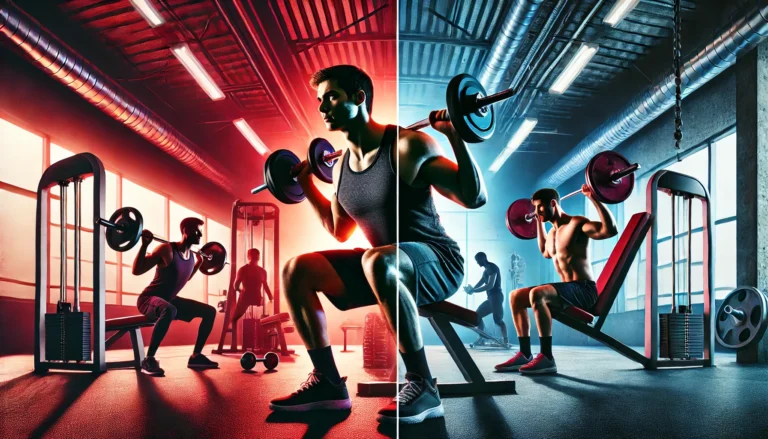
Smith machines are ideal for those looking to build lean muscle while maintaining safety. The guided barbell allows you to perform exercises like squats, bench presses, and shoulder presses with stability, reducing the risk of injury. This makes it a great option for both beginners and advanced lifters who want to lose weight and build muscle simultaneously. Many lifters also compare guided machines with free weights to decide which approach produces better results. This detailed breakdown of dumbbells vs machines explains how each training style affects muscle growth, stability, and overall strength development. If you’re searching for the best gym machines for muscle growth, the Smith machine is a top contender.

References:

  • “The Life Fitness Smith Machine is a premium option for safe and effective weightlifting and muscle building.”

Supplement suggestions:

  • “Support your strength training with a post-workout recovery drink like Kaged Muscle Re-Kaged to maximize muscle growth and fat loss.”

4. Pull-Up and Dip Stations: Upper Body Powerhouses for Fat Loss

Pull-up and dip stations are excellent for building lean muscle in your upper body while burning fat. Pull-ups target your back, shoulders, and arms, while dips focus on your triceps, chest, and shoulders. These compound exercises are highly effective for building strength and burning calories, making them a great addition to any weight loss and muscle-building routine. If you’re looking for gym equipment to lose weight and tone your upper body, these stations are a must.

References:

  • “The [Ultimate Body Press Dip Station](affiliate link) is a compact and sturdy option for home or gym use to build muscle and lose weight.”

Supplement suggestions:

  • “Fuel your upper body workouts with a pre-workout supplement like Legion Pulse Pre-Workout for increased energy and focus while burning fat.”

5. Chest Press Machines: Isolating the Upper Body for Lean Muscle

Chest press machines are perfect for isolating and building lean muscle in your chest, shoulders, and triceps. They’re especially useful for beginners who may not yet have the stability for free-weight bench presses. If you’re looking for the best gym machines to build muscle and lose weight, the chest press machine is a great option for targeting your upper body.

References:

  • “The Chest Press Machine is a reliable choice for targeting the upper body and building lean muscle.”

Supplement suggestions:

  • “Support muscle repair with a BCAA supplement like Xtend BCAAs during your workouts to enhance muscle growth and recovery.”

6. Rowing Machines: Full-Body Muscle Engagement for Weight Loss

Rowing machines are not just for cardio they’re also fantastic for building lean muscle and burning fat. Rowing engages your legs, core, back, and arms, making it a full-body workout that burns calories while building strength. If you’re looking for gym equipment to lose weight and build muscle, the rowing machine is a versatile and effective choice.

References:

  • “The RowErg is a top-rated rowing machine that’s perfect for both cardio and strength training to build lean muscle.”

Supplement suggestions:

  • “Stay hydrated and replenish electrolytes with a drink mix like Electrolyte Tablets after rowing sessions to support recovery and weight loss.”

7. Leg Curl and Extension Machines: Targeting Specific Muscle Groups for Fat Loss

Leg curl and extension machines are essential for isolating and building lean muscle in your hamstrings and quads. These machines help you develop balanced leg strength, which is crucial for overall athletic performance and weight loss. If you’re searching for the best gym machines to lose weight and tone your legs, these machines are a must-try.

References:

  • “The Leg Curl and Extension Machine is a versatile option for targeting leg muscles and accelerating weight loss.”

Supplement suggestions:

  • “Support muscle recovery with a magnesium supplement like Natural Vitality Calm to reduce soreness and improve performance.”

8. Functional Trainers: All-in-One Muscle Building for Weight Loss

Functional trainers are versatile machines that allow you to perform a wide variety of exercises, from cable crossovers to rotational movements. While popular machines often get the spotlight, many highly effective tools are often overlooked in gyms. Exploring these underrated gym machines can reveal powerful training options that improve muscle activation, balance, and fat-burning efficiency. They’re perfect for building lean muscle while improving functional strength and mobility. If you’re looking for gym equipment to lose weight and build muscle, a functional trainer is an excellent all-in-one solution.

References:

  • “The  Functional Trainer is a compact and powerful option for full-body workouts to build muscle and burn fat.”

Supplement suggestions:

  • “Enhance your functional training with a plant-based protein powder like Organic Plant-Based Protein to support muscle growth and recovery.”

Conclusion

Building lean muscle is one of the most effective ways to accelerate weight loss and improve overall fitness. By incorporating these essential gym machines into your routine, you can target specific muscle groups, boost your metabolism, and achieve a stronger, leaner physique. Pair your workouts with the right supplements and recovery tools to maximize your results.


Call to Action

“Ready to build lean muscle and speed up your weight loss? Explore our top-rated gym machines and supplements here and start transforming your body today!”


Frequently Asked Question (FAQ)

1. Can building lean muscle really help with weight loss?

Absolutely! Lean muscle increases your resting metabolic rate, meaning you burn more calories even at rest.

2. How often should I use these machines to see results?

Aim for 3-5 strength training sessions per week, focusing on different muscle groups each day.

3. Do I need supplements to build lean muscle?

While not mandatory, supplements like protein powder, BCAAs, and creatine can support muscle growth and recovery.

4. Are these machines suitable for beginners?

Yes! Many machines, like the Smith machine and chest press machine, are beginner-friendly and provide stability for safe workouts.

5. Can I combine cardio with strength training for weight loss?

Definitely! Combining cardio (like rowing) with strength training is an effective way to burn fat while building muscle.


Disclaimer

This article is for informational purposes only and is not intended to replace professional medical advice, diagnosis, or treatment. Always consult with a healthcare provider before starting any new fitness or supplement routine, especially if you have pre-existing health conditions. Some links in this article are affiliate links, which means we may earn a small commission if you purchase through them at no extra cost to you. This helps support our work and allows us to continue providing valuable content. Thank you for your support!

7 Powerful Reasons to Use Resistance Bands for Strength Training

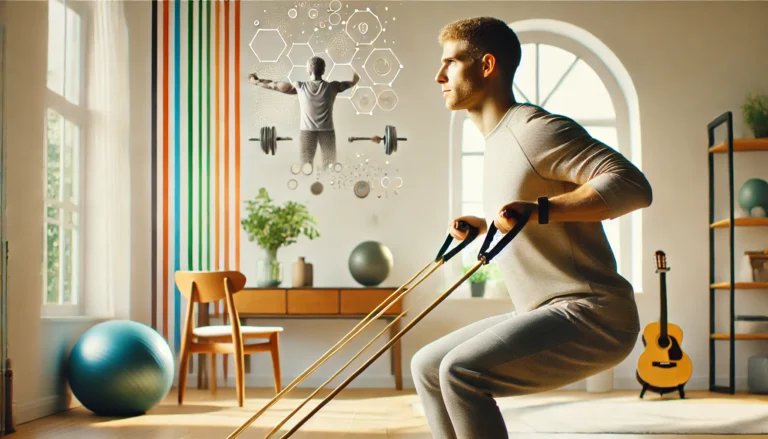
Tired of dragging yourself to the gym or lifting heavy weights that wreck your joints? You’re not alone. That’s exactly why I started using resistance bands for strength training and it changed everything. These simple-looking bands might not look like much, but they’re a powerful tool for building muscle, improving flexibility, and strengthening your body without excessive strain. If you want to understand how different training tools work together in a complete home fitness setup, this detailed fitness equipment guide explains how to choose the right equipment for strength, fat loss, and performance.


1. What Are Resistance Bands?

Resistance bands are elastic bands made from durable materials such as latex or fabric. They come in various shapes, sizes, and resistance levels, making them incredibly versatile and suitable for a wide range of exercises and fitness levels. These portable, easy-to-use tools can help improve strength, flexibility, and muscle tone while also supporting rehabilitation and injury recovery.

Types of Resistance Bands:

  • Loop Bands: These continuous bands are perfect for lower body workouts like squats, glute bridges, and leg presses. They offer excellent resistance for targeting the hips, glutes, and thighs.

  • Tube Bands with Handles: These bands, equipped with handles, are ideal for upper body exercises such as bicep curls, shoulder presses, and chest flies. The handles make them easier to grip, providing a more comfortable workout experience.

  • Therapy Bands: Typically lighter in resistance, therapy bands are great for rehabilitation, stretching, and flexibility exercises. They’re often used by physical therapists to assist with muscle recovery and mobility.

  • Figure-8 Bands: Shaped like an “8,” these bands are designed for targeted muscle engagement and are great for exercises that require focused, isolated movements such as shoulder rotations or arm raises.


2. Why Resistance Bands for Strength Training Are a Secret Weapon for Building Muscle

Resistance bands offer numerous advantages that make them a must-have tool for any fitness routine. Many athletes also include them alongside other athletic training equipment to improve mobility, stability, and explosive strength. Whether you’re aiming for strength, flexibility, or rehabilitation, resistance bands can be easily incorporated into your workouts for maximum results.

1. Versatility

  • Full-Body Workouts: Resistance bands can be used for exercises targeting all major muscle groups, including your arms, legs, chest, back, and core. This makes them perfect for full-body routines and functional training.
  • Portability: Lightweight and compact, resistance bands are easy to carry and store, making them ideal for home workouts, travel, or outdoor training. No need for bulky equipment!

2. Adjustable Resistance

  • Progressive Overload: Unlike traditional weights, resistance bands allow you to easily adjust the resistance by switching to a different band or adjusting your grip. This makes them perfect for progressive training and gradually increasing resistance.
  • Constant Tension: Resistance bands provide tension throughout the entire range of motion, which helps maximize muscle engagement and improve strength. This is a major advantage over free weights, which may lose tension at certain points in the movement.

3. Joint-Friendly

  • Low Impact: Resistance bands are gentle on the joints, making them a great option for individuals looking to reduce strain while still building strength and endurance.
  • Rehabilitation: They’re commonly used in physical therapy to assist with injury recovery or to improve flexibility and mobility, offering a safe and effective way to regain strength.

4. Cost-Effective

  • Affordable: A set of resistance bands is much cheaper than purchasing a full set of dumbbells or other gym equipment, making them an accessible option for those on a budget.
  • Space-Saving: Their compact design means they can easily fit into small spaces, perfect for small home gyms or apartment workouts.

Reference: These Resistance Bands are a top choice for durability and comfort, offering various resistance levels for all fitness levels.


3. Top Resistance Band Exercises Using Resistance Bands for Strength Training

Resistance bands are an incredibly versatile tool for targeting all major muscle groups. By using them, you can perform a wide variety of exercises that focus on strength, stability, and flexibility. Here are some of the best exercises to incorporate into your routine for building strength in different areas of your body:

Lower Body

  • Banded Squats
    Targeted Muscles: Glutes, Quads, Hamstrings
    How to Do It:

    • Place a loop band just above your knees (or at ankle level for higher resistance).
    • Stand with feet shoulder-width apart, engaging your core and keeping your chest lifted.
    • Lower into a squat position, ensuring that your knees do not cave inward. Push through your heels as you return to standing.
      Why It Works:
      The added resistance from the band forces your glutes, quads, and hip abductors to work harder, helping to activate and strengthen these muscles during the squat movement. The band also improves knee tracking, making the exercise more effective for developing lower body strength.
  • Glute Bridges
    Targeted Muscles: Glutes, Hamstrings
    How to Do It:

    • Place a resistance band around your thighs, just above your knees. Lie on your back with knees bent and feet flat on the floor.
    • Press through your heels and lift your hips toward the ceiling while squeezing your glutes at the top of the movement.
    • Lower your hips back down, maintaining control of the movement.
      Why It Works:
      The resistance band helps increase glute activation by preventing your knees from collapsing inward. This allows for a more focused and effective glute contraction. It also targets the hamstrings and engages your core for stability during the lift.
  • Lateral Walks
    Targeted Muscles: Outer Glutes, Hip Abductors
    How to Do It:

    • Place a loop band around your thighs, just above the knees, or at your ankles for higher resistance.
    • With knees slightly bent, step side-to-side in a squat-like position, making sure to keep constant tension on the band.
    • Perform the exercise for 10-15 steps in one direction before reversing and walking back.
      Why It Works:
      Lateral walks target the outer glutes (gluteus medius) and hip abductors, muscles crucial for improving hip stability and leg strength. The constant tension from the resistance band challenges the stabilizing muscles, improving balance and coordination.

Upper Body

  1. Banded Rows
    Targeted Muscles: Back, Biceps, Shoulders
    How to Do It:

    • Secure a tube band to a sturdy object, such as a door handle or heavy furniture.
    • Stand with feet hip-width apart, holding the handles with palms facing each other.
    • Step back to create tension in the band, then pull the handles toward your chest while squeezing your shoulder blades together.
    • Slowly return to the starting position, maintaining tension in the band.
      Why It Works:
      Banded rows target your back, biceps, and rear deltoids (shoulders). The added tension from the band ensures your muscles are engaged throughout the entire range of motion. This exercise mimics the movement pattern of a row, which is essential for strengthening your upper back and improving posture.
  2. Shoulder Press
    Targeted Muscles: Shoulders, Triceps
    How to Do It:

    • Step on the middle of the resistance band with both feet and hold the handles at shoulder height, elbows bent at a 90-degree angle.
    • Press the handles overhead until your arms are fully extended, engaging your shoulders and triceps.
    • Slowly lower the handles back to shoulder height.
      Why It Works:
      The shoulder press is an excellent exercise for strengthening the shoulders, particularly the deltoids. The resistance band provides constant tension, ensuring muscle engagement throughout the entire movement. This exercise also activates the triceps, helping to build strength and muscle endurance in the upper arms.
  3. Bicep Curls
    Targeted Muscles: Biceps
    How to Do It:

    • Stand on the resistance band with feet shoulder-width apart. Grab the handles with palms facing upward, elbows close to your sides.
    • Curl the handles toward your shoulders, keeping your elbows stationary.
    • Slowly lower the handles back to the starting position.
      Why It Works:
      Bicep curls with resistance bands provide a unique challenge as the band tension increases as you curl. This ensures that your biceps are under tension throughout the entire range of motion, helping to maximize muscle engagement and stimulate growth.

Core

  • Russian Twists
    Targeted Muscles: Obliques, Core
    How to Do It:

    • Sit on the floor with your knees bent and feet flat. Loop the resistance band around your feet and hold the handles with both hands.
    • Lean back slightly while keeping your back straight and core engaged.
    • Twist your torso from side to side, tapping the band handles on the floor next to each hip.
      Why It Works:
      Russian twists with resistance bands activate the obliques and improve rotational strength, which is essential for functional movement patterns. The band adds resistance, forcing the core to work harder during the twisting motion.
  • Plank with Rows
    Targeted Muscles: Core, Back, Biceps
    How to Do It:

    • Assume a plank position with your feet on the floor and the resistance band anchored to a sturdy object in front of you.
    • Hold the band handles with one hand while keeping your core tight and body in a straight line.
    • Perform a row by pulling the band toward your torso, focusing on using your back and biceps to initiate the movement.
    • Alternate arms, performing one row at a time while maintaining a stable plank position.
      Why It Works:
      This exercise combines the core-stabilizing benefits of a plank with the added resistance of rows, targeting your back, core, and arms. It’s excellent for improving overall strength and endurance while engaging multiple muscle groups at once.
  • Reference: The Resistance Bands are perfect for upper and lower body exercises.

4. How to Choose the Right Resistance Bands

Choosing the right resistance bands is key to getting the most out of your workouts. Here are some important factors to consider when selecting resistance bands that suit your fitness goals and needs:

1. Resistance Levels

Resistance bands come in various resistance levels, typically ranging from light to heavy. Choosing the right level of resistance is crucial for progressively building strength and avoiding injury.

  • Light Resistance: Ideal for beginners, rehab exercises, or those working on mobility and flexibility.
  • Medium Resistance: Suitable for intermediate users or for exercises targeting larger muscle groups like squats or chest presses.
  • Heavy Resistance: Best for advanced lifters who are looking to challenge their muscles and perform exercises that require higher intensity.

Tip: If you’re new to resistance bands, start with lighter bands to learn proper form and technique. As you gain strength and confidence, you can increase the resistance by using heavier bands.

2. Material

Resistance bands are made from either latex or fabric, each with its own set of benefits.

  • Latex Bands:
    • Pros: Highly stretchy, durable, and provide a good amount of resistance. They’re perfect for a wide variety of exercises and movements.
    • Cons: Some individuals may have latex allergies, and latex bands can wear out over time, especially with frequent use.
  • Fabric Bands:
    • Pros: More comfortable to use, especially for exercises like hip thrusts or glute bridges. They are less likely to snap or roll up during use and offer a more consistent resistance.
    • Cons: Less stretchy than latex bands, so they may not provide as much flexibility for certain exercises (like bicep curls).

Tip: For general strength training, latex bands tend to offer more versatility, while fabric bands are better for lower-body exercises where comfort and grip are priorities.

3. Accessories

Some resistance band sets come with accessories that enhance your workout experience and provide more variety.

  • Handles: Most resistance bands come with handles, which make exercises like rows, presses, and curls more comfortable and effective by giving you better grip and control.
  • Door Anchors: These allow you to securely attach the band to a door, providing the ability to perform a wider range of exercises that simulate cable machine movements, such as chest presses, lat pull-downs, and tricep extensions.
  • Carrying Bags: If you plan to take your resistance bands on the go or need an organized way to store them, a carrying bag can help keep everything together.

Tip: Look for sets that include accessories like door anchors or handles to make your workouts more versatile. These extras can significantly expand your exercise options.

4. Length and Width

Resistance bands come in various lengths and widths, which can affect how they’re used in exercises.

  • Short Bands (10–12 inches): Typically used for lower-body exercises like squats or glute activation.
  • Long Bands (around 4 feet): Offer more range for upper-body exercises like shoulder presses, rows, and bicep curls.

Tip: Longer bands offer more versatility for full-body workouts, while shorter bands are ideal for specific lower-body movements.

Top Pick: A 5-band set with different resistance levels, perfect for beginners and advanced users.


5. Supplement Suggestions for Resistance Band Workouts

Pair your resistance band workouts with the right supplements to maximize results:

  • Whey Protein: Supports muscle recovery and growth after strength training.
  • BCAAs (Branched-Chain Amino Acids): Reduces muscle soreness and fatigue during workouts.
  • Creatine Monohydrate: Enhances strength and performance.

6. Tips for Maximizing Your Resistance Band Workouts

  • Warm-Up: Use lighter bands to warm up your muscles before starting your workout.
  • Focus on Form: Maintain proper form to avoid injury and maximize muscle engagement.
  • Mix It Up: Combine resistance bands with other equipment like dumbbells or bodyweight exercises for variety.
  • Track Progress: Gradually increase resistance or reps to challenge your muscles over time.
  • Reference: The Resistance Band Set includes a guidebook with workout ideas.

    As noted in Verywell Fit’s recent expert review of top resistance bands, the right band type whether loop, tube, or power bands can significantly improve your strength, stability, and mobility workouts with consistent use.


7. Why Resistance Bands Are Perfect for Home Gyms

Resistance bands are an excellent addition to any home gym setup because they are among the most practical home workout gear options for building strength, mobility, and endurance without bulky machines. They provide effective and efficient workouts while saving both money and space. Here’s why resistance bands are a must-have for your home gym:

1. Affordable

One of the biggest advantages of resistance bands is their affordability. Unlike bulky machines or expensive gym memberships, a set of resistance bands can cost you a fraction of the price, making them ideal for those on a budget. You can purchase high-quality resistance bands for a low cost, yet they provide just as much value for muscle building, strength training, and fat loss as traditional gym equipment.

  • Cost Comparison: Resistance bands cost much less than free weights, machines, or other home gym equipment.
  • Long-Lasting: With proper care, resistance bands can last for years, offering great value over time.

2. Space-Saving

If you’re limited on space, resistance bands are an ideal choice. They are lightweight, compact, and easy to store. Unlike large gym machines that require considerable floor space, you can keep resistance bands in a drawer, bag, or a small corner of your home. This makes them perfect for apartments, small rooms, or even when you’re traveling.

  • Easy Storage: Simply roll up the bands and store them in a drawer, bag, or hang them on a hook.
  • Portable: Take them anywhere! Use them at home, in the park, or while traveling without taking up valuable space in your suitcase.

3. Versatile

Resistance bands are incredibly versatile and can be used for a wide range of exercises targeting all major muscle groups. Whether you’re doing full-body workouts, isolating specific muscles, or incorporating them into your cardio routine, resistance bands can do it all.

  • Target Different Muscle Groups: Use resistance bands for upper-body (arms, shoulders, chest), lower-body (legs, glutes), and core exercises (ab twists, planks with resistance).
  • Suitable for All Fitness Levels: Resistance bands come in various resistance levels (light to heavy), making them accessible for beginners and challenging enough for advanced users.
  • Customization: Combine multiple bands to increase resistance, or adjust your grip and body positioning to modify the difficulty of exercises.
  • Reference: The Resistance Bands are durable and ideal for home workouts.

Conclusion

Resistance bands are the secret weapon for strength training that every fitness enthusiast should have in their toolkit. They’re versatile, affordable, and effective for building strength, improving mobility, and enhancing your overall fitness. Whether you’re working out at home, traveling, or adding variety to your gym routine, resistance bands are a must-have.


FAQ

1. What are the benefits of using resistance bands for strength training?

Resistance bands offer several key benefits for strength training, including versatility, joint-friendly workouts, and portability. They allow you to perform a wide range of exercises targeting all major muscle groups, from your upper body to your legs and core. Resistance bands provide constant tension, maximizing muscle engagement throughout each movement. They’re also great for those who want to minimize joint strain while still building strength, making them perfect for people with injuries or those looking for low-impact exercises.

2. How do resistance bands compare to traditional weights for strength training?

Resistance bands offer a unique advantage over traditional weights by providing continuous tension throughout the entire range of motion. This helps increase muscle engagement more consistently. Unlike dumbbells or barbells, resistance bands also allow for a greater variety of exercises and are more portable and space-efficient. While weights are excellent for building muscle mass through progressive overload, resistance bands can be used for full-body workouts and are easier on the joints, making them ideal for rehabilitation or those new to strength training.

3. Can resistance bands help build muscle as effectively as free weights?

Yes, resistance bands can help build muscle effectively when used correctly. The key to muscle growth is progressive resistance, which is achievable with resistance bands by adjusting the tension or using bands with varying resistance levels. Although free weights are great for progressive overload and maximum muscle stimulation, resistance bands still provide an excellent workout that targets both small stabilizing muscles and larger muscle groups. By incorporating both into your routine, you can maximize muscle development while reducing the risk of injury.

4. What type of resistance band is best for beginners?

For beginners, light to medium resistance bands are ideal. These bands offer a manageable level of resistance, making it easier to learn proper form and technique without straining the muscles. Loop bands or tube bands with handles are great for basic exercises such as bicep curls, squats, and shoulder presses. As you progress, you can gradually increase the resistance to challenge your muscles further and enhance strength gains. If you’re unsure where to start, look for a set of bands with varying resistance levels to accommodate your growing strength.

5. How can I incorporate resistance bands into my home workout routine?

Incorporating resistance bands into your home workout routine is simple and effective. Start with exercises like squats, glute bridges, and rows to engage multiple muscle groups. Resistance bands can easily complement bodyweight exercises or be added to dumbbell routines for extra resistance. For a full-body workout, try circuit training that includes exercises targeting the legs, arms, core, and back. Their portability makes them perfect for any space, whether you’re in a small apartment or traveling. You can even take them outdoors to vary your routine and add fresh challenges.


Disclaimer

The information provided in this article is for educational purposes only and is not a substitute for professional fitness advice. Always consult a certified trainer or healthcare provider before starting a new workout routine or taking supplements. Some links in this article may be affiliate links, which means I may earn a small commission at no extra cost to you if you make a purchase.

Dumbbells vs Machines: 6 Shocking Differences for Muscle Growth

Dumbbells vs machines muscle growth has long been a hot debate in the fitness world. Some lifters swear by free weights, while others rely on machines for controlled and targeted training. Understanding how each piece of equipment contributes to muscle development can help you build a smarter workout routine. If you want to understand how different training tools work together for strength, fat loss, and performance, this complete fitness equipment guide explains how to choose the right equipment for your goals.


1. Dumbbells: The Free Weight Advantage

Dumbbells are a versatile and essential tool for building muscle, improving strength, and enhancing functional fitness. Whether you’re looking to target specific muscle groups or perform full-body workouts, dumbbells offer a wide range of benefits that machines can’t match.

Why They’re Great for Muscle Growth

Greater Range of Motion and Muscle Activation

Unlike machines that guide your movements along a fixed path, dumbbells are free weights. This freedom allows for a greater range of motion, which is key for activating more muscle fibers. Research shows that free weights like dumbbells engage more stabilizer muscles than machines, which leads to better overall muscle development and functional strength.

Engages Stabilizer Muscles

When using dumbbells, your body must stabilize itself during each movement. This activates smaller, often overlooked muscles, particularly in the core, shoulders, and wrists. Engaging these stabilizer muscles helps improve balance, coordination, and functional strength, which translates to better performance in daily activities and sports.

Improved Muscle Symmetry

Because dumbbells are used one arm or leg at a time, they can help correct muscle imbalances. If one side of your body is weaker than the other, dumbbells allow you to focus on strengthening the weaker side, promoting muscle symmetry and preventing injury.

Supports Functional Strength

Dumbbells mimic real-life movements more closely than machines, which often isolate muscle groups. The ability to move freely in multiple directions makes dumbbell exercises more functional, preparing you for everyday movements like lifting, bending, or reaching.

How to Use Dumbbells Effectively

For Muscle Growth:

  • Focus on performing compound movements like squats, lunges, presses, and rows to work multiple muscle groups at once and stimulate muscle growth.

For Improving Muscle Symmetry:

  • Include single-arm and single-leg exercises, such as dumbbell presses, curls, or lunges, to work each side of the body independently.

For Functional Strength:

  • Incorporate dynamic exercises like dumbbell snatches, cleans, or farmer’s walks to build strength that directly benefits everyday activities.

Benefits of Using Dumbbells

  • Increased Muscle Activation: Engage more muscle fibers than machines, leading to better overall muscle growth.
  • Enhanced Functional Strength: Mimic real-life movements to build strength that improves your daily activities.
  • Corrects Muscle Imbalances: Work each side of the body independently to improve muscle symmetry.
  • Versatility: Suitable for a wide range of exercises, from strength training to flexibility and endurance workouts.

For a structured dumbbell workout plan, expert-led routines are available to guide you through effective exercises for muscle growth, symmetry, and functional strength.

Pro Tip: If you’re short on space, try adjustable dumbbells. They save space and offer a range of weights in one set.

Supplement Suggestion:protein powder can help your muscles recover and grow stronger after strength training.


2. Machines: Controlled and Isolated Movements

Machines offer a unique advantage for building muscle, especially when it comes to targeting specific muscle groups and improving form. Many lifters rely on specific gym machines for muscle development to isolate weaker areas and build balanced strength. Whether you’re a beginner or an experienced lifter, machines can help you achieve focused muscle growth with controlled and safe movements.

Why They’re Great for Muscle Growth

Isolate Specific Muscle Groups

Machines are designed to target specific muscles, making them perfect for isolating weaker areas or improving strength imbalances. If you’re looking to build up a particular muscle group, machines allow you to focus all of your effort on that muscle without involving other areas of the body.

Controlled Range of Motion for Safer Movements

One of the main benefits of machines is the controlled range of motion they provide. By guiding your movements along a fixed path, machines help ensure proper form, reducing the risk of injury especially for beginners who may not yet have perfected their technique.

Great for Beginners

For those new to strength training, machines can provide an easy introduction to gym equipment. Since they require less coordination and balance than free weights, machines help build confidence while teaching proper movement patterns. As you gain strength and experience, you can transition to free weights to challenge your muscles in new ways.

Ideal for Injury Recovery

Machines are often recommended for those recovering from injuries. They allow you to target muscles in a controlled manner, which reduces the likelihood of straining or reinjuring a recovering area. This makes machines an excellent tool for rehabilitation and regaining strength after an injury.

How to Use Machines Effectively

For Targeted Muscle Growth:

  • Focus on one machine at a time, ensuring you’re isolating the muscle group you want to work (e.g., leg press for quads, chest press for pectorals).

For Beginners:

  • Start with lighter weights to master the proper form before increasing intensity. Always check your posture and adjust the machine settings to suit your body.

For Injury Recovery:

  • Use machines with lighter resistance to slowly reintroduce movement to a particular muscle group. Be sure to consult with a healthcare professional to choose the right machines for your rehabilitation.

Benefits of Using Machines

  • Isolate Target Muscles: Perfect for focusing on specific muscle groups, especially weak points or areas needing improvement.
  • Safer for Beginners: Provide a controlled movement, making them easier to use with less risk of improper form or injury.
  • Ideal for Injury Recovery: Controlled motion makes it easier to work through rehabilitation safely.
  • Consistency and Focus: Guide movements and ensure consistent form, helping you focus on muscle development.

For structured machine-based workout plans, expert-led programs can help guide you through effective routines for strength building, muscle isolation, and recovery.

Pro Tip: If you’re new to machines, try a leg press machine. It’s great for building lower body strength without straining your back.

Supplement Suggestion:creatine supplement can enhance muscle strength and growth during machine workouts.


3. Dumbbells vs. Machines: The Science Behind Muscle Activation

When it comes to building muscle and achieving fitness goals, both dumbbells and machines have their unique advantages. Understanding how each type of equipment activates muscles can help you make more informed decisions about your workouts.

The Shocking Truth

Dumbbells Activate More Muscle Fibers

Research has shown that dumbbells activate a greater number of muscle fibers compared to machines. This is because dumbbells are free weights, meaning they require more stabilization from supporting muscles to control the movement. Stabilizer muscles such as those in your core, shoulders, and wrists are actively engaged when you lift dumbbells, leading to better overall muscle development and functional strength.

By using dumbbells, you’re training your body to work as a unit, improving balance, coordination, and strength. The increased activation of muscle fibers helps you build functional strength that translates to better performance in both everyday tasks and sports.

Machines Are Better for Isolation

While dumbbells engage multiple muscle groups at once, machines are specifically designed to isolate certain muscles. This can be beneficial if you want to target weak points or improve muscle imbalances. For example, using a leg extension machine isolates the quadriceps, allowing you to strengthen the muscles in that specific area without involving other muscle groups.

Machines are also great for beginners, as they guide your movement along a fixed path, ensuring proper form and reducing the risk of injury. This makes machines ideal for those recovering from injuries or looking to target specific muscle groups in a controlled and controlled manner.

How to Use Dumbbells and Machines Together

For Overall Strength and Functionality:

  • Incorporate dumbbells into compound movements (e.g., squats, deadlifts, presses) to build functional strength and engage stabilizer muscles.

For Targeted Muscle Development:

  • Use machines for isolating specific muscle groups or addressing imbalances (e.g., chest press machine, lat pull-down machine).

For Injury Recovery:

  • Use machines for safe, controlled movements during the recovery process, and gradually transition to free weights as strength improves.

Benefits of Using Both Dumbbells and Machines

  • Dumbbells: Activate more muscle fibers, build functional strength, and engage stabilizer muscles.
  • Machines: Isolate target muscles, reduce the risk of injury, and aid in injury recovery and muscle imbalances.

For optimal results, combining both dumbbells and machines in your routine can give you the best of both worlds: muscle activation from free weights and the ability to isolate muscles for focused development.

Pro Tip: Combine both dumbbells and machines in your routine for balanced muscle growth. For example, use dumbbells for compound lifts like bench presses and machines for isolation exercises like leg extensions.

Supplement Suggestion:BCAA supplement can help reduce muscle fatigue and improve recovery during mixed workouts.


4. Dumbbells vs Machines: Which Is Better for Beginners?

When you’re just starting out with strength training, the decision between using machines or free weights can be overwhelming. Both types of equipment offer unique benefits, but they cater to different needs and skill levels. Let’s explore which option might be the best for beginners.

The Verdict

Machines: Ideal for Beginners

For those new to strength training, machines are often the better choice. Here’s why:

  • Controlled Range of Motion: Machines guide your movements along a fixed path, which minimizes the chances of improper form. This makes them a safer option for beginners who may not yet have mastered proper lifting techniques.

  • Reduced Risk of Injury: The fixed nature of machines helps you avoid the instability that comes with free weights. This lowers the risk of strain or injury, especially when lifting heavy weights for the first time.

  • Builds Confidence: Since machines provide more support and require less coordination, they can help you build confidence in your strength training abilities. Beginners can learn the basics of exercise form and movement patterns in a controlled environment before advancing to more complex exercises.

  • Focus on Proper Form: For beginners, machines allow you to focus on isolating specific muscles without the need to worry about stabilizing or balancing the weight. This helps establish a solid foundation of form before transitioning to free weights like dumbbells.

How to Transition from Machines to Free Weights

  • Start with Machines: Begin with machines to get comfortable with the exercises and learn the right movements. For example, use a leg press machine, chest press machine, or lat pull-down machine to work major muscle groups.

  • Incorporate Dumbbells Gradually: As you build strength and confidence, gradually introduce dumbbells into your routine. Start with light weights and focus on compound movements like squats, lunges, and presses to activate multiple muscle groups.

  • Combine Both for a Balanced Routine: Once you’re more comfortable with free weights, a combination of machine exercises and dumbbells will help ensure full-body strength and balanced development.

Benefits of Machines for Beginners

  • Safer Movements: Machines provide more guidance and reduce the risk of injury.
  • Easier to Learn Proper Form: Machines help beginners establish correct posture and movement patterns before progressing.
  • Confidence Boosting: Less coordination is required, which can help beginners feel more comfortable in the gym.

Common Mistakes to Avoid as a Beginner

Skipping Warm-Up and Cool-Down

  • Never skip your warm-up before starting machine exercises. A good warm-up prepares your muscles and joints for movement, and cooling down helps with recovery.

Using Too Much Weight Too Soon

  • It’s tempting to lift heavy right away, but focusing on proper form and gradually increasing weight is more important in the long run. Start light and increase the resistance as your confidence and strength grow.

Neglecting Full-Body Exercises

  • While machines target specific muscles, don’t forget to incorporate compound movements that work multiple muscle groups for balanced development.

Ignoring Progression to Free Weights

  • Don’t stick to machines forever. As you gain experience, it’s important to challenge your body with free weights to engage stabilizer muscles and improve overall strength.

Pro Tip: Start with machines for the first 4-6 weeks, then gradually incorporate dumbbells into your routine.

Supplement Suggestion:multivitamin can support overall health and energy levels as you build your fitness foundation.


5. Dumbbells vs Machines: Best Choice for Advanced Lifters?

For advanced lifters, the choice between dumbbells and machines often depends on training goals and the desire to push physical limits. While both types of equipment have their place, the following factors can help determine which one is more beneficial for those at an advanced fitness level.

The Verdict

Dumbbells: Ideal for Advanced Lifters

For advanced lifters, dumbbells are often the better choice. Here’s why:

  • Greater Range of Motion: Dumbbells allow for a larger range of motion compared to machines, helping to activate more muscle fibers throughout each movement. This range is crucial for maximizing muscle development and functional strength.

  • Engage More Muscle Fibers: Unlike machines, which guide your movements along a fixed path, dumbbells require you to stabilize the weight through multiple planes of motion. This engages not only the target muscles but also smaller stabilizer muscles, leading to a more comprehensive and effective workout.

  • Versatility for Complex Movements: Dumbbells allow for greater versatility in exercise selection. From compound lifts like bench presses and squats to unilateral exercises like lunges or dumbbell snatches, the variety of movements you can perform with dumbbells supports progress in strength, power, and hypertrophy.

  • Progressive Overload: Advanced lifters need to progressively overload their muscles to continue making gains. Dumbbells are ideal for this, as they offer more granular increments in weight compared to most machines, allowing for more controlled and consistent progression.

How to Maximize Your Dumbbell Workouts

  • Focus on Compound Movements: Incorporate exercises like dumbbell squats, deadlifts, presses, and rows to engage multiple muscle groups and build strength.

  • Use Unilateral Exercises: Implement one-sided movements like single-arm dumbbell presses or lunges to address imbalances and target muscles individually.

  • Progressive Overload: Gradually increase the weight or reps with dumbbells over time to continue challenging your muscles and making progress.

Benefits of Dumbbells for Advanced Lifters

  • Larger Range of Motion: Maximizes muscle activation by allowing more movement flexibility.
  • Engages More Muscle Fibers: Works stabilizers and target muscles for better muscle development and functional strength.
  • Versatility: Suitable for a wide range of exercises, from strength training to explosive movements.
  • Supports Progressive Overload: Offers more precise weight increments to help you steadily increase intensity and challenge your muscles.

Common Mistakes to Avoid for Advanced Lifters

Using Too Heavy a Weight Too Soon

  • While it’s important to challenge yourself, always ensure you maintain proper form. Lifting too heavy without control can lead to injury.

Neglecting Warm-Up and Cool-Down

  • Never skip your warm-up before heavy lifting. A dynamic warm-up prepares your muscles for the intensity of the workout and reduces the risk of injury.

Not Incorporating Variety

  • Don’t rely solely on one type of exercise or equipment. Mixing dumbbells with machines or bodyweight exercises can prevent plateaus and keep your workouts balanced.

Forgetting Rest and Recovery

  • Overtraining without proper recovery can hinder progress. Be sure to give your muscles time to recover and adapt to your advanced workouts.

Pro Tip: Use machines to target weak points or add variety to your routine, but focus on dumbbells for compound lifts.

Supplement Suggestion:pre-workout supplement can give you the energy and focus you need for intense dumbbell workouts.


6. The Best of Both Worlds: Combining Dumbbells and Machines

Maximizing muscle growth and achieving your fitness goals doesn’t have to be about choosing between dumbbells or machines. In fact, Combining both in your routine can provide a comprehensive workout that targets all aspects of strength training. Many athletes also mix free weights with kettlebell vs barbell training to improve power, endurance, and full-body muscle development. By using each for its unique benefits, you can develop functional strength while also isolating muscles for focused growth.

As detailed in Healthline’s comprehensive analysis of free weights vs. machines, free weights like dumbbells activate more stabilizer muscles and enhance functional strength, while machines provide controlled, isolated movements that are perfect for beginners and targeted training.

Why It Works

Dumbbells for Compound Movements

Dumbbells are excellent for compound exercises because they engage multiple muscle groups at once. Movements like squats, deadlifts, and presses recruit a variety of muscles, helping to improve overall strength and muscle coordination. These exercises require stabilizer muscles to maintain balance and control, leading to greater functional strength that carries over into real-life activities.

Machines for Isolation Exercises

On the other hand, machines are designed to isolate specific muscle groups, allowing you to target weak points and improve muscle imbalances. By isolating muscles with machines, you can focus on building mass in specific areas, such as the chest, back, or legs. Machines are especially beneficial for beginners or those recovering from injury because they guide the movement and ensure proper form.

Sample Routine

A balanced workout routine that combines both dumbbells and machines ensures you get the best of both worlds. Here’s a sample routine:

Dumbbells (Compound Movements):

  • Bench Press (targets chest, shoulders, triceps)
  • Squats (targets quads, hamstrings, glutes)
  • Deadlifts (targets hamstrings, glutes, lower back, core)

Machines (Isolation Exercises):

  • Leg Press (isolates quads, hamstrings, glutes)
  • Lat Pulldown (isolates lats, biceps)
  • Chest Fly (isolates chest muscles)

Benefits of Combining Dumbbells and Machines

  • Maximize Muscle Activation: Dumbbells engage multiple muscle groups while machines help target specific muscles for more balanced growth.
  • Efficient and Effective: Combining compound movements with isolation exercises allows you to work all major muscle groups in a single workout, optimizing your time in the gym.
  • Prevent Plateaus: Using a mix of both types of equipment ensures you constantly challenge your muscles in different ways, helping to avoid plateaus in progress.
  • Target Weak Points: Machines are great for addressing muscle imbalances or weak points that may not be as effectively targeted with compound movements alone.

Common Mistakes to Avoid

Relying Too Much on Machines

  • While machines are useful for isolating muscles, don’t neglect compound movements with dumbbells, as these are crucial for overall strength and muscle coordination.

Not Varying Your Routine

  • Don’t stick to the same exercises week after week. Varying your exercises and equipment keeps your muscles challenged and promotes consistent progress.

Overlooking Full-Body Workouts

  • Be sure to include both upper and lower body exercises in your routine. A well-rounded workout will improve muscle balance and overall performance.

Pro Tip: Alternate between dumbbells and machines each week to keep your workouts fresh and challenging.

Supplement Suggestion:post-workout recovery supplement can help your muscles recover faster after mixed workouts.


Product Recommendations

Here are some of my top picks to help you maximize muscle growth:

  1. Adjustable Dumbbells: Perfect for space-saving strength training.
  2. Leg Press Machine: Great for building lower body strength.
  3. Protein Powder: Supports muscle recovery and growth.
  4. Creatine Supplement: Enhances muscle strength and performance.

Pre-Workout Supplement: Boosts energy and focus for intense workouts.


FAQ

1. Which promotes better muscle growth: dumbbells or machines?

Both tools can drive hypertrophy. A 2023 meta-analysis reports similar muscle mass gains from both free weights and machines when training to failure. The key is consistency and progressive overload.

2. Are dumbbells safer than machines?

Machines offer more guidance and stability, lowering the risk of injury especially for beginners. But with proper form, dumbbells can be just as safe and are more versatile.

3. Can advanced lifters rely on machines?

Absolutely but the best approach mixes both. Healthline advises combining free weights and machines to balance functional strength and muscle isolation. Advanced athletes benefit from dumbbells’ greater range of motion while using machines to focus on weak spots.

4. Do dumbbells activate more muscles than machines?

Yes. Free weights require stabilizer muscles core, shoulders, wrists to control movement. Machines, while excellent for isolation, don’t engage these supporting muscles to the same extent.

5. What’s the best starting point for beginners?

Start with machines to learn proper movement patterns, then transition into dumbbells for more functional strength. This progression follows both practical and expert advice


Conclusion

Both dumbbells and machines have their place in a muscle-building routine. Dumbbells are better for functional strength and compound movements, while machines are ideal for isolation exercises and controlled movements. By combining both, you can achieve balanced muscle growth and maximize your results. Remember, consistency and proper form are key choose the tools that work best for your goals and fitness level!

Disclaimer

Some of the links in this post are affiliate links, which means I may earn a small commission if you purchase through them. This comes at no extra cost to you and helps support the creation of free, valuable content like this. Thank you for your support!

Exit mobile version