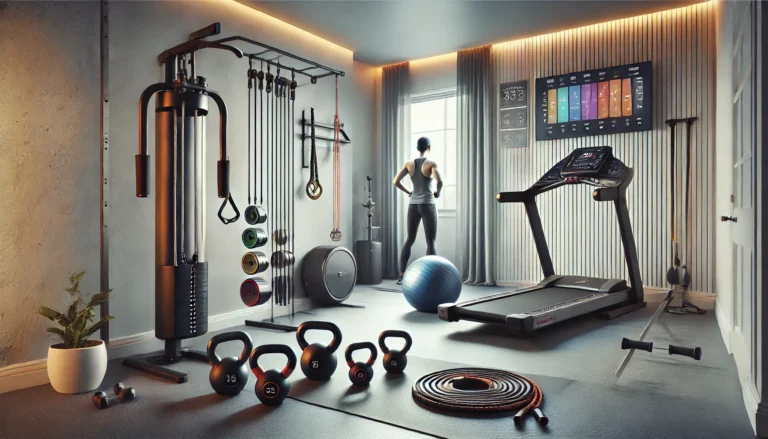
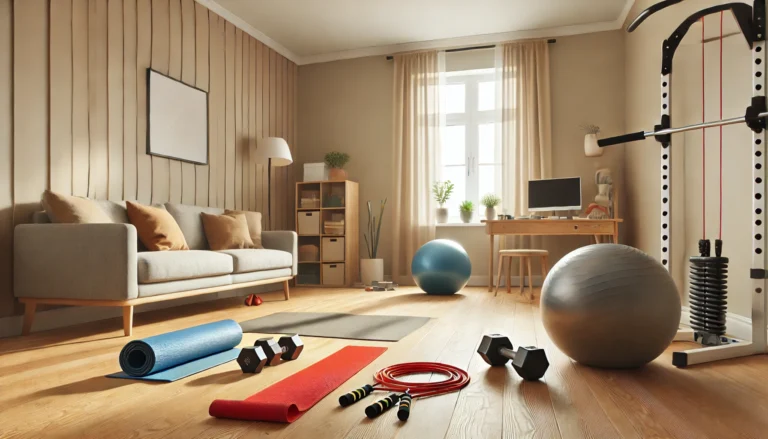
Powerful Choices in the Ultimate Fitness Equipment Guide for Faster Fat Loss

Choosing the right equipment can completely transform the way you train, burn fat, and build strength. A well structured fitness equipment guide helps you understand which tools actually deliver results instead of wasting time and money on machines that offer little value. From simple dumbbells and resistance bands to advanced training machines and high performance athletic tools, the right equipment allows you to train more efficiently and stay consistent with your workouts. In this guide, you will learn how to choose the best equipment for fat loss, muscle growth, and home workouts while building a training setup that supports long term fitness success.

Why the Right Equipment Changes Everything

Walking into a gym for the first time can feel overwhelming. Rows of machines, racks of weights, cables, bands, and unfamiliar equipment can make it difficult to know where to start. Even people building a home gym often face the same confusion. The internet is full of recommendations, but not every piece of equipment delivers real results.

That is exactly why a structured fitness equipment guide is important. The right equipment does not just make workouts easier. It determines how efficiently your body burns fat, builds strength, and improves endurance. With the correct tools, your training becomes more focused and far more productive.

Many people assume weight loss or muscle building depends purely on willpower. In reality, the environment you create around your workouts plays a major role. Equipment that matches your goals helps you stay consistent, reduces the chance of injury, and keeps training interesting over time.

This guide breaks down the most effective types of equipment for different goals such as fat loss, muscle development, and athletic performance. Instead of listing random tools, we will examine how each category fits into a structured training approach so you can build a smarter workout environment.


The Evolution of Modern Fitness Equipment

Fitness equipment has evolved dramatically over the past few decades. Early gyms focused mainly on basic barbells, benches, and simple resistance machines. While these tools still form the foundation of strength training, modern equipment now includes advanced technology, compact home solutions, and specialized tools designed for specific fitness outcomes.

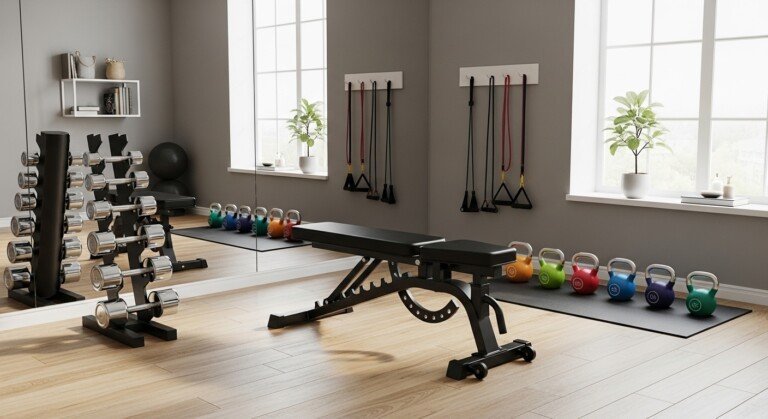
One major shift has been the rise of home gyms. Busy lifestyles have pushed many people to build workout spaces at home rather than relying entirely on commercial gyms. If you are planning your own setup, understanding the best gym equipment for home workout can help you create a balanced training environment without filling your entire house with bulky machines.

Home gyms also encourage consistency. When equipment is easily accessible, people are more likely to train regularly. Even a small setup with adjustable weights and resistance tools can deliver excellent results when used correctly.


Why Equipment Selection Matters for Fat Loss

Fat loss is often misunderstood. Many people believe cardio machines alone are enough to burn fat. While cardiovascular exercise is important, resistance training equipment is equally critical for long term fat loss.

Strength training increases muscle mass, and muscle tissue burns more calories even at rest. This means your metabolism becomes more efficient over time. A well designed training environment includes tools that allow both resistance training and metabolic conditioning.

Some equipment is particularly effective for this purpose. If fat loss is your primary goal, learning about the best gym equipment for weight loss will help you choose tools that elevate heart rate while also challenging your muscles.

Examples include kettlebells, resistance bands, rowing machines, and compound lifting equipment. These tools activate multiple muscle groups simultaneously, which leads to higher calorie expenditure and improved conditioning.


Building Lean Muscle While Burning Fat

One of the biggest misconceptions in fitness is that you must choose between building muscle and losing fat. In reality, the right equipment allows you to achieve both simultaneously.

Machines and free weights that target large muscle groups can increase metabolic demand while strengthening the body. Squats, presses, pulls, and deadlifts engage multiple muscles at once, making them highly efficient exercises.

Many people explore specialized training systems designed specifically for this purpose. Understanding the best gym machines lean muscle fat loss can help you select equipment that supports both strength development and metabolic conditioning.

Machines such as cable systems, functional trainers, and plate loaded equipment allow controlled resistance while still enabling compound movements. These tools make it easier for beginners to learn proper form while still challenging experienced lifters.


Technology Is Changing the Fitness Landscape

Another major transformation in the fitness industry is the integration of technology. Smart training systems now track performance, monitor heart rate, and guide workouts through interactive displays.

For example, many modern machines adjust resistance automatically based on your strength levels. Some systems provide real time coaching and progress tracking through connected apps. This technology can improve motivation and provide valuable insights into training patterns.

Exploring high tech gym equipment reveals how artificial intelligence and digital tracking are shaping the future of fitness. From smart treadmills to connected strength machines, these innovations help individuals monitor progress with greater accuracy than ever before.

Technology is especially helpful for beginners who need guidance during workouts. Structured feedback helps users maintain proper form and gradually increase intensity without risking injury.


The Value of Simplicity in Training Equipment

While modern technology offers exciting possibilities, simple equipment often delivers the most reliable results. Many professional athletes and experienced trainers still rely heavily on basic tools such as barbells, kettlebells, and resistance bands.

The reason is simple. Basic equipment encourages functional movement patterns that mimic real world activities. Instead of isolating a single muscle, these tools train multiple muscle groups together.

Interestingly, some of the most effective tools are rarely used by beginners. Learning about underrated gym machines can reveal equipment that quietly delivers excellent results but often gets overlooked in crowded gyms.

Examples include sleds, landmine attachments, and rowing ergometers. These tools build strength, endurance, and coordination while reducing stress on the joints.


Training Like an Athlete

Athletes train differently from casual gym users. Their programs focus on power, coordination, and explosive movement rather than simple muscle isolation.

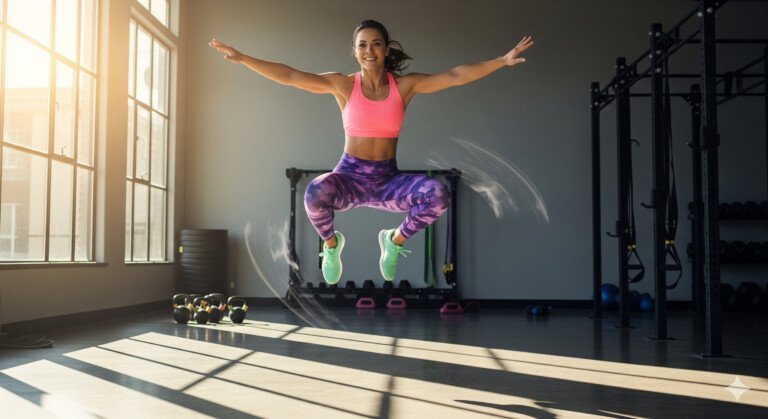
Certain tools are specifically designed to support these training methods. Equipment such as battle ropes, plyometric boxes, weighted sleds, and agility ladders improves speed and performance across multiple sports.

Understanding gym equipment for athletes provides insight into how professional training environments are structured. These tools emphasize movement quality, reaction time, and full body power.

Even if you are not a competitive athlete, incorporating these tools into your workouts can dramatically improve overall fitness. Training that combines strength, agility, and endurance builds a more capable body than traditional machine based routines alone.


The Importance of Budget Friendly Options

One of the biggest barriers to starting a fitness journey is cost. High end equipment can be expensive, especially when building a home gym. Fortunately, effective training does not require a massive financial investment.

Many affordable tools deliver outstanding results. Adjustable dumbbells, resistance bands, jump ropes, and compact kettlebells can form the foundation of a highly effective training system.

If you are starting from scratch, exploring budget friendly gym equipment will help you prioritize tools that provide maximum versatility without draining your wallet.

A smart strategy is to begin with versatile equipment that supports multiple exercises. As your training experience grows, you can gradually expand your setup with more specialized tools.


Choosing the Right Equipment for Your Goals

Before purchasing equipment or designing a workout space, it is important to identify your primary fitness goal. Different tools serve different purposes, and selecting the right combination creates a more balanced training program.

For example:

Weight loss programs benefit from equipment that combines strength and cardio.

Muscle building requires progressive resistance and heavier loads.

Athletic training focuses on explosive movement and agility.

Home gym setups must prioritize versatility and space efficiency.

The rest of this guide will explore each equipment category in detail so you can design a system that matches your goals, space, and budget.


The Core Strength Tools Every Fitness Setup Needs

While machines and advanced systems play a role in training, the backbone of most effective workouts comes from foundational strength equipment. These tools allow progressive overload, which is the gradual increase of resistance over time. Progressive overload is essential for both fat loss and muscle development because it forces the body to adapt and become stronger.

Three categories dominate strength training environments across the world. Kettlebells, barbells, and dumbbells. Each has unique advantages and limitations, and understanding how they work together can dramatically improve your training efficiency.

Before investing in expensive machines or complicated systems, mastering these fundamental tools should be your priority.


Kettlebells vs Barbells for Fat Burning Efficiency

One of the most common debates in strength training revolves around kettlebells and barbells. Both tools are extremely effective, but they serve slightly different purposes depending on how they are used.

Exploring kettlebells vs barbells fat burning reveals an important insight about training intensity and metabolic demand.

Barbells are traditionally associated with heavy compound lifts such as squats, deadlifts, and bench presses. These exercises allow lifters to move large amounts of weight, which stimulates muscle growth and strength development. Because larger muscles burn more calories, barbell training indirectly contributes to fat loss over time.

Kettlebells, on the other hand, are particularly effective for dynamic movements. Exercises like kettlebell swings, snatches, and cleans combine strength and cardiovascular conditioning in a single motion. This combination elevates heart rate quickly and keeps the body under constant tension, making kettlebell workouts extremely efficient for metabolic conditioning.

Both tools are powerful. The best approach is not choosing one over the other but learning how they complement each other within a balanced training program.


Why Resistance Bands Are More Powerful Than They Look

Resistance bands are often underestimated. Many people see them as beginner tools or rehabilitation equipment. In reality, bands can provide surprisingly intense resistance when used correctly.

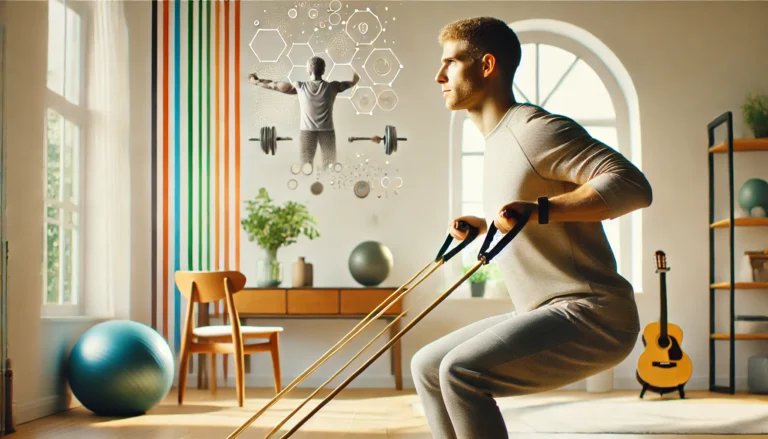
Learning about resistance bands for strength training shows how versatile these simple tools can be. Unlike traditional weights, resistance bands create variable resistance. The tension increases as the band stretches, forcing muscles to work harder at the top of each movement.

This type of resistance offers several advantages.

Bands are portable and easy to store, making them ideal for home gyms or travel workouts.

They reduce stress on joints because resistance builds gradually rather than relying on gravity.

They allow creative movement patterns that are difficult to replicate with traditional weights.

Exercises such as band rows, band squats, and band presses can build impressive strength when performed consistently. Many professional athletes also use resistance bands to improve mobility and activation before heavy training sessions.


Dumbbells vs Machines for Muscle Growth

Another important decision many people face is whether to rely primarily on free weights or gym machines. Both have benefits, but the choice often depends on experience level and training goals.

Examining dumbbells vs machines muscle growth helps clarify how each approach contributes to strength development.

Dumbbells encourage stabilization. Because each arm or leg moves independently, your body must recruit additional muscles to control the weight. This creates a more natural movement pattern and often leads to better overall muscle activation.

Machines provide a fixed path of motion. This can be beneficial for beginners who are still learning proper technique. Machines also allow heavier isolation training without requiring as much stabilization from surrounding muscles.

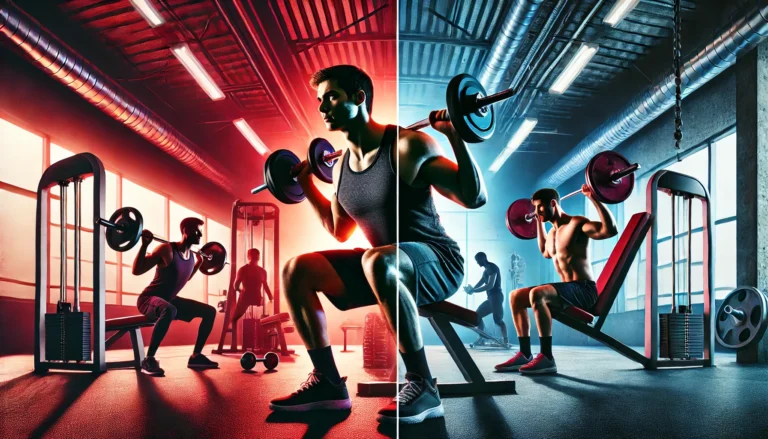
For most people, combining both approaches works best. Free weights develop coordination and functional strength, while machines allow targeted muscle work and safer heavy lifting in certain exercises.


Understanding the Role of Compound Movements

Many people waste time in the gym performing exercises that isolate very small muscle groups. While isolation training has its place, compound movements should always form the foundation of your workouts.

Compound exercises engage multiple joints and muscle groups simultaneously. This dramatically increases training efficiency and calorie expenditure.

Examples include:

Squats
Deadlifts
Pull ups
Rows
Bench presses
Overhead presses

Equipment that supports these movements should always be prioritized when building a training environment.

Compound movements also stimulate hormonal responses that support muscle growth and fat metabolism. Because they challenge the entire body, they produce greater training adaptations compared to smaller isolation exercises.


Why Functional Strength Matters

Functional strength refers to the ability to perform real world movements effectively. Instead of training muscles in isolation, functional training emphasizes patterns such as pushing, pulling, squatting, and rotating.

Many of the best training tools encourage these natural movements. Kettlebells, resistance bands, and dumbbells all promote functional strength because they allow freedom of motion.

Machines sometimes restrict this freedom by forcing the body into fixed positions. While this can be useful for targeted muscle work, relying solely on machines may limit overall movement development.

A well balanced training system combines both functional tools and controlled machines to achieve the best results.


Creating a Balanced Strength Training System

To design an effective training environment, think in terms of movement patterns rather than individual exercises.

Your equipment should allow the following categories of movement:

Lower body pushing such as squats
Lower body pulling such as deadlifts
Upper body pushing such as presses
Upper body pulling such as rows
Rotational and core movements
Explosive or conditioning movements

When your equipment supports all of these categories, you can create hundreds of different workouts without needing a massive collection of machines.

Even a simple setup with adjustable dumbbells, resistance bands, and one barbell can provide nearly unlimited training variety.


Avoiding Common Equipment Mistakes

Many beginners make the mistake of purchasing equipment based on trends rather than training needs. Expensive machines often promise quick results but end up gathering dust after the novelty fades.

Before investing in equipment, ask yourself three questions.

Does this tool support multiple exercises?

Will it challenge large muscle groups?

Can it progress as my strength improves?

If the answer to these questions is yes, the equipment will likely remain useful long term.

Another mistake is focusing exclusively on upper body training. Balanced programs require equal attention to lower body and core movements. Equipment that supports squats, hinges, and full body exercises should always be prioritized.


Strength Equipment for Small Spaces

Many people assume they cannot build a home gym because they lack space. Fortunately, modern equipment design has made compact training setups extremely practical.

Foldable benches, adjustable dumbbells, resistance bands, and compact kettlebells require very little storage space while still providing full body training capability.

With careful planning, even a small apartment can support a highly effective workout routine.

Space efficiency is one reason why functional training tools have become so popular. They offer incredible versatility without requiring large machines or complicated installations.


Building Consistency Through Simplicity

One of the most overlooked aspects of fitness success is simplicity. The more complicated a workout environment becomes, the harder it is to stay consistent.

Simple equipment encourages frequent training because it removes barriers. When your tools are easy to access and understand, you are more likely to use them regularly.

Consistency ultimately determines progress. The most advanced equipment in the world cannot replace a regular training habit built over time.

By focusing on foundational strength tools first, you create a reliable training system that can grow with you as your fitness improves.


Specialized Machines That Accelerate Fat Loss

While free weights provide the foundation for strength training, specialized machines can add valuable variety and efficiency to your workouts. Many machines are designed to isolate specific movement patterns or increase metabolic demand in ways that traditional weights cannot always replicate.

Machines are particularly useful for beginners who are still learning proper exercise technique. Because they guide the movement path, machines reduce the risk of improper form and allow users to focus on muscle activation.

Some machines also combine resistance and cardiovascular conditioning. These tools are extremely effective when included in high intensity circuits or metabolic training routines.

Understanding the best gym machines lean muscle fat loss helps identify equipment that allows both resistance training and sustained calorie burn. Machines such as cable systems, rowing machines, and functional trainers fall into this category because they activate multiple muscle groups simultaneously.

When used correctly, these machines help increase heart rate while still providing progressive resistance, which supports long term fat loss and muscle development.


The Role of Cable Machines in Functional Strength

Cable machines are among the most versatile pieces of equipment found in gyms. Unlike traditional machines that lock the body into a fixed motion, cable systems allow free movement across multiple angles.

This flexibility allows users to train pushing, pulling, rotational, and stabilization movements in ways that mimic real life activity. Exercises such as cable rows, face pulls, cable presses, and rotational core movements are difficult to replicate with other tools.

Another advantage of cable systems is constant tension. Because the cable provides resistance throughout the entire range of motion, muscles remain engaged from start to finish.

Cable machines are particularly helpful for building balanced strength. They allow each side of the body to work independently, reducing strength imbalances that often occur when using fixed machines.

For individuals building a home gym, compact cable systems are becoming increasingly popular because they offer enormous exercise variety without requiring a large footprint.


Training Tools Used by Professional Athletes

Athletes train differently from casual gym users. Their workouts emphasize explosive power, speed, coordination, and injury prevention.

Understanding gym equipment for athletes reveals how professional training facilities are designed to improve performance rather than simply build muscle.

Some of the most common tools used in athletic training environments include:

Plyometric boxes for explosive jumping drills
Battle ropes for high intensity conditioning
Weighted sleds for strength and sprint training
Medicine balls for rotational power
Agility ladders for footwork and coordination

These tools train the body as an integrated system rather than isolating individual muscles. This approach develops athletic qualities such as speed, reaction time, and stability.

Even individuals who are not competitive athletes can benefit from incorporating these tools into their training routines. Functional conditioning exercises improve overall fitness while keeping workouts dynamic and engaging.


Why Athletic Equipment Improves Fat Loss Training

Athletic training tools are not just for sports performance. Many of them are extremely effective for fat loss as well.

Exercises using sled pushes, battle ropes, or medicine ball throws require high levels of muscular effort combined with cardiovascular demand. This combination dramatically increases calorie expenditure.

Unlike steady state cardio, these explosive movements also stimulate muscle fibers that contribute to strength development. As a result, the body continues burning calories long after the workout has finished.

High intensity circuits that combine athletic tools with traditional strength training create powerful metabolic conditioning sessions.

For individuals who find traditional cardio machines boring, athletic equipment can make workouts far more enjoyable while still producing excellent fat loss results.


The Importance of Upper Body Pulling Movements

Many training programs focus heavily on pushing exercises such as bench presses and shoulder presses. However, pulling movements are equally important for maintaining muscular balance and healthy posture.

Exercises such as rows, pull ups, and lat pulldowns strengthen the muscles of the back and improve shoulder stability.

One exercise that often appears in strength programs is the upright row. Although simple in appearance, this movement requires proper technique to avoid unnecessary shoulder strain.

Understanding the mechanics of the upright row helps lifters perform the exercise safely while maximizing its benefits. The movement targets the upper trapezius, deltoids, and upper back muscles, which contribute to shoulder strength and posture.

When performed with controlled technique and moderate resistance, upright rows can be an effective addition to upper body training routines.


Common Mistakes When Using Gym Machines

While machines provide structure and safety, they can also encourage bad habits if used incorrectly.

One common mistake is selecting resistance that is too heavy. When this happens, users rely on momentum rather than controlled movement, which reduces muscle engagement and increases injury risk.

Another mistake is neglecting full range of motion. Many individuals shorten their movements when using machines, which prevents muscles from working through their complete functional range.

Proper machine use requires controlled tempo and attention to muscle activation. Slower repetitions with good form are far more effective than rushed movements performed with excessive weight.

Machines should complement free weight training rather than replace it entirely. Combining both approaches creates a balanced program that develops strength, stability, and endurance.


Why Workout Variety Improves Long Term Results

The human body adapts quickly to repeated stimuli. When the same exercises are performed repeatedly without variation, progress eventually slows down.

Introducing different equipment into your training routine helps maintain challenge and engagement. Changing training tools also stimulates muscles in new ways, encouraging continued adaptation.

For example, alternating between kettlebell swings, sled pushes, rowing machine intervals, and resistance band circuits can dramatically increase training variety while still targeting similar muscle groups.

Variety also helps reduce boredom, which is one of the most common reasons people abandon their fitness routines.

When workouts remain engaging and challenging, consistency becomes much easier to maintain.


Designing a Balanced Weekly Equipment Rotation

A well structured training schedule should rotate equipment types throughout the week. This approach ensures different muscle groups and energy systems receive adequate stimulation.

For example, a balanced weekly structure might include:

Strength focused sessions using barbells or dumbbells
Metabolic conditioning sessions using kettlebells or sleds
Mobility and stabilization sessions using resistance bands
Athletic conditioning using battle ropes or plyometric tools

Rotating equipment prevents overuse injuries while maintaining training intensity.

It also allows individuals to develop multiple fitness qualities simultaneously, including strength, endurance, coordination, and flexibility.


The Role of Recovery Equipment

Recovery is an often overlooked component of fitness. Training places stress on the body, and proper recovery ensures muscles rebuild stronger than before.

Foam rollers, massage guns, mobility bands, and stretching equipment can all support recovery and injury prevention.

These tools help release muscle tension, improve blood flow, and maintain joint mobility. Incorporating recovery work into your routine reduces the risk of chronic soreness and improves long term performance.

Although recovery tools may not seem as exciting as strength equipment, they play a critical role in maintaining consistent training habits.


The Future of Fitness Equipment

The fitness industry continues evolving rapidly. New training technologies, digital coaching platforms, and compact home gym solutions are emerging every year.

Future equipment will likely become even more personalized. Smart systems may automatically adjust resistance, analyze movement patterns, and provide real time feedback to optimize workouts.

At the same time, foundational tools such as barbells, kettlebells, and resistance bands will likely remain essential. Their simplicity and effectiveness have stood the test of time.

The best approach is combining proven traditional equipment with modern innovations that support training efficiency and motivation.


How to Build a Complete Home Gym Without Wasting Money

Creating a home gym can be one of the smartest investments for long term health. However, many people make the mistake of purchasing equipment randomly instead of building a system that supports their training goals.

The most effective home gyms are built around versatility. Each piece of equipment should allow multiple exercises and support progressive overload as strength improves.

Many beginners immediately look for expensive machines, but a well designed setup often starts with foundational tools. Learning about the best gym equipment for home workout helps prioritize equipment that provides the most value without filling your entire living space.

The first priority should always be equipment that supports compound movements. Squats, presses, rows, and deadlifts train the largest muscle groups in the body and produce the greatest training results.

A simple home gym might begin with:

Adjustable dumbbells
A sturdy workout bench
Resistance bands
A kettlebell or two
A pull up bar

This minimal setup allows dozens of exercises that train every major muscle group. As strength and experience increase, additional tools can gradually expand the training environment.


Equipment That Delivers Maximum Weight Loss Results

For individuals focused primarily on fat loss, equipment selection should emphasize metabolic training. Tools that combine strength and cardiovascular effort will produce faster results than isolated movements.

Exploring the best gym equipment for weight loss highlights tools that elevate heart rate while engaging large muscle groups.

Some of the most effective options include:

Rowing machines that combine upper and lower body effort
Kettlebells for explosive full body movements
Resistance bands for circuit training
Battle ropes for high intensity intervals
Weighted sleds for powerful conditioning drills

These tools allow workouts that maintain elevated heart rates while still building strength. This dual effect increases calorie burn both during and after training sessions.

Fat loss programs become far more effective when equipment supports high intensity movement patterns rather than slow isolation exercises.


Combining Strength and Conditioning Equipment

Many people separate strength training and cardio into completely different workouts. While this approach works, combining both elements often produces faster fitness improvements.

For example, a single workout might include:

Barbell squats for strength
Kettlebell swings for metabolic conditioning
Resistance band rows for upper body stability
Battle rope intervals for cardiovascular endurance

This type of training challenges multiple energy systems within the same session. As a result, workouts remain efficient while improving strength, endurance, and coordination simultaneously.

The key is choosing equipment that allows smooth transitions between exercises. Versatile tools such as kettlebells, resistance bands, and dumbbells are particularly useful for circuit style training.


How Budget Equipment Can Still Deliver Elite Results

Many people assume professional level fitness requires expensive equipment. In reality, some of the most effective training tools are also the most affordable.

Looking into budget friendly gym equipment reveals how small investments can produce powerful training opportunities.

Examples include:

Jump ropes for cardiovascular conditioning
Resistance bands for strength and mobility
Adjustable dumbbells for full body resistance training
Ab wheels for core stability
Sandbags for functional strength exercises

These tools are compact, portable, and extremely versatile. When combined creatively, they can produce workouts that rival those performed in large commercial gyms.

The most important factor is not the cost of equipment but how consistently it is used.


Choosing Equipment Based on Training Experience

Beginners and experienced lifters often require different types of equipment.

Beginners benefit from tools that support safe movement patterns and gradual strength progression. Machines and guided equipment can help build confidence while reducing the risk of improper form.

Intermediate and advanced lifters often shift toward free weights and functional tools. These allow greater movement freedom and require more stabilization from supporting muscles.

Understanding where you currently stand in your fitness journey helps guide equipment decisions. Purchasing tools that match your current ability level ensures workouts remain productive rather than overwhelming.


Creating a Progressive Equipment Strategy

A smart approach to building a training environment is adding equipment gradually.

Start with foundational tools that allow basic compound movements. As your strength increases, you can introduce specialized equipment that expands exercise variety.

For example:

Stage 1: Dumbbells, resistance bands, pull up bar
Stage 2: Kettlebells, adjustable bench
Stage 3: Barbell and squat rack
Stage 4: Cable machine or functional trainer
Stage 5: Athletic conditioning tools such as sleds or battle ropes

This progressive approach prevents unnecessary spending while ensuring each purchase contributes to a more complete training system.


How to Avoid Equipment Overload

One of the biggest mistakes in home gym design is buying too many specialized machines. Large machines often take up space but offer limited exercise variety.

Instead of collecting equipment, focus on movement capabilities. Ask yourself whether a tool allows you to perform multiple exercises that support different muscle groups.

Equipment that supports compound movements should always take priority over single purpose machines.

Keeping your training environment simple also improves consistency. When workouts are easy to set up, you are far more likely to train regularly.


Designing Your Ideal Training Environment

The environment surrounding your workouts plays an important psychological role in training consistency.

Lighting, flooring, and equipment arrangement all influence motivation and comfort. Even small changes such as rubber flooring or organized storage racks can make workouts feel more professional and inviting.

Consider creating zones within your workout space. A strength area for weights, a conditioning space for explosive exercises, and a recovery corner for stretching and mobility work.

When the environment supports your routine, training becomes a natural part of daily life rather than a chore.


The Long Term Value of Smart Equipment Choices

Fitness equipment is not just a purchase. It is an investment in long term health.

Choosing versatile tools ensures your training system can evolve with your goals. As your strength, endurance, and experience increase, the same equipment can support more advanced workouts.

This adaptability is what separates effective equipment from short lived fitness trends.

The goal is not to collect machines but to create a training environment that encourages consistent progress year after year.


Final Thoughts: Building Your Ultimate Fitness Equipment System

Creating a structured training environment can transform the way you approach fitness. Instead of relying on random workouts, the right equipment allows you to build a system that supports strength development, fat loss, and overall health.

A well designed training setup combines foundational strength tools, functional conditioning equipment, and recovery resources. This balance allows you to challenge your body in multiple ways while preventing burnout or injury.

Following a structured fitness equipment guide ensures each piece of equipment serves a clear purpose within your overall training strategy.

Whether you train at home or in a gym, the most important principle remains the same. Consistency always beats complexity.

Choose versatile equipment, train regularly, and focus on gradual progress. Over time, these simple principles produce remarkable results.


FAQ

1. What equipment is best for a home gym?

The best home gym equipment includes adjustable dumbbells, resistance bands, kettlebells, and a workout bench. These tools support full body workouts without requiring large space.

2. What gym equipment burns the most fat?

Rowing machines, kettlebells, battle ropes, and sled pushes are some of the most effective tools for fat loss because they combine strength training with cardiovascular effort.

3. Are free weights better than machines?

Free weights build functional strength and activate stabilizing muscles, while machines help beginners learn proper movement patterns. Combining both provides balanced results.

4. What is the most versatile piece of gym equipment?

Adjustable dumbbells are considered one of the most versatile tools because they allow hundreds of exercises for upper body, lower body, and core training.

5. Can you build muscle with home gym equipment?

Yes. With progressive resistance using tools like dumbbells, kettlebells, resistance bands, and barbells, you can build muscle effectively at home.


Disclaimer:

This post may contain affiliate links. If you purchase through them, we may earn a small commission at no extra cost to you. Also, this content is for informational purposes only and does not substitute professional medical advice.

Unlock Your Potential: 15-Minute HIIT Workouts to Lose Belly Fat

Are you looking for a powerful, time-efficient way to transform your body and finally tackle that stubborn belly fat? Look no further than High-Intensity Interval Training (HIIT). In today’s fast-paced world, finding hours for the gym can feel impossible, especially if you’re juggling work, family, and other commitments. That’s where the magic of 15-minute HIIT workouts to lose belly fat comes in. These short, explosive sessions are designed to supercharge your metabolism, burn significant calories, and deliver remarkable fat loss results, all without needing to dedicate your entire evening to exercise.

This comprehensive guide, built on a science-backed weight loss guide framework, will dive deep into why HIIT is so effective for fat burning, particularly around the midsection. We’ll explore various HIIT workouts for weight loss, provide structured 15 min HIIT workout routines you can do right at home, discuss the science behind HIIT for belly fat, and share tips for maximizing your HIIT weight loss results. Get ready to redefine your fitness journey and discover your secret weapon against unwanted fat.


The Science Behind HIIT Workouts for Weight Loss

Before we jump into specific exercises, let’s understand why HIIT workouts for weight loss are so incredibly effective. HIIT involves short bursts of intense anaerobic exercise, followed by brief, less intense recovery periods. This isn’t just about burning calories during the workout; it’s about what happens after your workout that truly sets HIIT apart.

1. The “Afterburn Effect” (EPOC): This is where HIIT shines. EPOC, or Excess Post-exercise Oxygen Consumption, refers to the increased rate of oxygen intake following strenuous activity. Essentially, your body continues to burn calories at an elevated rate for hours after your HIIT session ends, as it works to restore itself to a pre-exercise state. This means you’re still incinerating fat while you’re at your desk, running errands, or even sleeping. For a fat burning HIIT plan, This sustained metabolic boost is a game-changer, especially when viewed through a detailed strength vs cardio comparison that highlights how interval intensity differs from traditional endurance training. Studies have shown that HIIT can increase your metabolic rate for up to 24-48 hours post-workout, making it incredibly efficient for long-term fat loss.

2. Fat Oxidation: Research indicates that HIIT can improve your body’s ability to oxidize (burn) fat. During high-intensity intervals, your body taps into its glycogen stores for immediate energy. However, during the recovery phases and in the hours following the workout, your body becomes more efficient at burning fat for fuel. This makes HIIT a particularly potent tool for directly targeting fat stores throughout the body.

3. Muscle Preservation and Growth: Unlike long, steady-state cardio sessions which can sometimes lead to muscle loss alongside fat loss, HIIT, especially when combined with bodyweight exercises, can help preserve and even build lean muscle mass. More muscle mass means a higher resting metabolism, which translates to more calories burned throughout the day, even when you’re not actively working out. This is a crucial element for achieving sustainable HIIT weight loss results.

4. Hormonal Response: HIIT triggers the release of various fat-burning hormones, such as human growth hormone (HGH) and catecholamines (like adrenaline). HGH is vital for fat metabolism and muscle growth, while catecholamines can help mobilize fat from storage, making it available for energy. This powerful hormonal cocktail contributes significantly to why HIIT for belly fat is so effective.


Your Secret Weapon: HIIT for Belly Fat

Let’s address the elephant in the room: belly fat. Visceral fat, the deep abdominal fat that wraps around your organs, is not only cosmetically undesirable but also poses serious health risks. While you cannot “spot reduce” fat from one specific area, HIIT for belly fat is remarkably effective because of its overall fat-burning capabilities and its unique physiological effects.

The high intensity of HIIT workouts targets both subcutaneous fat (the fat you can pinch) and visceral fat. The powerful hormonal and metabolic responses mentioned above work synergically to reduce fat stores across your entire body, and the abdominal area is often one of the first places where these changes become noticeable.

Moreover, many effective HIIT exercises naturally engage your core, providing a secondary benefit of strengthening your abdominal muscles. While stronger abs won’t burn the fat off them, they will contribute to a more toned appearance once the fat layer diminishes. So, if your goal is to reduce your waistline, incorporating a consistent fat burning HIIT plan into your routine is one of the smartest choices you can make.


Crafting Your 15 Min HIIT Workout: Principles and Structure

The beauty of a 15 min HIIT workout is its simplicity and adaptability. You don’t need fancy equipment, just your body and a small space. The key is to truly push yourself during the “on” intervals and recover strategically during the “off” intervals. Here’s a typical structure:

  1. Warm-up (3-5 minutes): Don’t skip this! A good warm-up prepares your muscles and cardiovascular system, reducing the risk of injury. Light jogging in place, arm circles, leg swings, and dynamic stretches are perfect.
  2. Workout (10-12 minutes): This is the core of your HIIT session. You’ll alternate between high-intensity bursts (20-45 seconds) and recovery periods (10-30 seconds). We’ll provide specific examples below.
  3. Cool-down (2-3 minutes): Essential for bringing your heart rate down gradually and improving flexibility. Static stretches, holding each for 20-30 seconds, are ideal.

The ratio of work to rest is crucial. For beginners, a 1:2 ratio (e.g., 20 seconds work, 40 seconds rest) might be more suitable. As you get fitter, you can progress to a 1:1 ratio (30 seconds work, 30 seconds rest) or even 2:1 (40 seconds work, 20 seconds rest). Remember, during the work interval, you should be pushing to 80-90% of your maximum effort.


Top HIIT Exercises at Home for Maximum Fat Burning

One of the greatest advantages of HIIT exercises at home is that they require minimal to no equipment. This makes them incredibly accessible and removes any excuses about not having a gym membership or specialized gear. Here are some of the best exercises to include in your fat burning HIIT plan:

  1. Jumping Jacks: A classic full-body cardio exercise that quickly elevates your heart rate.
    • How to: Stand with feet together, arms at your sides. Jump, spreading your feet wide and bringing your arms overhead. Jump back to the start.
  2. High Knees: Excellent for cardiovascular conditioning and engaging your core.
    • How to: Run in place, bringing your knees as high as possible towards your chest. Pump your arms vigorously.
  3. Butt Kicks: Targets your hamstrings and gets your heart rate up.
    • How to: Run in place, kicking your heels back towards your glutes.
  4. Mountain Climbers: A dynamic plank variation that works your core, shoulders, and legs.
    • How to: Start in a plank position. Alternately bring one knee towards your chest, then quickly switch legs as if you’re running up a mountain.
  5. Burpees: The ultimate full-body exercise, combining a squat, push-up (optional), and jump.
    • How to: Start standing. Drop into a squat, place hands on the floor. Jump feet back to a plank. Perform a push-up (optional). Jump feet back to hands. Explode up into a jump, arms overhead.
  6. Squat Jumps: Builds explosive power in your legs and is great for cardio.
    • How to: Start in a squat position. Explode upwards into a jump, landing softly back into a squat.
  7. Plank Jacks: A core-focused exercise with a cardio twist.
    • How to: Start in a plank position. Keeping your core tight, jump your feet wide and then back together, similar to a jumping jack in a plank.
  8. Alternating Lunges (Jump Lunges for advanced): Works your legs and glutes.
    • How to: Step forward into a lunge, ensuring your front knee is over your ankle. Push back to start and alternate legs. For jump lunges, explosively jump to switch legs in mid-air.
  9. Russian Twists: A core exercise that targets your obliques.
    • How to: Sit on the floor, lean back slightly, with knees bent and feet lifted (optional). Twist your torso from side to side, touching the floor with your hands.

When selecting exercises for your best HIIT routine, try to pick 4-6 different movements that work different muscle groups to get a comprehensive workout.


Sample 15 Min HIIT Workout Routines for Belly Fat

Here are a few structured 15 min HIIT workout plans you can follow, designed for different fitness levels. Remember to perform a 3-minute warm-up before each and a 2-minute cool-down after.

Routine 1: Beginner-Friendly Full Body (Work 30s / Rest 30s)

  • Warm-up: (3 minutes) Light jogging, arm circles, leg swings.
  • Workout (2 rounds):
    • Jumping Jacks (30s work / 30s rest)
    • Bodyweight Squats (30s work / 30s rest)
    • Mountain Climbers (30s work / 30s rest)
    • Alternating Lunges (30s work / 30s rest)
    • Plank Hold (30s work / 30s rest)
  • Repeat circuit 2 times (Total 10 minutes work + rest)
  • Cool-down: (2 minutes) Hamstring stretch, quad stretch, arm across chest.

Routine 2: Intermediate Fat Blaster (Work 40s / Rest 20s)

  • Warm-up: (3 minutes) Dynamic stretches, light jumping jacks, high knees.
  • Workout (2-3 rounds):
    • High Knees (40s work / 20s rest)
    • Burpees (no push-up version) (40s work / 20s rest)
    • Plank Jacks (40s work / 20s rest)
    • Squat Jumps (40s work / 20s rest)
    • Russian Twists (40s work / 20s rest)
  • Repeat circuit 2-3 times (Total 10-15 minutes work + rest)
  • Cool-down: (2 minutes) Forward fold, pigeon stretch, tricep stretch.

Routine 3: Advanced Cardio HIIT Workout (Work 45s / Rest 15s)

  • Warm-up: (3 minutes) Dynamic warm-up, light skipping, arm rotations.
  • Workout (3 rounds):
    • Burpees (full version with push-up) (45s work / 15s rest)
    • Jump Lunges (45s work / 15s rest)
    • Mountain Climbers (fast pace) (45s work / 15s rest)
    • Squat Jumps (45s work / 15s rest)
    • Plank Shoulder Taps (45s work / 15s rest)
  • Repeat circuit 3 times (Total 15 minutes work + rest)
  • Cool-down: (2 minutes) Deep stretches for legs, core, and shoulders.

These routines provide excellent cardio HIIT workout options you can integrate into your morning schedule. Remember to listen to your body and modify exercises as needed. Consistency is more important than perfection.


Maximizing Your HIIT Weight Loss Results

To truly see significant HIIT weight loss results, especially for belly fat, a consistent exercise routine needs to be supported by other healthy lifestyle choices. HIIT is a powerful catalyst, but it’s not a magic bullet.

1. Nutrition is Key: You can’t out-train a bad diet. To lose fat, you need to be in a caloric deficit. Focus on whole, unprocessed foods: lean proteins, plenty of vegetables, healthy fats, and complex carbohydrates. Reducing refined sugars and processed foods is paramount for shrinking your waistline. Your fat burning HIIT plan will be much more effective if fueled correctly. Consider incorporating more protein in your diet, as it helps with muscle repair and keeps you feeling fuller for longer. Hydration is also crucial; drink plenty of water throughout the day.

2. Consistency is Crucial: Aim for 3-4 HIIT sessions per week. While these workouts are short, their intensity requires adequate recovery. Don’t do HIIT every day. On off days, engage in active recovery like light walking, yoga, or stretching. Regularity is the foundation of any successful fitness journey. Establishing a routine, perhaps by scheduling your 15 min HIIT workout for the same time each morning, significantly increases your chances of sticking with it.

3. Prioritize Sleep: Sleep is often overlooked in weight loss. When you don’t get enough sleep, your body produces more cortisol (a stress hormone linked to belly fat storage) and ghrelin (a hunger-stimulating hormone), while decreasing leptin (a satiety hormone). Aim for 7-9 hours of quality sleep per night to optimize your hormone levels and aid recovery. A well-rested body performs better and recovers faster, which directly impacts your HIIT weight loss results.

4. Manage Stress: Like lack of sleep, chronic stress elevates cortisol levels, which can make it harder to lose belly fat. Incorporate stress-reducing activities into your daily routine, such as meditation, deep breathing exercises, spending time in nature, or enjoying hobbies. Your morning HIIT session can also be a fantastic stress reliever!

5. Listen to Your Body: HIIT is intense. Pay attention to signs of overtraining, such as persistent fatigue, irritability, or prolonged muscle soreness. Adjust your workout frequency or intensity as needed. It’s better to slightly reduce intensity and remain consistent than to push too hard and burn out or get injured.

6. Progressive Overload: As you get fitter, your body adapts. To continue seeing progress, you’ll need to challenge yourself. This could mean increasing the work interval duration, decreasing rest time, adding more rounds, or choosing more challenging exercise variations. For example, progressing from bodyweight squats to squat jumps, or adding small hand weights to your lunges.


Beyond the Abs: The Holistic Benefits of a Cardio HIIT Workout

While our focus here is on HIIT workouts for weight loss and particularly HIIT for belly fat, the benefits of a regular cardio HIIT workout extend far beyond just shedding pounds.

  • Improved Cardiovascular Health: HIIT strengthens your heart and lungs more efficiently than steady-state cardio. It can lower blood pressure, reduce cholesterol, and improve overall heart function, significantly decreasing your risk of heart disease.
  • Enhanced Endurance: Surprisingly, short bursts of intense effort can dramatically improve your overall endurance and stamina, making everyday activities feel easier.
  • Better Blood Sugar Control: HIIT has been shown to improve insulin sensitivity, which is beneficial for managing blood sugar levels and reducing the risk of type 2 diabetes.
  • Mental Boost and Mood Enhancement: The intense physical activity releases endorphins, natural mood elevators that can reduce stress, anxiety, and even symptoms of depression. Starting your day with an invigorating 15 min HIIT workout can leave you feeling accomplished, energized, and ready to tackle whatever comes your way. It creates a positive feedback loop, encouraging you to make healthier choices throughout the day.
  • Time Efficiency: This is perhaps one of the biggest draws. In just 15 minutes, you can achieve a workout that rivals longer, moderate-intensity sessions in terms of calorie burn and metabolic boost. This makes it perfect for busy individuals who want to stay fit without sacrificing precious time.

Getting Started: A Practical Fat Burning HIIT Plan

Ready to kickstart your journey with a fat burning HIIT plan? Here’s how to integrate it into your week:

  • Frequency: Aim for 3-4 HIIT sessions per week, with rest days or active recovery (like walking or yoga) in between.
  • Preparation: Always have water nearby. If you’re working out at home, clear a small space, wear comfortable athletic wear, and have a timer ready (most smartphone apps work perfectly).
  • Listen to Your Body: Especially when starting out, pay attention to how you feel. It’s okay to take longer rest periods or choose less intense modifications. The goal is to build stamina and strength, not to overdo it.

Consider integrating a varied approach. Many people find that anchoring their sessions into a consistent morning exercise routine improves discipline, hormonal balance, and long-term adherence. On some days, you might focus on bodyweight HIIT, while on others you might use a jump rope for a pure cardio HIIT workout. Don’t be afraid to experiment with different HIIT exercises at home to keep things exciting and challenge your body in new ways.


Final Takeaway: Your Journey to a Healthier You

Embarking on a journey with 15-minute HIIT workouts to lose belly fat is more than just adopting a new exercise routine; it’s about embracing a mindset of efficiency, intensity, and sustained results. These powerful, short bursts of activity are perfectly tailored for modern life, proving that you don’t need endless hours to achieve your fitness goals. By consistently challenging yourself with effective HIIT workouts for weight loss, paying attention to your nutrition, prioritizing recovery, and managing stress, you’ll unlock your body’s full potential.

Remember, every high-intensity interval, every sweat drop, and every beat of your heart is a step closer to a leaner, stronger, and more confident you. So, set your alarm, roll out of bed, and let these dynamic morning sessions be your secret weapon in achieving remarkable HIIT weight loss results. Your journey to a healthier, more vibrant you starts now!


FAQ

1: How often should I do HIIT workouts for weight loss?

Aim for 3-4 times per week, allowing for rest days or active recovery in between to prevent overtraining and aid muscle recovery.

2: Can HIIT for belly fat truly target that specific area?

While you can’t spot-reduce fat, HIIT’s intense overall fat-burning effect, coupled with its metabolic and hormonal benefits, makes it incredibly effective at reducing fat from all over your body, including the stubborn belly area. Many HIIT exercises also engage your core, which helps to strengthen and tone your abdominal muscles beneath the fat layer.

3: What’s the best approach for a 15 min HIIT workout for beginners?

Start with a 1:2 work-to-rest ratio (e.g., 20 seconds of intense work, 40 seconds of rest). Focus on mastering the form of basic exercises like jumping jacks, squats, and mountain climbers. Gradually increase your work time and decrease rest as you get fitter.

4: Are there specific HIIT exercises at home that are better than others?

The “best” exercises are those you can perform with good form and high intensity. Bodyweight movements like burpees, squat jumps, high knees, mountain climbers, and plank jacks are excellent as they work multiple muscle groups and elevate your heart rate quickly without needing any equipment.

5: How long does it take to see HIIT weight loss results?

Results vary based on consistency, diet, and individual metabolism. However, many people begin to notice changes in their energy levels, body composition, and overall fitness within 2-4 weeks of consistent HIIT, especially when combined with a healthy diet. Significant fat loss, including from the belly, can be seen within 6-12 weeks.

6: What should I eat before and after a fat burning HIIT plan?

If you’re doing a 15-minute HIIT session first thing in the morning, many people prefer to do it on an empty stomach (fasted cardio), as this may increase fat oxidation. However, if you feel sluggish, a small, easily digestible snack like half a banana or a few sips of a smoothie 30 minutes prior can help. After your workout, focus on a balanced meal with lean protein and complex carbohydrates to aid muscle repair and replenish energy stores.

7: Can I combine a cardio HIIT workout with other forms of exercise?

Absolutely! HIIT complements other forms of exercise perfectly. You could do HIIT 3 times a week, and on other days, focus on steady-state cardio (like a long walk or jog), strength training, or yoga. This varied approach can prevent plateaus and keep your body challenged in different ways.


Disclaimer:

This post may contain affiliate links. If you purchase through them, we may earn a small commission at no extra cost to you. Also, this content is for informational purposes only and does not substitute professional medical advice.

7 Powerful Reasons to Use Resistance Bands for Strength Training

Tired of dragging yourself to the gym or lifting heavy weights that wreck your joints? You’re not alone. That’s exactly why I started using resistance bands for strength training and it changed everything. These simple-looking bands might not look like much, but they’re a powerful tool for building muscle, improving flexibility, and strengthening your body without excessive strain. If you want to understand how different training tools work together in a complete home fitness setup, this detailed fitness equipment guide explains how to choose the right equipment for strength, fat loss, and performance.


1. What Are Resistance Bands?

Resistance bands are elastic bands made from durable materials such as latex or fabric. They come in various shapes, sizes, and resistance levels, making them incredibly versatile and suitable for a wide range of exercises and fitness levels. These portable, easy-to-use tools can help improve strength, flexibility, and muscle tone while also supporting rehabilitation and injury recovery.

Types of Resistance Bands:

  • Loop Bands: These continuous bands are perfect for lower body workouts like squats, glute bridges, and leg presses. They offer excellent resistance for targeting the hips, glutes, and thighs.

  • Tube Bands with Handles: These bands, equipped with handles, are ideal for upper body exercises such as bicep curls, shoulder presses, and chest flies. The handles make them easier to grip, providing a more comfortable workout experience.

  • Therapy Bands: Typically lighter in resistance, therapy bands are great for rehabilitation, stretching, and flexibility exercises. They’re often used by physical therapists to assist with muscle recovery and mobility.

  • Figure-8 Bands: Shaped like an “8,” these bands are designed for targeted muscle engagement and are great for exercises that require focused, isolated movements such as shoulder rotations or arm raises.


2. Why Resistance Bands for Strength Training Are a Secret Weapon for Building Muscle

Resistance bands offer numerous advantages that make them a must-have tool for any fitness routine. Many athletes also include them alongside other athletic training equipment to improve mobility, stability, and explosive strength. Whether you’re aiming for strength, flexibility, or rehabilitation, resistance bands can be easily incorporated into your workouts for maximum results.

1. Versatility

  • Full-Body Workouts: Resistance bands can be used for exercises targeting all major muscle groups, including your arms, legs, chest, back, and core. This makes them perfect for full-body routines and functional training.
  • Portability: Lightweight and compact, resistance bands are easy to carry and store, making them ideal for home workouts, travel, or outdoor training. No need for bulky equipment!

2. Adjustable Resistance

  • Progressive Overload: Unlike traditional weights, resistance bands allow you to easily adjust the resistance by switching to a different band or adjusting your grip. This makes them perfect for progressive training and gradually increasing resistance.
  • Constant Tension: Resistance bands provide tension throughout the entire range of motion, which helps maximize muscle engagement and improve strength. This is a major advantage over free weights, which may lose tension at certain points in the movement.

3. Joint-Friendly

  • Low Impact: Resistance bands are gentle on the joints, making them a great option for individuals looking to reduce strain while still building strength and endurance.
  • Rehabilitation: They’re commonly used in physical therapy to assist with injury recovery or to improve flexibility and mobility, offering a safe and effective way to regain strength.

4. Cost-Effective

  • Affordable: A set of resistance bands is much cheaper than purchasing a full set of dumbbells or other gym equipment, making them an accessible option for those on a budget.
  • Space-Saving: Their compact design means they can easily fit into small spaces, perfect for small home gyms or apartment workouts.

Reference: These Resistance Bands are a top choice for durability and comfort, offering various resistance levels for all fitness levels.


3. Top Resistance Band Exercises Using Resistance Bands for Strength Training

Resistance bands are an incredibly versatile tool for targeting all major muscle groups. By using them, you can perform a wide variety of exercises that focus on strength, stability, and flexibility. Here are some of the best exercises to incorporate into your routine for building strength in different areas of your body:

Lower Body

  • Banded Squats
    Targeted Muscles: Glutes, Quads, Hamstrings
    How to Do It:

    • Place a loop band just above your knees (or at ankle level for higher resistance).
    • Stand with feet shoulder-width apart, engaging your core and keeping your chest lifted.
    • Lower into a squat position, ensuring that your knees do not cave inward. Push through your heels as you return to standing.
      Why It Works:
      The added resistance from the band forces your glutes, quads, and hip abductors to work harder, helping to activate and strengthen these muscles during the squat movement. The band also improves knee tracking, making the exercise more effective for developing lower body strength.
  • Glute Bridges
    Targeted Muscles: Glutes, Hamstrings
    How to Do It:

    • Place a resistance band around your thighs, just above your knees. Lie on your back with knees bent and feet flat on the floor.
    • Press through your heels and lift your hips toward the ceiling while squeezing your glutes at the top of the movement.
    • Lower your hips back down, maintaining control of the movement.
      Why It Works:
      The resistance band helps increase glute activation by preventing your knees from collapsing inward. This allows for a more focused and effective glute contraction. It also targets the hamstrings and engages your core for stability during the lift.
  • Lateral Walks
    Targeted Muscles: Outer Glutes, Hip Abductors
    How to Do It:

    • Place a loop band around your thighs, just above the knees, or at your ankles for higher resistance.
    • With knees slightly bent, step side-to-side in a squat-like position, making sure to keep constant tension on the band.
    • Perform the exercise for 10-15 steps in one direction before reversing and walking back.
      Why It Works:
      Lateral walks target the outer glutes (gluteus medius) and hip abductors, muscles crucial for improving hip stability and leg strength. The constant tension from the resistance band challenges the stabilizing muscles, improving balance and coordination.

Upper Body

  1. Banded Rows
    Targeted Muscles: Back, Biceps, Shoulders
    How to Do It:

    • Secure a tube band to a sturdy object, such as a door handle or heavy furniture.
    • Stand with feet hip-width apart, holding the handles with palms facing each other.
    • Step back to create tension in the band, then pull the handles toward your chest while squeezing your shoulder blades together.
    • Slowly return to the starting position, maintaining tension in the band.
      Why It Works:
      Banded rows target your back, biceps, and rear deltoids (shoulders). The added tension from the band ensures your muscles are engaged throughout the entire range of motion. This exercise mimics the movement pattern of a row, which is essential for strengthening your upper back and improving posture.
  2. Shoulder Press
    Targeted Muscles: Shoulders, Triceps
    How to Do It:

    • Step on the middle of the resistance band with both feet and hold the handles at shoulder height, elbows bent at a 90-degree angle.
    • Press the handles overhead until your arms are fully extended, engaging your shoulders and triceps.
    • Slowly lower the handles back to shoulder height.
      Why It Works:
      The shoulder press is an excellent exercise for strengthening the shoulders, particularly the deltoids. The resistance band provides constant tension, ensuring muscle engagement throughout the entire movement. This exercise also activates the triceps, helping to build strength and muscle endurance in the upper arms.
  3. Bicep Curls
    Targeted Muscles: Biceps
    How to Do It:

    • Stand on the resistance band with feet shoulder-width apart. Grab the handles with palms facing upward, elbows close to your sides.
    • Curl the handles toward your shoulders, keeping your elbows stationary.
    • Slowly lower the handles back to the starting position.
      Why It Works:
      Bicep curls with resistance bands provide a unique challenge as the band tension increases as you curl. This ensures that your biceps are under tension throughout the entire range of motion, helping to maximize muscle engagement and stimulate growth.

Core

  • Russian Twists
    Targeted Muscles: Obliques, Core
    How to Do It:

    • Sit on the floor with your knees bent and feet flat. Loop the resistance band around your feet and hold the handles with both hands.
    • Lean back slightly while keeping your back straight and core engaged.
    • Twist your torso from side to side, tapping the band handles on the floor next to each hip.
      Why It Works:
      Russian twists with resistance bands activate the obliques and improve rotational strength, which is essential for functional movement patterns. The band adds resistance, forcing the core to work harder during the twisting motion.
  • Plank with Rows
    Targeted Muscles: Core, Back, Biceps
    How to Do It:

    • Assume a plank position with your feet on the floor and the resistance band anchored to a sturdy object in front of you.
    • Hold the band handles with one hand while keeping your core tight and body in a straight line.
    • Perform a row by pulling the band toward your torso, focusing on using your back and biceps to initiate the movement.
    • Alternate arms, performing one row at a time while maintaining a stable plank position.
      Why It Works:
      This exercise combines the core-stabilizing benefits of a plank with the added resistance of rows, targeting your back, core, and arms. It’s excellent for improving overall strength and endurance while engaging multiple muscle groups at once.
  • Reference: The Resistance Bands are perfect for upper and lower body exercises.

4. How to Choose the Right Resistance Bands

Choosing the right resistance bands is key to getting the most out of your workouts. Here are some important factors to consider when selecting resistance bands that suit your fitness goals and needs:

1. Resistance Levels

Resistance bands come in various resistance levels, typically ranging from light to heavy. Choosing the right level of resistance is crucial for progressively building strength and avoiding injury.

  • Light Resistance: Ideal for beginners, rehab exercises, or those working on mobility and flexibility.
  • Medium Resistance: Suitable for intermediate users or for exercises targeting larger muscle groups like squats or chest presses.
  • Heavy Resistance: Best for advanced lifters who are looking to challenge their muscles and perform exercises that require higher intensity.

Tip: If you’re new to resistance bands, start with lighter bands to learn proper form and technique. As you gain strength and confidence, you can increase the resistance by using heavier bands.

2. Material

Resistance bands are made from either latex or fabric, each with its own set of benefits.

  • Latex Bands:
    • Pros: Highly stretchy, durable, and provide a good amount of resistance. They’re perfect for a wide variety of exercises and movements.
    • Cons: Some individuals may have latex allergies, and latex bands can wear out over time, especially with frequent use.
  • Fabric Bands:
    • Pros: More comfortable to use, especially for exercises like hip thrusts or glute bridges. They are less likely to snap or roll up during use and offer a more consistent resistance.
    • Cons: Less stretchy than latex bands, so they may not provide as much flexibility for certain exercises (like bicep curls).

Tip: For general strength training, latex bands tend to offer more versatility, while fabric bands are better for lower-body exercises where comfort and grip are priorities.

3. Accessories

Some resistance band sets come with accessories that enhance your workout experience and provide more variety.

  • Handles: Most resistance bands come with handles, which make exercises like rows, presses, and curls more comfortable and effective by giving you better grip and control.
  • Door Anchors: These allow you to securely attach the band to a door, providing the ability to perform a wider range of exercises that simulate cable machine movements, such as chest presses, lat pull-downs, and tricep extensions.
  • Carrying Bags: If you plan to take your resistance bands on the go or need an organized way to store them, a carrying bag can help keep everything together.

Tip: Look for sets that include accessories like door anchors or handles to make your workouts more versatile. These extras can significantly expand your exercise options.

4. Length and Width

Resistance bands come in various lengths and widths, which can affect how they’re used in exercises.

  • Short Bands (10–12 inches): Typically used for lower-body exercises like squats or glute activation.
  • Long Bands (around 4 feet): Offer more range for upper-body exercises like shoulder presses, rows, and bicep curls.

Tip: Longer bands offer more versatility for full-body workouts, while shorter bands are ideal for specific lower-body movements.

Top Pick: A 5-band set with different resistance levels, perfect for beginners and advanced users.


5. Supplement Suggestions for Resistance Band Workouts

Pair your resistance band workouts with the right supplements to maximize results:

  • Whey Protein: Supports muscle recovery and growth after strength training.
  • BCAAs (Branched-Chain Amino Acids): Reduces muscle soreness and fatigue during workouts.
  • Creatine Monohydrate: Enhances strength and performance.

6. Tips for Maximizing Your Resistance Band Workouts

  • Warm-Up: Use lighter bands to warm up your muscles before starting your workout.
  • Focus on Form: Maintain proper form to avoid injury and maximize muscle engagement.
  • Mix It Up: Combine resistance bands with other equipment like dumbbells or bodyweight exercises for variety.
  • Track Progress: Gradually increase resistance or reps to challenge your muscles over time.
  • Reference: The Resistance Band Set includes a guidebook with workout ideas.

    As noted in Verywell Fit’s recent expert review of top resistance bands, the right band type whether loop, tube, or power bands can significantly improve your strength, stability, and mobility workouts with consistent use.


7. Why Resistance Bands Are Perfect for Home Gyms

Resistance bands are an excellent addition to any home gym setup because they are among the most practical home workout gear options for building strength, mobility, and endurance without bulky machines. They provide effective and efficient workouts while saving both money and space. Here’s why resistance bands are a must-have for your home gym:

1. Affordable

One of the biggest advantages of resistance bands is their affordability. Unlike bulky machines or expensive gym memberships, a set of resistance bands can cost you a fraction of the price, making them ideal for those on a budget. You can purchase high-quality resistance bands for a low cost, yet they provide just as much value for muscle building, strength training, and fat loss as traditional gym equipment.

  • Cost Comparison: Resistance bands cost much less than free weights, machines, or other home gym equipment.
  • Long-Lasting: With proper care, resistance bands can last for years, offering great value over time.

2. Space-Saving

If you’re limited on space, resistance bands are an ideal choice. They are lightweight, compact, and easy to store. Unlike large gym machines that require considerable floor space, you can keep resistance bands in a drawer, bag, or a small corner of your home. This makes them perfect for apartments, small rooms, or even when you’re traveling.

  • Easy Storage: Simply roll up the bands and store them in a drawer, bag, or hang them on a hook.
  • Portable: Take them anywhere! Use them at home, in the park, or while traveling without taking up valuable space in your suitcase.

3. Versatile

Resistance bands are incredibly versatile and can be used for a wide range of exercises targeting all major muscle groups. Whether you’re doing full-body workouts, isolating specific muscles, or incorporating them into your cardio routine, resistance bands can do it all.

  • Target Different Muscle Groups: Use resistance bands for upper-body (arms, shoulders, chest), lower-body (legs, glutes), and core exercises (ab twists, planks with resistance).
  • Suitable for All Fitness Levels: Resistance bands come in various resistance levels (light to heavy), making them accessible for beginners and challenging enough for advanced users.
  • Customization: Combine multiple bands to increase resistance, or adjust your grip and body positioning to modify the difficulty of exercises.
  • Reference: The Resistance Bands are durable and ideal for home workouts.

Conclusion

Resistance bands are the secret weapon for strength training that every fitness enthusiast should have in their toolkit. They’re versatile, affordable, and effective for building strength, improving mobility, and enhancing your overall fitness. Whether you’re working out at home, traveling, or adding variety to your gym routine, resistance bands are a must-have.


FAQ

1. What are the benefits of using resistance bands for strength training?

Resistance bands offer several key benefits for strength training, including versatility, joint-friendly workouts, and portability. They allow you to perform a wide range of exercises targeting all major muscle groups, from your upper body to your legs and core. Resistance bands provide constant tension, maximizing muscle engagement throughout each movement. They’re also great for those who want to minimize joint strain while still building strength, making them perfect for people with injuries or those looking for low-impact exercises.

2. How do resistance bands compare to traditional weights for strength training?

Resistance bands offer a unique advantage over traditional weights by providing continuous tension throughout the entire range of motion. This helps increase muscle engagement more consistently. Unlike dumbbells or barbells, resistance bands also allow for a greater variety of exercises and are more portable and space-efficient. While weights are excellent for building muscle mass through progressive overload, resistance bands can be used for full-body workouts and are easier on the joints, making them ideal for rehabilitation or those new to strength training.

3. Can resistance bands help build muscle as effectively as free weights?

Yes, resistance bands can help build muscle effectively when used correctly. The key to muscle growth is progressive resistance, which is achievable with resistance bands by adjusting the tension or using bands with varying resistance levels. Although free weights are great for progressive overload and maximum muscle stimulation, resistance bands still provide an excellent workout that targets both small stabilizing muscles and larger muscle groups. By incorporating both into your routine, you can maximize muscle development while reducing the risk of injury.

4. What type of resistance band is best for beginners?

For beginners, light to medium resistance bands are ideal. These bands offer a manageable level of resistance, making it easier to learn proper form and technique without straining the muscles. Loop bands or tube bands with handles are great for basic exercises such as bicep curls, squats, and shoulder presses. As you progress, you can gradually increase the resistance to challenge your muscles further and enhance strength gains. If you’re unsure where to start, look for a set of bands with varying resistance levels to accommodate your growing strength.

5. How can I incorporate resistance bands into my home workout routine?

Incorporating resistance bands into your home workout routine is simple and effective. Start with exercises like squats, glute bridges, and rows to engage multiple muscle groups. Resistance bands can easily complement bodyweight exercises or be added to dumbbell routines for extra resistance. For a full-body workout, try circuit training that includes exercises targeting the legs, arms, core, and back. Their portability makes them perfect for any space, whether you’re in a small apartment or traveling. You can even take them outdoors to vary your routine and add fresh challenges.


Disclaimer

The information provided in this article is for educational purposes only and is not a substitute for professional fitness advice. Always consult a certified trainer or healthcare provider before starting a new workout routine or taking supplements. Some links in this article may be affiliate links, which means I may earn a small commission at no extra cost to you if you make a purchase.

Dumbbells vs Machines: 6 Shocking Differences for Muscle Growth

Dumbbells vs machines muscle growth has long been a hot debate in the fitness world. Some lifters swear by free weights, while others rely on machines for controlled and targeted training. Understanding how each piece of equipment contributes to muscle development can help you build a smarter workout routine. If you want to understand how different training tools work together for strength, fat loss, and performance, this complete fitness equipment guide explains how to choose the right equipment for your goals.


1. Dumbbells: The Free Weight Advantage

Dumbbells are a versatile and essential tool for building muscle, improving strength, and enhancing functional fitness. Whether you’re looking to target specific muscle groups or perform full-body workouts, dumbbells offer a wide range of benefits that machines can’t match.

Why They’re Great for Muscle Growth

Greater Range of Motion and Muscle Activation

Unlike machines that guide your movements along a fixed path, dumbbells are free weights. This freedom allows for a greater range of motion, which is key for activating more muscle fibers. Research shows that free weights like dumbbells engage more stabilizer muscles than machines, which leads to better overall muscle development and functional strength.

Engages Stabilizer Muscles

When using dumbbells, your body must stabilize itself during each movement. This activates smaller, often overlooked muscles, particularly in the core, shoulders, and wrists. Engaging these stabilizer muscles helps improve balance, coordination, and functional strength, which translates to better performance in daily activities and sports.

Improved Muscle Symmetry

Because dumbbells are used one arm or leg at a time, they can help correct muscle imbalances. If one side of your body is weaker than the other, dumbbells allow you to focus on strengthening the weaker side, promoting muscle symmetry and preventing injury.

Supports Functional Strength

Dumbbells mimic real-life movements more closely than machines, which often isolate muscle groups. The ability to move freely in multiple directions makes dumbbell exercises more functional, preparing you for everyday movements like lifting, bending, or reaching.

How to Use Dumbbells Effectively

For Muscle Growth:

  • Focus on performing compound movements like squats, lunges, presses, and rows to work multiple muscle groups at once and stimulate muscle growth.

For Improving Muscle Symmetry:

  • Include single-arm and single-leg exercises, such as dumbbell presses, curls, or lunges, to work each side of the body independently.

For Functional Strength:

  • Incorporate dynamic exercises like dumbbell snatches, cleans, or farmer’s walks to build strength that directly benefits everyday activities.

Benefits of Using Dumbbells

  • Increased Muscle Activation: Engage more muscle fibers than machines, leading to better overall muscle growth.
  • Enhanced Functional Strength: Mimic real-life movements to build strength that improves your daily activities.
  • Corrects Muscle Imbalances: Work each side of the body independently to improve muscle symmetry.
  • Versatility: Suitable for a wide range of exercises, from strength training to flexibility and endurance workouts.

For a structured dumbbell workout plan, expert-led routines are available to guide you through effective exercises for muscle growth, symmetry, and functional strength.

Pro Tip: If you’re short on space, try adjustable dumbbells. They save space and offer a range of weights in one set.

Supplement Suggestion:protein powder can help your muscles recover and grow stronger after strength training.


2. Machines: Controlled and Isolated Movements

Machines offer a unique advantage for building muscle, especially when it comes to targeting specific muscle groups and improving form. Many lifters rely on specific gym machines for muscle development to isolate weaker areas and build balanced strength. Whether you’re a beginner or an experienced lifter, machines can help you achieve focused muscle growth with controlled and safe movements.

Why They’re Great for Muscle Growth

Isolate Specific Muscle Groups

Machines are designed to target specific muscles, making them perfect for isolating weaker areas or improving strength imbalances. If you’re looking to build up a particular muscle group, machines allow you to focus all of your effort on that muscle without involving other areas of the body.

Controlled Range of Motion for Safer Movements

One of the main benefits of machines is the controlled range of motion they provide. By guiding your movements along a fixed path, machines help ensure proper form, reducing the risk of injury especially for beginners who may not yet have perfected their technique.

Great for Beginners

For those new to strength training, machines can provide an easy introduction to gym equipment. Since they require less coordination and balance than free weights, machines help build confidence while teaching proper movement patterns. As you gain strength and experience, you can transition to free weights to challenge your muscles in new ways.

Ideal for Injury Recovery

Machines are often recommended for those recovering from injuries. They allow you to target muscles in a controlled manner, which reduces the likelihood of straining or reinjuring a recovering area. This makes machines an excellent tool for rehabilitation and regaining strength after an injury.

How to Use Machines Effectively

For Targeted Muscle Growth:

  • Focus on one machine at a time, ensuring you’re isolating the muscle group you want to work (e.g., leg press for quads, chest press for pectorals).

For Beginners:

  • Start with lighter weights to master the proper form before increasing intensity. Always check your posture and adjust the machine settings to suit your body.

For Injury Recovery:

  • Use machines with lighter resistance to slowly reintroduce movement to a particular muscle group. Be sure to consult with a healthcare professional to choose the right machines for your rehabilitation.

Benefits of Using Machines

  • Isolate Target Muscles: Perfect for focusing on specific muscle groups, especially weak points or areas needing improvement.
  • Safer for Beginners: Provide a controlled movement, making them easier to use with less risk of improper form or injury.
  • Ideal for Injury Recovery: Controlled motion makes it easier to work through rehabilitation safely.
  • Consistency and Focus: Guide movements and ensure consistent form, helping you focus on muscle development.

For structured machine-based workout plans, expert-led programs can help guide you through effective routines for strength building, muscle isolation, and recovery.

Pro Tip: If you’re new to machines, try a leg press machine. It’s great for building lower body strength without straining your back.

Supplement Suggestion:creatine supplement can enhance muscle strength and growth during machine workouts.


3. Dumbbells vs. Machines: The Science Behind Muscle Activation

When it comes to building muscle and achieving fitness goals, both dumbbells and machines have their unique advantages. Understanding how each type of equipment activates muscles can help you make more informed decisions about your workouts.

The Shocking Truth

Dumbbells Activate More Muscle Fibers

Research has shown that dumbbells activate a greater number of muscle fibers compared to machines. This is because dumbbells are free weights, meaning they require more stabilization from supporting muscles to control the movement. Stabilizer muscles such as those in your core, shoulders, and wrists are actively engaged when you lift dumbbells, leading to better overall muscle development and functional strength.

By using dumbbells, you’re training your body to work as a unit, improving balance, coordination, and strength. The increased activation of muscle fibers helps you build functional strength that translates to better performance in both everyday tasks and sports.

Machines Are Better for Isolation

While dumbbells engage multiple muscle groups at once, machines are specifically designed to isolate certain muscles. This can be beneficial if you want to target weak points or improve muscle imbalances. For example, using a leg extension machine isolates the quadriceps, allowing you to strengthen the muscles in that specific area without involving other muscle groups.

Machines are also great for beginners, as they guide your movement along a fixed path, ensuring proper form and reducing the risk of injury. This makes machines ideal for those recovering from injuries or looking to target specific muscle groups in a controlled and controlled manner.

How to Use Dumbbells and Machines Together

For Overall Strength and Functionality:

  • Incorporate dumbbells into compound movements (e.g., squats, deadlifts, presses) to build functional strength and engage stabilizer muscles.

For Targeted Muscle Development:

  • Use machines for isolating specific muscle groups or addressing imbalances (e.g., chest press machine, lat pull-down machine).

For Injury Recovery:

  • Use machines for safe, controlled movements during the recovery process, and gradually transition to free weights as strength improves.

Benefits of Using Both Dumbbells and Machines

  • Dumbbells: Activate more muscle fibers, build functional strength, and engage stabilizer muscles.
  • Machines: Isolate target muscles, reduce the risk of injury, and aid in injury recovery and muscle imbalances.

For optimal results, combining both dumbbells and machines in your routine can give you the best of both worlds: muscle activation from free weights and the ability to isolate muscles for focused development.

Pro Tip: Combine both dumbbells and machines in your routine for balanced muscle growth. For example, use dumbbells for compound lifts like bench presses and machines for isolation exercises like leg extensions.

Supplement Suggestion:BCAA supplement can help reduce muscle fatigue and improve recovery during mixed workouts.


4. Dumbbells vs Machines: Which Is Better for Beginners?

When you’re just starting out with strength training, the decision between using machines or free weights can be overwhelming. Both types of equipment offer unique benefits, but they cater to different needs and skill levels. Let’s explore which option might be the best for beginners.

The Verdict

Machines: Ideal for Beginners

For those new to strength training, machines are often the better choice. Here’s why:

  • Controlled Range of Motion: Machines guide your movements along a fixed path, which minimizes the chances of improper form. This makes them a safer option for beginners who may not yet have mastered proper lifting techniques.

  • Reduced Risk of Injury: The fixed nature of machines helps you avoid the instability that comes with free weights. This lowers the risk of strain or injury, especially when lifting heavy weights for the first time.

  • Builds Confidence: Since machines provide more support and require less coordination, they can help you build confidence in your strength training abilities. Beginners can learn the basics of exercise form and movement patterns in a controlled environment before advancing to more complex exercises.

  • Focus on Proper Form: For beginners, machines allow you to focus on isolating specific muscles without the need to worry about stabilizing or balancing the weight. This helps establish a solid foundation of form before transitioning to free weights like dumbbells.

How to Transition from Machines to Free Weights

  • Start with Machines: Begin with machines to get comfortable with the exercises and learn the right movements. For example, use a leg press machine, chest press machine, or lat pull-down machine to work major muscle groups.

  • Incorporate Dumbbells Gradually: As you build strength and confidence, gradually introduce dumbbells into your routine. Start with light weights and focus on compound movements like squats, lunges, and presses to activate multiple muscle groups.

  • Combine Both for a Balanced Routine: Once you’re more comfortable with free weights, a combination of machine exercises and dumbbells will help ensure full-body strength and balanced development.

Benefits of Machines for Beginners

  • Safer Movements: Machines provide more guidance and reduce the risk of injury.
  • Easier to Learn Proper Form: Machines help beginners establish correct posture and movement patterns before progressing.
  • Confidence Boosting: Less coordination is required, which can help beginners feel more comfortable in the gym.

Common Mistakes to Avoid as a Beginner

Skipping Warm-Up and Cool-Down

  • Never skip your warm-up before starting machine exercises. A good warm-up prepares your muscles and joints for movement, and cooling down helps with recovery.

Using Too Much Weight Too Soon

  • It’s tempting to lift heavy right away, but focusing on proper form and gradually increasing weight is more important in the long run. Start light and increase the resistance as your confidence and strength grow.

Neglecting Full-Body Exercises

  • While machines target specific muscles, don’t forget to incorporate compound movements that work multiple muscle groups for balanced development.

Ignoring Progression to Free Weights

  • Don’t stick to machines forever. As you gain experience, it’s important to challenge your body with free weights to engage stabilizer muscles and improve overall strength.

Pro Tip: Start with machines for the first 4-6 weeks, then gradually incorporate dumbbells into your routine.

Supplement Suggestion:multivitamin can support overall health and energy levels as you build your fitness foundation.


5. Dumbbells vs Machines: Best Choice for Advanced Lifters?

For advanced lifters, the choice between dumbbells and machines often depends on training goals and the desire to push physical limits. While both types of equipment have their place, the following factors can help determine which one is more beneficial for those at an advanced fitness level.

The Verdict

Dumbbells: Ideal for Advanced Lifters

For advanced lifters, dumbbells are often the better choice. Here’s why:

  • Greater Range of Motion: Dumbbells allow for a larger range of motion compared to machines, helping to activate more muscle fibers throughout each movement. This range is crucial for maximizing muscle development and functional strength.

  • Engage More Muscle Fibers: Unlike machines, which guide your movements along a fixed path, dumbbells require you to stabilize the weight through multiple planes of motion. This engages not only the target muscles but also smaller stabilizer muscles, leading to a more comprehensive and effective workout.

  • Versatility for Complex Movements: Dumbbells allow for greater versatility in exercise selection. From compound lifts like bench presses and squats to unilateral exercises like lunges or dumbbell snatches, the variety of movements you can perform with dumbbells supports progress in strength, power, and hypertrophy.

  • Progressive Overload: Advanced lifters need to progressively overload their muscles to continue making gains. Dumbbells are ideal for this, as they offer more granular increments in weight compared to most machines, allowing for more controlled and consistent progression.

How to Maximize Your Dumbbell Workouts

  • Focus on Compound Movements: Incorporate exercises like dumbbell squats, deadlifts, presses, and rows to engage multiple muscle groups and build strength.

  • Use Unilateral Exercises: Implement one-sided movements like single-arm dumbbell presses or lunges to address imbalances and target muscles individually.

  • Progressive Overload: Gradually increase the weight or reps with dumbbells over time to continue challenging your muscles and making progress.

Benefits of Dumbbells for Advanced Lifters

  • Larger Range of Motion: Maximizes muscle activation by allowing more movement flexibility.
  • Engages More Muscle Fibers: Works stabilizers and target muscles for better muscle development and functional strength.
  • Versatility: Suitable for a wide range of exercises, from strength training to explosive movements.
  • Supports Progressive Overload: Offers more precise weight increments to help you steadily increase intensity and challenge your muscles.

Common Mistakes to Avoid for Advanced Lifters

Using Too Heavy a Weight Too Soon

  • While it’s important to challenge yourself, always ensure you maintain proper form. Lifting too heavy without control can lead to injury.

Neglecting Warm-Up and Cool-Down

  • Never skip your warm-up before heavy lifting. A dynamic warm-up prepares your muscles for the intensity of the workout and reduces the risk of injury.

Not Incorporating Variety

  • Don’t rely solely on one type of exercise or equipment. Mixing dumbbells with machines or bodyweight exercises can prevent plateaus and keep your workouts balanced.

Forgetting Rest and Recovery

  • Overtraining without proper recovery can hinder progress. Be sure to give your muscles time to recover and adapt to your advanced workouts.

Pro Tip: Use machines to target weak points or add variety to your routine, but focus on dumbbells for compound lifts.

Supplement Suggestion:pre-workout supplement can give you the energy and focus you need for intense dumbbell workouts.


6. The Best of Both Worlds: Combining Dumbbells and Machines

Maximizing muscle growth and achieving your fitness goals doesn’t have to be about choosing between dumbbells or machines. In fact, Combining both in your routine can provide a comprehensive workout that targets all aspects of strength training. Many athletes also mix free weights with kettlebell vs barbell training to improve power, endurance, and full-body muscle development. By using each for its unique benefits, you can develop functional strength while also isolating muscles for focused growth.

As detailed in Healthline’s comprehensive analysis of free weights vs. machines, free weights like dumbbells activate more stabilizer muscles and enhance functional strength, while machines provide controlled, isolated movements that are perfect for beginners and targeted training.

Why It Works

Dumbbells for Compound Movements

Dumbbells are excellent for compound exercises because they engage multiple muscle groups at once. Movements like squats, deadlifts, and presses recruit a variety of muscles, helping to improve overall strength and muscle coordination. These exercises require stabilizer muscles to maintain balance and control, leading to greater functional strength that carries over into real-life activities.

Machines for Isolation Exercises

On the other hand, machines are designed to isolate specific muscle groups, allowing you to target weak points and improve muscle imbalances. By isolating muscles with machines, you can focus on building mass in specific areas, such as the chest, back, or legs. Machines are especially beneficial for beginners or those recovering from injury because they guide the movement and ensure proper form.

Sample Routine

A balanced workout routine that combines both dumbbells and machines ensures you get the best of both worlds. Here’s a sample routine:

Dumbbells (Compound Movements):

  • Bench Press (targets chest, shoulders, triceps)
  • Squats (targets quads, hamstrings, glutes)
  • Deadlifts (targets hamstrings, glutes, lower back, core)

Machines (Isolation Exercises):

  • Leg Press (isolates quads, hamstrings, glutes)
  • Lat Pulldown (isolates lats, biceps)
  • Chest Fly (isolates chest muscles)

Benefits of Combining Dumbbells and Machines

  • Maximize Muscle Activation: Dumbbells engage multiple muscle groups while machines help target specific muscles for more balanced growth.
  • Efficient and Effective: Combining compound movements with isolation exercises allows you to work all major muscle groups in a single workout, optimizing your time in the gym.
  • Prevent Plateaus: Using a mix of both types of equipment ensures you constantly challenge your muscles in different ways, helping to avoid plateaus in progress.
  • Target Weak Points: Machines are great for addressing muscle imbalances or weak points that may not be as effectively targeted with compound movements alone.

Common Mistakes to Avoid

Relying Too Much on Machines

  • While machines are useful for isolating muscles, don’t neglect compound movements with dumbbells, as these are crucial for overall strength and muscle coordination.

Not Varying Your Routine

  • Don’t stick to the same exercises week after week. Varying your exercises and equipment keeps your muscles challenged and promotes consistent progress.

Overlooking Full-Body Workouts

  • Be sure to include both upper and lower body exercises in your routine. A well-rounded workout will improve muscle balance and overall performance.

Pro Tip: Alternate between dumbbells and machines each week to keep your workouts fresh and challenging.

Supplement Suggestion:post-workout recovery supplement can help your muscles recover faster after mixed workouts.


Product Recommendations

Here are some of my top picks to help you maximize muscle growth:

  1. Adjustable Dumbbells: Perfect for space-saving strength training.
  2. Leg Press Machine: Great for building lower body strength.
  3. Protein Powder: Supports muscle recovery and growth.
  4. Creatine Supplement: Enhances muscle strength and performance.

Pre-Workout Supplement: Boosts energy and focus for intense workouts.


FAQ

1. Which promotes better muscle growth: dumbbells or machines?

Both tools can drive hypertrophy. A 2023 meta-analysis reports similar muscle mass gains from both free weights and machines when training to failure. The key is consistency and progressive overload.

2. Are dumbbells safer than machines?

Machines offer more guidance and stability, lowering the risk of injury especially for beginners. But with proper form, dumbbells can be just as safe and are more versatile.

3. Can advanced lifters rely on machines?

Absolutely but the best approach mixes both. Healthline advises combining free weights and machines to balance functional strength and muscle isolation. Advanced athletes benefit from dumbbells’ greater range of motion while using machines to focus on weak spots.

4. Do dumbbells activate more muscles than machines?

Yes. Free weights require stabilizer muscles core, shoulders, wrists to control movement. Machines, while excellent for isolation, don’t engage these supporting muscles to the same extent.

5. What’s the best starting point for beginners?

Start with machines to learn proper movement patterns, then transition into dumbbells for more functional strength. This progression follows both practical and expert advice


Conclusion

Both dumbbells and machines have their place in a muscle-building routine. Dumbbells are better for functional strength and compound movements, while machines are ideal for isolation exercises and controlled movements. By combining both, you can achieve balanced muscle growth and maximize your results. Remember, consistency and proper form are key choose the tools that work best for your goals and fitness level!

Disclaimer

Some of the links in this post are affiliate links, which means I may earn a small commission if you purchase through them. This comes at no extra cost to you and helps support the creation of free, valuable content like this. Thank you for your support!

10 Best Gym Equipment for Weight Loss (Effective Picks)

Gym equipment for weight loss is a game-changer when it comes to burning fat and building lean muscle at home. Choosing the right tools can dramatically improve how efficiently you burn calories, build strength, and stay consistent with your workouts. If you want a deeper breakdown of how different training tools work together, this complete fitness equipment guide explains how to select the best equipment for fat loss, strength training, and long-term fitness success. In this guide, you’ll discover the 10 best and most effective picks to elevate your home workouts and fast-track your fitness goals.


1. Why Dumbbells Are Great Gym Equipment for Weight Loss

Dumbbells are the ultimate tool for strength training and fat loss. Learn how to use them effectively to boost metabolism, build muscle, and burn fat.

Dumbbells are a versatile and effective strength training tool that can be used for full-body workouts, muscle building, and fat loss. Whether you’re a beginner or an experienced lifter, incorporating dumbbells into your fitness routine can significantly enhance your strength, endurance, and metabolism.

Why Dumbbells are Great

  • Boosts Metabolism:

    • Strength training with dumbbells increases lean muscle mass, which raises your resting metabolic rate (RMR).
    • Since muscle tissue burns more calories than fat at rest, building muscle helps you burn more calories throughout the day.
  • Increases Post-Workout Calorie Burn:

    • Strength training creates micro-tears in muscle fibers, and the repair process requires energy.
    • This leads to increased calorie burn even after your workout is over (excess post-exercise oxygen consumption, or EPOC).
  • Combining Strength and Cardio for Fat Loss:

    • Studies show that integrating dumbbell strength training with cardiovascular exercise leads to greater fat loss than cardio alone.
    • Strength training helps preserve muscle mass while burning fat, resulting in a more toned and defined physique.

How to Use Dumbbells Effectively

  • For Strength and Muscle Growth: Perform compound movements like dumbbell squats, lunges, and shoulder presses to target multiple muscle groups.
  • For Fat Loss: Combine high-rep dumbbell exercises with minimal rest periods to keep your heart rate elevated and maximize calorie burn.
  • To Improve Endurance and Coordination: Use single-arm movements like dumbbell snatches or split squats to challenge balance and coordination.
  • For Time-Efficient Workouts: Try dumbbell circuits or supersets (back-to-back exercises) for a full-body burn in under 30 minutes.

Tip: Choose a weight that challenges you but allows for proper form the last few reps should feel tough but not compromise technique.

Benefits of Using Dumbbells

  • Increases Muscle Tone and Strength: Builds lean muscle and enhances functional fitness.
  • Enhances Joint Stability: Dumbbell exercises require greater muscle activation than machines, improving stability.
  • Supports Fat Loss and Metabolism Boost: Burns more calories at rest by increasing muscle mass.
  • Time-Saving and Efficient: Allows for full-body workouts in a short amount of time.
  • Beginner-Friendly and Adjustable: Suitable for all fitness levels and can be progressed over time.

For expert guidance on dumbbell training techniques and structured strength programs, online fitness courses offer step-by-step instruction to help you build muscle and burn fat effectively.

Pro Tip: If you’re short on space, try adjustable dumbbells. They save space and offer a range of weights in one set.

Supplement Suggestion:protein powder can help your muscles recover and grow stronger after strength training.


2. Why Kettlebells Are Great Gym Equipment for Weight Loss

Kettlebell workouts burn fat, build strength, and improve endurance. Learn how to use them effectively for full-body training and functional fitness.

Kettlebells are one of the most versatile and effective tools for building strength, burning fat, and improving endurance. Their unique design allows for fluid, dynamic movements that work multiple muscle groups at once, making them an essential part of any fitness routine. If you want to understand how kettlebell training compares to traditional barbell workouts for fat burning efficiency, this detailed comparison of kettlebells vs barbells explains which tool is better for metabolism, strength development, and calorie burn.

Why Kettlebells are Great

  • High-Calorie Burn and Fat Loss:

    • Kettlebell exercises like swings, snatches, and cleans are explosive compound movements that engage multiple muscles simultaneously.
    • Studies show that kettlebell workouts can burn up to 20 calories per minute, making them one of the most efficient tools for fat loss.
    • The afterburn effect (EPOC) continues to burn calories even after the workout ends.
  • Cardiovascular and Endurance Benefits:

    • Kettlebell training combines strength and cardio, increasing heart rate and cardiovascular fitness.
    • It enhances stamina and endurance, making daily activities and sports performance easier.
  • Improves Functional Strength:

    • Unlike traditional weights, kettlebells require stability, coordination, and grip strength, improving core stability and overall body control.
    • Engages stabilizing muscles, helping to prevent injuries and enhance movement efficiency.

How to Use Kettlebells Effectively

  • For Fat Loss:

    • Perform high-intensity kettlebell circuits, alternating between movements like swings, cleans, and snatches to maximize calorie burn.
  • For Strength and Power:

    • Focus on low-rep, heavy kettlebell lifts such as Turkish get-ups, deadlifts, and presses to build functional strength.
  • For Endurance:

    • Use moderate weights with higher reps to improve muscular and cardiovascular endurance.
  • For Full-Body Workouts:

    • Combine push, pull, and core movements in a single session to train multiple muscle groups efficiently.

Tip: Start with a lighter kettlebell (8–16 kg for beginners) and progress as your strength and technique improve.

Benefits of Using Kettlebells

  • Burns Fat Fast: Engages multiple muscle groups for high-calorie expenditure.
  • Builds Strength and Power: Develops functional strength that translates to real-life movements.
  • Improves Core Stability: Many kettlebell exercises require core engagement, helping to strengthen your midsection.
  • Time-Efficient Workouts: Short, high-intensity sessions provide maximum results in less time.
  • Enhances Mobility and Flexibility: The dynamic nature of kettlebell movements helps improve range of motion.

For expert guidance on mastering kettlebell training techniques, structured online fitness programs provide step-by-step instruction to help you build strength, endurance, and athleticism effectively.

Pro Tip: If you’re new to kettlebells, try a kettlebell workout guide. These guides provide step-by-step instructions and routines.

Supplement Suggestion:pre-workout supplement can give you the energy and focus you need for intense kettlebell sessions.


3. Resistance Bands: Lightweight Gym Equipment for Weight Loss

Resistance bands are a budget-friendly, portable strength training tool. Learn how to use them for muscle building, fat loss, and mobility.

Resistance bands are an affordable, lightweight, and highly effective tool for strength training, mobility work, and fat loss. Many trainers also recommend structured resistance band workouts because they allow you to train every major muscle group while keeping tension constant throughout the movement, which can significantly improve muscle activation and fat-burning efficiency. They provide variable resistance, meaning tension increases as the band stretches, maximizing muscle engagement and calorie burn.

Why Resistance Bands Are Great Gym Equipment for Weight Loss

  • Maximizes Muscle Activation:

    • Resistance bands provide constant tension throughout the entire movement, leading to better muscle engagement.
    • Studies show that they activate stabilizing muscles more effectively than traditional weights.
  • Supports Fat Loss:

    • Workouts with resistance bands increase muscle endurance and calorie burn, contributing to fat loss and toning.
    • The eccentric phase (lowering the resistance) promotes greater muscle damage and recovery, leading to an increased metabolic rate.
  • Enhances Joint Health and Flexibility:

    • The smooth, controlled resistance reduces strain on joints, making them ideal for injury prevention and rehab.
    • Great for dynamic warm-ups, stretching, and mobility exercises.
  • Perfect for All Fitness Levels:

    • Comes in different resistance levels (light, medium, heavy) to match your strength and training goals.
    • Suitable for beginners, advanced athletes, and even rehab patients.

How to Use Resistance Bands Effectively

  • For Strength Training:

    • Perform exercises like banded squats, lunges, and presses for full-body strength gains.
  • For Fat Loss and Toning:

    • Combine resistance band exercises with high-intensity circuits to increase calorie burn.
  • For Mobility and Recovery:

    • Use bands for dynamic stretching and joint mobility drills to enhance flexibility.
  • For Home and Travel Workouts:

    • Resistance bands take up minimal space and can be used anywhere, making them perfect for home gyms and travel workouts.

Tip: Start with a lighter band and increase resistance as you build strength.

Benefits of Using Resistance Bands

  • Versatile for Strength and Cardio: Great for muscle building, toning, and endurance training.
  • Low-Impact and Joint-Friendly: Provides smooth resistance without stressing joints.
  • Portable and Travel-Friendly: Easily fits in your bag for on-the-go workouts.
  • Budget-Friendly Alternative to Weights: A cost-effective way to get a full-body workout at home.

For expert guidance on effective resistance band workouts, structured online training programs offer step-by-step instruction to help you build strength, improve mobility, and burn fat efficiently.

Pro Tip: If you’re looking for variety, try a resistance band set with different resistance levels.

Supplement Suggestion:BCAA supplement can help reduce muscle fatigue during resistance band workouts.


4. Treadmill: Cardio Powerhouse

A treadmill is a top cardio machine for weight loss and endurance. Learn how to use it effectively for fat burning, heart health, and muscle engagement.

A treadmill is one of the most effective cardio machines for burning calories, improving endurance, and boosting heart health. Whether you prefer walking, jogging, or running, treadmills provide a convenient and controlled way to achieve your fitness goals.

Why Threadmill is great

  • Boosts Calorie Burn

    • Running or walking on a treadmill elevates heart rate and increases oxygen consumption, leading to higher caloric expenditure.
    • Interval training (alternating between high and low speeds) can trigger the afterburn effect (EPOC), helping you burn calories even after your workout.
  • Strengthens the Heart and Lungs

    • Treadmill workouts improve cardiovascular endurance, lowering the risk of heart disease and high blood pressure.
    • Consistent treadmill use can enhance lung capacity and improve overall fitness.
  • Engages Multiple Muscle Groups

    • The incline feature activates glutes, hamstrings, and calves, increasing calorie burn and toning the lower body.
    • Running or brisk walking strengthens the core and stabilizing muscles, improving posture and balance.
  • Reduces Joint Impact (Compared to Outdoor Running)

    • Most treadmills have shock absorption technology, reducing strain on the knees and ankles compared to running on pavement.
    • Ideal for low-impact training, especially for beginners or those recovering from injuries.

How to Use a Treadmill Effectively

  • For Fat Loss:

    • Try High-Intensity Interval Training (HIIT) by alternating sprint and recovery periods (e.g., 30 seconds sprint, 60 seconds walk).
  • For Endurance and Heart Health:

    • Maintain a steady pace for 30–45 minutes to improve stamina and cardiovascular fitness.
  • For Lower Body Strength:

    • Use the incline feature to target glutes, hamstrings, and calves (start at 5–10% incline).
  • For Joint-Friendly Walking Workouts:

    • Keep a brisk walking pace (3.5–4.5 mph) to burn calories while minimizing impact on the joints.

Benefits of Using a Treadmill

  • Efficient Calorie Burner: Great for weight loss and fat burning.
  • Versatile Training Options: Suitable for walking, jogging, sprinting, and incline workouts.
  • Weather-Proof Exercise: Allows you to work out indoors year-round.
  • Customizable Intensity: Adjust speed and incline for personalized workouts.

For structured treadmill workout plans, expert-led online programs provide step-by-step guidance to help you maximize fat loss and endurance safely.

Pro Tip: If you’re short on space, try a foldable treadmill. It’s perfect for home use and easy to store.

Supplement Suggestion: An electrolyte drink can help you stay hydrated during intense treadmill sessions.


5. Rowing Machine: Full-Body Fat Burner

A rowing machine is a full-body, low-impact workout for fat loss and endurance. Learn how to use it effectively for calorie burn, muscle engagement, and heart health.

A rowing machine is a powerful, low-impact workout tool that delivers both cardiovascular and strength benefits in a single session. By engaging multiple muscle groups simultaneously, it burns calories efficiently while building endurance and muscle definition.

Why Rowing Machine is Great

  • Engages 84% of Your Muscles

    • Works legs, core, back, and arms in a single motion, making it one of the best full-body workout machines.
    • Strengthens the posterior chain (glutes, hamstrings, and back muscles), improving posture and athletic performance.
  • High-Calorie Burn for Fat Loss

    • A vigorous rowing session can burn 500–600 calories per hour, making it an excellent tool for weight loss.
    • The high-intensity nature of rowing boosts the afterburn effect (EPOC), helping you burn calories even after your workout.
  • Improves Cardiovascular Endurance

    • Elevates heart rate and oxygen consumption, strengthening the heart and lungs over time.
    • Enhances aerobic and anaerobic fitness, making it a great choice for fat burning and endurance training.
  • Low-Impact & Joint-Friendly

    • The smooth, gliding motion reduces strain on knees, hips, and ankles, making it ideal for all fitness levels.
    • Suitable for long-term fat loss and injury prevention.

How to Use a Rowing Machine Effectively

  1. For Fat Loss:

    • Perform interval training by alternating between 30 seconds of high-intensity rowing and 60 seconds of slow recovery for 20–30 minutes.
  2. For Muscle Endurance & Strength:

    • Use a moderate resistance level and maintain a steady pace for 30–45 minutes.
  3. For High-Intensity Workouts:

    • Row at 85–90% effort for 60 seconds, then rest for 30 seconds and repeat for 15–20 minutes.
  4. For Low-Impact Cardio:

    • Row at a moderate pace for 30–40 minutes to improve cardiovascular health while minimizing joint stress.

Benefits of Using a Rowing Machine

  • Full-Body Workout: Targets upper and lower body muscles for balanced fat loss and toning.
  • High-Calorie Burn: Ideal for fat loss and improving metabolism.
  • Joint-Friendly: Provides a low-impact alternative to running or high-impact cardio.
  • Boosts Heart & Lung Health: Enhances cardiovascular endurance and oxygen efficiency.

For expert-guided rowing workouts, structured online programs offer step-by-step coaching to help you burn fat and build endurance effectively.

Pro Tip: If you’re new to rowing, try a rowing machine workout guide. These guides provide beginner-friendly routines.

Supplement Suggestion:post-workout recovery supplement can help your muscles recover faster after rowing.


6. Battle Ropes: Gym Equipment for Fat Burning and Weight Loss

Battle ropes are a high-intensity workout for fat loss, endurance, and strength. Learn how to use them effectively for maximum calorie burn and full-body conditioning.

Battle ropes are an explosive full-body workout tool that combines strength and cardio, making them a top choice for fat loss and endurance training. They are widely used in HIIT (High-Intensity Interval Training) workouts, which are proven to burn calories efficiently and boost metabolism long after your workout is over.

Why Battle Ropes are Good

  • High-Calorie Burn & Afterburn Effect

    1. Engages large muscle groups, increasing heart rate and oxygen consumption.
    2. Triggers the afterburn effect (EPOC), keeping metabolism elevated for up to 24 hours post-workout.
  • Full-Body Muscle Engagement

    1. Works arms, shoulders, core, back, and legs simultaneously.
    2. Builds muscular endurance, strength, and coordination.
  • Improves Grip Strength & Core Stability

    1. Strengthens the wrists, hands, and forearms, improving overall grip.
    2. Engages the core muscles, enhancing stability and balance.
  • Enhances Cardiovascular Fitness

    1. Provides an intense cardio workout with minimal joint impact.
    2. Improves heart health and lung capacity.

How to Use Battle Ropes Effectively

  • For Fat Loss & HIIT Workouts

    • Perform 30 seconds of waves or slams, followed by 30 seconds of rest.
    • Repeat for 15–20 minutes for an effective fat-burning session.
  • For Strength & Endurance

    • Use slow, controlled movements with heavier ropes.
    • Perform 3–5 rounds of rope pulls, alternating waves, and slams.
  • For Full-Body Workouts

    • Combine battle ropes with squats, lunges, or burpees.
    • Perform 4–5 rounds of 30-second exercises with 15-second rest periods.

Benefits of Using Battle Ropes

  • Burns High Calories Quickly – Ideal for short, intense workouts.
  • Builds Strength & Endurance – Works multiple muscle groups at once.
  • Low-Impact on Joints – Safer than high-impact cardio.
  • Improves Athletic Performance – Enhances power, speed, and coordination.
  • Portable & Versatile – Can be used indoors or outdoors.

Pro Tip: If you’re new to battle ropes, try a battle rope workout guide. These guides provide beginner-friendly routines.

Supplement Suggestion:fat burner supplement can enhance your energy and focus during intense battle rope sessions.


7. Stability Ball: Core and Balance Builder

Discover the power of a stability ball for core strengthening, balance improvement, and fat loss. Learn effective exercises and avoid common mistakes for optimal results.

Why Stability Ball is Great

A stability ball is a powerful tool for core strengthening and balance improvement. A strong core is essential for maintaining proper posture, reducing injury risks, and enhancing performance in other workouts. Unlike traditional exercises, stability ball movements activate deep stabilizing muscles, helping improve overall strength and coordination.

These exercises also boost proprioception (body awareness) by challenging balance, making them beneficial for athletes and fitness enthusiasts alike. Additionally, engaging the core muscles during workouts increases caloric burn and metabolic rate, aiding in fat loss and overall fitness progress.

How to Use a Stability Ball Effectively

For Core Strengthening:

  • Perform exercises like planks, Russian twists, and crunches on the ball to engage deep core muscles.
  • Keep movements slow and controlled to maximize muscle activation.

For Balance and Stability:

  • Try single-leg holds or seated knee lifts to enhance coordination and stability.
  • Gradually increase difficulty by adding weights or extending hold times.

For Full-Body Workouts:

  • Use the stability ball for push-ups, squats, and hamstring curls to activate multiple muscle groups.
  • Focus on proper form to avoid unnecessary strain.

Benefits of Using a Stability Ball

  • Enhances core engagement by targeting deep abdominal and back muscles for better posture and strength.
  • Improves balance and coordination by challenging stabilizing muscles, improving body control.
  • Supports joint health by providing a low-impact way to strengthen muscles and protect joints.
  • Boosts flexibility by helping with stretching and mobility, reducing stiffness.
  • Versatile and portable, making it easy to use at home or in the gym for various exercises.

For guided stability ball workouts, structured online fitness programs offer step-by-step routines designed for core strengthening and balance improvement. Explore expert-led courses to optimize your training and achieve your fitness goals efficiently.

Pro Tip: If you’re looking for variety, try a stability ball workout guide. These guides provide creative exercises for all fitness levels.

Supplement Suggestion:core-support supplement can help you build a stronger core and improve posture.


8. Jump Rope: Gym Equipment for Weight Loss on a Budget

Jump rope is a simple yet powerful cardio exercise that provides a variety of benefits, including improved heart health, fat loss, and full-body toning. This portable workout can be done almost anywhere and can burn up to 15-20 calories per minute, making it a highly efficient choice for those looking to boost their fitness.

Why Jump Rope Are Great Gym Equipment for Weight Loss

Boosts Calorie Burn

Jumping rope is a high-intensity workout that rapidly elevates the heart rate, resulting in significant calorie burn in a short amount of time. The quick pace and repetition help keep the metabolism elevated, which means you continue to burn calories even after the session ends.

Improves Coordination and Agility

The rhythmic nature of jump rope exercises enhances coordination and timing. As you master your jumps, your brain becomes better at syncing movements, improving agility and balance over time. This is particularly beneficial for athletes or anyone looking to enhance their physical coordination.

Strengthens Multiple Muscle Groups

  • Lower Body Engagement: The repetitive motion of jumping activates key lower body muscles like the calves, quads, and glutes. These muscles are targeted with every jump, helping to tone and strengthen the legs.
  • Core and Shoulder Activation: Jump rope also engages your core for stability and the shoulders for control, making it a full-body workout that improves posture and overall muscle tone.

Supports Bone Health

The impact of jumping on a hard surface stimulates bone growth, which is beneficial for improving bone density and overall skeletal health. This makes jump rope a great addition to your fitness routine, particularly for long-term bone health.

How to Use a Jump Rope Effectively

For Fat Loss:

  • Try high-intensity intervals: alternate between fast-paced jumping and slower recovery periods (e.g., 30 seconds fast, 30 seconds slow).

For Coordination and Agility:

  • Start with basic jumps and progress to more complex moves, such as alternating feet or double-unders, to challenge your coordination.

For Full-Body Toning:

  • Focus on maintaining proper posture during each jump to engage your core and shoulders effectively.

Benefits of Using a Jump Rope

  • Efficient Calorie Burner: Ideal for those looking to lose weight and improve cardiovascular fitness.
  • Full-Body Workout: Engages the legs, core, and upper body.
  • Portable and Convenient: Can be done anywhere, making it easy to fit into any schedule.
  • Improves Bone Density: The impact of jumping helps strengthen bones, supporting long-term health.

For a structured jump rope workout plan, expert-led programs are available to guide you through intervals and progressively challenging routines for maximum fat loss and muscle toning.

Pro Tip: If you’re new to jump roping, try a weighted jump rope. It adds resistance for an extra challenge.

Supplement Suggestion:cardio-boosting supplement can help you power through intense jump rope sessions.


9. Pull-Up Bar: Gym Equipment for Weight Loss & Strength

The pull-up is a powerhouse exercise for building upper body strength and sculpting lean muscle. By incorporating a pull-up bar into your routine, you can target key muscle groups in the upper body, boost your metabolism, and improve functional fitness all without needing much equipment.

Why Pull-Up Bar is Great

Targets Multiple Upper Body Muscles

Pull-ups are a compound movement that engage several muscle groups at once. The primary muscles worked include:

  • Lats (latissimus dorsi) – Essential for back width and strength.
  • Biceps – Help with the pulling motion and arm strength.
  • Shoulders – Engage stabilizer muscles to support the lift.
  • Core – Actively engaged to maintain stability throughout the movement.

Boosts Lean Muscle Mass and Metabolism

As a bodyweight exercise, pull-ups help increase lean muscle mass, which in turn raises your resting metabolic rate. This means you’ll burn more calories even while at rest, making pull-ups an excellent addition to a fat-loss plan.

Improves Grip Strength and Functional Fitness

Pull-ups are also a great way to enhance grip strength, which is crucial for daily tasks like carrying groceries or performing other strength-based exercises. Additionally, they improve functional fitness, which supports athletic performance and overall movement efficiency.

Scalable for All Fitness Levels

Pull-ups are a versatile exercise that can be adapted for beginners and advanced athletes alike. For beginners, using resistance bands or assisted pull-up machines can help build strength. As you progress, you can move to unassisted pull-ups and even add extra weight for added challenge.

How to Use a Pull-Up Bar Effectively

For Building Upper Body Strength:

  • Start with a few sets of 3–5 pull-ups and gradually increase as you gain strength.

For Improving Grip Strength:

  • Incorporate dead hangs (holding onto the bar for time) to improve your grip before attempting full pull-ups.

For Advanced Training:

  • Try adding weight using a weighted vest or belt to increase resistance once bodyweight pull-ups become easier.

Benefits of Using a Pull-Up Bar

  • Builds Lean Muscle: Targets upper body muscles for strength and definition.
  • Boosts Metabolism: Increases muscle mass, helping to burn more calories at rest.
  • Improves Grip Strength: Essential for other exercises and everyday tasks.
  • Versatile and Scalable: Can be modified to suit all fitness levels, making it suitable for beginners through advanced athletes.

For personalized pull-up workout plans, expert-led programs are available to guide you through progressions and techniques to master pull-ups and build upper body strength safely.

Pro Tip: If you’re short on space, try a doorway pull-up bar. It’s easy to install and remove.

Supplement Suggestion:muscle-recovery supplement can help your upper body recover after intense pull-up sessions.


10. Foam Roller: Recovery and Flexibility

Foam rolling is a key tool in recovery, helping to improve flexibility, reduce muscle soreness, and enhance overall performance. By incorporating foam rolling into your routine, you can improve your range of motion, accelerate recovery times, and better prepare your muscles for your next workout.

Why Foam Roller is Great

Self-Myofascial Release for Muscle Tension

Foam rolling is a form of self-myofascial release (SMR), which targets muscle tissue and fascia (the connective tissue surrounding muscles). This technique helps break up muscle adhesions and knots, effectively releasing tension and improving mobility.

Improves Blood Flow and Reduces Soreness

By applying pressure to specific areas, foam rolling stimulates blood flow to the muscles, which helps flush out metabolic waste and bring in fresh oxygen and nutrients. This aids in the reduction of soreness and accelerates muscle recovery.

Enhances Flexibility and Range of Motion

Regular foam rolling can improve flexibility by loosening tight muscles and fascia. This allows for better joint movement and greater range of motion, which is essential for performing exercises with proper form and preventing injuries.

Supports Consistent Training for Fat Loss

Improved muscle recovery enables you to train more consistently. The faster you recover, the more frequently you can work out, which contributes to fat loss and overall fitness progress.

Promotes Relaxation and Reduces Stress

Foam rolling also activates the parasympathetic nervous system, which helps promote relaxation and reduce stress. This is crucial for weight management, as high stress levels can lead to emotional eating and hinder fat loss efforts.

How to Use a Foam Roller Effectively

For Muscle Recovery:

  • Focus on rolling slowly over each muscle group for 30–60 seconds, applying gentle pressure to any tight or sore spots.

For Improving Flexibility:

  • Target areas with limited mobility, such as the hamstrings, calves, and lower back, and spend extra time rolling out those areas.

For Stress Relief:

  • Incorporate foam rolling into your cool-down routine to help relax the body after a tough workout, releasing muscle tension and calming the nervous system.

Benefits of Using a Foam Roller

  • Enhanced Recovery: Speeds up muscle recovery, allowing for more consistent workouts.
  • Increased Flexibility: Improves range of motion, which helps with exercise performance and injury prevention.
  • Reduces Muscle Soreness: Helps alleviate post-workout stiffness and soreness.
  • Promotes Relaxation: Activates the parasympathetic nervous system to reduce stress and support weight management.

For a complete recovery program, expert-led foam rolling routines can help you target the right muscle groups, improve flexibility, and speed up recovery for better results.

Pro Tip: If you’re new to foam rolling, try a foam roller guide. These guides provide step-by-step instructions.

Supplement Suggestion:recovery-support supplement can help reduce muscle soreness and improve flexibility.


Final Verdict

If you’re setting up a workout space at home, roundup of the 25 best home gym equipment is a great starting point it covers top-rated picks for strength, cardio, flexibility, and recovery, tailored for all budgets and space limitations.


Recommended Gym Equipment for Weight Loss

Here are some of my top picks to help you maximize fat loss:

  1. Adjustable Dumbbells: Perfect for space-saving strength training.
  2. Kettlebell Workout Guide: Step-by-step instructions for beginners.
  3. Resistance Band Set: Lightweight and portable for home or gym use.
  4. Foldable Treadmill: Ideal for small spaces and home workouts.
  5. Battle Rope Workout Guide: Beginner-friendly routines for fat loss.
  6. Stability Ball Workout Guide: Creative exercises for all fitness levels.
  7. Weighted Jump Rope: Adds resistance for an extra challenge.
  8. Doorway Pull-Up Bar: Easy to install and remove.
  9. Foam Roller Guide: Step-by-step instructions for muscle recovery.
  10. Fitness Tracker: Monitor your progress and stay motivated.

Conclusion

The right gym equipment can take your fat loss journey to the next level. By incorporating tools like dumbbells, kettlebells, resistance bands, cardio machines, and more into your routine, you can burn calories, build muscle, and stay motivated. Remember, consistency and variety are key mix it up, track your progress, and watch the results unfold!


FAQ

1. What gym equipment burns the most calories?

High-intensity, full-body gear like treadmills (especially incline running), rowing machines, kettlebells, and battle ropes tend to maximize calorie burn plus they engage multiple muscle groups.

2. Can I lose weight just using dumbbells at home?

Absolutely. Using adjustable dumbbells for compound exercises (squats, lunges, presses) with minimal rest creates an effective strength-cardio circuit that burns fat and preserves muscle.

3. How do I choose between resistance bands and dumbbells?

Bands are great for gentle joints, travel-friendly workouts, and muscle activation through continuous tension. Dumbbells, however, allow heavier resistance and better progression for building strength and fat loss.

4. Is a foldable treadmill worth it for home use?

Yes! Foldable treadmills offer flexibility and convenience, especially in tight spaces. They provide consistent cardio options and can be stored when not in use, making them practical for long-term weight loss routines.

5. How often should I switch my equipment to keep losing weight?

Rotate your gear every 4–6 weeks like alternating between treadmill cardio, kettlebell circuits, resistance band routines, and rowing. This variety prevents plateaus, boosts motivation, and targets muscles differently for better results.


Disclaimer

Some of the links in this post are affiliate links, which means I may earn a small commission if you purchase through them. This comes at no extra cost to you and helps support the creation of free, valuable content like this. Thank you for your support!

8 Best Budget-Friendly Gym Equipment Picks for Insane Home Workouts

Budget-friendly gym equipment makes it possible to build an effective home workout setup without spending a fortune. The right tools can help you burn fat, build strength, and stay consistent with your training routine. If you want to understand how different workout tools fit together in a complete training setup, this detailed fitness equipment guide explains how to choose the right equipment for your goals.

1. Resistance Bands: Versatile and Affordable

Discover the benefits of resistance bands for home workouts. These versatile training tools can target every muscle group, improve flexibility, and provide an affordable solution for strength training at home.

Why Resistance Bands Are Great For Weight Loss

  • Target Every Muscle Group: Resistance bands are versatile enough to target all major muscle groups. From your legs and glutes to your arms and core, these bands can be used for a full-body workout without the need for heavy, bulky equipment.
  • Beginner and Advanced Friendly: Whether you’re a beginner just starting your fitness journey or an advanced user looking to add variety to your workouts, resistance bands can be easily adjusted to match your fitness level. With varying levels of resistance, you can increase the intensity of your exercises as you get stronger.
  • Space-Efficient: One of the biggest advantages of resistance bands is their portability. They take up virtually no space, making them perfect for those with limited space for a gym setup. Whether you’re working out at home, in a park, or on the go, resistance bands can easily be packed in a bag for a quick, effective workout anywhere.

How to Incorporate Resistance Bands Into Your Routine

  • Strength Training: Use resistance bands for squats, lunges, deadlifts, and rows to build strength and tone muscles.
  • Stretching and Flexibility: Incorporate resistance bands into your stretching routine to increase flexibility and improve range of motion.
  • Mobility Work: Resistance bands are perfect for shoulder and hip mobility exercises, helping you maintain or improve joint health.

Many online fitness courses include resistance band workouts, providing you with guided routines that target different muscle groups and fit seamlessly into your fitness goals.

Benefits of Resistance Bands

  • Improved Strength: By increasing the resistance in your exercises, resistance bands help enhance muscle strength and endurance.
  • Enhanced Flexibility: Using resistance bands during stretching exercises can deepen your stretches and improve overall flexibility.
  • Convenient and Portable: Their compact size makes them the perfect tool for home workouts, especially when space is limited.
  • Low-Impact: Resistance bands offer a low-impact workout, making them ideal for those recovering from injuries or dealing with joint pain.

Consider checking out online fitness resources that offer complete resistance band workout plans and tutorials to maximize the effectiveness of your training routine.

  • Top Pick: Look for a set with varying resistance levels (light, medium, heavy) to progress as you get stronger.
  • Supplement Suggestion: Pair your resistance band workouts with whey protein to support muscle recovery and growth. Try Whey Protein for a high-quality, affordable option.

2. Adjustable Dumbbells: Compact and Cost-Effective

Explore the benefits of adjustable dumbbells for home strength training. Learn how they save space, provide a full range of weights, and are perfect for HIIT and muscle-building workouts.

Why Adjustable Dumbbells Are Great

  • Replace Multiple Sets of Dumbbells: Adjustable dumbbells allow you to easily change the weight, eliminating the need for multiple dumbbell sets. This saves both money and space in your home gym.
  • Ideal for Strength Training and HIIT: Whether you’re focusing on building muscle or engaging in high-intensity interval training (HIIT), adjustable dumbbells offer the flexibility to perform a variety of exercises, from bicep curls to lunges and presses.
  • Space-Efficient Storage: Since adjustable dumbbells can replace an entire set of traditional weights, they are perfect for small spaces. They can be stored easily in apartments or any limited workout area, ensuring you don’t need a large storage area for your equipment.

How to Use Adjustable Dumbbells Effectively

  • Strength Training: Use adjustable dumbbells for compound movements like squats, deadlifts, and bench presses to target multiple muscle groups and build overall strength.
  • HIIT Workouts: Incorporate dumbbells into your HIIT sessions to increase the intensity of exercises like dumbbell thrusters, kettlebell swings, and weighted burpees.
  • Progressive Overload: As you get stronger, adjust the weights to continue challenging your muscles and avoid plateaus in your strength training.

If you’re looking for more structured workouts that include dumbbell exercises, many online fitness courses offer routines specifically designed for adjustable dumbbells, helping you maximize your results.

Benefits of Adjustable Dumbbells

  • Cost-Effective: Adjustable dumbbells allow you to purchase one set of weights that can cover a wide range of exercises, saving you money in the long run.
  • Versatile: With adjustable weights, you can tailor your workout to your fitness level, progressing from lighter weights to heavier ones as you build strength.
  • Space-Saving: Perfect for home gyms with limited space, these dumbbells can be easily stored away and don’t take up much room.
  • Convenience: Switching weights is quick and simple, making them ideal for fast-paced workouts or circuit training sessions.
  • Top Pick: Brands offer durable, adjustable dumbbells that won’t break the bank.

Supplement Suggestion: Boost your strength training with creatine monohydrate. It’s proven to enhance performance and muscle gains. Try Creatine for a pure and effective formula.

3. Jump Rope: Cardio on a Budget

Discover how jump rope can be an effective, budget-friendly cardio option for home workouts. Learn how it helps with weight loss, endurance, and coordination. Perfect for on-the-go fitness!

Why Jump Rope Is Great

  • Burns Calories Fast: Jumping rope is an excellent way to torch calories in a short period. It’s an efficient cardio exercise for weight loss, providing an intense workout that helps you burn fat quickly and effectively.
  • Improves Coordination and Endurance: Regular jump rope sessions help improve your coordination, agility, and balance. They also increase your cardiovascular endurance, making you stronger for other forms of exercise.
  • Portable and Convenient: One of the best things about jump ropes is their portability. You can easily pack it into your bag and take it with you, whether you’re traveling or working out outdoors.

How to Incorporate Jump Rope Into Your Routine

  • High-Intensity Intervals: Incorporate jump rope into your HIIT workouts. Alternate between short bursts of jumping rope and rest periods for maximum calorie burn.
  • Endurance Training: Use jump rope for longer, steady-paced sessions to build cardiovascular endurance.
  • Warm-Up or Cool-Down: Jump rope makes an excellent warm-up exercise before weight training or other workouts, as well as a cool-down activity to bring your heart rate back down.

If you’re looking for a structured jump rope workout, online fitness courses offer routines that incorporate jump ropes for both beginners and advanced users. These courses guide you through various jump rope techniques and effective cardio workout plans.

Benefits of Jump Rope

  • Effective Fat Burning: A fast, intense calorie burner, jump rope can help you shed fat and lose weight in less time compared to other cardio exercises.
  • Improves Heart Health: Jump rope increases your heart rate, improving cardiovascular health and stamina over time.
  • Time-Efficient: Jumping rope is one of the quickest and most efficient ways to get a cardio workout, making it perfect for people with limited time.
  • Increased Bone Density: Jumping rope is a weight-bearing exercise that helps improve bone density and overall joint health.
  • Top Pick: Try a weighted jump rope for an extra challenge.

Supplement Suggestion: Stay energized during cardio with BCAAs (Branched-Chain Amino Acids). They help reduce fatigue and support muscle recovery. Check out BCAAs for a refreshing and effective option.

4. Yoga Mat: Essential for Floor Workouts

Discover the benefits of a yoga mat for floor workouts, from yoga and Pilates to bodyweight exercises. Learn why it’s an essential and space-saving piece of home gym equipment.

Why Yoga Mats Are Great

  • Provides Cushioning and Grip: A yoga mat offers essential cushioning for your joints during floor exercises, whether you’re doing planks, push-ups, or stretches. The non-slip surface provides the necessary grip to prevent sliding, helping you maintain control during your movements.
  • Lightweight and Easy to Clean: Yoga mats are lightweight, portable, and easy to clean, making them perfect for any home gym. After your workout, a simple wipe-down will keep it fresh and ready for your next session.
  • Ideal for Apartment-Friendly Gym Equipment: If you’re working with limited space, a yoga mat provides a compact workout surface that can easily be rolled up and stored when not in use. It’s an ideal piece of equipment for small home or apartment gyms.

How to Use Your Yoga Mat Effectively

  • Yoga and Pilates: Use the mat as a foundation for yoga or Pilates sessions, providing stability and comfort for poses, stretches, and exercises that target flexibility and core strength.
  • Bodyweight Exercises: A yoga mat can help support you during bodyweight exercises like push-ups, planks, and mountain climbers. It offers the necessary cushioning to make floor exercises more comfortable, even on hard surfaces.
  • Stretching and Mobility Work: Incorporate the mat into your stretching routine to create a dedicated space for flexibility and mobility exercises, helping you avoid injury and improve your range of motion.

Many online fitness courses offer structured yoga, Pilates, and bodyweight training routines that incorporate the use of a yoga mat for safe and effective floor workouts. These courses can guide you through proper techniques, ensuring you make the most out of your yoga mat during your sessions.

Benefits of Using a Yoga Mat

  • Enhanced Comfort: The cushioning reduces pressure on your joints and bones, providing extra comfort during floor exercises or stretches.
  • Injury Prevention: The grip and cushioning help prevent slipping and support better posture, reducing the risk of injury during floor-based workouts.
  • Versatility: A yoga mat can be used for a wide range of activities, including yoga, Pilates, bodyweight exercises, stretching, and even meditation.
  • Space-Saving: Yoga mats are easy to roll up and store, making them perfect for people with limited space.

For those who are new to yoga or Pilates or simply want to improve their bodyweight workout routines, online fitness courses can offer a variety of guided sessions that utilize a yoga mat. These courses provide structure and expert guidance to ensure you’re getting the most out of your equipment.

  • Top Pick: Look for a non-slip, eco-friendly mat.
    • Reference: The Yoga Mat offers excellent grip and durability.
  • Supplement Suggestion: Enhance your flexibility and recovery with collagen peptides. They support joint health and improve skin elasticity. Try Collagen for a tasteless and easy-to-mix option.

5. Kettlebells: All-in-One Strength Training

Explore the benefits of kettlebells for full-body strength training. Learn how to incorporate them into your home workouts for improved endurance, flexibility, and weight loss.

Why Kettlebells Are Great

  • Full-Body Workout: Kettlebells are ideal for compound movements, meaning they engage multiple muscle groups in one exercise. This makes them perfect for full-body workouts, combining strength, cardio, and flexibility all in one session.
  • Improves Endurance: Kettlebell exercises often incorporate high-intensity intervals, making them great for building cardiovascular endurance while strengthening muscles at the same time.
  • Space-Efficient: Kettlebells take up very little space, making them a great choice for small home gyms. You only need a few weights to perform a variety of exercises.
  • Great for Weight Loss: The combination of strength training and cardio helps you burn fat more effectively, making kettlebell workouts a great choice for weight loss.

How to Incorporate Kettlebells Into Your Routine

  • Strength Training: Use kettlebells for classic exercises like squats, deadlifts, presses, and rows to build strength in your legs, core, and upper body.
  • HIIT Workouts: Incorporate kettlebells into your HIIT (High-Intensity Interval Training) sessions. Kettlebell swings, snatches, and cleans are great for burning calories and improving your stamina.
  • Flexibility and Mobility: Kettlebells also work wonders for improving flexibility and mobility. Exercises like kettlebell windmills and Turkish get-ups promote joint health and flexibility while building strength.
  • Core Focus: Many kettlebell exercises, such as Russian twists or kettlebell swings, require core engagement, helping you strengthen your midsection.

If you’re looking for a well-structured kettlebell workout plan, online fitness courses often offer specific routines that target various goals, from strength building to fat burning. These courses can guide you in performing kettlebell exercises with proper technique for maximum results.

Benefits of Using Kettlebells

  • Build Strength and Power: Kettlebells are excellent for developing overall strength, particularly in the hips, glutes, and core.
  • Boosts Cardiovascular Health: With their emphasis on functional movements, kettlebells promote better cardiovascular health while also increasing stamina and endurance.
  • Improves Coordination and Balance: Many kettlebell exercises require coordination and balance, helping to improve these skills while building strength.
  • Time-Efficient: Since kettlebell workouts target multiple muscle groups at once, they offer maximum benefits in a shorter amount of time, making them perfect for busy schedules.

Many online fitness courses feature kettlebell training programs that cater to all fitness levels. These courses provide expert guidance and structured routines to help you get the most out of your kettlebell workouts, making them an excellent investment for anyone serious about weight training.

  • Top Pick: Start with a 10-15 lb kettlebell and gradually increase weight as you progress.
    • Reference: The Kettlebell is a durable and affordable option for beginners.
  • Supplement Suggestion: Fuel your kettlebell workouts with pre-workout supplements for an energy boost. Try Pre-Workout for a potent and effective formula.

6. Pull-Up Bar: Build Upper Body Strength

A pull-up bar is a must-have for upper body strength training. Learn how to incorporate pull-ups, chin-ups, and core exercises into your home workouts for better results.

Why a Pull-Up Bar Is Great

  • Space-Saving and Easy to Install: Most pull-up bars can be mounted in doorways, making them a perfect addition to small home gyms and apartment setups.
  • Versatile Upper Body Training: Supports various exercises like pull-ups, chin-ups, and hanging leg raises to target different muscle groups.
  • Builds Functional Strength: Unlike machines, pull-ups engage stabilizing muscles, improving overall strength and athleticism.
  • Durable and Long-Lasting: High-quality pull-up bars are designed to withstand heavy use, providing excellent value for money.

How to Incorporate a Pull-Up Bar Into Your Routine

  • Pull-Ups & Chin-Ups: The classic exercises for building back, bicep, and shoulder strength. Chin-ups (palms facing you) emphasize the biceps, while pull-ups (palms facing away) target the lats and upper back.
  • Hanging Leg Raises: A great way to strengthen your core while also improving grip strength.
  • Negative Reps: If you’re a beginner, start with negative reps—jump up to the top position and lower yourself down slowly to build strength.
  • Assisted Pull-Ups: Use resistance bands or a chair to assist with pull-ups until you build enough strength for unassisted reps.

If you’re looking to improve your pull-up performance, structured fitness programs can help guide you through progressions, form corrections, and strength-building exercises to master pull-ups efficiently.

Benefits of Using a Pull-Up Bar

  • Strengthens the Upper Body: Pull-ups engage multiple muscle groups, making them one of the best exercises for building upper body strength.
  • Improves Core Stability: Many pull-up variations require core engagement, helping to develop a stronger midsection.
  • Enhances Grip Strength: Holding onto the bar strengthens your grip, which benefits other exercises like deadlifts and kettlebell swings.
  • Supports Functional Fitness: Pull-up training mimics real-life movements, improving overall athletic performance.

If you’re serious about building upper body strength, online fitness programs offer structured routines that include pull-up training progressions, helping you improve faster with proper technique and expert guidance.

  • Top Pick: The door-mounted pull-up bar is a fan favorite.
    • Reference: Check out the Pull-Up Bar for a sturdy and reliable option.
  • Supplement Suggestion: Support muscle recovery after pull-ups with glutamine. It helps reduce soreness and speeds up recovery. Try Glutamine for a high-quality supplement.

7. Stability Ball: Core and Balance Training

A stability ball is a great budget-friendly tool for core and balance training. Learn how to incorporate it into your workouts for improved posture, strength, and flexibility.

Why a Stability Ball Is Great

  • Enhances Core Workouts: Engages more muscles during exercises like planks, sit-ups, and leg lifts, making core workouts more effective.
  • Improves Posture and Stability: Sitting on a stability ball strengthens your lower back and core, helping improve posture.
  • Versatile for Multiple Uses: Besides workouts, you can use it for stretching or even as an alternative to a desk chair for added movement during the day.
  • Budget-Friendly and Space-Saving: Lightweight, portable, and affordable compared to other gym equipment.

How to Incorporate a Stability Ball Into Your Routine

  • Core Strengthening Exercises: Try stability ball crunches, planks, and Russian twists to activate deeper core muscles.
  • Balance and Coordination Workouts: Improve balance by performing squats or push-ups with the ball.
  • Posture and Flexibility Training: Use it for back extensions or deep stretching to increase mobility.
  • Active Sitting for Posture Improvement: Swap out your desk chair for a stability ball to engage your core throughout the day.

If you’re looking to maximize your core strength, expert-led fitness programs provide structured routines that incorporate stability ball exercises for better results.

Benefits of Using a Stability Ball

  • Strengthens Core Muscles: Encourages core engagement in every movement.
  • Improves Balance and Coordination: Challenges stability, enhancing overall athletic performance.
  • Supports Low-Impact Workouts: Great for rehabilitation and gentle exercise routines.
  • Enhances Flexibility: Useful for stretching and mobility exercises.

For guided stability ball workouts and expert coaching, online fitness programs offer structured routines that help you improve core strength and balance safely and effectively.

  • Top Pick: Choose a high-quality, burst-resistant ball.
  • Supplement Suggestion: Boost your core workouts with omega-3 fatty acids. They support joint health and reduce inflammation. Try Omega-3 for a pure and potent option.

8. Foam Roller: Recovery on a Budget

A foam roller is a must-have for budget-friendly muscle recovery. Learn how to use it for post-workout relief, flexibility, and injury prevention.

Why a Foam Roller Is Great

  • Reduces Muscle Soreness: Helps break up tight muscle knots and improves circulation, speeding up recovery after intense workouts.
  • Improves Flexibility and Mobility: Rolling out tight muscles increases range of motion, enhancing athletic performance.
  • Affordable and Durable: A long-lasting investment that delivers professional-level muscle recovery at home.
  • Easy to Use Anytime, Anywhere: Compact, lightweight, and ideal for home gyms or travel.

How to Use a Foam Roller Effectively

  • For Post-Workout Recovery: Roll out tight areas like your quads, hamstrings, and back to release muscle tension.
  • To Improve Flexibility: Use before workouts to increase blood flow and loosen up stiff muscles.
  • To Prevent Injuries: Regular foam rolling can help reduce muscle imbalances and prevent common workout injuries.
  • For Stress Relief: Rolling out tension in your back and shoulders can help ease stress and promote relaxation.

Incorporating structured mobility and recovery programs into your routine can help you get the most out of foam rolling while preventing injuries and enhancing performance.

Benefits of Using a Foam Roller

  • Speeds Up Muscle Recovery: Reduces post-workout soreness and stiffness.
  • Enhances Athletic Performance: Improves flexibility, mobility, and range of motion.
  • Aids in Injury Prevention: Loosens up tight muscles, reducing strain on joints.
  • Budget-Friendly Alternative to Massage Therapy: Provides deep tissue relief without expensive treatments.

For expert guidance on proper foam rolling techniques and full recovery strategies, online mobility courses offer step-by-step instruction to help you maximize muscle recovery and flexibility.

  • Top Pick: Opt for a high-density foam roller for maximum effectiveness.
    • Affiliate Reference: The Foam Roller is a top-rated choice for recovery.

Supplement Suggestion: Enhance recovery with magnesium supplements. They help relax muscles and improve sleep quality. Try Magnesium for a highly absorbable formula.

Conclusion

Building a home gym doesn’t have to cost a fortune. With budget-friendly gym equipment for insane workouts like resistance bands, adjustable dumbbells, and a jump rope—paired with the right supplements—you can create insane workouts that rival any gym session. Whether you’re looking for affordable gym tools for small spaces or versatile home workout equipment for full-body training, these options can help you stay fit and consistent without breaking the bank, these options will help you stay fit and healthy without breaking the bank. Start small, invest in versatile tools, and watch your fitness journey take off! Best Home Gym Equipment for Every Budget

FAQ

1. What is the best budget gym equipment for beginners?

For beginners, resistance bands, a yoga mat, and a jump rope are top choices. They’re affordable, easy to use, and perfect for building a solid fitness foundation at home.

2. Can resistance bands really help with weight loss?

Yes! Resistance bands can boost fat-burning and muscle toning when used in strength training and high-rep circuits. They’re highly effective for full-body workouts without heavy equipment.

3. How do adjustable dumbbells save space and money?

Adjustable dumbbells replace multiple traditional dumbbells, saving storage space and offering weight flexibility in a single compact set—perfect for home gyms on a budget.

4. What’s a good home workout routine using minimal equipment?

A solid home workout can include jump rope for cardio, resistance bands for strength, and a yoga mat for core and flexibility work. This combo covers all fitness bases affordably.

5. Is a kettlebell better than dumbbells for home workouts?

Not necessarily better, but kettlebells are great for dynamic, full-body movements and HIIT. If you want functional training and cardio together, kettlebells are a smart, space-saving choice.

6. What gym equipment takes up the least space?

Resistance bands, jump ropes, foam rollers, and yoga mats are all compact, portable, and ideal for small spaces. You can store them easily in a drawer, under a bed, or in a gym bag.

7. Do I need supplements when using home gym equipment?

Supplements like whey protein, creatine, or BCAAs can enhance results, especially for muscle recovery and endurance. They’re optional but helpful depending on your fitness goals.

Disclaimer

The information provided in this article is for educational purposes only and is not a substitute for professional fitness advice. Always consult a certified trainer or healthcare provider before starting a new workout routine or taking supplements. Some links in this article may be affiliate links, which means I may earn a small commission at no extra cost to you if you make a purchase.

Exit mobile version