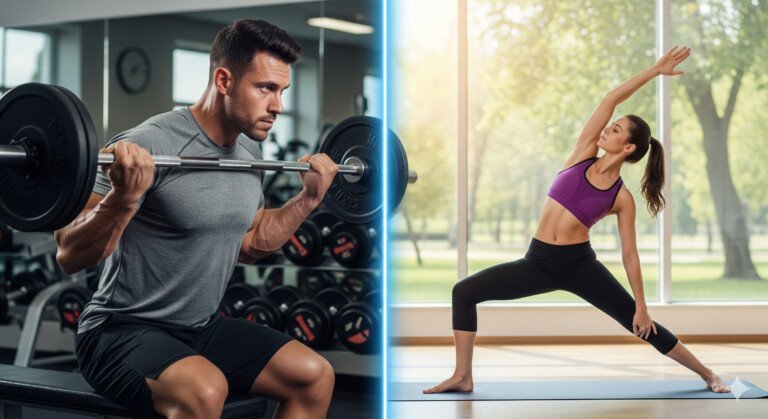
8 Surprising Truths: Weight Loss for Women vs Men

Key Differences: Weight Loss for Women vs Men

The journey to losing weight is not the same for everyone. While a “calorie in, calorie out” approach seems simple in theory, the reality of weight loss for women vs men is shaped by significant physiological, hormonal, and metabolic distinctions. These differences can explain why some individuals see rapid Progress while others face a more challenging, long-term process. Understanding the inherent biological factors can empower individuals to set realistic expectations and create a more effective, personalized weight loss plan.

This guide will explore the core differences influencing how each gender loses weight, from metabolism and fat distribution to hormonal roles. By understanding these distinctions, individuals can tailor their strategies to work with their body’s unique design, leading to more sustainable and satisfying results. For a full breakdown of how metabolism, hormones, training, and nutrition integrate into one system, read the complete weight loss guide.


Male vs Female Metabolism: The Core Difference

One of the most significant factors influencing weight loss for women vs men lies in our metabolic rates. Metabolism refers to the rate at which the body burns calories for energy. On average, men have a faster metabolism than women due to key differences in body composition.

Men typically have a higher percentage of muscle mass and a lower percentage of body fat than women. Muscle tissue is more metabolically active than fat tissue, which burns more calories even at rest. This gives men a natural advantage, often called a higher Basal Metabolic Rate (BMR). Their bodies are simply designed to burn more calories throughout the day, even when they are not actively working out.

This isn’t just about strength; it’s about the very composition of our bodies. From adolescence, male bodies tend to develop more lean muscle, while female bodies are designed to store more fat, particularly for reproductive purposes. Women often have to work a little harder to create the same calorie deficit as men, so female weight loss tips usually focus on strategies to boost metabolism and preserve muscle.

Key Takeaway: Men generally have a metabolic advantage due to higher muscle mass, leading to a higher resting calorie burn.


Why Men Lose Faster Than Women: Unpacking the Hormonal Role

Beyond metabolism, hormones play a colossal role in the distinct patterns of weight loss for women vs men. And this, perhaps more than anything else, explains why men lose faster than women.

For women, the hormonal landscape is a complex, ever-shifting terrain. Estrogen, while vital for female health, also promotes fat storage, particularly in the hips, thighs, and glutes. This evolutionary adaptation prepares the female body for potential pregnancy and lactation. Fluctuations throughout the menstrual cycle can also impact appetite, energy levels, and fluid retention, making consistent weight loss feel elusive at different times of the month. As women approach menopause, declining estrogen levels can increase fat storage around the abdomen, making belly fat particularly stubborn.

Men, on the other hand, have higher levels of testosterone. Testosterone is a powerful hormone that helps build and maintain muscle mass, boosting metabolism and burning fat. This hormonal profile gives men a more consistent metabolic engine and less predisposition to store fat in certain areas than women.

These hormonal realities mean women’s weight loss journeys are often more nuanced, especially when considering the stress and weight loss impact on cortisol, cravings, and fat storage patterns. Understanding the influence of hormones is crucial for adapting weight loss strategies accordingly.


Fat Burning Gender Differences: Where the Body Stores It

The way our bodies store fat is another critical distinction in weight loss for women vs men. These fat burning gender differences are largely pre-programmed and contribute significantly to the varying experiences.

Women typically store more subcutaneous fat, which is the fat located just under the skin, often around the hips, thighs, and buttocks. This “pear shape” is typical for women. While subcutaneous fat is not as metabolically dangerous as visceral fat, it can be notoriously stubborn to lose.

Conversely, men tend to store more visceral fat, which is the fat that surrounds internal organs in the abdominal cavity, leading to the “apple shape.” While this type of fat is more strongly linked to health risks like heart disease and type 2 diabetes, paradoxically, it can sometimes be easier to lose with diet and exercise than subcutaneous fat. When men start a new weight loss regimen, they often see a quick reduction in their midsection, which can be highly motivating.

This difference in fat distribution isn’t about aesthetics; it’s about biology. Understanding these patterns helps set realistic expectations and prevents unnecessary frustration. It also informs targeted approaches, where women might focus more on consistent, long-term strategies, while men might see quicker initial changes.


Tailored Strategies: Female Weight Loss Tips & Women’s Weight Loss Plan

Given these inherent differences, a “one-size-fits-all” approach to weight loss often falls short. What works effectively for men might need significant adjustments for women. This is where tailored female weight loss tips and a specific women’s weight loss plan become invaluable.

For women, the focus needs to be on strategies that work with their physiology:

  • Prioritize Strength Training: Building and maintaining muscle mass is paramount for women, and structured resistance training for fat loss is essential for preserving metabolism and improving body composition. Not only does it boost metabolism, but it also helps offset some of the metabolic advantages men naturally possess. Aim for 2-3 full-body strength training sessions per week. Don’t be afraid of lifting weights! We have great workouts designed to empower you. Check out our guide to Building Muscle and Gaining Strength for inspiration.
  • Embrace Nutrient-Dense Foods: Focus on whole, unprocessed foods. Lean proteins, abundant vegetables, healthy fats, and complex carbohydrates will provide sustained energy, manage cravings, and support hormonal balance.
  • Manage Stress: Chronic stress elevates cortisol, a hormone that promotes fat storage, especially around the abdomen. Incorporate stress-reducing practices like meditation, yoga, or breathwork into your daily routine. Our blog on Breathwork for Stress Management offers excellent techniques.
  • Prioritize Sleep: Adequate sleep is crucial for hormonal regulation, appetite control, and recovery. Aim for 7-9 hours of quality sleep each night.
  • Track Progress Beyond the Scale: The scale might not always reflect true progress due to hormonal fluctuations and water retention. Focus on non-scale victories like increased energy, improved mood, better-fitting clothes, and strength gains.

Actionable Insight for Women: Don’t compare initial Progress to a man’s. A woman’s body is different, and a focus on consistency and unique milestones will lead to success.


Creating a Sustainable Men’s Weight Loss Plan

While men often experience faster initial weight loss, they are not without their own challenges, particularly regarding long-term sustainability. Many men may not focus as much on the holistic aspects of wellness, which can lead to burnout or neglecting crucial elements of health beyond just the numbers on the scale.

For men, a successful men’s weight loss plan should focus on:

  • Consistent Calorie Deficit (without extreme restriction): While metabolism might be higher, consistent overeating will still lead to weight gain. Focus on balanced meals that are satisfying and nutrient-rich, rather than just “diet food.” Portion control and making smarter food choices are key.
  • High-Intensity Interval Training (HIIT): While strength training is beneficial for everyone, HIIT can be particularly effective for men to boost metabolism and maximize fat burning in shorter periods, complementing their natural metabolic advantages.
  • Protein Intake: Higher protein intake supports muscle mass, which is critical for maintaining a high metabolism. Ensure each meal includes a good source of lean protein.
  • Mindful Eating and Stress Management: Even with a faster metabolism, neglecting emotional eating or chronic stress can sabotage Progress. Encouraging practices like mindful eating can prevent overconsumption and foster a healthier relationship with food. We have some great nutrition tips to help you structure your meals wisely.
  • Accountability: Men often thrive with clear goals and accountability. Whether it’s a workout buddy, a fitness tracker, or regular check-ins, having a system to stay on track can be very powerful.

Actionable Insight for Men: Leverage your metabolic advantage, but don’t overlook the importance of sustainable eating habits and holistic wellness for lasting results.


Decoding Metabolism: Male vs Female Metabolism Factors

Let’s dive a little deeper into the specific factors contributing to male vs female metabolism. Understanding these elements isn’t just academic; it helps us appreciate the intricate design of our bodies and why personalized strategies are so vital.

  1. Muscle Mass Percentage: As mentioned, men typically have 10-20% more muscle mass than women. This is a primary driver of the difference in BMR. Each pound of muscle burns significantly more calories at rest than a pound of fat.
  2. Hormonal Influence:
    • Testosterone (Men): Promotes muscle synthesis and reduces fat storage. It also influences red blood cell production and bone density, contributing to a generally more robust metabolism.
    • Estrogen (Women): Influences fat storage in specific areas (hips, thighs) and can impact insulin sensitivity, affecting how the body processes carbohydrates. Its fluctuations during the menstrual cycle, pregnancy, and menopause significantly alter metabolic processes.
  3. Fat Distribution:
    • Visceral Fat (Men): More common in men, it’s metabolically active and releases compounds that can affect insulin resistance. While dangerous, it can also be quicker to mobilize for energy.
    • Subcutaneous Fat (Women): More prevalent in women, it’s less metabolically active and can be more resistant to burning, particularly in “problem areas.”
  4. Enzyme Activity: There can be differences in the activity of certain enzymes involved in fat metabolism. For instance, lipoprotein lipase (LPL), an enzyme that facilitates fat storage, can be more active in women’s thighs and hips.
  5. Energy Expenditure During Exercise: While men generally have higher absolute energy expenditure during exercise due to larger body size and muscle mass, studies also suggest potential differences in substrate utilization (what fuel source the body prefers to burn) between genders during different intensities of exercise.

Understanding these intricate fat burning gender differences is key to approaching a weight loss journey with patience and precision. It’s about empowering oneself with knowledge, rather than battling against what feels like an unfair biological setup.


The Role of Body Fat: Women vs Men Body Fat Explained

When we talk about women vs men body fat, we’re not just talking about quantity, but also quality and distribution, which as we’ve seen, profoundly impacts weight loss.

  • Essential Body Fat: Women require a higher percentage of essential body fat (around 10-13%) compared to men (2-5%) for basic bodily functions, particularly those related to reproduction. This means a woman’s healthy body fat range will naturally be higher.
  • Body Fat Percentage & Health: A healthy body fat percentage for women typically ranges from 21-33%, while for men, it’s 8-19%. Trying to achieve a male-typical body fat percentage can be unhealthy and unsustainable for most women.
  • Location, Location, Location: The evolutionary purpose of fat storage differs. Women’s bodies are predisposed to store fat on the lower body (hips, thighs) to support childbearing. Men tend to store fat in the abdominal area. This is a crucial distinction when it comes to setting realistic body composition goals and understanding stubborn fat areas.

Knowing these differences can help you redefine your concept of a healthy body and avoid comparing yourself to unrealistic standards. Your body, as a woman or a man, is perfectly designed for its biological purpose. The goal isn’t to fight your nature, but to optimize your health within it.


Moving Beyond the Scale: Redefining Weight Loss Success

For both weight loss for women vs men, true success goes far beyond the number on the scale. While losing pounds can be a great motivator, it’s crucial to redefine what “winning” looks like.

This is particularly important for women, whose weight can fluctuate more due to hormones, but it applies to everyone. Focus on:

  • Improved Energy Levels: Do you wake up feeling more refreshed?
  • Better Sleep Quality: Are you sleeping more soundly through the night?
  • Increased Strength and Stamina: Are you able to lift heavier, walk further, or perform daily tasks with more ease?
  • Enhanced Mood and Mental Clarity: Do you feel less stressed, more focused, and generally happier?
  • Improved Health Markers: Lower blood pressure, better cholesterol, stable blood sugar.
  • Confidence in Your Clothes: How do your clothes fit and how do you feel when you get dressed?

These non-scale victories are powerful indicators of Progress and contribute to a much more holistic sense of well-being. We believe in nurturing the whole self – mind, body, and spirit. Your journey is about becoming a healthier, happier, more vibrant you, irrespective of gender.


Your Call to Action: Embrace Your Unique Journey

Understanding the key differences in weight loss for women vs men isn’t about fostering division; it’s about empowerment through knowledge. It’s about recognizing that your body is a marvel, uniquely designed, and deserving of a tailored approach. Whether you are a woman feeling frustrated or a man looking for sustainable health, your path to a healthier weight and a more vibrant life is within reach.

Don’t let perceived “fairness” or comparisons with others derail your Progress. Focus on your body, your hormones, and your unique needs. Implement the strategies that resonate with you, prioritize conscious living, and celebrate every small victory.


FAQ

1. Is it truly harder for women to lose weight than men?

Generally, yes, due to physiological differences like higher muscle mass in men leading to a faster metabolism, and hormonal factors (estrogen promoting fat storage in women). However, “harder” is relative. It means women often need to be more consistent and patient with their strategies.

2. Should men and women follow entirely different diet plans?

Not entirely different, but often with different emphasis. Both benefit from whole, nutrient-dense foods. However, women might need more targeted strategies for hormonal balance and metabolism boosting, while men can leverage their higher metabolism with efficient training.

3. Does age affect these gender differences in weight loss?

Absolutely. As both men and women age, metabolism naturally slows down. For women, menopause brings significant hormonal shifts that can make weight loss more challenging, especially around the midsection. Men also experience a decline in testosterone with age, which can impact muscle mass and metabolism.

4. How important is strength training for women’s weight loss?

Extremely important! Strength training helps women build and maintain metabolically active muscle mass, which is crucial for increasing their basal metabolic rate and improving body composition. It also offers numerous other health benefits.


Disclaimer:

This post may contain affiliate links. If you purchase through them, we may earn a small commission at no extra cost to you. Also, this content is for informational purposes only and does not substitute professional medical advice.

Yoga for Period Cramps: 8 Powerful Poses to Ease Pain

Yoga for period cramps can feel like a lifesaver when those familiar aches show up each month. The world seems to slow down as the tight knots in your belly, the heaviness in your back, and the fatigue that makes even climbing the stairs feel like a marathon take over. Maybe you curl up with a heating pad, sip endless cups of herbal tea, and silently wonder why your uterus insists on staging a protest.

I know that feeling well. For years, I dreaded the first few days of my cycle. The pain was exhausting, and it felt like nothing really worked until, almost by accident, I stumbled on something that changed everything: yoga.

At first, I thought yoga was just about flexibility and calm breathing. But when I started practicing a few simple poses during my period, something shifted. The cramps didn’t disappear overnight, but they softened. My body felt less like a battlefield and more like a place of comfort. Slowly, yoga became my secret weapon for finding balance and relief during that time of the month.

If you’ve ever found yourself reaching for ibuprofen with one hand and clutching your stomach with the other, this post is for you. Today, I’ll share eight soothing yoga poses for period cramps poses that have helped me and so many others feel grounded, lighter, and more at peace. These aren’t complicated postures that require hours of training. They’re gentle, nurturing, and specifically supportive for menstrual pain relief.

So, let’s roll out the mat together.


Why Yoga Helps with Period Cramps

If you’ve ever wondered why yoga works so well for menstrual pain, it’s all about how movement, breath, and posture affect the body. If you’re new to yoga and want to understand how breathing, posture, and gentle movement work together for healing, exploring a complete yoga guide can help you build a supportive practice.

  • Muscle relaxation: Certain yoga poses gently stretch and release tension in the lower back, hips, and abdomen the areas that cramp the most.
  • Improved circulation: Deep breathing and mindful movement boost blood flow, which helps deliver oxygen and ease the tight, knotted feeling in your pelvic area.
  • Hormone balance support: Gentle yoga stimulates the parasympathetic nervous system (the “rest and digest” mode), which helps regulate stress hormones that can worsen cramps.
  • Emotional release: Let’s be honest periods aren’t just physical. They come with mood swings, frustration, and fatigue. Yoga offers a safe space to release that emotional weight.

When I first tried using yoga for period cramps, I was skeptical. But once I started noticing that even five minutes of mindful movement calmed my body, it became something I looked forward to each cycle. It’s not about perfection. It’s about giving yourself the kindness you deserve.


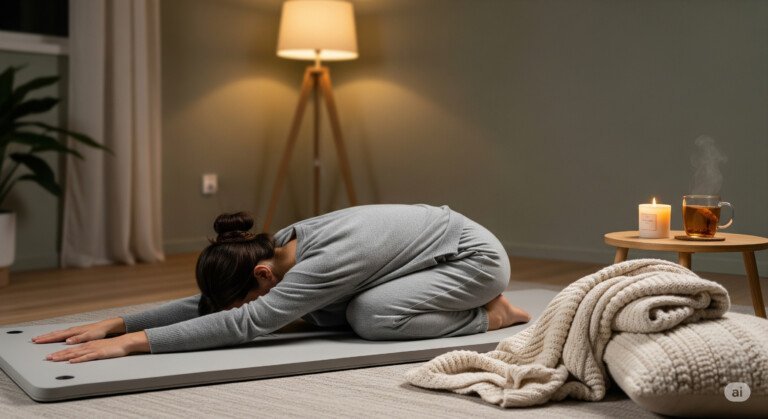
Pose 1: Child’s Pose (Balasana) – Your Safe Haven

Imagine curling into the most comforting ball, almost like you’re being hugged by the earth itself that’s Child’s Pose. Whenever cramps hit hard, this is often the first pose I sink into.

How to do it:

  1. Kneel on your mat with your knees apart and big toes touching.
  2. Fold forward, resting your chest between your thighs.
  3. Stretch your arms forward or keep them alongside your body, palms up.
  4. Rest your forehead on the mat or a pillow.

Why it helps:

  • Soothes lower back tension.
  • Relieves pressure in the abdomen.
  • Encourages deep, steady breathing that signals your body to relax.

Pro tip: Place a soft pillow under your belly for extra comfort if cramps feel intense.

When I hold this pose during my period, I feel a sense of surrender as if I don’t have to fight the discomfort but simply let it ease through me. It’s gentle, grounding, and a reminder that rest is healing too.


Pose 2: Reclined Bound Angle (Supta Baddha Konasana) – Open and Release

This pose feels like opening a window in a stuffy room. Reclined Bound Angle is all about creating space in your pelvis, hips, and belly, where cramps often feel the strongest.

How to do it:

  1. Lie down on your back.
  2. Bring the soles of your feet together, letting your knees fall open like butterfly wings. This position is closely related to the classic Butterfly Pose, which is often recommended for improving pelvic circulation and easing menstrual discomfort.
  3. Place cushions or yoga blocks under your knees for support.
  4. Rest your hands on your belly or by your sides.

Why it helps:

  • Opens the hips and pelvis for better blood flow.
  • Relieves menstrual pain by gently stretching the inner thighs and groin.
  • Calms the nervous system for deeper relaxation.

Pro tip: Use a bolster or a folded blanket along your spine for a heart-opening variation that also eases emotional tension.

I sometimes lie in this pose with a lavender eye pillow and soft music playing. It’s not just about physical release it feels like giving myself permission to slow down and be nurtured.


Pose 3: Cat-Cow Stretch (Marjaryasana-Bitilasana) – Flow for Relief

There’s something magical about gentle movement when cramps feel stuck and heavy. Cat-Cow is a flowing sequence that massages your spine, improves circulation, and helps release tension in the abdomen.

How to do it:

  1. Start on your hands and knees, with wrists under shoulders and knees under hips.
  2. Inhale, arch your back, and lift your chest and tailbone this is Cow Pose.
  3. Exhale, round your spine, tuck your chin, and draw your belly in this is Cat Pose.
  4. Move slowly between the two for several breaths.

Why it helps:

  • Increases flexibility in the spine and pelvis.
  • Massages abdominal organs for gentle menstrual pain relief.
  • Syncs breath with movement, easing stress and tension.

Pro tip: Move at your own pace. When I do this, I sometimes close my eyes and imagine my breath melting away the discomfort.

This pose is especially soothing if you deal with lower back pain during your cycle. It’s like a mini massage you can give yourself.


Pose 4: Supine Twist (Supta Matsyendrasana) – Detox and Release

When cramps feel sharp and radiate into your lower back, twists can be surprisingly comforting. Supine Twist is a simple but powerful pose that wrings out tension from your spine while calming your nervous system.

How to do it:

  1. Lie on your back and hug your knees into your chest.
  2. Drop both knees over to one side, keeping your shoulders on the mat.
  3. Stretch your arms out into a T-shape.
  4. Turn your head gently to the opposite side for a deeper twist.

Why it helps:

  • Relieves lower back discomfort and tightness.
  • Stimulates digestion and reduces bloating.
  • Improves circulation in the abdominal and pelvic area.

Pro tip: Place a pillow under your knees if the twist feels too deep. During my cycle, I often keep this pose soft and supported, letting gravity do the work.

There’s something deeply calming about lying in a twist it feels like releasing everything that’s been knotted inside, both physically and emotionally.


Pose 5: Pigeon Pose (Eka Pada Rajakapotasana) – Hip Opener for Flow

Pigeon Pose can feel intense, but when practiced gently, it’s one of the most rewarding poses for menstrual pain relief. Since so much tension collects in the hips, opening this area often brings a deep sense of release.

How to do it:

  1. Start in Downward Dog or on all fours.
  2. Bring your right knee forward and place it behind your hands, shin angled across your mat.
  3. Stretch your left leg back behind you.
  4. Fold forward over your bent leg, resting on your forearms or a pillow.

Why it helps:

  • Releases hip tension that contributes to pelvic pain.
  • Improves circulation in the reproductive area.
  • Supports emotional release, since hips often store stress.

Pro tip: Keep it supported. If your hips don’t reach the mat, place a folded blanket or block under your front hip. When I’m cramping, I rest my forehead on stacked pillows it transforms the pose from intense to nurturing.

Sometimes, I’ve found myself crying softly in Pigeon Pose during my period not from pain, but from the release it offers. It’s proof that yoga doesn’t just ease cramps, it helps us let go of what we’ve been holding emotionally too.


Midway Reflection: Why Listening to Your Body Matters

By now, you might notice a pattern: these poses aren’t about pushing harder or holding longer. They’re about tuning in. During your period, your body isn’t asking for high-energy workouts or rigid discipline. It’s asking for compassion, softness, and space to breathe.

I used to think rest made me weak. Now, I see it as a form of strength. Giving yourself permission to slow down during your cycle isn’t indulgent it’s necessary. And when you choose yoga as your tool for relief, you’re not just easing pain. You’re rewriting the relationship with your own body.

That’s why the second half of our flow will focus on even more restorative poses perfect for those days when you want maximum comfort with minimum effort.


Pose 6: Legs Up the Wall (Viparita Karani) – The Ultimate Reset

If there’s one pose that feels like hitting the reset button on a painful period day, it’s this one. Legs Up the Wall is incredibly simple but deeply effective.

How to do it:

  1. Sit sideways against a wall.
  2. Swing your legs up so they rest flat on the wall while your back lies comfortably on the floor.
  3. Place a pillow or folded blanket under your hips for support if you like.
  4. Rest your arms by your sides, palms up.

Why it helps:

  • Promotes circulation and reduces swelling in the legs.
  • Relieves pelvic congestion that can worsen cramps.
  • Encourages full-body relaxation and stress relief.

Pro tip: Close your eyes and breathe slowly. Sometimes I place a warm compress on my lower belly in this pose it feels like combining two forms of comfort at once.

This pose is one of my go-tos before bed during my cycle, especially when combined with other gentle bedtime yoga poses that help the body relax and prepare for deeper sleep.


Pose 7: Supported Bridge Pose (Setu Bandhasana) – Gentle Lift for Balance

Bridge Pose is often practiced as a strength-builder, but when you add support, it transforms into a calming posture that encourages circulation and hormone balance.

How to do it:

  1. Lie on your back with your knees bent and feet flat on the floor, hip-width apart.
  2. Lift your hips slightly and place a yoga block or pillow under your sacrum (the flat bone just above your tailbone).
  3. Rest your weight onto the block, letting your pelvis tilt gently upward.
  4. Keep your arms relaxed by your sides.

Why it helps:

  • Gently stimulates the pelvic area, easing menstrual pain.
  • Supports hormone regulation through improved blood flow.
  • Relieves lower back tension.

Pro tip: Don’t overdo the lift. Keep it soft and supported the goal is comfort, not a workout. I often add calming music or even diffuse essential oils like clary sage or lavender while holding this pose.

This posture feels like being propped up by invisible hands a reminder that it’s okay to let yourself be supported during difficult days.


Pose 8: Savasana (Corpse Pose) – Deep Rest, Deep Healing

We can’t finish without Savasana. While it might look like “just lying down,” this pose holds so much power especially during your period. It’s about stillness, surrender, and letting the body heal itself.

How to do it:

  1. Lie flat on your back with your legs comfortably apart.
  2. Place a pillow under your knees if your lower back feels tight.
  3. Rest your arms at your sides, palms up.
  4. Close your eyes and allow your breath to flow naturally.

Why it helps:

  • Calms the nervous system.
  • Encourages deep relaxation and stress release.
  • Allows your body to integrate the benefits of the entire practice.

Pro tip: Use cozy props blankets, an eye pillow, or even a weighted blanket. Sometimes I play soft nature sounds and imagine myself floating on gentle waves.

Savasana isn’t just about physical rest; it’s about honoring yourself. When I end my period yoga sessions here, I feel not only lighter but also more connected to my body.


Wrapping It All Together: A Gentle Reminder

Your period doesn’t have to feel like a monthly battle. By weaving in these yoga poses for period cramps, you’re giving your body the tools to ease pain, restore balance, and nurture yourself with compassion.

What I’ve learned most from practicing yoga during my cycle is this: healing doesn’t always come from doing more. Sometimes, it comes from doing less softening, resting, and listening.

So the next time cramps show up, instead of fighting against them, try rolling out your mat, lighting a candle, and sinking into these poses. Trust me, your body will thank you. Need to know more about best yoga poses!


FAQ

1. Can I do yoga on the first day of my period?

Yes! In fact, gentle yoga can be especially helpful on day one, when cramps and fatigue are often the strongest. Just listen to your body skip inversions or strenuous poses and stick to restorative options like Child’s Pose or Legs Up the Wall.

2. How often should I practice yoga for menstrual pain relief?

Even 10–15 minutes daily during your period can make a difference. Some women find relief with one longer session, while others prefer shorter, more frequent practices.

3. Are there yoga poses I should avoid during my period?

It’s best to avoid intense backbends, deep inversions (like Headstand), or overly strenuous flows. These can sometimes worsen cramps or disrupt your energy. Focus instead on pelvic yoga and hormone balance yoga poses.

4. Can yoga really balance hormones?

Yoga supports hormone balance indirectly by reducing stress, improving circulation, and calming the nervous system. Over time, this can contribute to more regular cycles and less painful cramps. For chronic or severe issues, always consult a healthcare provider.

5. Do I need yoga props for these poses?

Props like pillows, bolsters, or blocks aren’t required but can make your practice much more comfortable especially when cramps are strong. Even a rolled-up blanket or household cushion can work beautifully.

Disclaimer:

This post may contain affiliate links. If you purchase through them, we may earn a small commission at no extra cost to you. Also, this content is for informational purposes only and does not substitute professional medical advice.

How Long Does Birth Control Stay in Your System: Complete Guide for Women

If you’ve ever wondered how long does birth control stay in your system, you’re not alone. Many women have questions about its effects, timing, and what to expect after stopping or switching birth control. It’s a topic that sparks curiosity, especially since every woman’s body responds differently to hormonal changes. Whether you’re considering stopping your pill or just curious about how birth control works in your body, understanding the timeline and factors at play can make a big difference in your decision-making process.


How Birth Control Affects Your Body: What You Need to Know

When it comes to how long birth control stays in your system, there are a few key factors that come into play. Birth control pills, patches, implants, and shots all affect your hormones, and each method has its own timeline. While some women may have immediate returns to fertility after stopping, others may take longer. Here’s the thing: it’s not one-size-fits-all. That said, understanding the general timeline can help ease your mind.


How Birth Control Works in Your System

Hormonal birth control methods, such as pills and patches, work by preventing ovulation, thickening cervical mucus, and altering the uterine lining to prevent pregnancy. When you stop taking birth control, your body starts adjusting to its natural cycle again.

However, how long does birth control stay in your system? This depends on the type of birth control method you’re using, how long you’ve been using it, and your individual body’s metabolism.

For example:

  • Birth Control Pills: Once you stop taking them, your body typically clears the synthetic hormones within a few days to a few weeks. Most women can expect their menstrual cycle to return within a few weeks to a couple of months.
  • Implants and Injections: These may take longer for the hormones to leave your system. It can take several months for your fertility to return to normal after stopping an implant or injection.

In general, the younger you are, the quicker your body tends to return to its natural rhythm.


Does Birth Control Make Your Boobs Bigger?

It’s a common question among women, especially those considering or currently using hormonal birth control: Does birth control make your boobs bigger? The short answer is: it could.

For some women, hormonal birth control can cause mild weight gain or an increase in breast size due to hormonal fluctuations, primarily estrogen. However, the change is usually temporary. Once your body adjusts, the size of your breasts often returns to normal.

Birth Control and a Condom: Should You Use Both?

Some women wonder whether it’s necessary to use a condom in addition to birth control. The answer is yes, for several reasons. While birth control pills and other hormonal methods are highly effective at preventing pregnancy, they don’t protect against sexually transmitted infections (STIs). Condoms are the only method that provides protection from STIs.

So, even if you’re on birth control, it’s a good idea to consider using condoms, especially with new or multiple partners. Combining both methods increases your protection against both pregnancy and STIs.


Ovarian Cysts and Birth Control Pills

It’s not uncommon for women to experience ovarian cysts while on birth control. Ovarian cysts are fluid-filled sacs that can form on the ovaries, and some women may develop them even while using hormonal contraception.

However, many types of birth control pills are designed to prevent the formation of these cysts. The hormones in birth control pills help regulate ovulation, preventing the ovarian follicles from developing into cysts.

If you do develop an ovarian cyst while on birth control, most are benign and don’t cause serious issues. However, if you have concerns about cysts, it’s a good idea to consult with your healthcare provider to discuss alternative birth control options that may suit your body better.


Pros and Cons of Popular Birth Control Brands

When considering how long birth control stays in your system, it’s crucial to choose the right brand that fits your needs. Different birth control brands come with unique hormone combinations, side effects, and benefits. Below, we break down the pros and cons of 10 popular birth control brands to help guide your decision-making process.


Estarylla Birth Control

  • Pros: Estarylla is a low-dose combination pill, which means it combines both estrogen and progestin. This can help in reducing acne and regulating menstrual cycles, which is a benefit for women who experience these issues. It’s particularly helpful for managing irregular periods, making it ideal for women who want more control over their cycles.
  • Cons: Some users report side effects such as headaches, mood swings, and nausea. Since it contains estrogen, it may also cause slight weight gain or other estrogen-related side effects, such as breast tenderness.
  • Notes: Estarylla is an affordable, generic option for those who want an effective yet budget-friendly pill. It’s a good choice for women who want a mild hormonal birth control method with minimal side effects.

Nikki Birth Control

  • Pros: Nikki is known for being highly effective with fewer hormonal fluctuations compared to some other pills. This stability is great for women looking to reduce mood swings and other hormone-related issues. It’s also known for being easy to use and consistent in its dosage.
  • Cons: As with many hormonal birth controls, Nikki can cause side effects like nausea and weight gain, especially for women sensitive to hormone changes. It’s important to monitor how your body reacts during the first few months of use.
  • Notes: Nikki is ideal for women who have had negative experiences with other higher-dose estrogen pills. Its consistent hormone levels make it a solid option for those seeking fewer fluctuations in mood and physical well-being.

Aviane Birth Control

  • Pros: One of the major benefits of Aviane is its affordability, as it’s a generic version of a well-known birth control pill. It’s effective in reducing menstrual bleeding and pain, making it a good option for women suffering from heavy periods or cramps.
  • Cons: Some women experience increased spotting between periods or changes in mood, especially during the first few months. These side effects are typically mild but can be bothersome to some users.
  • Notes: Aviane is an excellent choice for women seeking an affordable and reliable birth control pill. If you’re looking for a generic option that’s easy on your wallet and effective, Aviane might be worth considering.

Errin Birth Control

  • Pros: Errin is a progestin-only pill, which makes it an ideal choice for women who cannot use estrogen. It helps to regulate periods and prevent ovulation without the estrogen component. This can be beneficial for women with certain health conditions, like blood clotting disorders, where estrogen could pose risks.
  • Cons: Some women may experience irregular periods or spotting while on Errin, as it can disrupt the natural menstrual cycle due to the lack of estrogen. These irregularities are common with progestin-only pills, but they generally subside after a few months.
  • Notes: If you need to avoid estrogen for health reasons, Errin is an excellent alternative. However, expect some possible period irregularities during the first few months.

Heather Birth Control

  • Pros: Heather is a combination pill that can help regulate menstrual cycles and treat acne, which is a huge benefit for women who struggle with skin issues due to hormonal fluctuations. It’s a well-rounded option for those looking to manage both contraception and acne.
  • Cons: The downside of Heather is that it may cause side effects like nausea, headaches, or weight gain in some women. These effects are common with combination birth control pills, but they tend to improve over time.
  • Notes: Heather is a great option if you’re looking to treat acne while also preventing pregnancy. It’s particularly useful for women who want an all-in-one solution for hormonal management.

Nurx Birth Control

  • Pros: One of the biggest selling points of Nurx is the convenience of home delivery, which allows women to receive their birth control pills without leaving their house. It offers a variety of customizable pill options, ensuring you get the best pill for your body and lifestyle.
  • Cons: Because Nurx requires a prescription, some women may find the process of ordering online a bit more time-consuming compared to purchasing birth control directly at a pharmacy. Additionally, it may take a few weeks for your body to adjust to a new birth control brand.
  • Notes: Nurx is perfect for women who prefer convenience and flexibility when it comes to receiving their birth control. The ability to choose and receive your birth control from home makes it a standout choice for busy women.

Vestura Birth Control

  • Pros: Vestura is a combination pill that offers a balanced mix of hormones. It’s known for its effectiveness in reducing menstrual symptoms, including cramps and heavy bleeding. Women who struggle with these issues may find relief with Vestura.
  • Cons: Some women report experiencing side effects like headaches, nausea, and changes in mood. These side effects are typical with combination birth control pills but can be manageable with time or by switching to another brand.
  • Notes: Vestura is a solid choice for women who want to manage both contraception and menstrual symptoms effectively. It’s ideal for those who need a reliable, low-dose option for birth control.

Aurovela Birth Control

  • Pros: Aurovela is known for its ability to help with acne and reduce heavy menstrual bleeding. If you struggle with both skin issues and irregular periods, Aurovela may help you address both concerns at once.
  • Cons: Some users report side effects like nausea, mood swings, or weight changes, though these symptoms are not uncommon with hormonal contraceptives. However, the side effects usually go away after a few cycles.
  • Notes: Aurovela is a reliable and affordable option for women who want to manage both acne and heavy menstrual bleeding while using birth control.

Syeda Birth Control

  • Pros: Syeda is a combination pill that can help reduce acne and menstrual cramps. It is highly effective for women who need a consistent birth control method while also dealing with skin issues related to hormones.
  • Cons: As with other combination pills, Syeda may cause headaches, nausea, or mood changes, especially during the first few months of use. These side effects tend to diminish over time.
  • Notes: If you’re looking for a reliable birth control option that also targets acne, Syeda could be a great fit for you.

Camila Birth Control

  • Pros: Camila is a progestin-only pill that’s ideal for women who need to avoid estrogen, such as breastfeeding mothers or those with specific health concerns. It offers fewer hormonal fluctuations, making it gentler on the body for those sensitive to estrogen.
  • Cons: Camila can cause irregular periods or spotting, especially during the initial months of use. This is a common side effect of progestin-only pills but typically resolves with time.
  • Notes: Camila is a great option for women who need a progesterone-only pill or are breastfeeding, but be prepared for potential initial period irregularities.

Comparison Table: Birth Control Brand Pros & Cons

BrandProsConsNotes
EstaryllaLow-dose, reduces acne, regulates periodsHeadaches, mood changes, nauseaAffordable, generic, mild hormonal options
NikkiEffective, fewer hormonal fluctuations, easy to useNausea, weight gainGreat for women sensitive to high estrogen doses
AvianeAffordable, reduces bleeding and painSpotting, mood changesReliable, generic option for lighter hormone doses
ErrinProgestin-only, ideal for estrogen-sensitive womenSpotting, irregular periodsGreat for women avoiding estrogen
HeatherRegulates cycles, treats acneNausea, headaches, weight gainAll-in-one for hormonal issues and acne treatment
NurxHome delivery, customizable pill optionsPrescription required, adjustment periodConvenient for busy lifestyles
VesturaBalanced hormones, reduces menstrual symptomsHeadaches, nausea, mood changesSolid for menstrual issues and low-dose contraception
AurovelaReduces acne and bleedingNausea, mood swings, weight changesAffordable, reliable option
SyedaReduces acne, treats crampsHeadaches, nausea, mood changesReliable birth control, great for acne treatment
CamilaProgestin-only, minimal hormonal impactIrregular periods, spottingGreat for breastfeeding mothers, progesterone-based

Takeaway: Understanding Birth Control and Your Body

In conclusion, how long does birth control stay in your system depends on the method you use and your individual body. Most women find that their body returns to normal hormone levels within a few weeks to a few months after stopping birth control. It’s essential to be patient with your body as it adjusts, and always consult your doctor before switching methods or making changes.

If you’re thinking about discontinuing birth control or want to explore alternative methods, don’t hesitate to speak with your healthcare provider to find the best option for you. Your health and well-being are the top priority!


FAQ

1. If you take birth control during pregnancy, what happens?

If you accidentally take birth control during pregnancy, it’s important to stop using it right away. However, studies show that hormonal birth control does not typically harm the pregnancy or the baby. If you’re pregnant and concerned, consult your doctor for guidance.

2. Does birth control make you tired?

For some women, birth control can cause fatigue as a side effect. Hormonal fluctuations can affect your energy levels, but this varies from person to person. If you’re feeling unusually tired, it may be worth discussing with your healthcare provider.

3. Does ashwagandha affect birth control?

Ashwagandha may interfere with the effectiveness of birth control by affecting hormone levels. If you’re taking both, it’s a good idea to consult your healthcare provider to ensure they won’t negatively interact.

4. Will birth control make your breasts bigger?

While some women experience an increase in breast size due to hormonal changes from birth control, it’s typically temporary. Breast size may return to normal once the body adjusts to the hormone levels.

5. Does birth control make you infertile?

No, birth control does not cause permanent infertility. After stopping birth control, fertility usually returns to normal within a few weeks to a few months. If you have concerns about fertility, it’s always best to consult with a healthcare provider.


Disclaimer:


This post may contain affiliate links. If you purchase through them, we may earn a small commission at no extra cost to you. Also, this content is for informational purposes only and does not substitute professional medical advice.

Exit mobile version