

Why Hydration Matters for Healthy Eating (It’s Not Just About Metabolism)
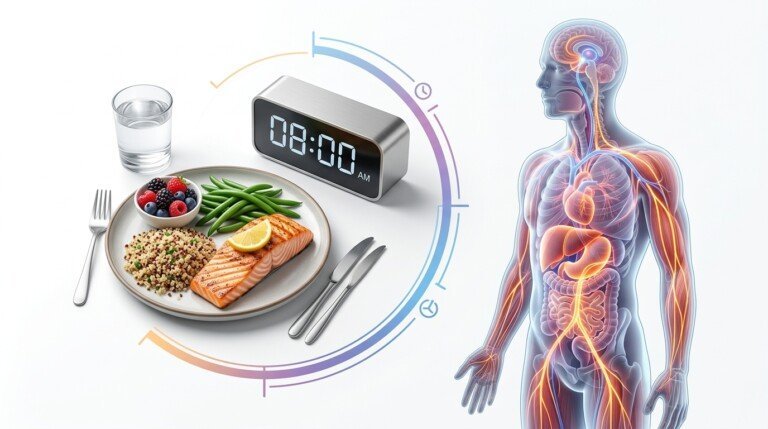
Most people associate drinking enough water with boosting metabolism or improving athletic performance. While those topics receive plenty of attention, they often overshadow another important relationship that affects everyday eating decisions. Hydration influences how we experience hunger, fullness, cravings, and food choices throughout the day. These effects may seem subtle at first, but over time they can shape eating habits far more than many people realize.
One of the biggest reasons this connection is overlooked is because thirst and hunger often feel surprisingly similar. Both sensations can develop gradually, create a feeling of discomfort, and encourage us to reach for something to consume. When we are busy working, driving, or following daily routines, it becomes easy to mistake one signal for the other. As a result, someone who simply needs water may end up eating a snack instead, not because their body requires food, but because the brain interprets dehydration as a general need for intake.
Understanding hydration and healthy eating is therefore about much more than counting glasses of water. It is about recognizing how hydration supports the body’s natural appetite regulation, helps people interpret fullness cues more accurately, and encourages better food decisions throughout the day. Drinking enough water will not magically eliminate hunger or replace nutritious meals, but it can reduce unnecessary confusion between thirst and appetite that often leads to mindless eating.
Another important point is that hydration works alongside healthy eating rather than replacing it. Water cannot compensate for a poor diet, just as healthy food cannot completely compensate for inadequate hydration. Both work together to support digestion, appetite awareness, and overall well-being. When one is neglected, the other often becomes more difficult to manage consistently.
In this article, you’ll discover how hydration and healthy eating are closely connected, why thirst is frequently mistaken for hunger, how water influences appetite and food choices, and practical ways to recognize what your body is actually asking for before reaching for your next meal.
Quick Answer
Hydration and healthy eating are closely connected because adequate water intake supports normal appetite regulation, helps distinguish thirst from hunger, contributes to feelings of fullness during meals, and may encourage healthier food choices. Drinking enough water is not a replacement for balanced nutrition, but it helps the body interpret hunger signals more accurately and supports mindful eating throughout the day.
How Does Water Intake Affect Appetite and Food Choices?
Appetite is often treated as though it depends on one simple factor. People assume they become hungry because the stomach becomes empty and then stop feeling hungry after eating enough food. In reality, appetite is influenced by a much broader combination of physical sensations, hormonal signals, emotions, habits, environmental cues, and hydration status.
Water plays an important supporting role within this system. Although it does not provide calories or nutrients, it contributes to how comfortable and satisfied we feel before, during, and after meals. Someone who remains well hydrated throughout the day may find it easier to recognize genuine hunger because thirst is less likely to interfere with normal appetite signals.
Hydration also encourages more mindful eating. People who drink water regularly often pause more frequently during meals, eat at a steadier pace, and become more aware of developing fullness rather than continuing to eat automatically. These changes are usually gradual rather than dramatic, but they help create eating habits that feel more intentional over time.


Another benefit is that adequate hydration supports everyday food choices. When dehydration contributes to fatigue or reduced concentration, convenience foods often become more appealing simply because they appear to provide a quick solution. Maintaining good hydration cannot eliminate those situations entirely, but it removes one potential reason the body feels uncomfortable, making it easier to evaluate whether food is actually needed.
This relationship is quite different from discussions about metabolism. Rather than increasing calorie burning, hydration primarily helps people respond more accurately to their body’s natural hunger and fullness cues. That distinction is important because it focuses attention on eating behavior rather than unrealistic expectations about water producing rapid weight loss.
For readers interested in the separate question of metabolism, Does Drinking Water Boost Metabolism? examines that topic in greater detail without repeating it here.
What Are the Physiological Mechanisms by Which Water Intake Influences Fullness?
One reason water affects eating behavior is that it contributes to physical sensations within the stomach before and during meals. When water is consumed, it occupies space temporarily, creating gentle stomach expansion that works alongside the body’s normal appetite regulation processes.
This does not mean water “fills you up” in the same way as a nutritious meal. Food provides energy, protein, healthy fats, fiber, vitamins, minerals, and many other nutrients that water cannot supply. However, beginning a meal while adequately hydrated often helps the body interpret fullness signals more comfortably because hunger is not being amplified by dehydration at the same time.
Hydration also supports normal digestion. Water helps food move through the digestive tract and assists many of the body’s routine digestive functions. Although digestion depends on numerous factors beyond hydration alone, drinking enough water contributes to an environment where digestion can proceed normally.

Another overlooked factor is eating speed. People frequently drink water between bites, naturally slowing the pace of a meal. This additional time allows fullness signals to develop more gradually before excessive amounts of food are consumed. Eating slowly has long been associated with greater awareness of satiety, and hydration often supports that process without requiring conscious effort.
The effect is therefore not based on one single biological mechanism but on several small influences working together. Water supports comfort during meals, encourages slower eating, contributes to normal digestive function, and reduces the likelihood that thirst is being mistaken for hunger.
These combined effects make hydration a valuable part of healthy eating even though water itself contains no calories.
Does Drinking Water Before Meals Actually Reduce Calorie Intake?
This question has attracted considerable scientific interest because it seems simple.
If someone drinks water before eating, will they naturally consume less food?
Research suggests that the answer depends on the individual and the situation rather than following one universal rule.
For some people, drinking water before meals may contribute to greater feelings of fullness, making them less likely to continue eating once comfortably satisfied. Others notice very little difference because appetite is influenced by many factors beyond hydration alone.
The most important point is avoiding unrealistic expectations.
Drinking water before meals is not a shortcut for weight loss.
It does not replace balanced meals.
It should never be used as a strategy to suppress normal hunger.
Instead, drinking water before eating simply creates an opportunity to pause.
That brief pause allows people to check whether they are genuinely hungry or simply responding to thirst, stress, boredom, or habit. Even this small moment of awareness can improve eating decisions over time because meals become more intentional rather than automatic.
Water also encourages slower meal preparation.
Pouring a glass of water, sitting down, and taking a few drinks before beginning often creates a calmer eating environment. Rather than rushing directly into food after a busy day, this small routine gives both the body and mind an opportunity to settle before eating.
Viewed this way, the value of drinking water before meals extends beyond calorie intake.
It becomes part of developing greater awareness around eating.
Can Adequate Water Intake Reduce Cravings for Sugary or High-Fat Foods?
Cravings are complex.
They are influenced by emotions, habits, sleep quality, environment, stress, food availability, memories, and many other factors. Hydration alone cannot eliminate cravings, and anyone promising that drinking more water will completely stop them is oversimplifying a much more complicated behavior.
However, hydration can sometimes reduce unnecessary eating that begins with thirst rather than genuine hunger.
When mild dehydration creates feelings of fatigue or discomfort, the brain may encourage quick sources of energy simply because eating has previously relieved similar sensations. In these situations, drinking water first allows the body to determine whether food is truly needed.
Adequate hydration may also improve overall comfort during the day, making it easier to recognize the difference between physical hunger and temporary urges.

That distinction matters because genuine hunger usually develops gradually and remains satisfied by many different foods, whereas cravings often focus intensely on one particular item.
Learning to recognize these differences supports healthier eating decisions over time.
If cravings remain frequent despite adequate hydration, the issue often extends beyond thirst. In those situations, understanding the underlying causes becomes much more valuable than simply drinking additional water.
Readers wanting to explore that topic further can find a more detailed discussion in Emotional Hunger vs Physical Hunger, which explains how emotional cues differ from genuine biological hunger.
Why Is Dehydration So Often Mistaken for Hunger?
Have you ever eaten a snack only to realize twenty minutes later that you were still not satisfied, yet a glass of water suddenly made you feel better? Situations like this are surprisingly common and highlight one of the most overlooked aspects of hydration and healthy eating. The body does not always communicate its needs in ways that are easy to interpret, especially during busy days when meals, work, commuting, and daily responsibilities compete for attention.
Although thirst and hunger originate from different physiological processes, the sensations they create can overlap enough that many people struggle to distinguish between them. Both can develop gradually. Both may create a feeling that something is missing. Both encourage us to consume something. When we are distracted or following automatic routines, the easiest response is often to eat because food is more immediately associated with satisfaction than water.

Modern lifestyles make this confusion even more likely. Many people keep snacks within easy reach but forget to carry a water bottle. Coffee, soft drinks, or flavored beverages may replace plain water throughout the day, making it harder to recognize whether the body is adequately hydrated. By the time noticeable thirst appears, mild dehydration may already be present, increasing the chance that discomfort is interpreted as hunger.
This misunderstanding is important because it influences eating behavior rather than metabolism. If thirst repeatedly leads to unnecessary snacking, extra food intake becomes a consequence of misreading the body’s signals rather than genuine nutritional need. Learning to recognize those signals more accurately supports healthier eating habits without relying on restrictive diets or complicated food rules.
What Are the Physiological Similarities Between Thirst and Hunger Signals?
The brain is responsible for regulating both hunger and thirst, which partly explains why the sensations can sometimes feel remarkably alike. Different areas of the brain coordinate fluid balance, energy needs, hormone activity, and digestive processes, creating a communication system that is highly effective but not always perfectly distinct from our perspective.
When the body begins losing water through breathing, sweating, or normal daily activity, receptors monitor changes in fluid balance and encourage drinking. At the same time, hunger regulation depends on signals from the stomach, digestive tract, hormones, and nutrient availability. Although these pathways are different, they often produce sensations that overlap enough to create uncertainty.
Many people describe both hunger and thirst as a vague feeling of emptiness, restlessness, or discomfort. During a busy workday, it is much easier to grab a snack than to stop and consider whether water might actually be the body’s primary need.
Habits reinforce this confusion. Someone who has repeatedly responded to afternoon tiredness with food may continue doing so automatically, even when mild dehydration contributes to those same sensations. Over time, the brain begins associating certain times of day with eating regardless of whether true hunger is present.
Environmental factors also influence these signals. Warm weather, physically demanding work, exercise, air-conditioned offices, and heated indoor environments all affect fluid loss. If water intake does not increase accordingly, thirst may gradually become more noticeable without producing the classic sensation of a dry mouth that many people expect.
This is why awareness matters. Instead of assuming every uncomfortable sensation means hunger, it becomes useful to pause briefly and consider whether hydration has been neglected during the previous several hours.
What Are Common Symptoms of Dehydration That Get Misread as Hunger Pangs?
Many people expect dehydration to produce dramatic symptoms such as extreme thirst or dizziness. In reality, mild dehydration often develops quietly, producing subtle changes that are easy to overlook during everyday life.
One of the earliest signs is a general feeling that something feels “off.” Energy may begin declining, concentration becomes slightly more difficult, and mental fatigue gradually increases. Rather than recognizing these sensations as possible dehydration, many people assume they simply need something to eat.
Headaches are another commonly reported symptom. Although headaches have numerous possible causes, inadequate hydration is one factor that may contribute in some situations. Again, people sometimes respond by reaching for snacks because eating has previously helped them feel better, even though water may have addressed the underlying issue more effectively.
Dry lips, dry mouth, darker urine, and reduced urination are additional signs that hydration deserves attention. These symptoms are often more reliable indicators of fluid status than vague feelings of hunger alone.
Some people also notice reduced concentration during long workdays. When focus begins declining, highly processed snacks and sugary foods often become appealing because they promise quick energy. While food certainly has its place, consuming it without first considering hydration may lead to unnecessary eating if thirst was actually contributing to the discomfort.
It is important to remember that these symptoms are not unique to dehydration. Fatigue, headaches, and reduced concentration may result from many different medical or lifestyle factors. Persistent or severe symptoms should always be discussed with a qualified healthcare professional rather than assuming hydration is the only explanation.
Nevertheless, paying attention to these subtle patterns can improve awareness of how hydration influences everyday eating decisions.
What’s a Simple Way to Tell the Difference Between Thirst and Real Hunger?
One of the easiest habits to develop is creating a brief pause before automatically reaching for food.
When hunger appears unexpectedly, especially between meals, begin by asking yourself several simple questions.
Have I had enough water during the last few hours?
When did I last drink plain water?
Would I be willing to eat a balanced meal right now, or am I only craving one particular food?
If hydration has been limited, drink a glass of water and wait for a short period before deciding whether food is still needed. This is not about delaying meals unnecessarily or suppressing appetite. It is simply an opportunity to allow thirst signals to settle before interpreting them as hunger.

Another useful clue involves the type of food you want.
Physical hunger usually develops gradually and can be satisfied by many different nutritious foods. Whether the meal includes vegetables, whole grains, lean protein, or another balanced combination, genuine hunger generally responds well.
Cravings associated with habit, emotion, or thirst often feel much more specific. You may suddenly want chocolate, chips, pastries, or another particular food while feeling uninterested in a balanced meal.
Learning this distinction becomes even easier when hydration is consistent throughout the day because thirst is less likely to interfere with normal appetite cues.
Keeping a reusable water bottle nearby, drinking water regularly instead of waiting until intense thirst develops, and paying attention to hydration before meals are all practical habits that require very little effort but can significantly improve awareness of the body’s natural signals.
Key Takeaways
Understanding hydration and healthy eating is about far more than simply drinking enough water each day. Adequate hydration supports the body’s ability to recognize genuine hunger, contributes to comfortable feelings of fullness during meals, and reduces the likelihood of confusing thirst with appetite. These effects encourage more mindful eating and help people make food decisions based on physical needs rather than misinterpreted signals.
Water is not a replacement for balanced meals, nor is it a shortcut for weight loss. Instead, it works alongside healthy eating by supporting normal appetite regulation and helping the body communicate more clearly. Maintaining regular hydration, paying attention to thirst cues, and pausing briefly before eating between meals are simple habits that can improve long-term eating patterns without relying on restrictive diets or unrealistic nutrition rules.
Frequently Asked Questions
1. Does drinking water reduce hunger?
Drinking water may temporarily increase feelings of fullness and help distinguish thirst from genuine hunger, but it does not replace nutritious meals or eliminate the body’s need for food.
2. Why do I confuse thirst with hunger?
Thirst and hunger produce similar sensations because both involve signals that encourage intake. During busy routines, mild dehydration can easily be mistaken for hunger, especially if water intake has been low.
3. How much water should I drink before a meal?
There is no universal amount that works for everyone. Drinking a glass of water before meals is a simple habit many people find helpful because it encourages hydration and provides a moment to assess genuine hunger before eating.
4. Can dehydration increase food cravings?
Mild dehydration may sometimes contribute to feelings that resemble hunger, leading people to snack unnecessarily. However, cravings are influenced by many factors including habits, emotions, stress, sleep, and food availability.
5. Is hydration more important than healthy eating?
No. Hydration and healthy eating support one another. Water helps regulate appetite and supports normal body functions, while nutritious foods provide the energy and nutrients the body needs to thrive.
Conclusion
The relationship between hydration and healthy eating extends well beyond metabolism. Drinking enough water helps the body interpret hunger and fullness more accurately, supports comfortable eating patterns, and reduces the likelihood that thirst will be mistaken for appetite. Although water cannot replace nutritious meals or eliminate cravings entirely, it plays an important role in helping people make more thoughtful food choices throughout the day.
Healthy eating becomes much easier when the body’s signals are easier to understand. By maintaining consistent hydration, paying attention to thirst before reaching for snacks, and building simple daily drinking habits, you create an environment where genuine hunger becomes easier to recognize. Over time, these small adjustments support a healthier relationship with food that is based on awareness rather than automatic reactions.
Disclaimer:
This post may contain affiliate links. If you purchase through them, we may earn a small commission at no extra cost to you. Also, this content is for informational purposes only and does not substitute professional medical advice.
Fuel Your Body Right
Use our free Nutrition Toolkit to find your protein target, fasting window, and net carbs in minutes.
Open Free Tools →