
Common Obstacles to Healthy Eating (and How to Overcome Them)
Making healthier food choices sounds simple in theory. Eat more vegetables, cook at home, drink enough water, and reduce highly processed foods. Most people have heard these recommendations countless times. Yet despite knowing what healthy eating looks like, many still find it difficult to follow consistently.
The reason is rarely a lack of knowledge. Most people already understand the basics of healthy nutrition. The real challenge lies in everyday life. Busy work schedules, family responsibilities, rising food prices, social gatherings, convenience foods, and long-established habits all compete for attention every single day. Healthy choices often lose because they seem to require more time, more planning, or more effort than less nutritious alternatives.
These challenges are not signs of failure. They are common obstacles to healthy eating that almost everyone experiences at some point. The difference between people who successfully maintain healthy eating habits and those who struggle is usually not motivation. It is learning how to reduce the friction that makes healthy decisions difficult.
Instead of trying to force perfect eating habits through willpower alone, it is often more effective to understand what is standing in the way. Once those obstacles become clear, practical solutions usually become much easier to implement.
This article looks at the most common obstacles to healthy eating, explains why they happen, and offers realistic ways to overcome them without expecting perfection or dramatically changing your lifestyle overnight.
Quick Answer
The biggest obstacles to healthy eating include lack of time, convenience, food costs, personal taste preferences, and social pressure. Most of these barriers can be reduced by planning ahead, simplifying meal preparation, gradually expanding food choices, and creating routines that fit everyday life instead of relying on motivation alone.
What Are the Most Common Excuses for Not Eating Healthy and Are They Valid?
People often blame themselves for not eating well, assuming they simply lack discipline. In reality, the reasons people struggle are usually practical rather than personal.
Some work long hours and arrive home exhausted. Others care for children or aging parents and have very little time left for meal preparation. Students often rely on inexpensive convenience foods because they fit tight budgets. Some people genuinely dislike certain healthy foods because they never developed a taste for them while growing up.
These challenges are real.
The mistake is not recognizing the obstacle. The mistake is believing the obstacle cannot be worked around.
Healthy eating becomes much easier when problems are addressed individually rather than treated as one overwhelming challenge.


Instead of asking, “Why can’t I eat healthier?” it helps to ask more specific questions.
Do I struggle because I have no time?
Do I struggle because cooking feels complicated?
Do I believe healthy food costs too much?
Do I constantly eat in social situations?
Each answer leads toward a practical solution.
Most obstacles are not permanent. They simply require different strategies depending on the situation.
Does “I Don’t Have Time” Actually Hold Up, and What’s the Fastest Fix?
Lack of time is probably the most common reason people give for not eating healthier.
In many cases, that reason is completely understandable.
Modern life leaves very little unused time. Commuting, work responsibilities, school schedules, family commitments, household chores, and unexpected obligations can quickly fill every hour of the day. After dealing with those responsibilities, preparing a balanced meal may feel like another task on an already overwhelming list.
The problem is that convenience often wins during these moments.
Takeaway meals.
Drive-through restaurants.
Packaged snacks.
Highly processed frozen meals.
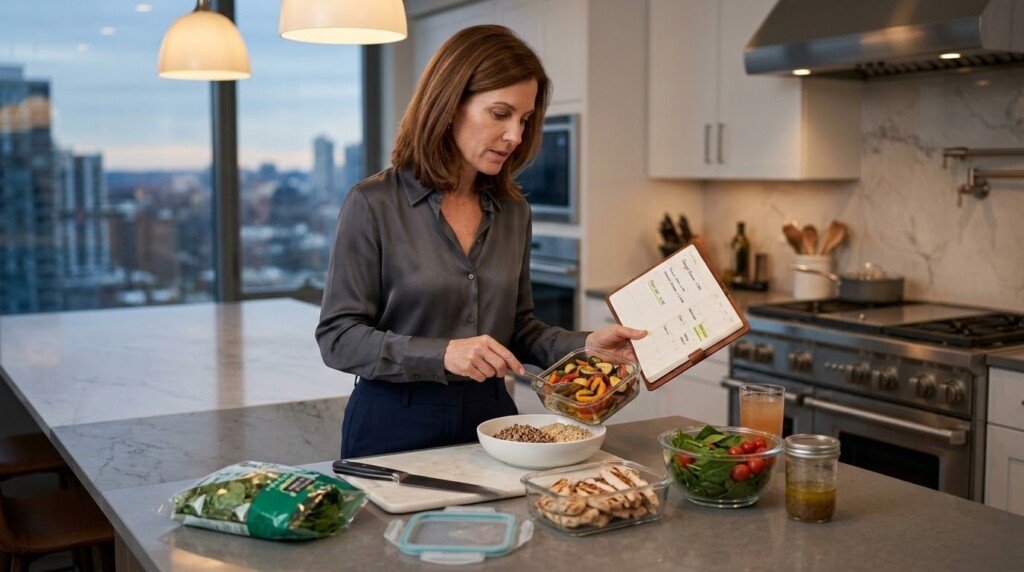
These choices require almost no preparation, making them appealing after exhausting days.
However, healthy eating does not necessarily require hours in the kitchen.
Often, the fastest solution is simplifying expectations rather than increasing effort.
Meals do not have to be elaborate to be nutritious.
A sandwich made with whole-grain bread, lean protein, vegetables, and fruit takes only a few minutes.
Greek yogurt with berries and nuts requires almost no preparation.
Pre-washed salads, frozen vegetables, canned beans, rotisserie chicken, boiled eggs, and ready-to-eat fruit all reduce cooking time significantly.
Another helpful strategy is preparing ingredients instead of complete meals.
Washing vegetables once.
Cooking rice in advance.
Grilling several chicken breasts together.
Preparing overnight oats.
These small tasks remove many of the decisions that make healthy eating feel difficult during busy weekdays.
Time is certainly a real obstacle.
But in many situations, simplifying healthy eating is far more effective than trying to find additional hours in the day.
Is Healthy Food Really Too Expensive?
Many people assume healthy eating always costs more than processed food.
That belief is understandable because premium health products, specialty snacks, and organic convenience foods often carry higher prices.
However, healthy eating itself does not automatically require expensive ingredients.
Staple foods such as oats, rice, beans, lentils, eggs, frozen vegetables, seasonal fruit, potatoes, and canned fish frequently provide excellent nutritional value while remaining budget friendly.
The challenge is often convenience rather than nutrition.
Pre-cut fruit costs more than whole fruit.
Prepared meals cost more than cooking basic ingredients.
Individual snack packs cost more than buying larger quantities.
Rather than trying to eliminate every expense, focus on buying foods that provide both nutrition and value.
Because affordable healthy eating deserves a much more detailed discussion, practical grocery strategies and inexpensive meal ideas are covered separately in Cheap Foods for Weight Loss.
Are Taste Preferences a Real Barrier, and How Do You Work Around Them?
Taste is deeply personal.
Food preferences begin developing during childhood and continue changing throughout life. Expecting someone to suddenly enjoy foods they have disliked for years is unrealistic.
Fortunately, taste is not fixed.
Repeated exposure often changes preferences over time.
Many adults eventually learn to enjoy vegetables, whole grains, seafood, or legumes that they strongly disliked when they were younger.
Preparation also matters.
Boiled vegetables may taste completely different from roasted vegetables.
Plain oatmeal becomes far more enjoyable with fruit, cinnamon, and nuts.
Grilled chicken seasoned with herbs offers a different experience than plain chicken breast.
Healthy eating becomes much easier when people experiment with preparation methods instead of assuming they dislike an entire food category.
It also helps to build on foods you already enjoy.
Instead of replacing every familiar meal, make gradual improvements.
Add vegetables to pasta.
Include fruit with breakfast.
Mix beans into soups.
Use healthier cooking methods while keeping familiar flavors.
Small adjustments feel much less intimidating than completely changing everything at once.
How Do I Overcome the Time Obstacle Specifically?
When people say they do not have time to eat healthy, they are often describing something much bigger than food preparation. They are describing a lifestyle where every hour already feels committed before the day even begins. Work, commuting, family responsibilities, school schedules, appointments, and unexpected interruptions all compete for attention, leaving very little mental energy for deciding what to eat.
Because of this, healthy eating should never depend on finding extra time. Instead, it should fit naturally into the time that already exists.
The first step is recognizing that decision-making is often more exhausting than cooking itself. Standing in front of the refrigerator after a long day and wondering what to prepare usually leads to the easiest option rather than the healthiest one. Eliminating that decision before hunger appears immediately makes healthy eating more manageable.
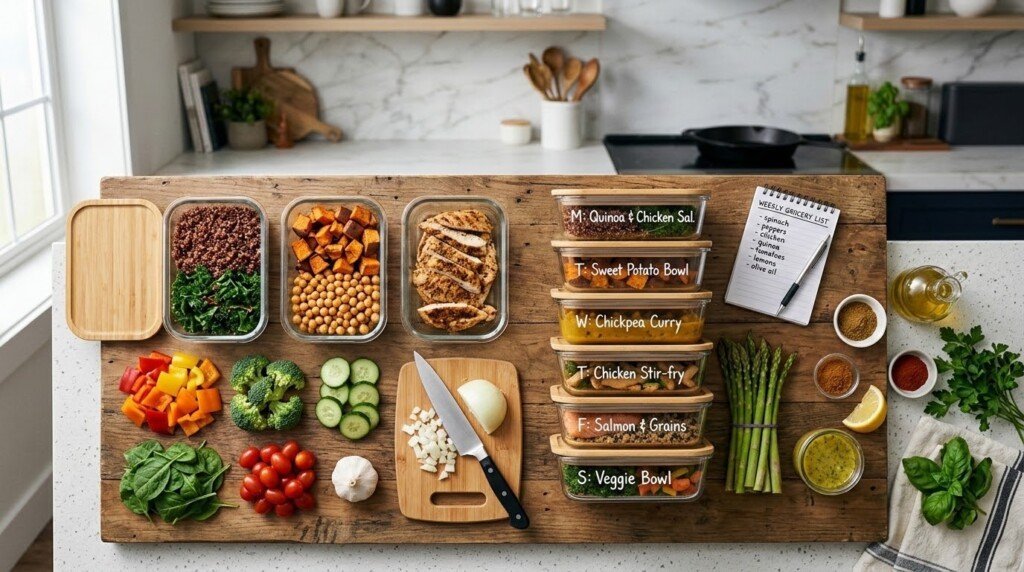
Keeping simple ingredients available also removes unnecessary barriers. Frozen vegetables, canned beans, pre-cooked whole grains, eggs, yogurt, fruit, and lean proteins allow balanced meals to come together quickly without requiring complicated recipes. A nutritious meal prepared in fifteen minutes is far more realistic than expecting yourself to cook elaborate dinners every evening.
It also helps to rethink what a healthy meal looks like. Many people assume every dinner must include multiple freshly prepared dishes. In reality, healthy eating often consists of simple combinations that provide variety and balance rather than culinary perfection.
A grilled chicken sandwich with salad.
Greek yogurt, fruit, and nuts.
Vegetable omelets with whole-grain toast.
Rice with vegetables and beans.
These meals require little preparation while still supporting healthy eating habits.
Planning tomorrow’s meals before going to bed can also reduce stress. When breakfast and lunch are already decided, fewer food decisions compete for attention during busy mornings.
Ultimately, solving the time problem is less about cooking faster and more about removing unnecessary complexity from everyday eating.
What Are the Most Effective Time-Saving Strategies for Healthy Meals?
Healthy eating becomes much easier when preparation happens before hunger takes over.
One of the simplest strategies is creating a short list of reliable meals that require very little thought. Instead of searching for new recipes every evening, rotate several breakfasts, lunches, and dinners that everyone in the household already enjoys.
Repeating meals is not boring when the ingredients change slightly.
One week grilled chicken becomes wraps.
The next week it becomes salads.
Another week it is added to rice bowls.
The basic preparation remains familiar while meals still feel varied.
Shopping with a grocery list saves time as well.
Walking into a supermarket without a plan often leads to impulse purchases and forgotten essentials. Shopping with specific meals in mind reduces both wasted time and unnecessary spending.
Preparing ingredients instead of complete meals is another highly effective strategy.
Wash vegetables after grocery shopping.
Cook grains in larger batches.
Slice fruit ahead of time.
Store cooked proteins in portions that are easy to use throughout the week.
These small tasks dramatically reduce preparation during busy weekdays.
Technology can also help.
Online grocery ordering.
Meal reminders.
Digital shopping lists.
Calendar notifications.
Each removes a small amount of effort, making healthy eating easier to maintain.
The goal is not becoming perfectly organized.
It is creating a system where healthy meals require less effort than unhealthy alternatives.
For readers wanting a complete weekly planning approach, Meal Prep for Weight Loss explains practical preparation methods that save both time and decision-making throughout the week.
How Can Batch Cooking Solve the “No Time” Problem?
Many people imagine batch cooking as spending an entire weekend preparing dozens of identical meals.
While some enjoy that approach, batch cooking can be much simpler.
Its real purpose is reducing how often you need to start cooking from scratch.
Instead of preparing one chicken breast, cook several.
Instead of making enough rice for one dinner, prepare enough for multiple meals.
Roast a large tray of vegetables once rather than several small batches throughout the week.
These ingredients can then be combined in different ways over several days.
One evening they become rice bowls.
Another day they fill wraps.
Later they become soup or salad toppings.

The variety comes from assembling meals differently rather than repeatedly cooking new ingredients.
Batch cooking also reduces decision fatigue.
When balanced ingredients are already available, ordering takeaway becomes less tempting because preparing dinner requires very little effort.
Another overlooked benefit is flexibility.
Prepared ingredients allow meals to adapt to changing schedules.
If an unexpected meeting delays dinner, having cooked food available prevents the last-minute rush toward convenience foods.
Batch cooking therefore saves more than time.
It saves mental energy.
Instead of repeatedly asking, “What should I cook tonight?”
The answer is already waiting.
What Quick, Minimal-Prep Habits Require Almost No Extra Time?
Some healthy habits take less than a minute to perform, yet they make everyday nutrition noticeably easier.
Keeping fruit visible on the kitchen counter increases the likelihood that someone chooses it instead of packaged snacks.
Filling a reusable water bottle each morning makes hydration more consistent throughout the day.
Adding one handful of vegetables to sandwiches, wraps, pasta, or rice dishes requires almost no additional preparation but gradually improves meal quality.
Choosing frozen vegetables instead of fresh when time is limited removes washing and chopping without sacrificing nutritional value.
Preparing breakfast the night before eliminates rushed decisions during busy mornings.
Keeping healthy snacks at work reduces reliance on vending machines or convenience stores.
Even setting the dining table instead of eating directly from takeaway containers encourages more intentional meals.
None of these habits are dramatic.
That is precisely why they work.
They require very little extra effort while quietly supporting healthier decisions every day.
Healthy eating rarely changes because of one huge decision.
It changes because dozens of small decisions gradually become automatic.
How Do Emotional Eating, Cravings, and Social Pressure Get in the Way?
Not every obstacle to healthy eating comes from schedules or convenience.
Sometimes the challenge comes from emotions.
Stress.
Celebration.
Boredom.
Comfort.
Habit.
Food often becomes connected to experiences that have very little to do with physical hunger.
Understanding these situations is important, but they deserve individual attention because each involves different psychological patterns.

If you frequently notice emotions influencing your food choices, Emotional Eating Triggers explains how to recognize those patterns in greater detail.
Similarly, if cravings repeatedly interrupt your healthy routines, How to Stop Food Cravings explores practical strategies specifically designed for those situations.
Social environments create another unique challenge.
Family gatherings, workplace celebrations, restaurant outings, holidays, and parties often encourage larger portions and frequent indulgence.
Rather than trying to avoid these occasions, focus on balance.
Enjoy favorite foods without feeling obligated to sample everything available.
Eat slowly enough to recognize fullness.
Remember that the purpose of social events is spending time with people, not proving that you can eat perfectly.
Most importantly, avoid believing that one celebration erases weeks of healthy habits.
Healthy eating is always measured by long-term patterns rather than individual meals.
Key Takeaways
The biggest obstacles to healthy eating are rarely caused by a lack of motivation. More often, they result from everyday challenges such as busy schedules, convenience, food costs, taste preferences, and social situations. Recognizing these barriers allows you to solve them with practical strategies instead of blaming yourself when healthy eating becomes difficult.
Lasting success comes from reducing friction rather than increasing willpower. Simple meal planning, realistic preparation, flexible routines, and gradual improvements make healthy eating fit naturally into everyday life. When healthy choices become easier than unhealthy ones, consistency follows much more naturally.
Frequently Asked Questions
1. Why is it so hard to eat healthy?
Healthy eating competes with busy schedules, convenience foods, social situations, long-standing habits, and everyday stress. These obstacles are common and usually require practical solutions rather than greater willpower.
2. Is healthy eating too expensive?
Not necessarily. Many nutritious foods such as beans, oats, eggs, frozen vegetables, rice, and seasonal produce are affordable. Convenience products often increase grocery costs more than healthy ingredients themselves.
3. How do I eat healthy with a busy schedule?
Planning simple meals, preparing ingredients ahead of time, keeping healthy foods available, and reducing daily food decisions make healthy eating much easier during busy weeks.
4. What is the biggest obstacle to healthy eating?
For many people, lack of time and convenience are the biggest barriers. However, taste preferences, social pressure, and routine habits also play important roles.
5. Can I still eat healthy if I attend a lot of social events?
Yes. Focus on your overall eating pattern rather than individual occasions. Enjoy celebrations, choose foods you genuinely want, and return to your normal routine afterward instead of trying to eat perfectly.
Conclusion
Everyone experiences obstacles to healthy eating from time to time. Busy schedules, rising costs, changing routines, family commitments, and social gatherings are all part of normal life. The goal is not eliminating these challenges completely but learning how to reduce their impact through realistic planning and flexible habits that work in everyday situations.
Healthy eating becomes sustainable when it no longer depends on perfect circumstances. By simplifying meals, preparing ahead when possible, making small improvements instead of dramatic changes, and accepting that occasional setbacks are part of the process, you create habits that continue working through both ordinary weekdays and life’s unexpected moments. Over time, those small, practical adjustments become the foundation of a healthier lifestyle that feels achievable rather than overwhelming.
Disclaimer:
This post may contain affiliate links. If you purchase through them, we may earn a small commission at no extra cost to you. Also, this content is for informational purposes only and does not substitute professional medical advice.
Fuel Your Body Right
Use our free Nutrition Toolkit to find your protein target, fasting window, and net carbs in minutes.
Open Free Tools →