


Can Poor Sleep Cause Weight Gain? What the Research Says
You eat balanced meals, stay active most days of the week, and avoid sugary drinks. Yet the scale keeps moving in the wrong direction. If this sounds familiar, your daily habits may not be the only factor influencing your progress.
One habit that often receives far less attention than diet or exercise is sleep.
For years, researchers viewed sleep mainly as a period of rest. Today, science paints a very different picture. Sleep is an active biological process during which your body regulates hormones, repairs tissues, balances metabolism, and prepares for the next day’s physical and mental demands. When sleep becomes too short or consistently poor, many of these systems become disrupted.
This does not mean one bad night of sleep automatically causes weight gain. However, repeated sleep deprivation can influence appetite, cravings, food choices, daily energy levels, physical activity, and hormone regulation. Over time, these small changes may gradually increase the likelihood of gaining body fat.
Modern lifestyles make this challenge even greater. Busy schedules, late-night screen time, work stress, irregular routines, and constant digital distractions often reduce both sleep duration and sleep quality. Many people accept poor sleep as normal without realizing how strongly it may affect their long-term health.
Understanding the connection between Poor Sleep and Weight Gain helps explain why successful weight management depends on more than calories alone. Sleep creates the biological environment that supports healthy eating, regular movement, recovery, and metabolic function.
Fortunately, improving sleep does not require expensive products or complicated routines. Small, consistent changes often produce meaningful improvements in both sleep quality and overall health.
Quick Answer
Yes. Research suggests that poor sleep can contribute to weight gain by increasing hunger, reducing feelings of fullness, affecting appetite-regulating hormones, influencing metabolism, encouraging cravings, and lowering daily energy levels. While sleep deprivation is rarely the only cause of weight gain, improving sleep quality can make healthy eating, regular exercise, and long-term weight management easier.
Can Poor Sleep Cause Weight Gain?
Poor sleep does not directly create body fat overnight.
Instead, it affects several biological and behavioral factors that influence body weight over time. These changes often make maintaining healthy habits more difficult.

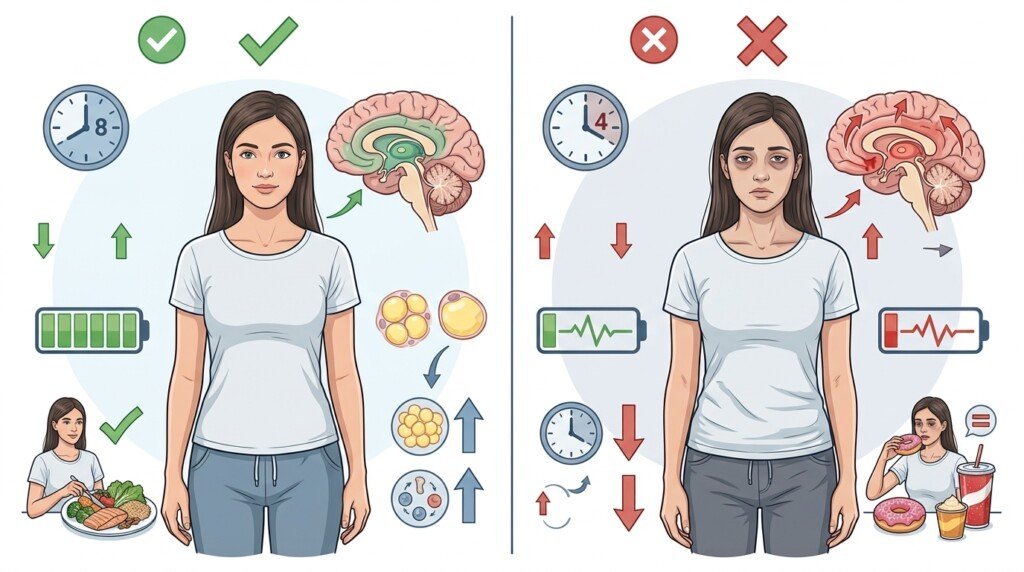
Sleep Influences Daily Energy Balance
Weight management depends on balancing the energy consumed through food with the energy the body uses throughout the day.
Poor sleep may influence both sides of this equation by affecting:
- Appetite
- Food choices
- Physical activity
- Recovery
Small daily changes can gradually add up over months and years.
Fatigue Can Reduce Physical Activity
After a poor night’s sleep, many people naturally feel less motivated to move.
Activities that normally feel manageable, such as:
- Walking
- Exercising
- Taking the stairs
- Household chores
may suddenly feel much more difficult.
Reduced movement can gradually lower daily energy expenditure.
Poor Sleep Often Changes Food Choices
Sleep deprivation frequently influences decision-making.
When people are tired, they often choose foods that are:
- Higher in added sugar
- More heavily processed
- Higher in calories
- Easier to prepare
These choices are usually driven by fatigue rather than intentional overeating.
Sleep Influences Several Hormones
Healthy sleep helps regulate hormones involved in:
- Hunger
- Fullness
- Stress
- Energy balance
Disrupting normal sleep may affect these hormonal systems, making appetite more difficult to manage.
Weight Gain Usually Develops Gradually
No single night of poor sleep causes significant weight gain.
Instead, repeated sleep deprivation may gradually influence habits that contribute to long-term increases in body fat.
This broader relationship between sleep and body weight is explored throughout Sleep and Weight Loss, where the science of healthy sleep is explained in greater detail.
Why Does Sleep Loss Increase Hunger?
One of the strongest links between sleep and weight management involves appetite regulation.
Researchers have consistently found that insufficient sleep may influence hormones responsible for controlling hunger and fullness.
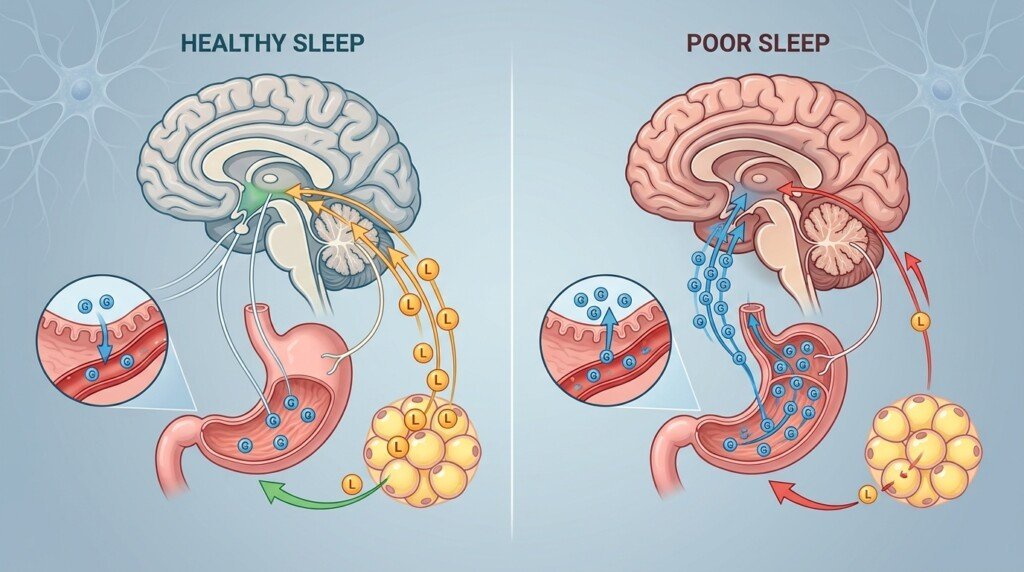
Ghrelin Encourages Hunger
Ghrelin is often called the hunger hormone.
Its primary role is signaling that your body is ready to eat.
Studies suggest that sleep deprivation may increase ghrelin activity, causing people to feel hungrier than usual.
Leptin Promotes Fullness
Leptin helps communicate feelings of satisfaction after eating.
Poor sleep has been associated with reduced leptin activity in some studies.
This combination of increased hunger and reduced fullness can encourage larger food intake.
Cravings Often Become Stronger
Many people notice stronger cravings after sleeping poorly.
Foods commonly craved include:
- Sweet desserts
- Salty snacks
- Fast food
- Refined carbohydrates
These cravings are influenced partly by hormonal changes and partly by fatigue affecting decision-making.
Appetite Control Becomes More Difficult
When hunger hormones become less balanced, maintaining portion control often requires more effort.
This explains why healthy eating may feel significantly harder after several nights of inadequate sleep.
The science behind these hormones is explored further throughout Hunger Hormones.
Healthy Sleep Supports Better Appetite Regulation
Although no one completely eliminates cravings, consistently getting enough high-quality sleep supports healthier appetite regulation and makes balanced food choices easier over time.
Can Poor Sleep Increase Belly Fat?
Many people ask whether poor sleep specifically causes belly fat.
Current research suggests the relationship is indirect rather than direct.
Sleep deprivation does not selectively create abdominal fat, but it influences several biological processes associated with long-term body fat accumulation.
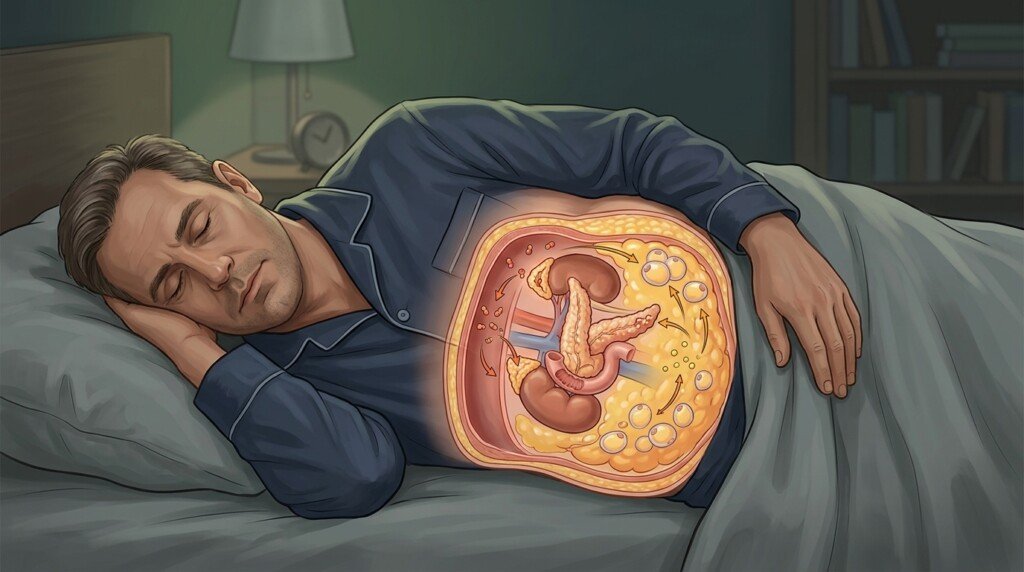
Cortisol Follows Natural Daily Rhythms
Cortisol naturally rises and falls throughout the day.
Healthy sleep helps maintain these rhythms.
Repeated sleep disruption may interfere with normal cortisol regulation, affecting stress responses and metabolic processes.
More about this relationship is discussed throughout Cortisol Belly Fat.
Late Nights Often Mean Extra Calories
Remaining awake longer naturally creates more opportunities to eat.
Many people consume additional snacks during late evening hours, increasing total daily calorie intake.
Fatigue Reduces Exercise Performance
Poor sleep often leads to:
- Lower motivation
- Reduced endurance
- Slower recovery
- Less consistent physical activity
These changes may indirectly influence long-term body fat.
Sleep Supports Healthy Lifestyle Habits
People who sleep well often find it easier to maintain:
- Meal planning
- Regular workouts
- Portion control
- Consistent daily routines
Healthy sleep supports the habits that gradually improve body composition.
Belly Fat Is Influenced by Multiple Factors
Abdominal fat develops because of many interacting factors including:
- Genetics
- Nutrition
- Physical activity
- Stress
- Sleep
- Overall energy balance
Sleep is one important contributor rather than the only cause.
Does Sleep Deprivation Affect Metabolism?
Yes.
Research suggests that chronic sleep deprivation may influence several aspects of metabolism, although the relationship is complex.
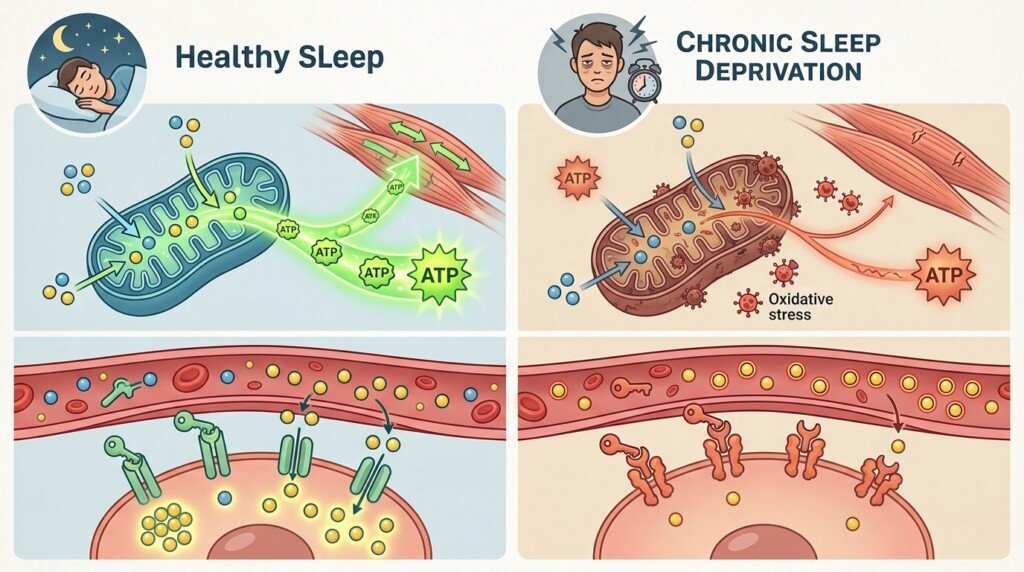
Metabolism Includes Many Processes
Metabolism refers to all the chemical reactions that keep the body functioning.
These include:
- Energy production
- Nutrient processing
- Hormone regulation
- Tissue repair
- Temperature regulation
Healthy sleep supports these biological functions.
Insulin Sensitivity May Be Affected
Several studies suggest that insufficient sleep may reduce insulin sensitivity over time.
Maintaining healthy sleep supports normal metabolic function and overall health.
Recovery Influences Metabolism
Recovery occurs largely during sleep.
Poor recovery may reduce exercise quality while making consistent physical activity more difficult.
This indirectly influences long-term energy balance.
Daily Energy Often Declines
Sleep deprivation commonly causes daytime fatigue.
People may become less active without realizing it by:
- Walking less
- Sitting more
- Avoiding exercise
- Moving more slowly
Small reductions in daily activity can accumulate over time.
Healthy Sleep Supports Metabolic Health
Although sleep alone cannot determine metabolism, it remains an important lifestyle factor that supports healthy metabolic function alongside balanced nutrition and regular physical activity.
The broader relationship between metabolism and sleep is explored throughout Metabolic Health.
Can Better Sleep Support Weight Loss?
While improving your sleep is not a weight-loss strategy by itself, it can make many of the habits that support healthy weight management much easier to maintain.
Think of sleep as the foundation rather than the solution. A strong foundation helps everything built on top of it perform better.

Better Sleep Supports Better Food Choices
After a restful night, people often report feeling more focused and less likely to reach for convenient, high-calorie foods.
Good sleep may make it easier to:
- Plan balanced meals
- Eat regular meals
- Control portion sizes
- Resist unnecessary snacking
These habits contribute to healthier long-term energy balance.
Sleep Improves Exercise Recovery
Recovery is an essential part of every fitness routine.
Quality sleep allows your body to recover from:
- Strength training
- Walking
- Cardio workouts
- Daily physical activity
Better recovery often improves consistency with exercise, which plays an important role in long-term body composition.
Better Sleep Supports Appetite Regulation
Healthy sleep helps maintain the normal function of hormones involved in hunger and fullness.
Although cravings can still occur, balanced sleep may make appetite easier to manage throughout the day.
More Energy Encourages Daily Movement
People who sleep well often feel more motivated to stay active.
This includes both planned exercise and everyday movement such as:
- Walking
- Taking the stairs
- Household activities
- Recreational hobbies
These small activities contribute meaningfully to total daily energy expenditure.
Healthy Sleep Works Best With Other Habits
Sleep alone cannot replace:
- Balanced nutrition
- Regular exercise
- Stress management
- Consistent healthy routines
Instead, it strengthens all of these habits by making them easier to maintain over time.
Long-term Sleep and Weight Loss success comes from combining healthy sleep with sustainable lifestyle choices rather than relying on any single habit.
Which Habits Improve Sleep Quality?
Improving sleep often starts with simple daily routines rather than major lifestyle changes.
Many healthy sleep habits are easy to begin and become more effective when practiced consistently.

Keep a Regular Sleep Schedule
Going to bed and waking up at similar times every day helps reinforce your body’s internal clock.
A consistent schedule supports:
- Better sleep quality
- More stable energy
- Healthier circadian rhythms
Even on weekends, keeping your schedule reasonably consistent can be beneficial.
Build a Relaxing Evening Routine
Giving your mind time to unwind before bed helps prepare your body for sleep.
Relaxing activities may include:
- Reading
- Gentle stretching
- Journaling
- Deep breathing
- Meditation
Creating a calming routine signals that it is time to transition toward sleep.
Reduce Screen Time Before Bed
Phones, tablets, and computers can make it harder for some people to fall asleep.
Limiting screen use before bedtime may help your body follow its natural sleep rhythm more effectively.
Create a Comfortable Sleep Environment
A bedroom that supports restful sleep often includes:
- Comfortable bedding
- Cool temperature
- Minimal noise
- Low lighting
Small adjustments to your sleep environment can noticeably improve sleep quality.
Stay Physically Active
Regular physical activity supports healthier sleep while also improving overall health.
Many people find that consistent movement helps them fall asleep more easily and wake feeling refreshed.
Avoid Heavy Meals Late at Night
Large meals immediately before bedtime may make comfortable sleep more difficult for some individuals.
Choosing balanced evening meals and allowing time before bed often supports better sleep.
Practice Healthy Habits Consistently
No single bedtime routine works overnight.
Long-term improvements usually come from practicing healthy habits consistently rather than seeking quick solutions.
Many of these behaviors also strengthen overall Stress and Weight Loss management by helping regulate daily routines and recovery.
When Should You Seek Medical Advice?
Occasional poor sleep is common.
Busy schedules, travel, illness, or temporary stress can interrupt sleep from time to time.
However, persistent sleep problems deserve attention.
Sleep Problems Continue Despite Healthy Habits
If you consistently struggle with sleep even after improving your sleep routine, it is appropriate to speak with a healthcare professional.
Persistent sleep difficulties should not be ignored.
Daytime Fatigue Becomes Significant
Feeling exhausted every day despite spending enough time in bed may indicate that your sleep quality is being affected.
Persistent daytime fatigue can interfere with:
- Work
- Driving
- Exercise
- Concentration
- Daily responsibilities
Sleep Regularly Disrupts Daily Life
Consider seeking professional guidance if poor sleep frequently affects your:
- Mood
- Memory
- Productivity
- Relationships
- Physical well-being
Sleep should help restore your body rather than leave you feeling exhausted.
Weight Management Remains Difficult
If you consistently follow healthy eating habits, stay physically active, prioritize sleep, and still struggle with unexpected weight changes, a healthcare professional can help evaluate whether additional factors should be considered.
Professional Support Can Be Valuable
Seeking help does not mean something is seriously wrong.
Healthcare professionals can help identify potential causes of ongoing sleep difficulties and recommend appropriate next steps based on your individual situation.
Key Takeaways
- Poor sleep may contribute to weight gain by influencing appetite, cravings, metabolism, and daily energy.
- Sleep deprivation often makes healthy eating and regular exercise more difficult to maintain.
- Healthy sleep supports the normal function of hunger hormones such as ghrelin and leptin.
- Most adults benefit from consistently getting 7 to 9 hours of quality sleep each night.
- Better sleep supports long-term weight management but works best alongside balanced nutrition and regular physical activity.
- Improving sleep quality is one of the simplest lifestyle habits that can strengthen overall metabolic health.

Frequently Asked Questions
1. Can poor sleep really cause weight gain?
Poor sleep does not directly cause immediate weight gain, but research suggests it may increase hunger, cravings, calorie intake, and reduce physical activity, all of which can contribute to gradual weight gain over time.
2. Why does lack of sleep make me feel hungrier?
Sleep deprivation may affect hormones such as ghrelin and leptin that help regulate hunger and fullness. This can make appetite more difficult to control and increase cravings for energy-dense foods.
3. Does poor sleep affect metabolism?
Yes. Research suggests chronic sleep deprivation may influence metabolism, insulin sensitivity, recovery, and daily energy levels, making long-term weight management more challenging.
4. Can improving sleep help with weight loss?
Healthy sleep supports appetite regulation, exercise recovery, energy levels, and consistent lifestyle habits. While sleep alone does not cause weight loss, it creates a stronger foundation for sustainable weight management.
5. When should I talk to a doctor about poor sleep?
Consider speaking with a healthcare professional if sleep problems persist for several weeks, significantly affect your daily life, or continue despite following healthy sleep habits.
Final Thoughts
The relationship between Poor Sleep and Weight Gain is much stronger than many people realize. Sleep is not simply a period of rest. It is an active process that helps regulate appetite, hormone balance, metabolism, recovery, and daily energy levels. When sleep is consistently shortened or disrupted, these systems may become less efficient, making healthy eating, regular exercise, and long-term weight management more difficult.
It is important to remember that poor sleep is rarely the only reason someone gains weight. Instead, it acts alongside nutrition, physical activity, stress, genetics, and overall lifestyle. Repeated sleep deprivation can increase hunger, encourage cravings, reduce motivation to stay active, and influence several biological processes involved in energy balance. Over time, these small effects may contribute to gradual increases in body fat.
The encouraging news is that sleep is a habit you can improve. Maintaining a consistent sleep schedule, creating a relaxing bedtime routine, staying physically active, and prioritizing overall well-being can all support better sleep quality. Combined with balanced nutrition and regular movement, healthy sleep becomes a powerful part of a sustainable lifestyle that supports healthier body composition, improved Metabolic Health, and long-term weight management.
Disclaimer:
This post may contain affiliate links. If you purchase through them, we may earn a small commission at no extra cost to you. Also, this content is for informational purposes only and does not substitute professional medical advice.
Ready to Start Your Journey?
Use our free 7-in-1 Weight Loss Toolkit to calculate your numbers and build your plan in minutes.
Open Free Tools →