
How to Create a Sustainable Fat Loss Meal Plan
If you have ever searched for the perfect fat loss diet, you have probably been overwhelmed by conflicting advice. One source tells you to eliminate carbohydrates completely. Another insists that intermittent fasting is the only effective approach. Social media promotes strict meal plans, expensive supplements, and highly restrictive eating patterns that promise dramatic transformations in only a few weeks. While these approaches often generate attention, they rarely create lasting success because they focus on short-term compliance rather than long-term sustainability.
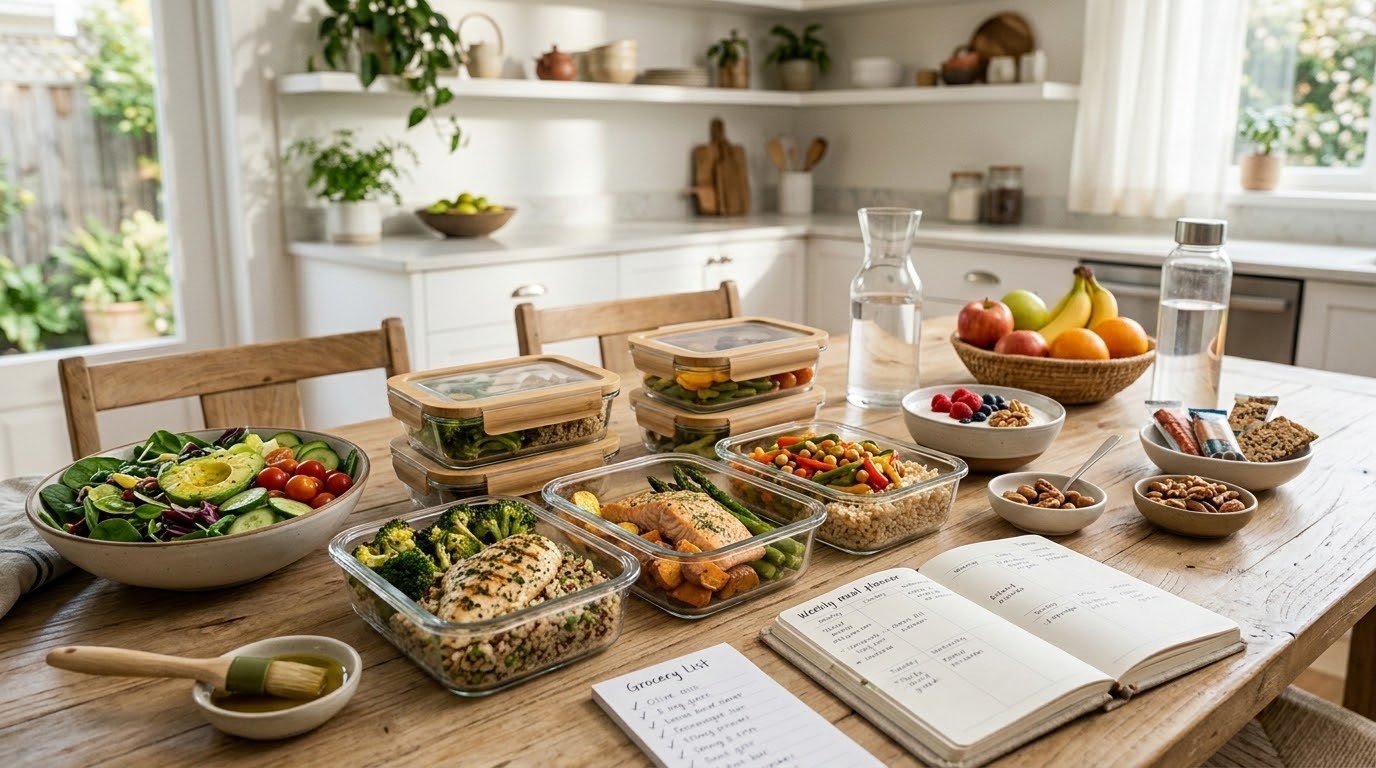
The reality is much simpler. A sustainable fat loss meal plan is not built around deprivation or perfection. It is built around foods that keep you satisfied, provide the nutrients your body needs, and fit naturally into your everyday life. The best meal plan is not the one that looks impressive on paper. It is the one you can realistically follow on busy weekdays, family weekends, holidays, vacations, and stressful periods without feeling like you have completely abandoned your progress.
One of the biggest reasons people regain lost weight is not because they chose the wrong foods. It is because they followed an eating pattern that was impossible to maintain. Extremely restrictive diets often require constant self-control, making every meal feel like a test of willpower. Eventually, mental fatigue builds, old eating habits return, and the cycle begins again.
A sustainable approach works differently. Instead of asking, “What foods should I avoid forever?” it asks, “How can I build meals that leave me satisfied while supporting my long-term health goals?” That small shift completely changes the experience of fat loss. Meals become enjoyable instead of stressful. Flexibility replaces perfection. Consistency becomes more important than chasing rapid results.
This article explains how to create a sustainable fat loss meal plan that supports gradual, lasting progress. You’ll learn the key principles behind building satisfying meals, choosing nutrient-dense foods, avoiding common mistakes, and creating enough flexibility to enjoy life without constantly feeling like you’re starting over.
Quick Answer
A sustainable fat loss meal plan focuses on balanced, nutrient-dense meals that are appropriate for your energy needs while emphasizing protein, fiber, healthy fats, and minimally processed foods. Rather than eliminating favorite foods, it encourages flexibility and consistency, making it easier to maintain healthy eating habits for months and years instead of only a few weeks.
What Are the Fundamental Principles of a Sustainable Fat Loss Diet?
Many people assume fat loss depends on finding the perfect combination of foods.
In reality, successful long-term eating patterns share several characteristics regardless of the specific foods someone prefers.
First, meals should satisfy hunger rather than simply reduce calories.
Feeling constantly hungry makes consistency extremely difficult because every meal leaves you thinking about the next one. By choosing foods that provide lasting fullness, healthy eating becomes much easier to maintain throughout the day.
Second, meals should provide nutritional variety.
No single food contains everything the body needs. Building meals from multiple food groups increases the likelihood of consuming vitamins, minerals, protein, healthy fats, fiber, and other nutrients that support overall health while promoting satiety.
Another important principle involves flexibility.
Rigid eating patterns often fail because they cannot adapt to real life. Holidays, birthdays, work lunches, vacations, and family gatherings are normal parts of everyday living. A sustainable meal plan should allow room for these experiences without creating guilt or encouraging an all-or-nothing mindset.
Consistency also matters more than perfection.
Occasional less nutritious meals rarely determine long-term success.
Daily habits do.
Someone who follows balanced eating patterns most of the time generally achieves better long-term results than someone who repeatedly alternates between strict dieting and complete abandonment of healthy habits.
Finally, simplicity supports sustainability.
Meal plans requiring dozens of specialty ingredients or complicated recipes often become difficult to maintain. Meals built from familiar, accessible foods usually remain practical for much longer because they fit naturally into everyday routines.
How Do I Calculate My Daily Calorie Needs for Fat Loss?
Every sustainable fat loss plan should match your individual energy needs. Rather than guessing, using a reliable Calorie Deficit Calculator Guide provides a practical starting point for estimating calorie requirements before building your meal plan.
What Food Groups Best Support Satiety and Nutrient Density in a Fat Loss Plan?
One of the biggest differences between temporary diets and sustainable eating is the quality of the foods making up each meal.
Rather than filling your plate with foods that provide quick satisfaction followed by hunger shortly afterward, sustainable meal planning emphasizes foods that continue supporting fullness for longer periods.
Protein is one of the most important components.
Foods such as poultry, fish, eggs, Greek yogurt, cottage cheese, beans, lentils, tofu, and lean meats contribute to satiety while supporting muscle maintenance during fat loss.
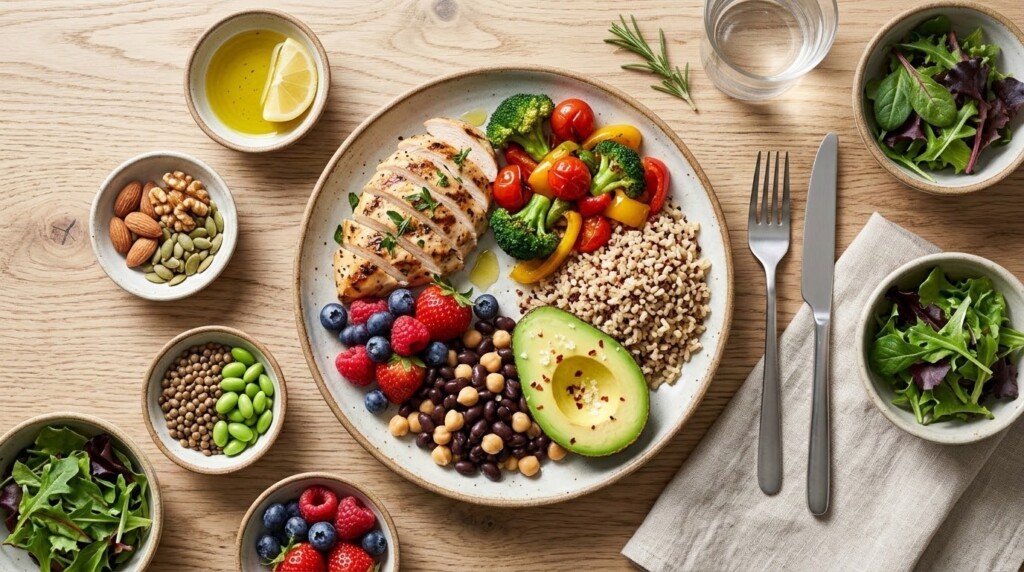
Fiber works alongside protein by slowing digestion and helping meals remain satisfying.
Vegetables, fruits, legumes, oats, whole grains, and many seeds naturally contain fiber while also providing important vitamins and minerals.
Healthy fats deserve attention as well.
Although calorie-dense, foods like avocado, nuts, seeds, olive oil, and fatty fish contribute to meal satisfaction while supporting many normal bodily functions.
Rather than avoiding fats completely, sustainable meal planning includes appropriate portions that complement the overall balance of the meal.
Carbohydrates remain valuable because they provide energy for everyday life.
Choosing minimally processed options such as brown rice, potatoes, oats, quinoa, beans, whole-grain breads, and fruit generally provides longer-lasting satisfaction than highly refined alternatives.
Vegetables deserve the largest visual presence on many plates.
Their combination of fiber, water, vitamins, minerals, and relatively low energy density allows meals to feel generous without relying entirely on calorie-dense ingredients.
When these food groups are combined thoughtfully, meals become satisfying not because of restriction, but because they nourish the body while reducing the urge to snack constantly between meals.
What Are Common Mistakes to Avoid When Building a Long-Term Fat Loss Meal Plan?
Many meal plans fail before they even begin because they are designed around unrealistic expectations instead of everyday life.
One common mistake is making too many changes simultaneously.
Replacing every meal, eliminating favorite foods, beginning intense exercise, and completely reorganizing daily routines may seem motivating during the first week. Maintaining all those changes at once, however, becomes increasingly difficult as normal responsibilities return.
Another mistake is believing healthy meals must be complicated.
Lengthy recipes, expensive ingredients, and constant cooking often become exhausting during busy weeks.
Simple meals prepared from familiar ingredients are usually far easier to maintain over time.
Many people also underestimate the importance of satisfaction.
Meals built entirely around minimizing calories often leave people physically and mentally unsatisfied.
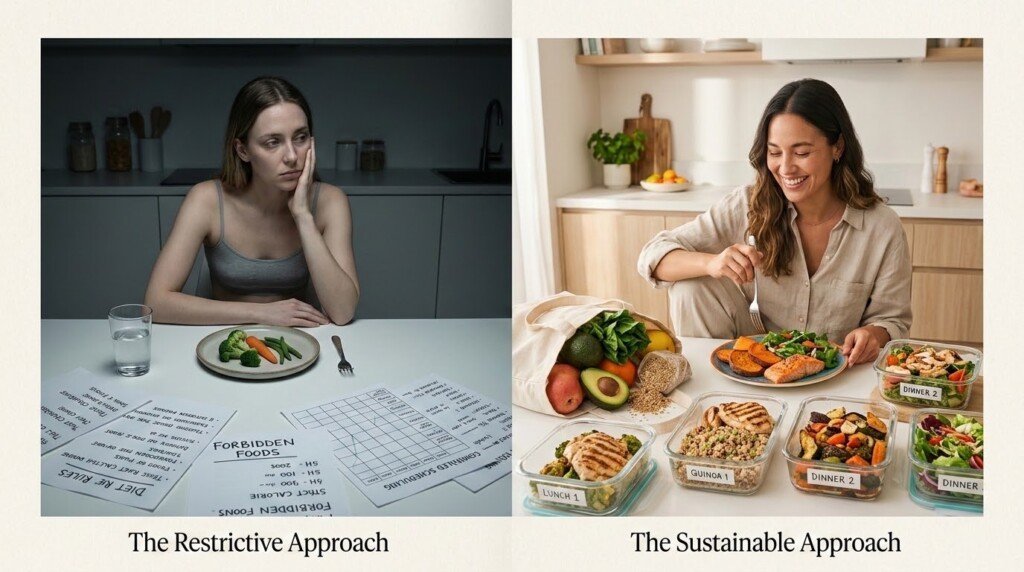
Persistent hunger eventually increases the likelihood of overeating because the eating pattern never truly met the body’s needs.
Ignoring personal preferences creates another unnecessary obstacle.
A meal plan filled with foods you dislike is unlikely to remain sustainable regardless of how nutritionally balanced it appears.
Long-term success depends on finding nutritious foods you genuinely enjoy eating.
Another mistake involves treating occasional indulgences as failure.
Many people believe one restaurant meal or family celebration completely ruins their progress.
This mindset often leads to abandoning healthy habits altogether rather than simply returning to normal eating at the next opportunity.
Sustainable nutrition allows flexibility because perfection has never been a requirement for long-term success.
Finally, some people spend excessive time searching for the perfect meal plan instead of consistently following a good one.
Progress almost always comes from repeating balanced habits over time rather than constantly switching between new diets.
How Do I Build Flexibility Into My Meal Plan Without Derailing Progress?
One of the biggest misconceptions about healthy eating is believing that success depends on following a meal plan perfectly every single day. Many people assume that one restaurant meal, one dessert, or one holiday gathering has the power to erase weeks of healthy choices. This belief creates unnecessary pressure and often leads to the all-or-nothing mindset that causes more setbacks than the food itself.
A truly sustainable fat loss meal plan is designed for real life, not ideal circumstances.
Life includes birthdays, vacations, family dinners, business lunches, celebrations, and unexpected schedule changes. Trying to eliminate these experiences usually makes healthy eating feel restrictive, increasing the likelihood of eventually abandoning the entire plan.
Flexibility changes the goal completely.
Instead of trying to eat perfectly, you aim to eat consistently.
Most meals support your long-term goals while leaving room for occasional choices made simply because they are enjoyable or meaningful. Those moments stop feeling like failures because they are already part of the overall strategy rather than exceptions that create guilt.
Another advantage of flexibility is psychological sustainability.
Knowing that favorite foods are not permanently forbidden removes much of the urgency that often leads to overeating. Foods become choices instead of rewards, reducing the emotional intensity surrounding eating.
Planning flexibility ahead of time also prevents impulsive decision-making.
If you know a family celebration is approaching, there is no need to compensate by skipping meals beforehand or trying to “earn” the occasion through excessive restriction. Instead, you continue eating normally, enjoy the event, and return to your usual routine afterward.
This approach creates confidence because healthy habits no longer depend on ideal conditions. Your meal plan becomes something that adapts to life instead of collapsing whenever life becomes unpredictable.
How Do I Incorporate Occasional Treats or Cheat Meals Sustainably?
The phrase “cheat meal” often creates the wrong mindset because it suggests that enjoying food automatically means breaking the rules.
Healthy eating should not feel like following a list of punishments.
A more sustainable perspective views occasional treats as part of a balanced lifestyle rather than evidence of failure.
The key is intention.
There is a significant difference between mindfully enjoying dessert during a family celebration and eating impulsively because several days of restrictive dieting created overwhelming cravings.
When treats are planned instead of emotionally driven, they usually become much easier to enjoy without guilt.
Another helpful strategy is avoiding extremes.

Many people eat extremely restrictively throughout the week before allowing themselves one uncontrolled meal.
Unfortunately, this pattern often encourages overeating because the body and mind have been deprived for several days.
Instead, a sustainable meal plan allows enjoyable foods to appear naturally in appropriate portions without turning them into rare rewards.
This also helps remove the idea that certain foods possess extraordinary power.
Pizza becomes simply another meal.
Cake becomes dessert at a birthday.
Ice cream becomes an occasional enjoyable choice rather than something requiring days of compensation afterward.
Mindful eating becomes especially valuable during these occasions.
Slowing down, appreciating the experience, and paying attention to hunger and fullness cues often creates greater satisfaction than eating quickly while feeling guilty.
Another important reminder is that one enjoyable meal rarely determines long-term progress.
Healthy eating patterns develop through hundreds of ordinary meals across months and years.
Keeping that broader perspective prevents temporary indulgences from becoming unnecessary setbacks.
When Should I Seek Professional Guidance for a Personalized Meal Plan?
General nutrition principles work well for many healthy adults, but they cannot replace personalized guidance in every situation.
Some individuals have medical conditions, food allergies, digestive disorders, hormonal concerns, or nutritional requirements that benefit from individualized planning.
Others may struggle despite making consistent efforts because their specific circumstances require adjustments beyond general recommendations.
Professional guidance can also be valuable for people with highly demanding work schedules, competitive athletic goals, pregnancy, menopause-related nutritional concerns, or multiple chronic health conditions that influence dietary choices.
Rather than relying on conflicting online advice, working with a qualified healthcare professional or registered dietitian allows meal planning to reflect individual needs, preferences, medical history, and lifestyle.
Seeking professional support should never be viewed as failure.
It represents an investment in receiving accurate guidance designed specifically for your circumstances rather than trying to force a generic meal plan to fit every situation.
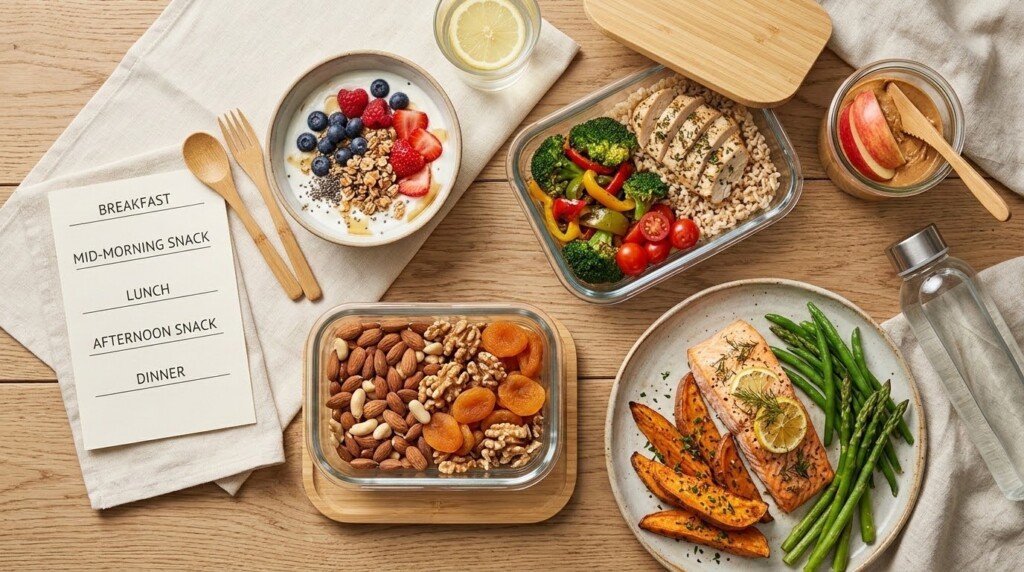
A Practical One-Day Sustainable Fat Loss Meal Plan
Many people understand the principles of healthy eating but still wonder what those ideas actually look like throughout a normal day.
The goal is not creating a rigid menu that must be followed forever.
Instead, this example demonstrates how balanced meals can provide protein, fiber, healthy fats, and satisfying carbohydrates without becoming overly restrictive.
Breakfast
A bowl of Greek yogurt topped with fresh berries, rolled oats, chia seeds, and a handful of chopped almonds provides protein, fiber, healthy fats, and slow-digesting carbohydrates that help maintain energy throughout the morning.
Mid-Morning Snack
An apple with natural peanut butter or a handful of mixed nuts offers a satisfying combination of fiber and healthy fats while helping control hunger before lunch.
Lunch
Grilled chicken breast served with brown rice, roasted vegetables, and a side salad dressed with olive oil creates a balanced meal rich in protein, complex carbohydrates, vitamins, minerals, and healthy fats.
Afternoon Snack
Cottage cheese with sliced cucumber and cherry tomatoes or hummus paired with raw vegetables provides additional protein and fiber while preventing excessive hunger later in the day.
Dinner
Baked salmon served alongside roasted sweet potatoes and steamed broccoli delivers high-quality protein, healthy fats, fiber, and numerous essential nutrients within one satisfying meal.
Optional Evening Snack
If genuine hunger appears later in the evening, a small portion of Greek yogurt with cinnamon or a piece of fruit provides nourishment without feeling unnecessarily restrictive.
Notice that this example contains no “special” diet foods.
Every meal uses familiar ingredients that can easily be adjusted based on personal preferences, cultural traditions, seasonal availability, or household routines.
That adaptability is one of the strongest characteristics of a truly sustainable eating pattern.
Exercise also plays an important role in supporting long-term health and body composition. While this article focuses on nutrition, combining balanced eating with Exercise for Sustainable Fat Loss creates a more comprehensive approach to lasting progress.
Likewise, understanding the broader principles discussed in Sustainable Weight Loss helps place meal planning within a complete lifestyle rather than viewing nutrition as an isolated strategy.
Key Takeaways
A sustainable fat loss meal plan is not built around restriction, perfection, or temporary dieting. It focuses on creating balanced meals that provide lasting fullness through protein, fiber, healthy fats, and nutrient-dense foods while remaining flexible enough to fit everyday life. Rather than eliminating favorite foods, sustainable nutrition encourages moderation, consistency, and realistic expectations that support long-term success.
Perhaps the most important lesson is that your meal plan should work for your lifestyle instead of forcing your lifestyle to revolve around your meal plan. When healthy eating feels practical rather than exhausting, consistency becomes much easier to maintain, and lasting fat loss becomes a realistic outcome instead of a short-term goal.
Frequently Asked Questions
1. What should a sustainable fat loss meal plan look like?
It should include balanced meals built around protein, fiber-rich carbohydrates, healthy fats, vegetables, and nutrient-dense foods while remaining flexible enough for everyday life.
2. Can I still eat treats while losing fat sustainably?
Yes. Occasional treats can fit into a sustainable eating pattern when they are enjoyed mindfully and balanced within an overall consistent routine.
3. How many calories should I eat for sustainable fat loss?
Your calorie needs depend on factors such as age, activity level, body size, and goals. A Calorie Deficit Calculator Guide can help estimate an appropriate starting point.
4. Do I need to meal prep every week?
Meal preparation is helpful but does not need to be complicated. Even preparing a few meals or ingredients in advance can make healthy eating much easier during busy days.
5. Is a sustainable fat loss meal plan better than a strict diet?
For most people, yes. Sustainable eating patterns are generally easier to maintain because they emphasize flexibility, satisfaction, and long-term consistency rather than short-term restriction.
Conclusion
Creating a sustainable fat loss meal plan is less about finding the perfect list of foods and more about building an eating pattern that fits naturally into your life. Meals centered around protein, fiber, healthy fats, and nutrient-dense ingredients help control hunger while providing the nutrition your body needs to support gradual, lasting fat loss. Just as importantly, flexibility allows you to enjoy celebrations, favorite foods, and unexpected moments without feeling that your progress has been lost.
Long-term success rarely comes from following the strictest diet. It comes from following an eating pattern you can realistically maintain through ordinary weeks, busy schedules, holidays, and everything in between. When your meals become satisfying, practical, and adaptable, healthy eating stops feeling like something you have to endure and starts becoming a lifestyle you can confidently sustain for years to come.
Disclaimer:
This post may contain affiliate links. If you purchase through them, we may earn a small commission at no extra cost to you. Also, this content is for informational purposes only and does not substitute professional medical advice.
Fuel Your Body Right
Use our free Nutrition Toolkit to find your protein target, fasting window, and net carbs in minutes.
Open Free Tools →