Best Natural Appetite Suppressants for Weight Loss

Have you ever noticed that weight loss sounds incredibly simple until hunger shows up?

Most people already know the basics.

Eat fewer calories.

Choose healthier foods.

Move more.

The problem is that hunger doesn’t care about good intentions.

You can start the day fully committed to healthy eating and still find yourself standing in front of the refrigerator a few hours later wondering what happened.

That’s why appetite control has become one of the most important topics in weight management.

Many people don’t struggle because they lack knowledge.

They struggle because they’re fighting biology.

The good news is that nature provides several tools that may help.

Certain foods, nutrients, and dietary strategies can support fullness, reduce cravings, and make it easier to stay consistent with healthy habits.

These are known as natural appetite suppressants.

Unlike stimulant-heavy products or prescription medications, natural appetite suppressants focus on helping your body feel satisfied using nutritional and behavioral approaches.

They’re not magic.

They won’t eliminate hunger entirely.

But they may help tip the odds in your favor.


Why Does Hunger Feel Like the Biggest Obstacle to Weight Loss?

Ask ten people why their diet failed and you’ll hear similar answers.

“I couldn’t stop snacking.”

“I was always hungry.”

“My cravings got out of control.”

“I did great during the day and overeating happened at night.”

Notice a pattern?

The problem usually isn’t knowledge.

It’s appetite.

Hunger Is Not a Character Flaw

Many people blame themselves for feeling hungry.

That mindset often creates unnecessary frustration.

Hunger is a normal biological signal designed to keep us alive.

Your body doesn’t know you’re trying to lose weight.

It simply recognizes when energy intake decreases and responds by encouraging you to eat.

That’s why hunger tends to increase during calorie restriction.

The Battle Between Logic and Biology

Weight loss often creates a conflict.

Your brain says:

“I want to lose weight.”

Your body says:

“I want food.”

The stronger those hunger signals become, the harder consistency becomes.

This is why appetite management deserves attention.

Many successful weight-loss strategies focus less on willpower and more on reducing the intensity of hunger itself.

Why Some People Feel Hungrier Than Others

Several factors influence appetite, including:

  • Sleep quality
  • Stress levels
  • Food choices
  • Physical activity
  • Hormonal responses

This helps explain why one person can skip snacks effortlessly while another struggles throughout the day.

Understanding those factors is often the first step toward improving appetite control naturally.


What Actually Happens Inside Your Body When You Feel Hungry?

Most people think hunger starts in the stomach.

In reality, the process is far more complicated.

Appetite involves communication between:

  • The brain
  • Digestive system
  • Hormones
  • Blood sugar regulation
  • Nervous system

These systems constantly exchange information.

Meet Ghrelin: The Hunger Hormone

One of the most discussed appetite-related hormones is ghrelin.

Ghrelin levels typically rise before meals and fall after eating.

Higher ghrelin levels are often associated with stronger hunger signals.

This is one reason meal timing and food quality can influence appetite so dramatically.

Satiety: The Feeling Everyone Wants

The opposite of hunger is satiety.

Satiety refers to the feeling of satisfaction after eating.

When satiety remains high, people naturally eat less without feeling deprived.

Many natural appetite suppressants work by increasing satiety rather than eliminating hunger altogether.

This distinction is important.

The goal isn’t to stop feeling hungry forever.

The goal is to stay satisfied long enough to maintain healthy eating habits.


How Do Natural Appetite Suppressants Actually Work?

Different appetite suppressants work in different ways.

Some increase fullness.

Others slow digestion.

Some help stabilize energy levels.

Others support healthier eating behaviors.

The most effective options often influence several mechanisms simultaneously.

They Increase Fullness

Foods that expand in the stomach or digest slowly often help people feel satisfied longer.

They Slow Digestion

Slower digestion frequently leads to steadier energy and reduced hunger between meals.

They Reduce Cravings

Some foods help minimize dramatic blood sugar swings that contribute to cravings.

They Encourage Better Food Choices

When hunger feels manageable, healthy decisions often become easier.

This may sound simple, but the impact can be significant.


Which Natural Appetite Suppressants Actually Deserve Attention?

The internet is full of products claiming to suppress appetite.

Many deserve skepticism.

However, several natural options continue to appear in nutrition research and practical weight-management discussions.

Protein

If there were a “most underrated” appetite suppressant, protein would be near the top of the list.

Protein-rich meals consistently outperform many highly processed foods when it comes to satisfaction.

Examples include:

  • Eggs
  • Fish
  • Chicken
  • Turkey
  • Greek yogurt
  • Cottage cheese
  • Tofu
  • Legumes

Many people notice that protein-rich breakfasts reduce hunger throughout the day.

Fiber

Fiber and appetite control often go hand in hand.

Fiber-rich foods absorb water, slow digestion, and promote fullness.

Excellent sources include:

  • Oats
  • Lentils
  • Beans
  • Vegetables
  • Fruits
  • Chia seeds
  • Flaxseeds

One reason fiber receives so much attention is because it helps address hunger without adding excessive calories.

Water

People frequently underestimate hydration.

Mild dehydration can sometimes be confused with hunger.

Drinking water before meals may also help some individuals feel fuller.

Water is not a miracle appetite suppressant.

But it remains one of the simplest tools available.

Potatoes

Potatoes have an undeserved reputation.

When prepared simply rather than deep-fried, potatoes rank surprisingly high on satiety indexes.

They often leave people feeling full relative to their calorie content.

Oats

Oats combine fiber, volume, and slow digestion.

Many people find oatmeal significantly more satisfying than sugary breakfast cereals.

Chia Seeds

When mixed with liquid, chia seeds absorb water and expand.

This contributes to fullness and makes them popular in appetite-control discussions.

Legumes

Beans, lentils, and peas combine protein and fiber.

That combination makes them particularly useful for satiety.

Green Tea

Green tea is often discussed for metabolism.

However, some people find it helpful for appetite management as part of a balanced routine.

Its effects are generally modest rather than dramatic.


Are Foods Better Than Supplements?

This question comes up constantly.

Should you focus on food or supplements?

For most people, food should remain the foundation.

Why Food Usually Wins

Whole foods provide:

  • Nutrients
  • Fiber
  • Protein
  • Volume
  • Satisfaction

Supplements rarely provide all of these benefits simultaneously.

When Supplements May Help

Supplements may be useful when dietary intake falls short.

For example:

  • Fiber supplements
  • Protein powders

can help support appetite control when used appropriately.

However, they generally work best as additions to a healthy diet rather than replacements for one.

The Most Effective Strategy

The strongest approach usually combines:

  • Protein-rich foods
  • High-fiber foods
  • Adequate hydration
  • Consistent meal habits

Supplements can support this foundation, but they rarely outperform it.


Who Benefits Most From Natural Appetite Suppressants?

Not everyone struggles with hunger in the same way.

Some people naturally maintain appetite control.

Others feel hungry almost constantly.

Natural appetite suppressants may be particularly useful for:

People Who Snack Frequently

Frequent snacking often indicates poor satiety from previous meals.

People Trying to Reduce Portion Sizes

Feeling satisfied with smaller portions can make calorie control easier.

People Struggling With Cravings

Managing cravings often improves dietary consistency.

People Looking for Sustainable Solutions

Many individuals prefer gradual lifestyle-based approaches rather than extreme interventions.

For readers exploring more targeted hunger-management strategies, our guide to the best appetite suppressant covers additional evidence-based options.

Similarly, individuals interested in broader metabolic and appetite-support approaches may find our article on natural alternatives to Ozempic useful for understanding related strategies.


The Biggest Mistake People Make With Appetite Control

Most people search for one magical solution.

One supplement.

One food.

One trick.

Real appetite management rarely works that way.

Successful appetite control typically comes from combining multiple habits:

  • More protein
  • More fiber
  • Better hydration
  • Better sleep
  • Stress management
  • Consistent meal patterns

Each improvement may seem small.

Together, they can dramatically change how hunger feels throughout the day.


Frequently Asked Questions

1. What is the strongest natural appetite suppressant?

Protein and fiber are often considered among the most effective natural appetite suppressants because they promote satiety and help reduce hunger.

2. Do natural appetite suppressants really work?

They can support appetite management, but they are not magic solutions. Their effectiveness depends on overall diet, lifestyle, and consistency.

3. What foods suppress appetite naturally?

Protein-rich foods, high-fiber foods, oats, legumes, chia seeds, and potatoes are commonly discussed for their ability to increase fullness.

4. Can drinking water reduce hunger?

Water may help some individuals feel fuller before meals and can sometimes reduce confusion between thirst and hunger.

5. Is fiber good for appetite control?

Yes. Fiber slows digestion and often helps increase feelings of fullness after meals.

6. Are supplements better than foods for appetite suppression?

For most people, whole foods provide greater overall benefits. Supplements may be useful when dietary intake is inadequate.

7. How can I control hunger naturally?

Focus on protein, fiber, hydration, sleep quality, stress management, and consistent eating habits.


Final Thoughts

The best natural appetite suppressants are rarely exotic supplements or miracle products.

More often, they are simple nutritional tools hiding in plain sight.

Protein.

Fiber.

Water.

Whole foods.

Consistent habits.

These strategies may not generate flashy headlines, but they continue to appear at the center of successful weight-management plans.

The goal is not eliminating hunger.

The goal is making hunger manageable enough that healthy choices become easier to maintain.

And in the long run, that consistency is often what produces lasting results.


Disclaimer:

This post may contain affiliate links. If you purchase through them, we may earn a small commission at no extra cost to you. Also, this content is for informational purposes only and does not substitute professional medical advice.

9 Best Appetite Suppressant Supplements for Weight Loss

Best appetite suppressant supplements have become increasingly popular among people who struggle with constant hunger, food cravings, and overeating while trying to lose weight.

For many individuals, weight loss is not difficult because they lack knowledge. Most people already understand the basics: eat fewer calories, choose healthier foods, and stay physically active.

The real challenge begins when hunger appears.

You finish breakfast and feel hungry an hour later. You promise yourself you’ll avoid snacks, but cravings hit in the afternoon. By evening, staying on track feels much harder than it did in the morning.

This is one reason many people start researching the best weight loss supplements available today. While some products focus on metabolism or overall weight management, appetite suppressant supplements are designed specifically to help control hunger and improve satiety.

The goal isn’t to stop eating.

The goal is to help your body feel satisfied with the food it actually needs.

In this guide, we’ll examine some of the most popular appetite suppressant supplements, how they work, and which options may be worth considering as part of a healthy weight management plan.


Quick Answer: What Are the Best Appetite Suppressant Supplements?

Several supplements consistently stand out for appetite control:

  1. Glucomannan
  2. Psyllium Husk
  3. Protein Powder
  4. Casein Protein
  5. Whey Protein
  6. Fenugreek Fiber
  7. Green Tea
  8. Saffron Extract
  9. 5-HTP

Each works differently.

Some increase fullness.

Others help control cravings.

Some may support healthier eating habits by influencing hunger hormones and satiety signals.


Why Hunger Prevents Weight Loss

Many diets fail for a simple reason.

People become too hungry to follow them.

Weight loss requires consistency over weeks and months, not days.

Even the most effective nutrition plan becomes difficult if hunger constantly interferes.

Hunger Is a Biological Response

When calorie intake decreases, the body responds.

It doesn’t know you’re trying to lose weight.

It simply detects lower energy availability.

As a result, hormones involved in appetite regulation begin to change.

One of the most important is ghrelin.

Often called the “hunger hormone,” ghrelin signals the brain that it’s time to eat.

When ghrelin levels rise, hunger typically increases.

This response is completely normal.

Unfortunately, it can make weight loss significantly more challenging.

Cravings Are Not Always About Willpower

Many people blame themselves when cravings appear.

In reality, cravings are influenced by several factors including:

  • Sleep quality
  • Stress levels
  • Blood sugar fluctuations
  • Habit patterns
  • Emotional triggers

This is one reason healthy routines matter so much.

If you’re working on building better daily behaviors, our guide on weight loss habits may help support your long-term progress.

Satiety Matters More Than Most People Realize

The feeling of fullness after eating is known as satiety.

Foods and supplements that improve satiety can make it easier to consume fewer calories without constantly feeling deprived.

This is why appetite suppressant supplements focus on one primary goal:

Helping you feel satisfied for longer periods.


How Appetite Suppressants Work

Not all appetite suppressants work through the same mechanism.

Understanding the difference can help you choose the most appropriate option.

Increasing Stomach Fullness

Some supplements absorb water and expand inside the stomach.

This may create a greater sense of fullness before meals.

Fiber-based supplements are the most common examples.

Slowing Digestion

Certain ingredients slow the movement of food through the digestive system.

This can help extend feelings of satiety after eating.

As a result, hunger may return more slowly.

Supporting Hunger Hormones

Some supplements may influence hormones involved in appetite regulation.

While the effects are generally modest, they may help reduce frequent hunger signals in some individuals.

Reducing Emotional Eating Triggers

Not all eating is driven by physical hunger.

Stress, boredom, and emotions often play major roles.

People who struggle with emotional eating may also benefit from understanding the psychology of weight loss, since mindset frequently affects eating behavior as much as physical hunger.


Best Fiber-Based Appetite Suppressants

Fiber remains one of the most effective and practical tools for appetite control.

Unlike stimulant-based products, fiber supports fullness naturally.

Glucomannan

Glucomannan is derived from the konjac root and is widely considered one of the strongest natural appetite suppressants available.

Its effectiveness comes from its ability to absorb water and expand inside the stomach.

Potential benefits include:

  • Increased fullness
  • Reduced calorie intake
  • Improved satiety
  • Digestive support

Because it works mechanically rather than through stimulation, many people tolerate it well.

Psyllium Husk

Psyllium husk is another popular fiber supplement.

It forms a gel-like substance when mixed with water and may help create a longer-lasting feeling of fullness.

Many people also use psyllium husk to support digestive health and regularity.

Fenugreek Fiber

Fenugreek contains soluble fiber that may slow digestion and help reduce hunger between meals.

Although less popular than glucomannan, it remains a common ingredient in appetite support formulas.

One advantage of fiber-based appetite suppressants is that they align closely with healthy eating principles rather than attempting to override normal biological signals.


Best Protein-Based Appetite Suppressants

Protein is one of the most powerful nutrients for appetite control.

Compared with carbohydrates and fats, protein generally creates a stronger feeling of fullness after meals.

This is one reason high-protein diets continue to be popular among people trying to lose weight.

Whey Protein

Whey protein is one of the most widely used protein supplements in the world.

Because it digests relatively quickly, it’s commonly used after exercise and as a convenient meal supplement.

Potential benefits include:

  • Increased satiety
  • Reduced snacking
  • Better muscle preservation during weight loss
  • Convenient nutrition support

Many people find that replacing a high-calorie snack with a protein shake helps them stay within their daily calorie goals.

Casein Protein

Unlike whey, casein digests slowly.

This slower digestion may help extend feelings of fullness for several hours.

For this reason, some people prefer casein later in the day when evening hunger tends to become a problem.

Potential benefits include:

  • Longer-lasting satiety
  • Reduced nighttime hunger
  • Support for muscle maintenance

Protein Meal Replacements

Meal replacement shakes designed around high protein content can also support appetite management.

The key is choosing products that provide adequate protein without excessive added sugar.

When combined with balanced eating habits, protein supplements often become one of the most practical appetite-control strategies available.


Best Natural Appetite Suppressants

Many people prefer natural appetite suppressants over highly processed products.

Natural options generally focus on supporting the body’s existing hunger and fullness signals.

Saffron Extract

Saffron has gained attention because some studies suggest it may help reduce snacking behavior.

Researchers believe saffron may influence mood-related eating patterns in some individuals.

Potential benefits include:

  • Reduced cravings
  • Less emotional eating
  • Better appetite control

Green Tea

While green tea is often associated with metabolism support, it may also help some people manage appetite.

Its combination of plant compounds and naturally occurring caffeine may contribute to improved eating control.

5-HTP

5-HTP is a compound involved in serotonin production.

Because serotonin influences mood and appetite, some individuals use 5-HTP to help manage food cravings.

However, it is important to use caution and seek professional guidance before taking supplements that affect neurotransmitter activity.

Fiber-Rich Foods

While technically not supplements, fiber-rich foods remain one of the most effective natural appetite suppressants available.

Examples include:

  • Oats
  • Beans
  • Lentils
  • Vegetables
  • Fruits

In many cases, improving food choices may provide greater appetite-control benefits than relying exclusively on supplements.

For a broader comparison of hunger-management strategies, you may also want to explore our guide to natural appetite suppressants.


Best Appetite Suppressant for Women

Women often face unique appetite challenges due to hormonal fluctuations throughout different life stages.

Factors that may influence hunger include:

  • Menstrual cycle changes
  • Pregnancy history
  • Perimenopause
  • Menopause
  • Stress levels

For many women, fiber-based supplements work particularly well because they support fullness without relying on aggressive stimulants.

Common options include:

Glucomannan

Supports fullness before meals.

Psyllium Husk

Provides additional fiber while supporting digestive health.

Protein Supplements

Help increase satiety and support lean muscle maintenance.

Women over 40 may also benefit from combining appetite-control strategies with healthy lifestyle habits that support changing metabolic needs.


Best Appetite Suppressant for Men

Men often prioritize appetite control for slightly different reasons.

Higher calorie requirements can make portion control difficult, especially during fat-loss phases.

Many men struggle with:

  • Large portion sizes
  • Frequent snacking
  • Late-night eating
  • High-calorie convenience foods

The most effective options often include:

Whey Protein

Supports fullness while helping preserve muscle mass.

Glucomannan

May help reduce calorie intake before larger meals.

Fiber Supplements

Can support appetite control throughout the day.

Men who participate in regular resistance training frequently find that increasing protein intake improves both satiety and body composition outcomes.


Common Mistakes When Using Appetite Suppressant Supplements

Even effective supplements can disappoint when used incorrectly.

Expecting Immediate Results

Appetite suppressants are support tools.

They are not instant solutions.

Weight loss still requires consistent nutrition and lifestyle habits.

Ignoring Food Quality

A supplement cannot compensate for a diet built around highly processed foods.

Whole foods remain the foundation of sustainable weight management.

Using Multiple Products at Once

Many people combine several supplements simultaneously.

This makes it difficult to determine which ingredients are actually helping.

Forgetting Hydration

Fiber-based appetite suppressants work best when consumed with adequate water.

Without proper hydration, their effectiveness may decrease.


Are Appetite Suppressant Supplements Safe?

Most commonly used appetite suppressants are considered safe when used appropriately.

However, side effects are possible.

Potential concerns include:

  • Digestive discomfort
  • Bloating
  • Nausea
  • Constipation
  • Headaches

Individuals with medical conditions or those taking prescription medications should consult a healthcare professional before beginning any supplement program.


Frequently Asked Questions

1. What is the best appetite suppressant supplement overall?

Glucomannan is often considered one of the strongest options because it supports fullness naturally and has been studied extensively.

2. Do appetite suppressant supplements actually work?

Some supplements may help reduce hunger and increase satiety, making it easier to maintain a calorie deficit. Results vary between individuals.

3. What is the best natural appetite suppressant?

Fiber-based supplements, protein supplements, and certain plant extracts such as saffron are among the most popular natural options.

4. Are appetite suppressants safe for long-term use?

Many fiber-based options can be used long term when taken appropriately. However, individual needs and health conditions vary.

5. Can appetite suppressants replace healthy eating?

No. Appetite suppressants work best when combined with balanced nutrition, regular activity, and sustainable habits.


Final Thoughts

Controlling hunger is often one of the hardest parts of losing weight.

Most people don’t struggle because they lack information.

They struggle because staying consistent becomes difficult when cravings, hunger, and emotional eating constantly interfere with their efforts.

This is where appetite suppressant supplements may provide meaningful support.

The most effective options are usually not the most extreme products on the market.

Instead, they tend to be simple ingredients that improve satiety, support fullness, and help people maintain healthier eating patterns.

For many individuals, glucomannan, fiber supplements, and protein supplements remain among the most practical choices available.

When paired with healthy habits, proper nutrition, and realistic expectations, these tools may make long-term weight management significantly more achievable.

Remember that successful weight loss isn’t about eliminating hunger completely.

It’s about creating a lifestyle where hunger no longer controls your decisions.


Disclaimer:

This post may contain affiliate links. If you purchase through them, we may earn a small commission at no extra cost to you. Also, this content is for informational purposes only and does not substitute professional medical advice.

5 Shocking Truths About Supplements for Weight Loss

Do Supplements for Weight Loss Actually Work?

The market is flooded with products claiming to be the secret to a slimmer body. From bottles of “miracle” pills to powders promising to melt fat, the appeal is undeniable: a simple solution to a complex problem. But with so many options and conflicting claims, a vital question remains: do supplements for weight loss actually work?

This guide, aligned with our complete weight loss guide philosophy, cuts through the noise to provide a clear, evidence-based look at some of the most popular supplements.. We will explore the science behind their mechanisms, examine what the research says, and help you understand the role these products can play in a healthy, sustainable lifestyle. While no supplement can replace the foundational pillars of nutrition and exercise, some may offer a supportive boost.


The Truth About Fat Burner Pills

The term “fat burner pills” is a powerful one, suggesting a fast track to a leaner physique. These products are typically formulated with a combination of ingredients intended to increase metabolism, reduce appetite, and boost energy, thereby making it easier to burn calories and adhere to a diet.

  • Caffeine: A powerful stimulant found in many fat burners, caffeine works by stimulating the nervous system and increasing epinephrine, which can slightly increase metabolism and promote the breakdown of fat cells. This boost in energy may also help you work out harder, leading to greater calorie expenditure.
  • Green Tea Extract: This is rich in antioxidants called catechins, most notably EGCG (epigallocatechin gallate). EGCG is believed to have a thermogenic effect, meaning it may cause a small increase in the body’s calorie-burning capacity, particularly when combined with caffeine.
  • L-Carnitine: An amino acid that plays a crucial role in cellular energy production. It helps transport fatty acids into your cells’ mitochondria, where they are burned for energy. The theory behind supplementing is to enhance this process, potentially making fat burning more efficient.

While these ingredients have scientific backing for their mechanisms, their individual effects on weight loss are generally considered modest. They are not magic pills that melt fat on their own. Instead, they are best viewed as tools that can provide a slight edge when combined with consistent diet and exercise.


What About Natural Supplements for Fat Loss?

Beyond the more intense “fat burner” products, many individuals look to natural supplements for fat loss as a gentler alternative. These are often derived from herbs, plants, or other natural sources, and their claims tend to focus on promoting a healthy metabolism and supporting the body’s natural processes.

Common natural supplements include:

  • Cayenne Pepper: Contains capsaicin, the compound that gives peppers their heat. Studies have explored how capsaicin can slightly increase metabolism and reduce appetite by influencing the body’s natural heat-producing processes.
  • Ginger: Known for its anti-inflammatory properties, ginger may also have a minor thermogenic effect, helping your body burn a few extra calories. Its digestive benefits can also aid overall health.
  • Fiber Supplements: Fiber from sources like psyllium husk and glucomannan can absorb water in the stomach and create a feeling of fullness. This can help you feel satiated for longer and naturally reduce overall calorie intake.
  • Probiotics: These beneficial gut bacteria may influence metabolism and fat storage. A healthy gut microbiome is increasingly linked to a healthy weight.

While these natural options are generally considered safe, their impact on weight loss is typically very small. They should be seen as a way to support your overall dietary habits rather than as a primary tool for fat loss. They work best when integrated into a lifestyle that already includes healthy eating and physical activity.


Understanding the Science Behind Popular Supplements

When you look at popular supplements like CLA, green coffee bean extract, and garcinia cambogia, it’s important to understand the biological mechanisms behind the claims, and how they stack up against the research.

CLA for Weight Loss: A Closer Look

Conjugated Linoleic Acid (CLA) is a fatty acid that has gained popularity in the wellness community. It is naturally found in meat and dairy products from grass-fed animals. The primary claim is that CLA can help reduce body fat and increase muscle mass by influencing the enzymes that store fat.

  • Mechanism: CLA is believed to inhibit lipoprotein lipase (LPL), an enzyme that helps store fat, while promoting the activity of carnitine palmitoyltransferase (CPT), an enzyme that helps burn fat. The dual action is intended to shift the body’s energy balance toward fat burning.
  • Research: Studies on CLA for weight loss have shown mixed results. While some research has shown a modest reduction in body fat, particularly in the short term, these effects are often small and not significant enough to be a standalone solution. The benefits seen are not comparable to the results achieved through consistent diet and exercise.

The Hype Behind the Green Coffee Bean Supplement

The green coffee bean supplement surged in popularity due to its active ingredient, chlorogenic acid. This compound is believed to affect how the body processes blood sugar and metabolism.

  • Mechanism: Chlorogenic acid is thought to inhibit the enzyme that breaks down glucose in the liver. By doing so, it may encourage the body to use stored fat for energy. It also has strong antioxidant properties.
  • Research: Many of the early studies were small and of questionable quality. When larger, more rigorous studies were conducted, the results were far less impressive. The weight loss, if any, was found to be minimal. However, its other health benefits, like blood sugar regulation, are still being studied.

Unpacking Garcinia Cambogia

Another supplement that has captured the public’s imagination is garcinia cambogia, a tropical fruit extract. Its active compound, hydroxycitric acid (HCA), is claimed to block a fat-producing enzyme and increase serotonin levels, which could help curb appetite.

  • Mechanism: HCA is thought to inhibit citrate lyase, an enzyme that is crucial in converting carbohydrates into fat. By blocking this enzyme, the body may store fewer calories as fat. The increase in serotonin is meant to reduce emotional eating.
  • Research: While animal studies showed promising results, human trials have provided inconsistent evidence. Some studies found a small, temporary effect on weight loss, while others found no effect at all. Its effectiveness as a significant weight loss aid is not supported by the scientific community.

The Best Vitamins for Weight Loss and Overall Health

While there is no single vitamin that can cause dramatic weight loss, certain vitamins and minerals are crucial for a healthy, functioning metabolism. Ensuring you have adequate levels of these can support your body’s ability to lose weight effectively. This is where the concept of the best vitamins for weight loss becomes a topic of supporting overall wellness.

  • Vitamin D: Often referred to as the “sunshine vitamin,” Vitamin D plays a crucial role in regulating appetite and metabolism. Research suggests that low levels of Vitamin D are linked to a higher risk of obesity. Ensuring you get enough Vitamin D, either through sunlight, food, or a supplement, can help optimize your body’s metabolic function.
  • B Vitamins: The B-vitamin family, which includes B12, B6, and folate, is essential for energy metabolism. They help your body convert food into fuel and are vital for overall energy levels. Without adequate B vitamins, your body’s energy production can slow down, making you feel sluggish and less likely to exercise.
  • Iron: Iron is crucial for carrying oxygen to your cells, including your muscles. Low iron levels can lead to fatigue, which can make it difficult to maintain a consistent workout routine. Iron supplements can be a good option for individuals with a diagnosed iron deficiency.
  • Magnesium: Magnesium is involved in over 300 biochemical reactions in the body, including those that regulate blood sugar and energy production. It plays a role in insulin sensitivity, which is vital for preventing fat storage.

Rather than looking to vitamins as a magic bullet for weight loss, they should be viewed as a foundational part of your healthy living strategy. A well-rounded diet with a variety of fruits, vegetables, and whole foods is the most effective way to ensure you’re getting all the vitamins and minerals you need.


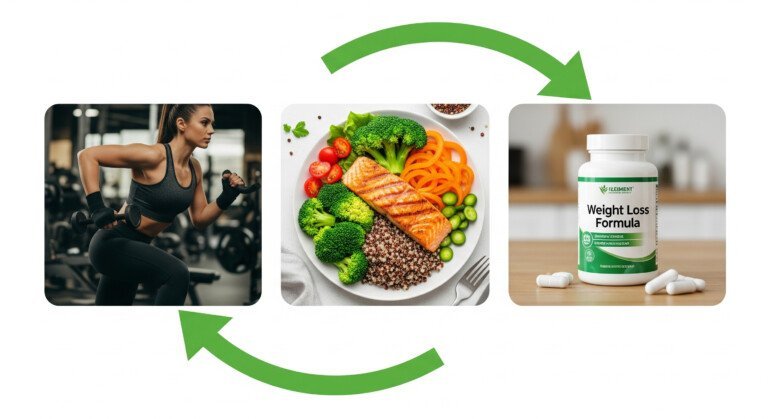
The Synergy of Supplements and Lifestyle

The most successful weight loss journeys are built on synergy. This means creating a lifestyle where every component works together to support your goals. Supplements are not a standalone solution; they are a component that can enhance the effectiveness of a solid foundation.

  • Nutrition: A supplement intended to support metabolism, like green tea extract, will have a negligible effect if your diet is full of processed foods and sugar. The most powerful supplements for weight loss are those that fill nutritional gaps and support your body’s natural processes.
  • Exercise: An energy-boosting supplement like caffeine can make your workouts more productive, helping you burn more calories and build more muscle. This is a perfect example of a supplement enhancing a lifestyle choice.
  • Sleep and Stress Management: The biggest obstacles to weight loss are often poor sleep and high stress levels. Taking supplements to support sleep, like magnesium, can improve your body’s hormonal balance and a healthy metabolism, making your efforts with diet and exercise more effective.

The true power of weight loss supplements lies in their ability to support the fundamentals of health. When used intelligently and as part of a holistic plan, they can provide a small, yet meaningful, boost to help you reach your goals. They are best used to optimize what you are already doing right.


Final Takeaway: Your Journey to a Healthier You

The world of supplements for weight loss is full of powerful promises. It’s tempting to believe there is an easy way out, but the most powerful tool you have for a healthy, vibrant life is your own body and your consistent effort. Focus on nurturing your body with good food, movement, and a peaceful mind. True and lasting weight loss is a journey of self-care, not a quick fix.


FAQ

1. Are weight loss supplements safe?

Many supplements are not regulated by the FDA in the same way as medications, which means their safety and efficacy can vary. It is always best to consult with a doctor before taking any new supplement, especially if you have pre-existing health conditions.

2. Can I take supplements with a weight loss plan?

Yes, with realistic expectations. Supplements should be seen as a minor aid to support your main efforts of diet and exercise, not as a shortcut. For example, a protein powder can help with satiety, and a multivitamin can fill nutritional gaps.

3. What are the best supplements for beginners?

For beginners, a focus on a healthy diet is most important. Supplements are typically not necessary. For individuals with deficiencies, a doctor might recommend a vitamin or mineral supplement.

4. Do fat burners really help you lose weight faster?

Any effect is likely very small. Fat burners may slightly increase your metabolism or energy, but the amount of calories they burn is insignificant compared to a good workout and a healthy diet.


Disclaimer

Some of the links in this post are affiliate links, which means I may earn a small commission if you purchase through them. This comes at no extra cost to you and helps support the creation of free, valuable content like this. Thank you for your support.

Exit mobile version