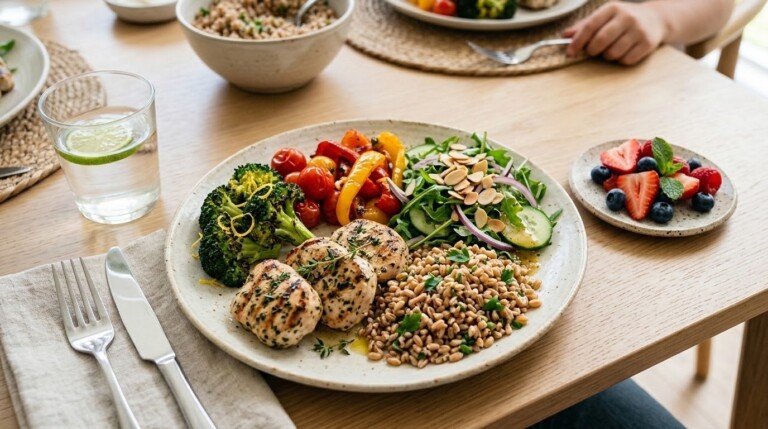
10 Best Fruits for Weight Loss: Boost Fat Burn Naturally

Achieving sustainable weight loss doesn’t have to be complicated or restrictive. One of the most enjoyable ways to lose weight naturally is by including fruits in your daily diet. Fruits are rich in fiber, vitamins, minerals, and antioxidants, which help control cravings, boost metabolism, and support digestion.

In this guide, we’ll explore the best fruits for weight loss, explain why they work, and share practical tips on incorporating them into your meals. With these strategies, you can enjoy delicious foods while supporting your weight loss journey as part of a complete weight loss guide built on smart nutrition and consistency.


Why Fruits Are Essential for Weight Loss

Fruits are not just tasty they’re metabolic boosters. Here’s why they’re critical:

  • Rich in Fiber: Fiber slows digestion, keeps you full longer, and regulates blood sugar.
  • Low in Calories: Most fruits are naturally low-calorie, making them perfect for snacks or meal additions.
  • Packed with Nutrients: Vitamins, minerals, and antioxidants in fruits support overall health and energy levels.
  • Reduce Cravings: Natural sweetness in fruits can curb sugar cravings without adding excessive calories.

Top Fruits That Boost Fat Burning

Certain fruits contain compounds that can help speed up metabolism and promote fat loss. Here are some of the most effective:

Berries

Blueberries, strawberries, and raspberries are high in antioxidants and fiber while being low in calories. The fiber keeps you full, reducing the tendency to overeat, and the antioxidants help combat inflammation, which can otherwise slow metabolism.

Tips to include berries:

  • Add a handful of berries to your morning oatmeal or yogurt.
  • Blend into smoothies for a low-calorie, nutrient-packed snack.

Apples and Pears

These fruits are naturally high in fiber and water, which makes them very filling. Eating an apple or pear as a mid-morning or afternoon snack can help curb cravings and prevent overeating at meals.

Pro tip: Eat them with the skin on to maximize fiber intake.

Grapefruit

Grapefruit is known for its metabolism-boosting properties. Studies suggest that compounds in grapefruit can help reduce insulin levels and promote fat burning when consumed before meals.

Serving ideas:

  • Half a grapefruit as a breakfast side.
  • Grapefruit segments in a salad for a refreshing twist.

Fruits High in Fiber for Weight Loss

Fiber is a key factor in weight management. Fruits high in fiber help regulate digestion, reduce appetite, and maintain steady blood sugar levels.

Kiwi

Kiwi is loaded with fiber and vitamin C, which aids digestion and immune health. It’s also naturally low in calories, making it an ideal snack.

How to eat:

  • Slice into cereal or yogurt bowls.
  • Eat as a standalone snack between meals.

Oranges

Oranges are juicy, sweet, and packed with soluble fiber, which helps you feel full longer. They’re perfect for snacking or adding to salads.

Papaya

Papaya contains an enzyme called papain, which helps break down protein and supports digestion. It’s light on calories and can aid in reducing bloating.

Tip: Use papaya in smoothies or fruit salads for an easy way to add fiber.

Best Fruits for Weight Loss: Low-Sugar Options to Include Daily

If you’re aiming for weight loss, it’s important to choose fruits that are naturally low in sugar. These fruits help maintain stable blood sugar levels and reduce fat storage.

Avocado

Although technically a fruit, avocado is low in sugar and high in healthy fats. The monounsaturated fats in avocados can help reduce belly fat and keep you feeling full for hours.

Serving tips:

  • Spread on whole-grain toast for a nutrient-dense breakfast.
  • Add slices to salads for a creamy texture without extra sugar.

Watermelon

Watermelon is mostly water, making it extremely hydrating and low in calories. Despite its natural sweetness, it has a low sugar content compared to other fruits.

Tip: Enjoy as a refreshing snack or blend into a smoothie to stay hydrated.

Peaches

Peaches are naturally sweet but not sugar-heavy. They provide fiber and antioxidants, making them a great option for satisfying cravings without overdoing sugar intake.

How to eat:

  • Slice over Greek yogurt.
  • Eat as a quick snack between meals.

Best Times to Eat Fruits for Maximum Benefit

Timing your fruit consumption can help maximize weight loss results. Here’s a guide:

Morning or Pre-Breakfast

Eating fruits on an empty stomach can improve digestion and provide a natural energy boost. Citrus fruits like oranges or grapefruit are ideal for this.

Pre-Workout Snacks

Fruits like bananas or berries provide fast-digesting carbohydrates, fueling your workout without adding extra fat.

Afternoon Cravings

When mid-afternoon hunger strikes, reach for a low-sugar fruit like kiwi or apple to curb cravings and prevent snacking on high-calorie junk food. Pairing fruit with herbal teas for weight loss can further reduce cravings and support digestion without adding extra calories.


How to Combine Fruits With a Balanced Diet

For optimal weight loss, fruits should be part of a well-rounded diet. Here’s how to combine them effectively:

  1. Pair with Protein – Combine fruit with Greek yogurt, cottage cheese, or other protein-rich fat loss foods to prolong satiety and protect lean muscle.
  2. Use in Meals – Add fruit to salads, oatmeal, and smoothies to increase fiber and flavor.
  3. Watch Portions – Even healthy fruits can add calories if eaten in excessive amounts. Stick to 1–2 servings per meal.

Top 10 Fruits Ranked for Weight Loss

FruitKey BenefitServing TipCalories per 100g
BlueberriesAntioxidant-rich, boosts metabolismAdd to yogurt or smoothies57
StrawberriesFiber + vitamin CSnack or dessert topping32
ApplesKeeps you fullEat with skin52
GrapefruitFat-burning, reduces insulinBreakfast side42
KiwiHigh fiber, supports digestionSlice in cereal61
PapayaReduces bloating, digestive enzymesSmoothie or salad43
AvocadoHealthy fats, reduces belly fatToast or salad160
WatermelonHydrating, low-calorieSnack or smoothie30
PeachesLow sugar, fiber-richSnack or yogurt39
PearsKeeps you full, high fiberSnack with skin57

Practical Tips to Maximize Fruit Benefits

  1. Rotate Fruits – Don’t stick to one fruit; variety provides a broader nutrient profile.
  2. Combine Colors – Eating different-colored fruits ensures a mix of antioxidants.
  3. Avoid Sweetened Fruit Products – Canned or dried fruits with added sugar can counter weight loss goals.
  4. Pair with Exercise – Fruits fuel your workouts, helping burn calories more effectively.

Conclusion

Incorporating the right fruits at the right time can make a significant difference in your weight loss journey. From fiber-rich apples and berries to fat-reducing avocado and hydrating watermelon, these fruits help control cravings, boost metabolism, and support digestion naturally. Pair your fruit-rich diet with healthy meals, supplements, and regular physical activity to achieve sustainable weight loss results.

By following these strategies and consistently including fruits in your diet, you can enjoy a delicious, nutrient-packed, and effective approach to shedding extra pounds without feeling deprived.


FAQ

1. Can I eat fruit at night?

Yes, but choose low-sugar options like kiwi, avocado, or berries. Avoid fruit juices or high-sugar fruits close to bedtime.

2. Are fruit juices effective for weight loss?

Whole fruits are better than juices because juices remove fiber and can spike blood sugar.

3. How many servings of fruit should I eat daily?

Aim for 2–3 servings per day, ideally spread across meals and snacks.

4. Can combining fruits with supplements help?

Yes. Supplements like fat-burning formulas or natural metabolism boosters can complement your fruit-based diet for enhanced results.

5. Do frozen fruits count the same as fresh?

Absolutely. Frozen fruits retain nutrients and fiber, making them a convenient alternative when fresh options aren’t available.


Disclaimer:

This post may contain affiliate links. If you purchase through them, we may earn a small commission at no extra cost to you. Also, this content is for informational purposes only and does not substitute professional medical advice.

Sustainable Weight Loss: Boost Diet, Exercise & Mindset

The Real Meaning of Sustainable Weight Loss

When most people think about losing weight, their minds immediately jump to diets — often the latest trend splashed across magazines, Instagram reels, or YouTube fitness channels. Words like “detox,” “cleanse,” or “30-day shred” sound promising because they offer quick results. But here’s the uncomfortable truth: these approaches rarely last. The weight lost often creeps back, sometimes with interest, leaving you more frustrated than before.

This is exactly where the concept of sustainable weight loss comes in. At its core, sustainable weight loss isn’t about chasing a magic number on the scale or following rules you hate until you finally “break.” Instead, it’s about creating a healthy lifestyle you can live with — one that helps you feel stronger, lighter, and more energetic not just for a month, but for years to come. If you want a structured breakdown of how nutrition, training, and mindset work together, this complete weight loss guide explains the full system behind long-term fat loss.

Think of it like this: if weight loss is a journey, fad diets are like trying to sprint a marathon. You might make progress for a short distance, but you’ll quickly run out of steam. Sustainable weight loss is the steady pace you can keep up mile after mile — a pace that doesn’t burn you out, but still gets you to the finish line.

So what does sustainable weight loss actually mean? It means:

  • Balanced eating, not restriction. You fuel your body with whole, nutrient-rich foods while still enjoying your favorite treats in moderation.
  • Consistency over perfection. Instead of all-or-nothing rules, you focus on habits you can stick to — even when life gets messy.
  • A lifestyle shift, not a temporary fix. You’re not “on a diet.” You’re learning how to live in a way that supports your health naturally.
  • Mindset first. Weight loss isn’t just physical; it’s also emotional. Building patience, self-compassion, and resilience is just as important as calories and workouts, especially when you’re developing long-term weight loss habits that actually stick.

The beauty of this approach is that it respects both your goals and your humanity. You don’t have to give up pizza nights with friends, skip birthday cake, or live in the gym to see progress. Instead, you learn to create balance that works in the real world. That’s what makes it sustainable.

Why Most People Fail With Quick Fixes

If quick diets worked, we’d all be walking around at our ideal weight right now. The truth is, the weight-loss industry thrives on repeat customers — people who jump from one trend to the next, always chasing results but never holding onto them. That cycle of excitement, hope, disappointment, and guilt is what keeps the market booming.

The sad part? It’s not because people are weak, lazy, or undisciplined. It’s because the quick-fix approach is designed to fail.

1. They Rely on Restriction, Not Nourishment

Imagine being told you can’t eat carbs ever again. For a week, maybe two, you stick with it. You turn down bread at dinner, push away dessert, and smile politely while sipping black coffee at brunch. But inside, the cravings are building like a storm. Then one stressful day at work hits, and suddenly a single slice of pizza turns into three, followed by ice cream because “you’ve already blown it.”

This isn’t lack of willpower — it’s biology. Your body doesn’t respond well to extremes. Crash diets that slash calories or eliminate entire food groups put your body into survival mode, slowing metabolism and increasing cravings. In the long run, this makes weight loss harder, not easier.

2. They Focus on Speed, Not Sustainability

Losing ten pounds in ten days sounds amazing on paper, but let’s look closer. Most of that initial drop is water weight and glycogen (stored carbohydrates), not fat. When you return to normal eating, the weight bounces back almost immediately. This “yo-yo effect” not only crushes your motivation but also damages your trust in yourself.

Sustainable weight loss works differently. Instead of celebrating how much you lost in a week, you focus on steady progress over months. You don’t just look better; you feel better, sleep better, and actually enjoy the process.

3. They Ignore the Role of Lifestyle

Quick-fix programs rarely prepare you for real life. What happens when you go on vacation? Or when your kid’s birthday party includes cake and soda? Or when stress makes you crave comfort food? If your entire weight loss plan depends on drinking shakes or following a rigid chart, you’re one life event away from failure.

That’s why sustainable weight loss emphasizes flexibility. Instead of rigid rules, you learn adaptable habits. You figure out how to enjoy a slice of cake without guilt, how to balance a big dinner with a lighter lunch, and how to bounce back after a stressful week without throwing everything away.

4. They Overlook Mindset

The biggest reason quick fixes fail isn’t physical at all — it’s mental. Many people believe weight loss is a battle of willpower, but the truth is, willpower alone won’t carry you far. When you rely only on motivation and strict rules, you eventually burn out.

Sustainable weight loss takes a different path. It’s rooted in mindset shifts — learning to see food as fuel, exercise as a gift, and progress as a journey instead of a finish line. That shift is what makes results stick.

The Emotional Toll of Quick Fixes

Beyond the science, let’s talk about the emotional side. If you’ve ever tried and “failed” at a diet, you know the heavy mix of guilt and frustration that follows. You might even tell yourself, “Maybe I’m just not disciplined enough.”

But here’s the truth: it’s not your fault. Quick-fix diets set you up for failure from the start. They’re designed to be temporary, to give you just enough results to believe in them — and just enough rebound to make you buy in again.

That endless loop creates shame and discouragement, which makes starting over even harder. Many people eventually stop trying altogether, not because they can’t succeed, but because they’ve been sold the wrong strategy over and over again.

Breaking free from this cycle begins with understanding that lasting weight loss doesn’t come from extremes — it comes from balance.

The Promise of a Sustainable Approach

Sustainable weight loss works because it aligns with how the human body and mind actually function.

Instead of relying on extreme restriction or short-term motivation, it focuses on building habits that support long-term fat loss, energy, and health.

This approach is built on three interconnected pillars:

  • Nutrition that prioritizes balance over restriction
  • Movement that is consistent and enjoyable
  • Mindset that supports patience, flexibility, and self-trust

These pillars reinforce each other. When nutrition improves, energy increases. When movement becomes consistent, motivation strengthens. When mindset shifts, progress continues even during setbacks.

Rather than chasing fast results, sustainable weight loss creates a system that works with your lifestyle not against it.

Sustainable weight loss is built on three interconnected pillars: nutrition, movement, and mindset.

Nutrition emphasizes balance and consistency rather than restriction. The goal is nourishment that supports energy and long-term adherence.

Movement focuses on regular physical activity that fits your lifestyle. Exercise should be sustainable and enjoyable, not punishing.

Mindset provides the foundation for long-term success. A flexible, patient mindset allows progress to continue even during setbacks.

When these pillars work together, weight loss becomes maintainable instead of temporary.

Why This Works When Nothing Else Does

The beauty of combining diet, exercise, and mindset is that they reinforce one another. When you eat well, you have more energy to exercise. When you exercise, you feel more motivated to eat well. And when your mindset supports your efforts, you keep going even when progress feels slow.

This approach doesn’t promise you’ll lose ten pounds in a week. Instead, it promises something far more valuable: you’ll build a lifestyle that allows you to reach and maintain your healthy weight without giving up the joy of living.


Why Sustainable Weight Loss Matters

Sustainable weight loss improves more than appearance. It supports long-term health, energy levels, mobility, and emotional well-being.

Gradual fat loss reduces strain on the heart and joints, improves blood sugar control, and increases daily energy. Just as importantly, it builds confidence and trust in your ability to maintain healthy habits.

Unlike quick fixes, this approach improves both physical and mental health without creating cycles of restriction and rebound.

Long-Term Health Benefits of Sustainable Weight Loss

The human body is resilient, but it thrives when it’s in balance. Carrying excess weight for long periods places stress on almost every system in your body — from your heart and joints to your hormones and immune system. Choosing a sustainable approach to weight loss allows your body the time and space it needs to heal, adapt, and improve.

Here are some of the long-term benefits:

1. Better Heart Health

Obesity is one of the strongest risk factors for cardiovascular disease. Extra weight increases blood pressure, raises cholesterol, and makes your heart work harder with every beat.

When you pursue sustainable weight loss, even modest changes have a big impact. Research shows that losing just 5–10% of body weight can significantly lower blood pressure and improve cholesterol levels. Unlike rapid crash diets that may stress the heart, steady weight loss strengthens it. Over time, you’re not just lighter on the scale — your heart is literally healthier and more resilient.

2. Reduced Risk of Type 2 Diabetes

Carrying excess fat, especially around the belly, makes the body resistant to insulin. This resistance leads to higher blood sugar levels and eventually type 2 diabetes.

Quick-fix diets might temporarily lower glucose, but because they aren’t sustainable, blood sugar often spikes back when old habits return. In contrast, adopting balanced eating patterns — like including fiber-rich foods, lean proteins, and healthy fats — not only helps shed pounds slowly but also stabilizes blood sugar long term. That’s why sustainable approaches are often recommended by doctors as the first line of defense against diabetes.

3. More Energy and Vitality

One of the most underrated benefits of sustainable weight loss is the energy boost it creates. When your body is fueled properly and not constantly swinging between starvation and bingeing, you feel lighter, sharper, and more capable in daily life.

Think of how different your mornings would feel if you woke up refreshed, had steady energy through the afternoon, and didn’t crash after lunch. That’s the kind of vitality sustainable habits create. Instead of living on caffeine and sugar spikes, you start to thrive on natural energy.

4. Joint and Mobility Health

Excess weight doesn’t just affect your internal organs — it also strains your joints. Knees, hips, and lower back bear the brunt, leading to pain, stiffness, and even arthritis over time.

With gradual, sustainable weight loss, pressure on your joints eases naturally. Losing just 10 pounds can reduce up to 40 pounds of force on your knees with every step. That means fewer aches, more freedom of movement, and the ability to stay active as you age.

5. Emotional and Mental Health

While often overlooked, mental health is directly tied to how we approach weight loss. Quick fixes create cycles of guilt, shame, and disappointment. Sustainable approaches, however, build confidence, patience, and self-trust.

As you create lasting habits, you prove to yourself that you can stick with change. That self-belief carries over into other areas of life — from career to relationships — creating a ripple effect of positive change.

Quick Weight Loss vs. Sustainable Weight Loss

It’s easy to get lured in by quick fixes. They promise results in days or weeks, while sustainable approaches ask for patience and consistency. But let’s break down the differences to see why the long game is worth it.

AspectQuick Weight LossSustainable Weight Loss
SpeedRapid — lose pounds in days or weeksSteady — 1–2 pounds per week
MethodExtreme restriction, supplements, or fad rulesBalanced eating, enjoyable movement, mindset work
ResultTemporary drop, often water weightLong-lasting fat loss, improved health
Impact on BodySlowed metabolism, nutrient deficiencies, rebound gainImproved metabolism, steady energy, strong immune system
Impact on MindStress, guilt, “all-or-nothing” thinkingConfidence, patience, self-trust
SustainabilityImpossible long termRealistic for life

The comparison makes it clear: one path leaves you stuck in a cycle of hope and frustration, while the other builds health that lasts.


Common mistakes that prevent long-term weight loss include:

  • Relying on crash diets or extreme restrictions
  • Expecting rapid results instead of steady progress
  • Overtraining while neglecting recovery
  • Skipping meals or under-eating
  • Ignoring mindset and emotional triggers

Avoiding these mistakes allows habits to compound over time, leading to sustainable results rather than repeated restarts.


Conclusion

Sustainable weight loss is not about extreme diets or rapid results. It is about building habits that support health, energy, and consistency over time.

By focusing on balanced nutrition, regular movement, and a supportive mindset, weight loss becomes a natural outcome rather than a constant struggle.

Instead of chasing quick fixes, this approach creates a lifestyle that supports long-term results and overall well-being.


FAQ

1. What is sustainable weight loss and how is it different from quick fixes?

Sustainable weight loss focuses on gradual, healthy fat loss through a balanced approach involving nutrition, exercise, and mindset. Unlike fad diets or extreme restrictions that promise rapid results, sustainable weight loss aims to maintain results long-term without compromising health. Quick fixes may lead to temporary weight loss, but most people regain it quickly due to muscle loss, nutrient deficiencies, and unsustainable habits.

2. What are the most common mistakes people make while losing weight?

Common mistakes include crash dieting, skipping meals, overtraining, unrealistic goal-setting, and ignoring recovery. These habits often lead to burnout, nutrient deficiencies, and weight regain. Instead, focus on gradual progress, balanced nutrition, and consistent movement.

3. How can I overcome emotional eating and cravings?

Emotional eating is triggered by stress, boredom, or habits rather than true hunger. Strategies include mindful eating, identifying triggers, keeping healthy snacks handy, and practicing stress-relief techniques like meditation or walking. Building awareness and replacing emotional triggers with healthier coping strategies can help prevent overeating.

4. How do I create a sustainable meal plan for weight loss?

A sustainable meal plan balances protein, carbs, and fats, includes plenty of vegetables, and fits your lifestyle. Meal prep for the week, plan snacks, and allow flexibility to prevent burnout. Tracking portions, rotating foods, and applying practical portion control for weight loss ensures long-term adherence without extreme restriction.

5. How long does it take to see results with sustainable weight loss?

Results vary by individual, but a safe, sustainable rate is 1–2 pounds per week. Significant visible changes often appear within 4–12 weeks, depending on consistency, diet quality, and activity levels. The key is focusing on habit-building, not quick fixes, for lasting transformation.


Disclaimer:

This post may contain affiliate links. If you purchase through them, we may earn a small commission at no extra cost to you. Also, this content is for informational purposes only and does not substitute professional medical advice.

What Does Cottage Cheese Taste Like? 2 Best Brands to Try

What does cottage cheese taste like? If you’ve ever wondered about this creamy dairy delight, you’re not alone. Cottage cheese offers a unique flavor profile mildly tangy, slightly sweet, and incredibly versatile, making it a favorite in both savory and sweet dishes.

In this guide, we’ll explore the tastes and nutrition of two top cottage cheese brands, Knudsen and Good Culture. Whether you’re a newcomer or a cottage cheese enthusiast, this post will help you understand what makes these brands stand out in flavor and health benefits.


Discover the Best Brands: Knudsen & Good Culture Cottage Cheese

Have you ever stood in the dairy aisle, staring at the cottage cheese section, wondering if it’s worth adding to your shopping cart? You’re not alone. Whether you’re new to cottage cheese or you’ve had it on your plate for years, understanding its flavor, texture, and nutritional benefits can make all the difference in your meal planning.

In this guide, we’ll explore two of the top cottage cheese brands Knudsen and Good Culture highlighting their distinct flavors and nutritional profiles. If you’ve been curious about what cottage cheese tastes like, or what makes these brands stand out, you’re in the right place. This post will help you make an informed decision, whether you’re looking for a healthier option or simply want to discover which cottage cheese best fits your taste preferences.


What Does Cottage Cheese Taste Like?

Cottage cheese taste can be a bit of an enigma for many people. It’s not quite like any other dairy product, with a unique flavor profile that varies depending on the fat content and processing method. In general, cottage cheese has a mild, slightly tangy flavor, with a smooth, creamy texture that can also have small curds, offering a bit of a bite.

Cottage Cheese Taste – Mild, Tangy, and Creamy

The cottage cheese taste is often described as tangy, but the level of tanginess can vary. The lower the fat content, the more pronounced the tangy notes tend to be. Full-fat versions, on the other hand, have a richer, creamier flavor, which is often described as more neutral and milder in taste. If you’re new to cottage cheese, starting with a full-fat version like Knudsen or Good Culture might make it easier to appreciate, especially when paired with sweet or savory toppings.

Texture and Consistency

Cottage cheese comes in different textures, depending on how much it’s been drained. The curds can range from small to large, and the liquid (whey) may vary. The larger the curds, the more “bite” you’ll get with each spoonful. The consistency can also be smoother if it’s been blended or whipped.

As you venture into the world of cottage cheese, the texture might surprise you. Some brands, like Good Culture, offer a more velvety texture, while others, like Knudsen, have more pronounced curds.


Cottage Cheese Nutrition Basics

When choosing cottage cheese, the nutritional profile is key. This simple dairy product can pack a powerful punch in terms of protein, calcium, and probiotics.

Nutritional Breakdown of Cottage Cheese

In terms of basic nutrition, here’s a quick overview of what you’ll typically find in cottage cheese:

  • Protein: A great source of protein, making it ideal for muscle repair and a satisfying snack.
  • Carbs: Low in carbs, making it a favorite for people on low-carb or keto diets.
  • Fat: The fat content varies. Full-fat options provide more calories, while low-fat or fat-free versions keep things lighter.
  • Calories: Depending on the fat content, cottage cheese is relatively low in calories, making it an easy snack choice without guilt.

Knudsen Cottage Cheese Nutrition vs. Good Culture

  • Knudsen Cottage Cheese: Knudsen’s version is made with whole milk or 2% milk, offering a rich, creamy texture and a smooth, mild taste. It typically contains about 120 calories per half-cup serving, with 4-5 grams of fat and 10-12 grams of protein.
  • Good Culture Cottage Cheese: Known for its probiotic-rich formula, Good Culture offers organic cottage cheese made from high-quality ingredients. It’s a bit higher in protein (about 14-15 grams per serving) and contains live and active cultures that promote gut health.

Knudsen Cottage Cheese

A History of Quality and Flavor

Knudsen Cottage Cheese has been around for over 100 years, providing consumers with high-quality, flavorful dairy products. Its creamy texture and mild taste have made it a staple in households across America. What sets Knudsen apart is its careful process of making cottage cheese from fresh milk, resulting in a rich flavor that pairs well with both savory and sweet dishes.

Taste and Texture of Knudsen Cottage Cheese

Knudsen Cottage Cheese is known for its smooth consistency with small, delicate curds. The full-fat version has a silky, cream-like texture that melts in your mouth, while the 2% version still maintains that delightful richness. The flavor is subtle, slightly sweet, and not as tangy as some other brands, making it an approachable option for first-timers.

Knudsen Cottage Cheese Nutrition Facts

Serving SizeCaloriesProteinFatCarbs
½ cup12012g5g4g

Good Culture Cottage Cheese Nutrition

Organic, Probiotic-Powered Good Culture

Good Culture Cottage Cheese brings something special to the table. With a commitment to organic ingredients and a focus on gut health through probiotics, Good Culture offers a more health-conscious take on cottage cheese. It’s the perfect choice for those looking to combine nutrition with flavor.

Why Choose Good Culture?

Good Culture cottage cheese is unique because it’s packed with probiotics that can support digestive health. Additionally, the high protein content makes it an excellent option for those on a high-protein diet or looking to fuel up post-workout. The texture of Good Culture is smooth and velvety, with a richer consistency compared to traditional cottage cheese. You’ll notice that it’s a bit tangier than some other brands, but this adds to its refreshing, creamy flavor.

Good Culture Cottage Cheese Nutrition Facts

Serving SizeCaloriesProteinFatCarbs
½ cup11014g5g4g

Best Cottage Cheese Brands

When it comes to choosing the best cottage cheese, there’s a lot of variety. Based on expert recommendations and user reviews, two brands stand out for their flavor and nutritional benefits:

  1. Knudsen Cottage Cheese: Known for its creamy texture and subtle, sweet taste, Knudsen is a go-to for many. It’s versatile, affordable, and perfect for both sweet and savory dishes.
  2. Good Culture Cottage Cheese: This brand stands out for its organic ingredients and the inclusion of probiotics. If gut health and protein intake are your priorities, Good Culture is a fantastic option.

How to Enjoy Cottage Cheese

There’s no wrong way to enjoy cottage cheese, but how you serve it can dramatically change its taste and appeal. Whether you’re a cottage cheese novice or a seasoned fan, there are a variety of ways to enhance its flavor to suit your preferences.

Savory or Sweet?

For those new to cottage cheese, it’s great to try both savory and sweet options. Pairing cottage cheese with:

  • Fresh Fruit: A drizzle of honey and berries can transform the taste, creating a delicious, creamy, and tangy snack.
  • Veggies: For savory lovers, try mixing in cucumbers, tomatoes, or even a dash of sea salt and pepper.
  • Nuts and Seeds: For added crunch and nutrition, sprinkle a few chopped almonds or chia seeds on top.

For Beginners

If you’re hesitant about the cottage cheese taste, starting with a sweeter topping might be the easiest way in. You can also try mixing it with yogurt or a bit of granola to mask the tanginess, making it an enjoyable snack even for those not initially fond of it.


Conclusion

Cottage cheese can be both nutritious and delicious when chosen wisely. Whether you opt for the creamy Knudsen cottage cheese or the probiotic-packed Good Culture, both brands bring something special to your table. If you’ve been wondering what does cottage cheese taste like, now you know it’s a versatile, tangy dairy with a creamy texture, perfect for both savory and sweet dishes. So next time you’re looking for a healthy snack or a protein-packed addition to your meals, reach for a tub of cottage cheese!


FAQ

1. What does cottage cheese taste like?

Cottage cheese has a mild, tangy flavor, with a smooth and creamy texture. The taste varies depending on the fat content, with full-fat versions being milder and creamier.

2. Is Knudsen cottage cheese healthy?

Yes! Knudsen cottage cheese is a good source of protein, calcium, and essential vitamins. It’s a nutritious option for a healthy snack or meal addition.

3. Good Culture cottage cheese nutrition facts?

Good Culture is packed with probiotics, offering around 14 grams of protein and 110 calories per ½ cup serving. It’s made with organic ingredients for an extra health boost.

4. How to make cottage cheese taste better?

Add fresh fruits, veggies, nuts, or spices to enhance the flavor. You can also try mixing it with yogurt or honey for a sweeter version.

5. Which tastes better — Knudsen or Good Culture?

The taste depends on personal preference. Knudsen is milder and creamier, while Good Culture has a tangier, probiotic-rich flavor that’s great for health-conscious individuals.

Disclaimer:

This post may contain affiliate links. If you purchase through them, we may earn a small commission at no extra cost to you. Also, this content is for informational purposes only and does not substitute professional medical advice.

How to lose weight without starving yourself with 5 Simple Steps

Lose weight without starving yourself it’s not just possible, it’s sustainable. If you’ve been stuck in a cycle of crash diets, skipped meals, and constant hunger, you’re not alone. The truth is, you don’t need to deprive your body to shed pounds. By making smarter food choices, supporting your metabolism, and staying consistent, you can lose weight while feeling full, energized, and balanced.


1. Eat More Protein to Lose Weight Without Starving Yourself

Protein is often hailed as the king of nutrients when it comes to weight management, muscle maintenance, and overall health. Whether you’re looking to shed a few pounds, build lean muscle, or simply stay energized throughout the day, increasing your protein intake can be a game-changer. Let’s dive into the science behind why protein is so effective for staying full longer, boosting metabolism, and supporting your weight loss goals.

Boost Your Protein Intake to Lose Weight Without Deprivation

Protein is a macronutrient that plays a critical role in keeping you full and satisfied. Here’s how it works:

  1. Increases Satiety Hormones: Protein stimulates the release of hormones like peptide YY (PYY) and glucagon-like peptide-1 (GLP-1), which signal to your brain that you’re full. This helps reduce hunger and prevents overeating.

  2. Reduces Ghrelin Levels: Protein lowers levels of ghrelin, the “hunger hormone,” which is responsible for stimulating appetite. By keeping ghrelin in check, protein helps you feel fuller for longer.

  3. Slows Digestion: Protein takes longer to digest than carbohydrates or fats, which means it stays in your stomach longer and keeps you satisfied between meals.

How Protein Helps You Feel Full and Lose Weight the Healthy Way

In addition to keeping you full, protein has a unique ability to boost your metabolism and increase calorie burn. Here’s why:

  1. High Thermic Effect of Food (TEF): Protein has a higher thermic effect compared to fats and carbohydrates, meaning your body burns more calories digesting and processing it. In fact, about 20–30% of the calories from protein are used during digestion, compared to 5–10% for carbs and 0–3% for fats.

  2. Supports Muscle Mass: Protein is essential for maintaining and building lean muscle mass, especially during weight loss. Muscle tissue is metabolically active, meaning it burns more calories at rest than fat tissue. By preserving muscle, protein helps keep your metabolism running efficiently.

Lose Weight the Smart Way: Why Protein Keeps You Satisfied

One of the biggest challenges of weight loss is managing cravings and sticking to a calorie deficit. Protein can help with that too:

  1. Curbs Sugar Cravings: Studies show that a high-protein diet can reduce cravings for sugary and high-calorie foods. This is likely due to protein’s ability to stabilize blood sugar levels and keep hunger hormones in check.

  2. Promotes Fat Loss: A high-protein diet has been shown to increase fat loss while preserving lean muscle mass. This is especially important for maintaining a healthy metabolism and achieving a toned physique.

  3. Improves Adherence to Diets: Because protein keeps you full and satisfied, it’s easier to stick to a calorie-controlled diet without feeling deprived.

Eat Protein to Lose Weight Without Cutting Calories Too Low

Increasing your protein intake doesn’t have to be complicated. Here are some simple and delicious ways to add more protein to your meals and snacks:

  1. Start Your Day with Protein: Include protein-rich foods like eggs, Greek yogurt, or a protein smoothie in your breakfast to kickstart your metabolism and stay full until lunch.

  2. Snack on High-Protein Foods: Choose snacks like hard-boiled eggs, cottage cheese, nuts, or protein bars to keep hunger at bay between meals.

  3. Add Protein to Every Meal: Include a source of lean protein (like chicken, fish, tofu, or beans) in every meal to ensure you’re meeting your daily protein needs.

  4. Experiment with Plant-Based Proteins: If you’re vegetarian or vegan, opt for plant-based protein sources like lentils, chickpeas, quinoa, and tempeh.

  5. Use Protein Supplements: Protein powders (like whey, pea, or hemp protein) can be a convenient way to boost your intake, especially after workouts or when you’re on the go.

Pro Tip: If you struggle to meet your protein needs, try a protein powder. It’s an easy way to add protein to smoothies, oatmeal, or baked goods.

Supplement Suggestion:collagen supplement can also support your protein intake while promoting healthy skin, hair, and joints.


2. Fiber for Weight Loss

Fiber is one of the most underrated yet essential nutrients for weight management and overall health. Found in plant-based foods like vegetables, fruits, whole grains, and legumes, fiber plays a crucial role in keeping you full, stabilizing blood sugar levels, and promoting a healthy digestive system. Let’s explore the science behind why fiber-rich foods are so effective for weight loss and how you can easily incorporate them into your diet. A 2022 article by Mayo Clinic explains that a diet high in fiber not only helps you feel full but also plays a key role in stabilizing blood sugar and promoting digestive health. This makes fiber a powerful ally for anyone trying to lose weight without feeling deprived.

Use Fiber to Lose Weight Naturally Without Starving Yourself

Fiber is a type of carbohydrate that your body can’t digest. Instead, it passes through your digestive system relatively intact, providing a range of health benefits. Here’s how fiber helps you stay full and supports weight loss:

  1. Slows Digestion: Soluble fiber, found in foods like oats, beans, and apples, dissolves in water to form a gel-like substance in your stomach. This slows down digestion, helping you feel full for longer and reducing the likelihood of overeating.

  2. Adds Bulk to Meals: Insoluble fiber, found in foods like whole grains, nuts, and vegetables, adds bulk to your meals without adding calories. This helps you feel satisfied while consuming fewer calories overall.

  3. Reduces Hunger Hormones: Fiber-rich foods can lower levels of ghrelin, the hunger hormone, and increase levels of peptide YY (PYY), a hormone that promotes feelings of fullness.

How Fiber Keeps You Full and Helps You Lose Weight Without Deprivation

One of the key benefits of fiber is its ability to regulate blood sugar levels, which is especially important for weight management and overall health. Here’s how it works:

  1. Slows Sugar Absorption: Soluble fiber slows the absorption of sugar into your bloodstream, preventing blood sugar spikes and crashes. This helps maintain steady energy levels and reduces cravings for sugary snacks.

  2. Improves Insulin Sensitivity: A high-fiber diet has been shown to improve insulin sensitivity, which helps your body use glucose more effectively and reduces the risk of type 2 diabetes.

Lose Weight Without Feeling Hungry by Eating Fiber-Rich Foods

In addition to keeping you full and stabilizing blood sugar, fiber is essential for maintaining a healthy digestive system. Here’s why:

  1. Promotes Regularity: Insoluble fiber adds bulk to your stool and helps it move through your digestive tract more efficiently, preventing constipation and promoting regular bowel movements.

  2. Feeds Gut Bacteria: Soluble fiber acts as a prebiotic, feeding the beneficial bacteria in your gut. A healthy gut microbiome is linked to improved digestion, better nutrient absorption, and even enhanced immune function.

Fiber-Rich Foods Are Low in Calories

One of the best things about fiber-rich foods is that they are typically low in calories but high in volume. This means you can eat larger portions without consuming too many calories, making them perfect for weight loss. For example:

  • A cup of broccoli has only 55 calories but provides 5 grams of fiber.

  • A medium apple has about 95 calories and 4 grams of fiber.

  • A half-cup of cooked lentils has 115 calories and 8 grams of fiber.

How to Incorporate More Fiber into Your Diet

Adding more fiber to your diet is easier than you might think. Here are some simple and delicious ways to boost your fiber intake:

  1. Start Your Day with Whole Grains: Choose fiber-rich breakfast options like oatmeal, whole-grain cereal, or whole-wheat toast.

  2. Snack on Fruits and Vegetables: Keep fresh fruits and veggies on hand for easy, fiber-packed snacks. Apples, carrots, and celery sticks are great options.

  3. Add Legumes to Your Meals: Incorporate beans, lentils, and chickpeas into soups, salads, and main dishes for a fiber and protein boost.

  4. Choose Whole Grains: Swap refined grains (like white rice and pasta) for whole grains (like brown rice, quinoa, and whole-wheat pasta).

  5. Experiment with Seeds and Nuts: Add chia seeds, flaxseeds, or almonds to your yogurt, smoothies, or salads for extra fiber and healthy fats.

Pro Tip: If you’re not getting enough fiber, try a fiber supplement. It’s an easy way to support digestion and curb hunger.

Supplement Suggestion:greens powder can also help you increase your veggie intake effortlessly.


3. Drink Water Before Meals to Lose Weight Without Starving Yourself

Drinking water before meals is a simple, natural, and highly effective strategy for supporting weight loss and improving overall health. This easy habit can help you eat less, feel fuller, and achieve your weight management goals without drastic diet changes or expensive supplements. Let’s explore the science behind why drinking water before meals works, how it supports weight loss, and how you can incorporate this practice into your daily routine for optimal results.

Lose Weight Without Feeling Hungry: Drink Water Before Meals

Water is essential for life, but it also plays a surprising role in appetite control and weight management. Here’s how drinking water before meals can help you eat less and lose weight naturally:

  1. Creates a Sense of Fullness: Drinking water before a meal takes up space in your stomach, creating a sense of fullness. This can help you eat smaller portions and reduce overall calorie intake, making it easier to maintain a calorie deficit for weight loss.

  2. Reduces Hunger and Cravings: Sometimes, thirst is mistaken for hunger. By drinking water before meals, you can ensure that you’re properly hydrated and avoid unnecessary snacking or overeating.

  3. Boosts Metabolism: Drinking water, especially cold water, can temporarily increase your metabolism. Your body uses energy to heat the water to body temperature, which can slightly boost calorie burn over time.

  4. Supports Digestion and Nutrient Absorption: Water helps break down food and aids in the absorption of nutrients. Drinking water before meals can improve digestion and help you recognize when you’re truly full, preventing overeating.

Hydration Hacks to Curb Hunger and Support Healthy Weight Loss

Research supports the idea that drinking water before meals can significantly aid in weight loss. One notable study found that:

  • Participants who drank 500 ml (about 2 cups) of water before meals lost 44% more weight over 12 weeks compared to those who didn’t.

  • Drinking water before meals also led to a reduction in calorie intake, as participants felt fuller and ate smaller portions.

This study highlights how a simple, natural habit like drinking water before meals can have a profound impact on weight loss efforts.

Use Water to Feel Fuller and Lose Weight Without Extreme Diets

Here’s a breakdown of how this strategy works to support weight loss naturally:

  1. Reduces Calorie Intake: By creating a sense of fullness, water helps you eat fewer calories during meals, making it easier to maintain a calorie deficit.

  2. Prevents Overeating: Staying hydrated can help you distinguish between hunger and thirst, reducing the likelihood of overeating or reaching for unhealthy snacks.

  3. Encourages Mindful Eating: Drinking water before meals can serve as a mindful eating practice, helping you slow down and pay attention to your body’s hunger cues.

How Drinking Water Before Meals Aids in Hunger-Free Weight Loss

Adding this simple practice to your daily routine is easy and requires no special tools or preparation. Here’s how to get started:

  1. Drink Water 30 Minutes Before Meals: Aim to drink 1–2 cups of water about 30 minutes before each meal. This gives your body time to register the fullness signal and prepare for digestion.

  2. Start Your Day with Water: Drink a glass of water first thing in the morning to kickstart your metabolism, rehydrate after sleep, and set a positive tone for the day.

  3. Carry a Reusable Water Bottle: Keep a reusable water bottle with you throughout the day to stay hydrated and remind yourself to drink water before meals.

  4. Flavor Your Water (Optional): If plain water feels boring, add a slice of lemon, cucumber, or a few mint leaves for a refreshing twist that makes hydration more enjoyable.

  5. Set Reminders: Use phone alarms or sticky notes to remind yourself to drink water before meals until it becomes a habit.

Pro Tip: If you struggle to drink enough water, try a fruit-infuser water bottle. It makes staying hydrated fun and refreshing.

Supplement Suggestion: An electrolyte supplement can help you stay hydrated, especially after workouts.


4. Mindful Eating for Weight Loss

Mindful eating is a powerful practice that can transform your relationship with food, help you tune into your body’s natural hunger and fullness cues, and support your weight loss goals. Unlike restrictive diets, mindful eating focuses on being present during meals, savoring each bite, and listening to your body’s signals. Let’s explore the science behind mindful eating, how it prevents overeating, and how you can incorporate this practice into your daily life for lasting results.

Mindful Eating: How to Lose Weight Without Starving Yourself

Mindful eating is rooted in mindfulness, a practice that involves paying attention to the present moment without judgment. When applied to eating, it helps you become more aware of your food choices, eating habits, and body signals. Here’s how it works:

  1. Prevents Overeating: By slowing down and paying attention to your body’s hunger and fullness cues, mindful eating helps you recognize when you’re truly hungry and when you’ve had enough. This reduces the likelihood of overeating or eating out of boredom or stress.

  2. Enhances Satisfaction: Mindful eating encourages you to savor each bite, which can make meals more enjoyable and satisfying. When you truly enjoy your food, you’re less likely to feel deprived or crave unhealthy snacks.

  3. Reduces Emotional Eating: Many people turn to food for comfort during times of stress, sadness, or boredom. Mindful eating helps you become more aware of these emotional triggers and develop healthier coping mechanisms.

  4. Improves Digestion: Eating slowly and chewing thoroughly, which are key components of mindful eating, can improve digestion and nutrient absorption.

Scientific Evidence: Mindful Eating and Weight Loss

Research supports the effectiveness of mindful eating for weight management:

  • A study published in the Journal of Obesity found that participants who practiced mindful eating experienced significant reductions in binge eating, emotional eating, and weight.

  • Another study in the American Journal of Clinical Nutrition showed that mindful eating can lead to better portion control and a healthier relationship with food.

These studies highlight how mindful eating can help you make better food choices, reduce overeating, and support long-term weight loss.

How Mindful Eating Helps You Lose Weight Without Starving Yourself

Here’s a breakdown of how mindful eating can help you achieve your weight loss goals:

  1. Tune Into Hunger and Fullness Cues: Mindful eating helps you recognize when you’re truly hungry and when you’re full, preventing overeating and unnecessary snacking.

  2. Slow Down and Enjoy Your Food: Eating slowly allows your brain to register when you’re satisfied, which can help you eat less and feel more satisfied.

  3. Reduce Emotional Eating: By becoming more aware of your emotions and how they influence your eating habits, you can break the cycle of emotional eating.

  4. Make Healthier Food Choices: Mindful eating encourages you to choose foods that nourish your body and make you feel good, rather than reaching for unhealthy options out of habit or cravings.

How to Practice Mindful Eating

Incorporating mindful eating into your daily routine is simple and doesn’t require any special tools or equipment. Here’s how to get started:

  1. Eat Without Distractions: Turn off the TV, put away your phone, and focus solely on your meal. This helps you pay attention to the taste, texture, and aroma of your food.

  2. Slow Down: Take smaller bites, chew thoroughly, and put your fork down between bites. This gives your brain time to register when you’re full.

  3. Listen to Your Body: Before eating, ask yourself if you’re truly hungry. During the meal, check in with yourself to see if you’re still hungry or if you’re eating out of habit or boredom.

  4. Savor Each Bite: Pay attention to the flavors, textures, and smells of your food. Notice how each bite makes you feel and appreciate the experience of eating.

  5. Practice Gratitude: Take a moment before eating to appreciate your food and the effort that went into preparing it. This can help you develop a healthier relationship with food.

  6. Stop When You’re Full: Learn to recognize when you’re satisfied, not stuffed. It’s okay to leave food on your plate if you’ve had enough.

Pro Tip: If you’re new to mindful eating, try a guided mindfulness app. These apps can help you develop healthier eating habits.

Supplement Suggestion:craving control supplement can also help you stay on track by reducing sugar cravings.


5. Get Moving in Fun Ways to Lose Weight Without Starving Yourself

When it comes to weight loss, exercise doesn’t have to mean long, exhausting hours in a gym. In fact, incorporating activities you actually enjoy can make staying active a lot easier and more effective. Whether you’re walking in nature, dancing, or playing a sport, these enjoyable activities can help you burn calories and improve your overall health without the stress of a traditional workout routine.

The key is to find activities that feel fun and engaging, so they don’t feel like “exercise.” You’re more likely to stick with them over time, which makes staying active a natural part of your daily life. Plus, having fun while moving can significantly boost your energy levels and mood.

Burn Calories Without the Hunger: Fun Ways to Stay Active

1. Dance Your Way to Fitness

Dancing is a wonderful full-body workout that you can do anywhere, whether in a class, at a party, or even just in your living room. Dance keeps your body moving in an exciting way, increasing your heart rate while toning your muscles. And because it’s so enjoyable, it doesn’t feel like exercise at all making it a fantastic way to stay active without a gym.

2. Explore the Outdoors Through Hiking and Walking

Hiking is an excellent activity that offers both a mental and physical escape. Whether you’re hiking a mountain trail or simply taking a walk around your neighborhood, these activities help improve cardiovascular health, increase endurance, and burn calories. Walking outside also allows you to connect with nature and clear your mind, making it a fun, relaxing way to get active.

3. Make a Splash with Swimming

If you’re looking for a low-impact activity that gives you a full-body workout, swimming is perfect. The water provides natural resistance, working all your muscles while you burn calories. Whether you’re doing laps in a pool or swimming at the beach, it’s an exciting and refreshing way to stay in shape. Plus, swimming is gentle on the joints, making it accessible for people of all fitness levels.

4. Get Competitive with Sports and Recreational Games

Playing sports like tennis, basketball, or even a casual game of soccer is a great way to stay fit and have fun. These activities keep you moving, improve coordination, and help you burn calories all while you’re enjoying yourself. Engaging in friendly competition can also keep you motivated and excited about staying active.

5. Stay Playful with Kids or Pets

If you have children or pets, you already have the perfect workout partners. Running around with your kids or taking your dog for a walk can provide excellent cardiovascular benefits. Activities like playing tag or fetch not only help burn calories but also allow you to spend quality time with loved ones. This makes staying active feel less like a chore and more like a bonding experience.

Why Fun Movement Works:

  • Set Enjoyable Goals:
    Instead of focusing on a specific weight or measurement, set goals that focus on having fun like dancing every day for 30 minutes or exploring a new trail each weekend. This way, the goal feels more like an adventure and less like a task.

  • Try New Things:
    Keep things fresh by exploring different activities. Try a new sport, take a dance class, or find a new hiking spot. The variety will keep you excited and engaged.

  • Include Others:
    Make your chosen activities a social event. Invite friends or family to join in. Whether it’s a weekend hike or a dance-off at home, having others involved can boost motivation and make it even more enjoyable.

Pro Tip: If you need inspiration, try a fitness tracker. It can motivate you to stay active by tracking your steps and calories burned.

Supplement Suggestion:post-workout recovery supplement can help your muscles recover faster and reduce soreness.


Product Recommendations

Here are some of my top picks to help you lose weight effortlessly:

  1. Protein Powder: Perfect for boosting your protein intake.
  2. Fiber Supplement: Supports digestion and keeps you full.
  3. Fruit-Infuser Water Bottle: Makes staying hydrated fun and easy.
  4. Guided Mindfulness App: Helps you develop mindful eating habits.
  5. Fitness Tracker: Motivates you to stay active.
  6. Post-Workout Recovery Supplement: Speeds up muscle recovery.

Conclusion

Losing weight doesn’t have to involve starvation or extreme measures. By focusing on protein, fiber, hydration, mindful eating, and enjoyable movement, you can achieve your goals effortlessly. Remember, small, consistent changes lead to lasting results. Start today and enjoy the journey!


FAQs

1. Why is protein so important for losing weight without feeling hungry?

Protein promotes fullness by increasing satiety hormones like GLP‑1 and PYY while suppressing the hunger hormone ghrelin. It also has a high thermic effect (20–30 %), meaning your body burns more calories digesting protein compared to carbs or fats. Diets higher in protein support preservation of lean muscle, helping your metabolism stay active throughout the day.

2. How much protein should I eat to support weight loss without deprivation?

Experts suggest protein make up 25–30 % of your total calories for optimal satiety and metabolic support, which often means around 1.2–1.4 g/kg ideal body weight per day during fat loss phases. Including a lean protein with every meal and snack helps meet these targets naturally.

3. What role does fiber play in feeling full while eating less?

Fiber, especially soluble forms like psyllium and oats, slows digestion and increases fullness by forming a gel-like substance in the gut. Insoluble fibers provide bulk without calories, keeping you satisfied longer. Together, they help reduce calorie intake naturally. Fiber also boosts satiety hormones like PYY while moderating ghrelin levels.

4. How much fiber should I aim for daily and how can I get more naturally?

Adults should aim for 25–38 g of fiber daily, depending on age and gender. To reach that, prioritize fruits, vegetables, legumes, whole grains, and nuts. If needed, supplements like psyllium can help but should be introduced gradually with adequate water.

5. Does drinking water before meals really help prevent overeating?

Yes. Drinking about 500 ml (2 cups) of water 30 minutes before meals can reduce calorie intake and promote substantial weight loss one study showed participants lost 44 % more weight across 12 weeks compared to non‑drinkers. This works by physically creating fullness and reducing hunger cues.

6. How does mindful eating help me lose weight without starving?

Mindful eating encourages being fully present eating slowly, chewing thoroughly, and tuning into hunger and fullness signals. It reduces emotional and distracted eating, improves meal satisfaction, and helps you stop eating when you’re comfortably full rather than overly full. Studies show it leads to better portion control and long-term weight management.

7. Can I lose weight even if I’m not calorie counting strictly?

Absolutely. By combining high protein + high fiber intake with hydration and mindful eating strategies, many people naturally reduce calorie intake without strict tracking. These habits restore body cues, reduce cravings, and boost metabolic rate making sustainable weight loss possible without deprivation.


Disclaimer

Some of the links in this post are affiliate links, which means I may earn a small commission if you purchase through them. This comes at no extra cost to you and helps support the creation of free, valuable content like this. Thank you for your support!

6 Healthy Snacks for Weight Loss That Actually Work

Snacking doesn’t have to derail your weight loss goals. In fact, the right snacks can actually help you burn fat, curb cravings, and keep your energy levels steady throughout the day. In this guide, we’ll explore delicious, guilt-free snacks that are not only satisfying but also support your fat-loss journey as part of a complete weight loss guide built on smart nutrition and consistency. Plus, I’ll share some of my favorite products and supplements to make snacking even easier.

This comprehensive guide includes options we covered like mixed nuts, Greek yogurt with berries, apple slices with nut butter, dark chocolate with almonds, hummus with veggies, and hard‑boiled eggs making it a perfect match for your needs.


1. Greek Yogurt with Berries

Greek yogurt with berries is a simple yet powerful combination that offers a wide range of health benefits, making it a popular choice for those looking to improve their diet, support weight loss, or simply enjoy a nutritious snack. This pairing is not only delicious but also backed by science, as it combines the protein-rich goodness of Greek yogurt with the antioxidant-packed benefits of berries. Let’s dive deeper into why this duo is so effective and how it can support your health goals.

The Power of Greek Yogurt

Greek yogurt is a staple in many healthy diets, and for good reason. It is made by straining regular yogurt to remove excess whey, resulting in a thicker, creamier texture and a higher concentration of protein. Here’s why Greek yogurt stands out:

  1. High Protein Content: Greek yogurt is an excellent source of protein, with a single serving providing around 15–20 grams. Protein is essential for maintaining and repairing muscle tissue, especially after exercise. It also helps keep you feeling full, which can prevent overeating and support weight management.
  2. Probiotics for Gut Health: Greek yogurt contains live cultures, or probiotics, which are beneficial bacteria that support a healthy gut. A balanced gut microbiome is linked to improved digestion, better nutrient absorption, and even a stronger immune system.
  3. Low in Sugar (When Unsweetened): Plain Greek yogurt is naturally low in sugar, making it a healthier option compared to flavored yogurts that often contain added sugars. This makes it a great choice for those looking to reduce their sugar intake. Learn more about the benefits of probiotics from Healthline
  4. Rich in Nutrients: Greek yogurt is a good source of calcium, which is important for bone health, as well as vitamins like B12, which supports energy production and brain function.

The Nutritional Benefits of Berries

Berries, such as strawberries, blueberries, raspberries, and blackberries, are often referred to as superfoods due to their impressive nutrient profile. Here’s what makes them so beneficial:

  1. High in Fiber: Berries are an excellent source of dietary fiber, which aids in digestion and helps regulate blood sugar levels. Fiber also contributes to a feeling of fullness, making it easier to manage your appetite and avoid overeating.

  2. Packed with Antioxidants: Berries are rich in antioxidants like vitamin C, anthocyanins, and quercetin. These compounds help combat oxidative stress and inflammation in the body, reducing the risk of chronic diseases such as heart disease, diabetes, and certain cancers.

  3. Low in Calories: Despite their sweet taste, berries are low in calories, making them a guilt-free addition to your diet. They add natural sweetness and flavor to Greek yogurt without significantly increasing calorie intake.

  4. Vitamins and Minerals: Berries provide essential nutrients like vitamin C, which supports the immune system, and manganese, which plays a role in bone health and metabolism.

Why Greek Yogurt and Berries Work So Well Together

When combined, Greek yogurt and berries create a balanced and nutrient-dense snack or meal that supports various health goals. Here’s why this pairing is so effective:

  1. Satiety and Weight Management: The high protein content of Greek yogurt, combined with the fiber in berries, helps keep you feeling full and satisfied. This can reduce the likelihood of snacking on unhealthy foods and support weight loss efforts.

  2. Stable Blood Sugar Levels: The protein in Greek yogurt and the fiber in berries work together to slow the absorption of sugars, preventing blood sugar spikes and crashes. This helps maintain steady energy levels and reduces cravings.

  3. Nutrient Density: This combination provides a wide range of essential nutrients, including protein, fiber, vitamins, and minerals, without excess calories. This ensures your body gets the nutrients it needs to function optimally, even if you’re in a calorie deficit.

  4. Convenience and Versatility: Greek yogurt with berries is quick and easy to prepare, making it a practical option for busy individuals. You can also customize it with additional toppings like nuts, seeds, or a drizzle of honey for extra flavor and nutrients.

Pro Tip: If you’re on the go, try a portable yogurt cup. These single-serving options are perfect for busy lifestyles.

Supplement Suggestion:probiotic supplement can enhance gut health and improve digestion.


2. Apple Slices with Almond Butter

Apple slices with almond butter are a simple yet nutrient-packed snack that combines the natural sweetness of crisp apples with the creamy richness of almond butter. This wholesome pairing is not only delicious but also backed by science, making it an excellent choice for those looking to maintain steady energy levels, support weight management, and enjoy a healthy treat. Let’s dive into the science behind this perfect snack and explore why it’s a go-to option for health-conscious individuals.

The Nutritional Benefits of Apples

Apples are one of the most widely consumed fruits, and their nutritional profile makes them a standout choice for a healthy diet. Here’s why apples are so beneficial:

  1. Rich in Dietary Fiber: Apples are an excellent source of soluble fiber, particularly pectin, which helps slow digestion and keeps you feeling full for longer. This makes them a great option for curbing hunger and supporting weight management.

  2. Low Glycemic Index: Apples have a low glycemic index (GI), meaning they release sugar into the bloodstream slowly. This helps prevent blood sugar spikes and crashes, making them an ideal snack for maintaining steady energy levels throughout the day.

  3. Packed with Antioxidants: Apples are rich in antioxidants like quercetin and vitamin C, which help combat oxidative stress and inflammation in the body. These compounds are linked to a reduced risk of chronic diseases, such as heart disease and diabetes.

  4. Hydrating and Crunchy: With their high water content, apples help keep you hydrated, while their natural crunch adds a satisfying texture to your snack.

The Nutritional Benefits of Almond Butter

Almond butter is a nutrient-dense spread made from ground almonds, offering a wealth of health benefits. Here’s why almond butter is a fantastic addition to apple slices:

  1. Healthy Fats: Almond butter is rich in monounsaturated fats, the same heart-healthy fats found in olive oil. These fats help reduce bad cholesterol (LDL) levels while supporting good cholesterol (HDL), promoting cardiovascular health.

  2. Protein Content: Almond butter provides a modest amount of protein, which helps keep you full and supports muscle repair and growth. This makes it a great option for curbing hunger between meals.

  3. Vitamins and Minerals: Almond butter is a good source of vitamin E, an antioxidant that protects cells from damage, and magnesium, which supports muscle and nerve function, blood sugar control, and bone health.

  4. Blood Sugar Stabilization: The combination of healthy fats, protein, and fiber in almond butter helps slow the absorption of sugars from the apple, preventing blood sugar spikes and promoting sustained energy.

Why Apple Slices and Almond Butter Make the Perfect Snack

When paired together, apple slices and almond butter create a balanced snack that offers a mix of macronutrients and micronutrients. Here’s why this combination is so effective:

  1. Fiber + Healthy Fats + Protein: The fiber in apples, combined with the healthy fats and protein in almond butter, creates a satisfying snack that keeps you full and energized. This trio of nutrients works together to stabilize blood sugar levels and prevent cravings.

  2. Low Glycemic Impact: The natural sugars in apples are balanced by the fats and protein in almond butter, resulting in a snack that has a minimal impact on blood sugar levels. This makes it a great option for people with diabetes or those looking to manage their energy levels.

  3. Nutrient Density: This snack provides a wide range of essential nutrients, including fiber, healthy fats, protein, vitamins, and minerals, without being overly calorie-dense. It’s a great way to fuel your body with high-quality nutrients.

  4. Convenience and Versatility: Apple slices with almond butter are quick and easy to prepare, making them a practical option for busy lifestyles. You can also customize the snack by adding toppings like chia seeds, cinnamon, or dark chocolate chips for extra flavor and nutrition.

Pro Tip: If you’re looking for a convenient option, try pre-packaged almond butter cups. They’re perfect for portion control.

Supplement Suggestion:fiber supplement can help you stay full longer and support digestion.


3. Veggie Sticks with Hummus

Veggie sticks with hummus are a classic snack combination that is both delicious and incredibly nutritious. This pairing brings together the crisp freshness of vegetables with the creamy richness of hummus, creating a satisfying and balanced snack. Let’s explore the science behind why this combination is so effective for supporting health, weight management, and overall well-being.

The Benefits of Veggie Sticks

Vegetables like carrots, celery, bell peppers, and cucumbers are the foundation of this snack. They are low in calories but packed with essential nutrients, making them an ideal choice for anyone looking to eat healthier. Here’s why veggie sticks are so beneficial:

  1. High in Fiber: Vegetables are an excellent source of dietary fiber, which aids in digestion, promotes a feeling of fullness, and helps regulate blood sugar levels. Fiber also supports gut health by feeding beneficial gut bacteria.

  2. Low in Calories: Veggie sticks are naturally low in calories, making them a guilt-free snack option. You can enjoy a large volume of vegetables without consuming too many calories, which is great for weight management.

  3. Rich in Vitamins and Minerals: Vegetables are packed with essential nutrients like vitamin A (from carrots), vitamin C (from bell peppers), and potassium (from celery). These nutrients support immune function, skin health, and overall vitality.

  4. Hydration: Many vegetables, such as cucumbers and celery, have high water content, which helps keep you hydrated and contributes to a feeling of fullness.

  5. Antioxidants: Vegetables like bell peppers and carrots are rich in antioxidants, which help combat oxidative stress and inflammation in the body. This can reduce the risk of chronic diseases and support overall health.

The Benefits of Hummus

Hummus is a creamy spread made from blended chickpeas, tahini (sesame seed paste), olive oil, lemon juice, and garlic. It’s a nutrient-dense food that adds protein, healthy fats, and flavor to veggie sticks. Here’s why hummus is a great addition:

  1. Plant-Based Protein: Chickpeas, the main ingredient in hummus, are a good source of plant-based protein. Protein helps keep you full, supports muscle repair, and stabilizes blood sugar levels.

  2. Healthy Fats: Hummus contains healthy fats from olive oil and tahini. These monounsaturated and polyunsaturated fats support heart health, reduce inflammation, and help your body absorb fat-soluble vitamins (like vitamin A from carrots).

  3. Fiber-Rich: Chickpeas are also high in fiber, which complements the fiber in veggie sticks to promote digestive health and satiety.

  4. Vitamins and Minerals: Hummus provides essential nutrients like ironmagnesium, and B vitamins, which support energy production, bone health, and overall well-being.

  5. Low Glycemic Index: Hummus has a low glycemic index, meaning it releases energy slowly and helps prevent blood sugar spikes. This makes it a great option for maintaining steady energy levels.

Why Veggie Sticks and Hummus Work So Well Together

When paired, veggie sticks and hummus create a balanced snack that combines the best of both worlds. Here’s why this combination is so effective:

  1. Fiber + Protein + Healthy Fats: The fiber in vegetables, combined with the protein and healthy fats in hummus, creates a satisfying snack that keeps you full and energized. This trio of nutrients works together to stabilize blood sugar levels and prevent cravings.

  2. Low-Calorie and Nutrient-Dense: Veggie sticks with hummus are low in calories but high in essential nutrients, making them a great option for weight management and overall health.

  3. Versatility: You can customize this snack with a variety of vegetables and hummus flavors. Try adding zucchini, cherry tomatoes, or snap peas for variety, or experiment with roasted red pepper or garlic hummus for extra flavor.

  4. Convenience: Veggie sticks and hummus are easy to prepare and portable, making them a practical snack for busy lifestyles. They’re perfect for packing in lunchboxes or enjoying as an afternoon pick-me-up.

Pro Tip: If you’re short on time, try pre-cut veggie packs. They’re a convenient way to snack healthy.

Supplement Suggestion:greens powder can help you boost your veggie intake effortlessly.


4. Hard-Boiled Eggs

Hard-boiled eggs are a simple, convenient, and nutrient-dense snack that has stood the test of time as a go-to option for those looking to support weight loss, maintain muscle mass, and stay energized throughout the day. Packed with high-quality protein, healthy fats, and essential vitamins and minerals, hard-boiled eggs are a powerhouse of nutrition. Let’s dive into the science behind why this humble snack is so effective for fat loss, muscle maintenance, and overall health.

If you’re looking for more high protein snack ideas that support fat burning and muscle preservation, explore our full breakdown of protein-focused foods.

The Nutritional Benefits of Hard-Boiled Eggs

Eggs are often referred to as nature’s multivitamin because they are incredibly nutrient-dense. Here’s why hard-boiled eggs are such a healthy choice:

  1. High-Quality Protein: Eggs are one of the best sources of complete protein, meaning they contain all nine essential amino acids your body needs. A single hard-boiled egg provides about 6–7 grams of protein, which helps keep you full, supports muscle repair, and aids in fat loss by boosting metabolism.

  2. Healthy Fats: Eggs contain healthy fats, including monounsaturated and polyunsaturated fats, as well as a small amount of omega-3 fatty acids (especially in pasture-raised or omega-3-enriched eggs). These fats support heart health, brain function, and hormone production.

  3. Low in Calories: Despite their rich nutrient profile, hard-boiled eggs are relatively low in calories, with one large egg containing only about 70–80 calories. This makes them an ideal snack for those looking to lose weight without sacrificing nutrition.

  4. Rich in Vitamins and Minerals: Eggs are packed with essential nutrients, including:

    • Vitamin B12: Supports energy production and nervous system health.

    • Vitamin D: Promotes bone health and immune function.

    • Choline: Essential for brain health and liver function.

    • Selenium: Acts as an antioxidant and supports thyroid health.

  5. Satiety: The combination of protein and healthy fats in eggs helps keep you feeling full and satisfied, reducing the likelihood of overeating or reaching for unhealthy snacks.

Why Hard-Boiled Eggs Are Ideal for Fat Loss and Muscle Maintenance

Hard-boiled eggs are a perfect snack for anyone looking to lose fat while maintaining muscle mass. Here’s why:

  1. Protein for Muscle Maintenance: Protein is essential for repairing and building muscle tissue, especially if you’re active or engaging in strength training. The high-quality protein in eggs helps preserve lean muscle mass, even when you’re in a calorie deficit.

  2. Thermic Effect of Food: Protein has a higher thermic effect compared to fats and carbohydrates, meaning your body burns more calories digesting it. This can slightly boost your metabolism, aiding in fat loss over time.

  3. Low-Calorie and Nutrient-Dense: Hard-boiled eggs provide a lot of nutrition without a lot of calories, making them a great option for weight management. They’re filling, satisfying, and packed with essential nutrients.

  4. Convenience: Hard-boiled eggs are portable, easy to prepare in advance, and require no refrigeration for short periods, making them a practical snack for busy lifestyles.

Pro Tip: If you’re always on the go, try pre-peeled hard-boiled eggs. They’re a convenient, protein-packed snack.

Supplement Suggestion:protein powder can help you meet your daily protein needs if eggs aren’t your thing.


5. Dark Chocolate and Nuts

Dark chocolate and nuts are a match made in snack heaven, combining the rich, indulgent flavor of dark chocolate with the satisfying crunch and nutrition of nuts. This pairing is not only delicious but also backed by science, making it an excellent choice for those looking to satisfy sweet cravings, support fat burning, and boost overall health. Let’s explore the science behind why this combination is so effective and how it can benefit your body.

The Benefits of Dark Chocolate

Dark chocolate, especially varieties with 70% cocoa or higher, is more than just a treat it’s a nutrient-dense food with numerous health benefits. Here’s why dark chocolate stands out:

  1. Rich in Antioxidants: Dark chocolate is packed with antioxidants like flavonoids and polyphenols, which help combat oxidative stress and inflammation in the body. These compounds are linked to a reduced risk of chronic diseases, such as heart disease and diabetes.

  2. Supports Heart Health: The flavonoids in dark chocolate can improve blood flow, lower blood pressure, and reduce the risk of heart disease by improving cholesterol levels and preventing plaque buildup in arteries.

  3. Satisfies Sweet Cravings: Dark chocolate has a rich, intense flavor that can satisfy sweet cravings with a smaller portion compared to milk chocolate. This makes it a great option for those looking to reduce sugar intake.

  4. Low Glycemic Impact: Dark chocolate has a lower glycemic index than milk chocolate, meaning it causes a slower, more gradual rise in blood sugar levels. This helps prevent energy crashes and keeps cravings at bay.

  5. Mood Booster: Dark chocolate contains compounds like theobromine and small amounts of caffeine, which can enhance mood and provide a gentle energy boost.

The Benefits of Nuts

Nuts, such as almonds, walnuts, pistachios, and cashews, are nutrient-dense powerhouses that provide a wealth of health benefits. Here’s why nuts are a fantastic addition to dark chocolate:

  1. Healthy Fats: Nuts are rich in monounsaturated and polyunsaturated fats, which support heart health, reduce inflammation, and help your body absorb fat-soluble vitamins.

  2. Protein and Fiber: Nuts provide a good amount of plant-based protein and dietary fiber, both of which help keep you full and satisfied. This makes them a great option for curbing hunger and supporting weight management.

  3. Vitamins and Minerals: Nuts are packed with essential nutrients like vitamin Emagnesium, and selenium, which support immune function, bone health, and antioxidant defense.

  4. Blood Sugar Stabilization: The combination of healthy fats, protein, and fiber in nuts helps slow the absorption of sugars, preventing blood sugar spikes and promoting sustained energy.

  5. Versatility: Nuts come in a variety of flavors and textures, making them a versatile addition to any snack. They pair perfectly with dark chocolate for a balanced and satisfying treat.

Why Dark Chocolate and Nuts Work So Well Together

When paired, dark chocolate and nuts create a balanced snack that combines the best of both worlds. Here’s why this combination is so effective:

  1. Antioxidants + Healthy Fats: The antioxidants in dark chocolate and the healthy fats in nuts work together to support heart health, reduce inflammation, and protect against oxidative stress.

  2. Satiety and Satisfaction: The protein and fiber in nuts, combined with the rich flavor of dark chocolate, create a satisfying snack that keeps you full and curbs cravings.

  3. Low Glycemic Impact: The healthy fats and fiber in nuts help slow the absorption of sugars from the dark chocolate, preventing blood sugar spikes and crashes.

  4. Nutrient Density: This snack provides a wide range of essential nutrients, including antioxidants, healthy fats, protein, and fiber, without being overly calorie-dense.

  5. Convenience and Portability: Dark chocolate and nuts are easy to pack and carry, making them a practical snack for busy lifestyles. They’re perfect for on-the-go energy or a mid-afternoon pick-me-up.

Pro Tip: If portion control is a challenge, try pre-portioned nut packs. They’re perfect for on-the-go snacking.

Supplement Suggestion:craving control supplement can help reduce sugar cravings and keep you on track.


6. Bonus Tips for Smart Snacking

  1. Plan Ahead: Keep healthy snacks on hand to avoid reaching for junk food.
  2. Stay Hydrated: Sometimes thirst is mistaken for hunger. Drink water before snacking.
  3. Practice Portion Control for weight loss: Use small bowls or containers to avoid overeating and stay aligned with your calorie goals.

Product Recommendations

  1. Portable Yogurt Cups: Perfect for on-the-go protein.
  2. Pre-Packaged Almond Butter Cups: Convenient and portion-controlled.
  3. Pre-Cut Veggie Packs: Easy way to snack on veggies.
  4. Pre-Peeled Hard-Boiled Eggs: Protein-packed and convenient.
  5. Pre-Portioned Nut Packs: Great for portion control.

Conclusion

Snacking doesn’t have to be a guilty pleasure. With these delicious, fat-burning snacks, you can satisfy your cravings, stay energized, and support your weight loss goals. Remember, the key is choosing nutrient-dense options that keep you full and fueled. Happy snacking!


FAQ

1. What makes a snack “weight-loss friendly”?

A weight-loss friendly snack is nutrient-dense but not calorie-dense. That means it offers a high amount of protein, fiber, healthy fats, and essential vitamins or minerals in relatively few calories. These snacks help keep you full, energized, and satisfied all while supporting your metabolism and curbing unnecessary cravings.

2. How often should I snack if I’m trying to lose weight?

Snacking 1–2 times per day between meals is ideal for most people. Focus on nutrient-rich snacks that bridge the gap between meals and prevent you from feeling overly hungry, which can lead to overeating. Timing matters too late-night snacking or snacking out of boredom should be avoided for best results.

3. Is it okay to eat snacks like nuts or dark chocolate daily?

Yes, in moderation. Nuts and dark chocolate are both nutrient-packed and satisfying, but they’re also calorie-dense. Stick to small servings like a small handful of nuts or one to two squares of 70%+ dark chocolate to enjoy the benefits without overdoing the calories.

4. Can healthy snacks really reduce cravings and hunger?

Absolutely. Snacks that include protein, fiber, and healthy fats are known to increase satiety hormones and stabilize blood sugar levels. This combination helps reduce sugar cravings, keeps hunger in check, and makes it easier to stay on track with your weight-loss goals.

5. What’s the best snack before a workout if I’m trying to lose fat?

A good pre-workout snack should combine fast-digesting carbs with a bit of lean protein for sustained energy. Try options like Greek yogurt with berries, a banana with almond butter, or a boiled egg with a few whole-grain crackers to fuel your session and support fat burning.

6. Are store-bought snack options okay for weight loss?

Yes, but always read the label. Many packaged snacks are marketed as “healthy” but can be loaded with added sugars, sodium, or artificial ingredients. Look for items with short, clean ingredient lists, and avoid anything with hidden calories or unfamiliar additives.

7. Can I snack at night and still lose weight?

It depends on what and how much you’re eating. If you’re truly hungry, a light, high-protein snack like Greek yogurt or a boiled egg can help you sleep better and prevent late-night bingeing. But eating out of habit, boredom, or stress at night can hinder your progress so tune in to your body’s real needs.


Disclaimer

Some of the links in this post are affiliate links, which means I may earn a small commission if you purchase through them. This comes at no extra cost to you and helps support the creation of free, valuable content like this. Thank you for your support.

Exit mobile version