
Why Do Some People Burn Fat Faster Than Others? 10 Science-Backed Reasons
Have you ever noticed two people following similar eating habits and exercise routines, yet one seems to lose body fat much faster than the other?
It’s a frustrating experience that leaves many people wondering whether fat loss is simply a matter of good genetics or bad luck.
The truth is more encouraging than that.
Why Do Some People Burn Fat Faster is a question researchers have studied for decades. While genetics do influence how efficiently the body stores and uses energy, they are only one piece of a much larger puzzle. Muscle mass, hormone balance, sleep quality, daily movement, nutrition, stress levels, and overall lifestyle all play important roles in determining how efficiently your body oxidizes fat.
Rather than looking for one single explanation, scientists now understand that fat burning is influenced by many interacting factors. Some of these cannot be changed, but many can be improved through consistent healthy habits.
In this article, you’ll learn why some people appear to burn fat more easily, what research says about genetics and metabolism, how muscle and hormones influence fat oxidation, and which lifestyle changes have the greatest impact over time.
Quick Answer
Why Do Some People Burn Fat Faster depends on a combination of genetics, muscle mass, hormone function, daily activity, nutrition, sleep, stress, and overall lifestyle. Although some people naturally burn fat more efficiently, healthy habits often have a greater long-term influence than genetics alone.
Why Do Some People Burn Fat Faster?
People often assume fast fat burning comes down to having a naturally “fast metabolism.”
In reality, fat oxidation is affected by numerous biological and lifestyle factors working together every day.
Some people are born with certain advantages, while others gradually develop habits that improve how efficiently their bodies use stored fat for energy.
Most differences result from the interaction between biology and behavior rather than one single cause.
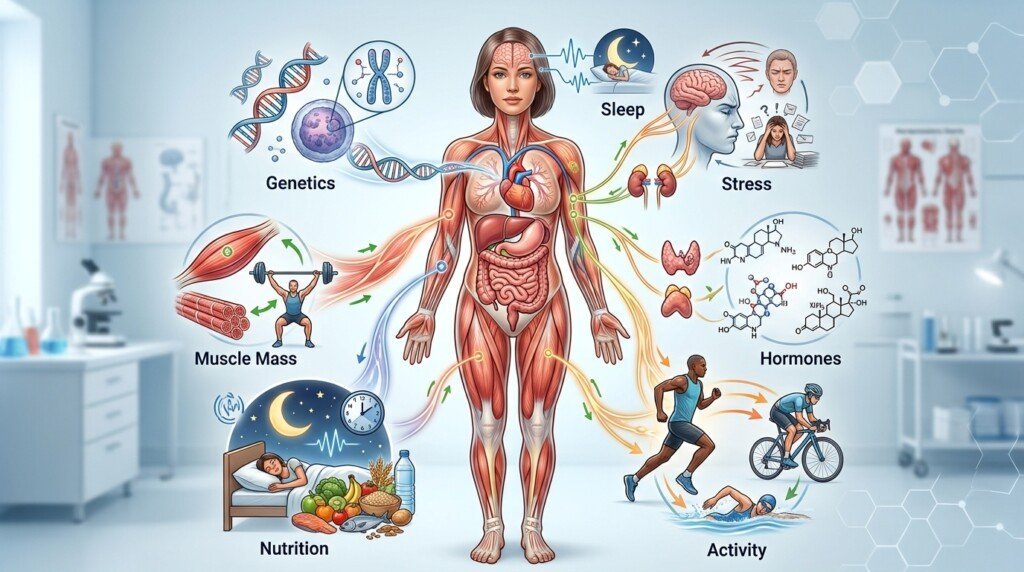
Fat Burning Depends on Energy Use
Your body constantly decides how to meet its energy needs.
It can obtain fuel from:
- Stored carbohydrates
- Stored body fat
- Recently eaten food
- Small amounts of protein
The balance between these fuel sources changes throughout the day based on physical activity, nutrition, hormones, and energy demands.
People who consistently maintain healthy habits often improve their ability to oxidize fat over time.
Many Small Factors Add Up
Rather than searching for one explanation, researchers examine many influences, including:
- Genetics
- Muscle mass
- Physical activity
- Sleep
- Stress
- Nutrition
- Hormones
- Daily movement
Even modest improvements across several of these areas can significantly influence long-term body composition.
Does Genetics Influence Fat Burning?
Genetics certainly affect how every person’s body functions.
However, genes do not determine your future.
Instead, they create a starting point that interacts continuously with lifestyle choices.
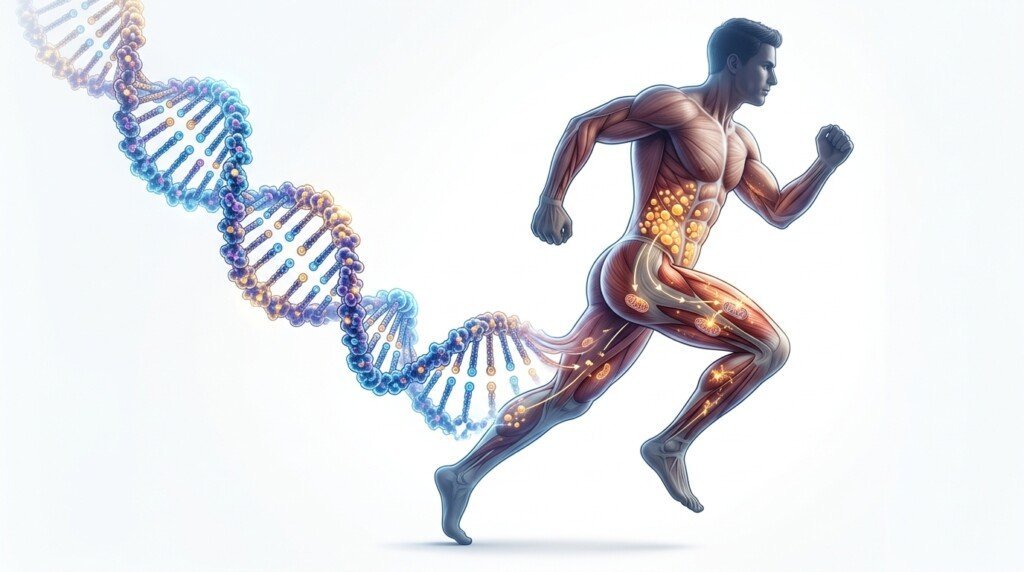
Genetics Influence Metabolism and Body Composition
Researchers have identified numerous genes associated with:
- Appetite regulation
- Energy expenditure
- Fat storage
- Fat oxidation
- Exercise response
These inherited differences partly explain why some people appear to lose fat more easily than others.
However, genetic influences usually account for only part of the overall picture.
Genes Are Not Destiny
Perhaps the most encouraging finding from modern research is that healthy behaviors often reduce the impact of unfavorable genetic tendencies.
Regular physical activity, balanced nutrition, sufficient sleep, and consistent exercise help many people achieve significant improvements regardless of inherited characteristics.
Readers interested in how inherited traits influence energy use may also find Genetics and Metabolism helpful.
Metabolic Flexibility Can Improve
Metabolic flexibility describes the body’s ability to switch efficiently between carbohydrate and fat as fuel.
Although genetics influence this ability, regular exercise and healthy nutrition can improve metabolic flexibility over time.
This demonstrates that lifestyle continues shaping physiology long after birth.
Does Muscle Mass Affect Fat Loss?
One of the biggest differences between people who burn fat efficiently and those who struggle with fat loss is lean muscle mass.
Muscle does much more than generate movement.
It also contributes to how the body manages energy throughout the day.
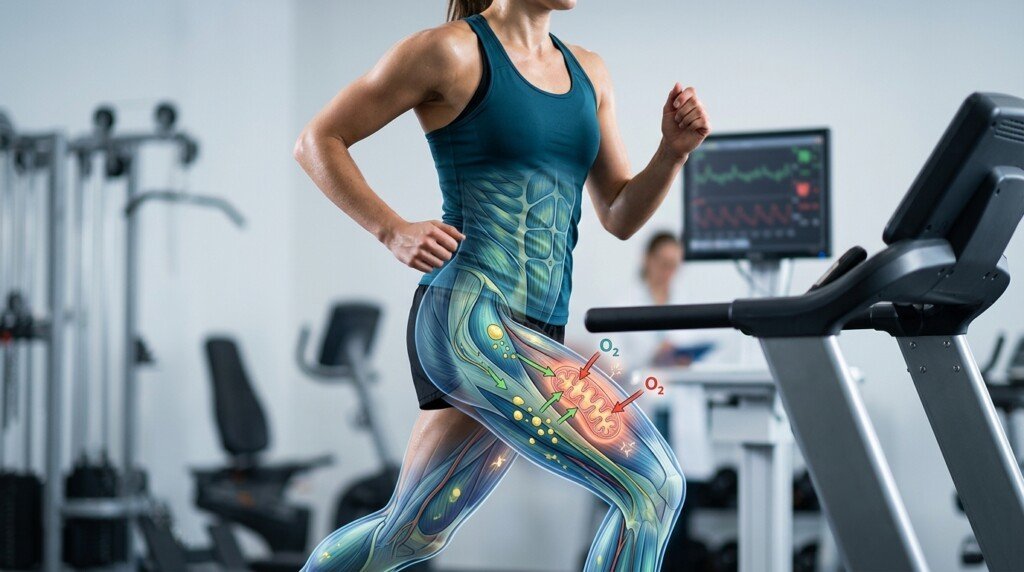
Muscle Requires Energy
Lean muscle tissue remains metabolically active.
Maintaining muscle requires energy even when you are resting.
Although muscle does not dramatically increase calorie expenditure on its own, greater lean mass contributes to higher overall daily energy use.
Small differences become meaningful when accumulated over months and years.
Muscle Improves Fat Oxidation
Regular exercise that preserves or builds muscle also improves several physiological processes associated with fat burning.
These include:
- Better insulin sensitivity
- Improved metabolic flexibility
- Greater exercise capacity
- Increased fat oxidation
- Enhanced recovery
These adaptations help explain why physically active individuals often manage body fat more effectively over time.
Readers exploring the relationship between lean tissue and energy expenditure may also benefit from Muscle and Metabolism.
Preserving Muscle During Weight Loss Matters
Successful fat loss is not simply about reducing body weight.
Ideally, the goal is to lose stored body fat while maintaining lean muscle.
This supports healthier body composition while helping maintain overall energy expenditure.
How Do Hormones Affect Fat Burning?
Hormones influence almost every aspect of metabolism, including appetite, energy use, recovery, and fat storage.
Rather than acting independently, hormones communicate continuously with multiple organs to help regulate energy balance.
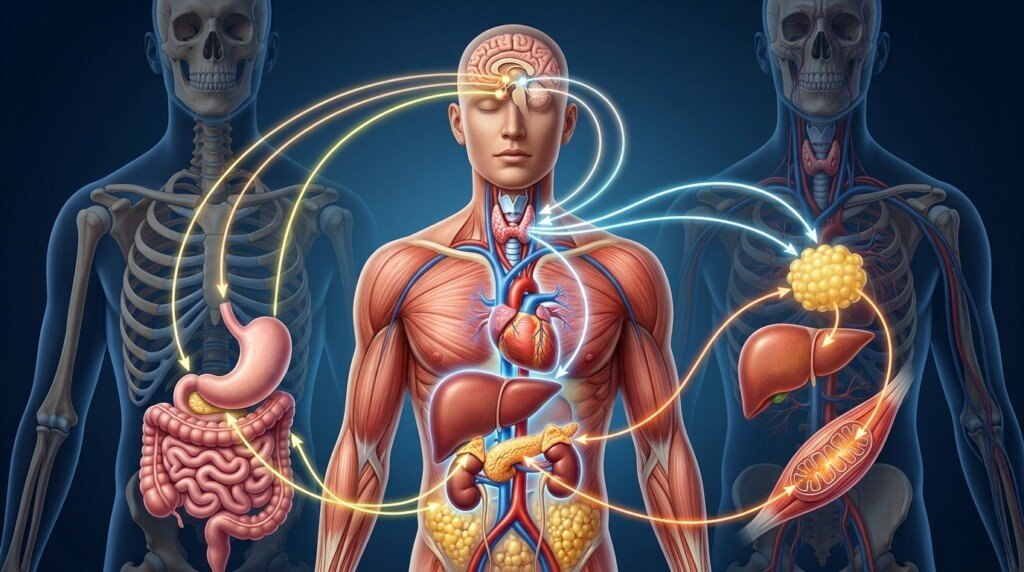
Insulin Helps Regulate Energy Storage
Insulin allows nutrients from food to enter cells where they can be used or stored.
Healthy insulin sensitivity enables the body to manage blood glucose efficiently.
Poor insulin sensitivity may make body composition management more challenging over time.
Stress Hormones Influence Daily Habits
Stress affects fat burning in several indirect ways.
Chronic stress may contribute to:
- Increased appetite
- Poor sleep
- Reduced exercise motivation
- Higher calorie intake
- Less physical activity
These behavioral changes often influence fat loss more than the temporary hormonal changes themselves.
Readers looking to better understand this connection may find Stress and Weight Loss useful.
Hormones Respond to Lifestyle
Sleep, nutrition, physical activity, and stress management all influence normal hormone regulation.
Rather than trying to “fix” hormones individually, improving healthy habits often supports healthier hormonal function naturally.
Can Lifestyle Outweigh Genetics?
People often assume that genetics determine whether they will struggle with body fat forever. While inherited traits influence how the body stores and uses energy, research consistently shows that daily habits have a much greater impact on long-term fat loss than most people realize.
Genes may influence where you begin, but lifestyle largely determines where you end up.

Healthy Habits Can Improve Fat Oxidation
The human body is remarkably adaptable.
Regular physical activity, balanced nutrition, quality sleep, and consistent movement gradually improve the body’s ability to use fat as a fuel source.
These adaptations develop because the body continuously responds to the demands placed upon it.
Even people with a genetic tendency to gain weight can improve fat-burning efficiency through long-term lifestyle changes.
Daily Activity Matters More Than Formal Exercise Alone
Many people focus only on scheduled workouts while overlooking the energy they expend during the rest of the day.
Researchers refer to this as Non-Exercise Activity Thermogenesis (NEAT).
NEAT includes activities such as:
- Walking around the house
- Standing instead of sitting
- Household chores
- Gardening
- Taking the stairs
- General daily movement
These small activities can contribute significantly to total daily calorie expenditure.
People who naturally move more throughout the day often burn considerably more calories without realizing it.
Consistency Always Beats Perfection
Short periods of extreme dieting or intense exercise rarely outperform moderate habits maintained for years.
The body responds best to consistent behaviors that become part of everyday life.
Readers looking to build long-term healthy routines may also find Weight Loss Habits and Sustainable Weight Loss valuable for developing lasting lifestyle changes.
Can You Train Your Body to Burn Fat More Efficiently?
One of the most encouraging findings in exercise physiology is that fat-burning efficiency can improve.
Your body is not fixed.
It adapts continuously to how you eat, move, recover, and live.
Regular Exercise Improves Metabolic Flexibility
Metabolic flexibility refers to the body’s ability to switch efficiently between carbohydrates and fat depending on energy demands.
People with better metabolic flexibility generally use fuel more efficiently during both rest and exercise.
Regular physical activity supports this adaptation by improving:
- Mitochondrial function
- Oxygen delivery
- Fat oxidation capacity
- Muscle efficiency
- Endurance
These changes occur gradually through consistent training rather than after a few workouts.
Muscle Supports Better Energy Use
Maintaining lean muscle helps the body use energy more effectively throughout the day.
Muscle also increases exercise capacity, allowing people to perform higher-quality workouts that contribute to greater overall calorie expenditure.
Over time, these improvements support healthier body composition.
Nutrition Supports Adaptation
The foods you eat influence how effectively your body recovers and adapts to exercise.
Balanced meals that include:
- Protein
- Whole-food carbohydrates
- Healthy fats
- Fiber-rich vegetables
provide the nutrients needed to support muscle maintenance, recovery, and long-term health.
Rather than chasing individual “fat-burning” foods, focusing on overall dietary quality consistently produces better outcomes.
Which Factors Have the Biggest Impact?
Although many variables influence fat oxidation, research repeatedly identifies several lifestyle factors that have the greatest practical effect over time.
1. Daily Physical Activity
Moving consistently throughout the day increases total energy expenditure and supports long-term fat loss.
Both structured exercise and everyday movement contribute.
2. Lean Muscle Mass
Maintaining muscle supports healthy metabolism, improves exercise performance, and helps preserve energy expenditure during weight loss.
3. Nutrition Quality
A balanced dietary pattern built around whole foods, adequate protein, and realistic eating habits provides the foundation for successful body composition changes.
4. Sleep
Poor sleep can affect hunger regulation, recovery, physical performance, and daily activity levels.
Improving sleep quality often supports healthier lifestyle choices throughout the day.
5. Stress Management
Long-term stress frequently affects eating behavior, motivation, recovery, and sleep.
Managing stress supports consistency, which remains one of the strongest predictors of lasting fat loss.
6. Consistency
Perhaps the most influential factor is maintaining healthy habits long enough for meaningful adaptations to occur.
Small improvements repeated every day almost always outperform dramatic changes that last only a few weeks.
Future discussions about Male vs Female Metabolism, Thyroid and Metabolism, and Fat Burning will explore how specific biological differences influence these broader principles without changing the importance of sustainable lifestyle habits.
Key Takeaways
| Factor | Influence on Fat Burning |
|---|---|
| Genetics | Influences baseline fat oxidation and metabolism but does not determine long-term outcomes. |
| Muscle mass | Supports energy expenditure and exercise capacity. |
| Hormones | Affect appetite, recovery, and energy regulation. |
| NEAT | Daily movement significantly increases calorie expenditure. |
| Nutrition | Supports muscle maintenance and healthy energy balance. |
| Sleep | Improves recovery, appetite regulation, and daily performance. |
| Stress management | Helps maintain healthy behaviors consistently. |
| Lifestyle habits | Have the greatest long-term impact on body composition. |

Frequently Asked Questions
1. Why Do Some People Burn Fat Faster?
Why Do Some People Burn Fat Faster depends on genetics, muscle mass, hormones, daily activity, nutrition, sleep, stress, and overall lifestyle. These factors work together to influence fat oxidation and body composition.
2. Is fat burning genetic?
Genetics influence how efficiently your body stores and uses energy, but they are only one factor. Healthy lifestyle habits can significantly improve fat-burning efficiency over time.
3. Does muscle help burn more fat?
Yes. Maintaining lean muscle supports energy expenditure, exercise performance, and healthier body composition, making long-term fat loss easier to sustain.
4. Does age affect fat burning?
Age can influence muscle mass, activity levels, and metabolism, but regular exercise and healthy nutrition remain effective for supporting fat loss throughout adulthood.
5. Why do athletes often burn fat more efficiently?
Regular training improves metabolic flexibility, cardiovascular fitness, muscle function, and the body’s ability to oxidize fat during physical activity.
6. Can lifestyle overcome genetics?
In many cases, yes. Although genetics influence your starting point, consistent healthy habits often have a greater effect on long-term body composition than inherited traits alone.
7. Does sleep affect fat burning?
Yes. Good sleep supports recovery, appetite regulation, exercise performance, and healthier daily habits that contribute to long-term fat loss.
8. How does stress influence fat loss?
Chronic stress may increase appetite, reduce motivation, disrupt sleep, and make healthy eating more difficult, indirectly slowing fat-loss progress.
9. Can you train your body to burn fat more efficiently?
Yes. Regular exercise, balanced nutrition, maintaining muscle mass, and consistent healthy habits improve the body’s ability to use fat for energy over time.
10. What matters most for long-term fat loss?
Consistent physical activity, nutritious eating, adequate sleep, stress management, and sustainable lifestyle habits have the greatest impact on long-term fat burning and body composition.
Conclusion
Understanding Why Do Some People Burn Fat Faster reveals that there is no single explanation for differences in fat loss. Genetics, muscle mass, hormone regulation, daily movement, nutrition, sleep, stress, and overall lifestyle all influence how efficiently the body uses stored fat for energy. While some people naturally begin with certain advantages, these inherited traits represent only one part of the equation.
The encouraging news is that many of the strongest influences on fat burning are within your control. Building lean muscle, staying physically active throughout the day, eating a balanced diet, managing stress, and prioritizing quality sleep all help improve fat oxidation and support healthier body composition over time. Rather than comparing yourself with others, focus on consistent habits that allow your body to become more efficient, healthier, and better equipped for sustainable fat loss.
Disclaimer:
This post may contain affiliate links. If you purchase through them, we may earn a small commission at no extra cost to you. Also, this content is for informational purposes only and does not substitute professional medical advice.
Ready to Start Your Journey?
Use our free 7-in-1 Weight Loss Toolkit to calculate your numbers and build your plan in minutes.
Open Free Tools →