What Is Metabolism? A Complete Guide to How Your Body Burns Energy
Most people have heard someone blame a “slow metabolism” for stubborn weight gain or credit a “fast metabolism” for staying naturally lean. While metabolism is often treated like a mysterious force that determines your body size, the reality is much more interesting and far more complex.
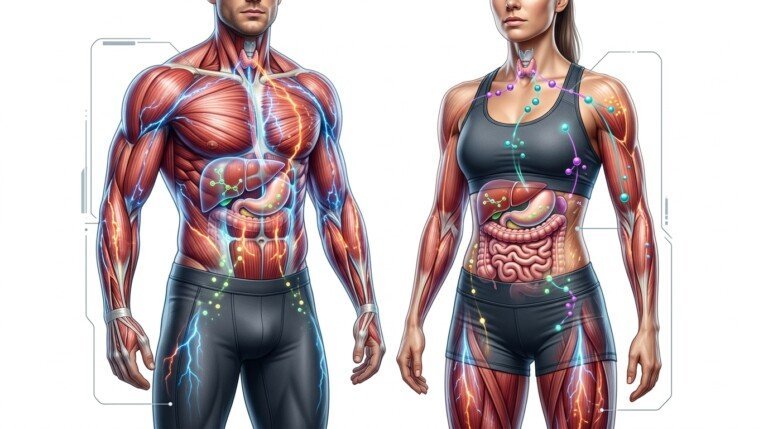
Your metabolism is not a single organ, hormone, or process. It is the sum of countless chemical reactions happening inside your body every second. These reactions keep your heart beating, lungs breathing, muscles moving, brain functioning, and cells repairing themselves. Even while you are asleep, your metabolism never stops working.
Understanding metabolism is important because it influences how your body uses calories, produces energy, maintains muscle, and supports overall health. It also plays a role in long-term weight management, although not always in the ways many people believe.
This guide explains what metabolism really is, how it works, why it matters for weight loss, and which factors influence it. Rather than diving deeply into individual topics, this pillar article provides a complete overview and introduces the key concepts explored throughout the metabolism cluster.
What Is Metabolism?
Metabolism is the collection of chemical processes that convert the food and drinks you consume into usable energy. Every cell in your body depends on these reactions to perform its daily functions.
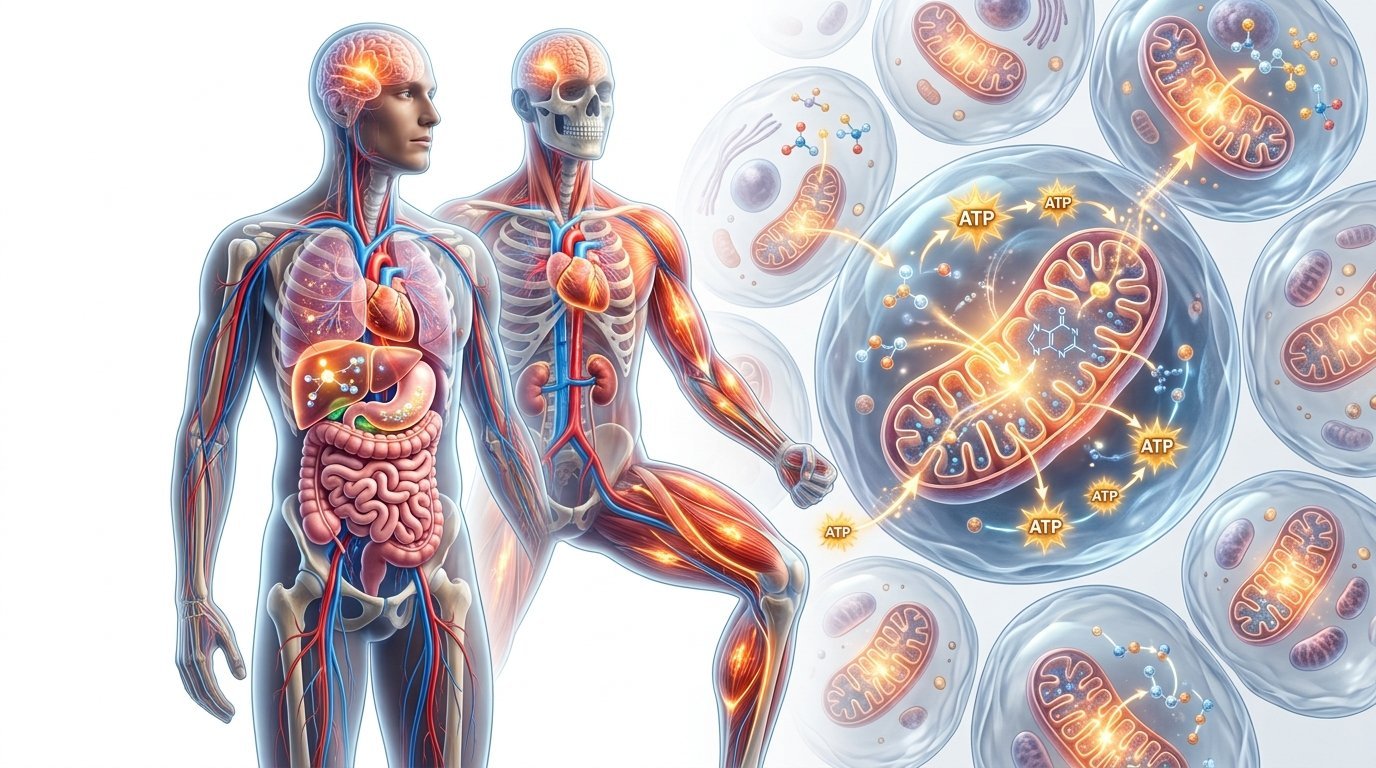
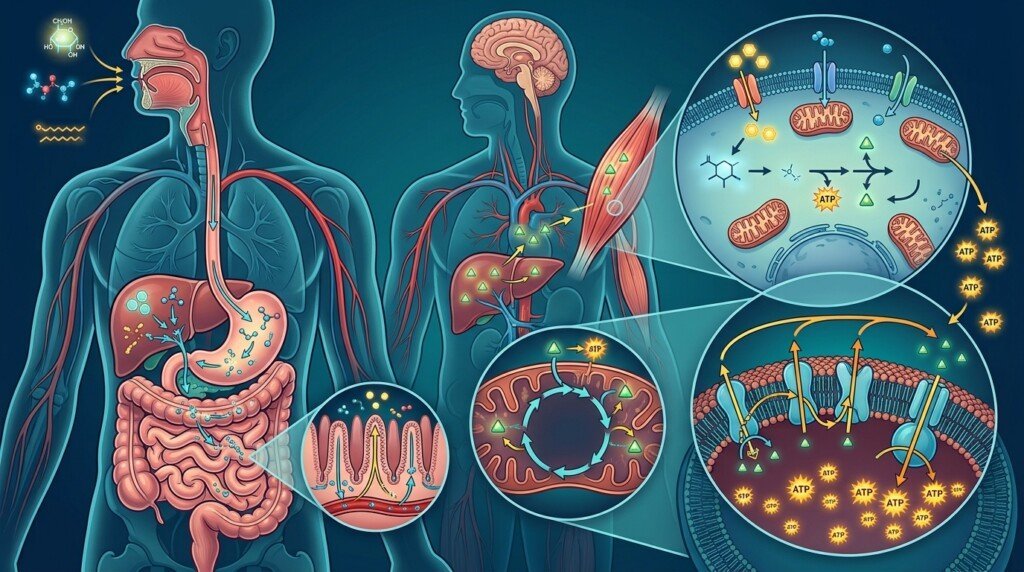
When you eat a meal, your digestive system breaks carbohydrates, proteins, and fats into smaller molecules. These nutrients enter your bloodstream and are transported to cells throughout your body. Inside those cells, tiny structures called mitochondria help convert these nutrients into adenosine triphosphate, commonly known as ATP. ATP is often described as the body’s energy currency because it powers nearly every biological activity.
Without metabolism, your body could not:
- Breathe
- Pump blood
- Digest food
- Maintain body temperature
- Repair damaged tissues
- Produce hormones
- Build muscle
- Support brain function
- Fight infections
In simple terms, metabolism keeps you alive every minute of every day.
It is also important to understand that metabolism is not only about burning calories. While calorie burning is one part of metabolism, the process also includes building new tissues, storing nutrients, producing hormones, and maintaining normal body functions.
What are anabolism and catabolism?
Metabolism consists of two major processes that constantly work together.
Anabolism builds the body
Anabolism refers to chemical reactions that build new molecules and tissues.
Examples include:
- Building muscle after resistance training
- Repairing damaged skin
- Producing hormones
- Storing glycogen in muscles
- Building new bone tissue
These reactions require energy.
Catabolism releases energy
Catabolism breaks larger molecules into smaller ones to release energy.
Examples include:
- Breaking down carbohydrates into glucose
- Breaking down fat into fatty acids
- Breaking down protein into amino acids
- Using stored body fat during a calorie deficit
Catabolic reactions produce the energy your body needs to function.
Healthy metabolism depends on a balance between these two systems.
How Does Metabolism Work?
Metabolism works by constantly converting nutrients into energy that your body can use immediately or store for later.
Although this sounds simple, it involves thousands of biochemical reactions that occur simultaneously throughout the body.
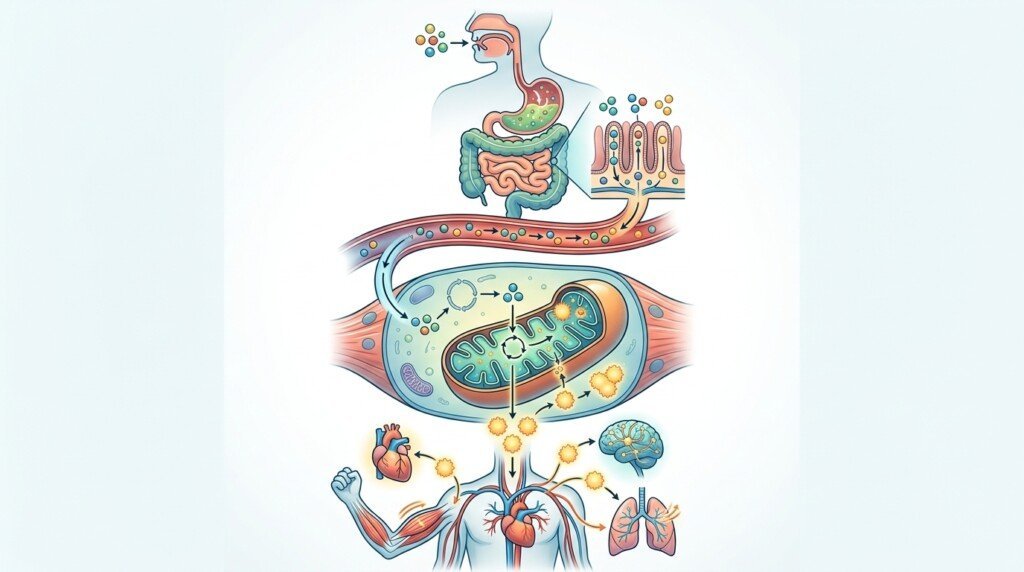
Here is a simplified version of the process.
Step 1: Food is broken down
Digestion begins in the mouth and continues through the stomach and intestines.
Carbohydrates become glucose.
Proteins become amino acids.
Fats become fatty acids and glycerol.
These nutrients enter the bloodstream.
Step 2: Nutrients reach your cells
Your bloodstream delivers nutrients to organs, muscles, and other tissues.
Hormones such as insulin help move glucose into cells where it can be used for energy or stored for later.
Step 3: Cells produce energy
Inside each cell, mitochondria convert nutrients into ATP.
ATP fuels every movement and biological function.
Whether you are typing, walking, thinking, or sleeping, your body is constantly using ATP.
Step 4: Excess energy is stored
If you consume more calories than your body needs, the remaining energy may be stored as:
- Glycogen in the liver
- Glycogen in muscles
- Body fat for future use
When your energy intake becomes lower than your energy needs, your body can draw from these stored energy reserves.
The process of using stored body fat is explained in greater detail in How Fat Burning Works and Body Fat.
Why does metabolism never stop?
Many people assume metabolism only becomes active during exercise.
In reality, metabolism works continuously.
Even while watching television, reading a book, or sleeping, your body is:
- Producing hormones
- Repairing cells
- Maintaining body temperature
- Supporting immune function
- Pumping blood
- Processing nutrients
- Replacing old cells
Exercise increases energy demands, but your metabolism remains active 24 hours a day.
What Is the Difference Between Metabolism and Metabolic Rate?
These two terms are often used interchangeably, but they describe different concepts.
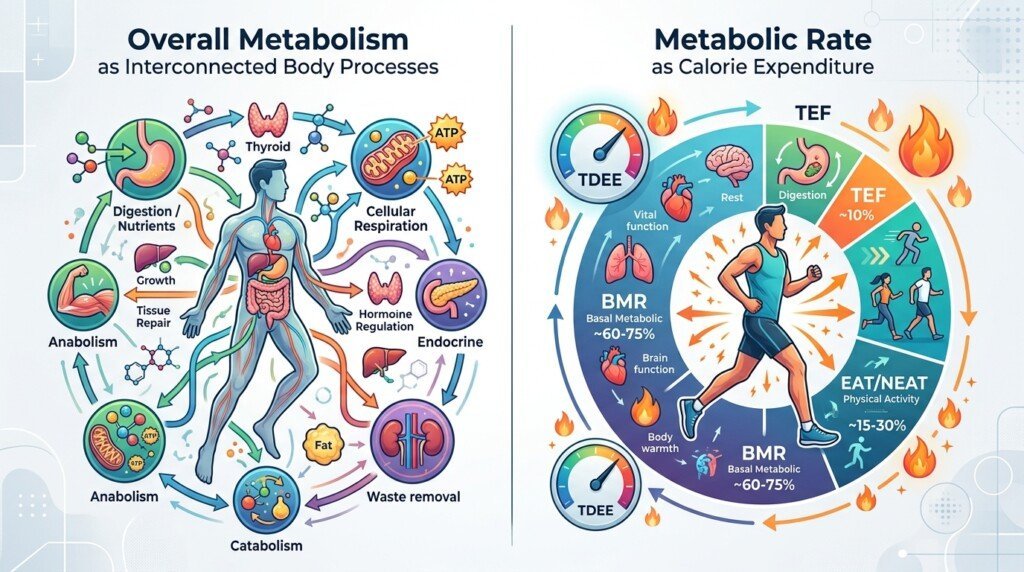
Metabolism
Metabolism refers to every chemical reaction occurring inside your body.
It includes:
- Energy production
- Tissue growth
- Cell repair
- Hormone production
- Nutrient storage
- Waste removal
Think of metabolism as your body’s entire operating system.
Metabolic rate
Metabolic rate describes how much energy your body uses over a certain period.
It answers questions such as:
- How many calories do you burn each day?
- How much energy do you use while resting?
- How does physical activity increase calorie burning?
Your metabolic rate changes throughout the day depending on activity, food intake, and many other factors.
A dedicated comparison of these concepts is covered in the planned article Metabolism vs Metabolic Rate, while resting calorie expenditure is explored in Resting Metabolic Rate (RMR). These topics are introduced here to provide context without overlapping the detailed discussions planned for those articles.
Why do people confuse these terms?
The confusion comes from everyday language.
Someone who burns calories quickly is often said to have a “fast metabolism.”
More accurately, they may have a higher metabolic rate due to factors such as greater muscle mass, higher activity levels, or genetics.
Understanding this distinction helps explain why metabolism involves much more than simply burning calories.
What Factors Affect Your Metabolism?
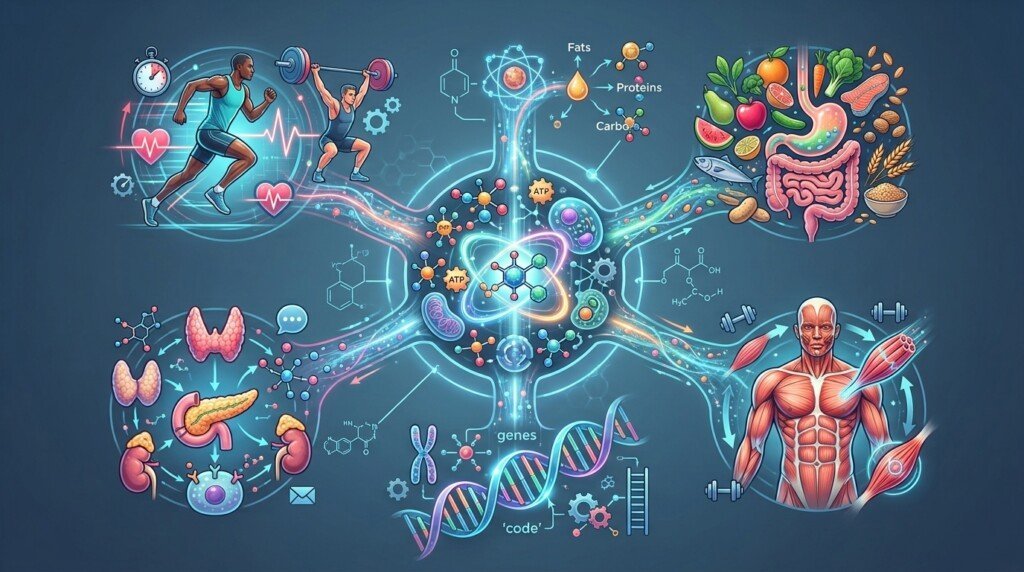
No single factor determines how your metabolism works.
Instead, many biological and lifestyle influences interact to affect your body’s energy needs.
Body size
Larger bodies generally require more energy because they contain more tissue that must be maintained.
This does not necessarily mean someone has a healthier metabolism, only that their total energy requirements are higher.
Muscle mass
Muscle tissue requires energy to maintain, even while resting.
Although muscle does not burn as many calories as some internet claims suggest, people with more lean muscle often have slightly higher daily energy expenditure.
The relationship between lean mass and calorie burning is explored in Muscle and Metabolism.
Physical activity
Exercise temporarily increases energy expenditure.
Daily movement outside formal exercise also contributes significantly to total calorie burn.
Activities such as standing, walking around the house, climbing stairs, and gardening all require energy.
Hormones
Hormones help regulate many metabolic processes.
For example:
- Insulin influences how nutrients are stored and used.
- Thyroid hormones help regulate metabolic activity.
- Cortisol affects energy availability during stress.
Hormonal regulation is complex and deserves separate discussion, so this article introduces the topic without exploring individual conditions.
Genetics
People naturally differ in how efficiently their bodies use energy.
Genetics can influence appetite, muscle development, fat distribution, and metabolic characteristics.
However, lifestyle still plays a major role in long-term health outcomes.
Nutrition
Your body requires sufficient nutrients to support normal metabolic function.
The quality and quantity of food you eat influence energy availability, muscle maintenance, and many metabolic processes.
Detailed discussions about foods, drinks, meal timing, and dietary strategies are covered in dedicated articles throughout this metabolism cluster rather than in this overview.
Does Metabolism Affect Weight Loss?
Metabolism is often described as the deciding factor in whether someone loses or gains weight. While metabolism certainly plays an important role, it is only one piece of a much larger picture.
Weight loss occurs when your body consistently uses more energy than it receives from food and drinks over time. Metabolism influences how much energy your body needs each day, but it does not work independently from nutrition, physical activity, sleep, stress, hormones, or lifestyle habits.
Understanding this relationship helps explain why two people following the same eating plan may experience different results.
Metabolism Determines Energy Needs
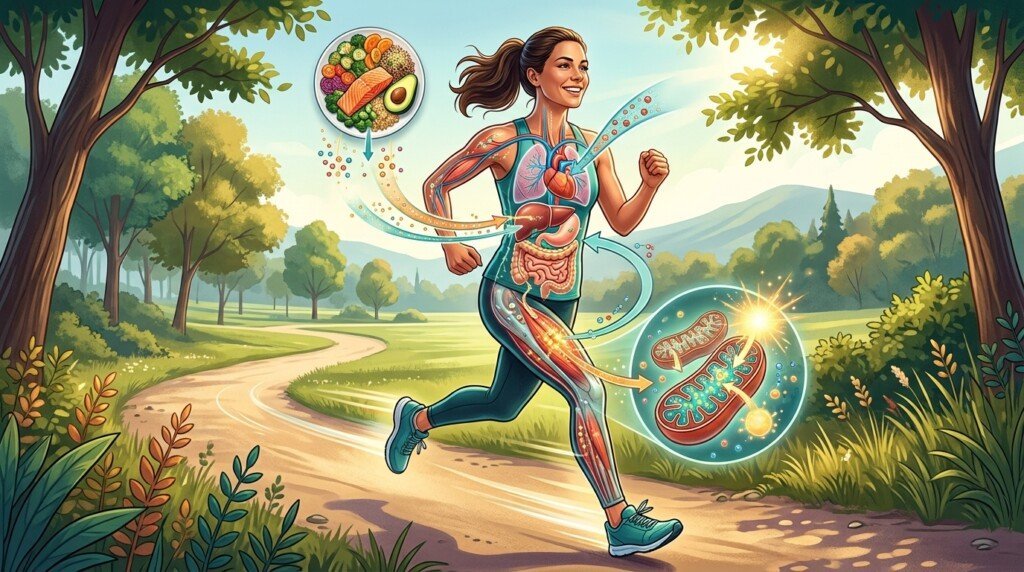
Every person burns calories throughout the day simply to stay alive.
Your metabolism provides energy for essential functions such as:
- Breathing
- Circulating blood
- Brain activity
- Cell repair
- Hormone production
- Maintaining body temperature
These processes continue regardless of whether you are exercising or resting.
Weight Loss Is About Energy Balance
Metabolism influences calorie expenditure, but long-term weight management depends on overall energy balance.
If energy intake consistently exceeds energy expenditure, excess calories are stored for future use.
If energy expenditure consistently exceeds energy intake, your body gradually begins using stored energy reserves.
This relationship is discussed further throughout Weight Loss Guide and Sustainable Weight Loss.
A Fast Metabolism Is Not a Magic Advantage
People often assume someone with a fast metabolism can eat unlimited amounts of food without gaining weight.
In reality, even individuals with relatively higher metabolic rates can gain weight if they consistently consume more calories than their bodies require.
Likewise, someone with a slightly lower metabolic rate can successfully lose weight by maintaining healthy long-term habits.
Lifestyle Still Matters Most
Although metabolism influences daily calorie needs, healthy lifestyle choices remain the foundation of weight management.
These include:
- Regular physical activity
- Balanced nutrition
- Strength training
- Stress management
- Consistent healthy habits
These behaviors influence long-term success far more than searching for a single way to “fix” metabolism.
Metabolism Adapts Over Time
Your metabolism is dynamic rather than fixed.
It responds to changes in activity, nutrition, body composition, and overall health.
One important concept is metabolic adaptation, where the body adjusts its energy expenditure in response to long-term changes in energy intake or body weight.
Because this is an advanced topic, it deserves its own discussion rather than being explored in detail here.
What Are the Signs of a Healthy Metabolism?
Many people ask whether they can tell if their metabolism is healthy.
There is no single symptom or daily feeling that confirms metabolic health. Instead, healthy metabolism is reflected through the body’s ability to efficiently produce and use energy while supporting normal physiological functions.

Consistent Daily Energy
Most people with healthy metabolic function experience relatively stable energy throughout the day.
Occasional tiredness is normal, but persistent exhaustion may suggest that other factors deserve attention.
Stable Physical Performance
Healthy metabolism helps provide energy for:
- Walking
- Climbing stairs
- Exercise
- Daily work
- Household activities
Good energy availability supports normal physical performance.
Healthy Recovery
Recovery is another important sign.
After physical activity, your body continually repairs tissues and restores energy stores.
Efficient recovery reflects many interconnected metabolic processes.
Healthy Body Functions
Normal metabolism supports:
- Body temperature regulation
- Hormone production
- Immune function
- Digestion
- Cell repair
These systems work together rather than independently.
Overall Health Matters More Than One Sign
Healthy metabolism cannot be judged by one symptom alone.
Instead, healthcare professionals consider the broader picture, including body composition, activity levels, nutrition, medical history, and overall well-being.
The complete list of indicators is discussed in greater depth in Signs of a Healthy Metabolism, which expands on this overview.
What Are the Signs of a Slow Metabolism?
The phrase “slow metabolism” is frequently used online, but it is often misunderstood.
Many common symptoms attributed to a slow metabolism may actually have other explanations.

No Single Symptom Confirms It
Feeling tired after work or struggling to lose weight does not automatically mean your metabolism is slow.
Numerous factors influence these experiences.
Several Factors Can Affect Energy Balance
Examples include:
- Physical activity
- Eating habits
- Stress
- Medical conditions
- Hormonal changes
- Body composition
Because these factors often overlap, identifying the underlying cause requires a broader perspective.
Avoid Self-Diagnosis
Internet checklists frequently oversimplify metabolism.
Rather than assuming your metabolism is slow based on one or two symptoms, consider discussing persistent concerns with a qualified healthcare professional.
This Topic Deserves Its Own Discussion
Because the causes, symptoms, and misconceptions surrounding slow metabolism are extensive, they are explored separately in Signs of a Slow Metabolism and What Causes Slow Metabolism.
This article simply introduces the concept without repeating future content.
Can You Increase Your Metabolism Naturally?
One of the most searched health questions is whether metabolism can be increased naturally.
The answer is yes, but expectations should remain realistic.
There is no scientifically proven way to permanently transform your metabolism overnight.
Instead, healthy daily habits help support normal metabolic function over time.

Build and Maintain Muscle
Muscle tissue contributes to overall daily energy expenditure.
Regular resistance training helps preserve lean body mass during weight management.
This topic is discussed further in Morning Exercise for Weight Loss.
Stay Physically Active
Movement throughout the day contributes to total calorie expenditure.
Daily activity includes much more than structured workouts.
Walking, household chores, gardening, and standing all require energy.
Support Overall Metabolic Health
Healthy metabolism depends on many systems working together.
Balanced nutrition, regular movement, stress management, and overall health all contribute to normal metabolic function.
Articles such as Gut Health and Weight Loss, Weight Loss Habits, and Intermittent Fasting Weight Loss Guide explore several of these factors in greater detail.
Avoid Quick Fixes
Many products promise dramatic metabolic increases.
Current scientific evidence does not support claims of permanent metabolism boosting through one food, drink, supplement, or shortcut.
Long-term consistency produces far more meaningful results.
Future Articles Explore This Further
Topics including:
- Can You Speed Up Your Metabolism Naturally
- Drinks That Boost Metabolism
- Morning Metabolism
- Foods That Slow Metabolism
will examine individual strategies in much greater depth while remaining evidence based.
When Should You Worry About Your Metabolism?
Most day-to-day changes in energy or body weight are not caused by sudden changes in metabolism.
However, persistent symptoms should never be ignored.
Weight Changes Without Explanation
If body weight changes substantially despite no obvious changes in eating habits or activity levels, professional evaluation may be appropriate.
Persistent Fatigue
Ongoing fatigue that continues despite healthy lifestyle habits deserves medical attention.
Fatigue has many possible causes, and metabolism is only one possibility.
Changes in Overall Health
If concerns about metabolism occur alongside other unexplained symptoms affecting daily life, consult a healthcare professional rather than relying on internet advice.
Professional Evaluation Is Important
Healthcare professionals evaluate metabolism within the context of your complete health history.
They consider many possible explanations instead of focusing on one symptom.
Future articles discussing Metabolism Test and metabolic assessment explain how metabolism is evaluated in greater detail.

Frequently Asked Questions
1. What is metabolism?
Metabolism is the collection of chemical reactions that convert food into energy while supporting growth, repair, hormone production, and every essential function needed to keep your body alive.
2. Does metabolism only affect weight loss?
No. Metabolism supports breathing, circulation, body temperature, hormone production, immune function, tissue repair, and many other vital processes in addition to influencing energy balance.
3. What is the difference between metabolism and metabolic rate?
Metabolism includes every chemical reaction occurring in the body, while metabolic rate refers to the amount of energy your body uses over a specific period.
4. Can you naturally increase metabolism?
Healthy habits such as regular physical activity, maintaining muscle mass, balanced nutrition, and overall metabolic health may support normal metabolic function, although no method permanently transforms metabolism overnight.
5. Does everyone have a different metabolism?
Yes. Genetics, body size, muscle mass, hormones, physical activity, and overall health all contribute to individual differences in metabolism.
6. Is a slow metabolism the main reason people gain weight?
Usually not. Weight management depends on many interacting factors, including energy intake, physical activity, body composition, hormones, lifestyle, and metabolism.
7. Does metabolism slow with age?
Changes in metabolism can occur across the lifespan, but this topic is discussed separately because several factors contribute beyond age alone.
8. Can exercise improve metabolism?
Regular physical activity supports overall metabolic health and helps maintain lean muscle mass, which contributes to daily energy expenditure.
9. When should I see a doctor about my metabolism?
Consider speaking with a healthcare professional if you experience persistent unexplained weight changes, ongoing fatigue, or other symptoms that affect your daily life.
10. Can one food or drink boost metabolism?
No single food or drink permanently boosts metabolism. Healthy long-term habits remain the most effective way to support normal metabolic function.
Final Thoughts
Metabolism is far more than the number of calories you burn each day. It is a complex network of chemical reactions that powers every cell in your body, supports growth and repair, regulates hormone production, maintains body temperature, and provides the energy needed for life itself. Understanding how metabolism works helps replace common myths with evidence-based knowledge and creates a stronger foundation for making informed health decisions.
While metabolism influences your daily energy needs, it is only one part of successful weight management. Consistent healthy habits, balanced nutrition, regular physical activity, and long-term lifestyle choices have a much greater impact than trying to find a quick way to “boost” your metabolism. Throughout this metabolism cluster, you’ll explore each of these topics in greater depth, including What Causes Slow Metabolism, Signs of a Healthy Metabolism, Can You Speed Up Your Metabolism Naturally, Metabolic Adaptation, and Resting Metabolic Rate. Together, these articles build a complete understanding of metabolic health while helping you develop realistic expectations for sustainable weight management.
Disclaimer:
This post may contain affiliate links. If you purchase through them, we may earn a small commission at no extra cost to you. Also, this content is for informational purposes only and does not substitute professional medical advice.
Ready to Start Your Journey?
Use our free 7-in-1 Weight Loss Toolkit to calculate your numbers and build your plan in minutes.
Open Free Tools →