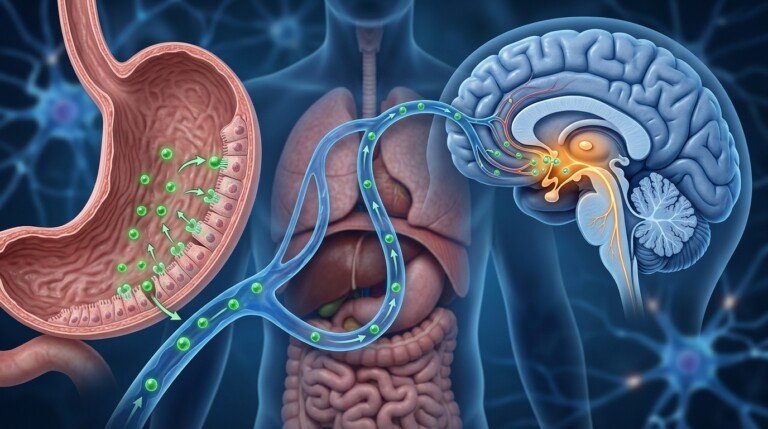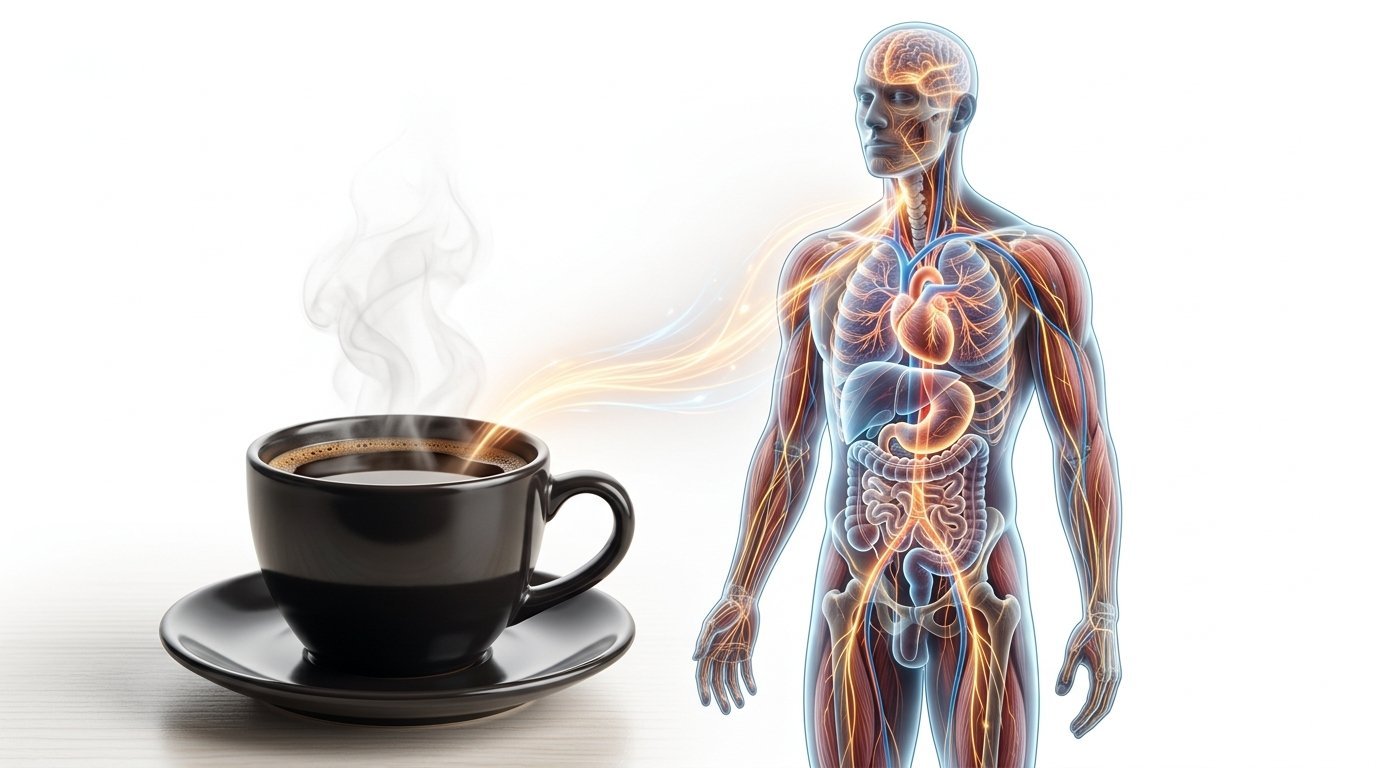
Does Coffee Boost Metabolism? What the Research Really Says
For many people, the day doesn’t truly begin until the first cup of coffee. Beyond its rich aroma and ability to improve alertness, coffee has earned a reputation as a metabolism booster and fat-burning drink. Countless articles, social media posts, and fitness influencers claim that coffee can dramatically increase calorie burning and accelerate weight loss.
The truth is more balanced.
The relationship between Coffee and Metabolism is supported by scientific research, but the effects are often smaller than marketing claims suggest. Coffee contains caffeine, a natural stimulant that can temporarily increase energy expenditure, stimulate thermogenesis, and enhance fat oxidation in some people. However, these effects vary depending on factors such as genetics, caffeine tolerance, body size, and regular coffee consumption.
Understanding what coffee can and cannot do helps set realistic expectations. A morning cup may provide a modest metabolic boost, but it is not a substitute for consistent healthy habits.
In this article, we’ll examine how caffeine affects metabolism, whether black coffee really burns more fat, how long the effects last, and why tolerance changes the picture over time.
Quick Answer
Coffee and Metabolism are connected because caffeine stimulates the central nervous system and temporarily increases calorie burning through thermogenesis. Research suggests this effect is generally modest and becomes smaller in regular coffee drinkers due to caffeine tolerance. Coffee may support a healthy lifestyle, but it should not be viewed as a standalone weight-loss solution.
Does Coffee and Metabolism Really Have a Scientific Connection?
Coffee has been studied for decades, and researchers consistently find that caffeine influences the body’s energy systems.
What often gets misunderstood is the size of that effect.
Claim vs Evidence
Claim: Coffee dramatically speeds up your metabolism.
Evidence: Coffee can temporarily increase energy expenditure, but the increase is modest rather than dramatic.
For most healthy adults, caffeine stimulates the nervous system and encourages the body to use slightly more energy for a limited period.
This does not transform metabolism into a permanently faster system.
Instead, it creates a temporary increase in calorie expenditure that gradually fades.
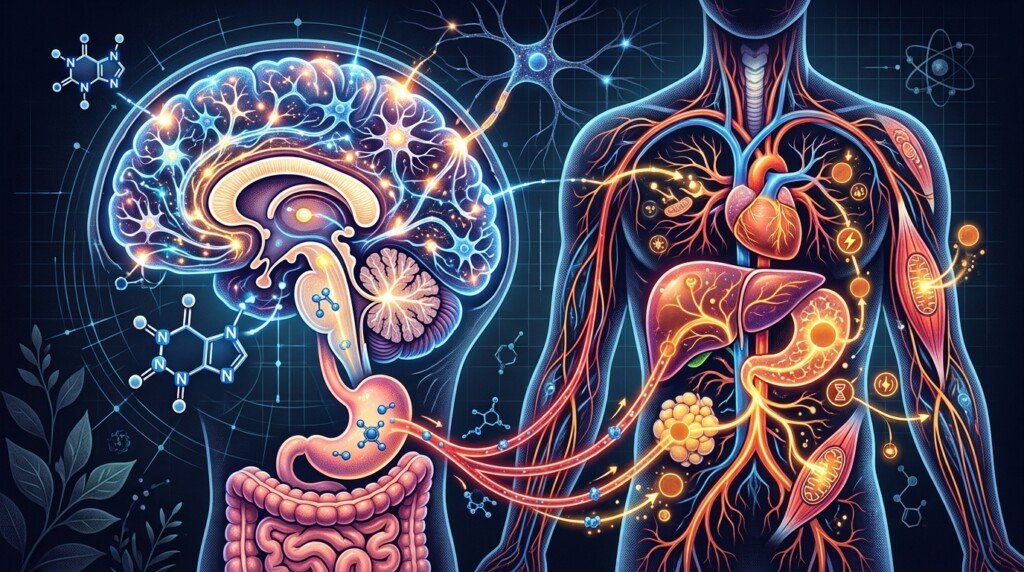
Coffee Influences the Central Nervous System
Caffeine works by blocking a chemical messenger called adenosine.
Normally, adenosine promotes feelings of tiredness and relaxation.
When caffeine blocks its action, the nervous system becomes more alert, leading to increased wakefulness and greater nervous system activity.
This stimulation contributes to temporary increases in:
- Alertness
- Heart rate
- Energy expenditure
- Mental focus
These physiological responses help explain why coffee affects metabolism.
Energy Expenditure Is Only One Piece of the Puzzle
Although coffee can increase calorie burning, metabolism depends on many additional factors, including:
- Lean muscle mass
- Daily physical activity
- Hormones
- Age
- Body composition
- Genetics
Coffee influences only one part of a much larger metabolic system.
Readers wanting a broader understanding of how the body burns calories may also enjoy Metabolism, which explains the many components contributing to daily energy expenditure.
How Caffeine Works Inside the Body
To understand coffee’s effects, it helps to know what happens after caffeine enters your bloodstream.
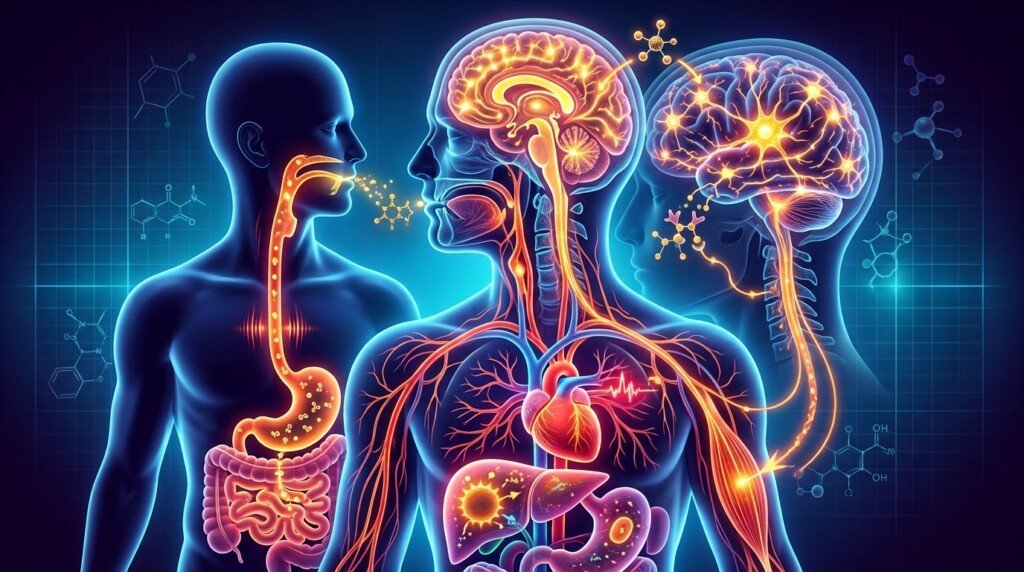
Absorption Happens Quickly
After drinking coffee, caffeine is rapidly absorbed through the digestive tract.
Blood levels typically begin rising within minutes, allowing caffeine to reach the brain and other organs relatively quickly.
This is why many people notice increased alertness soon after drinking coffee.
Blocking Adenosine Increases Alertness
Adenosine normally slows nervous system activity as the day progresses.
Caffeine temporarily blocks adenosine receptors, reducing feelings of tiredness.
As a result, the body releases stimulating chemicals that increase nervous system activity.
This Stimulation Requires Energy
Greater nervous system activity slightly increases energy expenditure.
Researchers refer to part of this response as thermogenesis, meaning the production of heat through metabolic activity.
Future readers interested in this process will find additional detail in Thermogenesis, which explores how the body naturally produces heat while burning calories.
How Does Caffeine Affect Calorie Burning?
This is one of the most studied questions in nutrition science.
The answer is yes, but with important limitations.
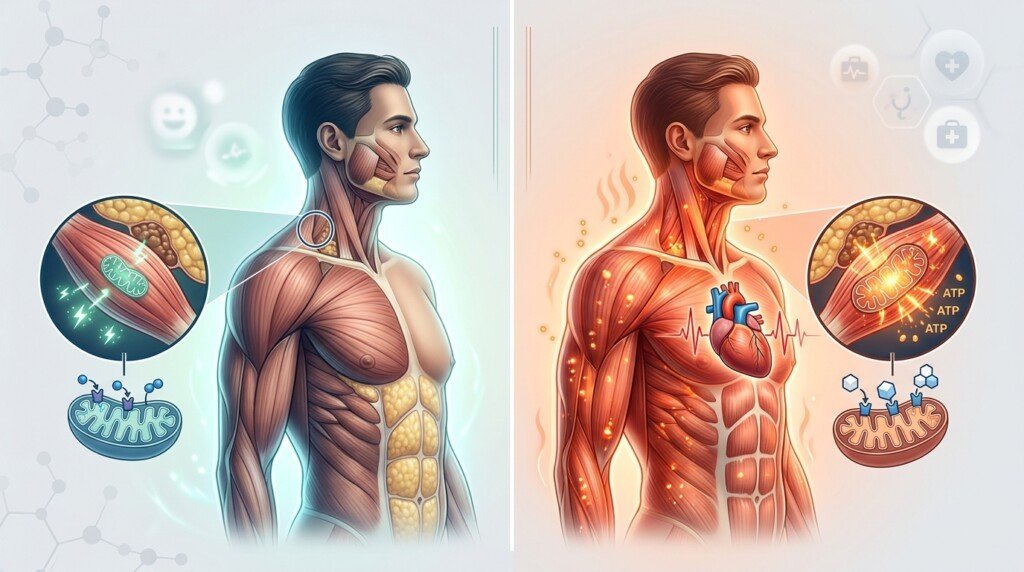
Claim vs Evidence
Claim: Coffee burns large amounts of calories.
Evidence: Coffee temporarily increases calorie expenditure, but the effect is relatively small.
Research suggests caffeine may slightly increase resting energy expenditure for several hours after consumption.
The exact response varies considerably between individuals.
Thermogenesis Explains Part of the Effect
Thermogenesis refers to the body’s production of heat.
Because generating heat requires energy, calorie expenditure increases slightly during this process.
Caffeine stimulates thermogenesis through activation of the nervous system.
However, the increase is modest and should not be viewed as a substitute for healthy lifestyle habits.
Fat Oxidation May Also Increase
Some studies suggest caffeine increases the body’s use of stored fat for energy, particularly during physical activity.
This process is known as fat oxidation.
While interesting from a scientific perspective, increased fat oxidation does not automatically translate into meaningful weight loss.
Overall calorie balance still matters most.
Individual Differences Matter
Not everyone experiences the same response to caffeine.
Factors affecting metabolism include:
- Genetics
- Age
- Body size
- Habitual coffee intake
- Caffeine sensitivity
This explains why one person may feel energized after one cup while another notices very little change.
Does Black Coffee Burn More Fat?
Black coffee is frequently promoted as a “fat-burning drink.”
The research is more nuanced.
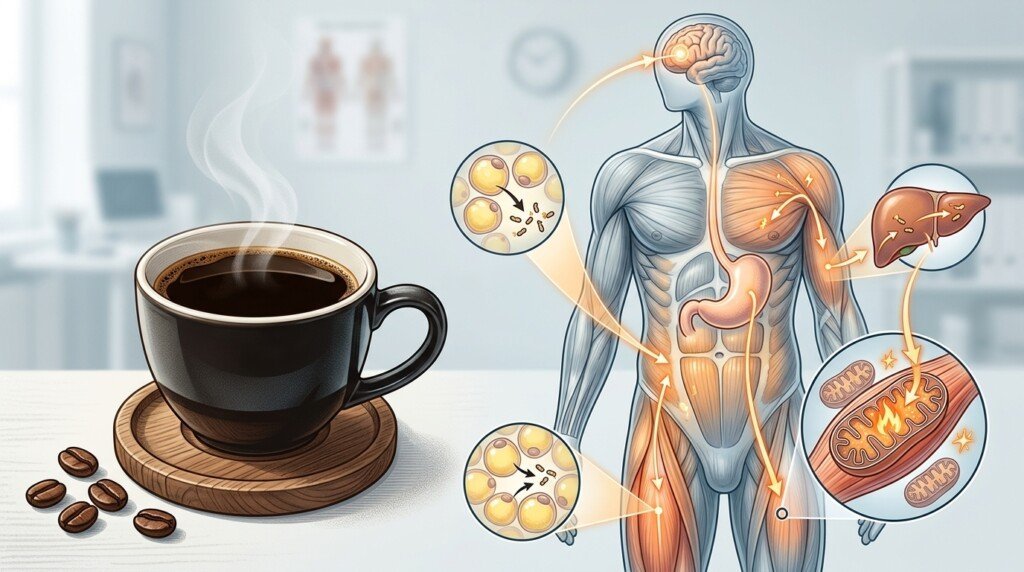
Claim vs Evidence
Claim: Black coffee melts body fat.
Evidence: Black coffee may support fat oxidation through its caffeine content, but it does not directly burn body fat on its own.
The primary active ingredient responsible for coffee’s metabolic effects is caffeine.
Whether coffee is black or contains milk does not fundamentally change caffeine’s mechanism.
Why Black Coffee Is Often Recommended
Black coffee contains very few calories.
Adding large amounts of:
- Sugar
- Syrups
- Whipped cream
- Sweetened creamers
can significantly increase calorie intake.
From a weight-management perspective, black coffee simply contributes fewer calories than highly sweetened coffee beverages.
Coffee Supports Rather Than Creates Fat Loss
Coffee may temporarily support:
- Alertness
- Exercise performance
- Thermogenesis
- Fat oxidation
However, lasting fat loss still depends on consistent healthy habits and maintaining an appropriate energy balance.
Readers interested in beverage choices may also enjoy Drinks That Boost Metabolism, which examines the evidence behind several commonly discussed metabolism-supporting drinks.
Evidence at a Glance
| Research Question | Current Evidence |
|---|---|
| Does coffee increase calorie burning? | Yes, modestly. |
| Does caffeine increase thermogenesis? | Yes. |
| Does coffee directly burn body fat? | No. |
| Does black coffee contain fewer calories? | Yes. |
| Is coffee enough for weight loss by itself? | No. |
How Long Does Coffee Affect Metabolism?
Many people notice that coffee makes them feel more alert within a short time, but they often wonder how long its metabolic effects actually last.
The answer depends on both the body and the coffee drinker.
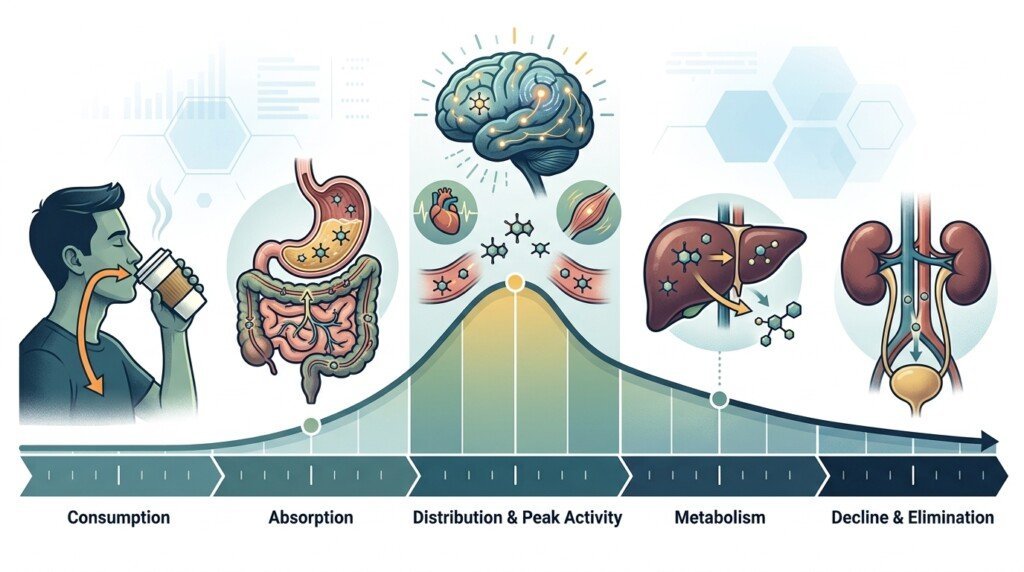
Caffeine Begins Working Fairly Quickly
After drinking coffee, caffeine is absorbed through the digestive system and enters the bloodstream.
Most people begin feeling its effects within 15 to 45 minutes, although individual responses vary.
During this period, caffeine starts stimulating the central nervous system and temporarily increases energy expenditure.
The Metabolic Effect Is Temporary
Unlike permanent changes in metabolism caused by factors such as muscle mass or aging, caffeine’s influence is short-lived.
Its effects gradually decrease as the liver breaks down caffeine and removes it from the body.
Although caffeine remains in the bloodstream for several hours, the strongest metabolic effects occur during the earlier part of that period.
Several Factors Influence Duration
How long caffeine affects metabolism depends on many individual factors, including:
- Genetics
- Age
- Liver function
- Smoking status
- Pregnancy
- Certain medications
- Regular caffeine intake
This explains why one person may remain energized for hours while another barely notices any difference.
Does Your Body Become Tolerant to Caffeine?
One of the most interesting findings from caffeine research is that the body gradually adapts.
This process is known as caffeine tolerance.
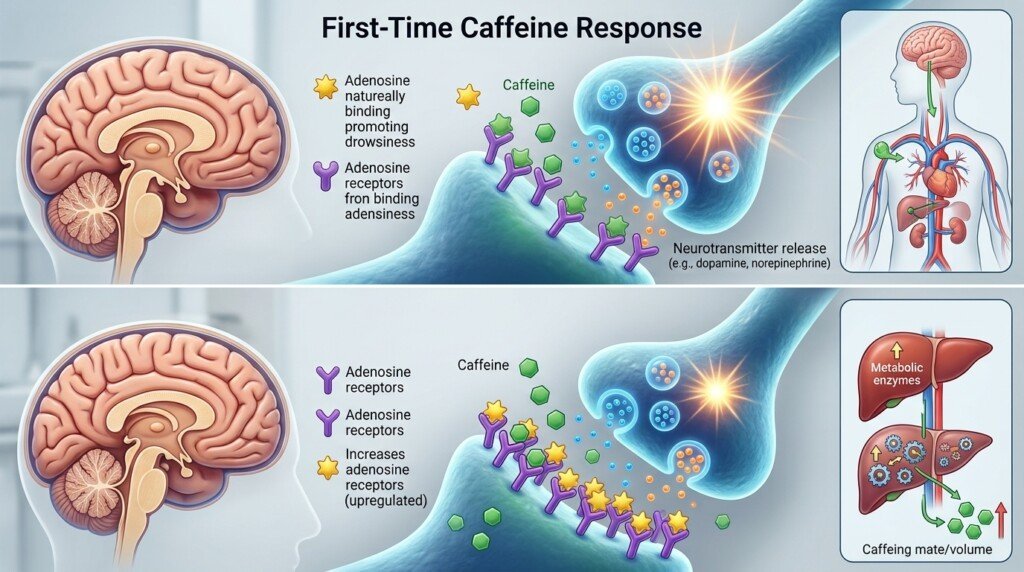
Claim vs Evidence
Claim: Coffee boosts metabolism the same way forever.
Evidence: Regular caffeine intake reduces many of coffee’s metabolic effects over time.
Your Brain Learns to Adapt
As caffeine blocks adenosine receptors day after day, the body responds by becoming less sensitive to its stimulating effects.
Over time, many people notice:
- Less energy after coffee.
- Reduced alertness.
- Smaller increases in calorie burning.
- Less noticeable improvements in physical performance.
Tolerance Varies Between People
Not everyone develops tolerance at the same speed.
Factors include:
- Daily caffeine intake.
- Genetics.
- Overall health.
- Individual sensitivity.
Some people remain highly sensitive to caffeine even after years of coffee consumption, while others require much larger amounts to notice similar effects.
More Coffee Is Not Always Better
Increasing coffee intake simply to chase greater metabolic effects is generally not supported by research.
Higher caffeine intake may increase the likelihood of:
- Nervousness.
- Rapid heartbeat.
- Digestive discomfort.
- Anxiety.
- Sleep disruption.
More caffeine does not necessarily produce proportionally greater calorie burning.
Is Coffee Useful for Weight Loss?
Coffee is frequently advertised as a weight-loss aid.
Research paints a much more realistic picture.

Coffee Can Support Healthy Habits
For some individuals, coffee may indirectly support weight management by:
- Increasing alertness before physical activity.
- Slightly increasing calorie expenditure.
- Temporarily reducing appetite in some people.
- Improving exercise performance.
These effects may complement healthy lifestyle habits.
Coffee Is Not a Fat-Loss Solution
Drinking coffee alone does not create meaningful weight loss.
Long-term body weight remains primarily influenced by:
- Total calorie intake.
- Daily physical activity.
- Muscle mass.
- Sleep quality.
- Stress management.
- Sustainable lifestyle habits.
Coffee works best as one small part of an overall healthy routine rather than the foundation of a weight-loss strategy.
Readers interested in building lasting habits may also enjoy Sustainable Weight Loss, which focuses on practical long-term strategies rather than quick fixes.
Expectations Should Remain Realistic
The increase in calorie burning associated with coffee is generally modest.
For most people, this alone will not produce noticeable fat loss.
Understanding this helps avoid unrealistic expectations promoted by marketing claims.
Who Should Limit Caffeine Intake?
Coffee is safe for many healthy adults when consumed in moderation.
However, it is not appropriate for everyone.
Some People Are More Sensitive
Certain individuals experience stronger reactions to caffeine, including:
- Restlessness.
- Anxiety.
- Rapid heartbeat.
- Difficulty sleeping.
- Tremors.
These effects may occur even with relatively small amounts of coffee.
Certain Medical Conditions Require Extra Caution
Healthcare professionals may recommend limiting caffeine for people with certain medical conditions or during pregnancy.
Individual recommendations vary depending on personal health circumstances.
Listen to Your Body
There is no single amount of coffee that works for everyone.
Paying attention to how your body responds is often more helpful than following general recommendations alone.
If coffee consistently causes unpleasant symptoms, discussing caffeine intake with a healthcare professional may be appropriate.
Coffee and Metabolism at a Glance
| Question | Answer |
|---|---|
| Does coffee affect metabolism? | Yes, temporarily. |
| Does caffeine increase calorie burning? | Yes, modestly. |
| Does black coffee burn fat directly? | No. |
| Does tolerance reduce caffeine’s effects? | Yes. |
| Is coffee enough for weight loss? | No. |
| Can everyone drink unlimited coffee? | No. Individual tolerance varies. |
The simplest way to remember this topic is:
Coffee can temporarily support metabolism, but lasting metabolic health depends on consistent lifestyle habits rather than caffeine alone.

Frequently Asked Questions
1. Does decaf coffee boost metabolism?
Decaffeinated coffee contains very little caffeine, so its effects on metabolism are much smaller than regular coffee.
2. Is coffee better before exercise?
Some research suggests caffeine may improve exercise performance for certain individuals, which can indirectly increase total calorie expenditure during physical activity.
3. Can coffee help burn belly fat?
Coffee does not specifically target belly fat. Fat loss occurs throughout the body based on overall energy balance rather than one particular food or beverage.
4. How much coffee is too much?
The appropriate amount varies between individuals. Factors such as age, health conditions, medications, and caffeine sensitivity all influence safe intake.
5. Does coffee permanently increase metabolism?
No. Coffee produces temporary metabolic effects rather than permanent changes.
6. Why do regular coffee drinkers notice fewer effects?
The body gradually develops tolerance to caffeine, reducing many of its stimulating effects over time.
7. Does black coffee work better than sweetened coffee?
Black coffee contains fewer calories, but the caffeine works through the same basic mechanism regardless of added milk or sweeteners.
8. Is coffee a substitute for exercise?
No. Coffee may complement an active lifestyle, but it cannot replace regular physical activity.
9. Does coffee increase thermogenesis?
Yes. Caffeine can temporarily stimulate thermogenesis, contributing to a modest increase in calorie expenditure.
10. Is coffee good for everyone?
No. Some individuals are more sensitive to caffeine or have medical conditions that require limiting intake.
Final Thoughts
The relationship between Coffee and Metabolism is supported by scientific evidence, but it is often exaggerated in popular media. Caffeine can temporarily increase calorie burning, stimulate thermogenesis, and improve alertness, making coffee one of the most widely studied beverages for metabolic health. However, these effects are generally modest and tend to become smaller as the body develops tolerance. While coffee may support healthy lifestyle habits by improving energy and exercise performance, it should never be viewed as a shortcut to meaningful fat loss or a replacement for balanced nutrition and regular physical activity.
Perhaps the most important lesson is that coffee works best as part of an overall healthy lifestyle rather than as a standalone metabolism booster. Choosing realistic expectations allows you to enjoy coffee for its potential benefits without falling for exaggerated marketing claims. As this metabolism series continues, future articles on Green Tea and Metabolism, Capsaicin and Metabolism, and Thermogenesis will explore other scientifically studied factors that influence how the body burns and uses energy.
Disclaimer:
This post may contain affiliate links. If you purchase through them, we may earn a small commission at no extra cost to you. Also, this content is for informational purposes only and does not substitute professional medical advice.
Fuel Your Body Right
Use our free Nutrition Toolkit to find your protein target, fasting window, and net carbs in minutes.
Open Free Tools →